
The Most Underrated North Carolina Native Tree That Deters Ticks While Shading Your Yard All Summer
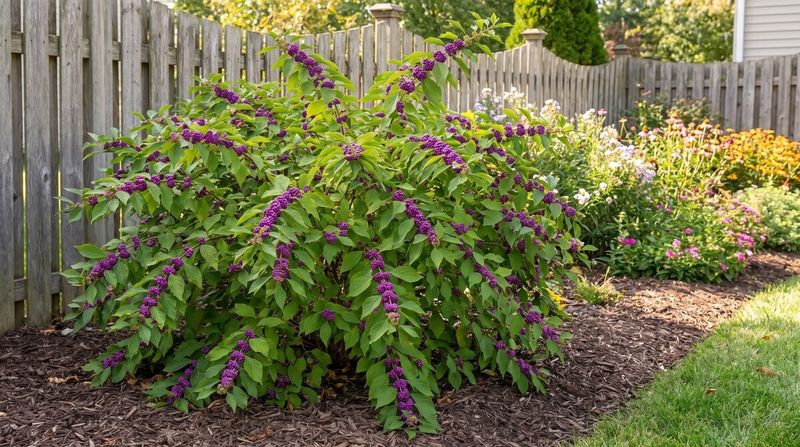
Somewhere between gardening advice and tick-prevention tips, a native North Carolina shrub called American beautyberry has quietly earned a reputation that outpaces what the science actually shows. People call it a tick-repelling shade tree, but that description gets two things wrong at once.
The real story is more nuanced and, honestly, still pretty interesting for any NC homeowner who wants a wildlife-friendly yard without skipping the tick-prevention steps that actually work.
The “tree” in this story is actually American beautyberry
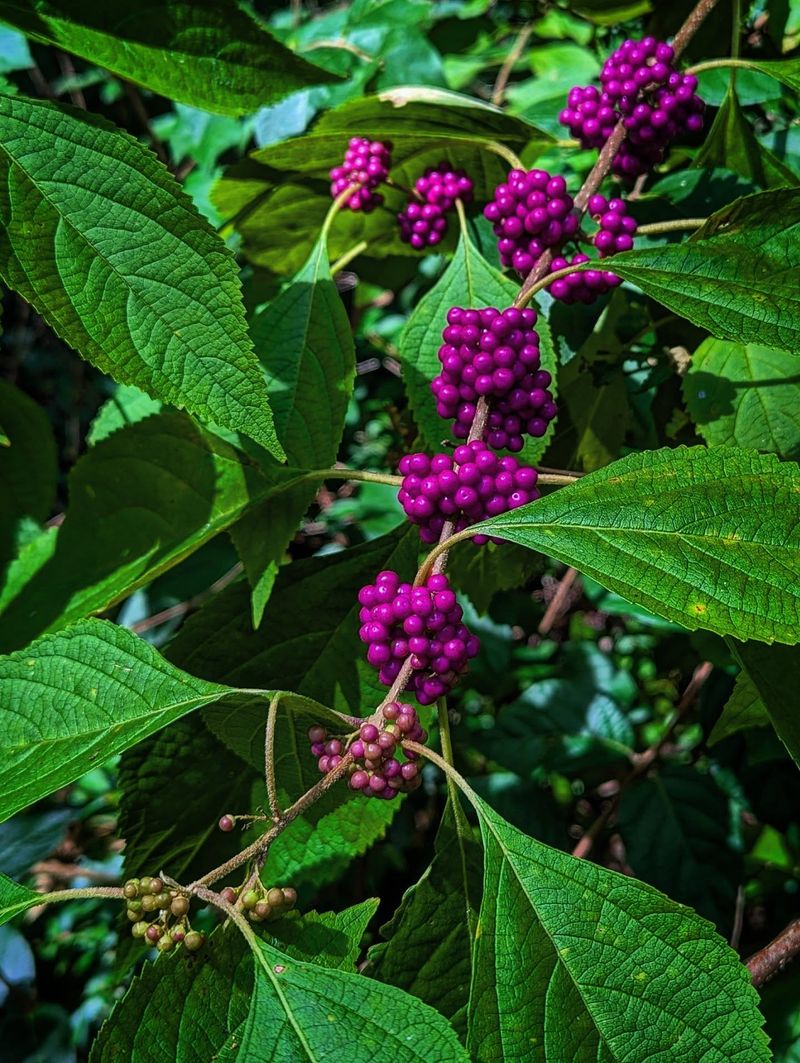
American beautyberry, known botanically as Callicarpa americana, is the plant most likely behind the claim circulating in gardening circles about a native North Carolina species that deters ticks while shading your yard. Before going further, one correction is worth making right away: NC State Extension’s plant profile describes American beautyberry as a deciduous shrub that typically reaches 3 to 8 feet tall and 3 to 6 feet wide.
That is a medium-sized landscape shrub, not a canopy tree, and it will not throw meaningful overhead shade across an entire yard during summer.
The plant is genuinely native to North Carolina and is listed for the Coastal Plain, Piedmont, and Mountains alike. It grows best in full sun to part shade and performs poorly in deep shade.
Its most distinctive feature is the tight clusters of bright purple or bluish berries that develop along the stems from roughly August through October, sometimes hanging on into early winter. Those berries are hard to mistake once you have seen them.
Identification matters because nonnative beautyberry species, including Chinese beautyberry (Callicarpa dichotomaCallicarpa japonicaCallicarpa americana) and Japanese beautyberry (), are sold in cultivation and look similar at a glance. North Carolina’s vascular plant records confirm as the native species; the nonnative cultivars are not substitutes for the wildlife and ecological benefits tied to the native plant.
When buying or planting, verify the species name on the label before leaving the nursery.
What beautyberry genuinely offers is ornamental appeal and habitat value, both discussed in more detail ahead. What it does not offer is a shady canopy or a proven yard-wide barrier against ticks.
Knowing that distinction upfront helps North Carolina homeowners use this shrub for what it actually does well.
What the tick research really found
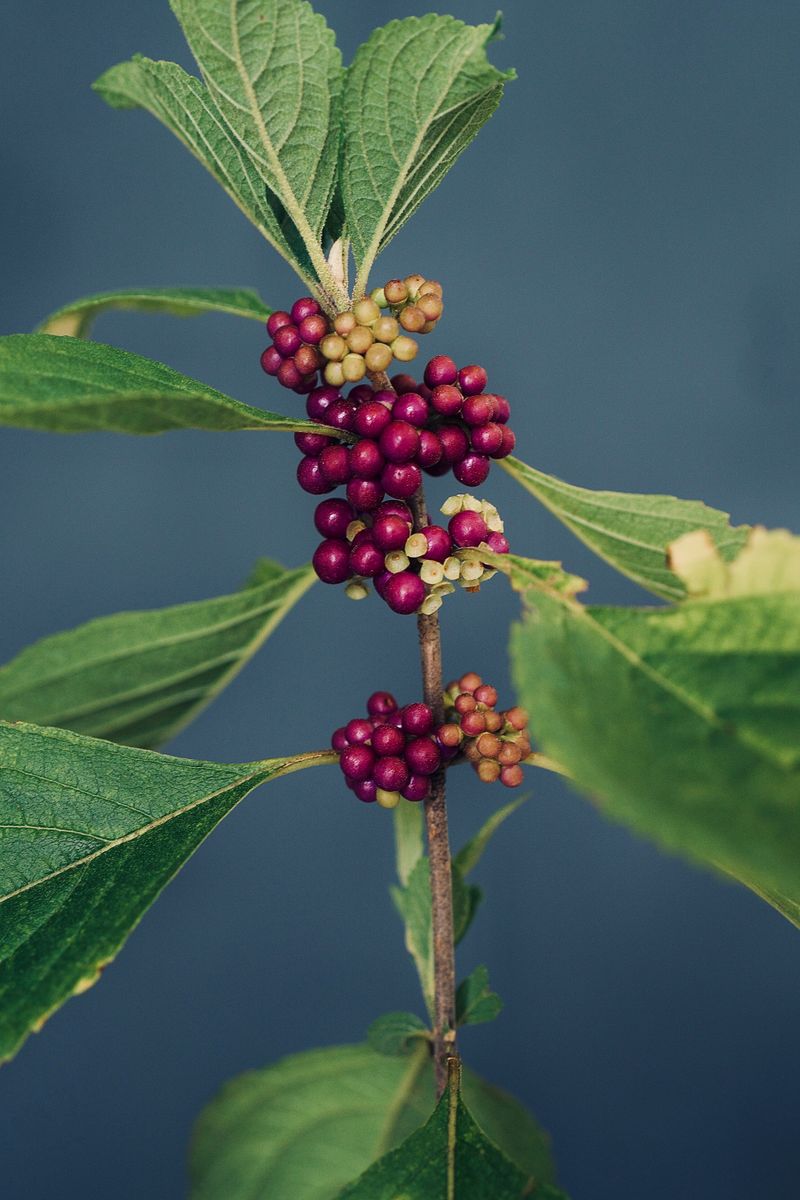
The tick-repellency story behind beautyberry starts in a laboratory, not a backyard. Researchers identified two terpenoid compounds found in crushed beautyberry leaves, callicarpenal and intermedeol, and tested them against host-seeking nymphs of two tick species common in the South: the blacklegged tick (Ixodes scapularisAmblyomma americanum) and the lone star tick ().
The peer-reviewed study published in the Journal of Medical Entomology characterized these as laboratory bioassays, meaning the work was conducted under controlled experimental conditions designed to isolate the compounds’ effects.
The USDA Agricultural Research Service reported that cloth strips treated with the isolated compounds repelled more than 95 percent of tested blacklegged tick nymphs. That is a striking number, but context changes how useful it is to a homeowner.
The study tested purified compounds applied to fabric, not a living shrub sitting at the edge of a yard.
Several things the research did not test are worth naming clearly. The study did not test whole beautyberry plants or mature shrubs growing in soil.
It did not evaluate whether the mere presence of an intact, uninjured shrub creates any measurable repellent effect on ticks moving through a yard. It did not include adult ticks, only nymphs.
It did not examine residential landscapes, outdoor tick abundance counts, or disease transmission outcomes. Crushing leaves releases the relevant compounds; an undisturbed, intact plant does not necessarily emit them at levels that affect tick behavior across a property.
The gap between a laboratory compound test and a yard-level tick-control claim is significant. Repellency in a controlled assay tells researchers that a compound is worth studying further.
It does not tell a homeowner that planting a beautyberry shrub near the fence line will keep ticks out of the backyard. Treating those two things as equivalent would lead to a false sense of security in a state where tick-borne illness is a real concern.
Beautyberry earns a place through documented habitat value
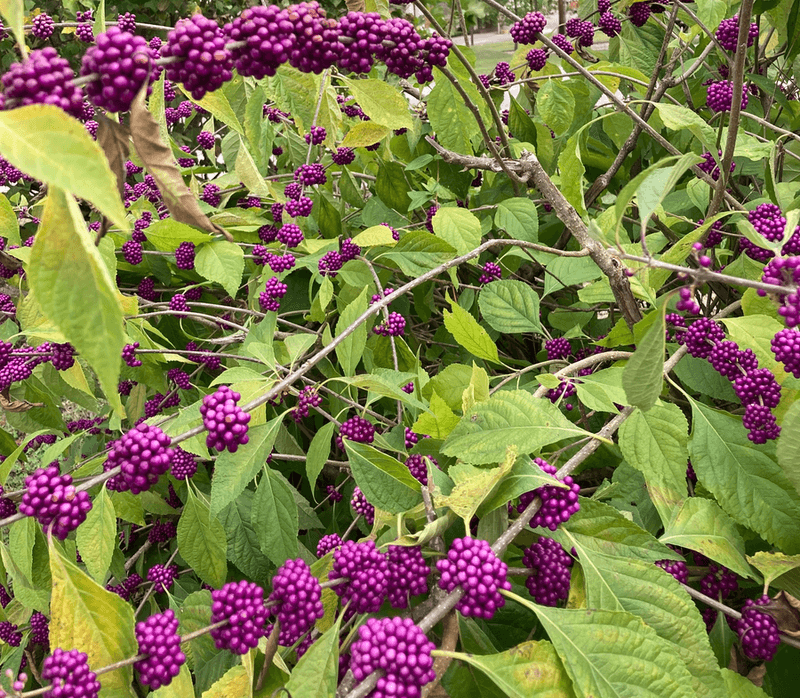
Strip away the overblown tick claims and American beautyberry still earns a spot in a North Carolina yard on its own merits. The berry clusters are the most obvious draw.
From August through October, the stems are lined with dense, jewel-bright purple or bluish fruit that songbirds and small mammals actively seek out. NC State Extension lists birds and small mammals among beautyberry’s documented wildlife beneficiaries, making it a productive addition to any yard aimed at supporting local wildlife through the fall migration season and beyond.
The shrub’s form suits several landscape roles. Its arching branches work well in a border planting, a mass grouping along a property edge, a naturalized area where some seasonal untidiness is acceptable, or a woodland-edge transition that softens the line between a maintained lawn and a wooded area.
Pollinator gardens can also incorporate it, since the small pink flowers that precede the berries attract native bees and other insects during summer. NC State’s guidance on landscaping for wildlife with native plants supports using shrubs like this as part of a layered habitat design that benefits multiple species.
One ecological distinction deserves honest treatment here. Native planting supports biodiversity and can replace invasive species that degrade habitat, but it does not automatically lower tick numbers.
Tick abundance in any given yard depends on vegetation structure, moisture levels, leaf litter accumulation, and the presence of hosts like rodents, deer, and birds. Research on Japanese barberry management in Connecticut forests found that removing that invasive shrub reduced blacklegged tick abundance in those specific settings, but that finding does not mean every native replacement will produce the same result in every North Carolina yard.
Beautyberry’s value is real; it just needs to be described accurately.
Place the shrub at the edge of the yard, not beside the play area
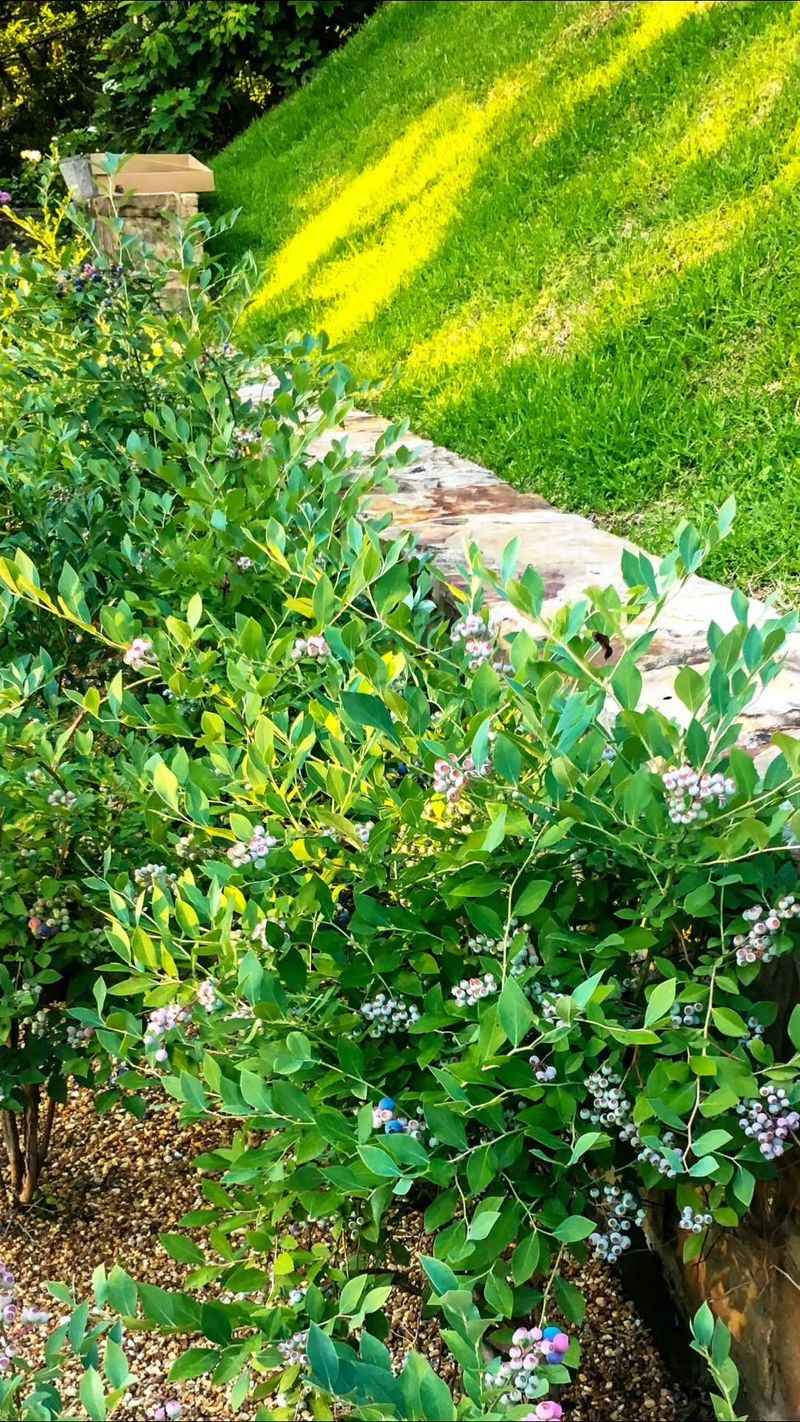
Where you put a beautyberry in your yard matters as much as whether you plant one at all. NC State Extension notes that the shrub performs best in full sun to part shade and does poorly in deep shade, so a sunny-to-partly-shaded yard edge or woodland transition is the right fit.
Tucking it into a dark corner under a large tree will produce a leggy, low-fruiting plant that helps neither wildlife nor the yard’s visual appeal.
The more important siting consideration is the relationship between habitat plantings and high-use areas. Dense shrubs, leaf litter, and wooded edges can all support wildlife, but they also create the kind of moist, sheltered conditions where ticks thrive and where questing nymphs are most likely to encounter a passing person or pet.
NC State’s wildlife landscaping guidance encourages layered habitat design, and that layering works best when the densest plantings are kept away from the places people spend the most time.
A practical approach is to treat the yard in zones. Keep patios, play equipment, lawn furniture, and the paths children and pets use most often open, mowed short, and sunny.
Place beautyberry and similar native habitat shrubs at the perimeter or along a maintained transition strip rather than directly beside a sandbox or swing set. CDC guidance on Lyme disease prevention specifically recommends keeping play areas and recreational equipment away from wooded edges, and that principle applies to any dense shrub planting near tick habitat.
Beautyberry used this way functions as one component of a thoughtful habitat edge, not as a chemical or biological wall between your family and tick exposure. The shrub does its job as a wildlife plant; the siting decision does its job as exposure-conscious design.
Neither replaces the other, and neither replaces the yard maintenance and personal protection steps covered in the sections ahead.
The measures that reduce everyday tick exposure are mostly structural
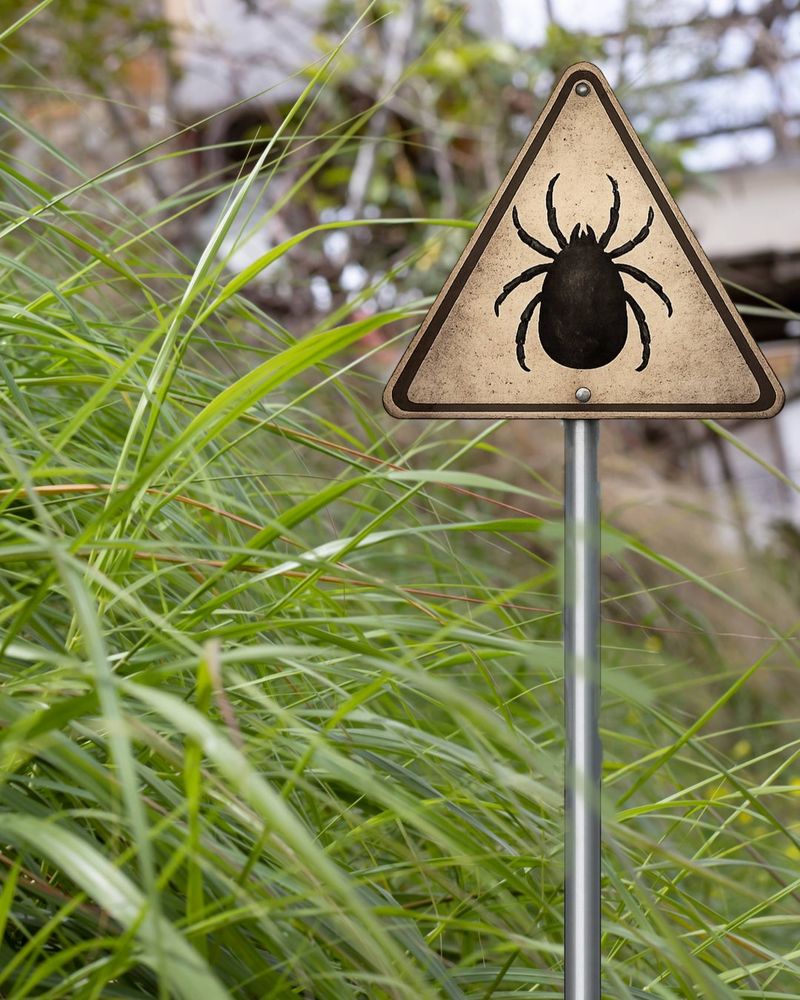
Plant selection gets a lot of attention in tick conversations, but yard structure is where the most consequential decisions happen. CDC’s Lyme disease prevention guidance outlines a clear set of landscaping actions with stronger public-health backing than any single plant choice: remove leaf litter regularly, clear tall grass and brush, mow on a consistent schedule, and trim branches and shrubs to let more sunlight reach the soil.
Ticks need moisture and shade to survive; reducing both at ground level makes a yard less hospitable to them.
Separating high-use areas from wooded edges is another structural step with real impact. Patios, garden beds people kneel in, and any area where children or pets play should be as far from dense vegetation and tree lines as your yard allows.
Where the lawn meets woods or a naturalized area, installing a three-foot-wide strip of wood chips or gravel creates a physical transition that discourages tick movement or contact at that boundary. The strip is a risk-reduction measure, not a guaranteed barrier.
Ticks travel with hosts, and deer, rodents, birds, pets, and people can carry them across any physical feature in the yard.
Wood piles and debris are worth addressing specifically. Stacked firewood, brush piles, and old lumber near the house give small rodents shelter, and rodents are among the most important tick hosts in the eastern United States.
Moving wood storage away from the house and off the ground where possible reduces the rodent activity that keeps local tick populations cycling.
CDC’s tick prevention page also notes the value of considering tick-control products for the yard, specifically EPA-registered acaricides, if tick pressure is high. Beautyberry fits into a well-designed yard as a wildlife planting at the habitat edge, but the structural and maintenance steps described here are the foundation of any honest tick-conscious landscape plan.
The shrub complements them; it does not replace them.
Keep personal protection in the plan
North Carolina’s tick-borne illness list is long enough to take seriously. NC Department of Public Health surveillance data identifies Rocky Mountain spotted fever and other spotted-fever illnesses, ehrlichiosis, Lyme disease, and STARI among the tick-transmitted conditions reported in the state.
Landscape design can lower your exposure opportunities, but it cannot eliminate them, which is why personal protection stays in the plan regardless of what you plant.
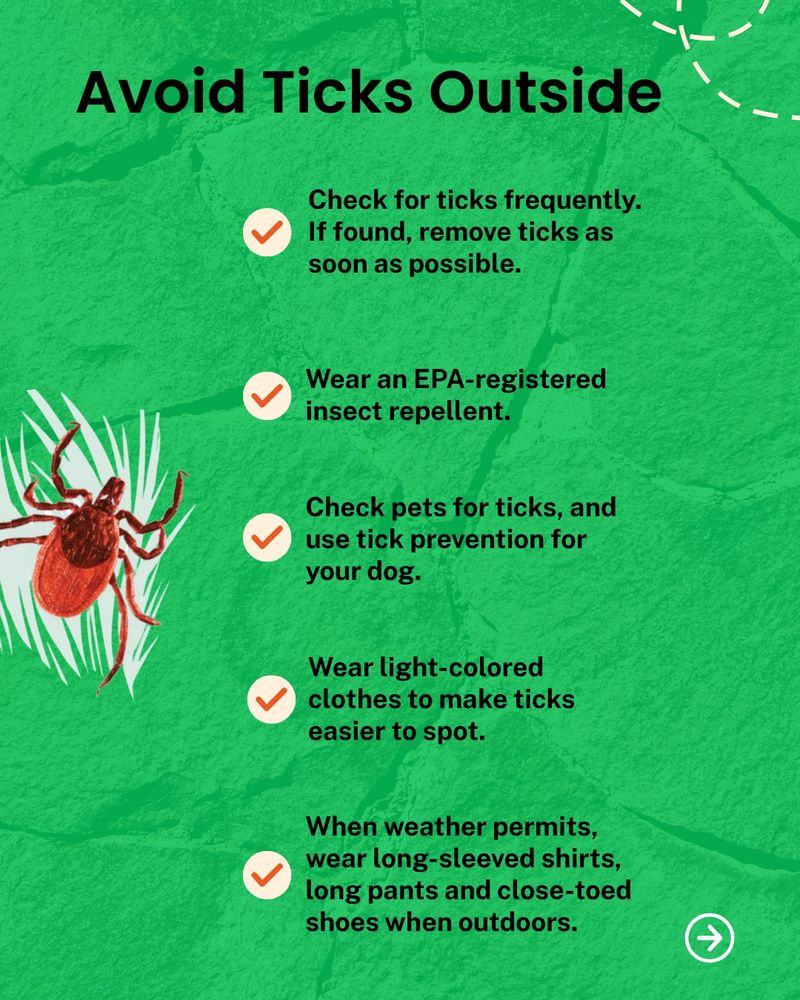
CDC’s tick prevention recommendations include wearing long sleeves and pants when working near wooded or brushy areas, tucking pants into socks, and doing a full skin check after any time outdoors in tick habitat. Checking pets after outdoor time is equally important because dogs and cats can carry ticks inside and transfer them to people or furniture.
When a tick is found attached, remove it promptly with fine-tipped tweezers, pulling steadily upward without twisting, and clean the bite area with rubbing alcohol or soap and water.
For repellent use, CDC recommends EPA-registered products containing DEET, picaridin, IR3535, oil of lemon eucalyptus (OLE), para-menthane-diol (PMD), or 2-undecanone, applied according to the label. CDC specifically advises against using OLE or PMD products on children younger than 3.
Permethrin-treated clothing adds another layer of protection for adults spending extended time in tick habitat.
Homemade beautyberry preparations, whether crushed leaves rubbed on skin or homemade extracts, are not a substitute for labeled repellents. EPA notes that unregistered repellents have not been evaluated for effectiveness or safety, and the beautyberry laboratory research does not establish a safe dose, duration of protection, allergy risk profile, or level of protection against disease-carrying ticks.
Skip the DIY preparations and use products that have gone through the regulatory review process.
Choose American beautyberry for the right job
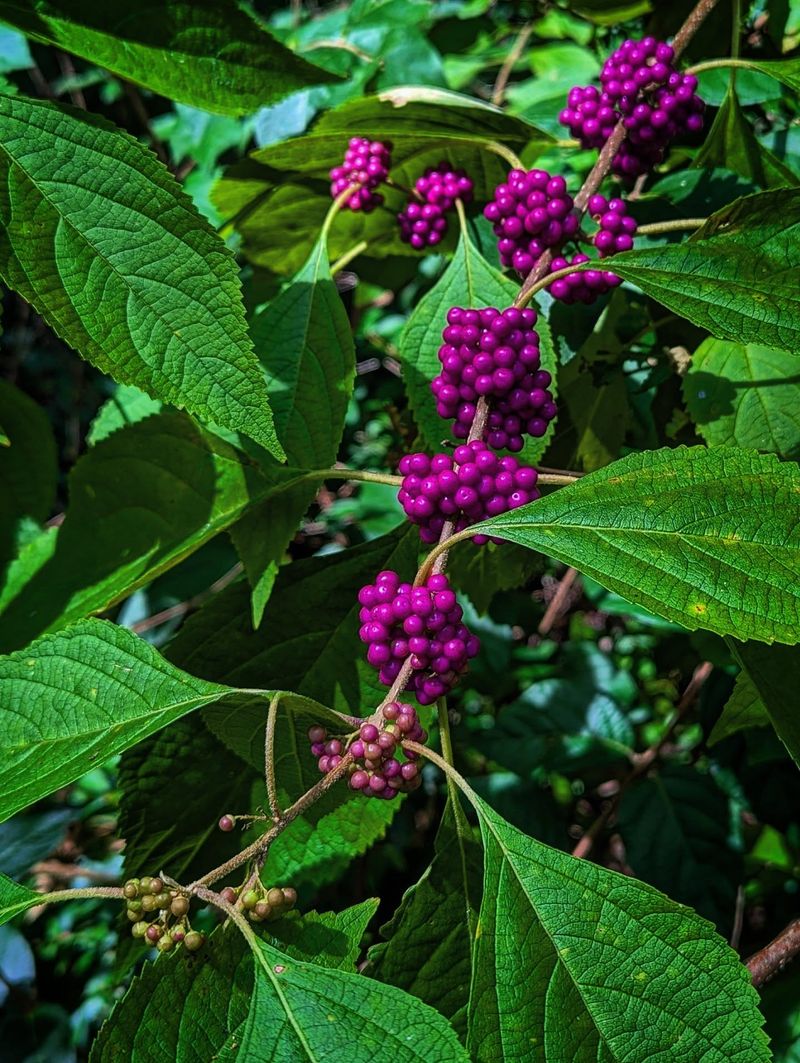
American beautyberry is worth planting in a North Carolina yard, but the reasons to plant it are specific. Choose correctly identified Callicarpa americana, not a nonnative cultivar, for its genuine native status across the Coastal Plain, Piedmont, and Mountains, its adaptability to full sun and part shade, and its late-season berry display that feeds songbirds and small mammals through fall.
NC State Extension’s plant profile confirms its range and landscape adaptability without overstating its pest-control role.
Site it at a maintained habitat edge rather than directly beside a patio or play area, pair it with the structural yard practices and personal protection described in the preceding sections, and treat it as one piece of a layered, wildlife-friendly landscape rather than a stand-alone solution. CDC-backed yard maintenance and personal repellent use remain the core of any honest tick-reduction plan.
The honest answer on tick repellency is this: laboratory research found that callicarpenal and intermedeol, compounds released when beautyberry leaves are crushed, repelled blacklegged and lone star tick nymphs under controlled conditions. That is real evidence worth knowing.
A living, intact shrub growing in your yard has not been shown to reduce tick abundance across a residential property, and the plant provides no meaningful overhead canopy shade. Plant it for the birds, the berries, and the native habitat value; let your tick-prevention plan do the rest of the work.