
12 Hummingbird Nectar Mixes That Actually Work-And 6 You Should Never Put In A Feeder
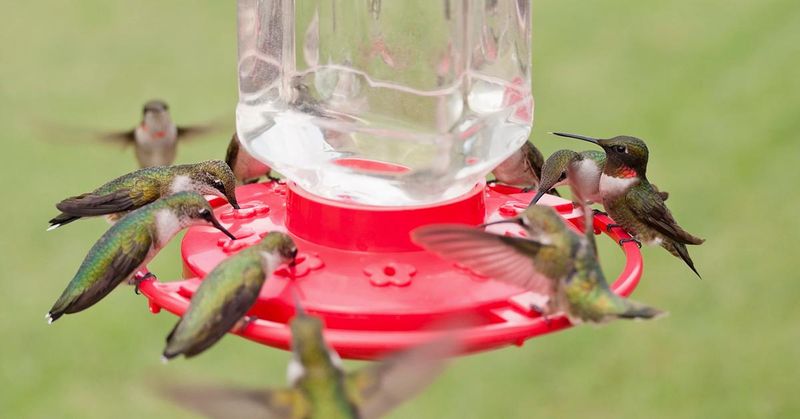
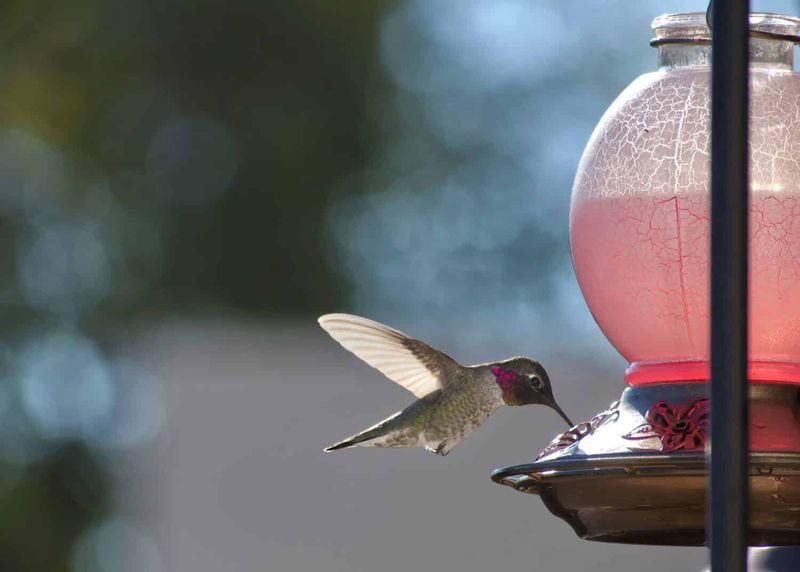
Watching hummingbirds zip up to your feeder is one of the best parts of a backyard, but what you pour into that feeder matters more than you might think. The right sugar-water mix keeps these tiny birds healthy and coming back, while the wrong ingredients can actually make them sick.
Below you will find twelve nectar recipes and feeder habits that really work, followed by six things you should keep far away from your feeder. Get these simple choices right, and your yard becomes a favorite pit stop all season long.
1. Standard White Sugar and Water Mix
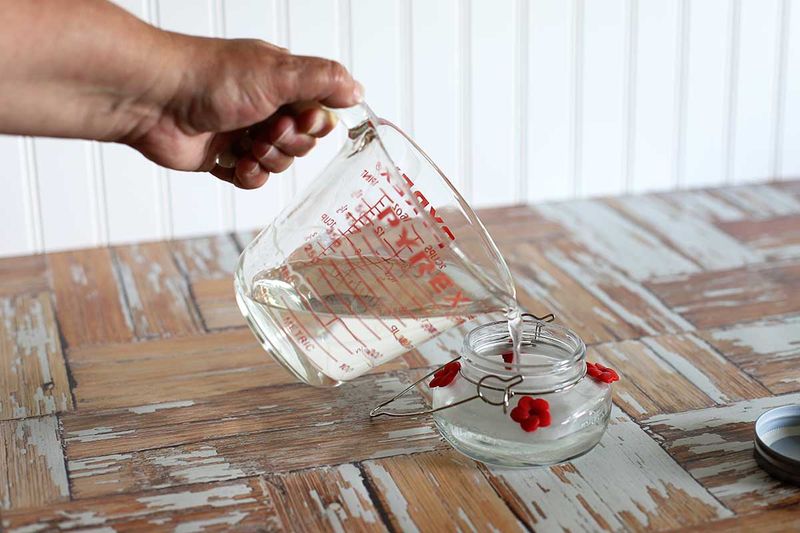
Nothing beats the classic for a reason. One part plain white sugar stirred into four parts water gives you the tried-and-true recipe that hummingbird experts have recommended for decades.
That 1:4 ratio isn’t random. It closely matches the sugar concentration found in the wildflowers hummingbirds naturally sip from, so their tiny bodies recognize and handle it well.
Mixing it up couldn’t be simpler. Dissolve the sugar fully, skip any extras, and fill your clean feeder.
If you only ever learn one nectar recipe, make it this one, because it works everywhere and costs almost nothing.
2. Boiled Water for Purity
A quick trip to a rolling boil does more than warm your water. Heating it first helps drive out impurities and dissolved minerals that can cloud your nectar or speed up spoilage.
Boiling also helps the sugar dissolve faster and cleaner, leaving you with a smooth solution and no gritty leftovers at the bottom of the jar.
You don’t strictly need to boil if you plan to serve the nectar right away. But if you want a batch that stays fresh a little longer, that extra few minutes on the stove pays off.
3. Cooled Nectar Before Filling
Patience here protects both your birds and your feeder. Hot nectar can warp plastic parts and, more importantly, isn’t something you want offered to a bird that will start sipping the moment it lands.
Letting the mixture drop all the way to room temperature keeps everything safe and stable. A warm batch can also start breaking down faster once it hits a sunny yard.
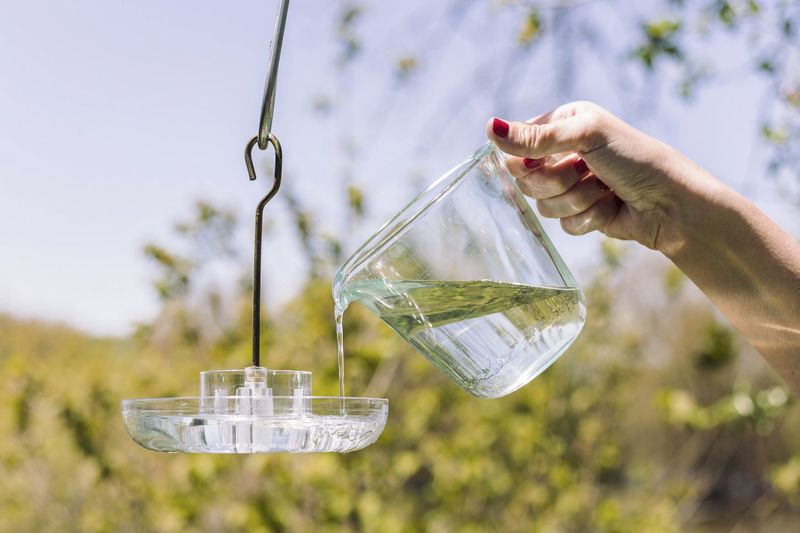
Pour a fresh batch into a jar and let it sit on the counter, or speed things along in the fridge. Only once it feels cool to the touch should it go into the feeder and out on the hook.
4. Refrigerated Storage for Extra Batches
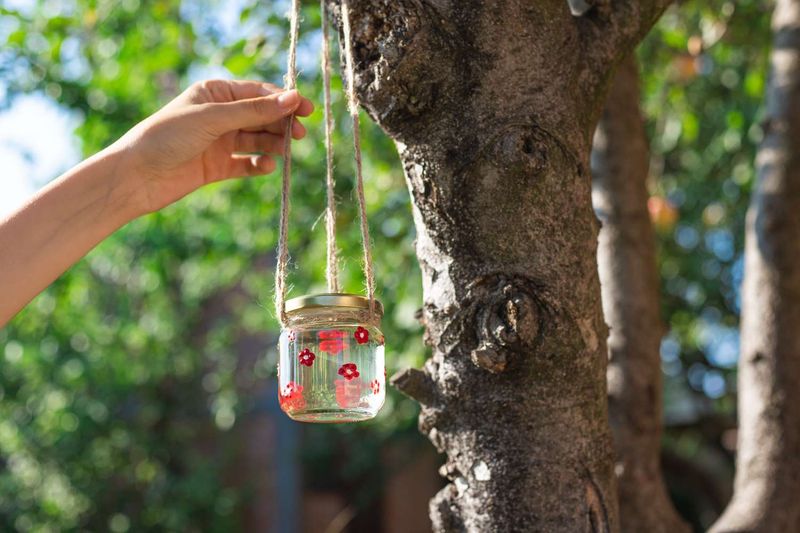
Making a big batch saves you a lot of trips to the stove. Leftover homemade nectar keeps nicely in an airtight container in the refrigerator, so you can top off feeders in seconds all week.
Most sources say stored nectar stays good for up to one to two weeks when kept cold, though giving it a sniff before each use is always smart. If it smells off or looks cloudy, pour it out.
Label your jar with the date so you never guess. A ready-to-go supply in the fridge means you refresh feeders more often, and fresher nectar is exactly what keeps hummingbirds healthy and loyal.
5. Refined White Cane Sugar Only
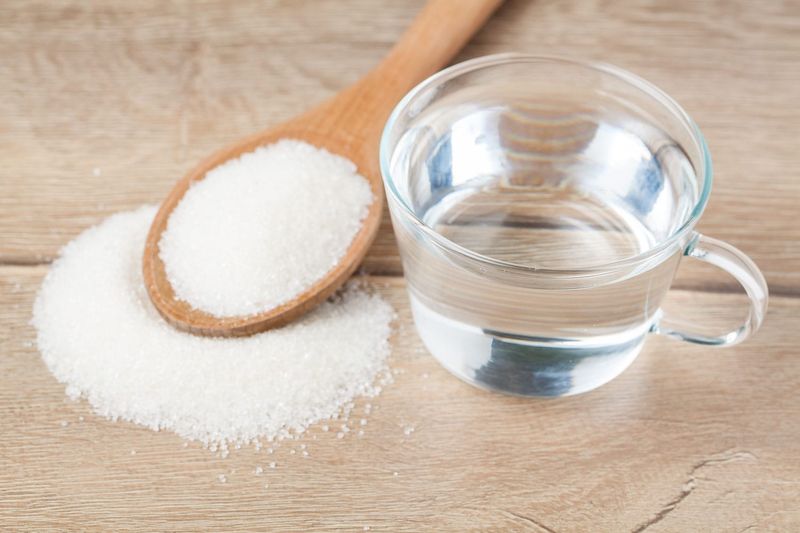
Grab the right bag and you’re already halfway to perfect nectar. Plain refined white cane sugar is the gold standard because it’s nearly pure sucrose, which is exactly what flower nectar delivers.
Beet sugar earns a pass too. Its sucrose molecule is identical to cane sugar’s, so hummingbirds can’t tell the difference and neither can their bodies.
Skip anything fancy or labeled raw. The plain white stuff in the baking aisle is cheaper anyway, and in this case cheaper genuinely means safer for your visitors.
6. Warm Weather Nectar (5:1 or 6:1 Ratio)
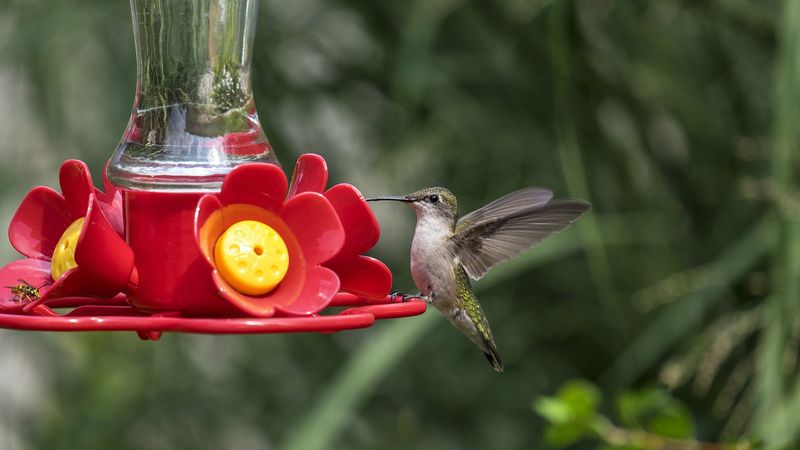
Summer heat changes what your birds need most. When temperatures climb, a slightly thinner mix of five or six parts water to one part sugar offers extra hydration on brutally hot days.
The lighter blend still tastes sweet enough to keep hummingbirds interested while helping them stay watered. Think of it as switching them from a milkshake to a sports drink when the sun is blazing.
You don’t have to overthink the switch. On stretches of extreme heat, lean toward the weaker ratio, then return to your standard mix once the weather cools back down.
7. Cold Weather Nectar (3:1 Ratio)
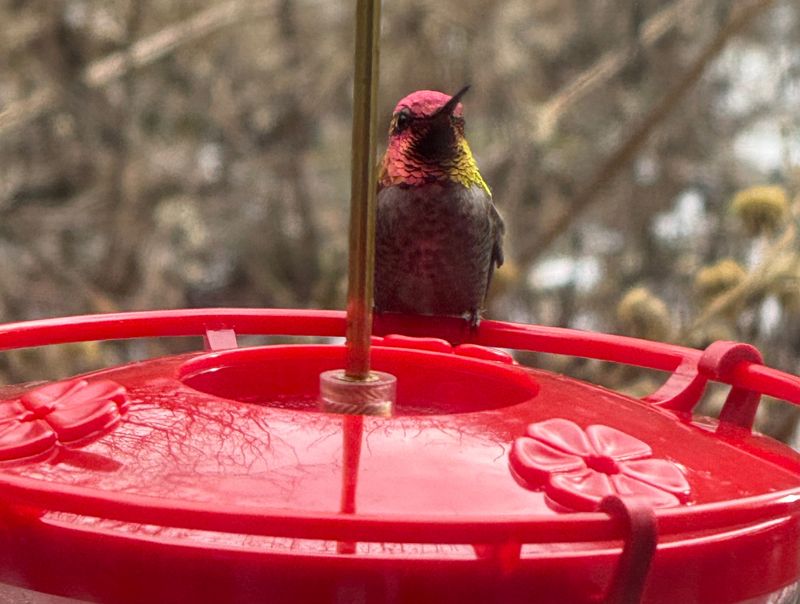
Chilly mornings demand more fuel. During cold snaps or early spring migration, a stronger mix of three parts water to one part sugar hands hummingbirds an extra energy boost when they need it most.
Burning calories to stay warm is exhausting for a bird that weighs less than a nickel. The richer nectar helps migrating and early-season visitors keep their tiny engines running.
Use this heartier recipe as a seasonal tool, not a year-round habit. Once spring warms up, ease back to the standard 1:4 blend so you don’t overload them with sugar.
8. Frequent Feeder Cleaning
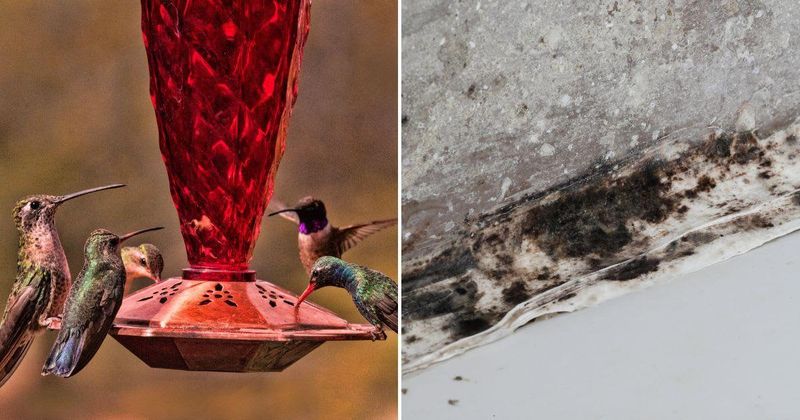
Even the best recipe fails inside a dirty feeder. Nectar left too long grows mold and bacteria that can seriously harm the very birds you’re trying to help.
Warm weather speeds spoilage, so clean and refill every two to three days in the heat. When temperatures cool off, every five to seven days usually keeps things safe.
Use hot water and a bottle brush to scrub every port and crevice, and skip harsh soaps that leave residue. A sparkling clean feeder may not sound exciting, but it’s one of the biggest favors you can do for a hummingbird.
9. Feeder Placement in Shade
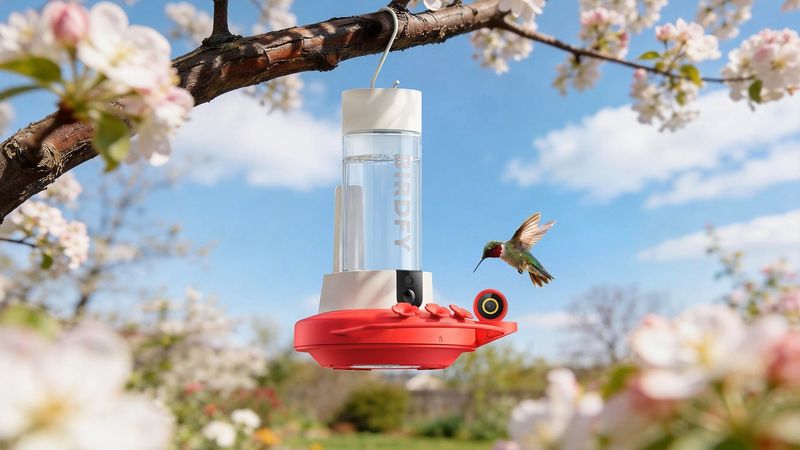
Where you hang the feeder matters as much as what’s inside it. Direct sunlight cooks your nectar, causing it to spoil and ferment far faster than it would in a cooler spot.
A shady branch, porch overhang, or leafy corner keeps the mixture fresher between cleanings. Cooler nectar also stays more appealing to picky hummingbirds who avoid sour, overheated syrup.
Aim for a place with dappled or morning-only sun if full shade isn’t available. Bonus: a partly hidden feeder gives skittish birds a sense of safety while they sip.
10. Red-Accented Feeders (Not Red Dye)
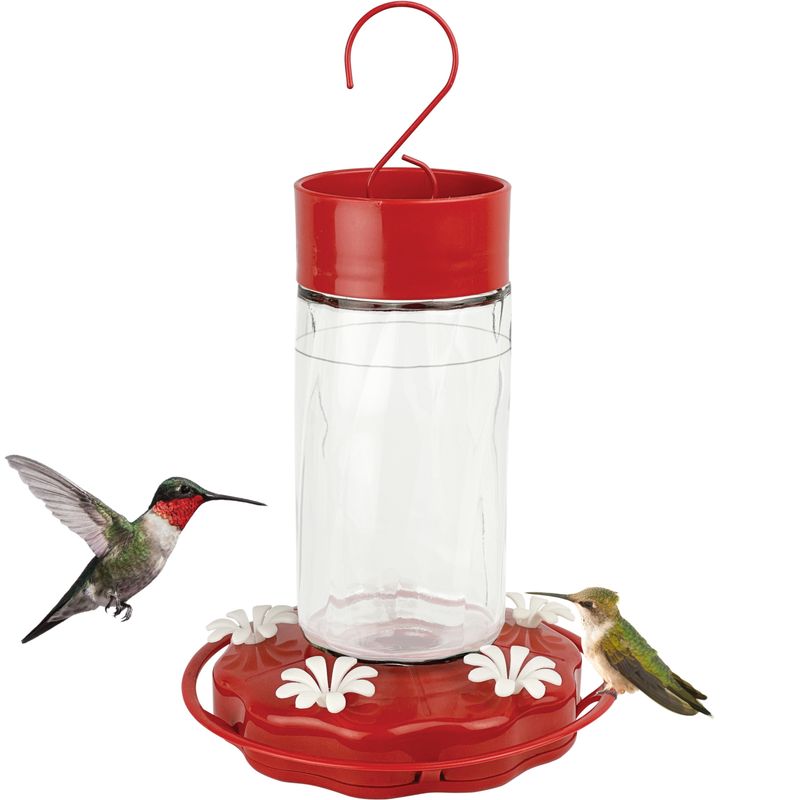
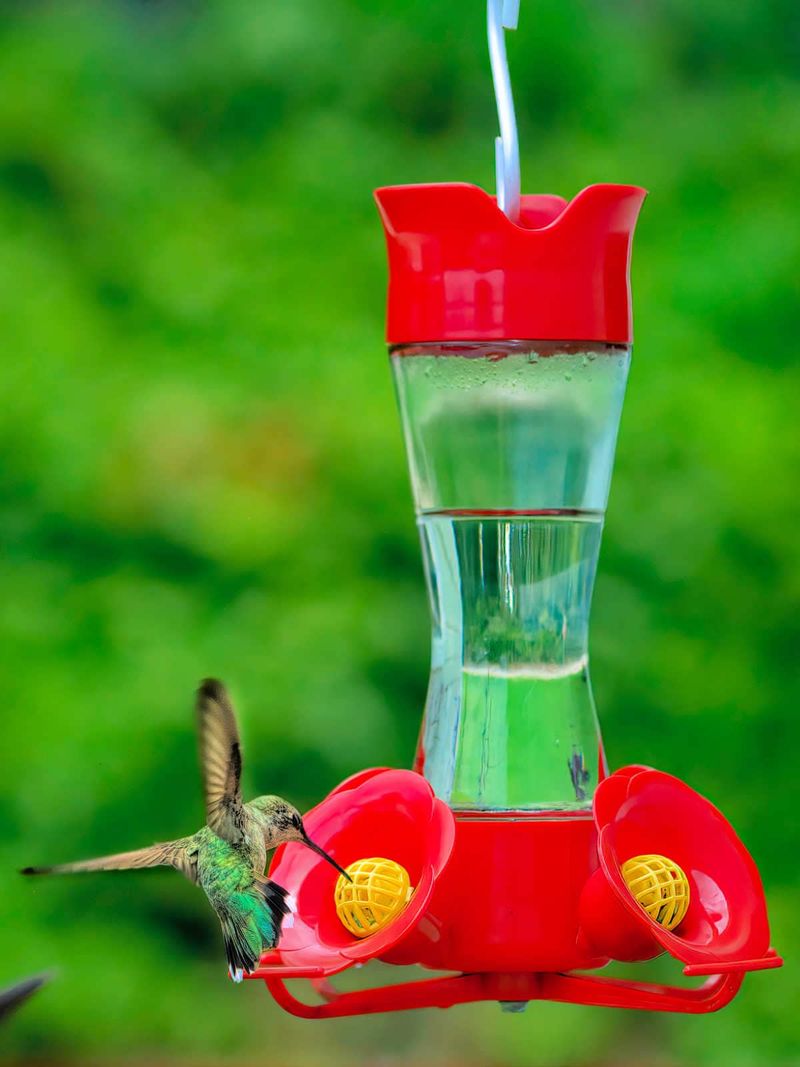
Hummingbirds really are drawn to red, but you don’t need to color the nectar to use that trick. Choose a feeder with red parts built into its design, and you get all the attraction with none of the risk.
Bright red bases, ports, or flowers on the feeder itself do the flagging job that colorful blooms do in nature. The clear nectar inside stays exactly as it should be.
Once birds discover a feeder, they remember its location and return without needing any tinted liquid at all. Let the plastic do the advertising and keep the sugar water crystal clear.
11. Insect Guards (Ant Moats and Bee Guards)
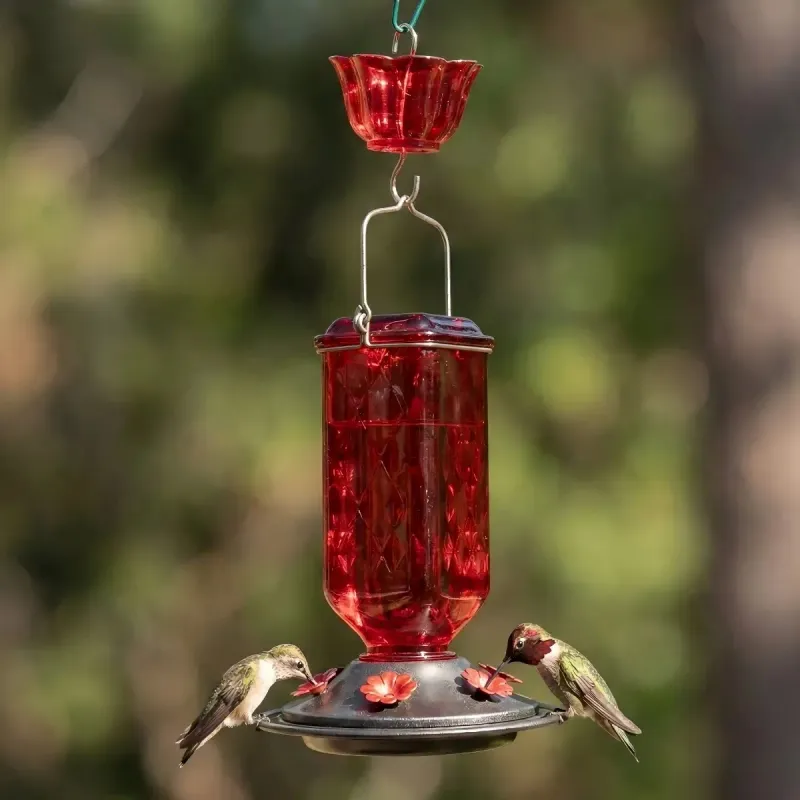
Ants and bees can turn a lovely feeder into a bug buffet in no time. A little water-filled ant moat above the feeder creates a barrier crawling insects simply can’t cross.
Bee guards, those small mesh or cage-like tips over the ports, let hummingbird tongues reach the nectar while keeping wasps and bees out. Fewer stinging insects means calmer, more frequent hummingbird visits.
Keeping pests away also protects the nectar itself, since insects contaminate the mixture and speed up spoilage. Small add-ons like these make a surprisingly big difference in how much your feeder gets used.
12. Multiple, Spaced Feeders
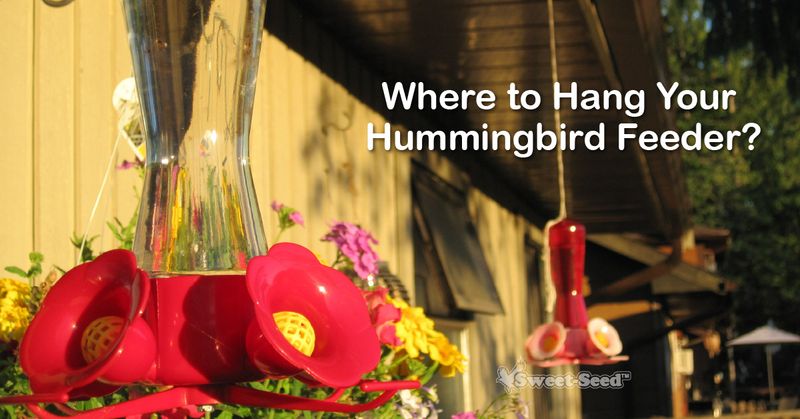
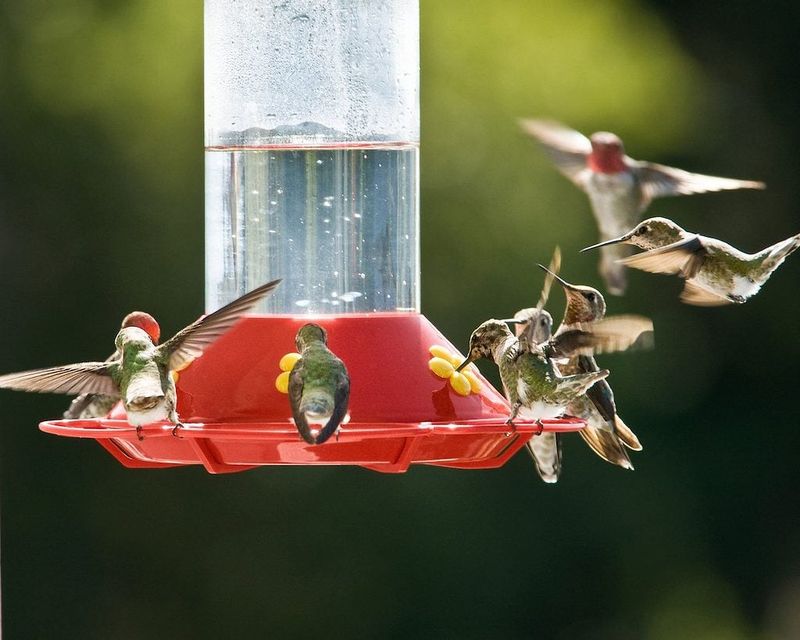
One dominant hummingbird can hog a single feeder and chase everyone else off. Hanging several feeders in different corners of your yard spreads the wealth and cuts down on those territorial dogfights.
The trick is placing them out of sight from one another, around a corner or on opposite sides of the house. A bossy bird can only guard what it can see, so hidden stations give shyer visitors a fair shot.
More feeders also mean more total hummingbirds enjoying your yard at once. If you love the buzz of wings, this simple layout tweak is the fastest way to turn a trickle into a crowd.
13. Red Dye and Food Coloring
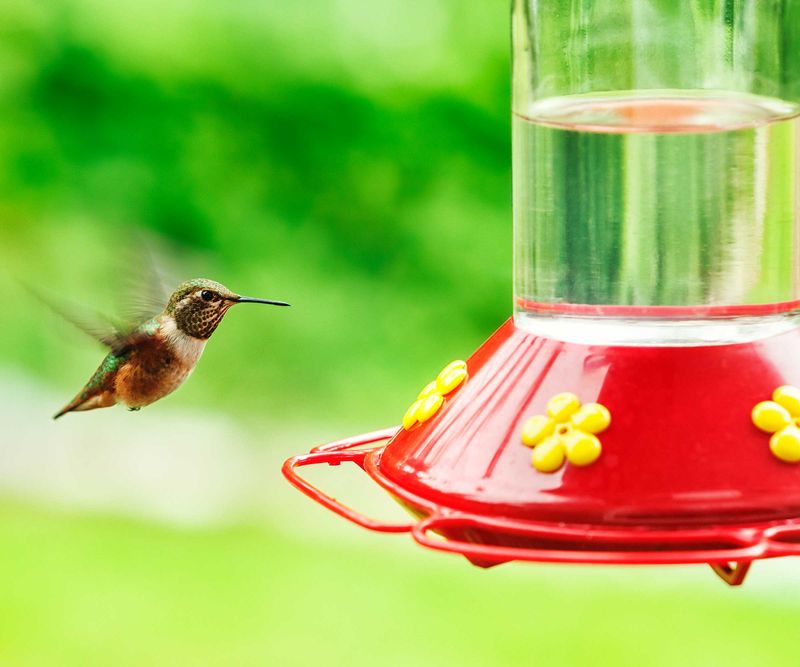
It’s the mistake that looks helpful and isn’t. Red food coloring seems like a clever way to attract more birds, but hummingbirds find your feeder just fine without it.
Worse, the dyes may carry chemicals that can harm these tiny bodies over time. Some research has linked artificial coloring to possible tumors of the bill and liver and to trouble with kidney function.
Since a red-accented feeder does the attracting for free, there’s no upside to tinting the nectar. Keep your sugar water clear and colorless, and let the feeder’s design catch their eye instead.
14. Honey
Natural doesn’t always mean safe. Honey may seem like a wholesome upgrade, but once you dilute it with water it ferments fast and breeds dangerous bacteria and fungi.
That fungal growth can coat a hummingbird’s tongue and cause deadly infections. A bird that can’t feed properly quickly weakens, and starvation follows.
No matter how pure or organic the honey, keep it out of the feeder entirely. Plain white sugar is the safe swap that actually matches what flowers provide.
15. Brown Sugar
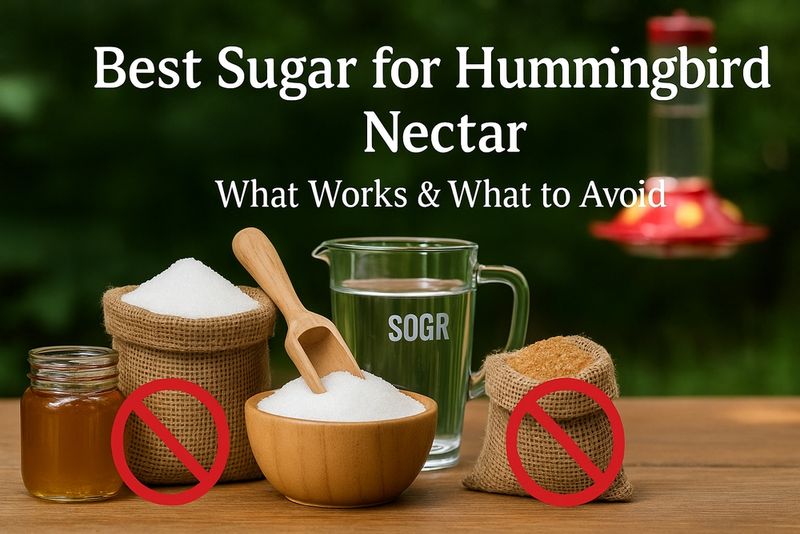
That rich, caramel color is exactly the problem. Brown sugar contains molasses, and molasses is hard for hummingbirds to digest.
Molasses also carries a high level of iron, and too much iron can actually be toxic to such small birds. What’s harmless to us can overwhelm a creature that weighs a few grams.
Reach for plain white sugar every time instead. The color difference on the shelf is a handy reminder of which bag belongs nowhere near your feeder.
16. Raw, Organic, or Turbinado Sugars
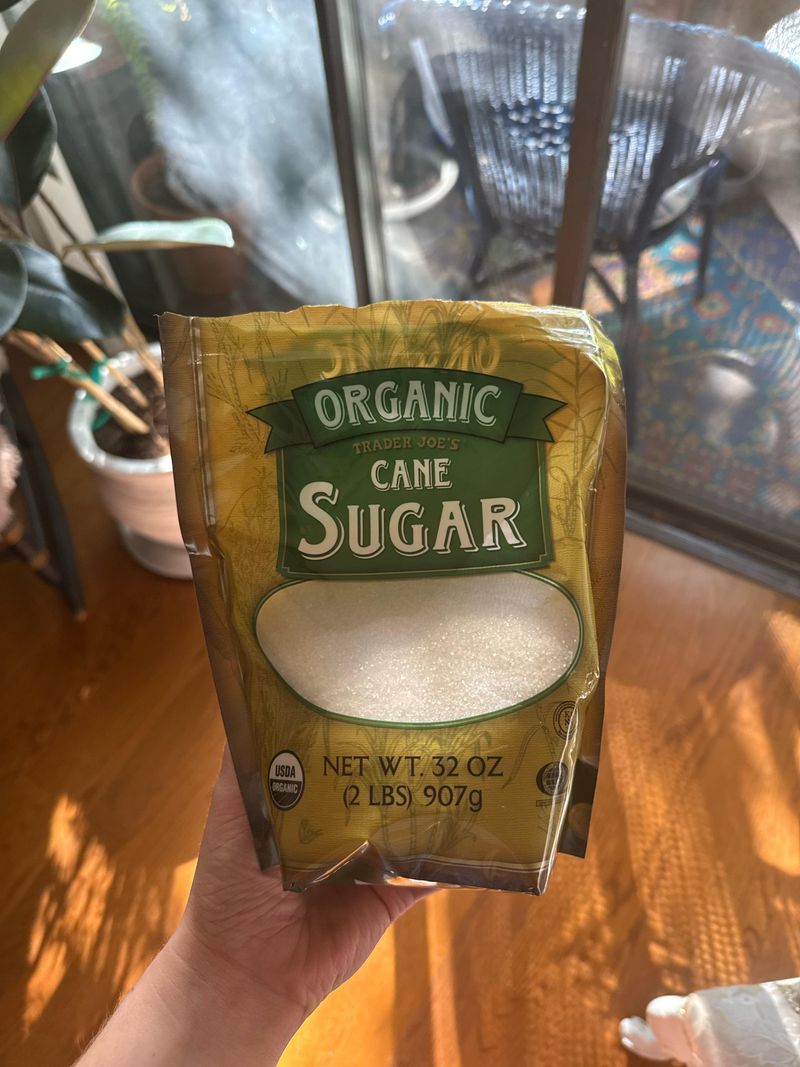
The health-food halo doesn’t apply here. Raw, organic, and turbinado sugars all sound like better choices, yet they keep the very impurities that make them risky for hummingbirds.
Those leftover bits behave a lot like molasses, adding minerals and compounds a hummingbird’s system isn’t built to handle. Less processing means more of exactly the stuff you want to avoid.
For once, the heavily refined option is the winner. Stick with plain white cane or beet sugar and leave the fancier bags for your own baking.
17. Artificial Sweeteners (Stevia, Splenda, Xylitol)
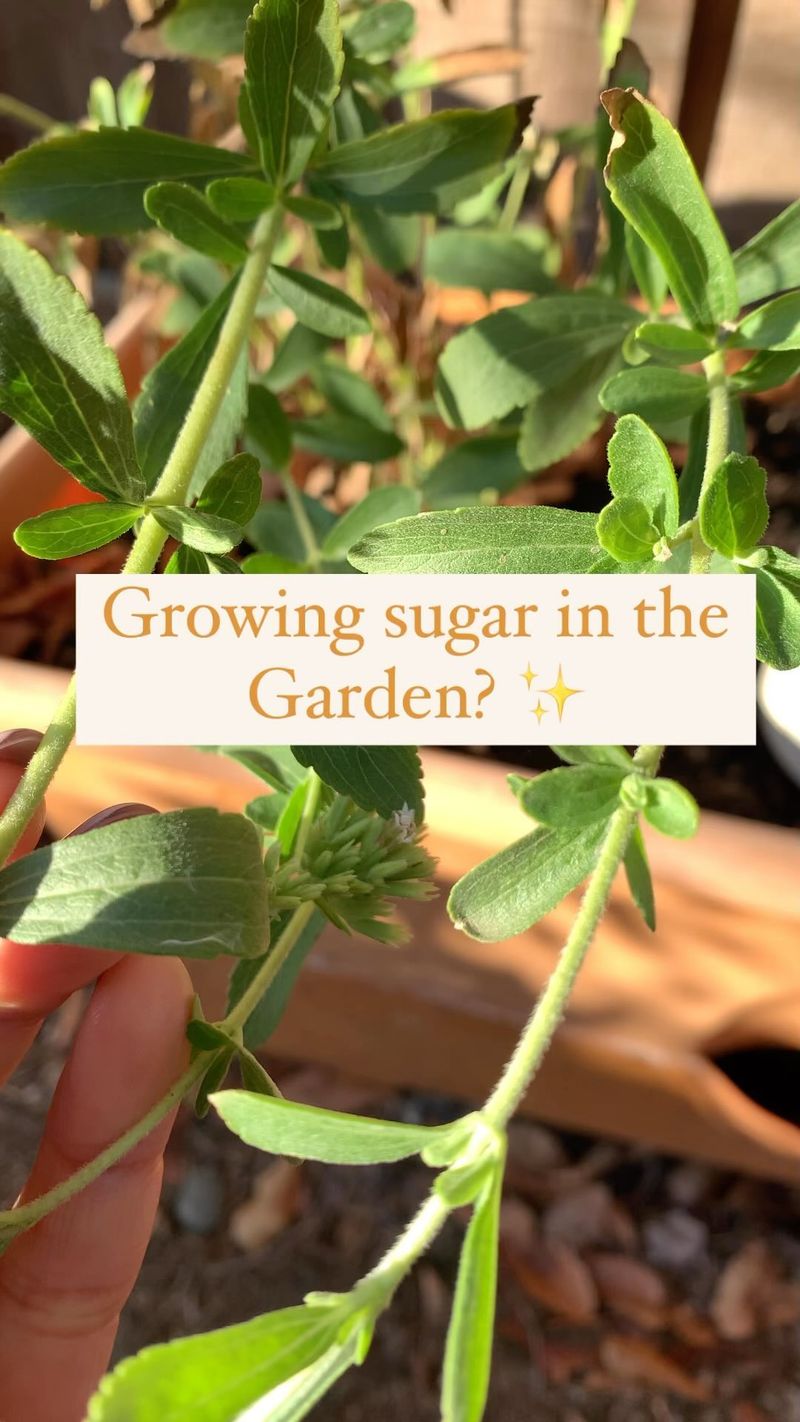
Zero calories is a disaster for a bird that burns fuel nonstop. Hummingbirds live on the fast lane, and sugar substitutes like stevia, Splenda, and xylitol give them nothing to run on.
They may taste sweet, but they deliver no real energy or nutrition. A bird filling up on fake sweetener can slowly starve while feeling like it ate.
These substitutes exist to cut calories for people, which is the opposite of what a hummingbird needs. Only genuine sugar provides the fuel that keeps their hearts and wings going.
18. Fruit Juices
Fruity and colorful, yet all wrong for the job. Fruit juices carry the wrong kind of sugar at the wrong concentration, so they never truly match what a hummingbird’s body expects from nectar.
Many bottled juices also hide preservatives, and the sugars in juice ferment quickly in a warm feeder. Fermented liquid turns risky fast and can attract clouds of unwanted insects.
Save the orange and apple juice for breakfast. A simple sugar-water mix is cheaper, cleaner, and far safer for every hummingbird that stops by.