
32 Beautiful Plants To Grow Instead Of Marigolds When Your Beds Feel Overused
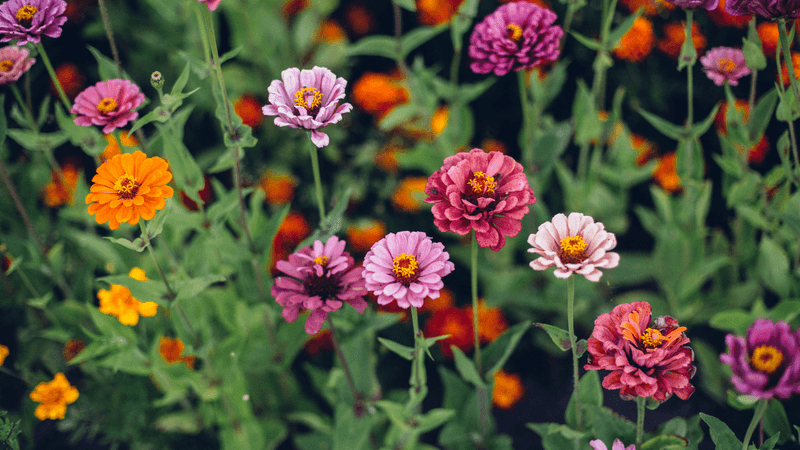
Marigolds are cheerful and easy, but seeing the same orange pom-poms in every bed year after year can make your garden feel a little stale. The good news is there are dozens of tough, colorful plants that shrug off summer heat just as well while giving your beds a fresh look.
Many of these swaps come back on their own each year, feed the bees and butterflies you want around, and forgive you when watering slips your mind. Here are 32 beautiful alternatives to try when your marigold beds need a reboot.
1. Blanket Flower (Gaillardia)
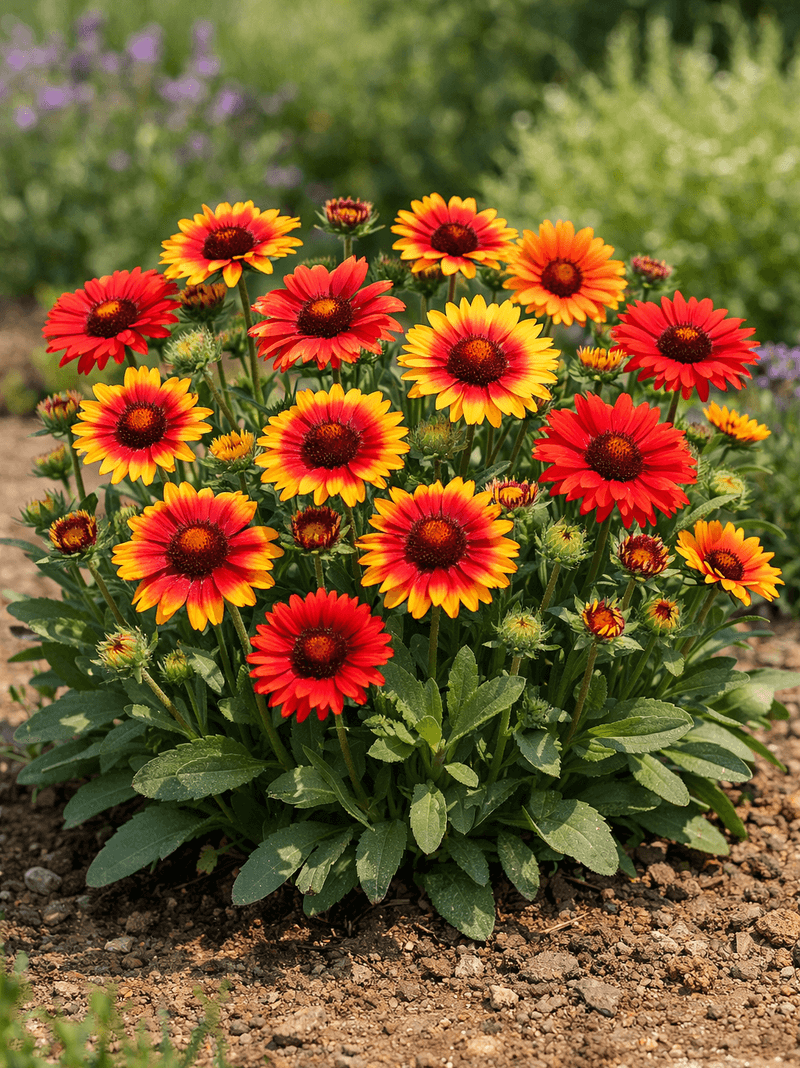
Picture a firework frozen mid-burst, and you have the daisy-like face of blanket flower. The petals blaze in bands of red, orange, and gold that carry the same warm energy marigolds bring, but on a plant that returns year after year.
It laughs at heat, drought, and lousy soil, which makes it a smart pick for that sun-baked bed where nothing seems happy. Bees crowd the blooms from early summer straight through fall.
Hardy across USDA zones 3 through 10, Gaillardia keeps flowering longest if you snip off the spent heads now and then. Give it full sun and decent drainage, and it will practically raise itself.
2. Black-Eyed Susan (Rudbeckia)
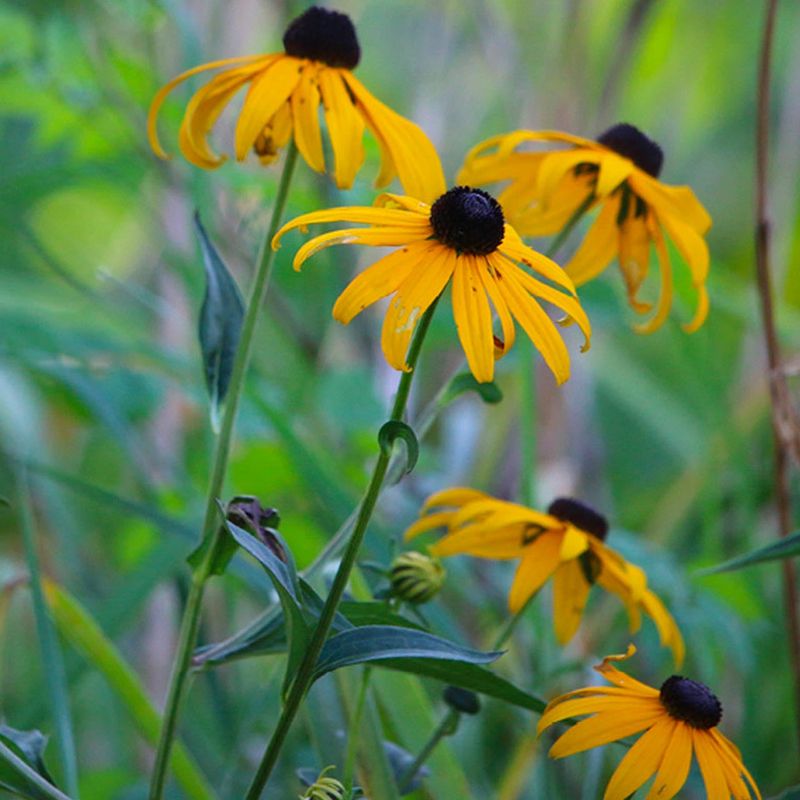
Golden petals ringing a chocolate-brown button, black-eyed Susan is the flower that shouts summer from a country roadside. It brings that same sunny glow marigolds offer, only taller and tougher.
As a perennial, it settles in and keeps coming back, spreading into cheerful drifts that pollinators adore. Bees and butterflies work the blooms all day, and finches later pick seeds from the dried heads.
Plant it in full sun and average soil, and you can mostly forget about it. A midsummer deadhead keeps the show going, but even neglected plants shrug off heat and keep flowering.
3. Salvia
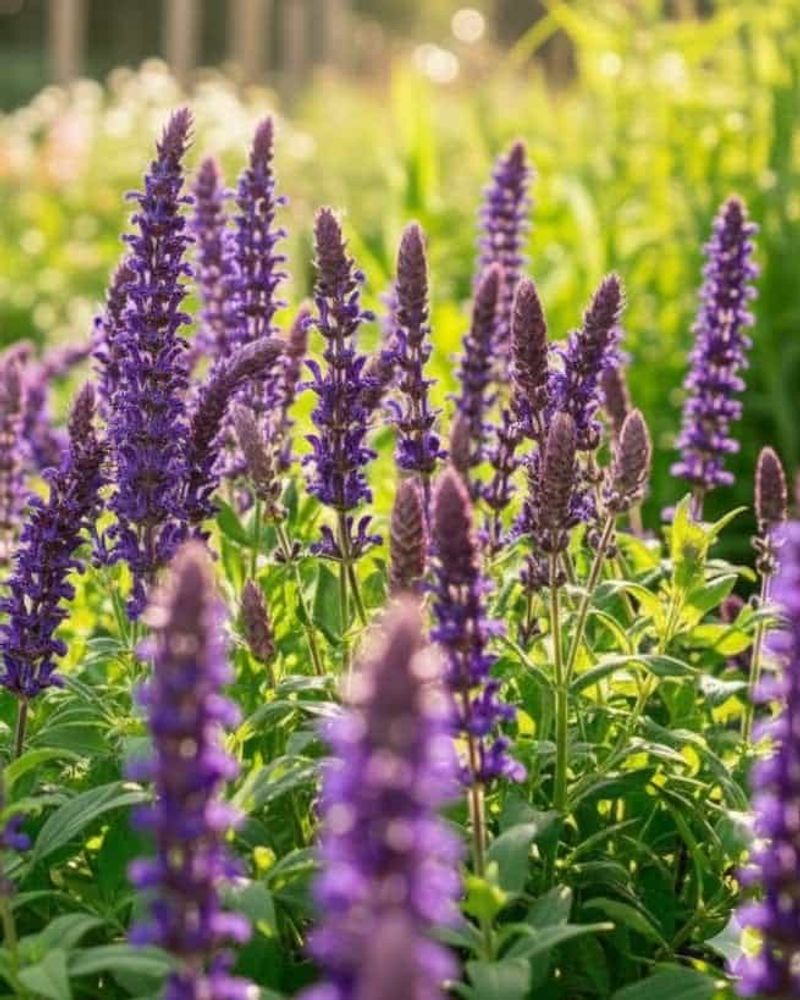
Spikes of blue, purple, or fiery red rise from salvia like little flags waving hummingbirds in for a drink. The upright form gives beds vertical punch that flat marigold mounds simply cannot match.
Many types are true perennials, so once you plant them the color returns each season. Heat and dry spells barely register, and the aromatic leaves tend to keep deer and rabbits browsing elsewhere.
Butterflies and bees join the hummingbirds, turning a patch of salvia into a busy little airport. Full sun and well-drained soil are all it asks, and a quick shear after the first flush often brings a second wave of spikes.
4. Lavender
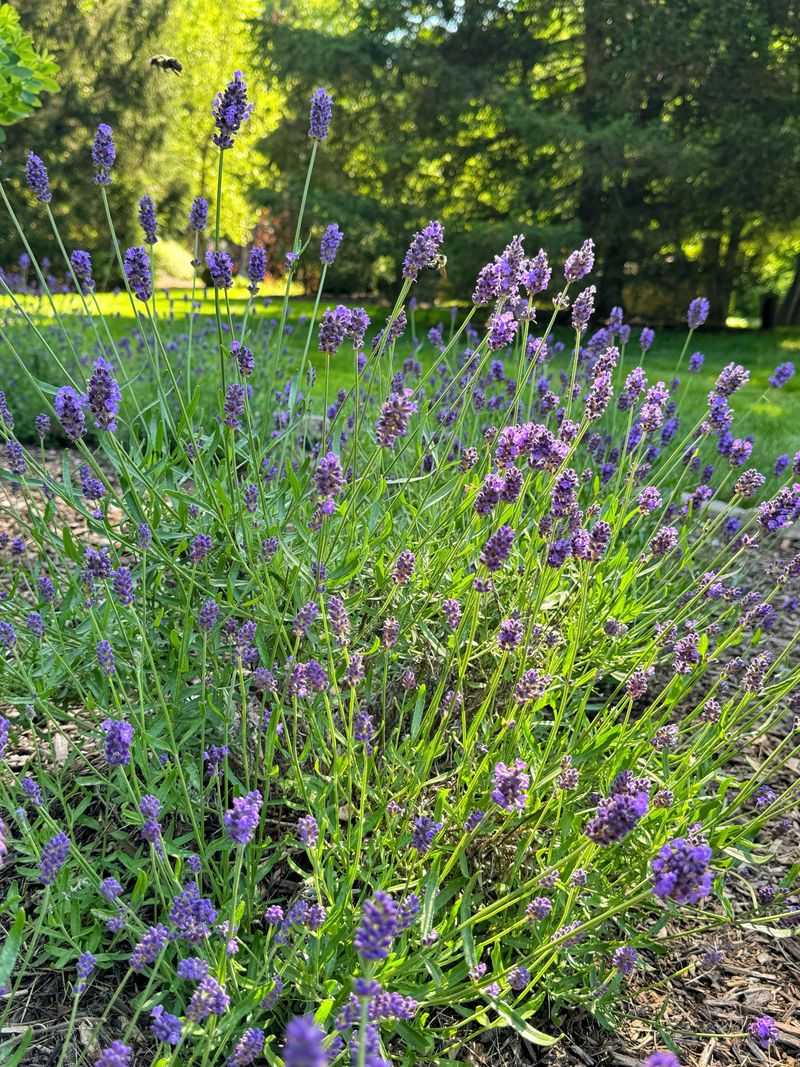
Brush past a lavender plant on a hot afternoon and the scent alone will win you over. Those silvery leaves and purple wands bring a calm, cottage-garden softness that feels worlds away from bold marigold orange.
Bees treat a lavender bush like an all-day buffet, humming through it from morning to dusk. The fragrance drifts on the breeze and doubles as a natural nudge for mosquitoes to move along.
It thrives in the very spots that stump other plants: dry, sunny, and sharply drained. Skip the heavy watering and rich soil, and this fragrant perennial will reward you with years of blooms.
5. Purple Coneflower (Echinacea)
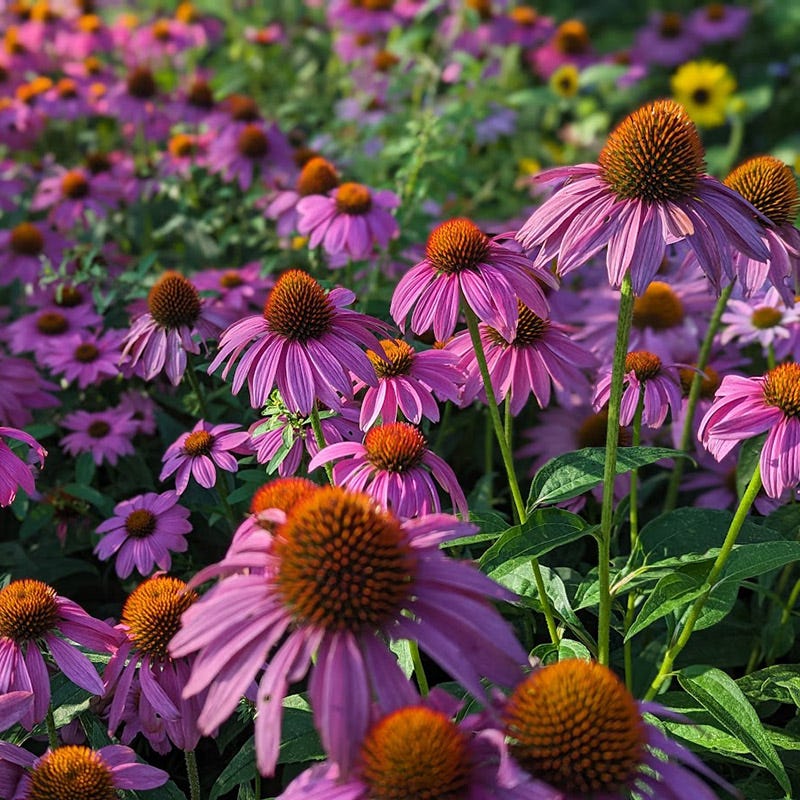
Sturdy, rosy-purple petals sweeping back from a spiky copper cone, coneflower has the kind of backbone that stands up to a July heatwave without blinking. It reads as prairie-tough and effortlessly elegant at the same time.
Bees and butterflies flock to the raised centers, and goldfinches perch to raid the seeds once flowering winds down. Leaving the seed heads standing gives your winter garden structure too.
Poor soil and drought are no obstacle for this resilient perennial. Plant it in full sun, water it while it settles in, then step back and let it fend for itself.
6. Coreopsis
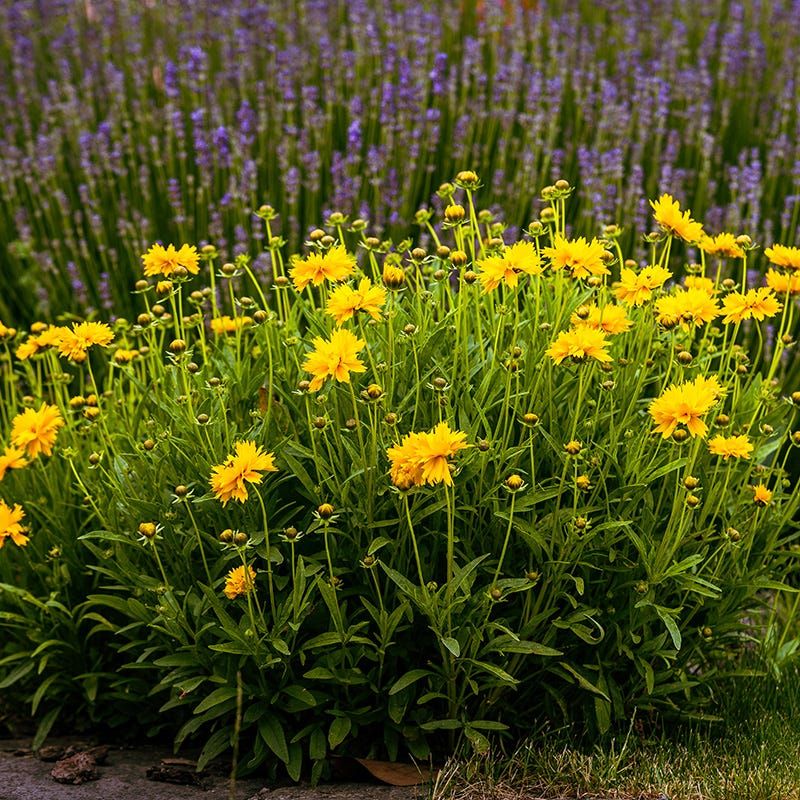
Sometimes called tickseed, coreopsis scatters cheerful yellow and gold coins across a bed all summer long. A variety like ‘Golden Sphere’ even echoes the round marigold look, so the swap feels familiar rather than jarring.
Native to the Americas, these perennials are built for our climate and keep blooming for weeks with almost no fuss. Once established they want little water and shrug off the midday glare.
Sun-loving and low maintenance, coreopsis fills gaps and softens edges with airy, feathery texture. A light shearing when flowering slows nudges out a fresh round of blooms.
7. Zinnias
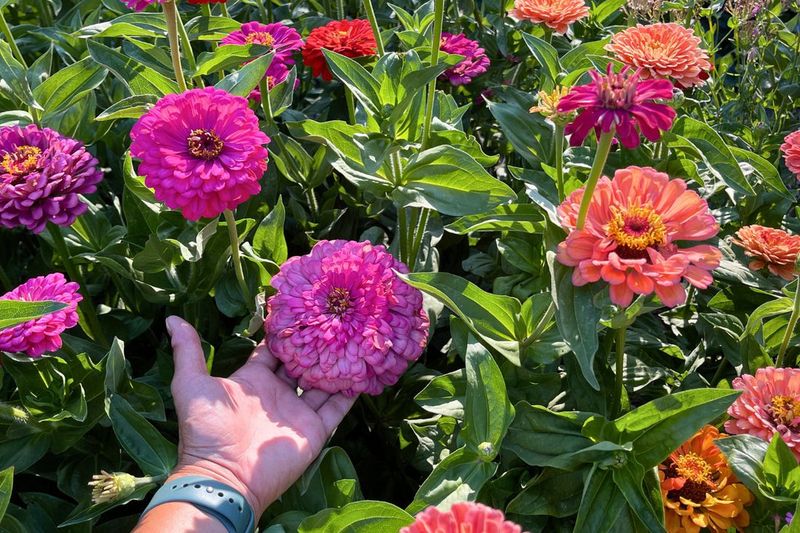
Toss a packet of zinnia seeds into warm soil and within weeks you have a candy shop of color. Few flowers deliver such instant, nonstop payoff for beginners nervous about killing something.
They bloom through blazing heat and get by on little water once their roots take hold. Butterflies especially cannot resist the flat, welcoming landing pads, and cutting a few for a vase only encourages more.
Sizes and shapes run the gamut, from petite border edgers to waist-high cutting types. Give them good airflow, since powdery mildew can dust the leaves in muggy stretches, and they will color your beds until frost.
8. Cosmos
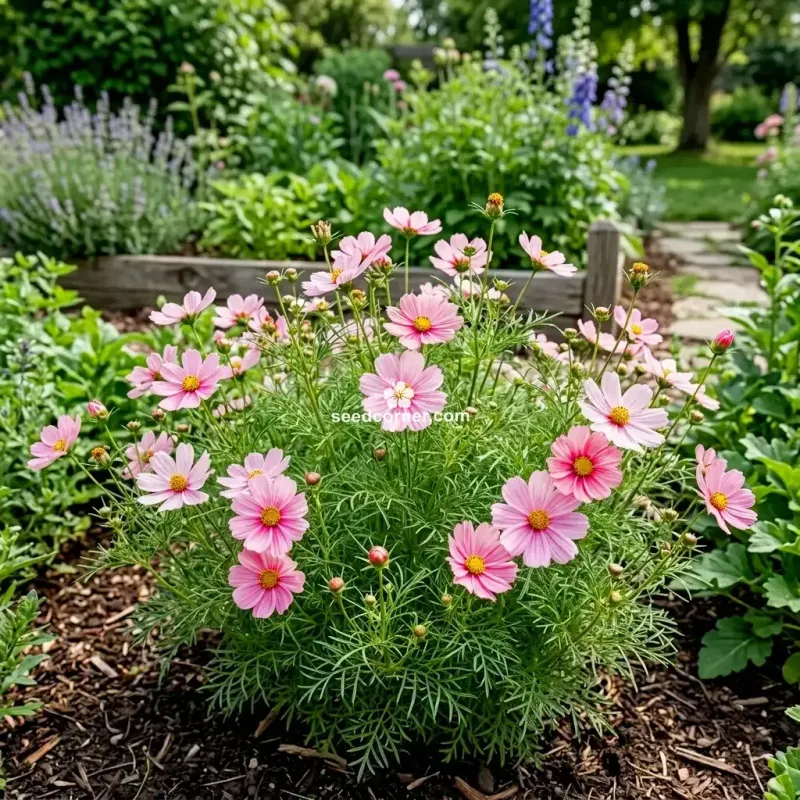
Delicate, papery blooms swaying on tall, ferny stems give cosmos a wildflower charm that feels breezy and unfussy. They bring movement to a bed where marigolds mostly sit still.
Poor soil actually suits them better than rich ground, and both heat and drought roll right off. Sow seed directly and they sprout fast, filling space in a hurry.
Pollinators drift in for the open, easy-to-reach flowers, and the plants self-sow just enough to surprise you next spring. Deadheading keeps them tidy, but honestly a slightly wild patch is part of their appeal.
9. Yarrow (Achillea)
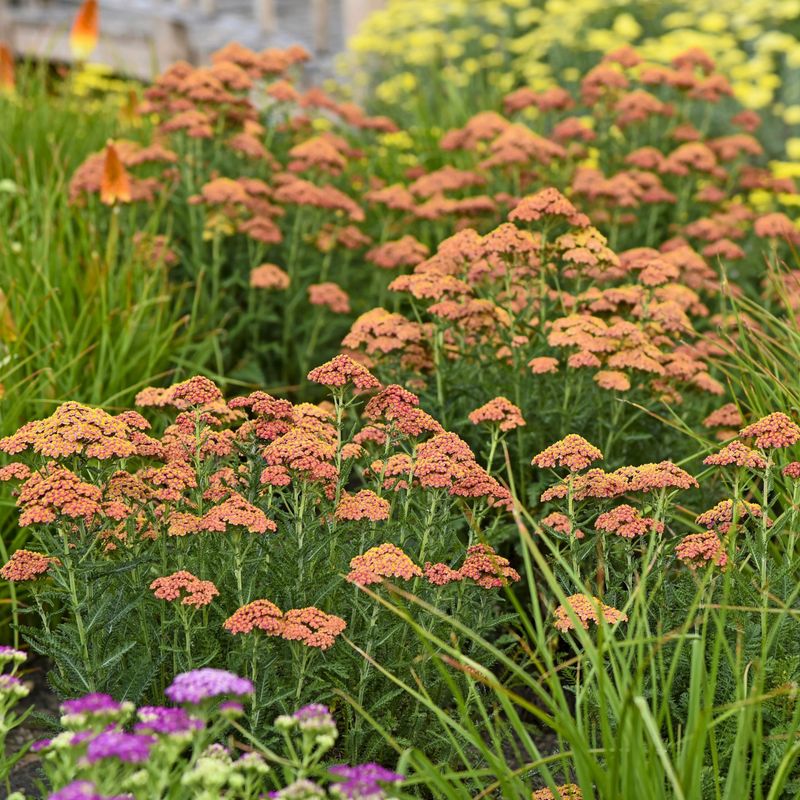
Flat-topped clusters of tiny flowers hovering over lacy, fern-like foliage, yarrow has a quiet, old-fashioned dependability. Golden-yellow is classic, though newer cultivars offer coral, pink, and cream.
Bone-dry, blistering conditions are exactly where this wildflower shines, blooming from June into August without complaint. What it will not tolerate is soggy ground, so err on the dry side.
The horizontal blooms make handy perches for butterflies and beneficial insects hunting garden pests. Low maintenance to a fault, yarrow spreads gently to fill a hot, neglected corner with soft texture.
10. Borage
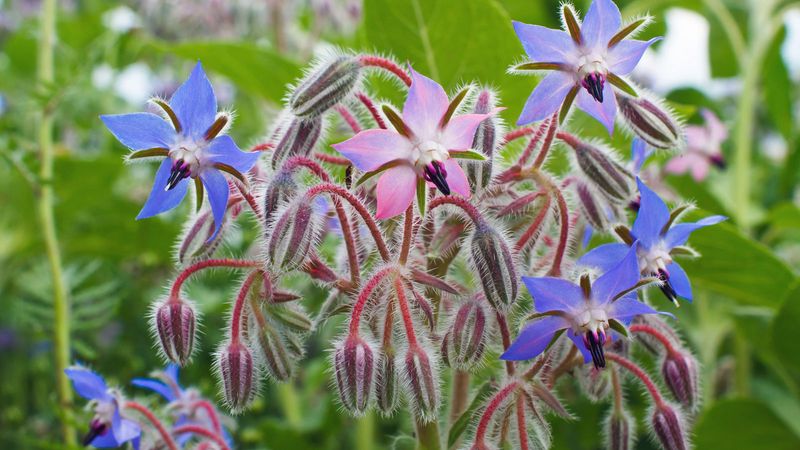
If you grow tomatoes, borage might become your favorite new neighbor. Its star-shaped blue flowers pull in bumblebees by the dozen, and more bees buzzing your tomato blossoms can mean a heavier harvest.
Beyond the pollinator draw, borage may help discourage tomato hornworms from moving in, and the flowers and young leaves are edible with a light cucumber taste. That makes it as useful in the kitchen as in the bed.
It settles happily into containers and stays hardy in zones 4 through 10. Give it sun and a little room, and it will reseed itself into a friendly, self-renewing patch.
11. Dahlias
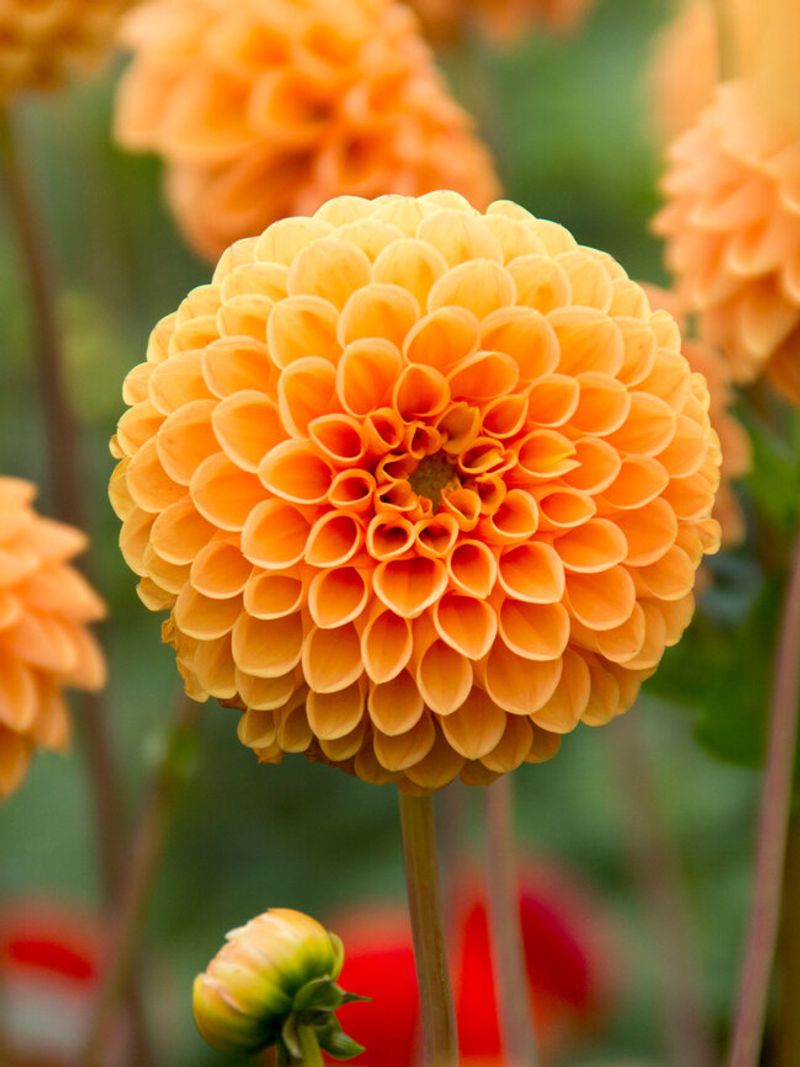
For gardeners who miss the neat, ball-shaped fullness of a marigold, dahlias scratch that itch and then some. A round yellow or orange dahlia gives you the same tidy geometry blown up to showstopping size.
Colors and forms run wild, from dinner-plate giants to compact border types, so there is a dahlia for every spot. They bloom generously from midsummer until frost, especially when you keep cutting them.
In colder zones the tubers get lifted and stored over winter, then replanted in spring. That extra step pays off with some of the most dramatic, camera-ready flowers you can grow.
12. Chrysanthemums (Mums)
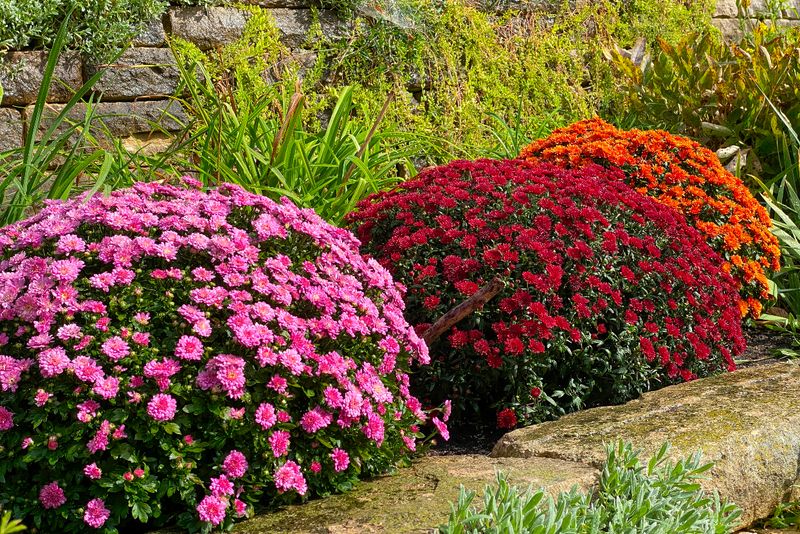
When summer flowers start to fade, hardy mums step in to carry your beds through autumn. Their dense, cushiony blooms come in rust, gold, burgundy, and bronze, all the cozy shades of the season.
Planted as perennials rather than tossed after Halloween, they root in and return year after year. Pinching them back in early summer creates bushier plants loaded with even more flowers by fall.
Full sun and well-drained soil keep them happy, and a fall feeding of color is their specialty. For a bed that peaks just as everything else winds down, mums are hard to beat.
13. Shasta Daisies
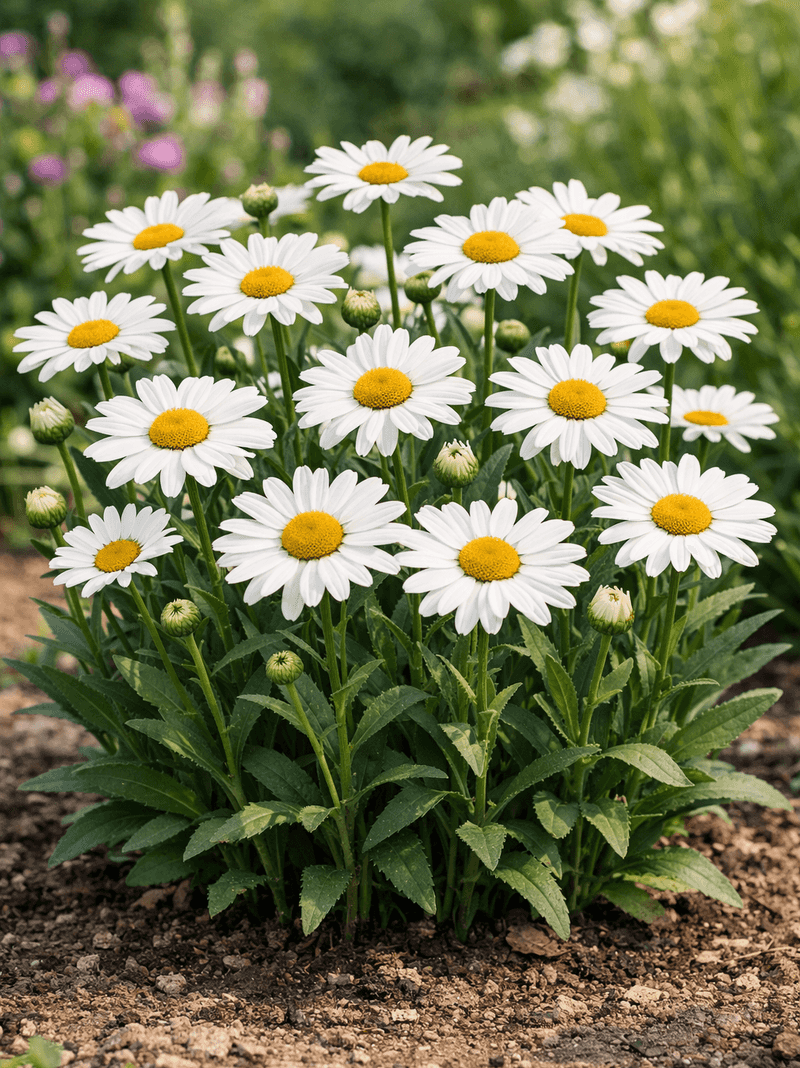
Crisp white petals around a sunny yellow eye, the Shasta daisy is the picture-book flower kids draw. It brings clean, classic freshness to a bed that has grown tired of hot marigold tones.
Being perennial, it outlasts the throwaway annual daisies and returns bigger each year. The blooms last a long time both on the plant and in a vase, making them a cutting-garden staple.
Full sun and average soil suit them fine, and regular deadheading keeps flowers coming for weeks. Divide the clumps every few years to keep them vigorous and blooming their best.
14. Penstemons (Beardtongue)
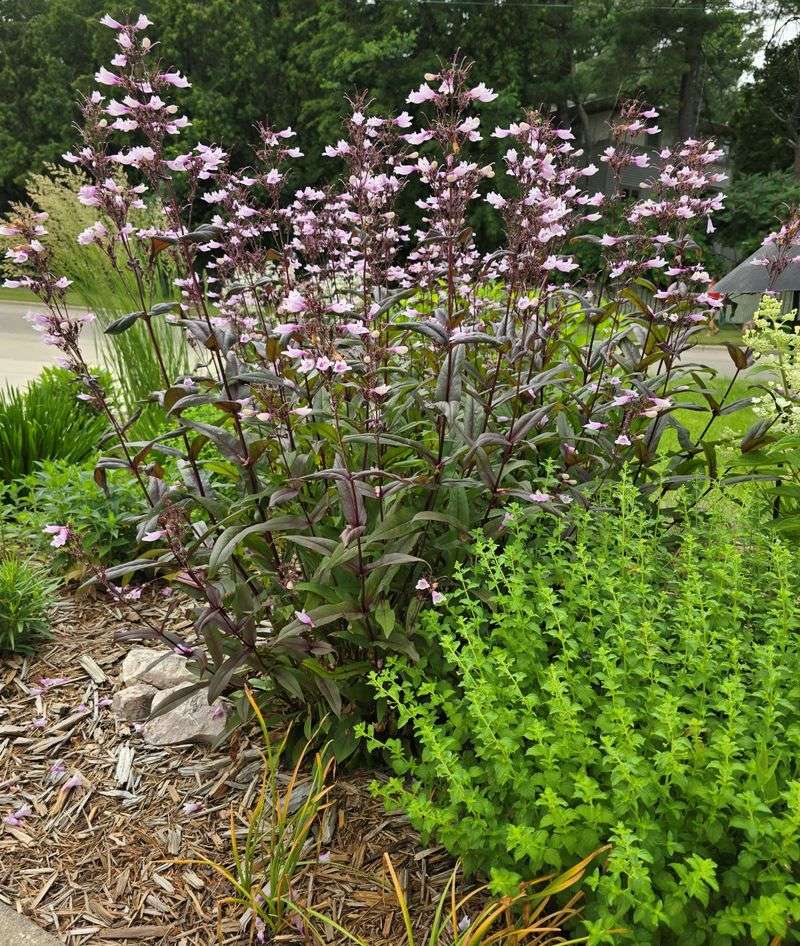
Tall spires studded with tubular bells, penstemons add architecture and rhythm to a flat bed. Native across North America, they feel right at home in American gardens and the wildlife that visits them.
Hummingbirds and bees dive straight into those trumpet blooms, which appear for several weeks in early to midsummer. Deadhead the finished spikes and many varieties will reward you with a second flush.
Drought tolerant and hardy in zones 4 through 9, they cope with lean conditions once established. Give them sharp drainage and full sun, and these upright natives will anchor the middle of your border.
15. Dianthus (Pinks)
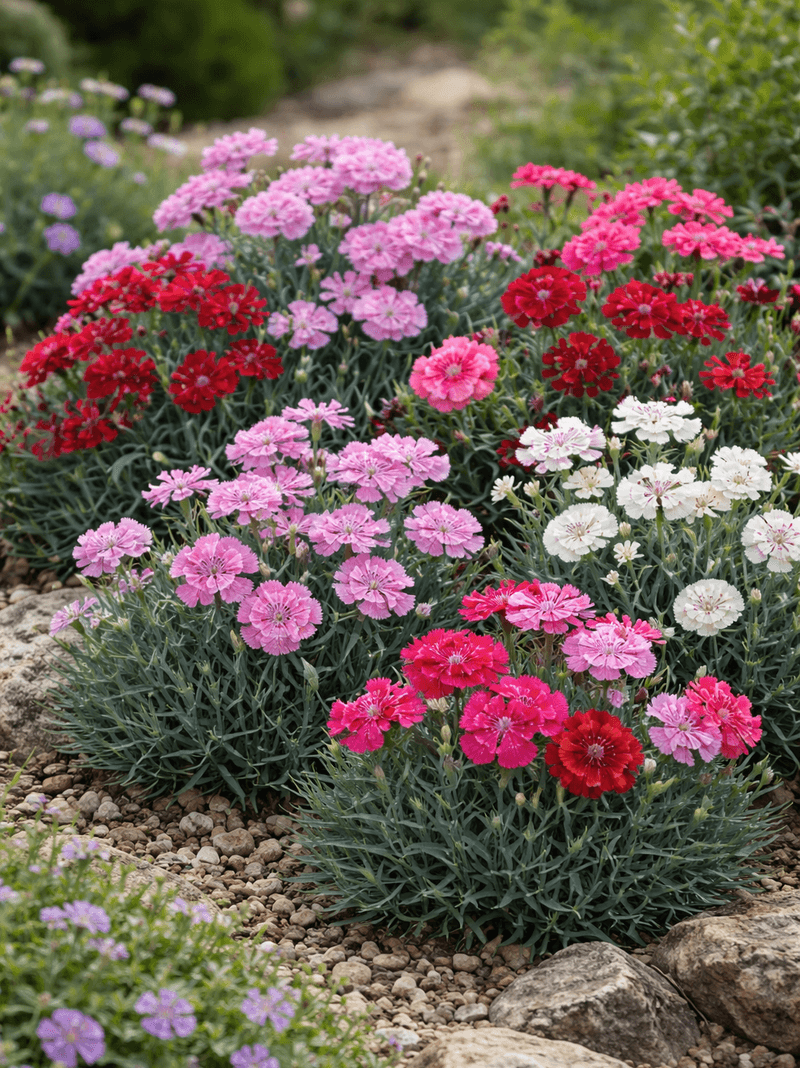
Low mats of blue-green foliage topped with frilled, clove-scented flowers, dianthus hugs the front of a border like a colorful ribbon. The fringed petals almost look pinked by scissors, which is how the plant earned its nickname.
Many perennial types bloom for much of the summer, especially if you keep the spent flowers trimmed. Shades of pink, rose, and white spill over path edges and container rims with ease.
They ask for full sun and good drainage and reward you with a sweet spicy fragrance up close. Compact and tidy, dianthus is perfect for edging a bed that needs a fresh front row.
16. Yucca (Yucca filamentosa)
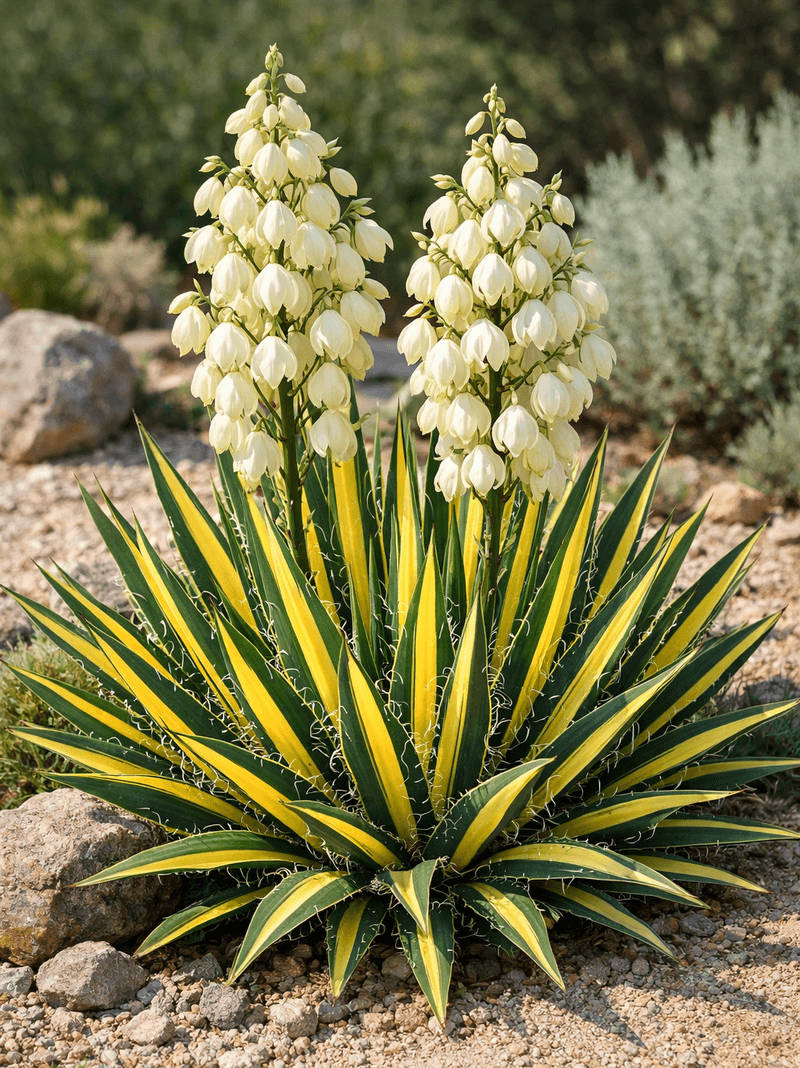
Bold sword-shaped leaves fan out in a spiky rosette, then a towering stalk of ivory bells shoots skyward in summer. Yucca makes a dramatic statement where softer plants would simply melt.
Sandy, sun-scorched spots that defeat most flowers are exactly where this perennial thrives. Its deep roots find moisture others cannot, so you can practically ignore it once it settles in.
The evergreen foliage holds its shape all year, giving structure even in the off-season. For a hot, dry problem corner, few plants deliver such easy-care, sculptural drama.
17. Celosia (Cockscomb)
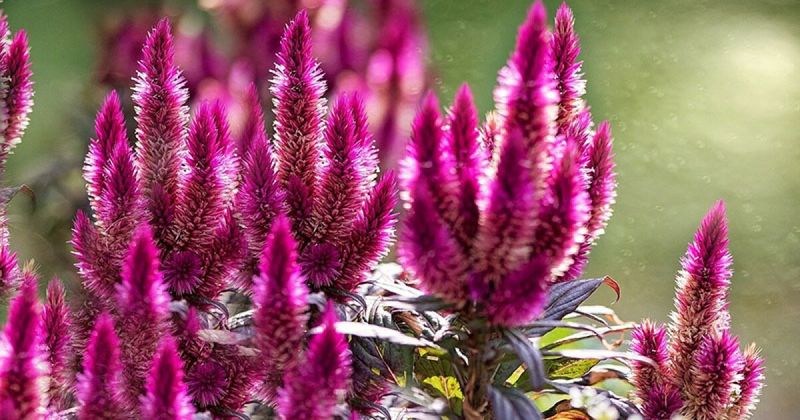
Few flowers look quite as wild as celosia, with velvety plumes and brain-like crests in electric reds, oranges, and magentas. The texture alone stops people in their tracks.
Warm colors keep the marigold spirit alive while trading round pom-poms for flame-like spires and ruffled combs. The blooms hold their color for weeks and dry beautifully for arrangements.
Start it early from seed or grab bedding plants at the nursery for a head start. Give celosia heat and sun, and it will torch your beds with color right up to frost.
18. Spider Plant (Cleome)
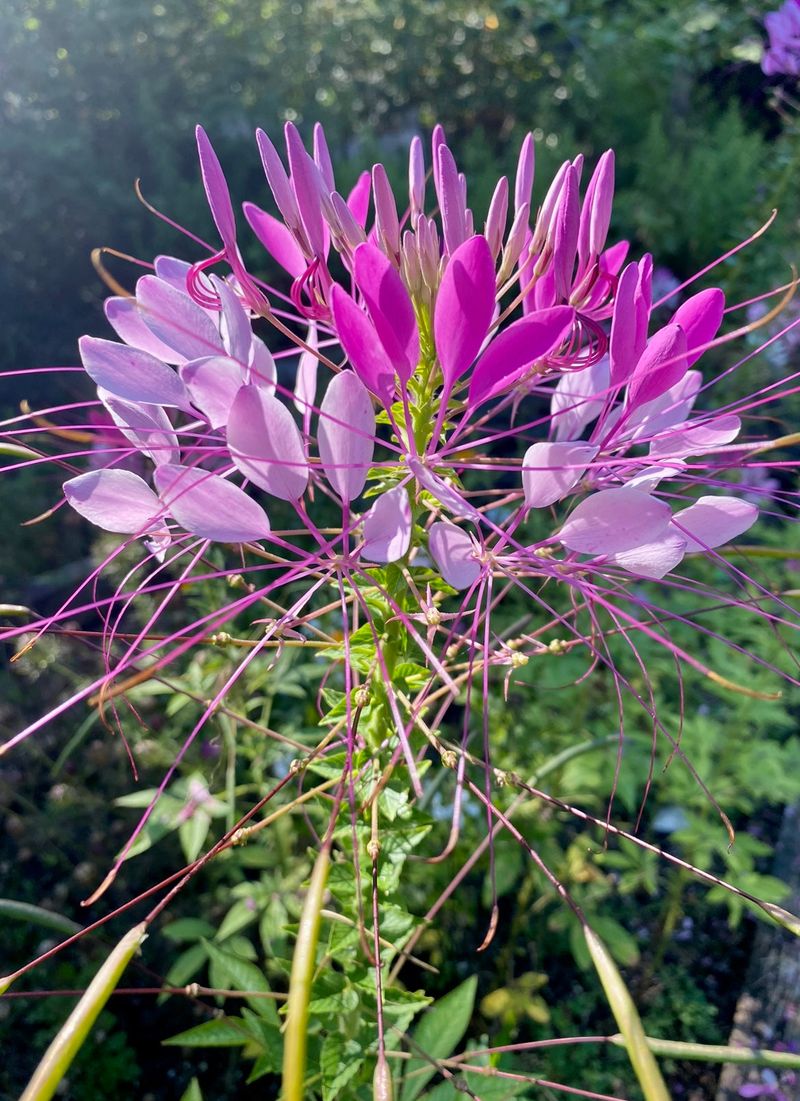
Reaching for the sky, cleome unfurls airy, spidery flowers in violet, rose, and white atop tall stems. The whiskery seed pods that follow give it an almost otherworldly silhouette.
Sow it from seed for an instant tall backdrop or a loose flowering hedge behind shorter plants. Heat barely fazes it, and it keeps flowering through the hottest stretches of summer.
Pollinators and hummingbirds work the blooms, and the plant self-sows enough to reappear next year. Where marigolds stay low, cleome adds height and drama to the back of the bed.
19. Flowering Tobacco (Nicotiana alata)
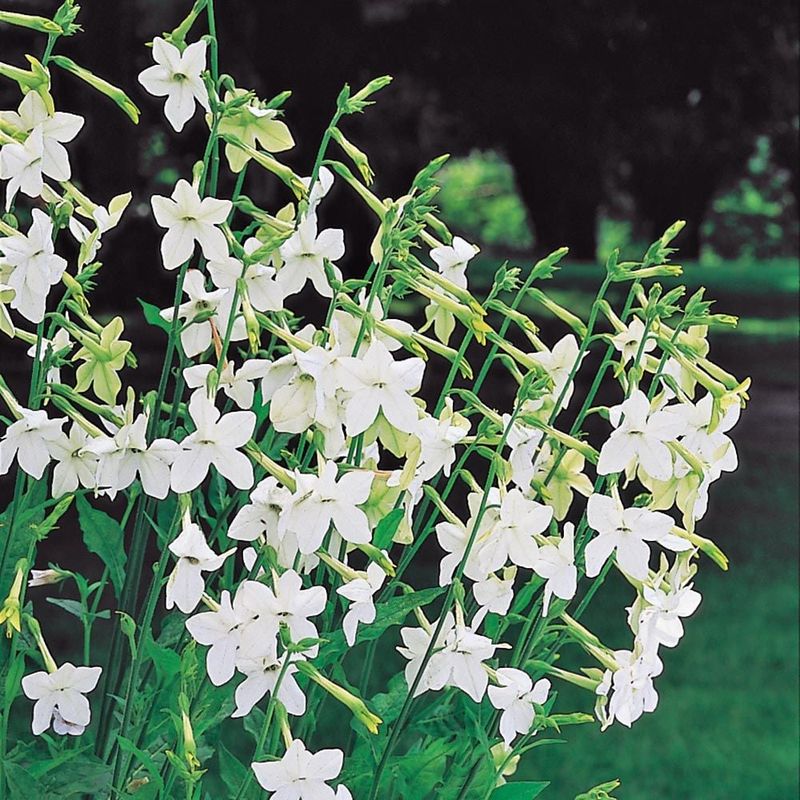
As evening settles in, flowering tobacco releases a sweet perfume that turns a summer garden into something magical. The star-shaped, tubular blooms open along lush green stems in a rainbow of soft colors.
Varieties range from knee-high edgers to towering six-footers, so you can slot it into nearly any spot in the bed. Moths and hummingbirds are especially drawn to the fragrant flowers.
An annual in most gardens, it grows quickly and blooms generously through the warm months. Plant it near a patio or path where you can enjoy that dusky scent up close.
20. Petunias
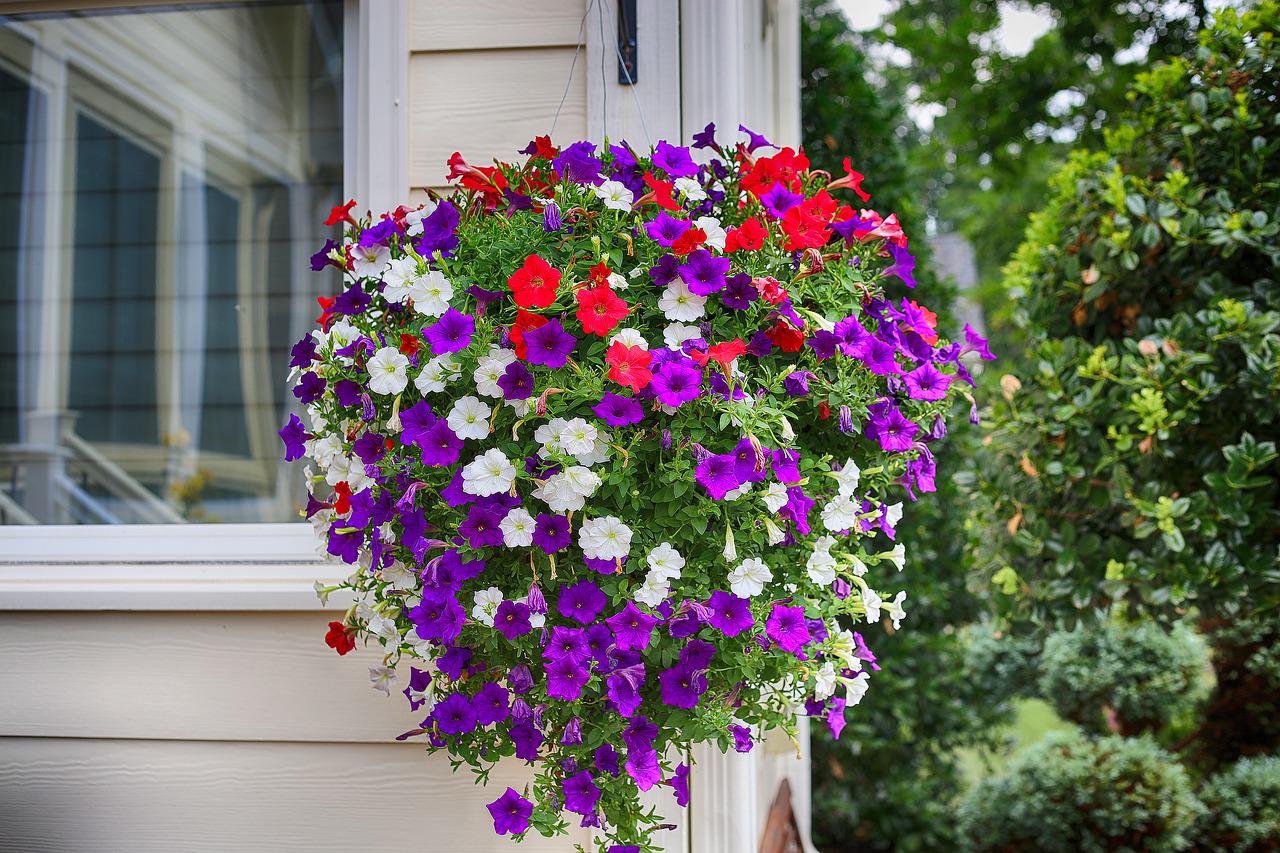
Few flowers pack in as much nonstop color as petunias, spilling trumpet-shaped blooms over bed edges and basket rims for months. If your petunias have looked thirsty, here is good news: once their roots settle, they actually handle dry spells well.
Grandiflora types wave big, showy flowers, while multiflora types trade size for smaller blooms that bounce back better after rain. Knowing which you have helps you match them to a soggy or sunny spot.
They love full sun and reward a quick pinch of spent, leggy stems with a fresh burst of flowers. As a swap for tired marigolds, petunias bring bolder color and a longer season.
21. Vinca (Madagascar Periwinkle)
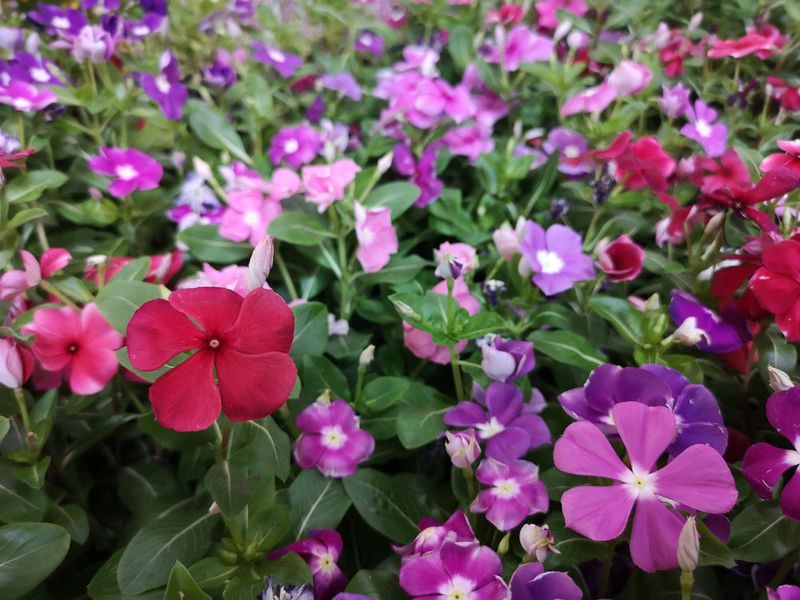
When the thermometer climbs and everything else wilts, vinca just keeps smiling. This tough little plant thrives in extreme heat and full sun, staying crisp and colorful when marigolds start to sulk.
Glossy leaves set off pinwheel flowers in pink, white, red, and lavender, and you never have to deadhead a single one. It shrugs off pests, wants little water, and deer tend to leave it alone.
Grown as an annual in most of the country, it fills beds and containers with dependable color all season. For a low-effort, high-heat performer, vinca is hard to top.
22. Ageratum (Floss Flower)
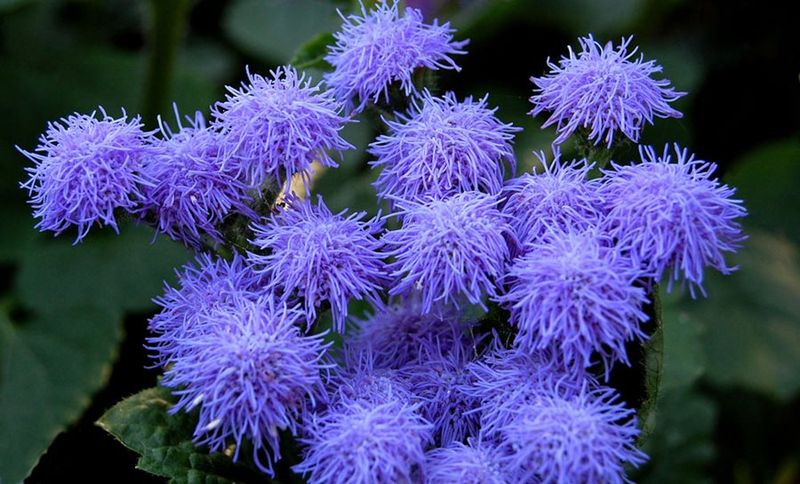
True blue is a rare treasure in the flower world, and ageratum delivers it in soft, fuzzy pompoms that look like little clouds. Pink, lavender, white, and red versions exist too, but the blue is the showstopper.
Blooming from late spring until frost, it forms tidy mounds that edge a bed beautifully. Butterflies, hummingbirds, and other pollinators can’t resist the fluffy flower clusters.
Full sun suits it best, and it tolerates dry conditions once rooted in. Grown as an annual in most zones, ageratum brings a cool, unusual color to beds usually dominated by hot marigold tones.
23. Russian Sage
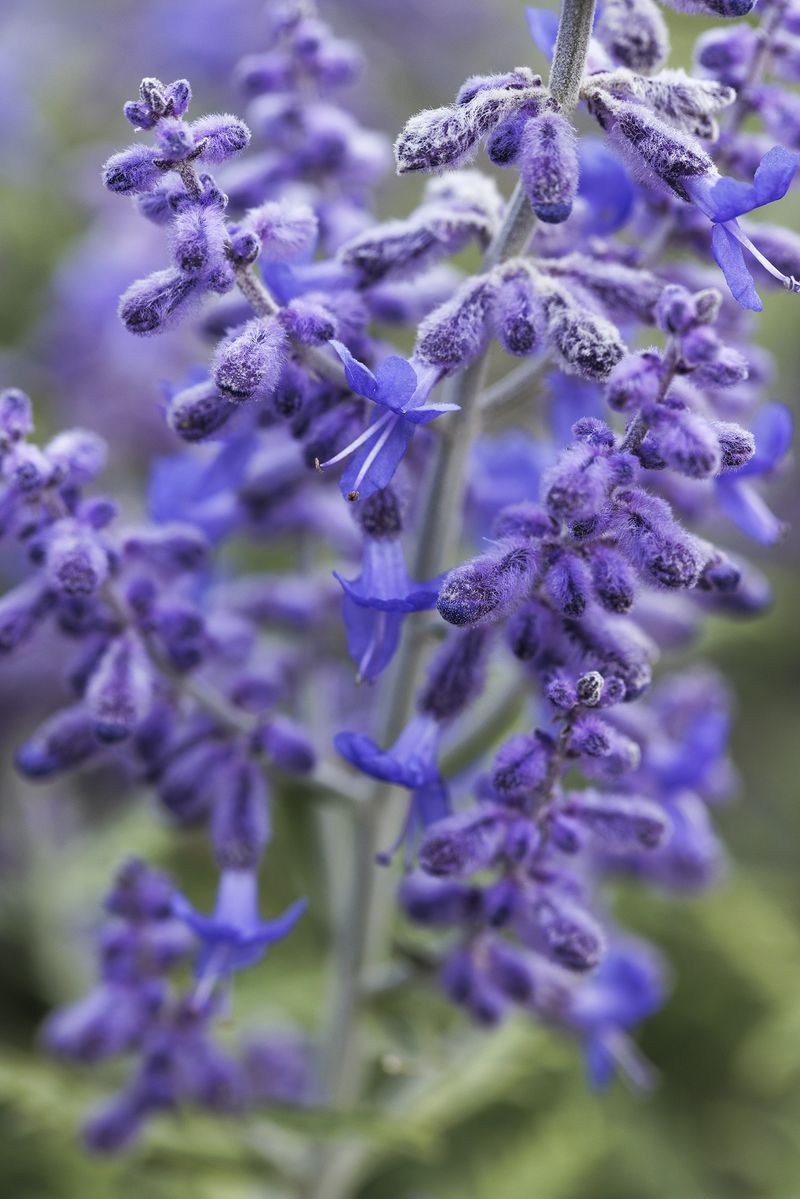
A haze of tiny lavender-blue flowers floating over silvery, aromatic stems, Russian sage looks like a soft purple cloud settling into your border. Brush it and a clean, sage-like scent rises up.
Heat and drought are where it truly shines, standing tall and airy through the dog days when other plants flop. The see-through structure lets you plant it mid-border without hiding what grows behind.
This showstopping perennial spreads gently and needs almost no coddling once established. Full sun and good drainage are its only real requests, and it repays you with weeks of dreamy color.
24. Sedum (Stonecrop)
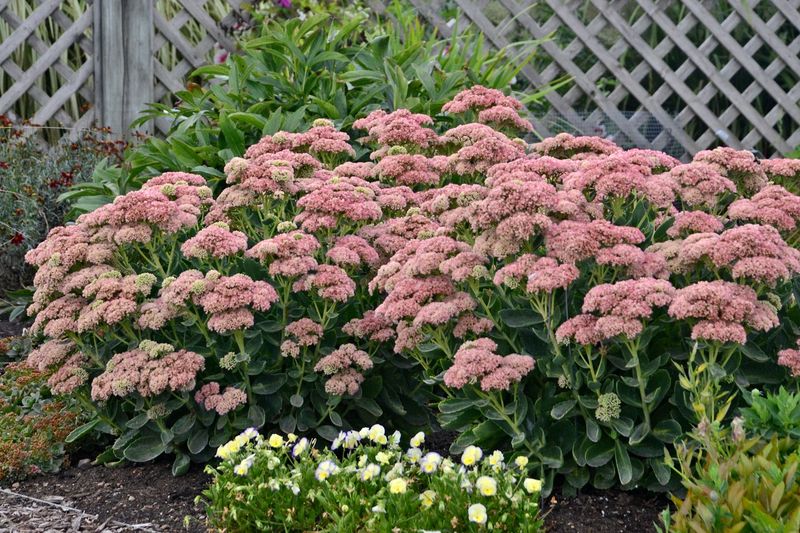
Plump, water-storing leaves make sedum one of the most forgiving plants you can grow, practically thriving on neglect. Forget to water for a week and it barely notices.
Late-summer clusters of starry flowers rise above the succulent foliage, often deepening from pink to rusty red as fall arrives. Bees and butterflies swarm the blooms for a late-season meal.
Borders, containers, and rock gardens all suit its low, spreading habit and tidy shape. Heat and drought tolerant to the core, sedum is the plant for gardeners who want beauty without the babysitting.
25. Verbena
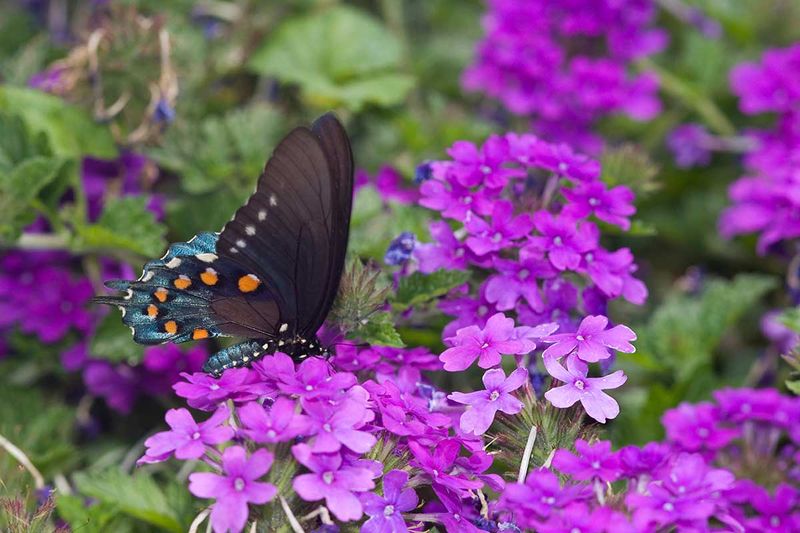
Trailing and tumbling, verbena spills clusters of tiny jewel-toned flowers over the edges of beds and baskets. Purple is a favorite, though it comes in reds, pinks, and whites too.
Full sun and good drainage are its comfort zone, and it needs very little water to stay covered in bloom. That makes it a natural fit for hot spots and sunny containers that dry out fast.
As a groundcover it knits together to smother weeds and fill gaps. Butterflies flit constantly among the flower clusters, adding movement to a bed all season long.
26. Lantana
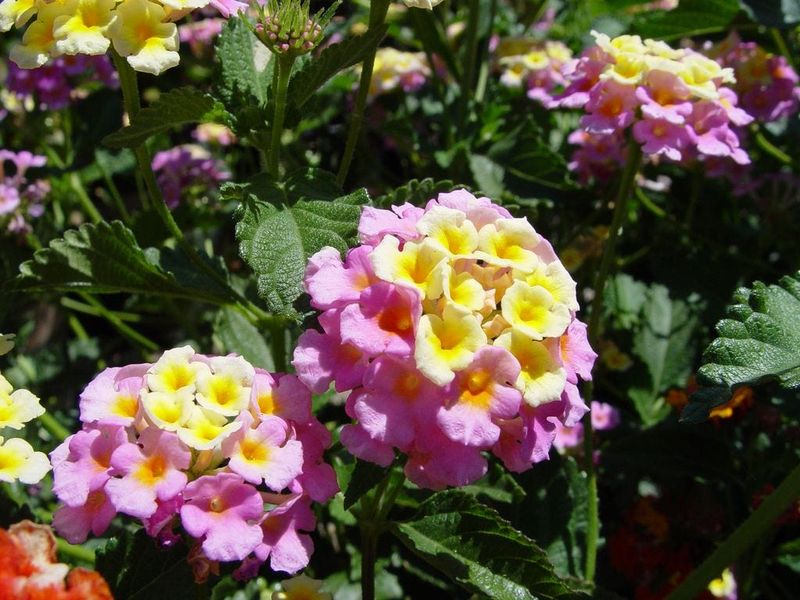
Clusters that shift from yellow to orange to pink on a single flower head give lantana a built-in sunset glow. Butterflies treat it like a magnet, dancing across the blooms all day.
Full sun and dry conditions are exactly where it wants to be, thriving in the hottest, most punishing corners of the yard. Once established it barely needs watering.
Borders, hanging baskets, and containers all show it off well, and it flowers relentlessly through the heat. Where marigolds fizzle in a scorching spot, lantana just keeps blazing.
27. Artemisia
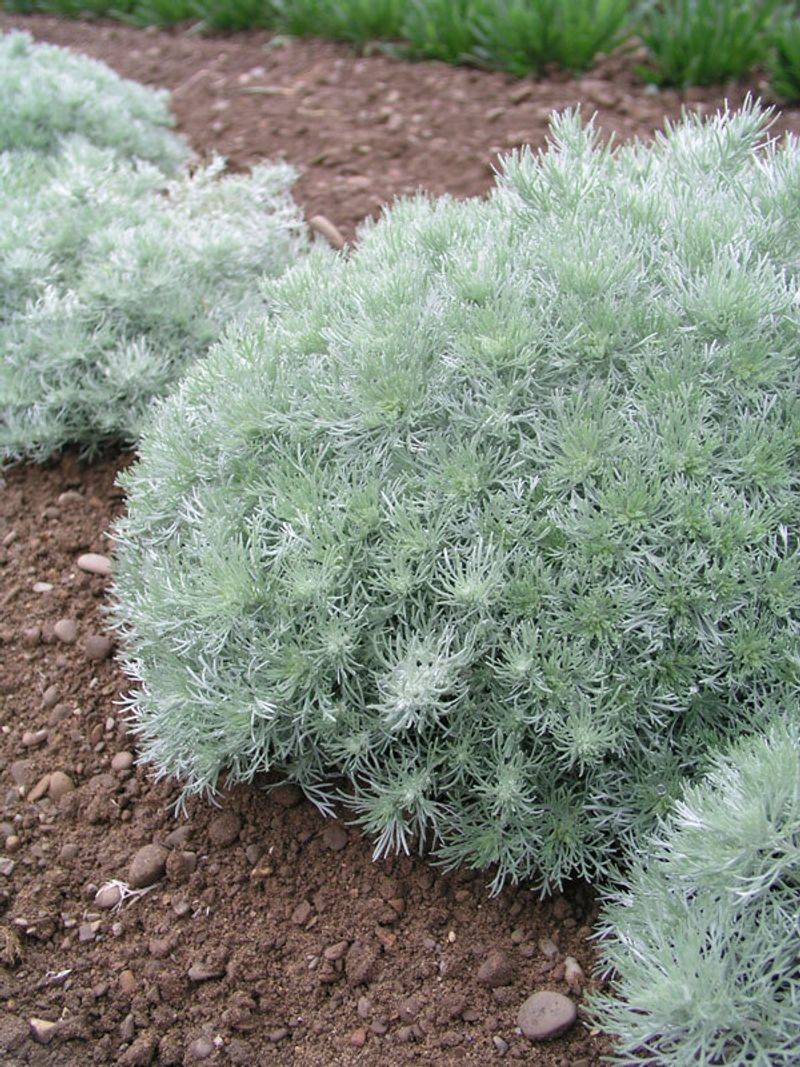
Grown for its foliage rather than flowers, artemisia weaves ribbons of silvery, feathery leaves through a bed and makes every neighbor look brighter. That soft, moonlit color is a designer’s secret weapon.
Poor, dry soil is where it flourishes, so those difficult lean spots become an asset instead of a struggle. It asks for almost nothing and gives back all-season texture.
Set it between bold flowers to cool down clashing colors and tie a border together. As a foliage contrast to swap in beside your other picks, artemisia earns its place with pure texture.
28. Thyme
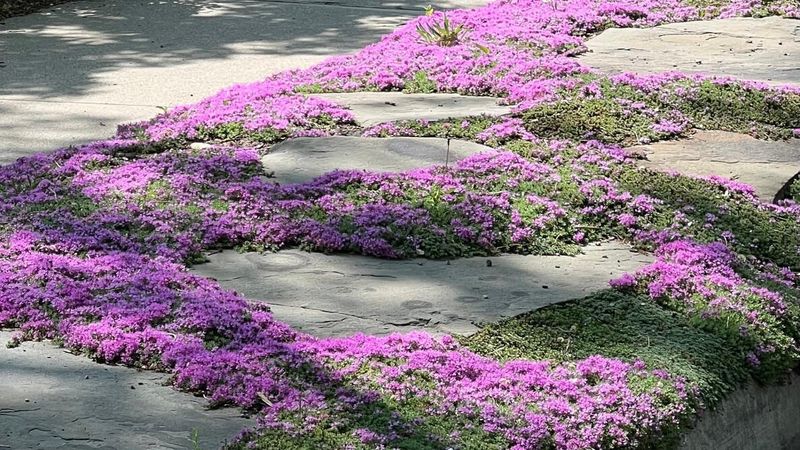
Creeping thyme carpets the ground with tiny fragrant leaves and, in bloom, a haze of pink or purple flowers that bees can’t resist. Step on it and it releases a savory scent underfoot.
Hardy and drought tolerant, it fills gaps between pavers and softens the front of a bed with almost no care. Poor, gritty soil suits it fine.
The real bonus is that this pretty groundcover doubles as a kitchen herb, ready to snip for soups and roasts. Beauty, fragrance, and dinner from one low-growing plant is a hard combination to beat.
29. Aster
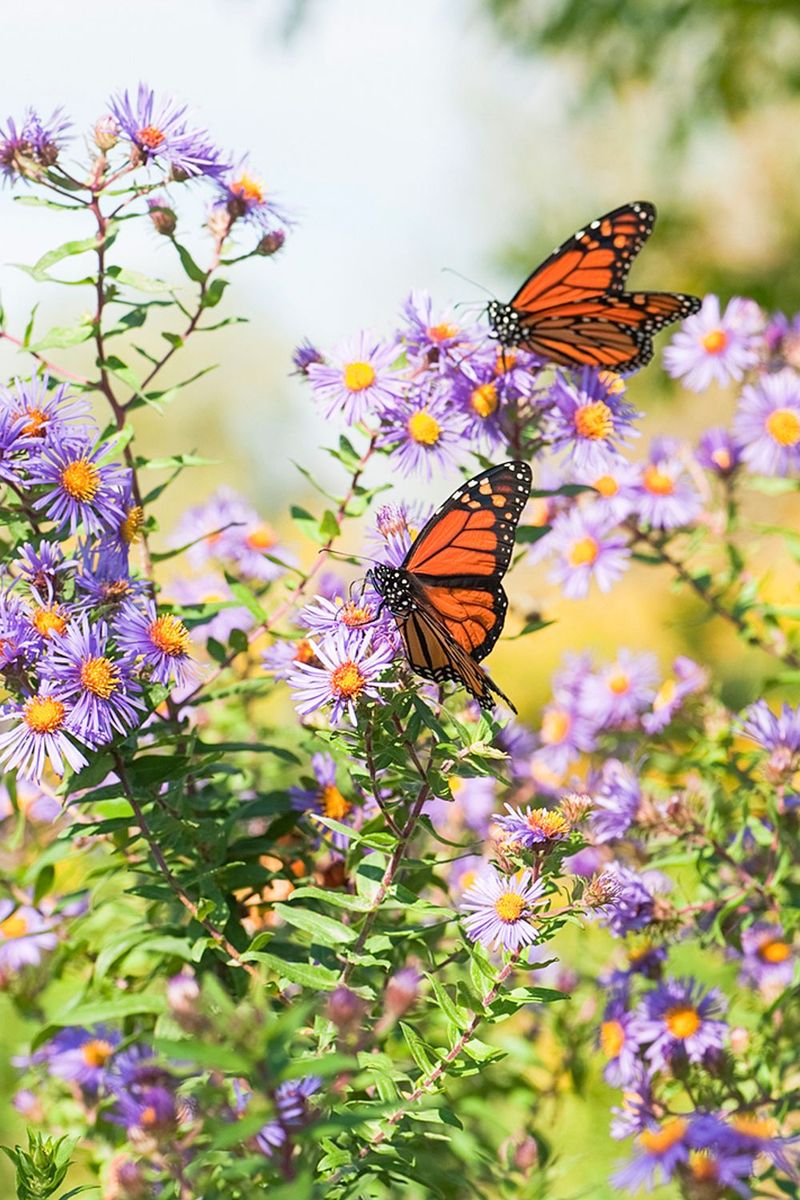
Just as the garden year seems to be winding down, asters explode into starry blue, purple, and pink blooms that reignite the whole bed. Their timing makes them a bridge into fall.
Hardy through zones 4 to 8, these perennials survive both fierce heat and biting cold, and deer usually pass them by. Plant them in full sun from spring into summer for the best autumn show.
Late-season pollinators depend on them heavily, sipping nectar when little else is blooming. For a bed that keeps giving after summer flowers quit, asters are the dependable finale.
30. Blazing Star (Liatris)
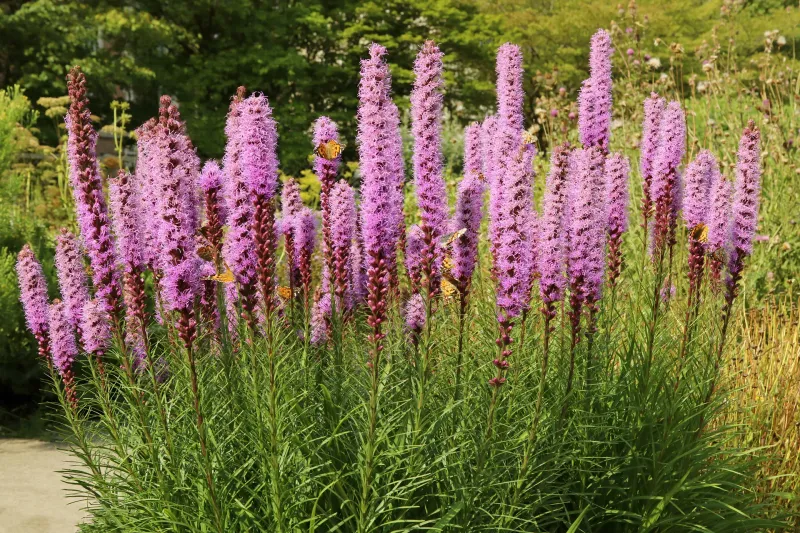
Fuzzy purple bottlebrush spikes that bloom from the top down, blazing star adds vertical fireworks unlike anything else on this list. The unusual shape draws the eye straight up.
Butterflies, especially monarchs, cluster along the tall showy spikes as if drawn by a beacon. Bees join in, making a stand of liatris hum with life.
Native and drought tolerant, it copes with heat and lean soil while returning faithfully each year. Tuck it among rounder flowers for contrast, and let its purple spires give your bed a fresh new rhythm.
31. Veronica (Speedwell)
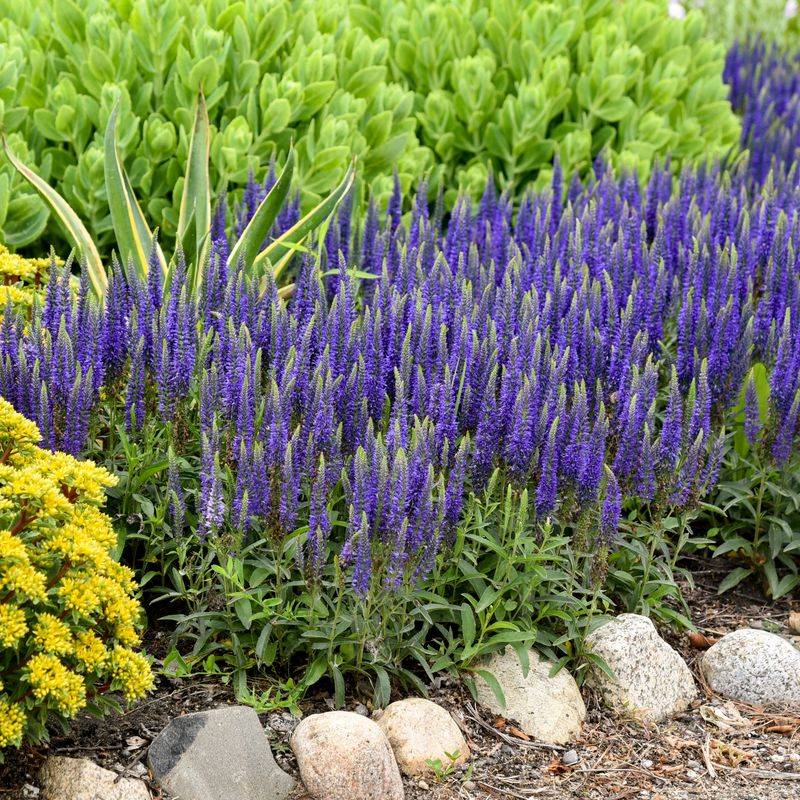
Slender spikes packed with tiny flowers, veronica points skyward in cool blues, purples, and pinks that feel refreshing next to hot marigold tones. The upright form adds welcome height to the front and middle of a bed.
Carefree by nature, this perennial tolerates heat without wilting and keeps blooming for weeks. Snipping off finished spikes usually coaxes out even more.
Bees and butterflies work their way up each spike, making it a busy little pollinator stop. Give it full sun and it settles in as a reliable, low-drama returner every season.
32. Sunflowers
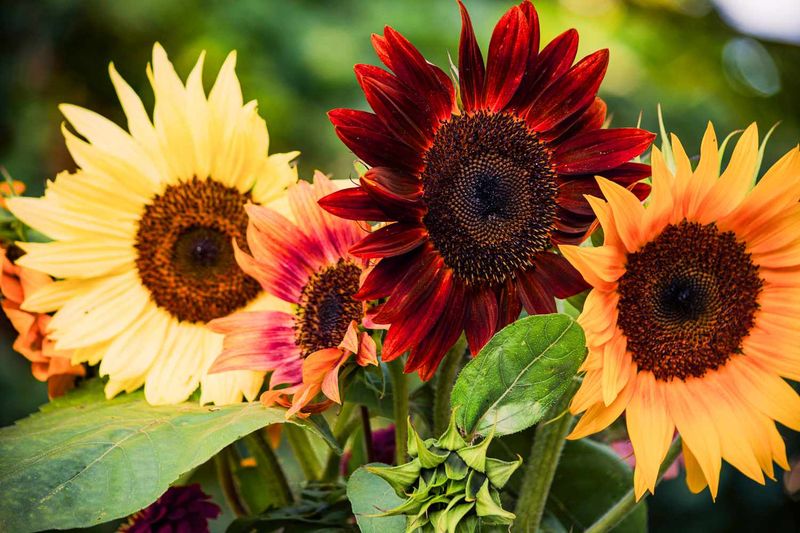
Nothing says summer quite like a sunflower turning its huge golden face toward the light. Their sheer size and cheer make a bold statement no marigold could ever match.
Bees and butterflies feast on the nectar-rich centers, and later the seeds become a buffet for birds. Growing them from seed is so easy it makes a great project with kids.
One word of caution: the towering varieties can quickly outgrow window boxes and tight containers, so pick dwarf types for small spaces. Give the big ones room and a sunny back-of-bed spot, and they will crown your garden all summer.