
Stop Making This One Watering Mistake That Leaves Your Hydrangeas Weak And Wilted
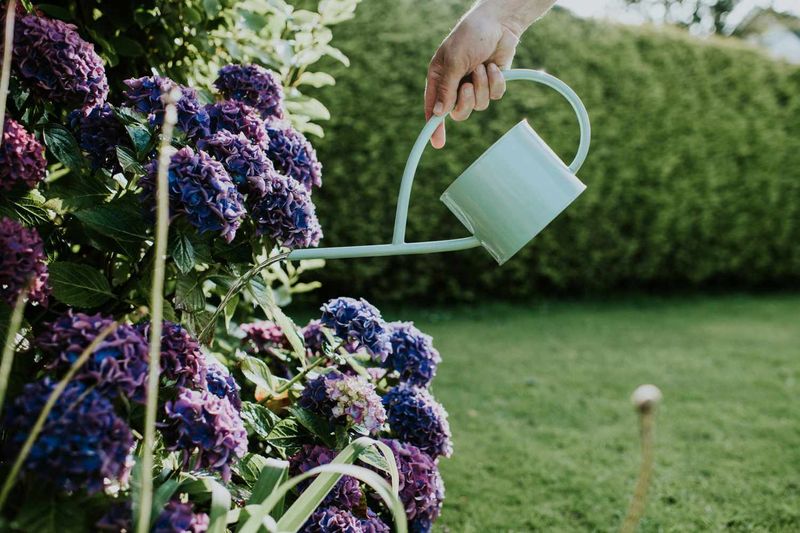
Plenty of gardeners water their hydrangeas faithfully and still watch them droop by afternoon. The problem is not always how often you water, but whether the water actually reaches the roots.
A quick sprinkle that wets the top inch of soil can fool you into thinking the job is done while the root zone stays dry underneath. Understanding what is really happening below the surface can make the difference between a plant that thrives and one that struggles all season.
A wet surface can hide a dry root zone
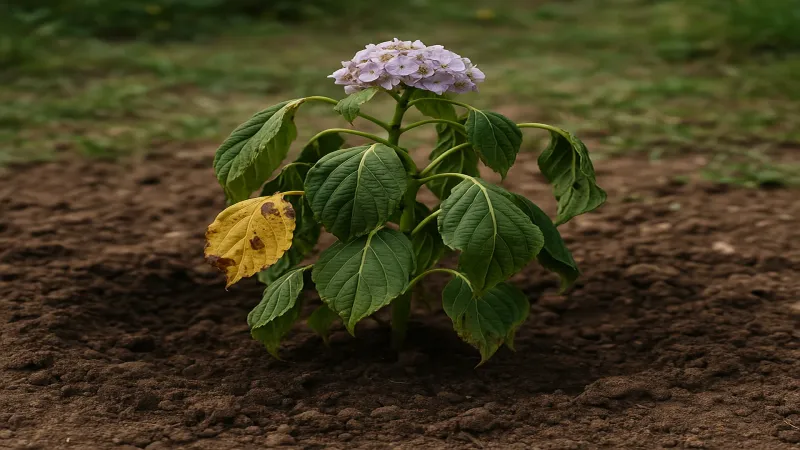
Many gardeners see damp soil at the surface after watering and assume the plant has what it needs. That assumption is one of the most common watering mistakes in the backyard garden, and hydrangeas are especially vulnerable to it.
A quick pass with a hose or watering can may wet the top inch or two of soil while leaving the root zone several inches below almost completely dry.
Oregon State University Extension specifically warns that a quick hand-watering on dry soil may wet only the surface and recommends slow, deep watering around the base of the plant. When the root zone stays dry, the plant cannot pull up the moisture it needs, and the leaves droop even though someone watered it recently.
That situation can be genuinely confusing and discouraging for a gardener who is putting in the effort.
Shallow watering is a real and fixable problem, but it is not the explanation for every wilted or struggling hydrangea. University of Maryland Extension notes that wilt can also result from excessive heat, full sun, poor drainage, overwatering, root damage, transplant stress, and disease.
The right first step is not to automatically add more water, but to find out whether the root zone is actually dry.
Shifting attention from the visible surface to what is happening several inches down is the core habit change this article is built around. If the root zone is dry, a slow and thorough soak can help.
If it is not, more water may make things worse. The sections that follow walk through how to check, how to water correctly when the soil is dry, and how to recognize when something other than shallow watering is behind the wilt.
Check moisture below the surface before watering again
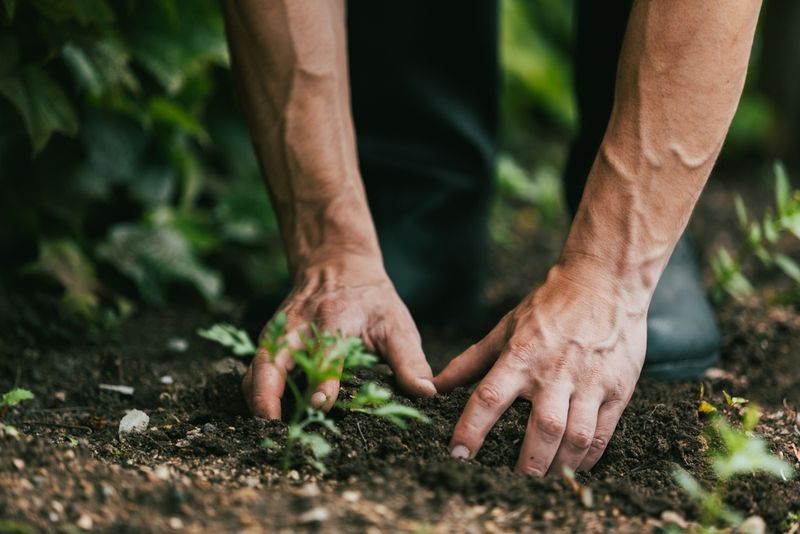
Before picking up the hose, take sixty seconds to find out what the soil is actually doing below the surface. Pressing a finger two to three inches into the ground near the base of the plant gives you a quick read on whether moisture has moved past the topsoil.
A screwdriver, wooden dowel, or pencil works just as well and reaches a bit deeper.
OSU Extension recommends probing with a screwdriver or moisture probe to confirm whether water has reached root depth rather than relying on surface appearance alone. If the probe slides in easily and comes out damp, the soil has held onto some moisture.
If it meets resistance or comes out dry and clean, the root zone likely needs water.
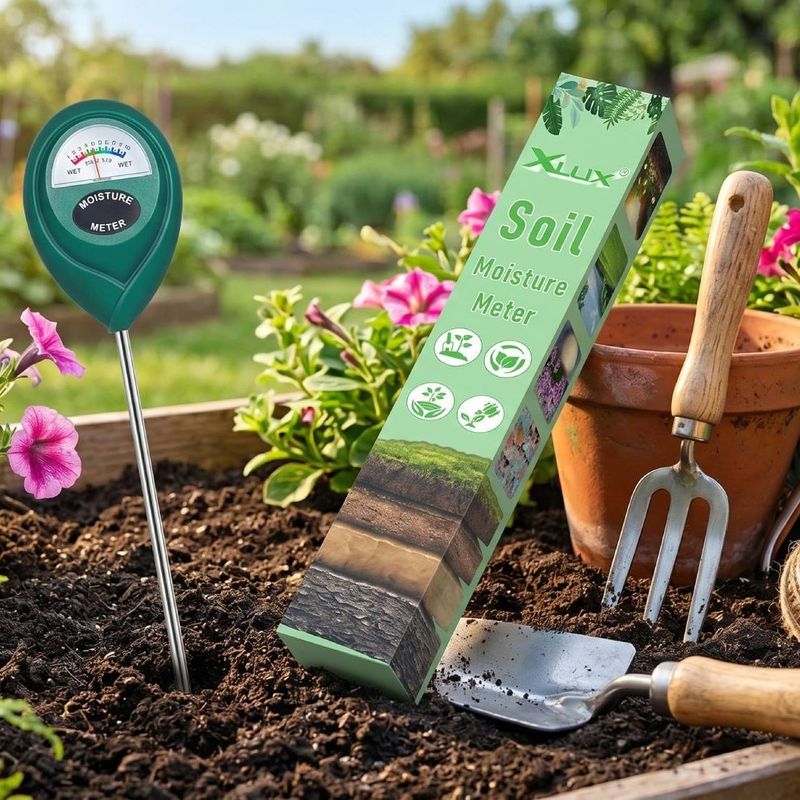
A moisture meter is another option if you prefer a tool with a readout. These are inexpensive and available at most garden centers.
They measure moisture at whatever depth you insert the probe, which makes them more reliable than a glance at the soil surface.
For newly planted hydrangeas, Ask Extension guidance suggests waiting until the upper 3 to 4 inches have begun to dry before applying enough water to saturate the root ball. That measurement is a practical starting point for recently transplanted plants, not a fixed rule for every hydrangea in every soil type.
Established plants in clay-heavy soil may stay moist much longer than a newly planted shrub in sandy ground.
The habit of checking before watering takes very little time and prevents two opposite mistakes: adding water to soil that is already wet enough, and walking away from a plant whose root zone is genuinely parched. Either error can show up as wilting, which is exactly why the soil test matters more than the calendar.
Give a genuinely dry hydrangea a slow, thorough soak
Once you confirm the root zone is dry, the goal is to get water there without sending it sheeting across the surface and away from the plant. Applying water slowly gives it time to soak downward rather than run off, especially in compacted or clay soil that does not absorb moisture quickly.
A fast blast from a hose can look impressive but deliver far less to the roots than a slower, gentler approach.
Soaker hoses and drip irrigation lines are well suited to this job because they release water gradually right at soil level. A slow hand-watering with a wand or hose set to a gentle flow works too, as long as you give the water time to sink in before moving on.
OSU Extension recommends watering slowly around the base, letting moisture penetrate rather than pool and run off.
After a thorough soak, reassess the soil rather than immediately adding more water. Probe the ground again after an hour or so to confirm the moisture moved down.
If it did not penetrate as far as you expected, a second slow pass may help, but resist the habit of repeated small splashes that only rewet the top layer.
Mulch is one of the most practical tools for holding onto the moisture you work to put in. UMass Extension recommends applying 2 to 3 inches of mulch over the root area to slow evaporation and moderate soil temperature.
Keep the mulch a few inches away from the crown of the plant so moisture does not stay trapped against the stem, which can invite rot and disease.
A slow, deliberate soak followed by a mulch layer and a follow-up soil check is the practical rescue sequence for a hydrangea whose root zone has dried out. Getting water to the roots efficiently is the point, not simply making the surface look dark and wet.
Hydrate the root zone instead of repeating shallow sprinkles
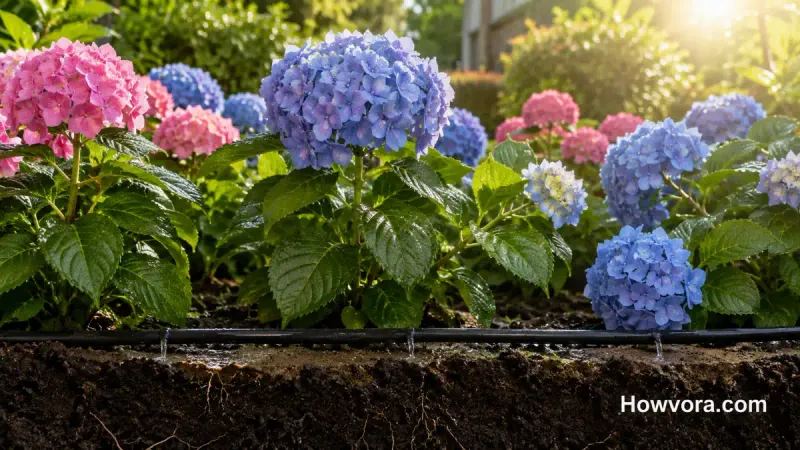
Replacing a shallow sprinkling habit with a method that actually reaches the root zone does not require expensive equipment or a rigid schedule. For many established, in-ground hydrangeas, one or two long, slow soaks per week can maintain consistently moist soil far more effectively than daily quick passes with a hose.
UConn Extension recommends one or two long soaks per week using drip or soaker irrigation rather than frequent shallow watering, and notes that hydrangeas repeatedly allowed to wilt may produce fewer flower buds the following year.
That one-to-two-soak framework suits established plants in reasonably retentive soil under moderate weather conditions. Newly planted hydrangeas are a different situation.
Their root systems are still small and confined to the original root ball, which can dry out much faster than surrounding soil. During the first season, checking soil moisture more frequently and watering accordingly, even daily in hot or windy weather, may be necessary until roots establish.
Containers, sandy soil, and periods of extreme heat also increase how quickly a plant dries out and may call for more frequent attention. The goal in all cases is to keep the root zone consistently moist without letting the soil stay waterlogged.
Watering at soil level rather than overhead is worth the small extra effort. Wet foliage and splashing water can spread bacterial and fungal leaf spots, as University of Maryland Extension notes when discussing hydrangea disease management.
Keeping the leaves dry while the roots receive water is a straightforward way to reduce that risk.
Morning is often recommended for overhead watering because it gives foliage time to dry before evening. That preference is reasonable when using sprinklers or overhead irrigation.
However, Penn State Extension identifies the idea that water droplets burn leaves in sunlight as a garden myth, so afternoon watering at the soil level carries no meaningful leaf-burn risk. More practically, a genuinely dry, wilted hydrangea should not be left stressed simply to wait for the next morning.
Water it as soon as reasonably possible and focus the water at the base.
Adjust watering for weather, soil, exposure, and plant age
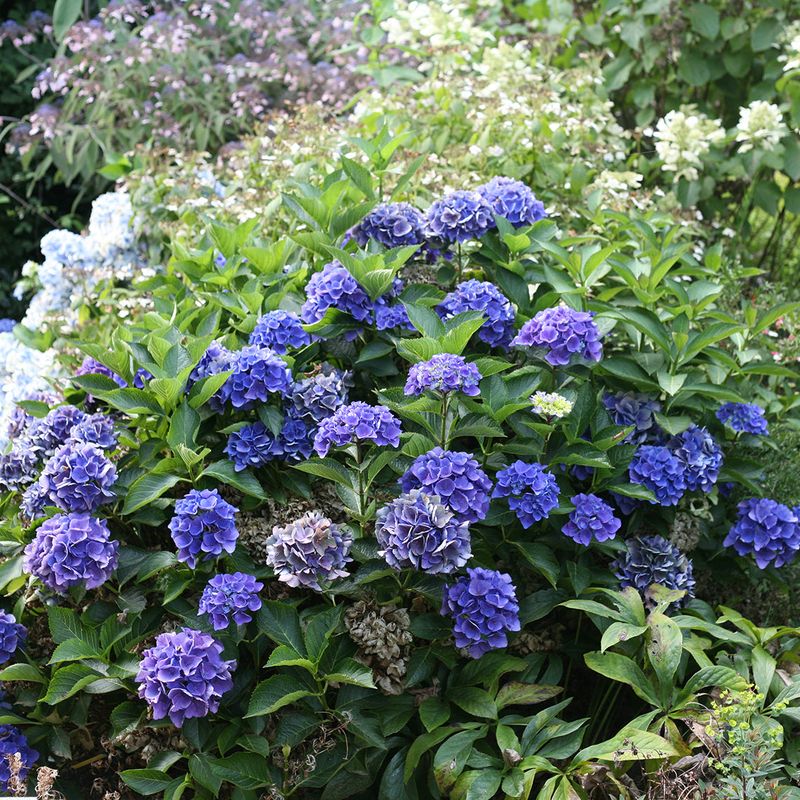
A single weekly number cannot account for the range of conditions that affect how quickly a hydrangea’s root zone dries out. UMass Extension gives approximately 1 inch of water per week as a general starting point, applied as a deep soaking rather than a surface sprinkle.
During very hot, dry weather, that demand can climb to roughly 2 inches per week. Treat both figures as working estimates, not fixed quotas, and let your soil tell you when to water rather than the calendar.
Soil type plays a significant role. Sandy soil drains quickly and dries fast, often requiring more frequent attention than clay-heavy soil that holds moisture longer.
Wind and full sun accelerate evaporation from both the soil and the plant, increasing demand. Containers dry out faster than in-ground plantings because the root zone is limited and exposed to heat on all sides.
Newly planted hydrangeas need closer monitoring regardless of species. Their root systems are not yet established, and the root ball can dry independently of the surrounding soil.
UC IPM guidance on water deficit and excess reinforces that newly planted shrubs face higher stress risk and need consistent moisture while they settle in. Established plants in suitable soil generally tolerate slightly longer intervals between waterings, though that still depends on weather and exposure.
Hydrangea species also matter when thinking about heat and moisture needs. Bigleaf hydrangeas, the classic mophead and lacecap types, are generally less tolerant of drought and heat stress than panicle hydrangeas.
OSU Extension notes that bigleaf types are especially prone to wilting under heat, while panicle hydrangeas tend to be more adaptable to drier and sunnier conditions. Neither type should be treated as drought tolerant, but understanding those differences helps you prioritize which plants to check first during a heat spell.
Rainfall counts toward the weekly total, so check whether recent rain has already moistened the root zone before adding more water. Combining a soil check with an awareness of recent weather, current temperatures, sun exposure, and your plant’s age and species gives you a far more reliable guide than any fixed schedule.
Wilting does not always mean the plant needs water
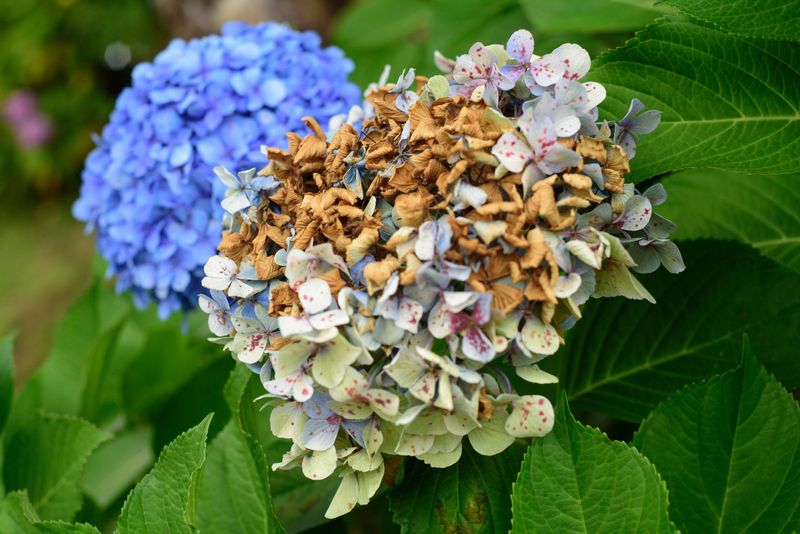
Drooping hydrangea leaves are a signal worth investigating, not an automatic instruction to water. Dry soil at root depth does support the shallow-watering diagnosis, but wet or waterlogged soil can cause the same visual symptom through a completely different mechanism.
When roots sit in saturated, poorly drained soil for extended periods, they are deprived of oxygen and begin to deteriorate. A damaged root system cannot move water upward efficiently, and the plant wilts even though there is no shortage of moisture around it.
Ask Extension guidance on hydrangea care flags overwatering and poor drainage as causes of wilt that can look nearly identical to drought stress from the outside. Adding more water to an already waterlogged plant accelerates root damage rather than solving the problem.
This is precisely why probing the soil before watering, as covered in the second section, is more reliable than reacting to the appearance of the leaves alone.
Heat stress is another common explanation that has nothing to do with soil moisture. University of Maryland Extension notes that leaves wilting during the hottest part of the day but recovering by evening or overnight, while the soil remains moist, often point to heat stress rather than inadequate watering.
Bigleaf hydrangeas in particular may droop in hot afternoon sun even when the root zone has plenty of moisture. Watering more in that situation does not help and may cause harm if the soil is already adequately moist.
Transplant stress, physical root damage from digging or cultivation, and fungal or bacterial diseases can all produce wilting as well. University of Maryland Extension’s hydrangea problem guide covers a range of disease and cultural issues that affect plant health, many of which show up first as leaf symptoms including wilting and discoloration.
One more thing worth knowing: brown or crispy tissue caused by heat damage will not green up again, even with ideal care afterward. OSU Extension advises avoiding heavy pruning and fertilizing immediately after heat damage, since a stressed plant needs time to stabilize before it can redirect energy into new growth.
Proper watering and mulching can support recovery and new foliage, but the damaged leaves themselves are not coming back.
Use a moisture check instead of a watering reflex
Putting this all together comes down to one habit swap: replace the impulse to water whenever leaves droop with a quick soil check before doing anything else. Push a finger, dowel, or probe several inches into the ground near the root zone.
If it comes out dry, a slow and thorough soak is the right response. If it comes out damp, investigate other causes before adding more water.
After a soak, apply 2 to 3 inches of mulch over the root area if it is not already in place, keeping it back from the crown. Then check the soil again in a day or two rather than returning to a fixed daily schedule.
OSU Extension’s guidance on hydrangeas in heat and UMass Extension’s hydrangea fact sheet both support consistently moist but well-drained soil as the target, not soil that stays permanently saturated.
When the moisture reading does not match the symptoms, look beyond watering. University of Maryland Extension’s problem guide is a useful reference for ruling out drainage issues, disease, or heat stress when soil moisture seems adequate.
Correcting shallow watering removes one real and common source of hydrangea wilt, even if it cannot account for every drooping plant in every garden.