
12 Fast-Growing Annuals You Can Still Plant Right Now For Late-Summer Color (And Which To Skip)
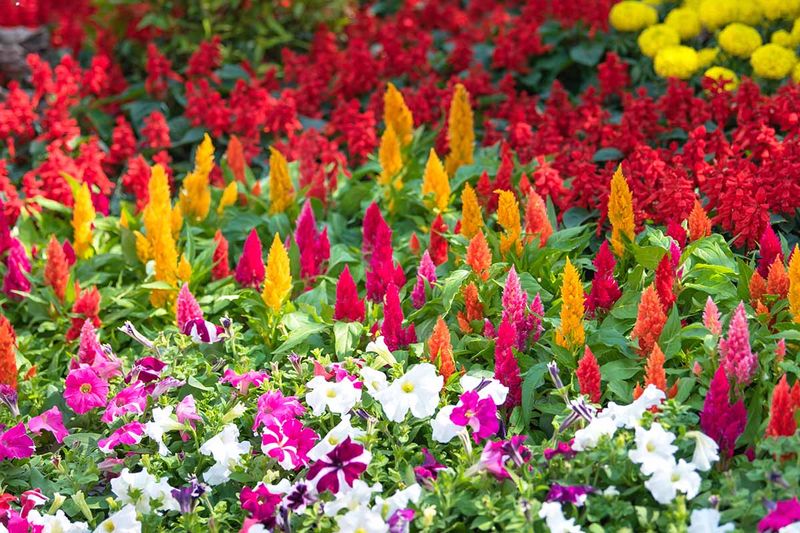
Summer is not over yet, and neither is your window for planting flowers. If your garden beds look tired or you have empty pots begging for color, plenty of fast-growing annuals can still go in the ground right now and bloom before frost.
The trick is picking the ones that sprint from seed to flower and skipping the slowpokes that will leave you disappointed. Here are twelve reliable choices that reward late planting, plus a couple of warnings so you do not waste your time.
1. Zinnias
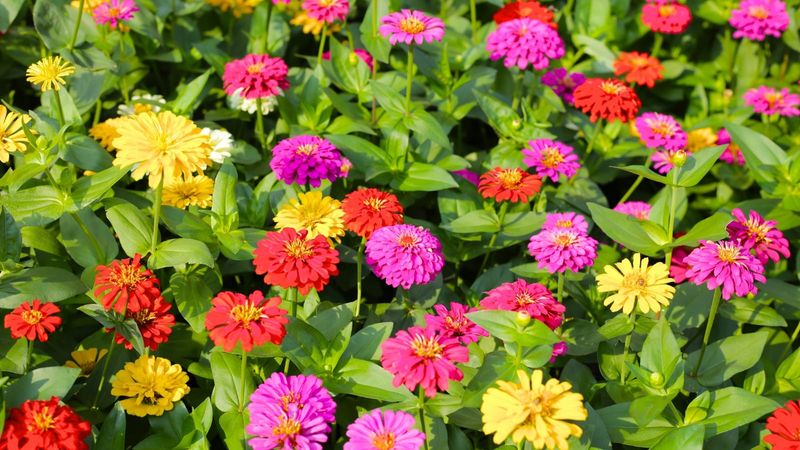
Few flowers reward a late planting quite like zinnias. Drop seeds directly into warm August soil and you can expect blooms in just six to eight weeks, because summer heat is exactly what these plants crave to get established fast.
They come in nearly every color you can name, from hot pink to lime green, and butterflies treat a zinnia patch like a favorite diner. Snip a few stems for a vase and the plant responds by pushing out even more buds, so cutting actually keeps the show going.
Skip the nursery transplants here. Zinnias resent having their roots disturbed, so sowing seeds right where you want them growing gives you stronger, happier plants for most US zones.
2. Marigolds (French and African)
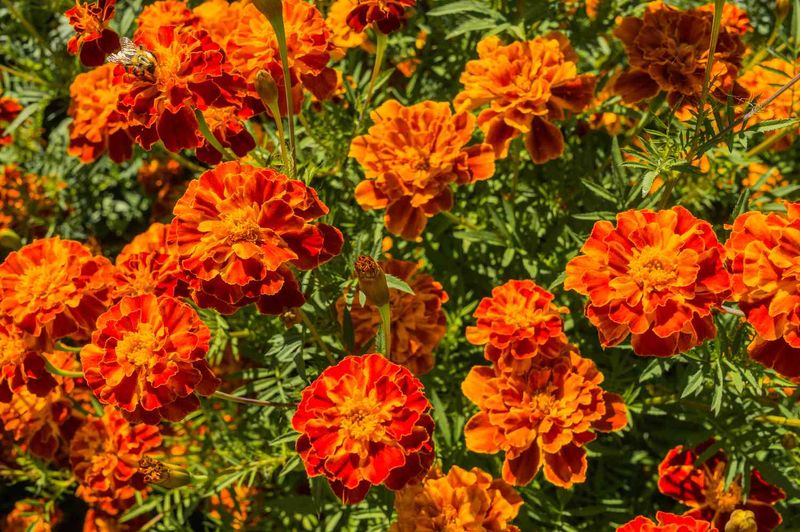
Bright, cheerful, and tough as nails, marigolds bring quick color and shrug off the heat. From seed they bloom in about a month, and French types mature even faster, which makes them ideal when your growing window is shrinking.
Gardeners in zones 3 through 10 can count on steady flowers until a hard frost knocks them back. There is a bonus too: marigolds have a reputation for repelling certain pests, so tucking them beside your vegetables may help keep the bad bugs guessing.
For the fastest results this late in the season, grab nursery starts instead of waiting on seeds. Water them regularly until they settle in, then step back, since established marigolds handle dry spells like champs.
3. Celosia (Woolflowers)
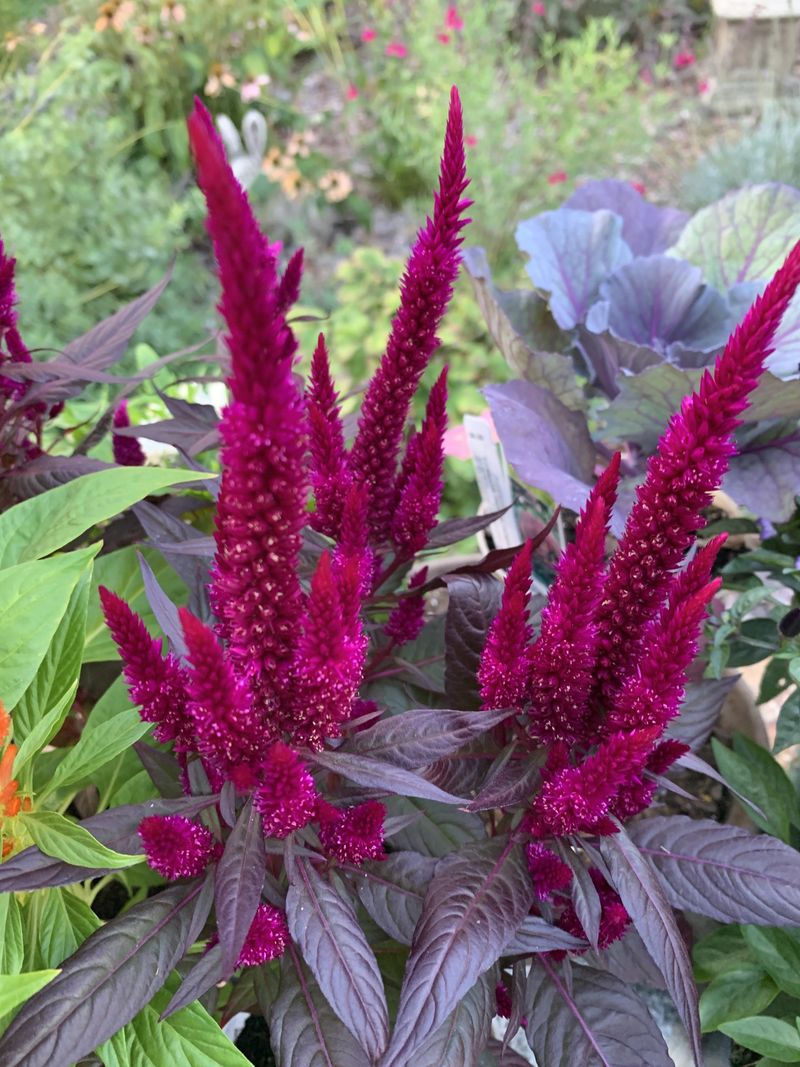
Want texture that stops people mid-walk? Celosia delivers with either feathery plumes or brainy, velvet cockscomb heads that look almost otherworldly in a border.
Heat is this plant’s best friend, and it can go from seed to bloom in roughly two months while asking for very little support. Give it full sun and it will keep the flames of color burning right up until a hard frost.
Gardeners in zones 4 through 10 can plant celosia with confidence now. Its bold shapes pair beautifully with softer, rounder blooms, adding a jolt of drama that most late-summer beds are missing.
4. Dwarf Sunflowers
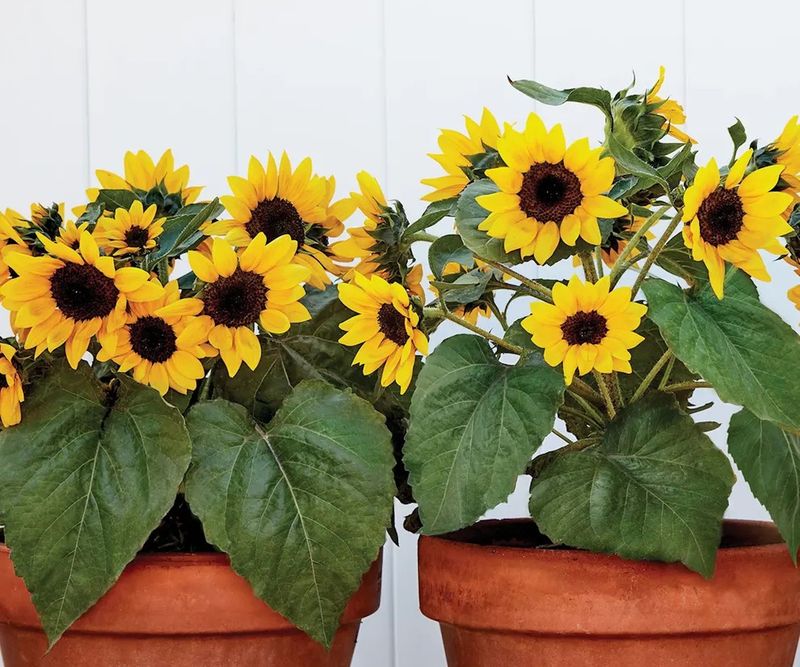
Everyone pictures sunflowers as towering giants, but the dwarf varieties are the secret weapon for late planting. These compact cousins can flower in about two months from seed while staying small enough for pots, window boxes, and the front row of a bed.
Best of all, they rarely need staking, so you skip the fuss of propping up heavy heads on tall stalks. Their cheerful golden faces still track the sun and still draw finches and bees, just at a friendlier size.
Tuck a few seeds into a sunny container and you get all the sunflower charm without the ladder. It is a smart move for balconies and small yards where a six-foot stalk would simply be too much.
5. Nasturtiums
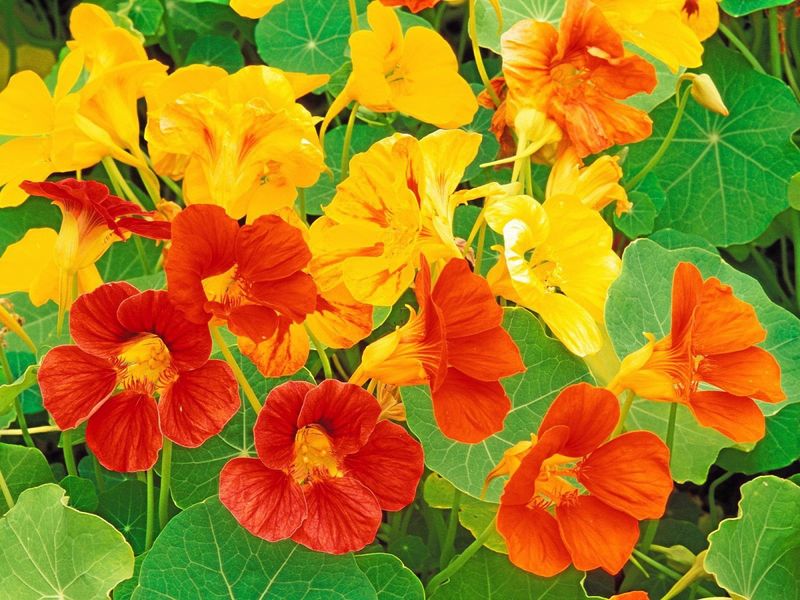
Here is a flower that fills space in a hurry and feeds you while it is at it. Many nasturtium varieties bloom within six to eight weeks of sowing, spilling round lily-pad leaves and jewel-toned flowers over the edges of containers and beds.
The peppery leaves and bright blooms are both edible, so a summer salad can suddenly get a lot more colorful. That double duty makes them a favorite for gardeners who like their plants to earn their keep.
They actually prefer lean soil, meaning you do not have to fuss over rich feeding. Poke a few seeds in now and let them trail and tumble as the season winds down.
6. Sweet Alyssum
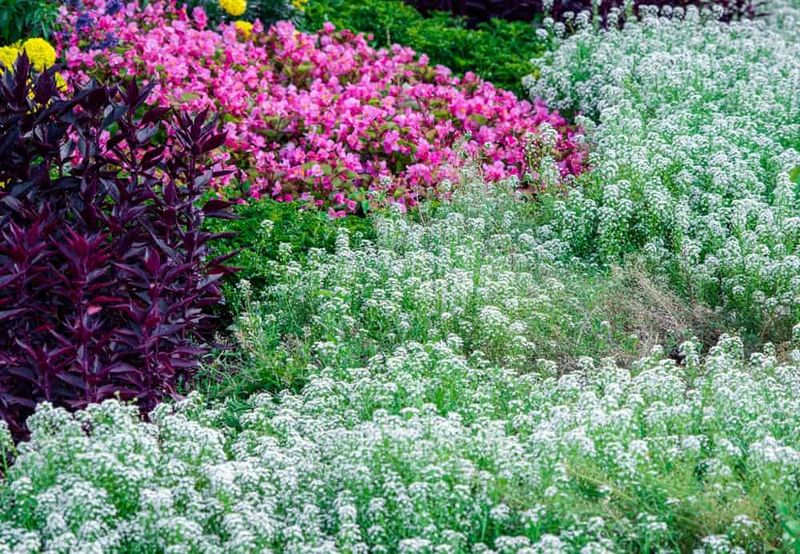
Low, lacy, and quietly fragrant, sweet alyssum is the carpet-maker of the late-summer garden. In warmer climates it can bloom the very same year you sow it, blanketing the ground in tiny white, pink, or purple flowers.
The honey-sweet scent is a genuine bonus, drifting up whenever you brush past or lean in for a closer look. Bees and hoverflies adore it, so a patch does double duty as a pollinator magnet.
Use it to soften bed edges, fill the gaps between taller plants, or spill over a container rim. It is the kind of easy filler that makes everything around it look more finished.
7. Bachelor’s Buttons (Cornflowers)
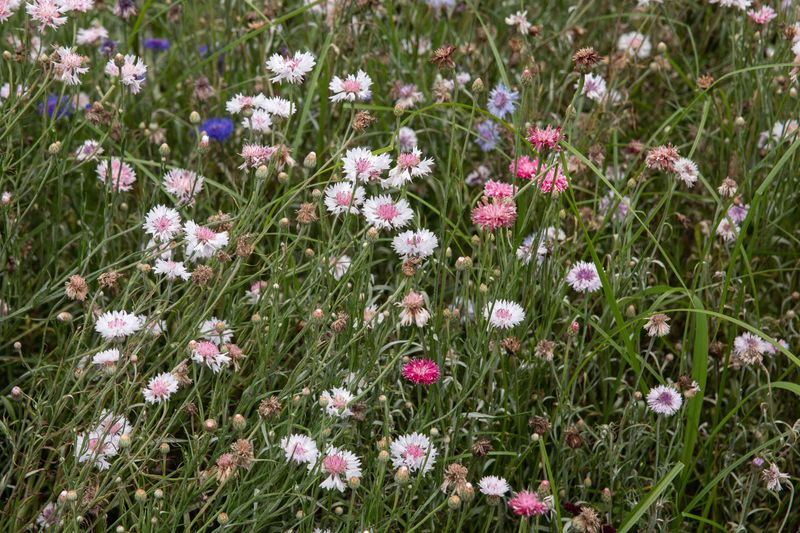
Cottage-garden charm meets impressive speed with bachelor’s buttons. Among the fastest annuals around, they often bloom within six weeks of sowing, which is perfect when the calendar is working against you.
Cooler fall weather actually brings out their best, so an August sowing sets you up for a wave of blue, pink, and white blooms from September until hard frost. That timing makes them a clever pick as summer fades.
Their old-fashioned button flowers sit atop wiry stems that sway in the breeze and make excellent cut flowers. Plant a drift of them and you get a nostalgic, meadow-like feel with almost no effort.
8. Lantana
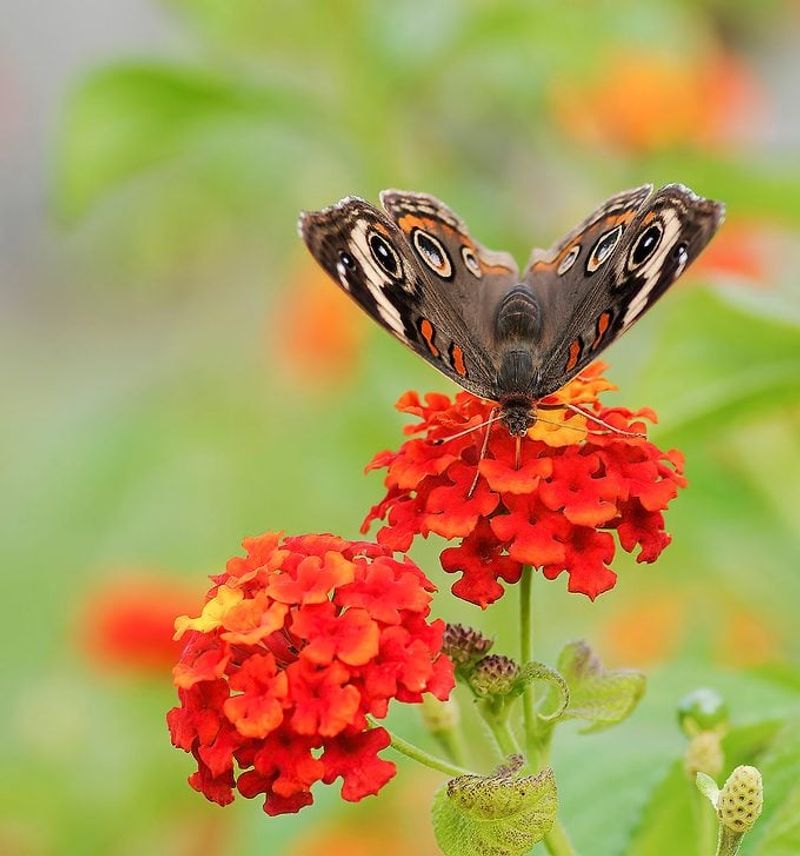
When most plants start wilting in the dog days, lantana just gets happier. Rising temperatures actually intensify its clusters of tiny, color-changing flowers, and it often keeps blooming right through the first frost.
Butterflies flock to it, turning a single plant into a fluttering hub of activity on hot afternoons. In warmer USDA zones it may behave like a perennial and return next year, while colder-region gardeners can enjoy it as a bold annual.
Give it sun and decent drainage and it asks for very little else. For anyone battling a scorching hot spot where petunias sulk, lantana is a swap worth making.
9. Petunias
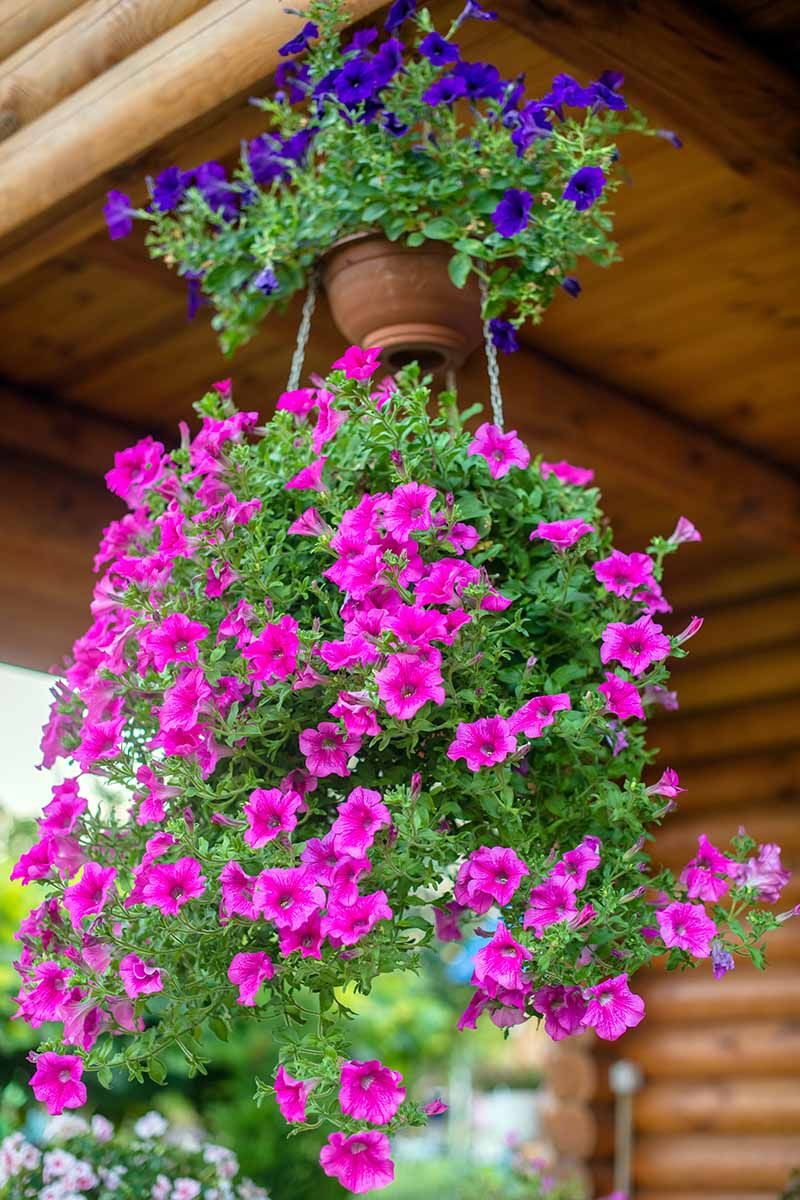
Ask any porch gardener and petunias will come up fast. These classics grow quickly and can bloom prolifically from spring straight through to frost, which is why they anchor so many hanging baskets and beds.
They do have demands, though. Petunias want at least six hours of full sun daily, and potted ones may need watering every single day in summer heat.
If your petunias are drooping and sad, they are usually just too dry and will perk right back up after a good drink.
Think of them as hungry plants. A weekly or bi-weekly dose of water-soluble fertilizer keeps them flowering, but skip high-nitrogen formulas, which push leafy growth at the expense of blooms.
10. Geraniums (Pelargoniums)
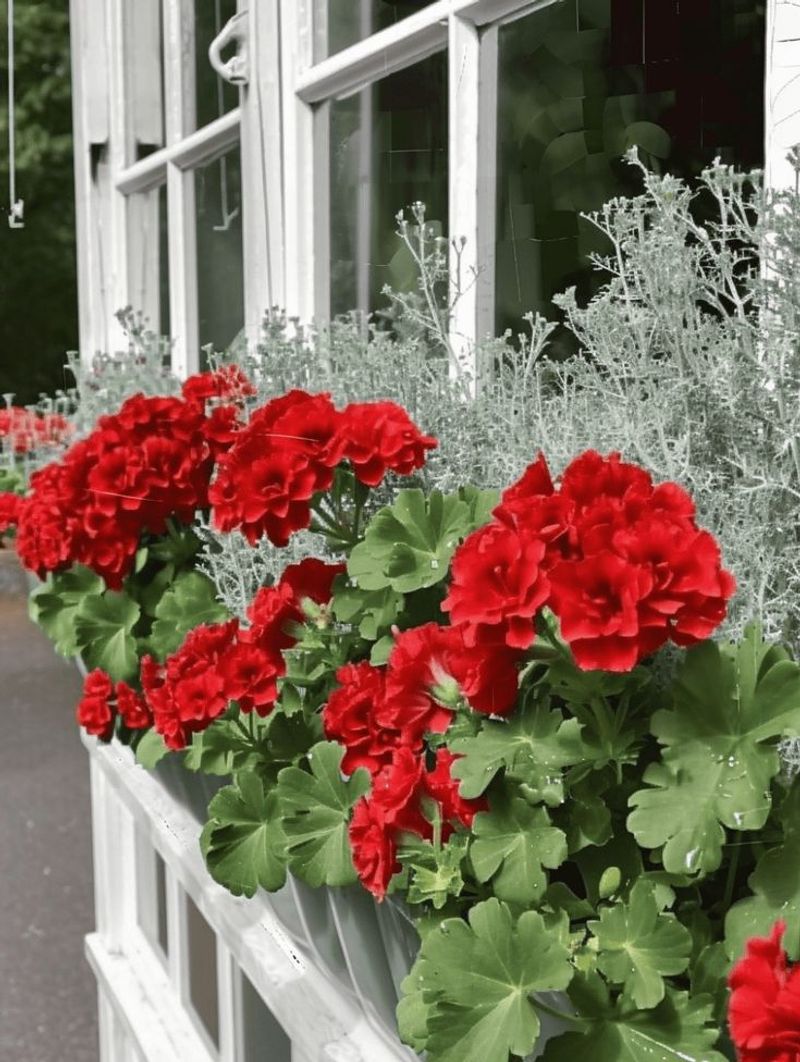
Grown as annuals across most of North America, geraniums put on a showstopping display from summer until frost. Their bold clusters of red, pink, and white blooms sit above handsome scalloped leaves, making them a windowbox staple.
They like at least six hours of direct sun, but there is a catch in the hottest regions. Where temperatures regularly top 90 degrees, morning sun with light afternoon shade prevents leaf scorch and keeps them looking fresh.
Water consistently and let the soil dry somewhat between drinks, since both drowning and drought can cause wilting or leaf drop. Snip off faded flowers regularly and feed with a balanced fertilizer every two to three weeks, avoiding high-nitrogen blends, and your geraniums will bloom on and on.
11. Calendula (Pot Marigold)
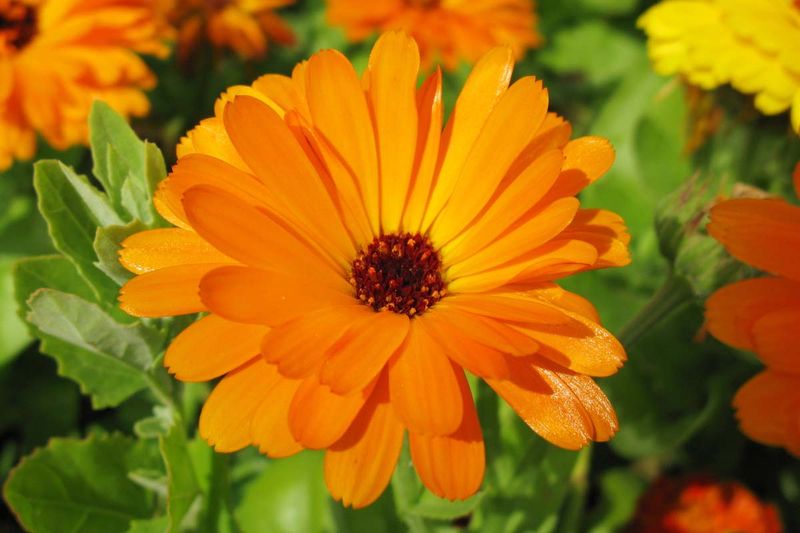
Sunny and unfussy, calendula pumps out masses of yellow and orange daisy-like blooms well into autumn. Also known as pot marigold, it handles a late-summer sowing gracefully and keeps the warm tones coming as other flowers fade.
In milder climates, an August start can flower this year and even carry blooms into winter, which is a generous return for so little effort. Pollinators love the open faces, so a patch stays busy with bees.
Deadhead the spent flowers and calendula keeps producing more. As a friendly fun fact, the petals are edible and have long been used to add a golden touch to soups and salads.
12. Violas (Pansies)
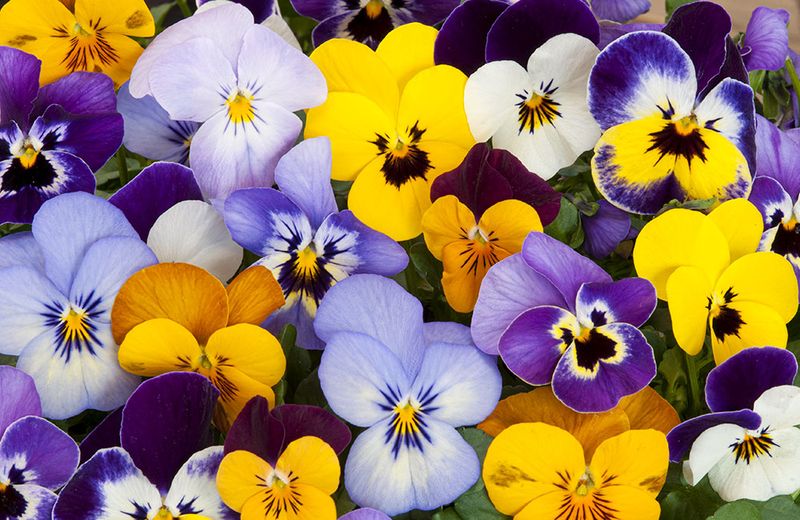
As the heat finally breaks, violas and pansies step into the spotlight. These cool-weather lovers thrive when others are winding down, and an August planting can carry cheerful color right into winter in many areas.
Their sweet, face-like blooms come in an endless mix of purples, yellows, and blues, and the plants often look even better as temperatures dip. That makes them the perfect bridge between summer and the cold months.
Tuck them into containers, borders, or window boxes where you can enjoy their friendly little faces up close. For gardeners not quite ready to give up on color, violas are a comforting way to stretch the season.