
8 Ways To Use Epsom Salt On Tomatoes That Truly Help—And 7 That Quietly Backfire
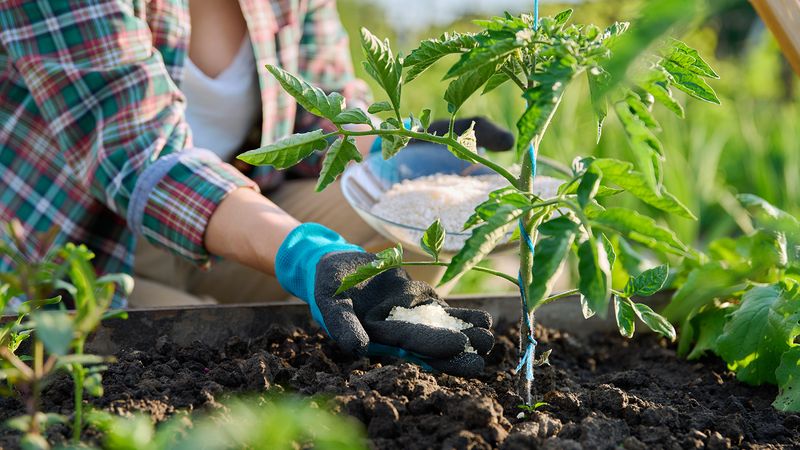
If you have ever sprinkled Epsom salt around your tomato plants because a neighbor or a random online post swore by it, you are not alone. The truth is a bit more complicated than “it fixes everything.” Epsom salt is really just magnesium and sulfur, and it only helps your tomatoes when they are actually short on magnesium.
Below you will find the eight situations where it genuinely earns a spot in your garden shed, plus seven times it quietly does more harm than good.
1. Correcting Yellowing Leaves (Interveinal Chlorosis)
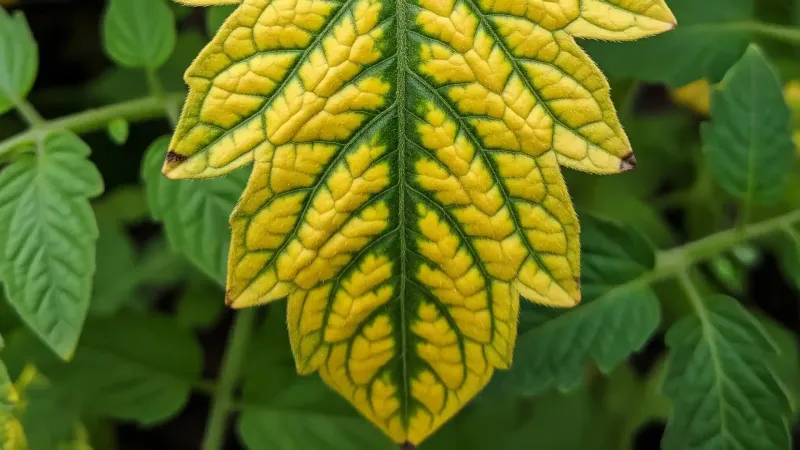
Picture an older tomato leaf where the little veins stay bright green but the space between them fades to a sickly yellow. That specific pattern has a name, interveinal chlorosis, and it is one of the clearest signals your plant is running low on magnesium.
Because Epsom salt is basically magnesium sulfate, a diluted dose can feed the leaf exactly what it is missing. Gardeners often see the green creep back in after a week or two of a proper foliar spray or soil drench.
The catch worth remembering is that yellowing has many causes, from overwatering to nitrogen problems. So confirm the veins-stay-green pattern first, ideally with a quick soil test, before you reach for the box.
2. Boosting Chlorophyll Production
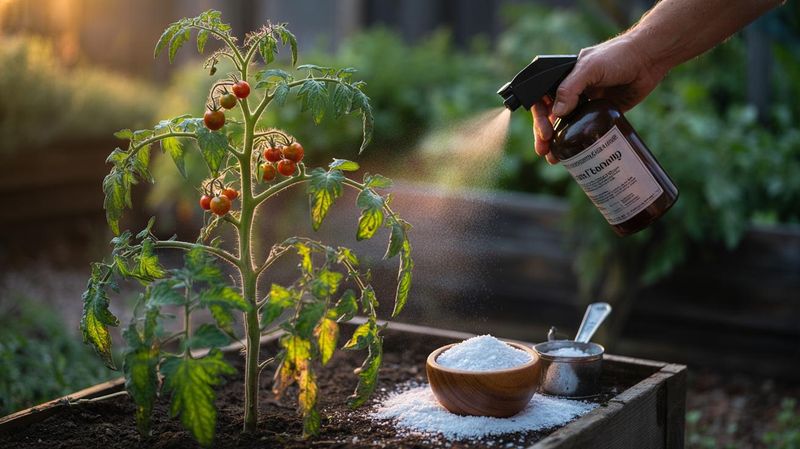
Every green thing your tomato plant makes runs on chlorophyll, and sitting right at the center of each chlorophyll molecule is a single atom of magnesium. Take that magnesium away and the whole green-making machine sputters.
When a plant is genuinely deficient, a modest Epsom salt application hands it the raw material to rebuild that chlorophyll. The payoff shows up as deeper, healthier foliage and a plant that can actually turn sunlight into food again.
Think of magnesium here as the tiny engine part that a big machine cannot run without. Restore it and the whole system perks up, but only if that part was truly missing in the first place.
3. Improving Absorption of Other Essential Nutrients
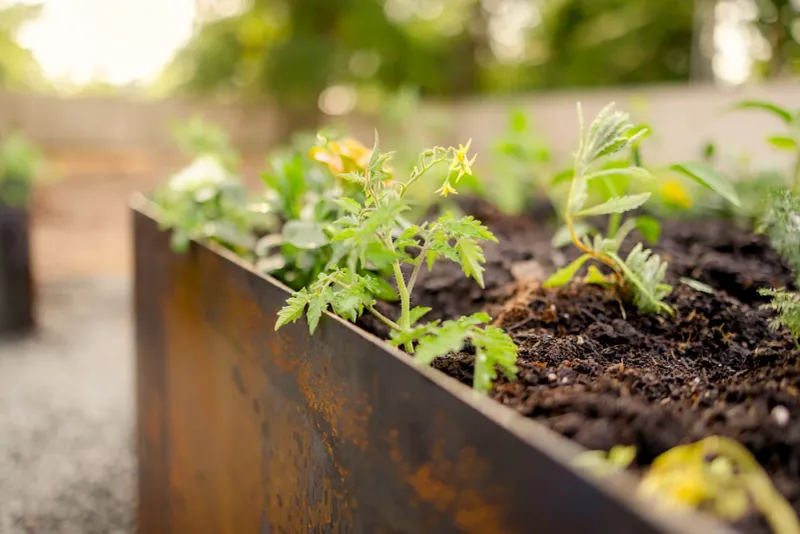
Magnesium quietly works behind the scenes as a helper for other nutrients your tomatoes crave. It supports the plant’s ability to take up nitrogen, phosphorus, and sulfur, so a shortage can leave your plant hungry even when those nutrients sit right there in the soil.
Correcting a real magnesium gap with Epsom salt can get that internal traffic moving again. Suddenly the fertilizer you already applied starts pulling its weight because the plant can finally use it.
There is a balance to respect, though. Magnesium helps absorption only up to a point, and piling on more than the plant needs flips the benefit into a problem, which is a theme you will see again on the backfire list.
4. Promoting Stronger Plant Cell Walls
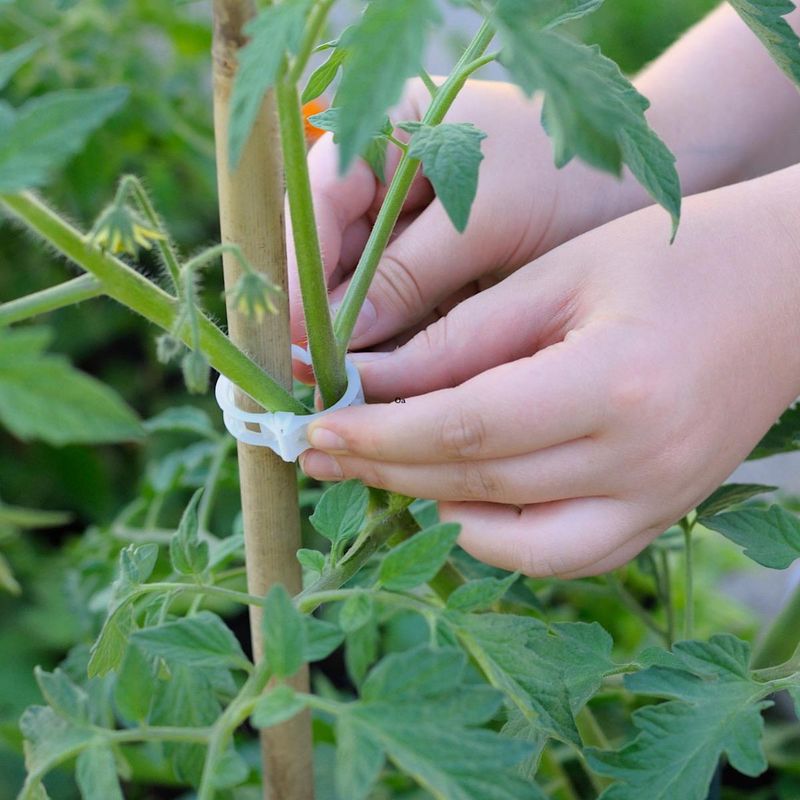
Sturdy stems and leaves that stand up to summer storms start at the cellular level, and magnesium plays a supporting role in keeping those cell walls firm. A plant built on solid cells simply handles stress better.
For a magnesium-starved tomato, an Epsom salt correction can contribute to that structural backbone, helping the plant hold itself upright and resist minor damage. Vigorous tissue is also less inviting to certain problems that prey on weak, floppy growth.
Just keep your expectations grounded. Epsom salt reinforces structure only when magnesium is the missing link, not as a magic strengthener for an already well-fed plant.
5. Enhancing Overall Plant Vigor and Growth
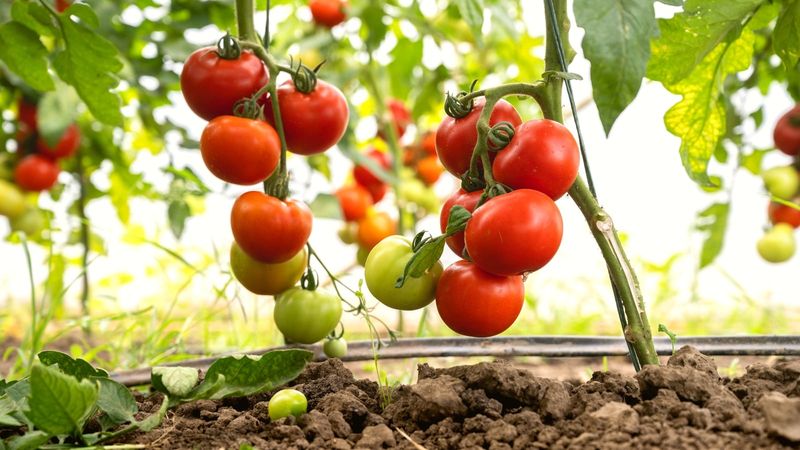
Ever notice how one deficiency can drag down a plant’s whole personality? A tomato limping along because it cannot make enough chlorophyll or move nutrients around tends to look tired, grow slowly, and produce less.
Removing the magnesium roadblock with a targeted Epsom salt treatment can flip that switch. Growth picks up, new leaves come in a healthier green, and the plant simply acts more alive.
Here is the honest framing that keeps this useful rather than gimmicky: the boost comes from fixing what was broken, not from adding a super-supplement. A plant that already has plenty of magnesium gains nothing, and you are just handing it salt it never asked for.
6. Potentially Increasing Blossom and Fruit Production
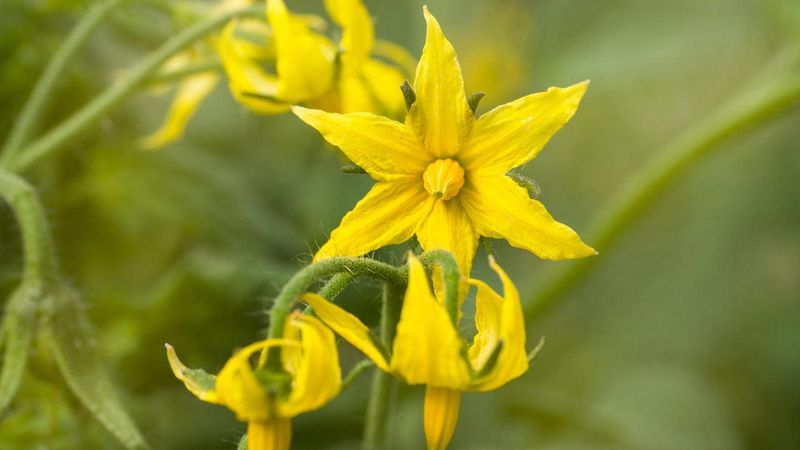
Nothing feels better than watching your tomato plant erupt in little yellow blossoms that promise a summer of fruit. Some gardeners credit magnesium with encouraging more of those blooms, and when a deficiency was holding the plant back, they might be onto something.
A healthier, greener plant with its nutrient systems running smoothly does have more energy to put toward flowering and fruiting. So correcting a genuine shortage can indirectly support a better set.
Fair warning on the hype: controlled research has not shown that Epsom salt reliably increases yield on plants that already have enough magnesium. Treat extra blossoms as a possible bonus of good health, not a guaranteed result of the salt itself.
7. Aiding Even Fruit Ripening and Shape
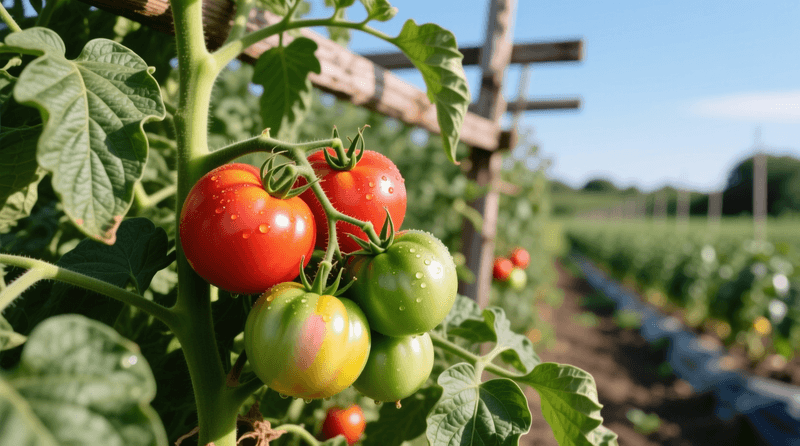
A tomato that ripens in blotchy patches or comes out lopsided can be maddening after months of care. Magnesium has a hand in the processes behind even coloring and well-formed fruit, so a deficiency sometimes shows up in the harvest itself.
When magnesium is genuinely short, restoring it with diluted Epsom salt may help the plant ripen fruit more uniformly and hold a cleaner shape. It is one of the more visible payoffs because you literally see the difference in your basket.
As always, the improvement is a repair, not an upgrade. Uneven ripening also comes from heat, uneven watering, and variety quirks, so rule those out before blaming magnesium.
8. Addressing Deficiency in Container and Raised Beds
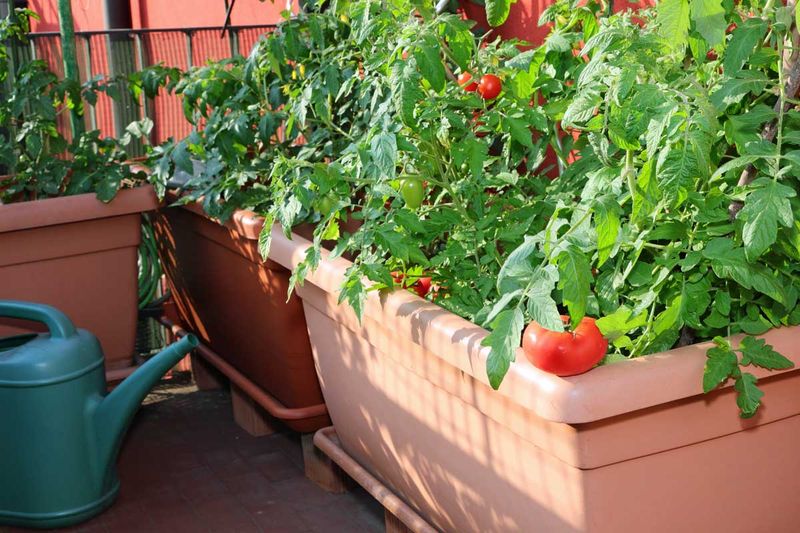
Growing tomatoes in pots or raised beds comes with a hidden quirk: every time you water, nutrients wash down and out through the drainage holes. Magnesium is one of the elements that leaches away this way, so container tomatoes slide into deficiency more easily than those in the ground.
That makes Epsom salt genuinely more relevant for potted and raised-bed growers who spot the classic yellowing signs. A confirmed shortage in a limited soil volume can respond quickly to a diluted feeding.
Even here, testing beats guessing. Frequent watering flushes many nutrients, not just magnesium, so a soil test tells you whether Epsom salt is the right tool or whether your container simply needs a balanced feeding routine.
9. Worsening Blossom End Rot
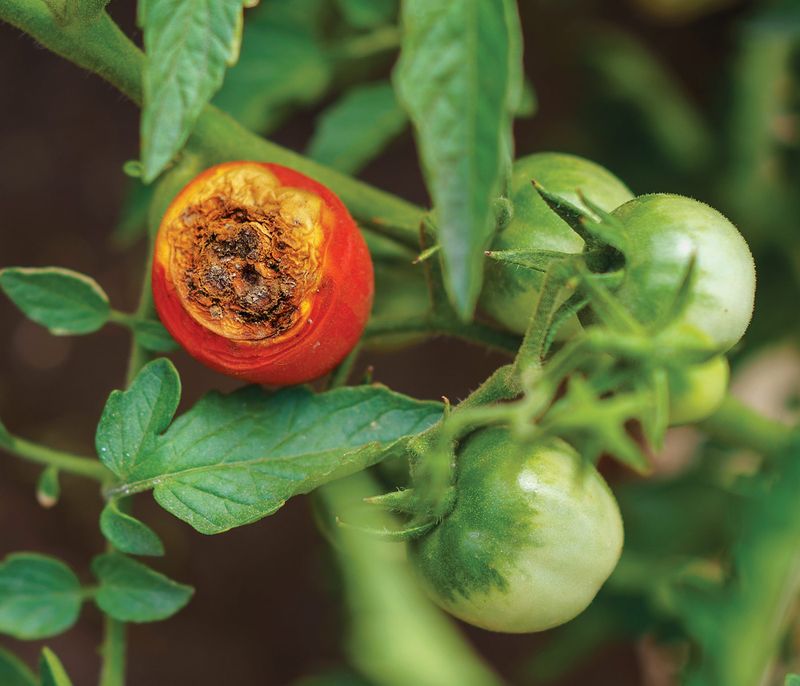
Here is the myth that trips up more tomato growers than almost any other. Blossom end rot, that sunken brown patch on the bottom of the fruit, gets blamed on all sorts of things, and countless gardeners reach for Epsom salt hoping to stop it.
The problem is that blossom end rot comes from a calcium issue, not a magnesium one. Epsom salt adds zero calcium, and worse, the magnesium in it competes with calcium for a spot on the plant’s roots.
So instead of rescuing your fruit, you can actually make the rot more likely by crowding out the very calcium the plant needs. If you see blossom end rot, focus on steady watering and calcium, and leave the Epsom salt in the shed.
10. Creating Nutrient Imbalances
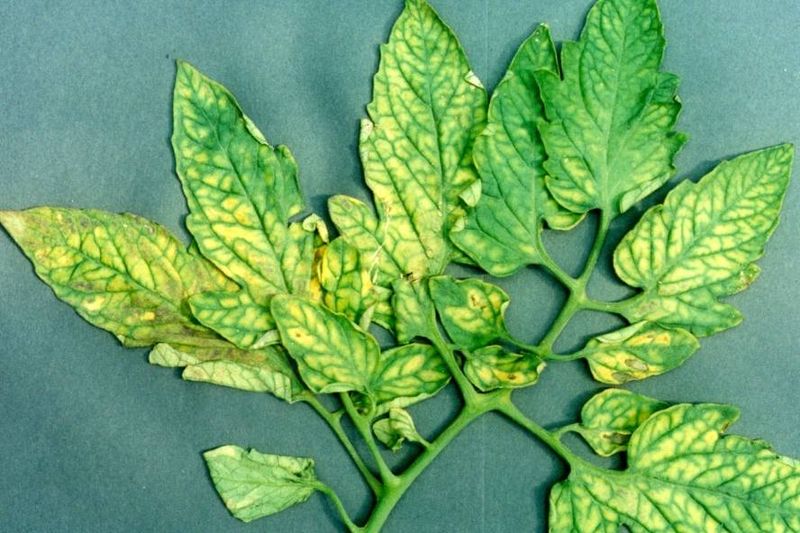
Soil chemistry works a lot like a seesaw, where pushing one element up can send another crashing down. Dumping extra magnesium into ground that already has enough tips that balance in a hurry.
High magnesium levels can elbow out the plant’s uptake of calcium, potassium, boron, iron, and manganese. The frustrating result is that you set out to help and instead trigger a fresh round of deficiencies you now have to chase down.
What makes this backfire so sneaky is that it looks like new plant problems appearing out of nowhere. You may never connect the yellowing or stunting to that well-meaning scoop of Epsom salt, which is exactly why testing first matters so much.
11. Causing Salt Injury to Plants
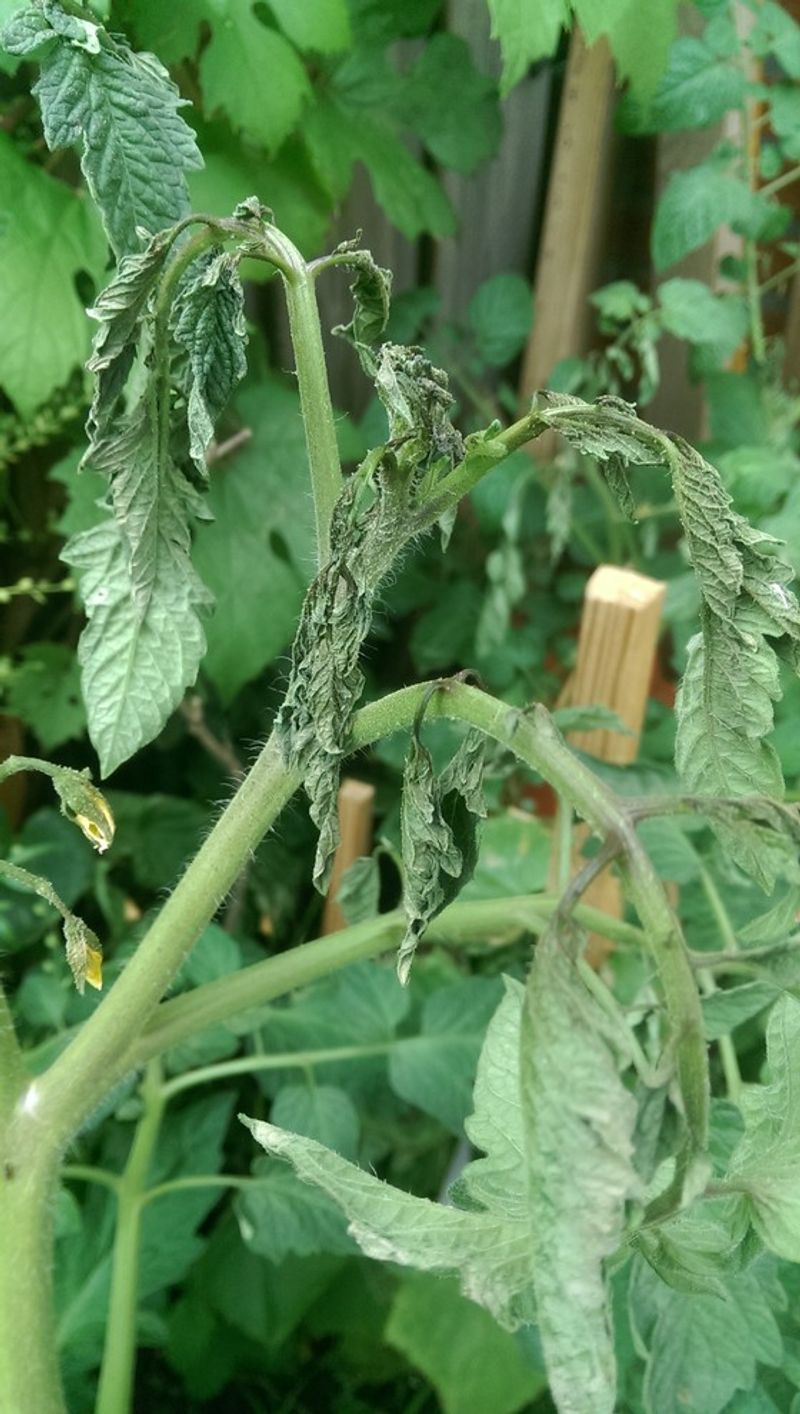
The word salt in Epsom salt is not just for show. Pile it on too heavily and you get exactly what that word warns about: salt injury, where high salt concentrations pull moisture away from plant tissue and roots.
Leaf edges can brown and crisp, growth can stall, and a plant that looked fine last week suddenly looks scorched. It is a harsh outcome for something people apply hoping to nurture their tomatoes.
Concentration is everything. A tablespoon or two per gallon of water is worlds apart from sprinkling dry crystals straight onto the soil, and skipping the dilution step is how gentle help turns into chemical burn.
12. Leading to Root Damage
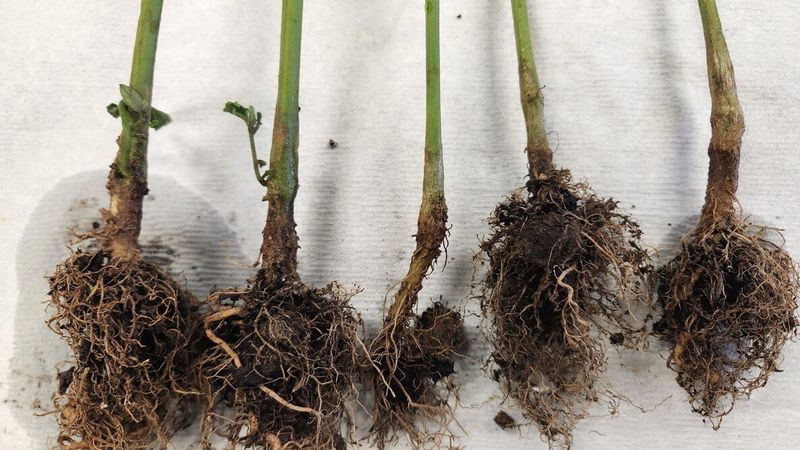
Roots do the quiet, unglamorous work of feeding and watering the entire plant, so anything that harms them ripples upward fast. Overusing Epsom salt is one of those quiet threats, since concentrated salts in the root zone can stress and damage delicate root tissue.
Once roots take a hit, the plant loses its grip on water and nutrients, and you start seeing wilting or slowed growth up top even when the soil is plenty moist. It is a confusing symptom because the real trouble is hidden underground.
Moderation protects what you cannot see. Diluting properly and spacing out applications gives roots room to work rather than forcing them to fight the very treatment meant to help them.
13. Contributing to Soil Compaction
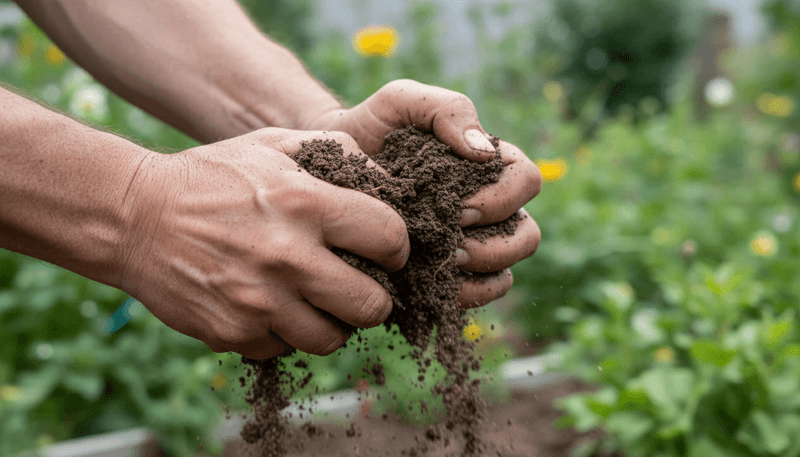
Good garden soil should feel loose and crumbly, full of tiny air pockets where roots breathe and microbes thrive. In soils that are already high in magnesium, adding more Epsom salt can nudge things the wrong direction, making the ground tighter and stickier.
Compacted soil chokes off aeration and gas exchange, creating a cramped, unfriendly home for both roots and the beneficial organisms that keep a garden humming. Your tomatoes end up fighting their own dirt.
Not every garden faces this, and it hinges on your existing magnesium levels, which is one more reason a soil test is the smartest first move. When magnesium is already abundant, the kindest thing you can do is nothing.
14. Providing Incomplete Nutrition
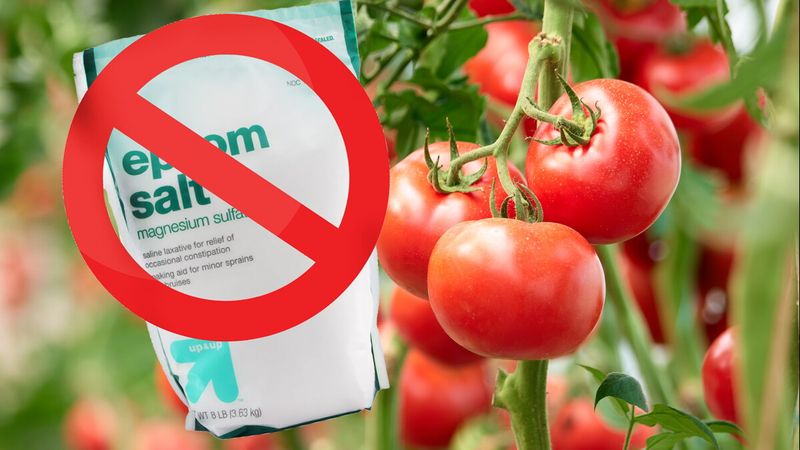
Leaning on Epsom salt as your main tomato fertilizer is like trying to build a balanced meal out of a single ingredient. All it delivers is magnesium and sulfur, and your plants need a whole lineup of macro and micronutrients to grow and fruit well.
Depend on it too heavily and you may accidentally starve your tomatoes of nitrogen, phosphorus, potassium, and more. The plant looks tended to, yet it is quietly missing most of what it actually requires.
Treat Epsom salt as a specialty tool for one specific job, not a stand-in for a complete, balanced fertilizer. Real plant nutrition is a full menu, and magnesium sulfate is only a side dish.
15. Having No Impact on Seed Germination
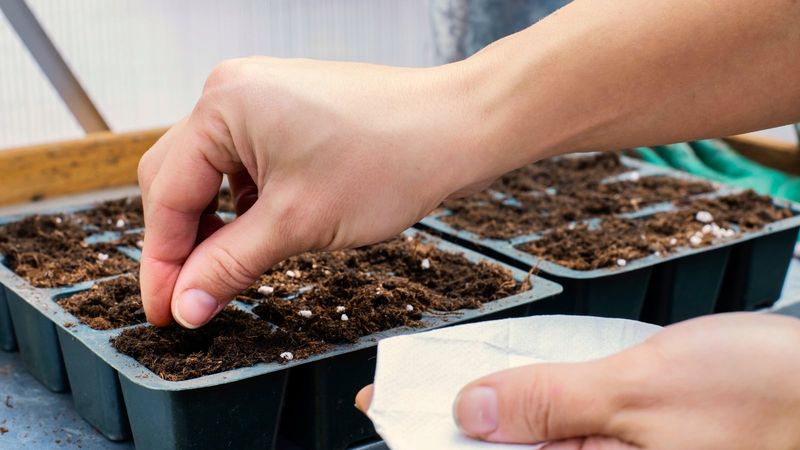
A popular garden tip claims that soaking or dusting seeds with Epsom salt jump-starts germination, promising faster sprouts and a head start on the season. It is a tempting shortcut for anyone impatient to see those first green loops push through the soil.
Unfortunately, the science does not back it up. Studies on tomato germination show Epsom salt makes no measurable difference in how quickly or reliably seeds sprout.
Save yourself the effort and the guilt. Warm soil, consistent moisture, and decent seed-starting mix do far more for germination than any pinch of magnesium sulfate ever will, so this is one trick you can happily skip.