
Why Your Hydrangeas Suddenly Stopped Blooming – Even Though They Look Perfectly Healthy
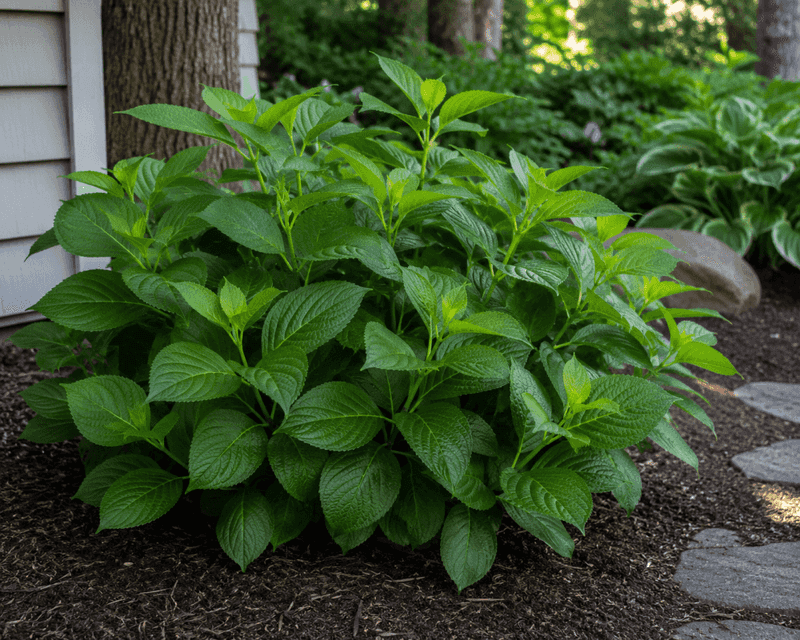
You step outside expecting a burst of color and find your hydrangea covered in lush, green leaves – but not a single flower. Before you panic or start pruning, know that this is one of the most common puzzles backyard gardeners run into.
The good news is that a healthy-looking plant with no blooms usually has a diagnosable reason behind it. Figuring out which hydrangea you grow is the first step toward getting those flowers back.
Start by identifying which hydrangea you grow
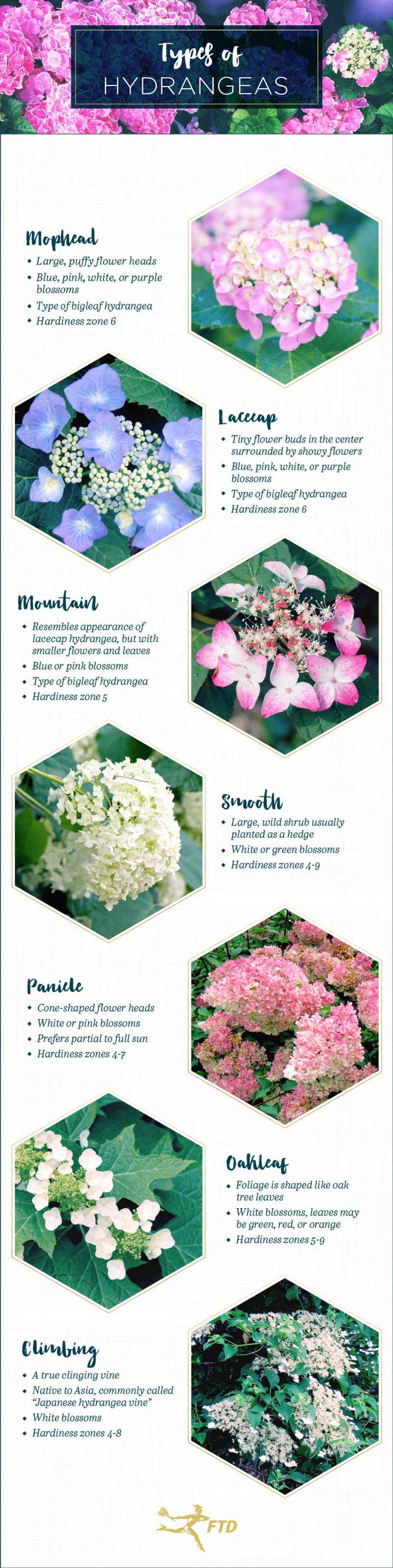
Calling a plant “a hydrangea” is a bit like calling a car “a vehicle” – the label covers a wide range of types that behave very differently when it comes to flowering. Before you can figure out why yours is not blooming, you need to know exactly what you are growing.
The fix for one type can be the wrong move entirely for another.
The four species most common in US backyard gardens are bigleaf hydrangea (Hydrangea macrophylla, including mopheads and lacecaps), oakleaf hydrangea (H. quercifolia), smooth hydrangea (H. arborescens, such as ‘Annabelle’), and panicle hydrangea (H. paniculata, such as ‘Limelight’). Each has its own bloom habit, preferred pruning window, and tolerance for cold.
University of Minnesota Extension makes clear that pruning advice for one type cannot be applied across the board without risking the following year’s flowers.
Check the plant tag if you still have it, or search the cultivar name online. If the tag is long gone, look at the flower shape, the leaf form, and the color of the bark on older stems.
Many garden centers also sell unnamed bigleaf hydrangeas as potted gifts, and these can be among the least reliably winter-hardy choices for outdoor planting in colder regions, as Penn State Extension notes.
One more thing to confirm before you diagnose a problem: has the plant actually reached its normal bloom window yet? Panicle hydrangeas, for example, tend to flower later in summer than bigleaf types.
Oregon State Extension notes that bloom timing varies by species, so a plant that looks flowerless in early June may simply be on schedule. Knowing the type and its expected season keeps you from applying the wrong remedy at the wrong time.
Old-wood buds can disappear while foliage stays green
One of the most confusing things about hydrangeas is that a plant can look completely healthy – full leaves, strong stems, good color – while carrying zero flower buds. Foliage health and flower-bud survival are two separate things, and understanding that distinction explains a lot of flowerless seasons.
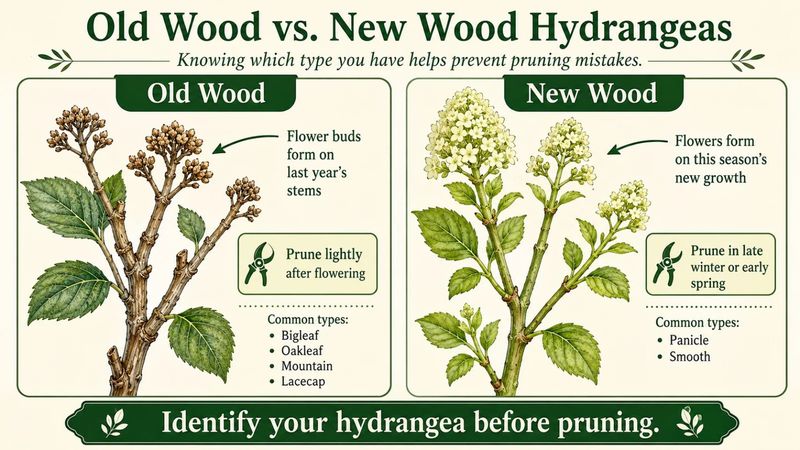
Bigleaf and oakleaf hydrangeas generally form next year’s flower buds on the stems that grew the previous season. Those stems are called “old wood.” When the plant leafs out in spring, the leaves emerge from the same old stems, but if the flower buds on those stems were already gone, the plant has no way to replace them for that season.
Penn State Extension identifies this bud loss as the leading reason bigleaf hydrangeas fail to flower.
Several things can remove those hidden buds without visibly harming the rest of the plant. Pruning at the wrong time of year – say, cutting stems back in fall or early spring – physically removes the buds before they ever get a chance to open.
A harsh winter or a late spring freeze can kill the buds while the roots and even the stems survive just fine. Deer browsing is another underestimated culprit: a deer that grazes the tips of old stems in late winter takes the flower buds right along with the foliage.
For smooth and panicle hydrangeas, this particular problem does not apply in the same way, because those types bloom on stems that grow in the current season. Minnesota Extension’s pruning guide explains that smooth and panicle types can be cut back hard in late winter without losing that year’s flowers.
Knowing whether your plant is an old-wood or new-wood bloomer is the single most useful piece of information you can have going into the rest of this diagnosis.
Winter and spring weather can erase flowers without killing the plant
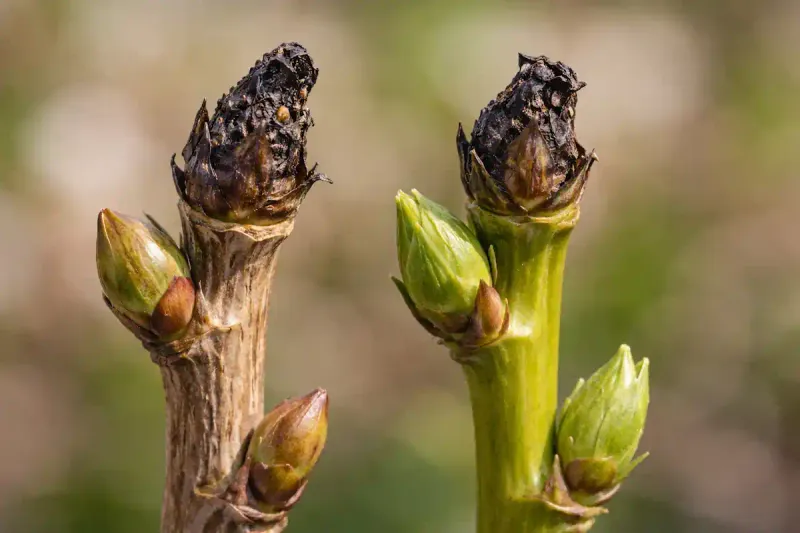
A stretch of cold weather does not have to kill a hydrangea to ruin its flowering season. The roots of most established hydrangeas are considerably hardier than the flower buds sitting on their old stems, and that gap in hardiness is where a lot of flowerless years come from.
Bigleaf hydrangeas are especially vulnerable. Their flower buds can be damaged or killed by winter temperatures that the rest of the plant weathers without trouble.
A late spring freeze is particularly damaging because buds that survived the winter may have already begun to swell and open slightly – making them far more sensitive to a sudden temperature drop. UGA Extension’s guidance on spring freezes explains that even a brief dip below freezing at the wrong moment can kill developing buds while leaving mature leaves and stems looking essentially normal.
To assess whether weather is the culprit, compare the past winter’s low temperatures and any late-freeze dates with the cold-hardiness rating for your cultivar. A hydrangea rated for Zone 6 that experienced a Zone 5 winter may have lost every flower bud even if the plant itself looks fine.
Penn State Extension points out that hardiness ratings are cultivar-specific and that florist bigleaf types sold as potted gifts are often not reliably winter-hardy outdoors in colder parts of the US.
Winter protection – wrapping stems loosely in burlap or surrounding the plant with a wire cage filled with straw – may help shield old-wood buds on vulnerable bigleaf hydrangeas in colder climates. UGA Extension’s hydrangea publication notes that protection needs to be appropriate for the local climate and should not trap excess moisture or block air circulation.
Even well-applied protection cannot guarantee blooms after a severe winter; it reduces the risk but does not eliminate it.
Match pruning timing to the hydrangea’s bloom habit
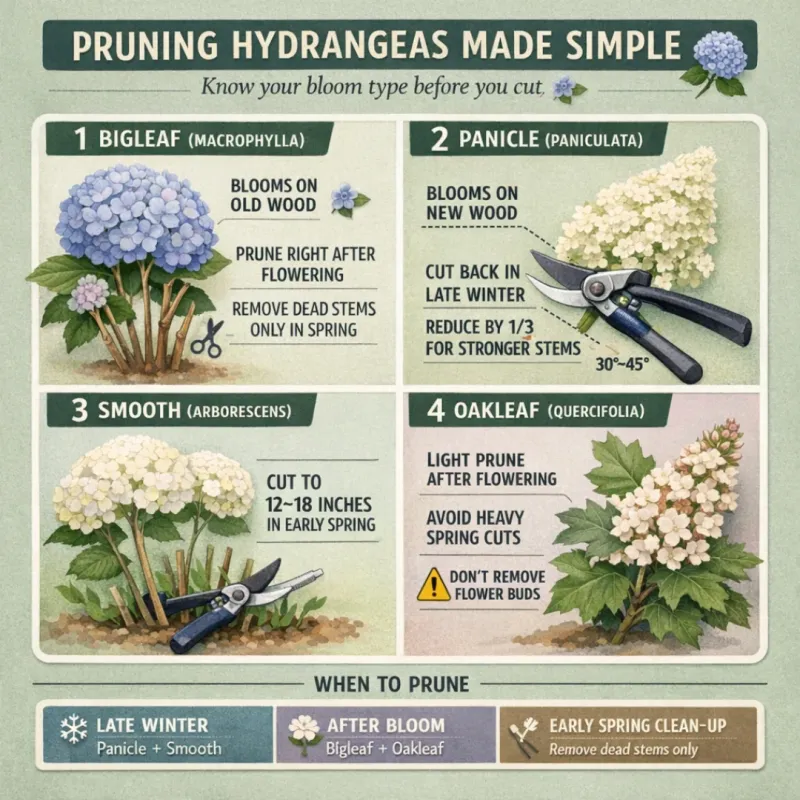
Pruning is probably the single most common reason a backyard hydrangea skips a flowering season, and it is entirely avoidable once you know the rule for your type. The key is matching the timing of your cuts to when the plant sets its flower buds.
Bigleaf hydrangeas and oakleaf hydrangeas generally need to be pruned right after they finish flowering, before the plant has a chance to set next year’s buds on the new growth from that season. Minnesota Extension gives “before August” as a practical cutoff for bigleaf hydrangeas – a clear, calendar-based guideline that is easy to follow.
Any pruning done after that window, or in fall, winter, or early spring, risks cutting off the buds that would have been next summer’s flowers.
Smooth hydrangeas such as ‘Annabelle’ and panicle hydrangeas such as ‘Limelight’ work on a completely different schedule. Because they bloom on stems that grow in the current season, they can be pruned in late winter or early spring – even cut back fairly hard – without sacrificing that year’s flower display.
Penn State Extension’s pruning guide by species confirms this distinction and explains why spring pruning that helps a panicle hydrangea can eliminate an entire season of blooms on a bigleaf type. University of Wisconsin Extension likewise separates pruning recommendations by species rather than treating all hydrangeas as one category.
Reblooming bigleaf cultivars, including those in the Endless Summer series, occupy a middle ground. They can produce flowers on both old wood and new growth, so even if old-wood buds are lost to winter or untimely pruning, there is a chance of a later flush on new stems.
However, that second round is not guaranteed, and a severe winter can reduce even a reblooming cultivar to a foliage-only plant for the season. Treat rebloomers as a hopeful exception rather than a reliable workaround, and still aim to prune them immediately after their first flush of flowering rather than in spring.
Light, fertilizer, and water can limit flower production
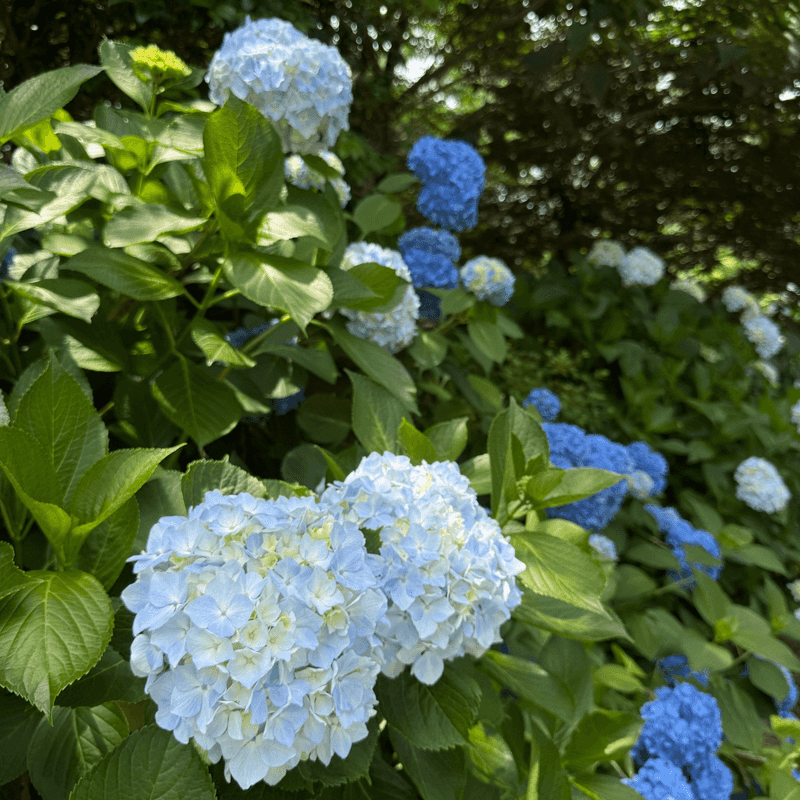
Once you have ruled out pruning errors and weather damage as the cause, look at the basic growing conditions. Three factors – light, fertilizer, and water – can each push a hydrangea toward leafy growth at the expense of flowers, and a plant that looks vigorous is not necessarily a plant that is set up to bloom.
Shade is a commonly overlooked problem. Many hydrangeas perform well with morning sun and afternoon shade, but a plant that has gradually been overtaken by a growing tree canopy may now be receiving far less light than it needs.
University of Missouri Extension notes that too much shade can produce lush foliage with fewer flower buds. The amount of shade a hydrangea can tolerate varies by species, so check the recommendation for your specific type rather than assuming all hydrangeas share the same light needs.
Fertilizer is another area where good intentions can backfire. A plant that looks lush and green might seem like it needs feeding, but excess nitrogen – the first number on a fertilizer bag – pushes energy into leaves and stems rather than into flower buds.
Oregon State Extension recommends a balanced, slow-release fertilizer applied in spring and cautions that many hydrangeas do not need heavy feeding. If you have been fertilizing regularly with a high-nitrogen product, scaling back may actually help more than adding more.
University of Illinois Extension echoes this, advising gardeners to avoid over-fertilizing hydrangeas.
Water matters too, but the relationship is more nuanced than simply watering more. Hydrangeas need consistent moisture, especially during hot weather, but roots sitting in persistently waterlogged soil can develop problems that weaken the whole plant.
OSU Extension’s general hydrangea care guidance recommends watering deeply as needed and improving drainage rather than keeping the soil constantly saturated. If your plant wilts on hot afternoons but perks back up by morning, that is often normal behavior rather than a sign that it needs immediate heavy watering.
Diagnose the problem before you cut, feed, or amend the soil
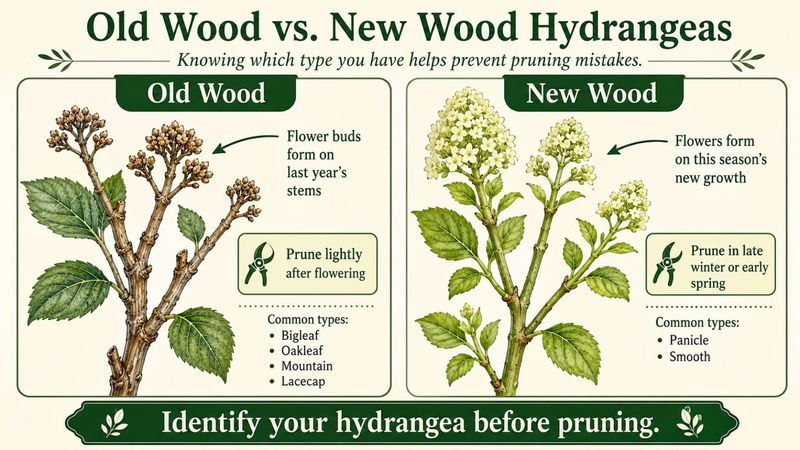
Working through a diagnosis in order saves you from applying the wrong remedy and possibly making the problem worse. A structured look at the most likely causes, starting with the most common, gives you the clearest path forward.
Begin by confirming the hydrangea’s type and checking whether its normal bloom window has arrived. Then think back to the last time you pruned it.
If you cut an old-wood type in fall, winter, or early spring, that single action likely explains the missing flowers. Penn State Extension’s bloom-failure guide lists untimely pruning as the top cause for bigleaf hydrangeas and is worth bookmarking for future seasons.
Next, review the past winter. Did temperatures drop below what your cultivar is rated for?
Was there a late freeze after the buds had already begun to swell? Check for signs of deer browsing on stem tips, which can remove buds cleanly and be easy to overlook.
Minnesota Extension’s pruning guide reinforces that bud loss from weather and wildlife is a separate issue from pruning errors but leads to the same flowerless result.
After that, assess the site. Has the light exposure changed?
Has the plant been fertilized heavily with a high-nitrogen product? Is the soil draining well, or does water pool after rain?
Oregon State Extension emphasizes matching growing conditions to the species rather than applying one-size-fits-all care.
One thing to avoid during this process: do not reach for a soil-pH amendment as a bloom remedy. Changing pH affects flower color in certain bigleaf hydrangeas, not whether the plant produces flowers at all.
Penn State Extension’s species-specific pruning resource is clear that color and bloom production are separate issues. If your plant is not blooming, a pH change will not fix it, and unnecessary amendments can harm the plant or the surrounding soil.
Protect the next flowering opportunity without promising a quick recovery
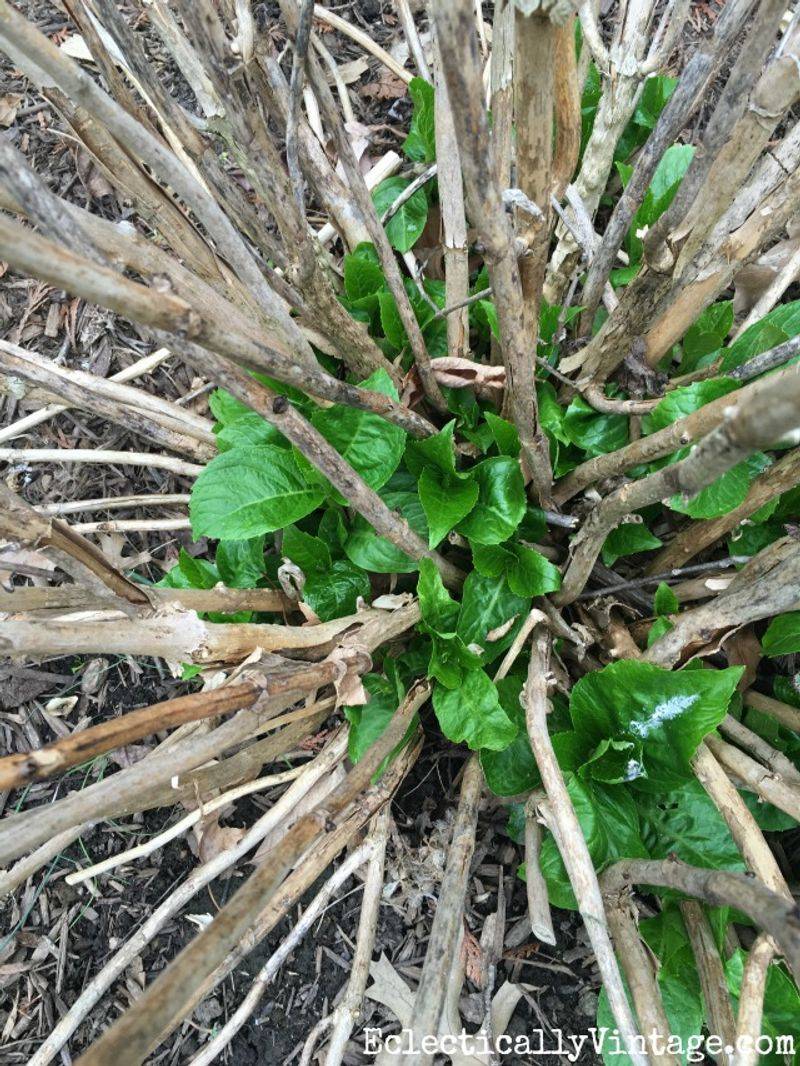
Old-wood buds that are already gone cannot be brought back this season. For a bigleaf or oakleaf hydrangea that lost its buds to pruning, winter cold, or a late freeze, the realistic expectation is to wait for next year’s bud cycle and change what you can in the meantime.
Reblooming bigleaf cultivars and new-wood types like smooth and panicle hydrangeas may still produce flowers later in the current season, so do not give up on those plants yet. Penn State Extension notes that reblooming types can sometimes flower on new growth even after losing old-wood buds, though results depend on cultivar, weather, and local conditions.
The most productive thing you can do right now is identify your hydrangea precisely, then align every future decision – pruning timing, winter protection, light exposure, fertilizer type, and watering – with what that specific plant actually needs. Minnesota Extension puts it plainly: knowing the type before you prune is the single most important step.
If site problems like deep shade, poor drainage, or repeated late freezes are present, address those rather than simply waiting and hoping for a better outcome next summer. A hydrangea that keeps losing its buds to the same unresolved problem will keep giving you green leaves and nothing else.