
These Two North Carolina Native Fruit Trees Almost Nobody Plants Feed You For Decades With No Fussing
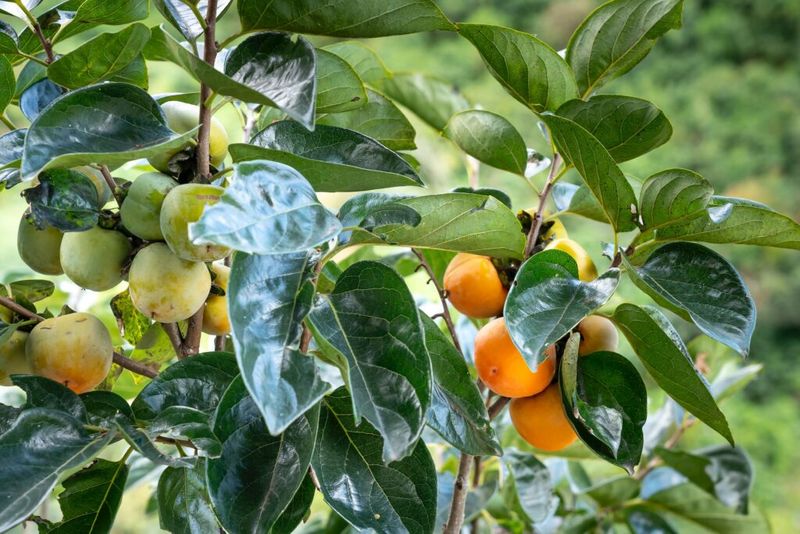
Tucked into the woods across North Carolina are two homegrown fruit trees that most folks walk right past without a second look. Pawpaw and American persimmon grow wild from the coast to the mountains, yet almost nobody thinks to plant them in the backyard.
Once they settle in, they hand you baskets of sweet fruit for decades while asking for barely any care, and they quietly feed the box turtles, goldfinches, and butterflies you love watching. If you want a yard that works for you and for local wildlife, these two natives deserve a spot.
1. Pawpaw (Asimina triloba)
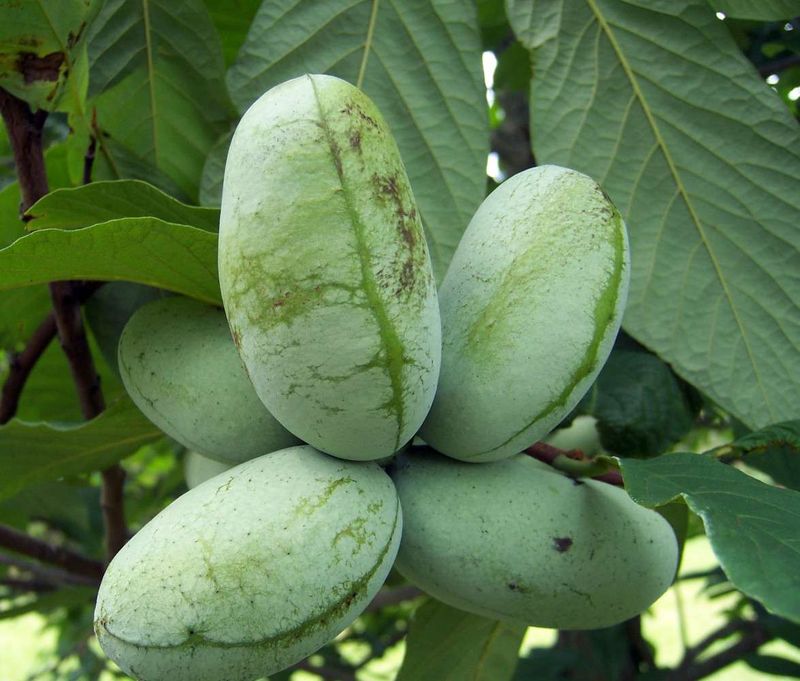
Bite into a ripe pawpaw and you would swear you were eating a custardy blend of banana and mango, yet this is North America’s largest edible native fruit, growing wild in all 100 North Carolina counties. From the Coastal Plain to the Blue Ridge, it hides in the shady understory while most gardeners never think to bring it home.
What makes the pawpaw earn its keep is how little it asks of you. Once established, the tree shrugs off pests, rarely needs pruning, and stays mostly free of disease and fungus without a single chemical spray.
It handles everything from deep shade to full sun, though six to eight hours of sunlight rewards you with the heaviest fruit. Plant it in moist, well-drained soil that runs slightly acidic to neutral, and give young trees a little shade for their first few years.
Patience pays off here. Trees usually start bearing five to seven years after planting, then can pour out 25 to 50 pounds of fruit each year, ripening from August into October.
Plant at least two genetically different pawpaws so flies and beetles can cross-pollinate the blooms.
For your yard’s ecosystem, the pawpaw is a gift. It is the only host plant for the striking Zebra Swallowtail butterfly, and its fruit feeds songbirds, wild turkeys, squirrels, opossums, and foxes.
Deer tend to leave the leaves alone, which helps the tree thrive where browsing pressure is high. Fun bonus: pawpaws tolerate juglone, so they can grow near black walnut trees that stunt most other plants.
2. American Persimmon (Diospyros virginiana)
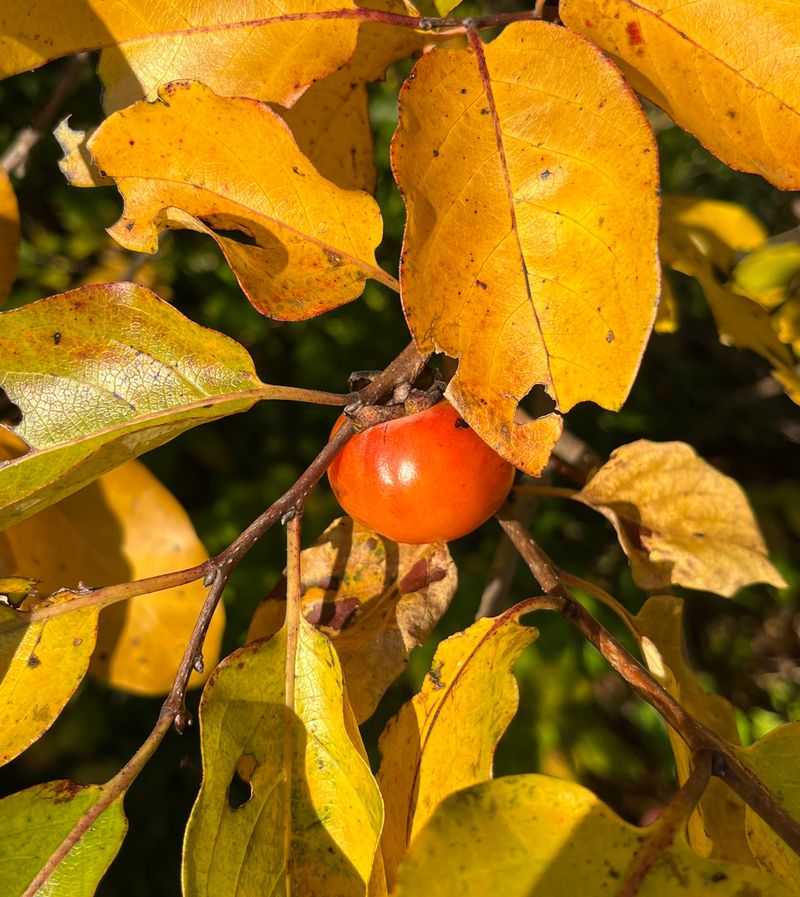
Come the first cool nights of fall, an American persimmon tree drops golden-orange fruit so sweet it tastes like honey pudding, and you never had to lift a finger to make it happen. This tough native grows all across North Carolina, from sandy coastal soils to Piedmont clay to the mountains, yet it stays surprisingly overlooked.
Toughness is this tree’s calling card. It laughs off heat, drought, poor soil, wind, and even the grit of urban yards, needing next to nothing in the way of training, fertilizer, or pest control.
Give it full sun to partial shade and decent drainage, and it will settle into heavy clay or sandy ground alike. Deep taproots anchor the soil, making persimmon a smart pick for holding back erosion on a slope.
One heads-up: most persimmons are dioecious, so you generally need both a male and a female tree for fruit, though a few cultivars fruit on their own. Seedlings may take four to nine years to bear, while grafted varieties can fruit in about three.
The fruit is mouth-puckeringly astringent until it turns fully soft, then it becomes candy.
Wildlife adores this tree. Spring flowers, small and fragrant, draw in bees, butterflies, and moths, while the ripe fall fruit feeds deer, raccoons, opossums, wild turkeys, songbirds, and foxes deep into winter when little else is around.
It even hosts caterpillars of the luna moth and royal walnut moth. Look for the thick, dark gray bark broken into blocky squares, a clue you can spot even in the dead of winter.