
Don’t Plant These Bad Neighbors Too Close To Your Tomatoes (They Quietly Wreck The Harvest)
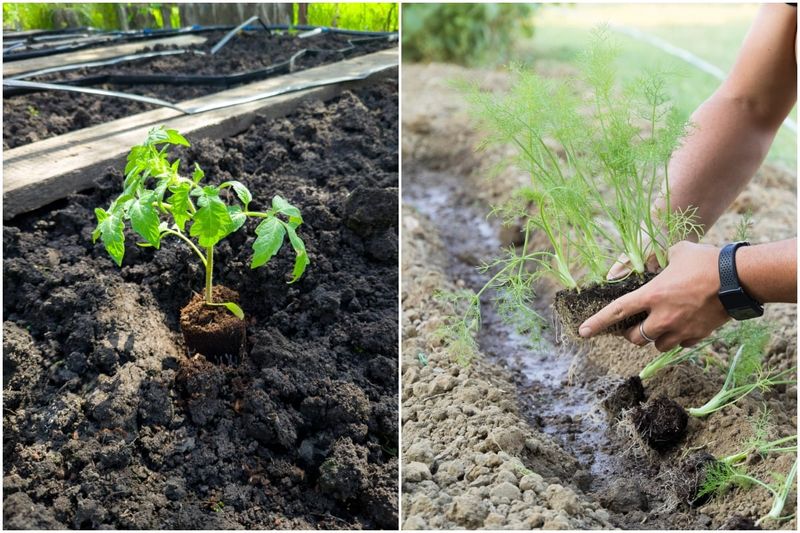
You babied your tomato seedlings all spring, but the harvest still came up short and you can’t figure out why. Sometimes the culprit isn’t your watering or the weather.
It’s the plant growing a few feet away, quietly stealing sunlight, water, or pumping chemicals into the soil that slow your tomatoes down. Here are seven neighbors to keep far from your tomato bed so your plants can finally give you the crop you worked for.
1. Black Walnut Trees
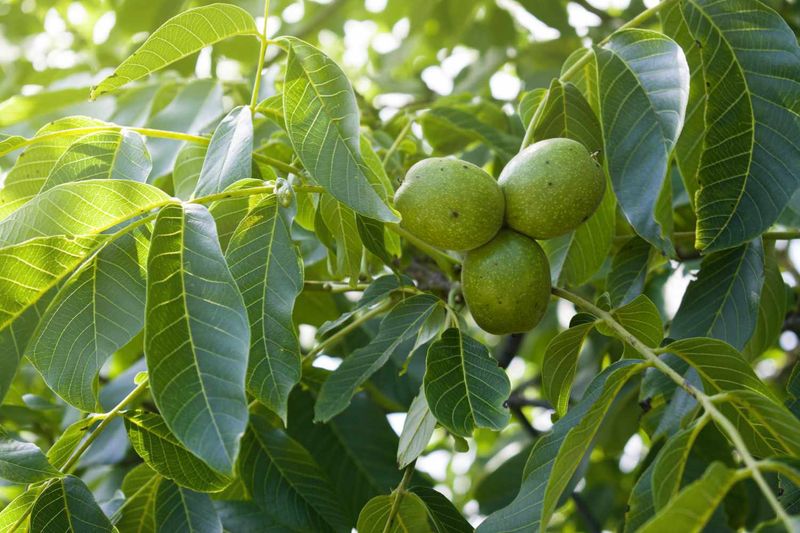
Few garden villains work as silently as a black walnut tree. Long before you notice anything wrong, its roots are flooding the soil with a chemical called juglone, and tomatoes have almost no defense against it.
Juglone shows up in the roots, leaves, bark, and even the nut hulls, with the heaviest dose down in the roots. It leaches into the ground and can linger for years, so a stump you cut down a while back may still be poisoning that corner of the yard.
Tomatoes planted in range often wilt, yellow, and stall out, and their leaves can twist and pucker while the inside of the stem darkens.
The trouble zone is bigger than most folks expect. A mature walnut’s reach can stretch 50 to 80 feet from the trunk, so tucking tomatoes into a sunny spot near one is a losing game no matter how good your soil is.
Give yourself a real buffer and plant tomatoes at least 50 feet away, or grow them in raised beds and containers filled with fresh soil where the roots can’t tap into contaminated ground. Butternut, pecan, and Persian walnut cousins carry the same juglone problem, so the same distance rule applies to them.
2. Sunflowers
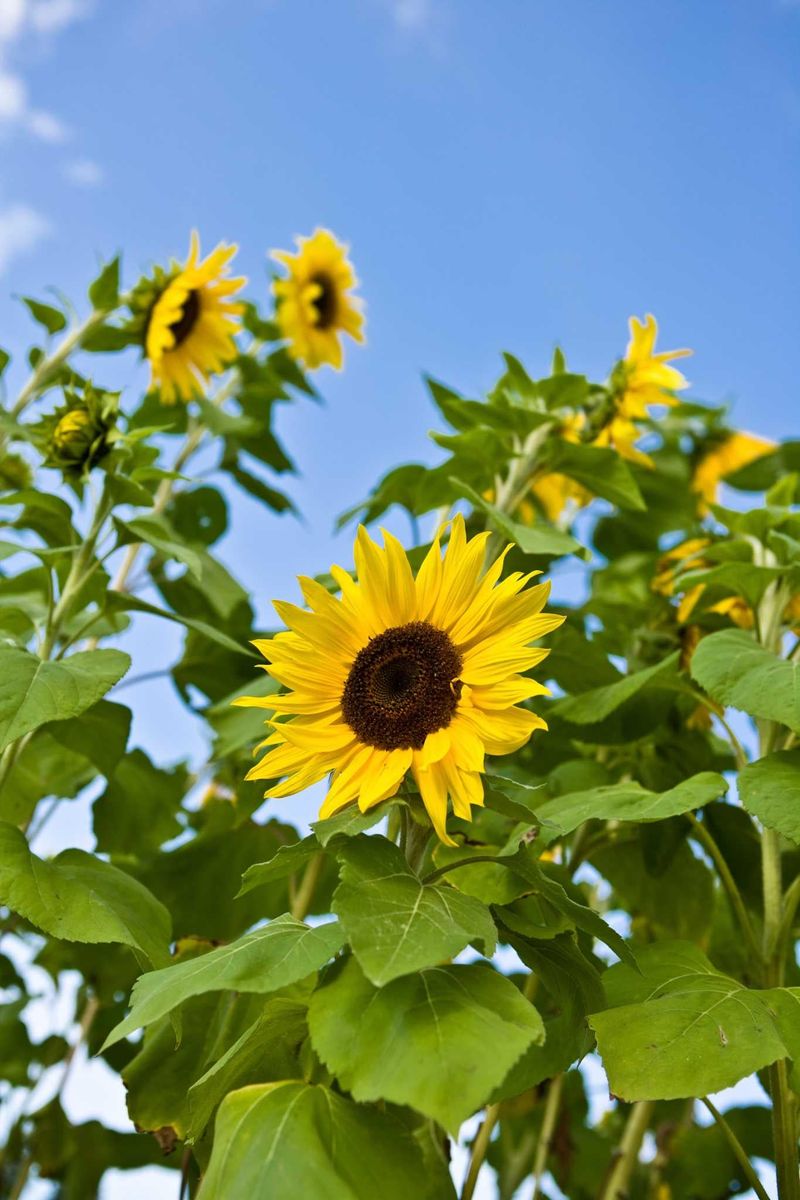
They look like the friendliest face in the garden, but sunflowers fight dirty underground. Their roots release allelopathic compounds, mostly phenolics, that can slow the growth, germination, and vigor of sensitive plants like tomatoes sitting too close.
Those root chemicals can interfere with cell division and cellular respiration in plants that can’t shrug them off. On top of the chemistry, sunflowers are greedy.
They drink up water and grab nitrogen, potassium, and phosphorus fast, leaving your tomatoes to fight over the leftovers.
Height is the other quiet problem. A tall sunflower throws heavy shade, and tomatoes need full sun to set a good crop, so a shaded plant simply produces less fruit.
Sunflowers can also carry trouble, acting as a bridge for issues like tobacco mosaic virus and early blight that may reach nearby tomatoes. Young tomato plants take the biggest hit, and the effect is strongest within about a three-foot radius.
If you love sunflowers, plant them along a fence well away from the tomato patch and downwind of the afternoon shade line.
3. Fennel
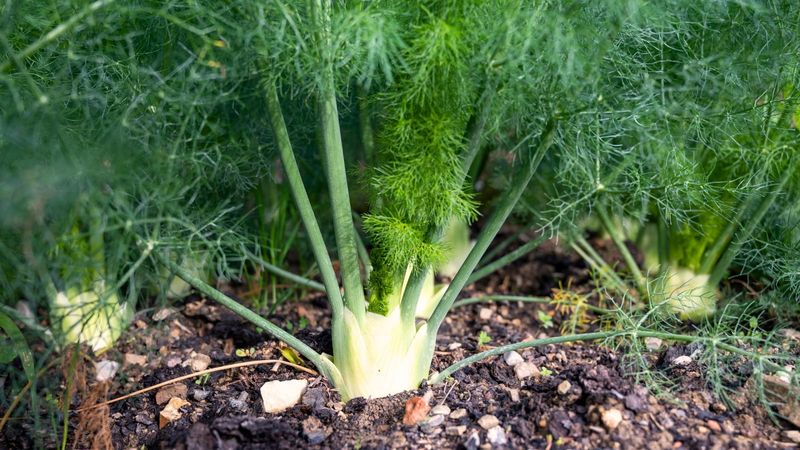
Ask experienced gardeners about fennel and you’ll usually get a groan. It has a reputation as one of the worst companions in the whole garden, and tomatoes are on its bad list too.
The roots and decomposing leaves release compounds called trans-anethole and fenchone. These have strong allelopathic effects, suppressing seed germination and stunting growth, with documented germination suppression running anywhere from 40 to 80 percent across sensitive species.
Fennel doesn’t stop at chemistry. Its hefty root system muscles in on water and nutrients, and both plants end up worse for it.
To make matters messier, fennel tends to draw aphids, and once those pests settle in they happily hop over to your tomato leaves.
The simplest fix is separation. Grow fennel in its own container or a dedicated bed set at least 10 feet from any sensitive neighbors, and your tomatoes will never know it existed.
4. Corn
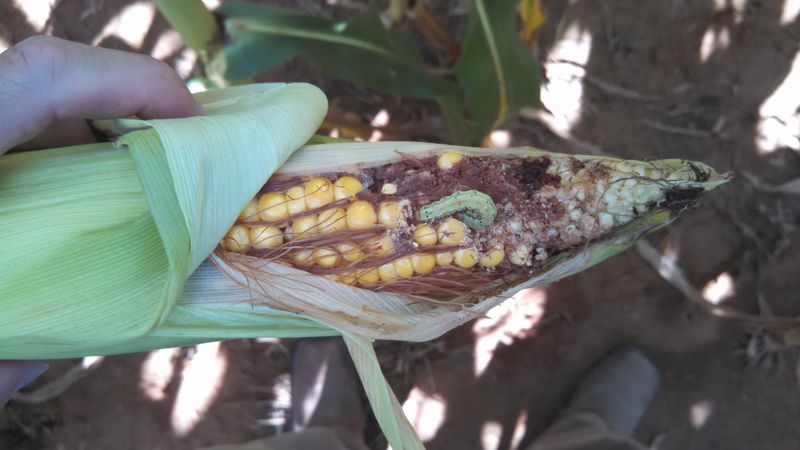
Corn and tomatoes taste great on the same summer plate, yet they make terrible bedfellows in the garden. The reason comes down to one shared enemy that treats both crops like an all-you-can-eat buffet.
Meet the corn earworm, also known as the tomato fruitworm or cotton bollworm. This moth’s larvae chew through both plants, and a single worm can wreck about four tomato fruits on its own.
Plant the two crops side by side and you hand those pests a convenient highway between meals.
Nutrients are the second sticking point. Corn is a heavy feeder that pulls hard on the same soil resources your tomatoes need, so both plants can end up underfed.
Then there’s the shade. Corn shoots up tall and dense, and tomatoes crave every bit of sun they can get to ripen a full crop.
Keep the two in separate corners of the garden, spaced as far apart as your space allows, and you cut the pest bridge while giving both plants room to eat and soak up the light.
5. Potatoes
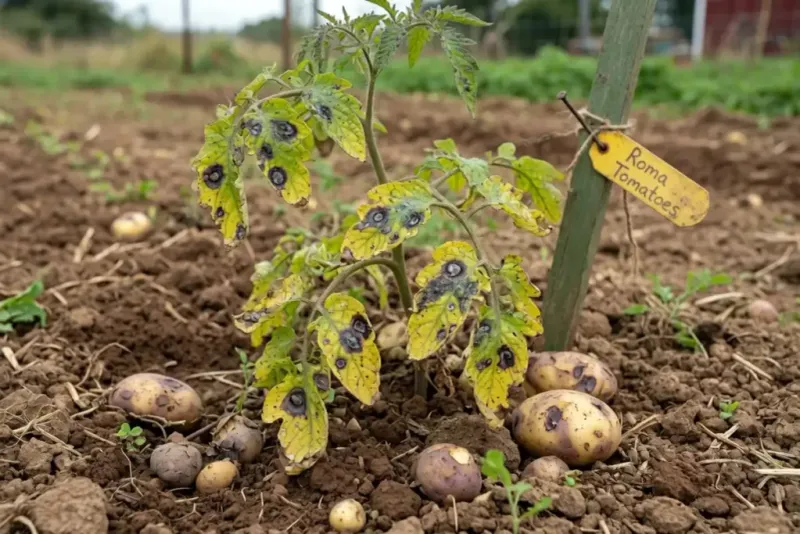
Potatoes and tomatoes are practically cousins, both card-carrying members of the nightshade family, and that close family tie is exactly the problem. What one catches, the other catches too.
Late blight and verticillium wilt travel easily between the two because they’re vulnerable to the same diseases. Plant them near each other and you give those pathogens an open door, letting a problem in your potato patch quietly march straight into your tomato bed.
Digging around at harvest makes it worse. When you turn the soil to pull potatoes, you can nick tomato roots and stir up soilborne diseases right where you don’t want them.
Play it safe by keeping potatoes in a separate bed on the other side of the garden, and rotate where you plant nightshades each year so disease can’t build up in one spot.
6. Eggplant
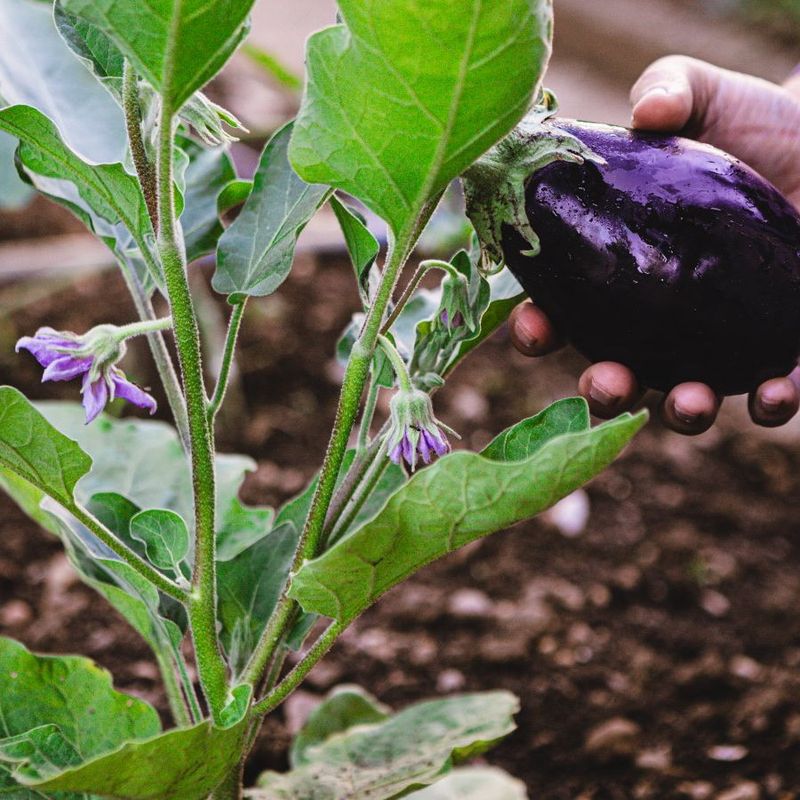
Eggplant seems like a natural garden buddy for tomatoes since they thrive in the same warm, sunny conditions. That shared love of heat is also what makes them a risky pair to grow shoulder to shoulder.
Like potatoes, eggplant belongs to the nightshade family, which means it shares the same disease list as your tomatoes. Verticillium wilt and late blight can pass between them without much effort, turning one sick plant into a spreading problem across the whole bed.
Because both plants attract many of the same pests, crowding them together also concentrates the damage instead of spreading the risk. A hungry insect that finds one crop won’t have to travel far to reach the next.
You don’t have to give up either one. Just plant eggplant in its own area, leave generous spacing for airflow, and keep your nightshades on a rotation so the soil gets a break between seasons.
7. Other Walnut Family Trees
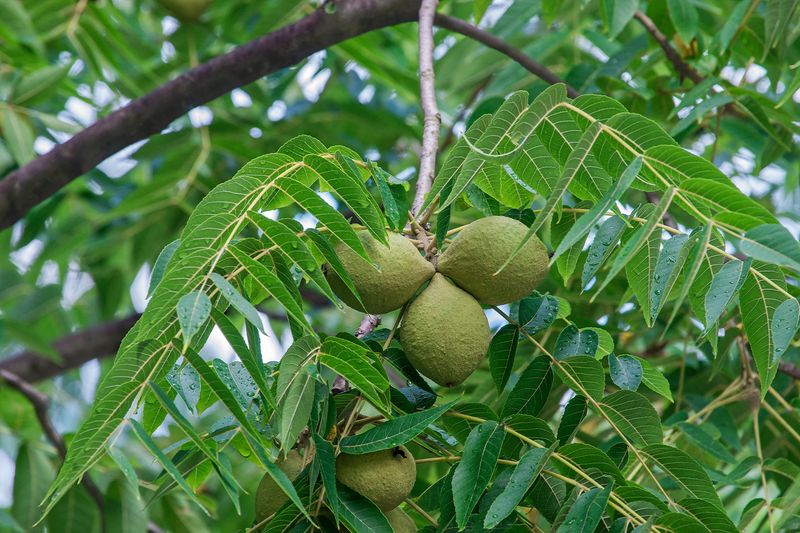
Black walnut gets all the blame, but its relatives quietly carry the same poison and often catch gardeners off guard. Butternut, pecan, and Persian walnut trees all produce juglone, the same chemical that turns tomato plants sickly.
Because these trees look different from a classic black walnut, folks assume they’re harmless and plant a tomato bed right beneath them. The soil underneath tells a different story, holding juglone in the roots, fallen leaves, and hulls that break down over the season.
Tomatoes exposed to it show the telltale signs: yellowing, wilting, stunted growth, and that darkened tissue inside the stem. Even shredded leaves or hulls added to compost can carry the chemical along, so a well-meant mulch can spread the trouble.
Treat these trees with the same respect you’d give a black walnut. Keep tomatoes at a safe distance, avoid composting walnut-family debris near your vegetables, and lean on containers of fresh soil if a nut tree already dominates your yard.