
Why North Carolina Gardeners Should Seed Beets Now For The Sweetest Fall Harvest
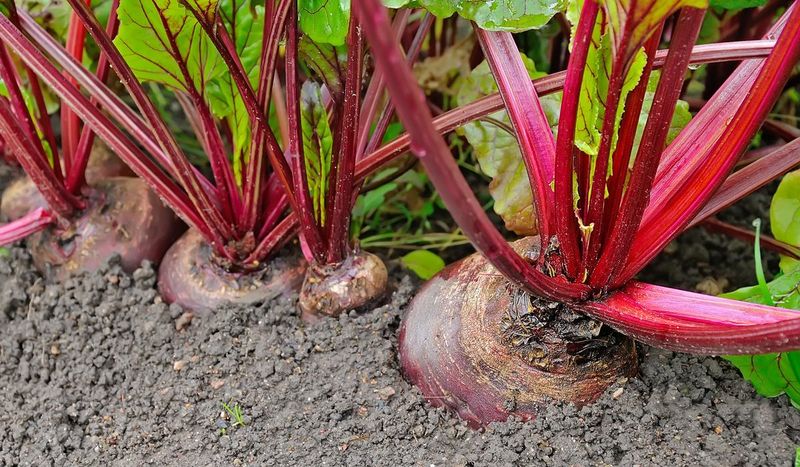
Beets are one of fall’s most rewarding vegetables for North Carolina gardeners, and timing your sowing correctly can make a real difference in flavor and root quality. As summer heat begins to ease, a well-timed planting lets young roots develop through the cooling weeks of autumn, when growing conditions often suit beets far better than the height of summer.
Getting the timing right takes a little planning, but the payoff is a crop that can taste noticeably better than one grown through July’s heat.
Why cool fall conditions can improve beet flavor
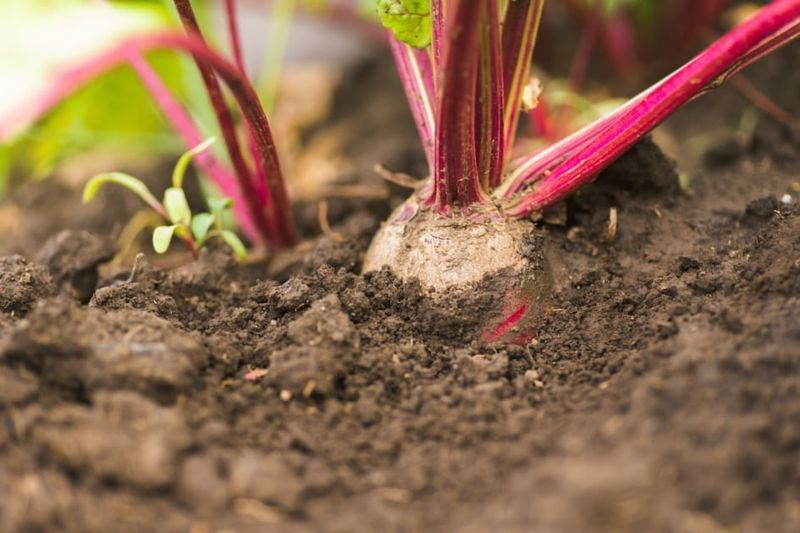
Beets belong to the cool-season side of the vegetable garden, and the conditions they prefer are almost the opposite of a North Carolina August afternoon. Extension guidance on root-crop planting notes that high temperatures and water stress can reduce germination rates, impair root quality, lower sugar levels, and contribute to woody, tough roots.
When beets grow through weeks of gradually cooling fall weather instead, they have a better chance of developing the tender texture and fuller flavor that makes them worth growing.
That flavor benefit comes from sustained cool growing conditions, not from a single frost event. Several weeks of temperatures that stay comfortably below summer highs give the plant time to build quality in the root.
A peer-reviewed study on temperature and sugar accumulation in Beta vulgaris found that cool pre-freeze conditions supported sugar development, while extended subfreezing temperatures actually reduced yield and sugar content. That research focused on commercial sugar beets grown in field conditions, so its numbers do not translate directly to every backyard beet variety, but the underlying temperature principle applies broadly.
University Extension beet guidance states that beets perform best in cool temperatures and may taste best after several weeks of cool weather. The honest version of that finding is this: late-summer sowing can help beets develop better flavor and quality than growing through peak summer heat, but no planting date or weather event guarantees any particular taste outcome.
Cultivar selection, irrigation consistency, soil health, root size at harvest, and the actual temperatures your garden experiences all play a role. Aim for the cool-season window, manage the crop carefully, and the odds of a genuinely good harvest improve considerably.
Choose the planting window for your part of North Carolina
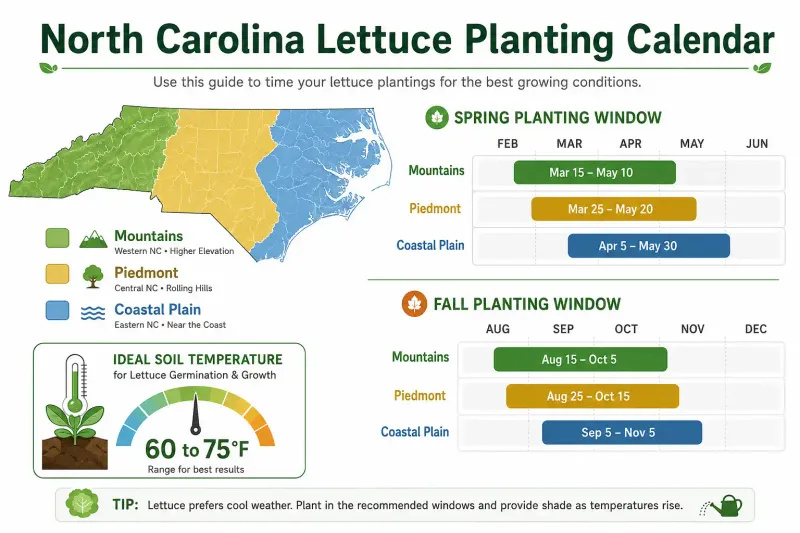
North Carolina stretches across several distinct climate zones, and a single statewide planting date for fall beets does not exist. The mountains around Asheville see first freezes weeks earlier than Raleigh or the Triangle, and the Coastal Plain near Wilmington or New Bern can push that window later still.
Planning your sowing around your local first-freeze date and your seed packet’s days-to-maturity estimate is the most reliable method available.
NC State Extension’s vegetable gardening handbook identifies early to mid-August as the general Piedmont planning period for fall crops with roughly 60 to 80 days to maturity, a range that fits most beet varieties. That guidance is a planning benchmark, not a statewide rule.
Gardeners in the western foothills and mountains should generally plan to sow earlier, since the growing season is shorter and first freezes arrive sooner at higher elevations. Coastal Plain gardeners typically have more flexibility and can often sow a week or two later than Piedmont neighbors without losing the crop to an early freeze.
The Southeastern US Vegetable Crop Handbook gives fall beet planting windows of approximately July 15 through August 15 for western North Carolina and August 1 through September 15 for eastern North Carolina, with beets listed at roughly 50 to 75 days to harvest. Use those ranges as a starting point, then refine your target date by checking the NC State Freeze Date Explorer for station-level first-freeze averages based on 1991-2020 climate normals near your location.
Once you have a likely first-freeze date, count backward by the number of days listed on your seed packet. Add a week or so as a buffer for slow germination in warm soil, and you have a practical target sowing date for your specific area.
Heat, drought, an unusually early freeze, or a slow-germinating batch of seed can shift actual harvest timing, so treat the result as a well-informed estimate rather than a firm deadline.
Prepare a late-summer bed for germination
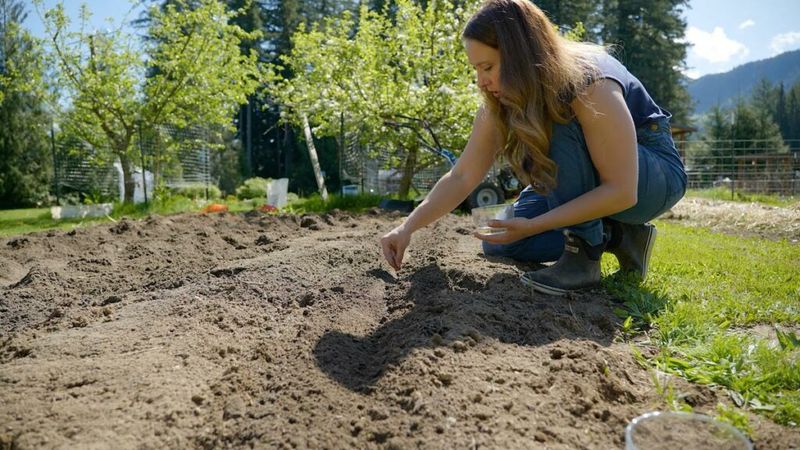
Beets are not demanding plants, but they do have clear preferences, and meeting those preferences starts before a single seed goes in the ground. They perform best in fertile, deep, well-drained soil that lets the taproot develop without hitting compaction or standing water.
Rocky or heavily compacted soil can cause misshapen roots, so loosening the bed to at least 10 to 12 inches and breaking up any clods is worth the effort.
Rather than guessing at fertilizer, get a soil test through your local NC Cooperative Extension office before amending the bed. Extension beet-growing guidance recommends basing fertilizer applications on a soil test result, and excessive nitrogen in particular should not be seen as a shortcut to sweeter roots.
Too much nitrogen pushes leafy top growth at the expense of root development.
Sow seeds directly into the prepared bed at a depth of about one-half to one inch. The Southeastern US Vegetable Crop Handbook confirms this depth range for beets.
One thing worth knowing: what looks like a single beet seed is actually a dried seed cluster, meaning two or more seedlings can sprout from each planted unit. Plan for that when spacing seeds, and be ready to thin.
Late-summer soil surfaces can be hot enough to slow or prevent germination. NC State’s Extension gardener handbook notes that beet seed germinates best around 55 to 75 degrees Fahrenheit, and temperatures above 80 degrees can reduce germination significantly.
To manage heat at the soil surface, keep the seedbed evenly moist and consider laying a light covering such as burlap or a board over the row to reduce surface temperature and slow moisture loss. Check under the covering daily and remove it promptly as soon as seedlings begin to emerge, so young plants get the light they need right away.
Keep seedlings growing through late-summer heat
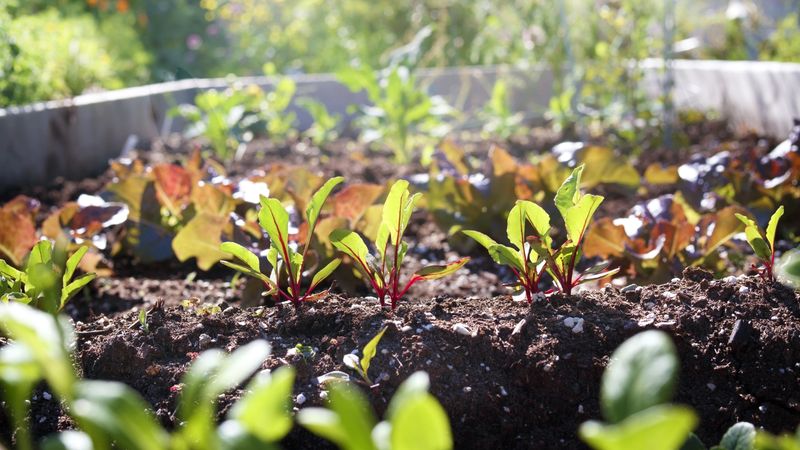
Getting seeds in the ground is only the beginning. The weeks between germination and the arrival of reliably cool fall weather can be the most demanding stretch of a late-summer beet planting, because the same hot, dry conditions that challenge germination do not disappear the moment seedlings emerge.
Consistent attention during this period is what determines whether a promising planting becomes a productive crop.
Moisture is the most critical variable. Extension water recommendations for vegetables and beet-specific growing guidance both connect uneven watering to a range of problems: poor germination stands, root cracking, slow growth, premature flowering (bolting), and reduced yields.
Aim to keep the soil consistently moist but not waterlogged throughout germination and the early growth stage. A soaker hose or drip line works well for this because it delivers water at the root zone without splashing soil onto foliage or letting the surface dry unevenly between hand-waterings.
NC State specifically notes that fall direct seeding depends on maintaining adequate moisture after germination, which is harder to do during a warm, dry September than it sounds. Mulching lightly around seedlings after they establish can help retain moisture and moderate soil temperature.
Thinning is the task many gardeners delay, but it matters more than it might seem. Because beet seed clusters produce multiple seedlings, the bed can quickly become overcrowded.
Thin plants to approximately 3 to 4 inches apart once seedlings are about an inch tall. Crowded roots compete for nutrients and space, and the result is often small, misshapen roots rather than the smooth, rounded ones worth harvesting.
Pulled thinnings with small leaves can go straight into a salad. Weed control matters too: weeds compete for the same moisture and nutrients that beets need most during this demanding early phase, so stay ahead of them while plants are still small.
Harvest selectively before freezes damage the crop
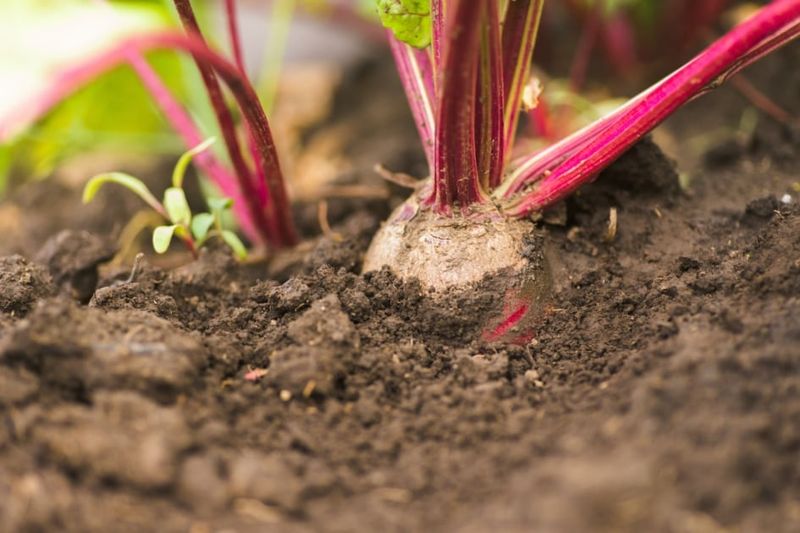
One of the practical advantages of a fall beet planting is that you do not have to harvest everything at once. Beets can be pulled once roots reach a usable size, which for most home-garden varieties means somewhere between one and three inches in diameter.
Starting to harvest a few roots at a time, rather than waiting for the entire bed to reach peak size, gives the remaining plants more room to develop and extends the period during which you have fresh beets available.
Extension beet guidance notes that roots left in the ground too long tend to become fibrous and less pleasant to eat. Harvesting selectively as roots size up, rather than waiting for the largest possible root, helps avoid that outcome.
Young beet tops can also be harvested at any point during the season; the greens are edible and nutritious, and removing a few leaves as you go does not significantly set back root development.
Understanding the difference between a light frost and a hard freeze matters for deciding when to harvest in earnest. University of Minnesota Extension guidance indicates that beets can tolerate light frost and brief temperatures in the high 20s Fahrenheit, which means a single cold night does not necessarily end the harvest.
However, prolonged or severe freezing is a different situation entirely. NC State’s Freeze Date Explorer can help you identify when hard freezes typically arrive in your area, giving you a target date to work backward from when planning how aggressively to harvest.
Root-crop harvest and storage guidance confirms that once roots are out of the ground, topping the greens before storage helps them keep longer. Roots stored with foliage attached lose moisture faster.
In the mildest parts of the Coastal Plain, where hard freezes arrive late and sometimes not at all, beets may stay in the ground and remain harvestable into early winter. In the Piedmont and especially the mountains, plan to complete most of your harvest before a hard freeze is forecast, and do not count on the soil to protect roots through repeated freezing events.
Use a regional plan for better fall beets
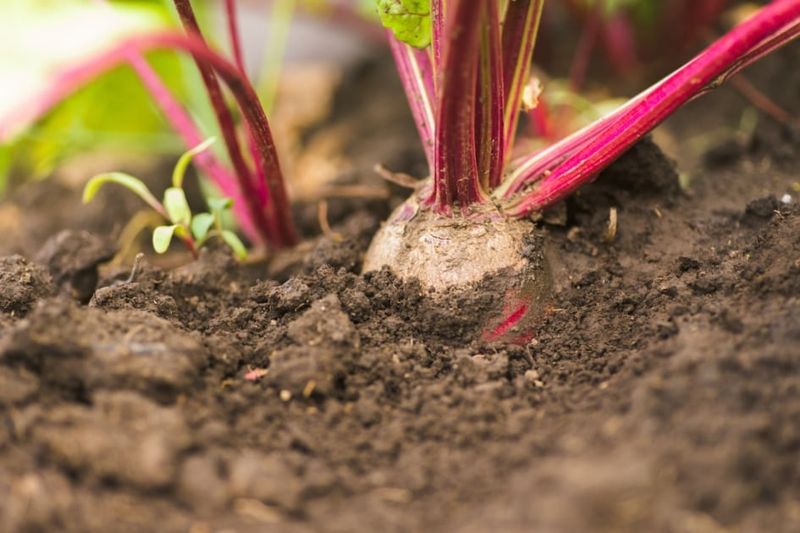
Pulling together a successful fall beet crop comes down to a short sequence of decisions made in the right order. Start with the NC State Freeze Date Explorer to find a station-level first-freeze average near you, then count backward by the days-to-maturity listed on your seed packet and add a buffer of about a week for slow germination in warm soil.
That calculation gives you a target sowing date grounded in your actual local conditions rather than a generic calendar.
From there, the NC State vegetable gardening handbook and regional planting ranges provide a useful cross-check. Mountain and western gardeners should lean toward the earlier end of the window; Coastal Plain gardeners have more flexibility.
Prepare a fertile, well-drained bed, sow at one-half to one inch deep, protect the seedbed from surface heat, and maintain consistent moisture through germination and early growth. Thin promptly to three to four inches apart, keep weeds down, and begin harvesting once roots reach a usable size, pulling selectively before roots become fibrous or a hard freeze moves in.
Cooling fall temperatures can help beets develop better flavor and root quality than summer heat allows, but results vary by cultivar, soil, irrigation, and the season your garden actually gets. The gardener who plans regionally and tends the crop carefully gives those beets the best possible chance.