
What It Really Means When A Fox Starts Crossing Your North Carolina Yard At Dusk
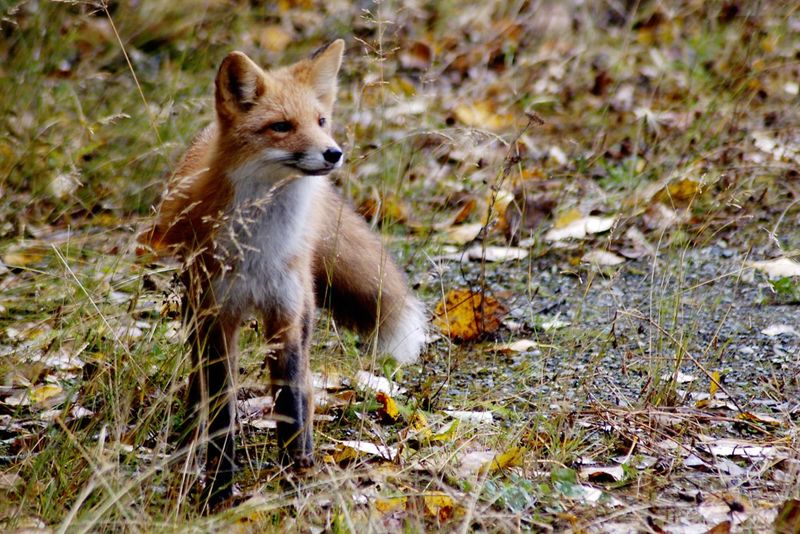
Spotting a fox slip through your yard right as the sun goes down is one of those moments that stops you mid-step. Most North Carolina homeowners wonder whether the visit means something good, something bad, or something urgent.
The honest answer is quieter than most expect: the fox found something useful on your property, and understanding what that means can help you respond wisely.
A dusk crossing is a habitat clue, not a verdict
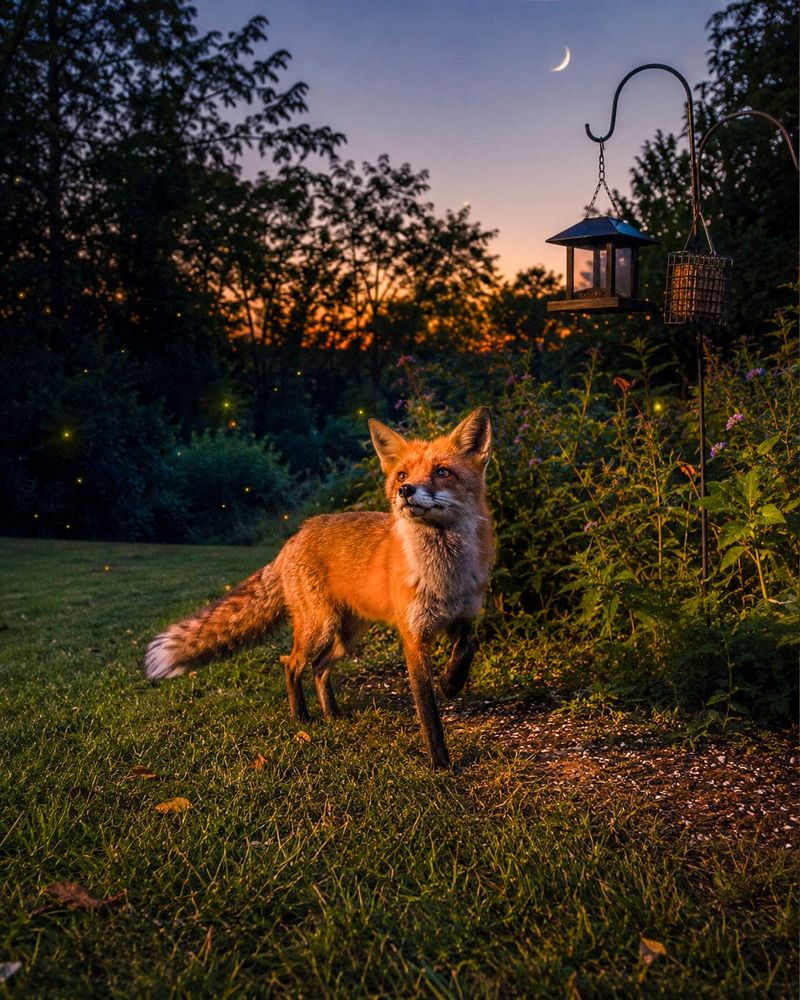
Catching a fox at the edge of your yard as daylight fades is a normal wildlife moment in North Carolina, not a signal that something is wrong or right with your land. The NC Wildlife Resources Commission describes red foxes as common statewide, primarily nocturnal, and well adapted to residential areas.
They use habitat edges, open woods, brushy fields, and suburban neighborhoods as part of their regular territory.
Dusk falls squarely within a red fox’s natural activity window. Seeing one cross your yard at that hour simply means the animal is moving through its range, which can span several miles.
The sighting tells you the property falls within usable fox habitat and offers something worth passing through, whether that is a travel corridor, food, cover, water, or shelter.
North Carolina also has gray foxes, and that distinction matters. The U.S.
Forest Service red fox species review and the gray fox species review document meaningful differences in diet, habitat preference, and behavior between the two species. Red foxes tend to favor open habitat edges; gray foxes are more closely associated with forested areas and are capable climbers.
Unless you can clearly identify which species you saw, applying red-fox-specific diet or habitat details to the animal in your yard is a stretch.
Neither species is a threat to fear at a distance, but neither should be waved off as harmless. The right first frame is simple: a wild animal found your property useful for something, and that is worth understanding before drawing any larger conclusions.
What might be drawing the fox across the yard?
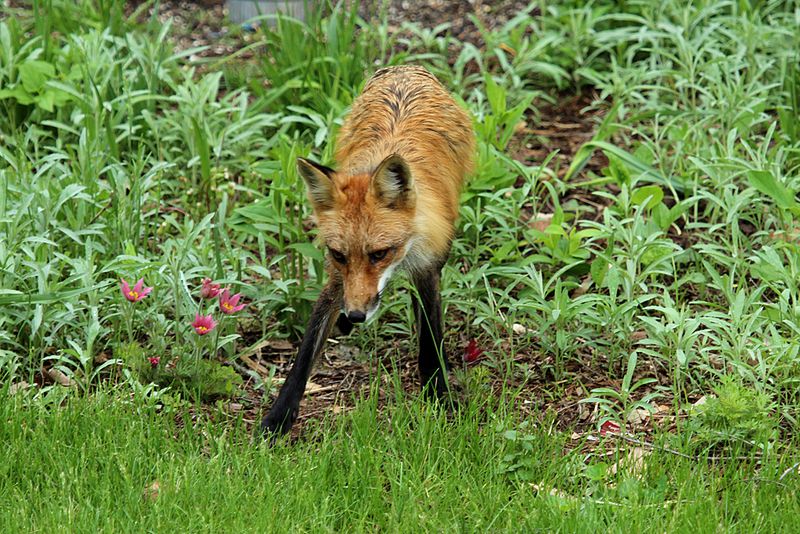
Red foxes are opportunistic eaters, and their menu is wider than most homeowners realize. Mice and meadow voles rank among the most important prey items in their diet, and rabbits are taken regularly as well.
NC Wildlife confirms that red foxes also eat insects, birds, eggs, fruit, berries, carrion, and garbage depending on what is available. A yard that provides any combination of these resources gives a fox a reason to pass through.
Beyond food, the physical layout of a property can pull a fox in. Ornamental shrubs, brush piles, wood stacks, raised decks, crawl spaces, and low porches all create the kind of cover a fox finds useful.
NC Wildlife’s spring guidance notes that these human-made features can serve as shelter or denning sites, which means the yard itself may be the draw rather than any particular prey animal.
Bird feeders deserve a specific mention. Seeds on the ground attract mice and other small rodents, which in turn can attract a red fox hunting along the habitat edge.
The fox may not be responding to a rodent problem you created; it may be following a food chain that your feeder set in motion without you noticing.
The key distinction to hold onto is this: evidence that a fox is crossing your yard is not evidence that your yard has an unusually large rodent population. The Forest Service red fox review documents the species’ broad dietary flexibility, which means the animal could be there for a dozen reasons.
These diet and habitat patterns are primarily documented for red foxes; gray foxes share some overlap but behave differently enough that you should not assume identical motivations without identifying the species first.
The sighting cannot grade your ecosystem’s health
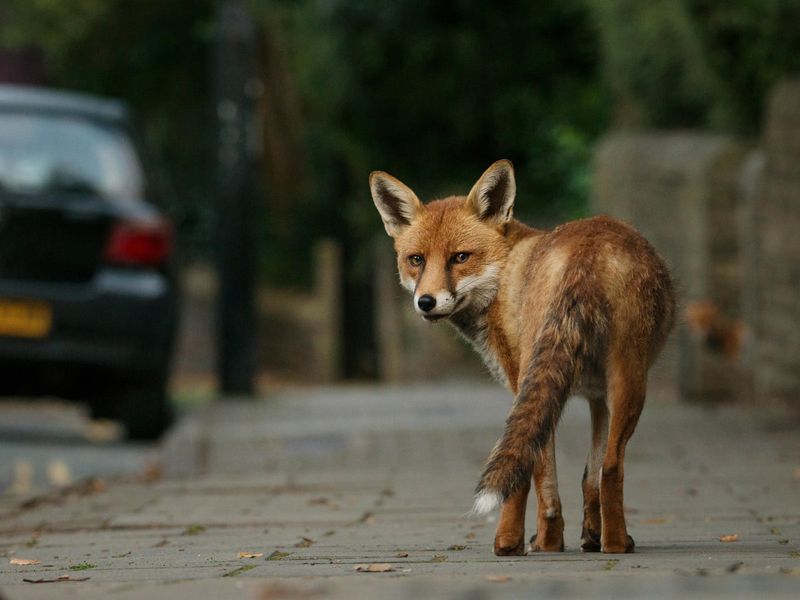
Fox sightings carry a pleasing narrative: the predator arrived, so the ecosystem must be thriving. That story is appealing, but it does not hold up when you look at where foxes actually live and what they actually eat.
NC Wildlife documents red foxes adapting comfortably to residential neighborhoods, which are among the most heavily modified landscapes in the state.
Research on urban fox populations reinforces this point. A study on suburban red fox habitat selection and home range found that foxes successfully use fragmented suburban landscapes and rely substantially on human-associated food resources.
A separate study published in Animal Behaviour found that urban foxes are bolder than rural foxes but not more innovative, suggesting that city and suburban life selects for animals that are comfortable around people and human infrastructure, not necessarily for animals living in pristine habitat.
Treating a fox crossing as proof of biodiversity, balance, or stewardship success sets up a false measurement. A yard can host a passing fox while also having invasive plants, degraded soil, and few native pollinators.
The fox does not grade any of that. It found a route, a meal, or a resting spot.
These observations come primarily from red fox research. Gray foxes also occur in North Carolina, but their habitat associations lean more toward forested and shrubby areas, so the suburban-adaptability findings documented for red foxes should not be automatically applied to gray foxes without identifying which animal you saw.
One crossing, regardless of species, is a single data point about habitat use, not a report card on your yard’s ecological condition.
A fox will not solve the yard’s tick problem

Ticks are a genuine concern across North Carolina, and the idea that a fox will reduce them is understandable. The food-web reasoning goes like this: foxes eat rodents, rodents carry ticks, fewer rodents means fewer ticks.
Research on tick-borne disease risk in forest food webs and studies on cascading predator effects on tick-borne disease risk explore this relationship at broader landscape scales. The science is genuinely interesting, but it does not translate into a promise that one fox crossing your yard will lower your personal tick exposure.
Rodent populations can rebound faster than a single predator can suppress them. Weather, food supply, habitat structure, and competing predators all influence how many mice or voles live in a given area, and a fox passing through on a regular route is not the same as a fox maintaining a territory specifically focused on your yard’s rodent community.
CDC guidance on how Lyme disease spreads explains the role of white-footed mice and other small mammals as reservoir hosts for the bacteria that blacklegged ticks carry. But Lyme disease is not the only tick-borne risk in North Carolina.
CDC’s tick information and the CDC tickborne diseases manual document that North Carolina also has lone star ticks, American dog ticks, and other species linked to different pathogens, including Rocky Mountain spotted fever and ehrlichiosis.
Relying on a fox to manage your tick risk means trusting an animal with no obligation to stay, no preference for your property, and no ability to address the full range of tick species present in the state. Tick-safe landscaping, personal protective measures, and yard maintenance remain the tools that actually belong in your hands.
Observe first, and do not train the fox to return
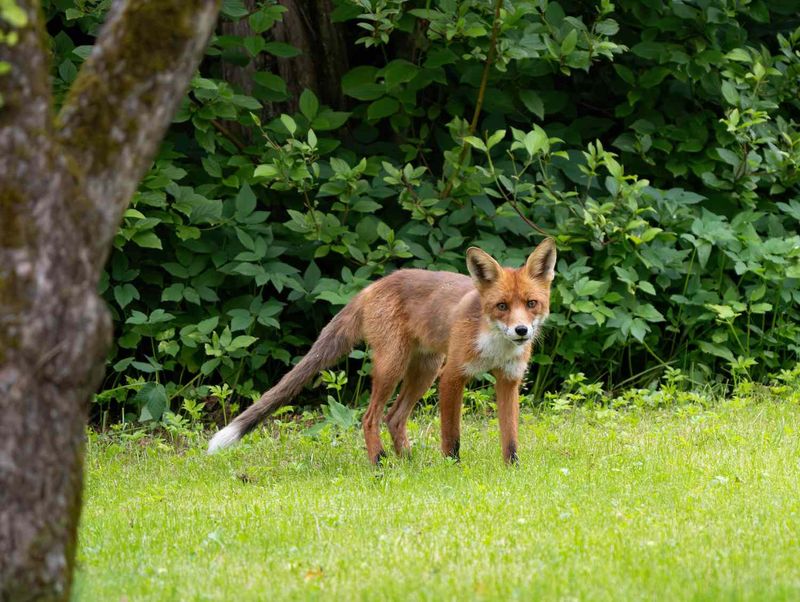
When a fox trots across the yard at dusk, the best first move is to stand still and watch from where you are. Foxes are generally shy animals, and most will continue moving if they sense a human nearby.
Approaching, chasing, or cornering the animal adds stress to the encounter without any benefit to you or the fox.
What you do after the sighting matters more than the sighting itself. NC Wildlife’s guidance on feeding wildlife responsibly is clear: feeding a wild fox, even with good intentions, can habituate it to people, increase the likelihood of conflict, contribute to disease transmission, and sometimes lead to the animal being euthanized when it becomes too bold around humans.
That outcome is the opposite of coexistence.
Outdoor pet food, unsecured garbage cans, fallen fruit, and bird feeders that have attracted rodents are all indirect feeders. NC Wildlife’s conflict-prevention page and the red fox species page both recommend removing these attractants if a fox is visiting more frequently than you would like.
Knowing which behaviors actually warrant a call is equally useful. A fox crossing the yard or moving at dusk is ordinary.
NC Wildlife’s coexist-with-foxes guidance and CDC information for veterinarians on rabies both identify the signs that deserve attention: loss of coordination, paralysis, seizures, difficulty swallowing, excessive salivation, self-mutilation, marked aggression toward people or pets, or unusual tameness that allows close approach. Those behaviors, not the time of day, are what should prompt a call to animal control.
Neither a daytime sighting nor a single yard crossing is enough to diagnose an animal with rabies.
Protect pets, poultry, and the food supply
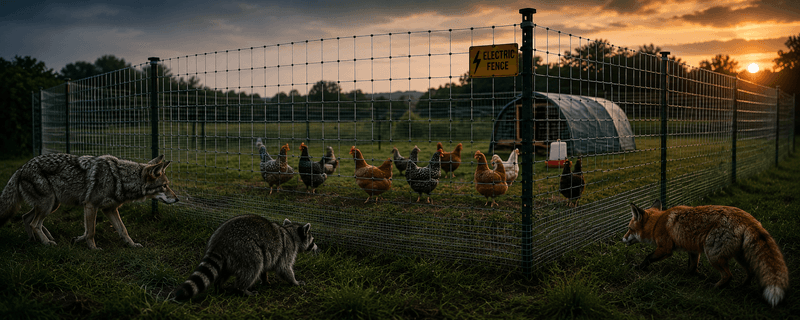
A fox in the neighborhood is a practical reason to review how well your animals and their food are protected, not a reason to panic. Start with pets.
Dogs should be supervised when outdoors, especially after dusk, and kept on a leash in areas where wildlife is active. North Carolina rabies control requirements mandate that dogs, cats, and ferrets be kept current on rabies vaccination.
That legal requirement is specific to those three species; broader veterinary guidance for other household animals is worth discussing with a vet but falls outside the state vaccination law.
CDC guidance on pets and wildlife reinforces keeping pets indoors or supervised at night, when fox activity is highest. Cats allowed to roam freely at night face the greatest exposure risk, both from wildlife contact and from the diseases wildlife can carry.
Poultry and small domestic animals need physical protection that a fox cannot work around. Penn State Extension’s guidance on raising fowl in urban areas recommends covered, fully enclosed runs with hardware cloth rather than standard chicken wire, locking birds inside a secure coop each night, and blocking any gaps or digging access beneath fencing.
Feed should be stored in rodent-resistant containers, which reduces the chance that the coop area itself becomes a rodent magnet.
If you genuinely have a rodent problem, address it directly rather than hoping a passing fox will handle it. Penn State Extension’s integrated pest management guide for mice prioritizes exclusion, sanitation, and proper food storage first.
If rodenticide becomes necessary, the EPA’s bait station guidance and the EPA rodenticide safety review both require strict label compliance and the use of tamper-resistant stations, because foxes and other predators can be harmed by eating poisoned rodents.
A den needs a different response
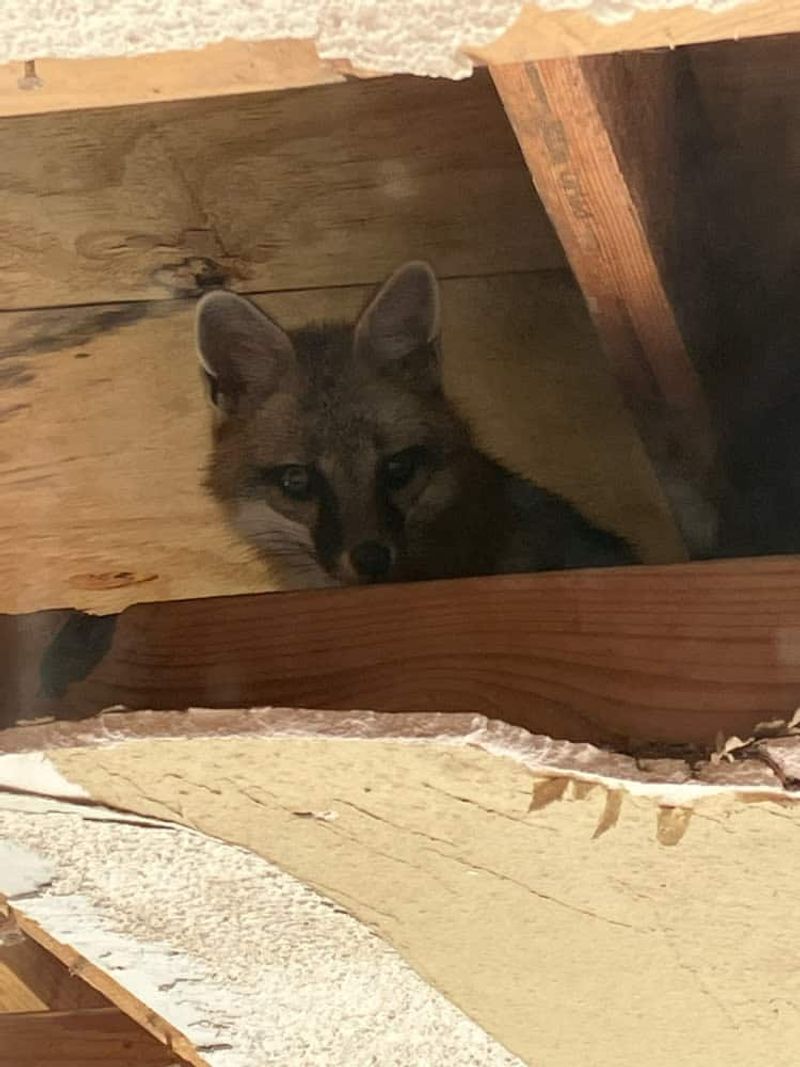
A fox crossing your yard once is a passing visit. A fox returning to the same spot under your deck, porch, or crawl space day after day is a different situation that calls for a different response.
Denning happens most commonly in late winter through spring, when foxes are raising kits, and the presence of young animals changes what you can and cannot safely do.
NC Wildlife’s spring encounter guidance recommends noncontact deterrence near the den entrance: a bright light aimed at the opening, a talk radio station playing nearby, loud or unfamiliar noise, or a motion-activated sprinkler. The goal is to make the site uncomfortable enough that the family moves on without requiring you to handle or trap any animal.
These methods work best when applied consistently for several days.
Blocking the entrance while adults or kits may still be inside creates a serious problem. Young animals trapped underground can die, and a parent fox that cannot reach her kits may become more persistent and more stressed around your property.
If you are unsure whether the den is still occupied, watch from a distance at dusk and dawn before taking any action.
Trapping and relocating the fox is not a legal option in North Carolina. NC Wildlife’s general wildlife handling guidance explains that foxes are among the rabies-vector species that cannot be relocated because doing so can spread disease to people and wildlife in the release area.
If deterrence does not resolve a persistent denning conflict, contact a licensed wildlife control operator or the NC Wildlife Resources Commission for guidance tailored to your specific situation rather than attempting removal on your own.
The right response is distance, not alarm
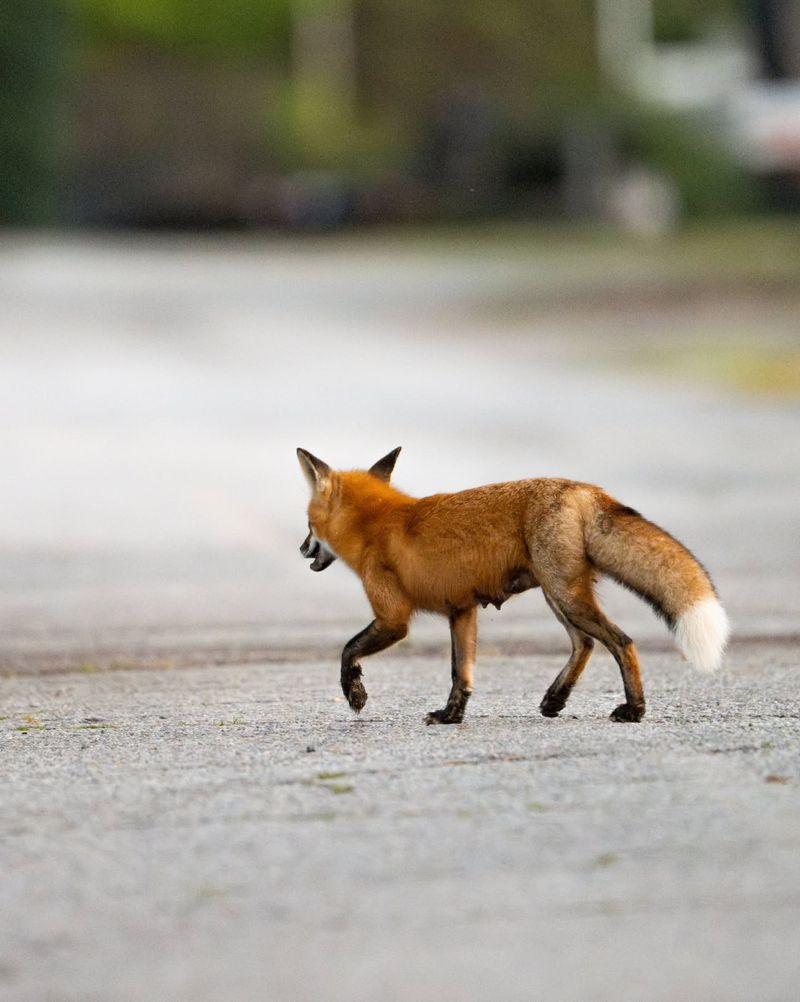
One fox crossing the yard at dusk adds up to one piece of information: the animal found your property useful for something. Check the yard for attractants, secure food sources and pet areas, and then let the animal move on without interference.
That is the full response for a routine sighting.
If a person is bitten or scratched by a fox, the steps are specific and time-sensitive. Wash the wound thoroughly with soap and running water for at least 15 minutes.
NC DHHS rabies control guidance, CDC rabies prevention information, and the CDC clinical overview of rabies all direct exposed individuals to contact a physician or public health authority promptly. Do not try to catch or detain the animal.
Contact animal control so officials can assess the exposure and determine whether post-exposure treatment is needed.
Safe stewardship in a North Carolina yard means managing the conditions that wildlife responds to, not recruiting predators or rushing to remove them. Red foxes have lived alongside North Carolina homeowners for a long time, and most crossings end the same way they begin: quietly, at the edge of the light, with the animal already moving toward the next patch of cover.
The yard that manages its attractants well is the one that keeps those encounters brief and uneventful.