
What It Really Means When Toads Move Into Your North Carolina Garden Beds
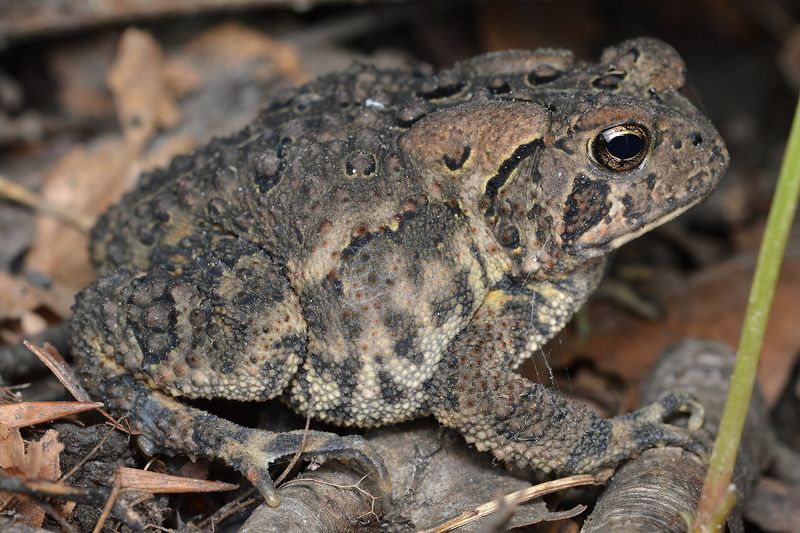
Spotting a toad tucked beneath a hosta or settled under the edge of a raised bed can catch any gardener off guard. For North Carolina homeowners, that surprise is actually good news, because native toads are quiet, low-maintenance members of your yard’s food web.
Understanding what their arrival really signals, and what it does not, helps you make smarter choices for the wildlife already living in your garden.
A Toad Signals a Livable Garden Bed, Not a Perfect One
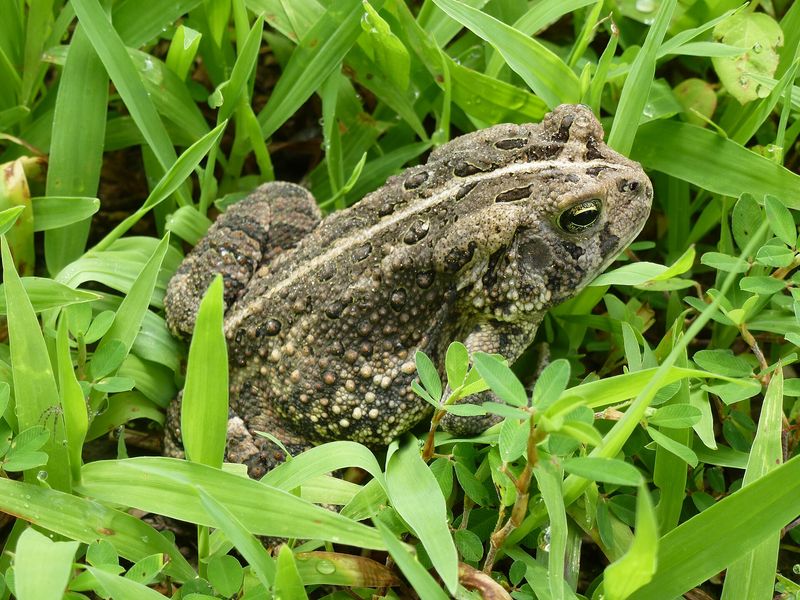
Catching a toad settled into your garden bed is less about luck and more about conditions. Your bed is offering something a terrestrial amphibian can actually use, most likely some workable combination of shade, ground-level moisture, cover from predators, and enough naturally occurring prey to make the spot worth staying in.
That is a meaningful clue about your immediate microhabitat, but it is not a report card on your entire yard’s ecology.
North Carolina is home to four native true toad species: the American toad, Fowler’s toad, southern toad, and oak toad. The NC Wildlife Resources Commission notes that Fowler’s toads are especially widespread across the Piedmont, Coastal Plain, and mountains, making them the toad most likely to turn up in a residential garden bed in many parts of the state.
Depending on where you garden, you could also be hosting a southern toad in the coastal counties or an oak toad in the sandhills.
Each of these species spends most of its adult life on land and relies on gardens, wooded edges, and disturbed ground for food and shelter. A toad in your bed has made a choice based on what that specific corner of your yard is offering right now.
It does not mean pests are under control across the property, that your soil is free of contaminants, or that the yard has reached some balanced ecological state.
USGS researchers describe amphibians as environmental indicators because they are sensitive to multiple stressors across their life stages, not because one individual can diagnose the health of a whole yard. The right response to a garden-bed toad is to protect the habitat it found, reduce risks to its safety, and let it go about its business.
The sections ahead will show you exactly how to do that without overstating what one small amphibian can tell you.
Fowler’s Toads Often Forage at Night
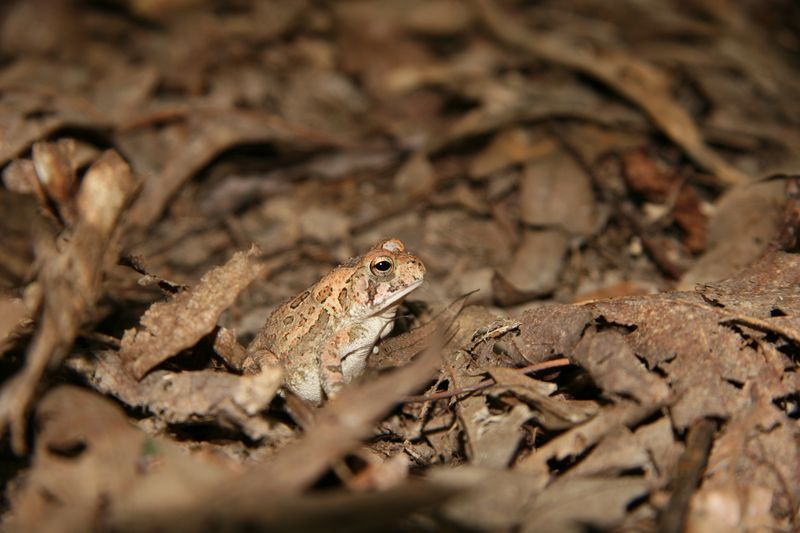
Most gardeners never see a toad actively hunting because Fowler’s toads, the species most frequently encountered in North Carolina gardens, do the bulk of their foraging after dark. You are far more likely to find one resting in a damp, shaded spot during the day than to catch it mid-meal.
That nocturnal rhythm is part of what makes them such unobtrusive yard residents.
According to the NC Wildlife Resources Commission, Fowler’s toads eat insects and a variety of other small terrestrial invertebrates. Their diet is broad rather than selective, meaning they take what is available at ground level rather than targeting specific garden pests.
That is an important distinction when you are trying to set realistic expectations about what a resident toad will and will not do for your garden.
North Carolina’s other three native toad species, the American, southern, and oak toad, share a similar insectivorous diet, though their distributions differ across the state. The NC Parks amphibian profile for Fowler’s toad confirms the species’ statewide range and terrestrial habits, and the NC Wildlife species directory can help you narrow down which toad you might have based on your region and the animal’s markings.
A peer-reviewed 2026 study added an important nuance to the conversation about toads as pest controllers. Researchers examining American toad stomach contents in a Pennsylvania vegetable agroecosystem found that the diets were dominated by omnivorous and predatory arthropods rather than exclusively destructive insects.
Toads are eating what is available at ground level, and that includes beetles, ants, and other invertebrates that are neither clearly harmful nor clearly beneficial to your plants. They contribute to the food web, but they are generalist predators rather than targeted pest managers.
Expecting a toad to clear out a slug population or knock down a caterpillar outbreak sets the bar higher than the biology supports.
Why One Toad Cannot Measure Your Pest Balance
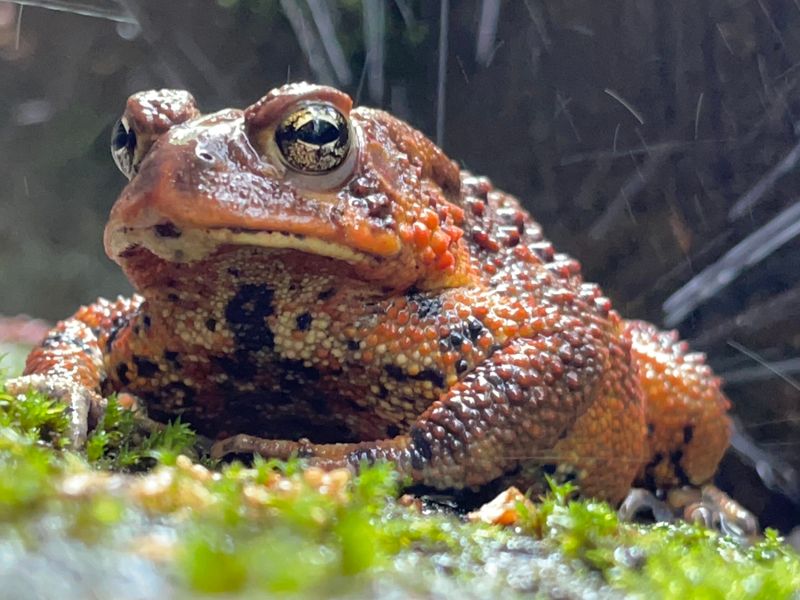
A toad choosing your garden bed is a local habitat signal, not a measurement of your yard’s overall pest population. Plenty of factors unrelated to pest levels can put a toad exactly where you found it.
A recent rain, a dripping irrigation line, a dense mulch layer that holds moisture, or an outdoor light that pulls insects in close can all make one corner of your yard attractive to a foraging toad on any given night.
USGS amphibian research makes clear that amphibian presence and distribution are shaped by season, temperature, rainfall, food availability, breeding movements, disease, and habitat fragmentation. A toad that appears in May after a warm rain may have moved from a nearby pond or drainage swale and simply found your bed along the way.
That does not mean your garden is in ecological equilibrium, and it does not mean the toad will stay.
USGS guidance on amphibians as ecosystem indicators describes their value as sensitive markers of environmental stress across a landscape, not as real-time monitors of a single property’s pest balance. One individual in one bed cannot tell you whether your slug pressure is low, your soil is uncontaminated, or your beneficial insect population is thriving.
The 2026 American toad study reinforces this caution. Because toad diets are dominated by omnivorous and predatory arthropods, the presence of a toad does not confirm that destructive insects are being removed at any meaningful rate.
Claims that a single toad eats thousands of pests each season appear in some gardening materials, but they are broad estimates that do not translate reliably to a specific animal in a specific residential yard. Tick control is another claim worth setting aside entirely.
The North Carolina toad species sources describe insect and terrestrial-invertebrate diets, and EPA ecological risk frameworks do not support treating any single predator as a reliable residential tick management tool. Treat the toad as a welcome generalist, appreciate what it adds to your yard’s food web, and keep your pest management plan independent of whether one amphibian is in residence.
Build the Shelter a Garden Toad Chooses
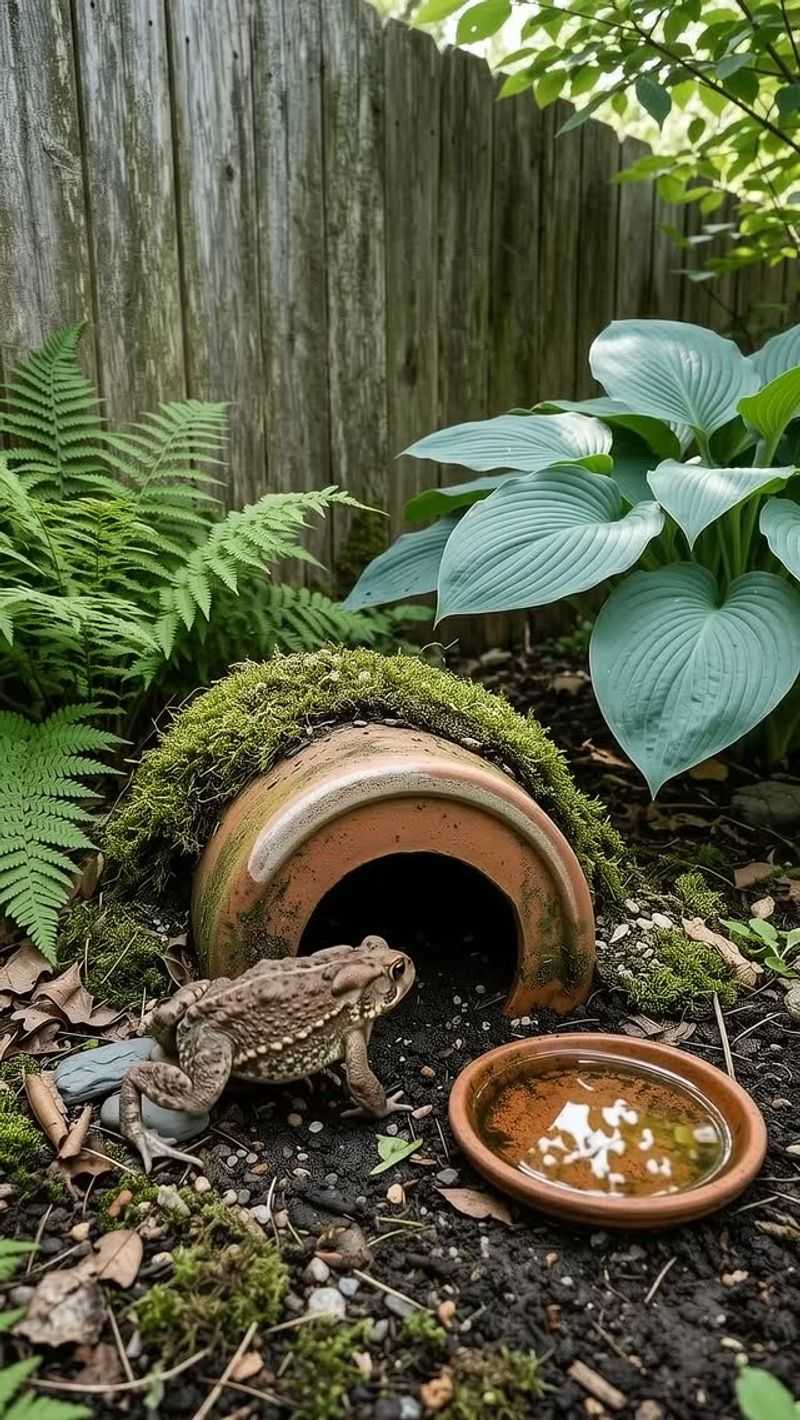
Supporting a wild toad means shaping the habitat it already prefers rather than trying to capture or manage the animal directly. The good news is that the shelter a toad will actually use costs almost nothing and fits naturally into a well-tended garden bed.
A few thoughtful additions can make your bed far more hospitable without turning it into a wildlife enclosure.
An overturned clay pot works well as a ready-made retreat. Prop one edge slightly above the soil using a small stone so the toad can enter and exit freely, and position it in a shaded spot where the ground stays relatively moist.
Penn State Extension’s toad habitat guidance recommends exactly this approach, along with small rock piles that include a ground-level gap and dense low vegetation that provides both cover and a hunting corridor after dark. Any of these options gives a toad a reliable daytime retreat without confining it.
Leaf litter is one of the most underrated habitat features in a residential garden. University of Georgia Extension’s guidance on leaving leaves explains that a layer of natural leaf cover provides insulation, moisture retention, and shelter for toads and other overwintering wildlife.
Aggressive fall cleanup that removes every leaf from every bed can strip away the very conditions that made your garden attractive to a toad in the first place. Leaving a modest layer in a back corner or beneath shrubs costs nothing and pays off for multiple species.
Water access is worth adding if your bed tends to dry out quickly, but keep it simple. A shallow container, a saucer, or a low-lipped dish placed in a shaded spot gives a toad a place to soak and rehydrate without creating a mosquito breeding site.
Penn State Extension’s wildlife water guidance recommends keeping any water feature clean and easy for small animals to enter and exit. A small dish is a realistic and practical choice for most residential beds.
Adult toads do not need a permanent pond for daily life. Breeding requires suitable shallow water or wetlands nearby, but NPS amphibian stewardship guidance is clear that the best support strategy for a wild toad is improving its terrestrial habitat, not engineering a breeding site in your backyard.
Reduce Pesticide Exposure Around Toad Habitat
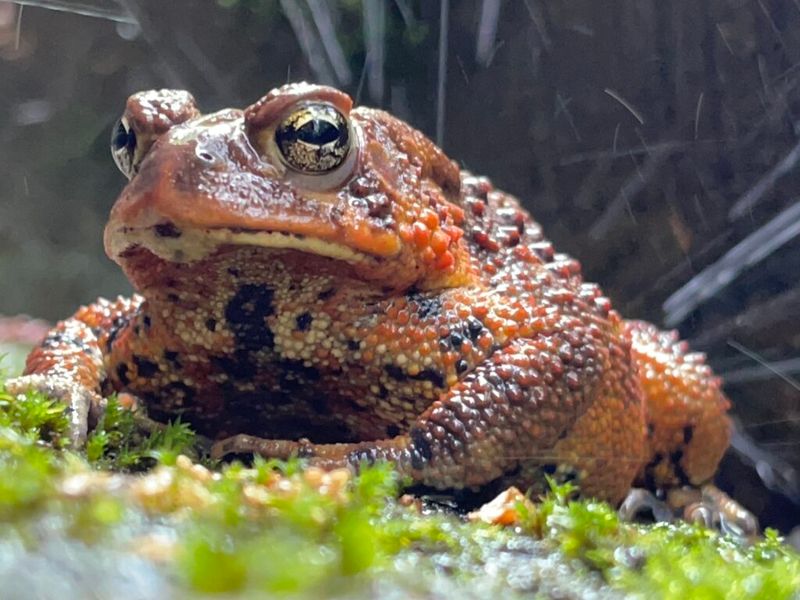
Amphibian skin works nothing like human skin. Rather than acting as a barrier, it is permeable, meaning substances in the surrounding environment can pass directly into a toad’s body through contact with treated soil, wet vegetation, or contaminated water.
That biological reality makes pesticide choices in and around garden beds a genuine safety concern for any toad living there.
EPA researchers studying pesticide uptake in amphibians have identified multiple exposure routes: skin contact, diet, runoff from treated areas, and spray drift landing on soil or vegetation. A toad foraging through a recently treated bed is not just walking over a chemical, it is absorbing it.
That exposure can occur even when the product is applied correctly and the label instructions are followed.
Reducing that risk starts with reaching for nonchemical controls first whenever a practical option exists. Hand-picking, physical barriers, row covers, and targeted removal of pest habitat can address many common garden problems without putting a resident toad at risk.
EPA pesticide safety guidance recommends reading the full product label before every application and following its directions precisely, including any restrictions on use near water features, drainage areas, or wildlife habitat.
Timing and weather conditions matter as much as product choice. EPA guidance on reducing pesticide impacts on wildlife specifically advises against applying pesticides in windy or rainy conditions, which can carry chemicals into areas you did not intend to treat.
Spray drift and runoff can move pesticides into neighboring beds, storm drains, and low-lying areas where toads and other wildlife are active. Keeping applications away from beds where a toad shelters, from any water dishes you have added, and from drainage paths is a straightforward precaution that costs nothing extra.
Pesticide reduction is a wildlife safety practice, not a guarantee that a particular toad will stay. Rainfall, temperature, food availability, and natural movement patterns all influence where any individual toad goes next.
Let the Toad Stay Wild—and Keep Pets Away
Picking up a garden toad feels harmless, but it carries real risks for the animal. Amphibian skin absorbs substances from whatever it contacts, including the salts, oils, sunscreen, and insect repellent that are almost always present on human hands.
NPS amphibian stewardship guidance recommends observing toads in place and avoiding unnecessary handling. If you must move one out of harm’s way, use clean, bare, recently rinsed hands and avoid touching your eyes or mouth afterward.
Relocating a toad to another property, purchasing one from a pet supplier, or releasing an animal from a different region creates risks that go well beyond the individual toad. USGS disinfection protocols for herpetofaunal pathogens document how amphibian diseases can move through animal transfers, contaminated water, wet footwear, and field equipment.
A toad that looks perfectly healthy can carry pathogens that devastate local populations. The safest rule is to leave wild toads where you find them and never introduce outside animals into your yard.
North Carolina classifies Fowler’s toad as a nongame species, and state collection rules apply to native amphibians. The NC Wildlife Resources Commission recommends observing native wildlife in place rather than capturing, possessing, or transporting it.
If you have questions about what is legal in your county, contacting the Commission directly is the right move.
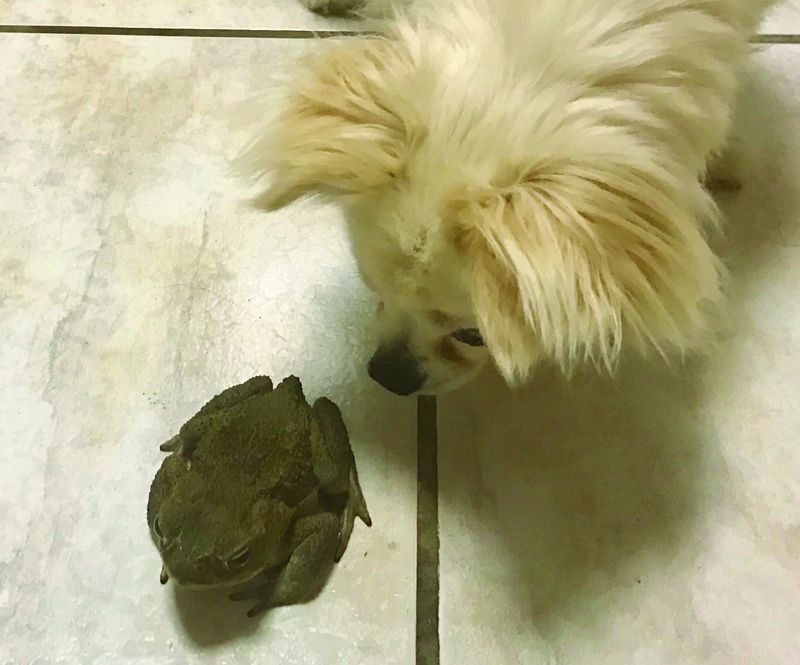
Households with dogs need to take one additional precaution. Native North Carolina toads produce defensive skin secretions that taste foul and can cause real problems if a dog mouths or bites one.
Symptoms in pets can range from excessive drooling and pawing at the mouth to more serious reactions depending on how much secretion was absorbed. Penn State Extension’s toad guide flags this risk clearly, and households with curious dogs should supervise nighttime yard access when toads are active.
The toad is not a danger to your yard, but it does need your pets to leave it alone. Toads do not cause warts in people.
That old belief stems from the bumpy appearance of toad skin, but human warts are caused by human papillomaviruses, and extension resources on toads confirm there is no connection between handling a toad and developing warts.
Keep the Habitat Safe, Not the Toad Under Your Control
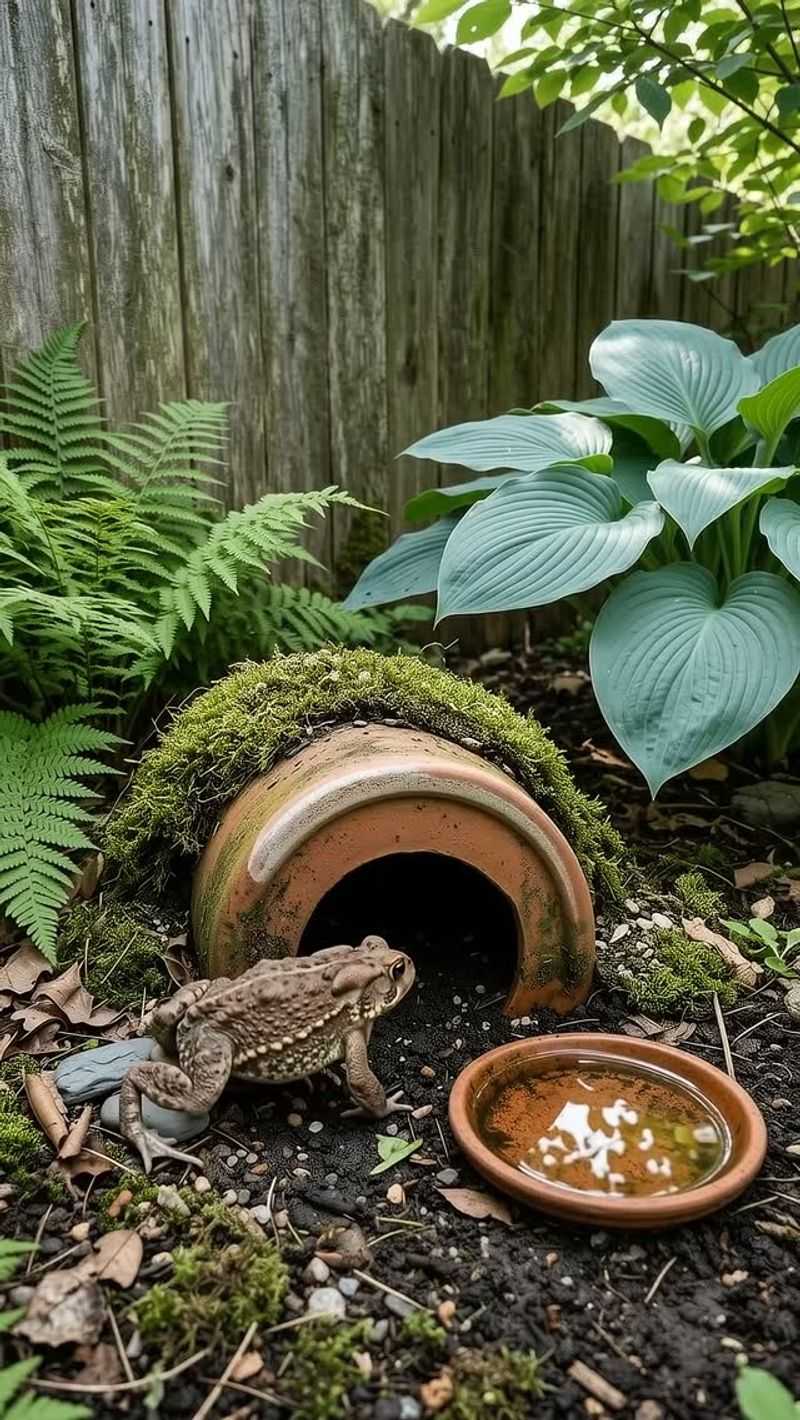
The most useful thing you can do for a garden-bed toad is make its immediate surroundings safer without trying to manage the animal itself. That means keeping a shaded shelter in place, maintaining some leaf litter for cover and moisture, avoiding pesticide applications that could drift or run off into the bed, and letting naturally occurring prey do the work of keeping the toad fed.
Putting out pet food, purchasing insects, or setting up a feeding station are not part of that picture. Penn State Extension’s toad habitat guidance is consistent on this point: naturally available food, moisture, cover, and reduced chemical exposure are the right support tools.
A toad may stay in your bed for a season or move on after a single week. Rainfall, temperature swings, breeding season, and simple animal movement all influence where it goes next.
USGS amphibian research is a helpful reminder that no single habitat improvement guarantees a permanent resident. What it does guarantee is that your bed becomes a safer place for any native amphibian that passes through.
The clearest takeaway from a toad settling into your garden bed is that your yard is currently offering something a native animal can use. NC Wildlife’s Fowler’s toad profile frames these animals as valuable members of the local food web, and that framing is exactly right.
Protect the habitat, reduce the hazards, and let the toad decide the rest. A yard that a toad finds livable is already doing something right.