
These North Carolina Native Vines You Plant Once Cover An Ugly Fence For Decades With No Replacing
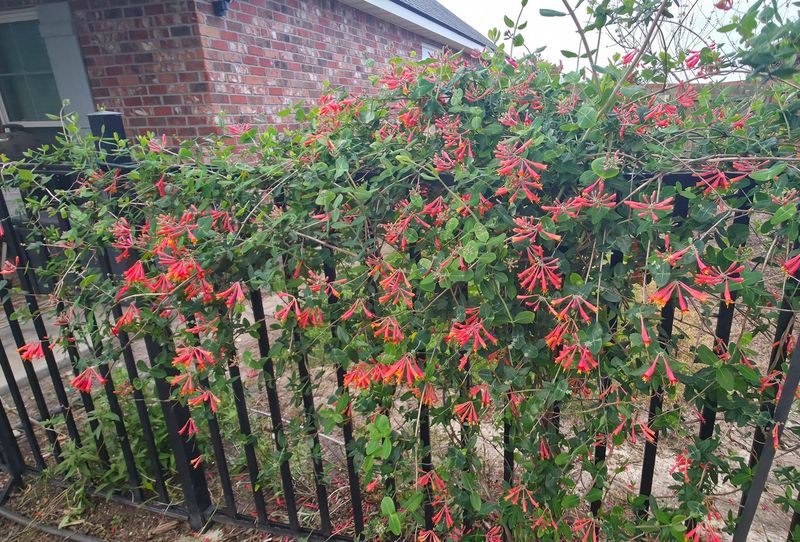
An ugly chain-link or weathered wood fence can drag down the whole look of your yard, but you do not have to keep patching or repainting it. The right North Carolina native vine can climb up and hide that eyesore for years while feeding hummingbirds, songbirds, and pollinators along the way.
Even better, these homegrown climbers give you a real alternative to invasive vines that choke out our local plants. Here are seven native vines that stick around for decades and do right by your NC yard.
1. Coral Honeysuckle (Lonicera sempervirens)
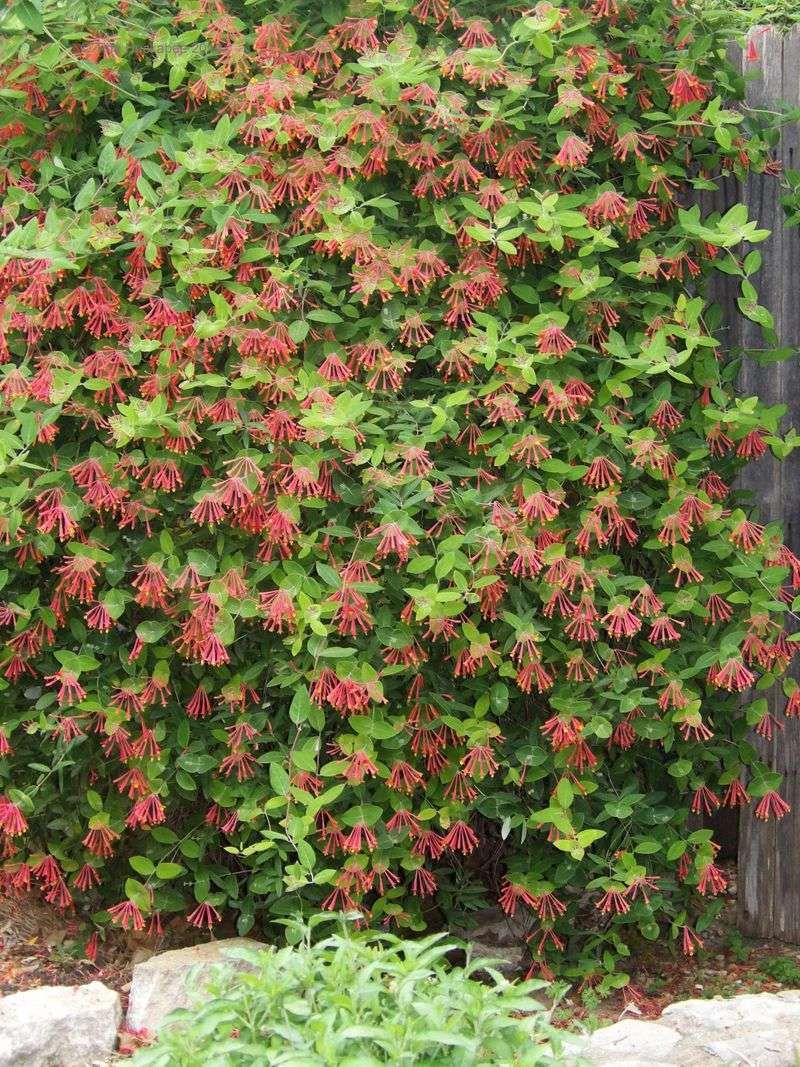
Hummingbirds practically line up for coral honeysuckle. Its clusters of red-orange tubular flowers seem designed for their long beaks, and they bloom from spring right through summer.
Unlike the aggressive Japanese honeysuckle that smothers native plants across the state, this well-behaved cousin stays put and plays nice. Swapping it in means you get the sweet look and scent without the ecological damage.
It grows happily in the Piedmont, Coastal Plain, and mountains, and it holds its leaves through much of the year in warmer areas. Give it a trellis or fence to grab onto, and it will cover chain-link fast.
Did you know? The scientific name sempervirens means “always green,” a nod to its long-lasting foliage.
Plant it once and you will be watching hummingbirds at your fence for years.
2. Crossvine (Bignonia capreolata)
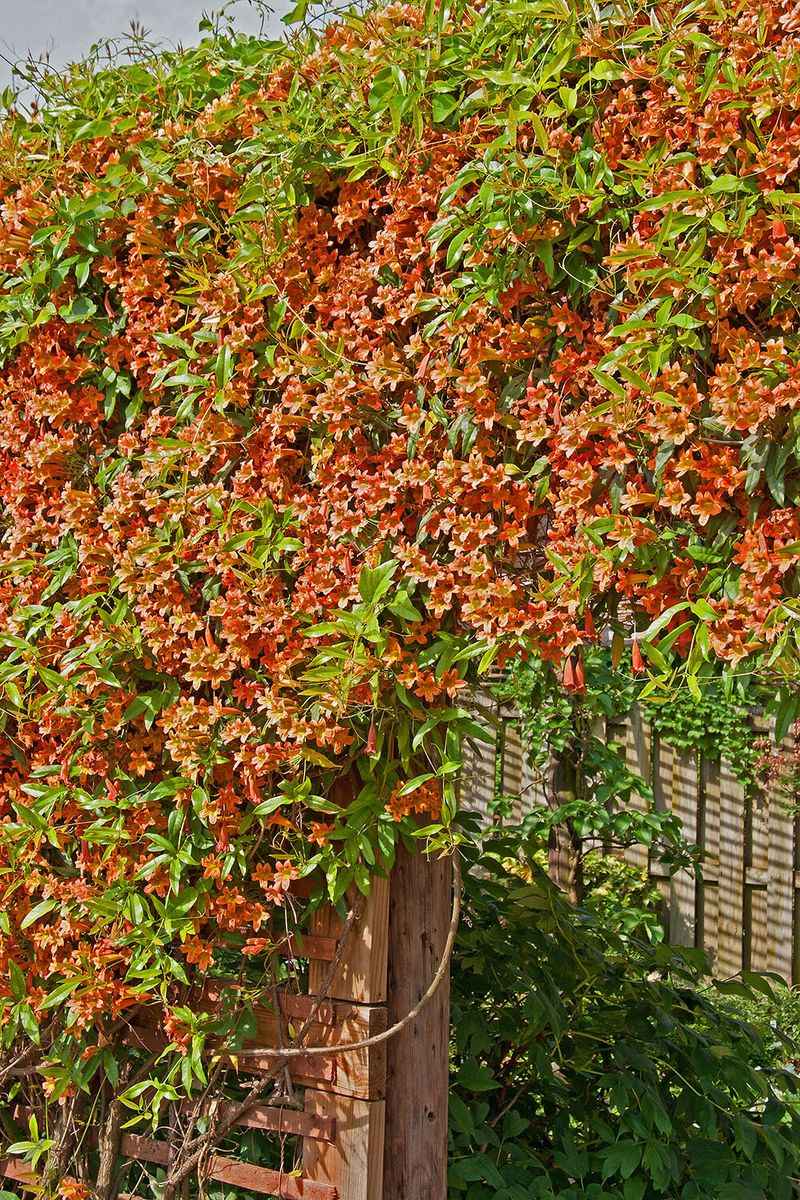
If you want fast coverage, crossvine is the workhorse of the bunch. It climbs high and fills in quickly, so a bare fence disappears under greenery before you know it.
Come April, it puts on a show of trumpet-shaped flowers in warm shades of yellow and red-orange. Pollinators flock to it, making your fence line buzz with life.
Gardeners fighting English ivy or porcelainberry finally have a strong native swap here. Both of those invaders climb hard, but crossvine climbs just as well without hurting the ecosystem around it.
It stays evergreen in much of North Carolina, so the fence keeps its cover even in the cooler months. Once established, this vine asks for very little and gives back for decades.
3. Carolina Jessamine (Gelsemium sempervirens)
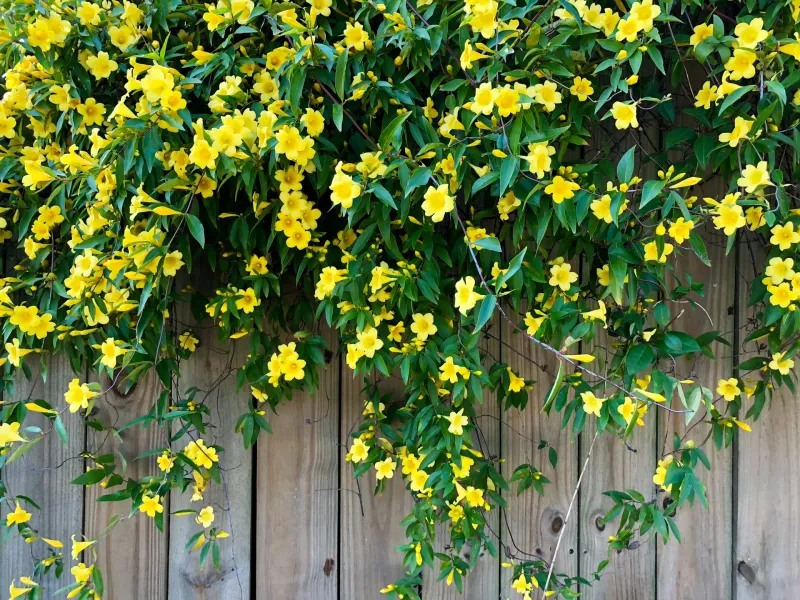
Few things say early spring in North Carolina quite like Carolina jessamine spilling yellow flowers over a fence. It blooms as early as March, when most of the yard is still waking up.
The fragrant blossoms are hard to miss, and the evergreen leaves keep the fence covered all year long. It works on arbors, mailboxes, and even as a sprawling groundcover.
As a native, it can take the place of invasive Japanese honeysuckle while still giving you that soft, draping look people love. Bees and early pollinators appreciate the reliable spring nectar.
A quick heads-up for good stewards: all parts of this plant are toxic if eaten, so it is best kept away from spots where curious pets or kids might nibble. Planted thoughtfully, it rewards you with color year after year.
4. Virginia Creeper (Parthenocissus quinquefolia)
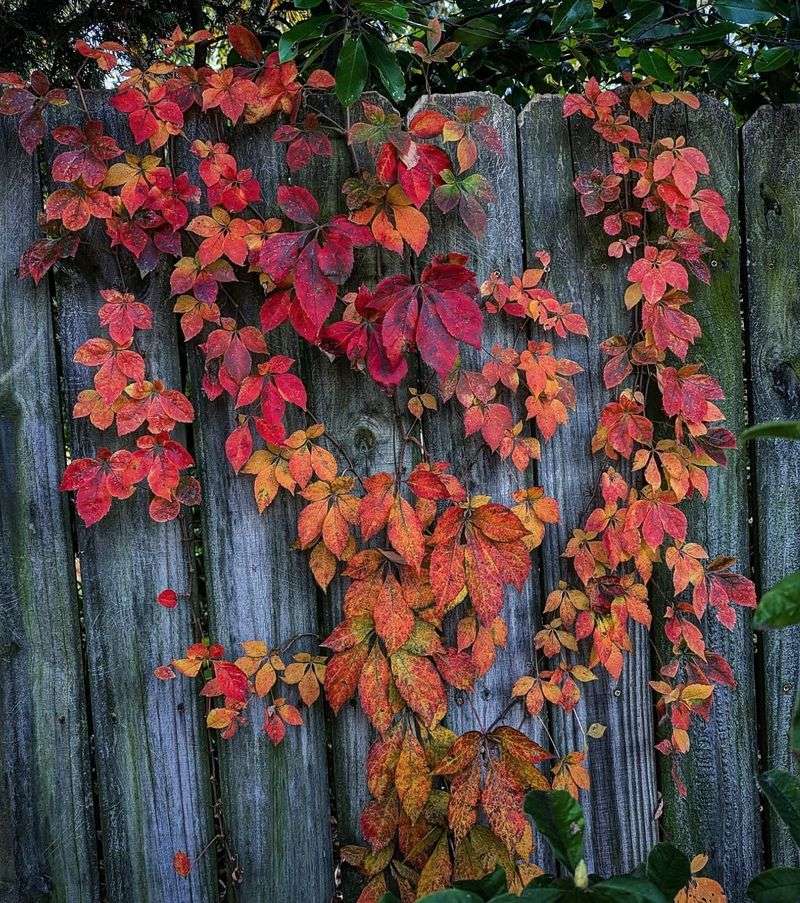
Come autumn, Virginia creeper turns your fence into a wall of fiery red. That fall color alone earns it a spot on any list of native climbers.
Beyond the looks, its little blue-black berries feed dozens of bird species heading into winter. The leaves also host insects that goldfinches and other songbirds rely on to raise their young.
People sometimes confuse it with poison ivy, but Virginia creeper has five leaflets instead of three, an easy way to tell them apart. It spreads quickly and covers walls and fences with almost no fuss.
For anyone battling porcelainberry, this vine makes a solid native replacement that supports wildlife instead of crowding it out. Give it room, and it will blanket that fence for decades.
5. Passionflower (Passiflora incarnata)
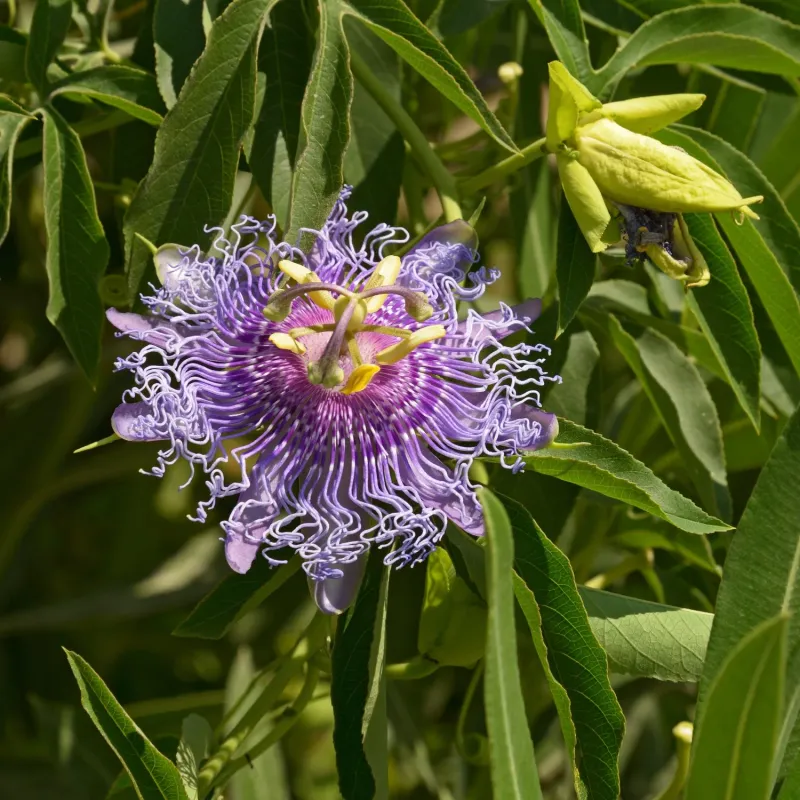
Nothing on this list looks quite as otherworldly as a passionflower. Its purple-and-white blooms have fringed centers that seem almost too intricate to be real, and they carry a light fragrance too.
Also called maypop, this vine is a magnet for pollinators and a host plant for gulf fritillary butterflies. Watching those butterflies lay eggs on your fence vine is a quiet thrill for any backyard steward.
It grows in all three regions of the state and shrugs off summer heat like a champ. Once its roots settle in, it comes back reliably year after year.
As a bonus, its egg-shaped fruits, the “maypops,” are edible and were enjoyed by Indigenous peoples long ago. Use it as a native swap for porcelainberry and you get beauty, wildlife, and a little snack.
6. Climbing Aster (Ampelaster carolinianus)
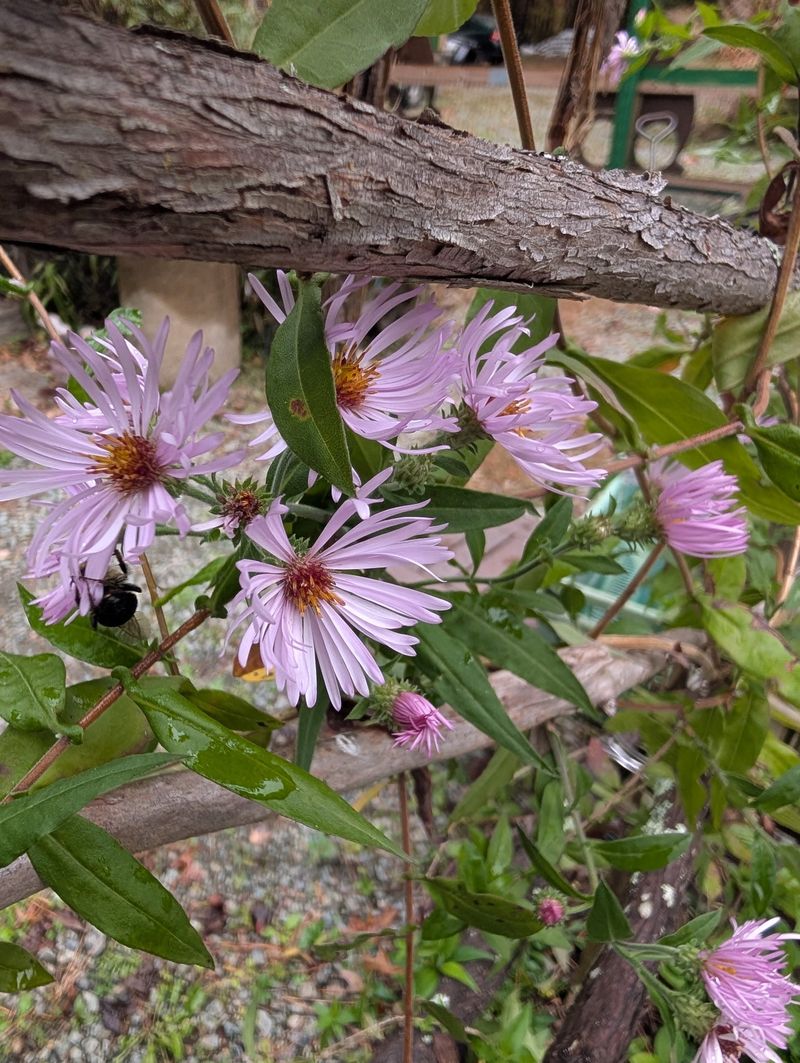
When most flowers have called it quits for the season, climbing aster is just getting started. Its pink-purple, daisy-like blooms with sunny yellow centers open in late summer and fall.
That late timing matters more than you might think. Pollinators still buzzing around in autumn depend on those last blooms, and this vine delivers a much-needed meal.
After the flowers fade, songbirds and small mammals feast on the seeds, so the giving does not stop. It is a bit of a sprawler by nature, but you can train it up a fence or trellis with ease.
A spring pruning keeps it tidy and shrubby if you like a neater look. For a fence that keeps feeding wildlife into the cold months, this one is tough to beat.
7. American Wisteria (Wisteria frutescens)
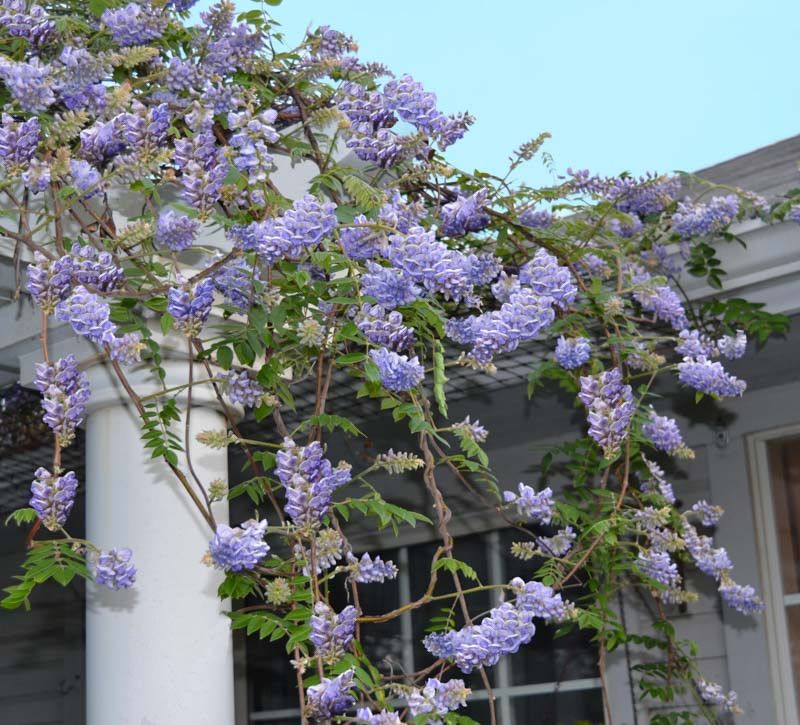
Everyone loves the dreamy cascades of wisteria, but the imported kinds can turn into a nightmare, tearing down structures and swallowing whole trees. American wisteria is the well-mannered native answer.
It offers those same lovely lavender flower clusters without the runaway aggression of the Chinese and Japanese types. That makes it a smart, safe pick for covering a fence you actually want to keep standing.
Knowing the difference is a real act of stewardship, since so many gardeners plant the invasive kinds without realizing it. Ask for the botanical name, Wisteria frutescens, when you shop so you bring home the right one.
Deciduous and reliable, it drapes your fence in soft purple each spring and settles in for the long haul. Plant it once, choose the native, and enjoy the show for years without the guilt.