
The One Thing North Carolina Garlic Needs When You Plant It This Fall Or The Bulbs Stay Small
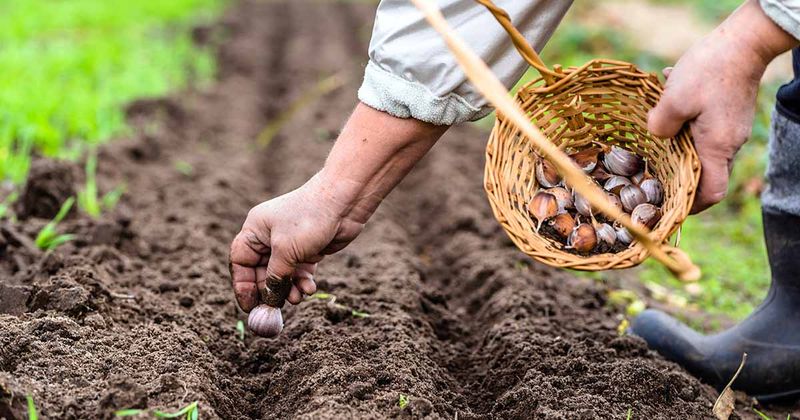
Growing garlic in a North Carolina backyard sounds straightforward until harvest day arrives and the bulbs are barely bigger than a marble. The size of what you pull out of the ground in June is shaped by decisions you make all the way back in October, starting with the clove you put in the soil.
Getting those choices right across the Piedmont, Coastal Plain, and mountains takes a little regional know-how, but the payoff is a pantry full of full-sized bulbs worth bragging about.
Large, adapted cloves improve the potential for bigger bulbs
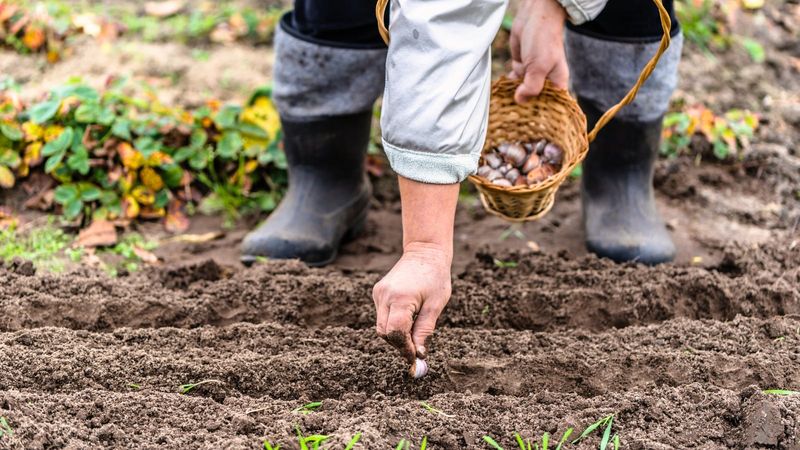
Pick up a seed-garlic bulb and crack it open. The biggest, firmest cloves on the outer ring are your best planting candidates, and that is not a coincidence.
Southeastern Extension guidance states plainly that final bulb size is directly related to the size of the planted cloves, and that long, slender inner cloves or any clove weighing less than a gram should be skipped for planting purposes.
That relationship gives large outer cloves a real head start, but it does not guarantee a large harvest on its own. Cultivar, weather, drainage, weed pressure, soil fertility, disease, and harvest timing all interact with starting-clove size to determine what you eventually dig up.
Think of a big clove as raising the ceiling on what is possible rather than locking in a specific result.
Where you source those cloves matters too. Georgia Extension guidance cautions that grocery-store garlic may be treated to slow sprouting and may carry disease or be poorly adapted to local conditions.
That does not mean every supermarket head will fail outright, but reputable seed garlic, especially stock that has already performed in the Southeast, is a safer and more reliable starting point.
NC State Extension’s Piedmont gardening guidance reinforces this, noting that larger cloves yield larger bulbs and that selecting quality planting stock is a foundational step. Look for certified or reputable seed garlic from a supplier whose varieties have been trialed in the Southeast, and set aside the small inner cloves for cooking rather than planting.
North Carolina garlic needs a window, not a statewide cutoff
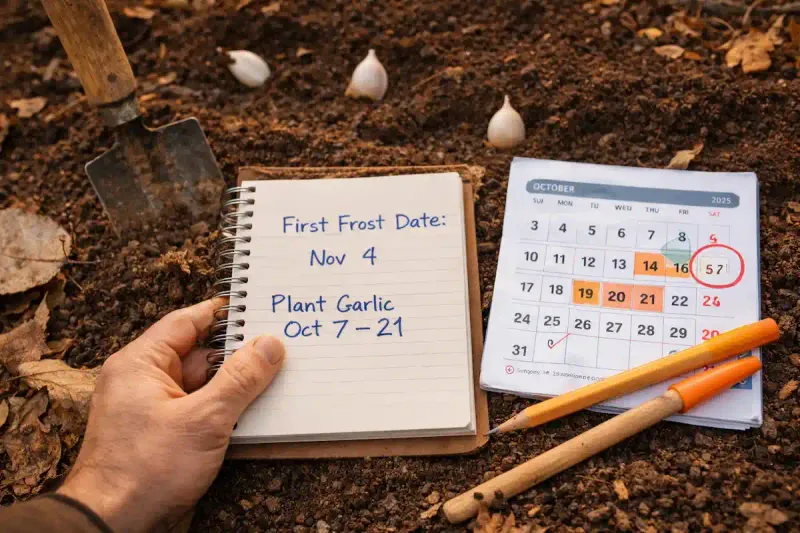
Garlic planting season in North Carolina runs from September through November, and that broad range exists for a reason. The state stretches from sea-level coastal marshes to mountain ridges above 5,000 feet, and a single statewide deadline cannot capture that kind of climate diversity.
NC State’s Piedmont and Coastal planting guide places garlic planting in the late October to November period for those regions, while other statewide resources keep the window open across September and November depending on local conditions.
Mountain gardeners face a tighter timeline. At higher elevations, soil temperatures drop faster and the frost-free window closes sooner, so planting earlier in the fall gives roots more time to establish before the ground hardens.
A gardener in Asheville or Boone is working with a different calendar than someone in Wilmington or Raleigh, and treating those two situations as identical is where timing advice goes wrong.
The NC State Central North Carolina planting calendar is a practical starting point for Piedmont gardeners, and your county Extension office can refine that further for your specific area. Using a local calendar beats relying on a single date someone read online, because that date may have been written for a completely different part of the state.
Missing the ideal local window can reduce the time roots have to establish before winter, which may affect how well the plant enters the cold months. But no single missed date guarantees small bulbs or a failed crop.
Clove quality, cultivar choice, soil conditions, and spring management all continue to shape the outcome after planting day has passed.
Fall roots and winter conditions support garlic bulbing
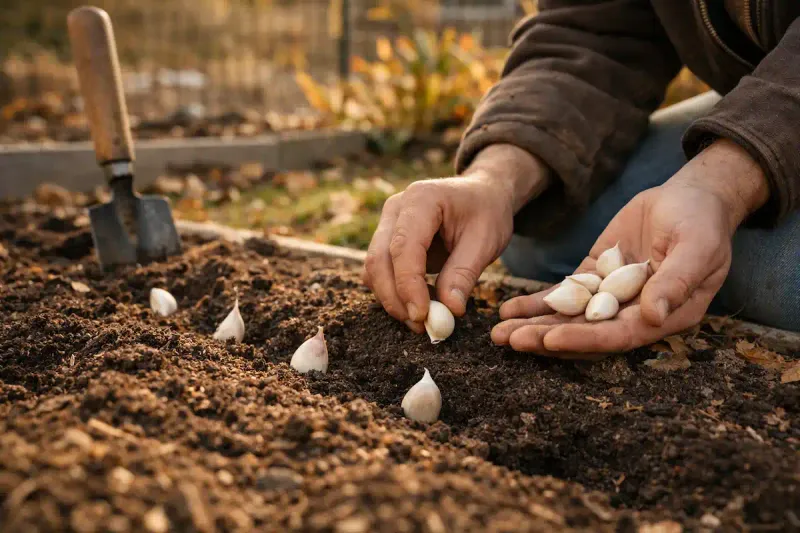
Garlic is not a plant you drop in the ground and forget until spring. After planting, the clove needs several weeks to push roots into the soil before freezing temperatures slow that process down.
NC State’s plant profile for garlic notes that cloves need roughly four to six weeks to establish before the ground freezes, which is one practical reason the fall planting window matters.
Beyond root establishment, winter conditions play a role in how garlic transitions from vegetative growth to bulb formation. Research published in peer-reviewed journals confirms that temperature, day length, cultivar, and planting date each influence bolting, bulbing, and final bulb weight.
A study on garlic’s response to temperature and photoperiod found that these factors interact with one another rather than operating independently, meaning no single variable tells the whole story.
That interaction matters for North Carolina gardeners because it means “garlic needs cold” is a useful but incomplete description of what happens over winter. Research tracking variation in garlic bulb quality across different planting and harvest times reinforces that cultivar selection and timing work together, with different varieties responding differently to the same seasonal conditions.
Planting earlier does not automatically produce a larger bulb if other factors are working against the crop.
The practical takeaway is to plant within your local fall window so roots can establish, then let winter do its part. Choosing a variety suited to your region’s winters, whether that means a softneck type for the Coastal Plain or a hardneck type for the mountains, gives the plant the best chance of responding well to whatever seasonal conditions arrive.
A loose, sunny, well-drained bed supports bulb development
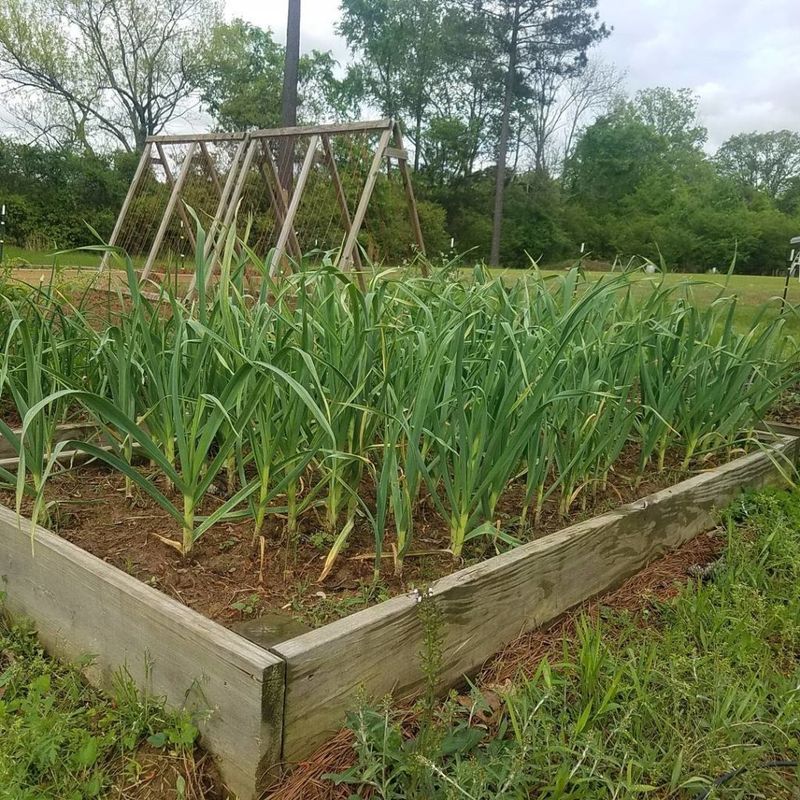
Garlic bulbs develop underground, which means the physical quality of your soil directly limits how large they can grow. Compacted or waterlogged ground restricts root expansion and creates conditions where rot and disease thrive.
NC State’s garlic plant profile recommends loose, fertile, well-drained soil in a full-sun location as the basic site requirement, and that combination is hard to substitute around.
Before adding anything to the bed, get a soil test. NC State’s guide to soil testing explains how to submit a sample through your county Extension office and how to read the results so you know what your specific bed actually needs.
For North Carolina gardens, a pH in the range of approximately 6.0 to 6.5 is generally appropriate for garlic, though some broader Extension resources cite a range up to 7.0. Testing removes the guesswork and keeps you from adding lime or fertilizer that your soil does not need.
Fresh manure is one shortcut worth avoiding. University of Minnesota Extension’s garlic guide cautions that heavy use of manure or repeated high-phosphorus amendments can cause nutrient imbalances and potential runoff concerns.
Fresh manure also carries a real risk of introducing pathogens and weed seeds into the bed. Well-aged compost worked into the soil before planting is a more controlled approach, guided by what your soil test shows rather than by a general “more is better” assumption.
Good drainage is non-negotiable. Raised beds or gently sloped ground work well for North Carolina’s variable rainfall.
If your yard holds water after a heavy rain, amending the soil structure or building up the bed before planting will do more for bulb size than any single fertilizer product ever could.
Plant sound cloves, then protect the bed through winter
Cracking open a seed-garlic head right before planting gives you the freshest, firmest cloves. Set aside any that feel soft, show mold, or look shriveled.
Southeastern Extension guidance advises planting the largest outer cloves and discarding the small inner ones, so sort as you go and save the culls for the kitchen.
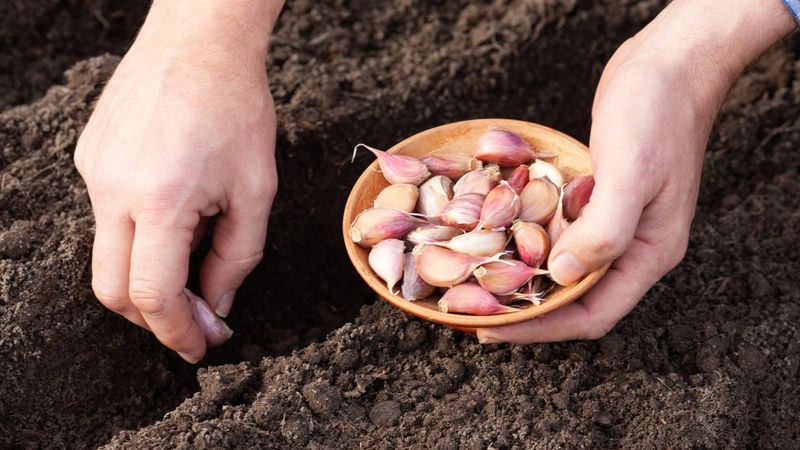
Place each clove pointed end up, about two inches deep and roughly six inches apart. Planting depth and spacing give the developing bulb room to expand without crowding its neighbors.
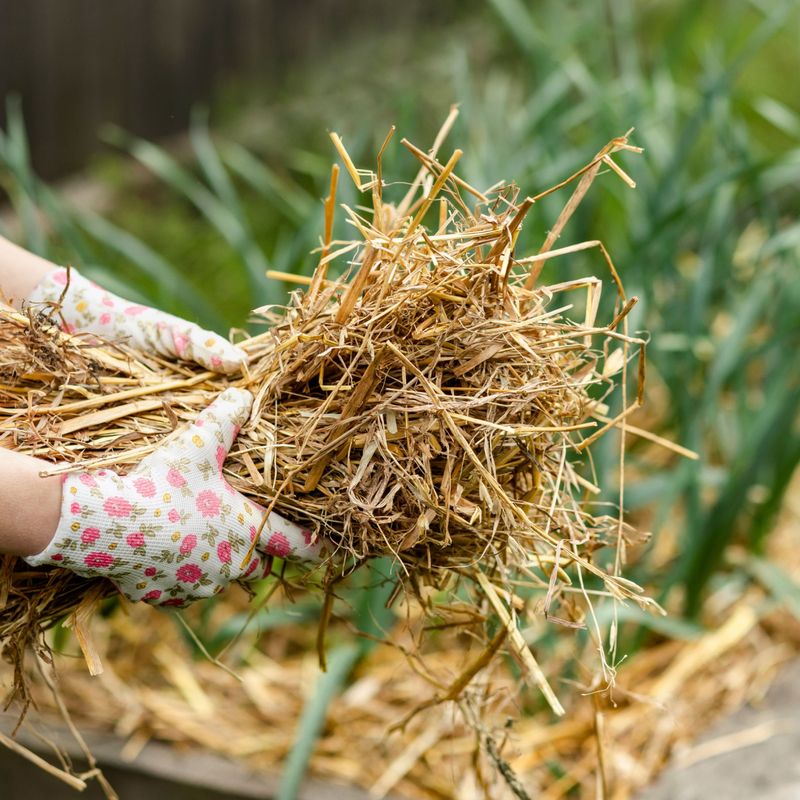
Once the cloves are in, a layer of straw or shredded leaf mulch spread two to four inches deep can do real work over the winter months.
Penn State Extension’s garlic production guide describes mulch as a way to moderate soil temperature swings, retain moisture, limit weed germination, and reduce frost heaving, which can push shallow cloves out of the ground during freeze-thaw cycles. All of those functions support a stable overwintering environment, which helps the plant enter spring in better condition.
One caution worth repeating: thick mulch that completely covers emerging shoots in late winter or early spring can slow the plant’s development. University of Minnesota Extension notes that mulch should be managed so it does not smother growth when shoots begin pushing through.
Pull it back slightly if you notice shoots struggling to emerge. Mulch earns its place as a winter support tool, but it works alongside good cloves, appropriate timing, and sound soil preparation rather than replacing any of them.
Spring care helps garlic realize its bulb-size potential
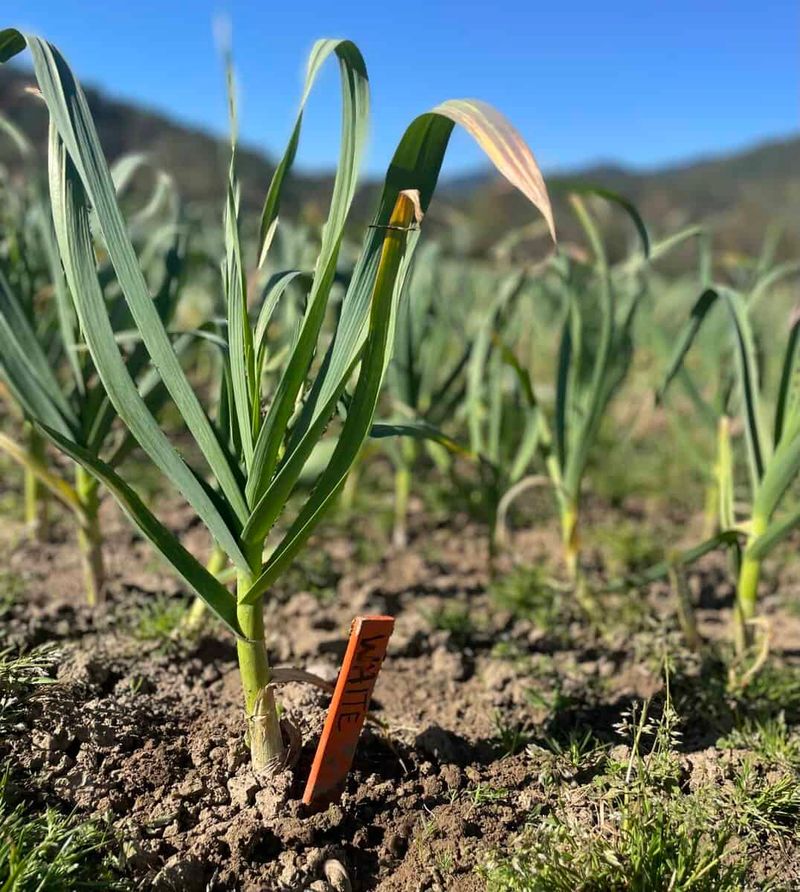
By the time spring arrives, the work you did in fall has set the stage, but the season is not over yet. Spring care can help your garlic reach the size that good cloves and solid planting made possible, though it cannot rescue a crop planted with poor-quality stock, the wrong cultivar, or in a site with serious drainage problems.
Weed control is one of the highest-return spring tasks. Garlic’s shallow root system puts it in direct competition with weeds for water and nutrients, and a weedy bed in April and May can noticeably reduce bulb size at harvest.
Penn State Extension’s garlic guide emphasizes keeping the bed weed-free throughout active growth, which is easier to do consistently than to catch up on after weeds have taken hold.
Moisture matters during the period when bulbs are actively sizing up, typically late spring. University of Minnesota Extension recommends even, consistent watering during bulb development and then reducing or stopping irrigation as harvest approaches.
Wet soil near harvest raises the risk of rot and disease, so backing off the hose in the final few weeks is a deliberate step, not neglect.
Hardneck garlic produces a curling flower stalk called a scape in late spring. Penn State Extension’s guide to growing and using garlic explains that allowing the scape to develop can divert energy away from bulb growth, so cutting it when it curls is standard advice for hardneck growers who want maximum bulb size.
Softneck types, which are common in milder parts of North Carolina, generally do not produce a scape.
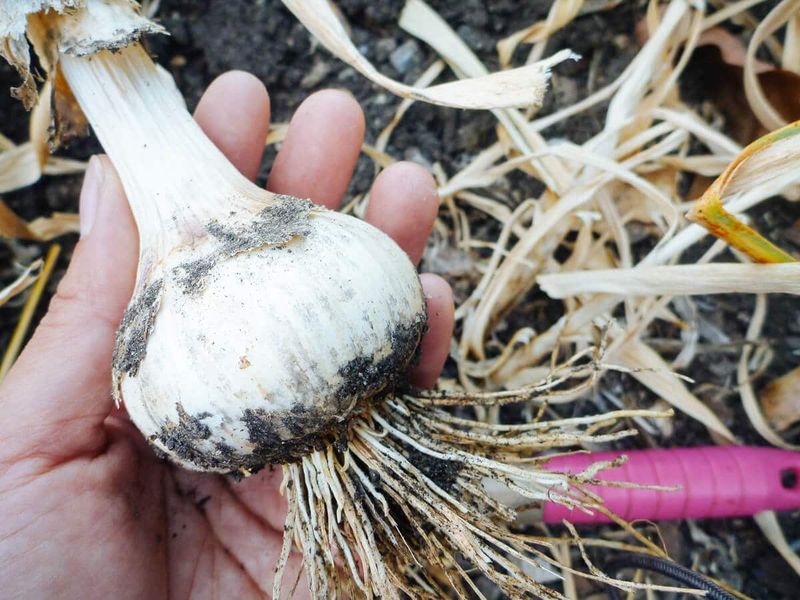
Premature harvest is one reason a well-planted, well-managed crop still comes in small. Pulling bulbs before the wrappers have formed and the lower leaves have browned gives up size that was still accumulating.
Patience at the end of the season is part of the management too.
Avoid shortcuts that cannot guarantee larger bulbs
A lot of garlic advice circulates with more confidence than the evidence supports, and some of it can actually work against you. Understanding which shortcuts fall short helps you spend your effort where it counts.
Late planting alone does not doom a crop, but planting so late that roots cannot establish before the ground hardens does reduce the plant’s ability to enter winter in good shape. The flip side is that earlier planting does not automatically win either.
Research on garlic morphology across different planting and harvest times shows that planting date interacts with temperature, photoperiod, and cultivar, so the optimal timing depends on where you are and what you are growing, not on a single universal rule.
Piling on nitrogen or fresh manure in hopes of bigger bulbs is a common miscalculation. University of Minnesota Extension is clear that excess or late-season nitrogen can delay bulbing rather than accelerate it.
Fertility decisions should follow a soil test and split applications timed to the plant’s growth stages, not a blanket “more is better” approach.
Mulch earns its place in the system, but gardeners sometimes treat it as the decisive variable. Mulch moderates temperature, holds moisture, and suppresses weeds, all genuinely useful.
What it cannot do is compensate for small starting cloves, a poorly drained site, or a cultivar that does not suit your winters.
Cultivar choice is another area where oversimplification creates problems. Southeastern Extension resources describe hardneck types as more cold-hardy in parts of the upper South, while softneck types often perform better in milder conditions.
Neither type is universally best across a state as climatically varied as North Carolina.
When bulbs come in small despite timely planting, work through a short checklist before blaming the calendar: starting-clove size, cultivar fit, drainage, weed pressure, spring moisture, fertility balance, signs of disease, and whether the bulbs were harvested before they finished sizing. Research on temperature and photoperiod responses in garlic supports a multi-factor explanation, and a multi-factor checklist is the right diagnostic tool.
Choose the local fall window and give good cloves a fair start
The headline’s urgency is real in one practical sense: fall is when the foundation gets laid, and a seriously late planting or a poor clove choice does reduce your odds of a strong harvest. But no single calendar date controls the entire outcome.
NC State’s garlic plant profile and Southeastern Extension resources both point toward a regional window and quality planting stock rather than a single statewide deadline.
Check your county Extension office for the timing that fits your elevation and climate zone. Buy the largest outer cloves from reputable seed garlic, prepare a loose, well-drained, tested bed, mulch after planting, and follow through with weed control and consistent moisture in spring.
Those steps work together as a system.
Good garlic is patient work, and the gardeners who get the biggest bulbs are usually the ones who respected every part of that system rather than betting everything on one variable.