
A North Carolina Native Shade Tree That Earns Its Place in a Pollinator Yard
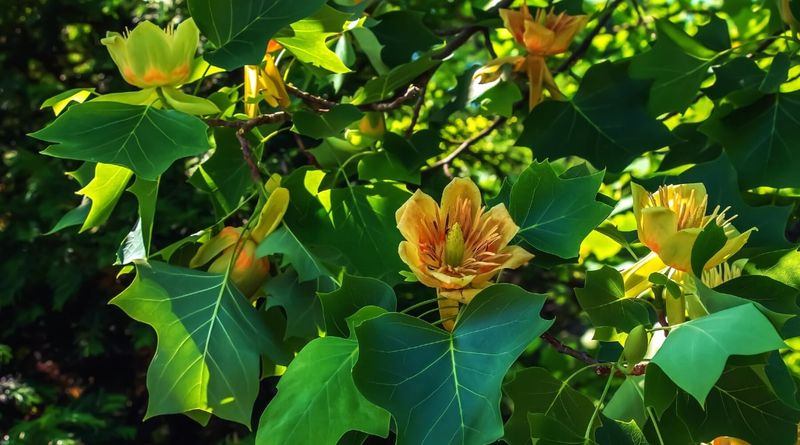
Most homeowners walk past tulip poplar saplings at the nursery without a second look, drawn instead to the flashier flowering trees on the end cap. That is a reasonable choice for a small yard, but for someone with the right amount of space, tulip poplar is a native shade tree worth taking seriously.
It feeds bees, butterflies, and hummingbirds while also hosting the caterpillars that songbirds depend on to raise their chicks. The catch is that no single tree, tulip poplar included, can keep pollinators fed continuously from spring through fall, and understanding that distinction is where good habitat planning starts.
Tulip poplar offers a credible single-tree starting point
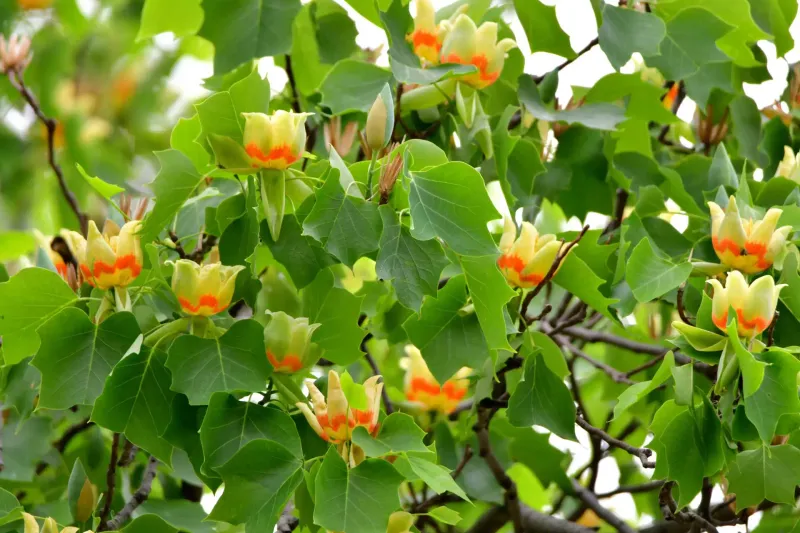
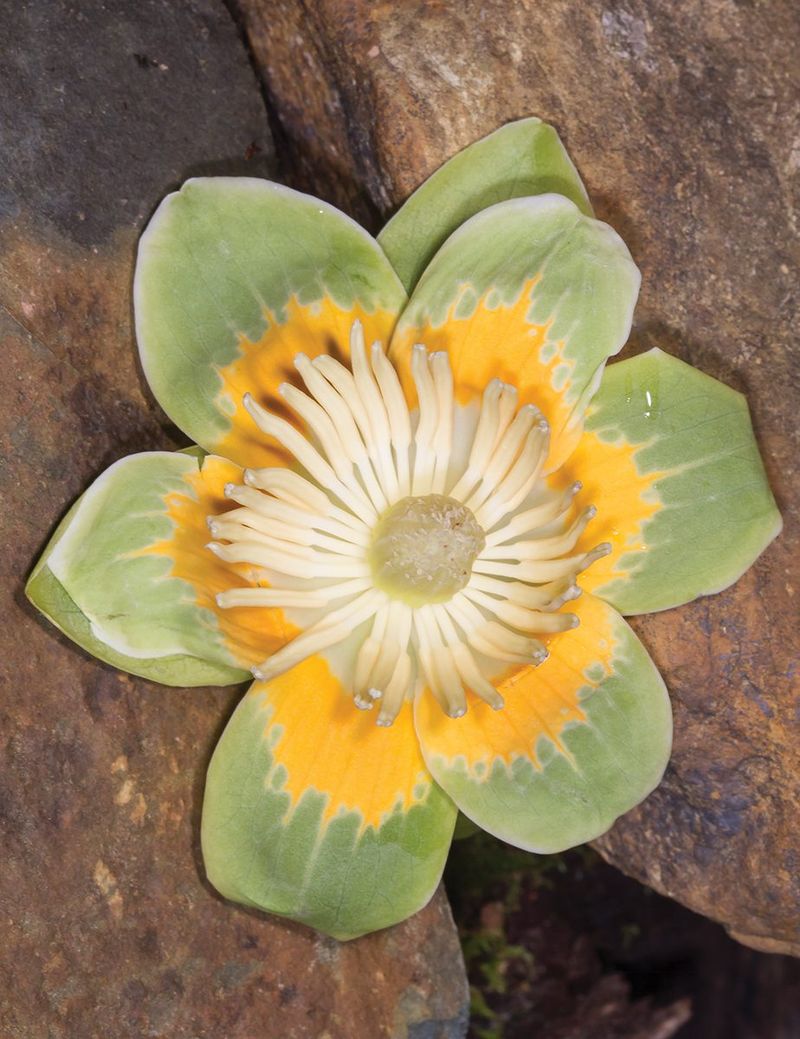
Liriodendron tulipifera goes by several names, including tulip tree and yellow poplar, but it is not a true poplar at all. It belongs to the magnolia family, and its flowers show that heritage clearly: large, waxy, and shaped like a tulip, with yellow-green petals marked by a bright orange band near the base.
NC State Extension’s plant profile confirms that tulip poplar is native across all three major regions of North Carolina, from the Coastal Plain through the Piedmont and into the mountains.
For a homeowner with a genuinely large property and a need for real shade, it is a defensible starting point. The tree grows throughout the state, produces substantial canopy, and delivers nectar-bearing flowers that attract bees, butterflies, and hummingbirds.
Those flowers appear after the leaves have already filled in, often sitting high in the canopy where they are easy to miss from the ground.
Blooming runs from roughly May to early June, depending on location, elevation, and the weather of a given year. That window is meaningful for pollinators but limited in duration, and it does not extend through summer or fall.
Tulip poplar is a strong candidate for a specific set of priorities: a homeowner who needs a large native shade tree, can accommodate its eventual size, and wants documented wildlife value alongside that shade.
What it is not is a universally underrated tree or an all-season nectar machine. Presenting it that way would oversell it and set up anyone who plants it expecting continuous blooms for disappointment.
The more accurate frame is a tree with real strengths and real constraints, both of which deserve equal attention before any purchase.
Its wildlife value extends beyond the flowering window
Adult pollinators and larval pollinators have completely different needs, and confusing the two leads to bad planting decisions. When a bee visits a flower, it is after nectar or pollen for itself or its colony.
When a butterfly lays eggs on a leaf, it is creating a food source for its caterpillars, which may have no interest in flowers at all. A tree can be enormously valuable to pollinators and wildlife without ever providing nectar beyond a brief flowering period.
Tulip poplar falls squarely into that category. Its May-to-early-June flowers do attract bees, butterflies, and hummingbirds for nectar.
But NC State’s plant toolbox also documents that tulip poplar serves as a larval host for Eastern tiger swallowtail, spicebush swallowtail, and viceroy caterpillars. Those caterpillars feed on the foliage across the growing season, and they in turn become food for the nesting birds that North Carolina homeowners often want to attract.
White oak makes the same point from a different angle. NC State’s white oak profile describes spring catkins that are inconspicuous to most observers, plus acorns that feed birds and mammals in fall and winter.
The real wildlife firepower of white oak is its role as a larval host for dozens of moth and butterfly species, including imperial moth, several hairstreaks, and duskywings. A University of Minnesota Extension analysis of woody plant contributions to pollinator food webs reinforces why caterpillar-host value matters beyond the flowering window: the insects that overwinter in bark, leaf litter, and stems around these trees become critical food for birds and early-season foragers.
The practical takeaway for NC homeowners is to ask a more specific question before buying any tree: does this plant provide nectar, pollen, caterpillar habitat, fruit, seeds, nesting structure, or some combination? Different trees excel at different functions.
Oaks are food-web trees first. Tulip poplars bridge flowering and caterpillar-host functions.
Knowing the difference lets you build a yard where multiple species cover each other’s gaps.
Check the site before planting a 100-foot tree
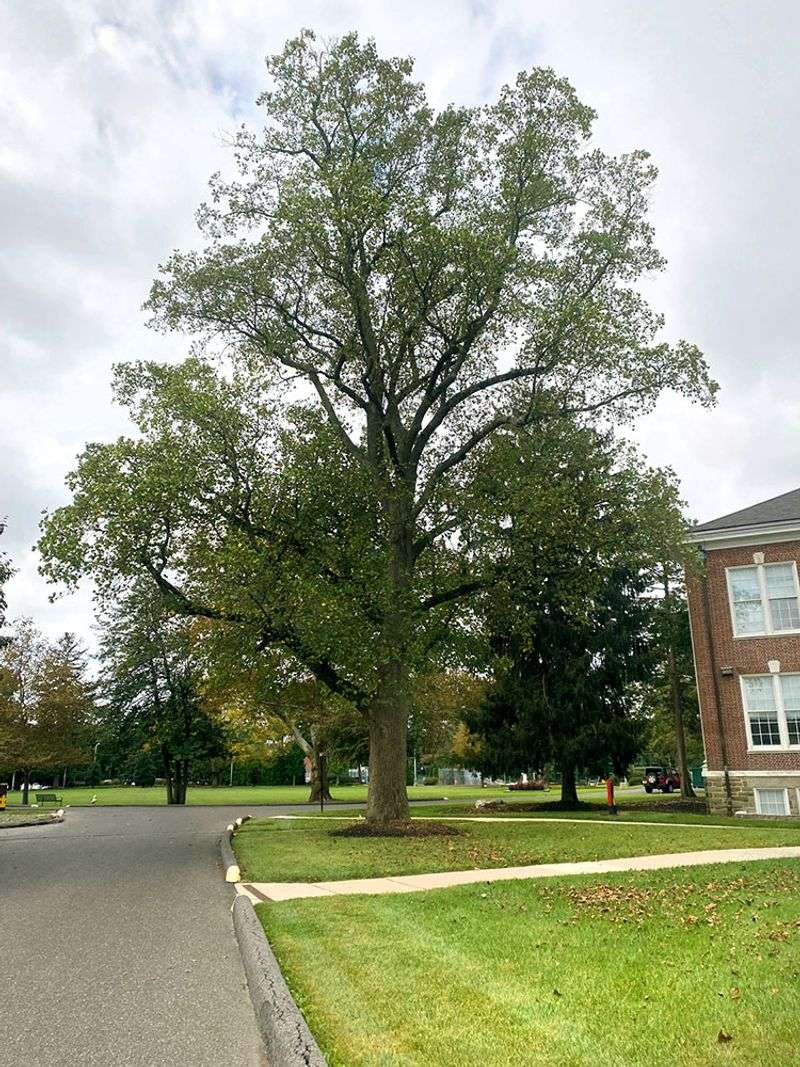
Tulip poplar’s ecological appeal can make it easy to overlook the practical problem: this tree gets enormous. According to NC State Extension’s plant profile, mature specimens typically reach 80 to 120 feet tall with a canopy spread of 30 to 60 feet.
That is not a tree for an average suburban lot, and it is certainly not one to plant near a house, garage, overhead power lines, or a septic drainfield without serious forethought.
Wind damage is a documented concern. Mature tulip poplars can drop large limbs during storms, and a tree planted too close to a roof or frequently used outdoor space creates a long-term hazard.
The root system also needs room to spread without running into pavement, foundations, or buried utilities. NC State flags heat, drought, and soil compaction as additional stressors, which matters especially in Piedmont and Coastal Plain neighborhoods where summer heat is intense and soils are often disturbed or compacted.
Soil and moisture conditions deserve equal scrutiny. Tulip poplar performs best in full sun with deep, moist, well-drained soil.
It does well in mesic forests, bottomlands, and lower mountain coves where moisture is consistent. A dry, shallow, or heavy clay site in an exposed suburban yard is a harder environment for this tree to establish in, and a stressed young tulip poplar is more vulnerable to pest and disease pressure than a well-sited one.
Before buying, walk the planting area and ask whether a 100-foot tree with a 50-foot spread will clear every structure, utility line, and paved surface at full maturity. Check drainage by digging a hole and watching whether water drains within a few hours after rain.
Native status does not guarantee a tree suits a specific residential site, and tulip poplar in the wrong spot can become a safety problem rather than a wildlife asset.
Sourwood suits a smaller scale but changes the goal
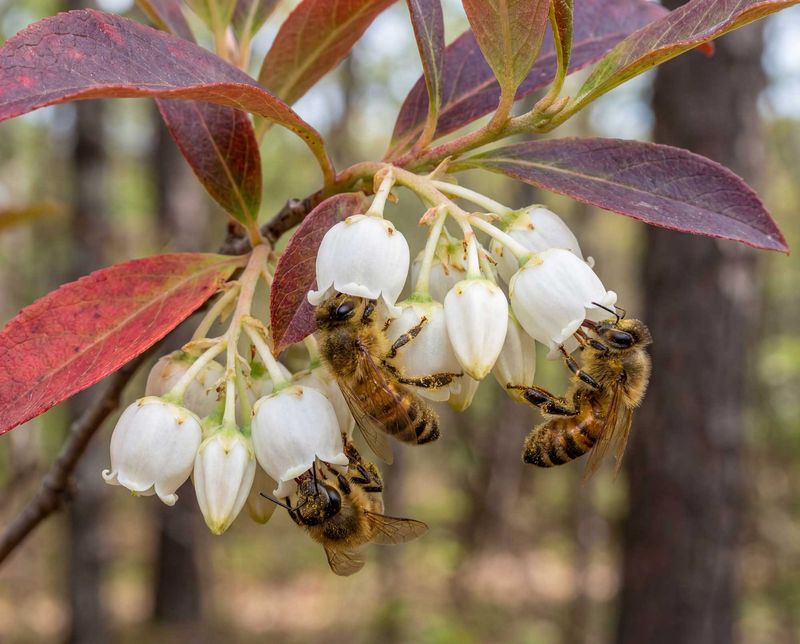
Sourwood earns its reputation quietly. The white, bell-shaped flowers hang in long, arching clusters and open from roughly June through July, filling a gap in the bloom calendar that many yards leave empty.
Bees are especially drawn to them, and sourwood honey is prized across the southern Appalachians precisely because the nectar is so distinctive. NC Cooperative Extension’s sourwood feature describes the flowers as fragrant and highly attractive to pollinators, though planting one tree in a residential yard does not guarantee a harvestable honey crop.
The honey association reflects the tree’s value as a nectar source, not a promise about what any single homeowner will collect.
Size is the sharpest contrast with tulip poplar. NC State’s sourwood profile puts its typical height at 20 to 30 feet, making it an understory or small specimen tree rather than a canopy replacement.
That scale suits a woodland-style yard, a garden bed with filtered light from taller trees overhead, or a smaller property where a 100-foot tree would be out of the question.
Soil conditions matter more with sourwood than with most trees. It prefers acidic, moist but well-drained soil and is intolerant of pollution and heavy compaction.
Urban sites with alkaline or poorly drained soil are poor matches. Transplanting mature sourwoods is difficult, so starting with young nursery stock and giving it time to establish in the right conditions is the practical approach.
Sourwood is not a substitute for a large canopy tree, and its flowering window, while valuable, covers June and July rather than the full growing season. For a homeowner whose property can accommodate it and whose soil is right, it fills a real summer pollinator gap that few other small native trees match in North Carolina.
One tree cannot cover the entire pollinator season
The title this article is built around overstates what any single native tree can do. Black gum flowers in May, tulip poplar blooms from late May into early June, and sourwood opens in late June through July.
Those are three different trees providing sequential floral resources across different parts of the growing season. The NC State Beekeepers Association’s flowering plant calendar maps out this progression clearly, and it shows a series of handoffs between species rather than any single tree carrying the load.
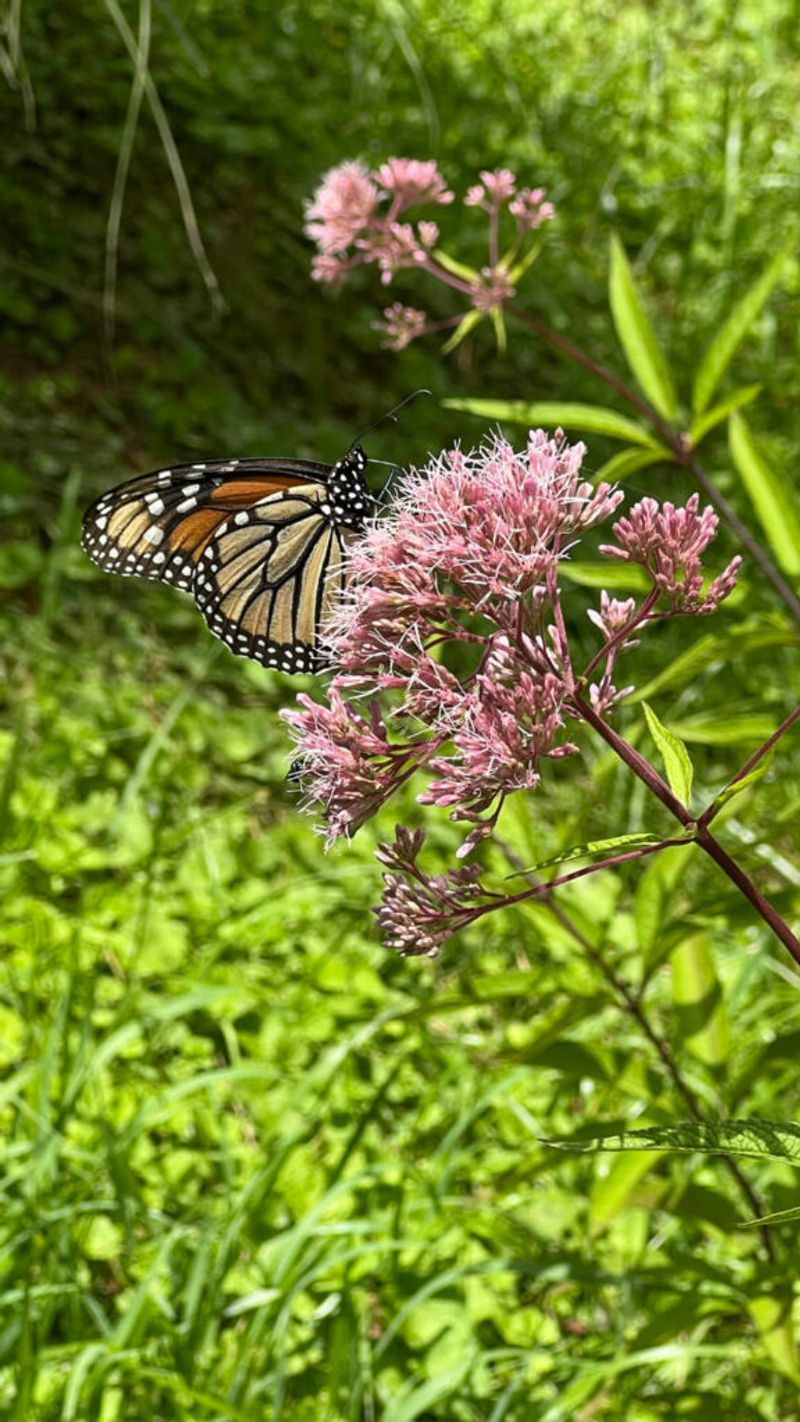
After sourwood finishes in July, a yard anchored by only one or two trees faces a significant gap before fall-blooming goldenrods and asters pick up. That gap is real for native bees, butterflies, and other pollinators that need food through summer and into fall.
One tree, however well chosen, cannot bridge it alone.
NC State Extension’s native plants chapter recommends using at least three native species blooming in each season, and NC State’s pollinator habitat guidance goes further, suggesting several species flowering across each month from March through November when possible, with varied flower colors, shapes, and sizes to support a broader range of pollinators.
Bloom timing also shifts with region, elevation, and the weather of a given year. A sourwood in the mountains may flower weeks later than one in the Coastal Plain.
Month ranges are useful guides, not guaranteed schedules, and a habitat plan built around fixed dates will leave gaps in years when weather pushes timing early or late. Tulip poplar is a strong anchor for a layered habitat yard, but it works best as one piece of a designed succession rather than a standalone solution.
Build seasonal support around the canopy
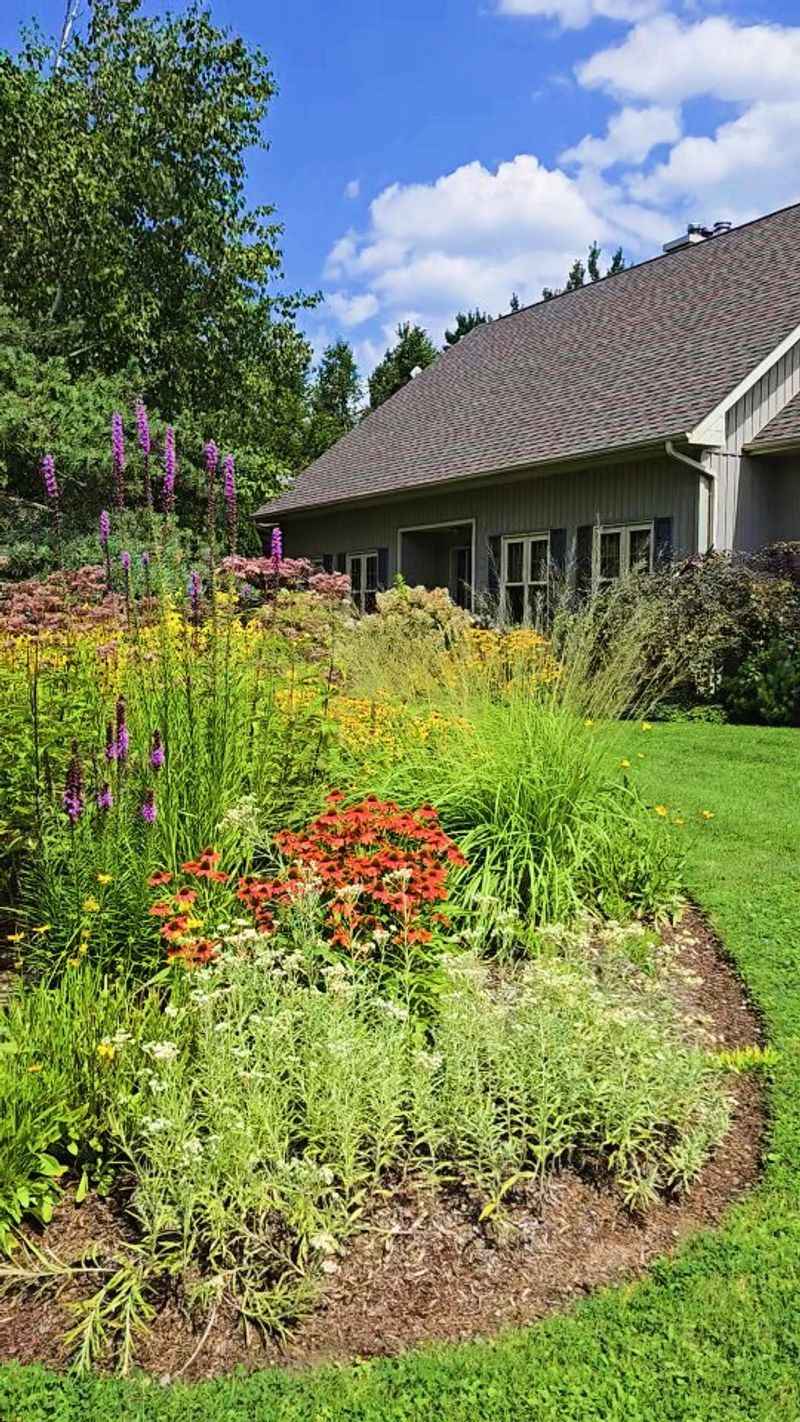
A single well-chosen canopy tree gives a yard structure, shade, and a foundation for wildlife habitat. What it cannot do on its own is keep pollinators fed across three seasons.
Building that kind of support means adding layers around the canopy: understory trees, shrubs, and herbaceous plants that bloom at different times and offer varied flower shapes and sizes for different pollinator types.
NC State Extension’s native plants guidance describes a layered native landscape built from canopy, understory, shrub, herbaceous, and ground layers, each contributing different resources for wildlife. For spring, serviceberry blooms early enough to feed emerging native bees before most other trees leaf out.
Redbud and dogwood follow close behind, providing nectar and pollen through April and May depending on location. These small trees fit under a tulip poplar canopy and add bloom color at eye level where it is easy to appreciate.
Summer is the hardest gap to fill with trees alone. Sourwood covers June and July well on acidic, well-drained sites.
Native shrubs and perennials carry the rest of summer: native blueberry is worth including for its spring flowers and later fruit, which birds use heavily, though it is not a summer bloomer. NC State’s pollinator habitat page and the NC Cooperative Extension Pollinator Haven Garden both point toward native perennials like mountain mint as reliable summer resources across much of the state.
Fall belongs to goldenrods and asters. Both genera include multiple NC-native species suited to different regions, moisture levels, and light conditions.
They are among the most important late-season resources for monarch butterflies, native bees building winter reserves, and other pollinators preparing for cold weather. Pairing them with a native canopy tree and a few understory plants creates the kind of bloom succession that actually delivers spring-through-fall support, spread across several species rather than promised from one.
Plant for the mature tree and protect its establishment
Buying the right tree is only half the work. How it goes into the ground and how it is cared for during the first two to three years determines whether it thrives or struggles.
Start with a soil test before planting anything. Knowing the pH and drainage characteristics of your specific site lets you match the tree to the conditions rather than guessing and hoping.
NC State Extension’s guidance on woody ornamental establishment covers the full sequence, and the fundamentals apply to native trees just as they do to ornamentals.
Dig the planting hole wider than the root ball but no deeper. Setting a tree too deep is one of the most common establishment mistakes, and it can slowly kill a tree over several years by suffocating the root collar.
The trunk flare, where the trunk widens just above the roots, should be visible at or slightly above the finished soil surface. Backfill with the native soil removed from the hole rather than amending the planting hole with large amounts of compost or fertilizer.
If your soil test shows a need for amendment, work it into the broader planting area rather than concentrating it in one spot.
Water matters more than almost anything else during establishment. Deep, infrequent watering encourages roots to grow downward rather than staying near the surface.
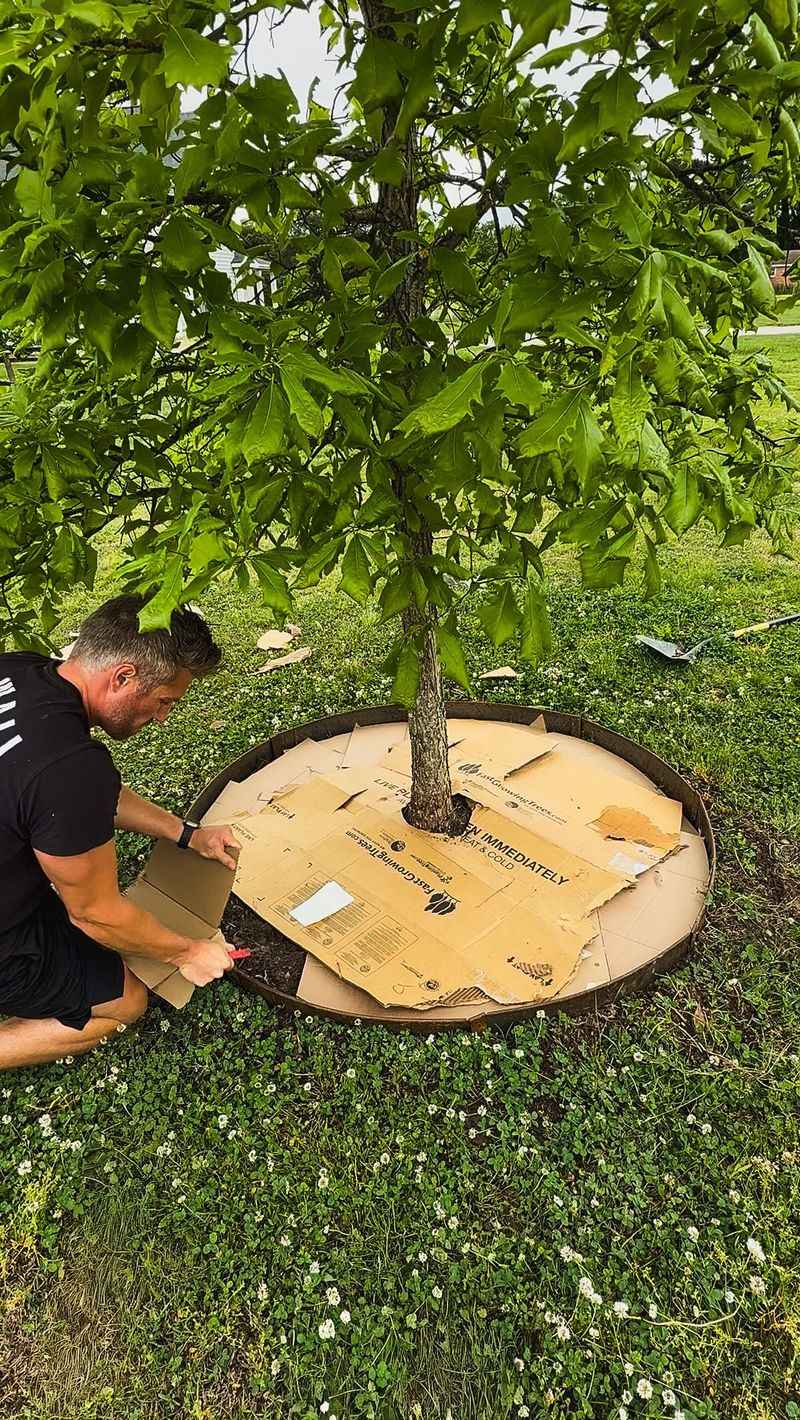
When rain is absent, newly planted trees may need water twice a week, particularly during summer heat. Apply 2 to 3 inches of organic mulch over the root zone to hold moisture and moderate soil temperature, but keep that mulch at least 6 inches back from the trunk to prevent rot and rodent damage.
Timing the planting well gives the tree a head start. NC State Extension’s seasonal planting guidance supports fall as a generally favorable window in North Carolina because roots can establish while the tree is not under pressure to push new growth.
Spring works too, but summer planting in the Piedmont or Coastal Plain adds heat stress on top of establishment stress. Finally, protect the pollinators you are planting for: NC’s Agricultural Chemicals Manual identifies insecticides as the pesticide class most likely to harm bees and advises checking product labels for pollinator toxicity.
Avoid applying any insecticide to blooming plants while bees and other pollinators are actively foraging.
Choose one anchor tree, then add the succession it cannot provide
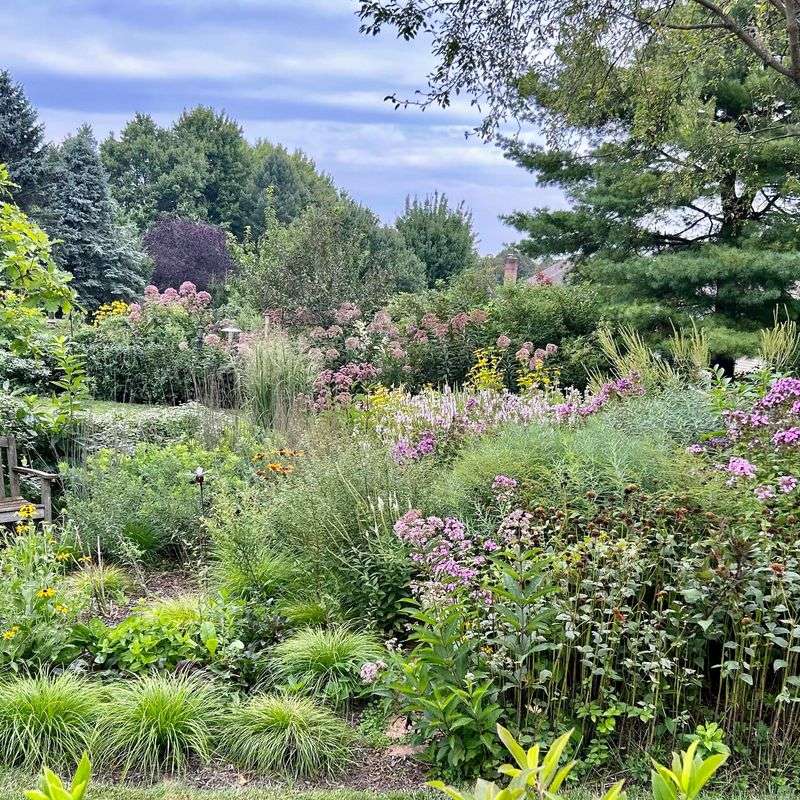
For a North Carolina property with room to spare, good drainage, and no overhead utilities in the way, tulip poplar is a reasonable anchor tree. Its May-to-early-June flowers bring in bees, butterflies, and hummingbirds, and its foliage hosts Eastern tiger swallowtail and other caterpillars through the growing season.
Those are genuine contributions, documented by NC State’s plant profile, not marketing claims.
Smaller or more constrained sites point toward sourwood as an understory option, but only when the soil is acidic and well-drained and the scale fits. Neither tree alone covers the full season.
Real spring-through-fall pollinator support, the kind that NC State recommends with at least three species blooming in each season, comes from a layered planting where multiple native species hand off resources as each one finishes.
NC State’s pollinator habitat guidance makes the goal clear: aim for bloom coverage from March through November, using varied flower shapes and sizes to serve a range of pollinator species. The anchor tree earns its place not by doing everything, but by doing its part well while the plants around it cover the gaps.
Get the site right, plant at the correct depth, water through establishment, skip the insecticides on flowering plants, and the habitat you build will outlast any single season.