
North Carolina County Plant Bans Are Spreading, And Here’s Which Yard Plants Are On The List Now
Stories about North Carolina counties banning common yard plants have been spreading online, and plenty of homeowners are wondering whether their privet hedge or English ivy groundcover is suddenly illegal. The real picture is more complicated and, for most people, less alarming than the headlines suggest.
Local governments across the state do publish invasive-plant lists and restrictions, but those rules often target new development landscaping, permit applications, or town-owned property rather than requiring every homeowner to rip out established plants. Knowing exactly which rule applies to your yard puts you in a much better position than acting on a social-media list alone.
The headline needs a legal reality check
Scroll through any North Carolina gardening group and you will find posts warning that counties are banning common yard plants left and right. The alarm is understandable, but the actual evidence points to something narrower: a scattered collection of local planting rules and guidance documents, each with its own scope, not a documented wave of county-wide bans forcing homeowners to remove every plant on a list.
Most of the examples that surface in these conversations regulate a specific situation rather than your backyard as a whole. Carrboro’s invasive-plant appendix applies when plants are used to satisfy shading and screening requirements or when they appear on a land-use-permit plan.
Cary’s prohibited planting list helps residents identify invasive plants, but the document does not establish that every item on it is citywide banned from existing private yards. These are meaningful distinctions.
At the state level, North Carolina maintains a formal Noxious Weeds list administered by the Department of Agriculture and Consumer Services. That list and a local landscaping standard are two separate legal instruments.
A plant can appear on a county guidance document without appearing on the state noxious-weeds registry, and vice versa.
The practical takeaway is that you need to know which rule governs your property before you act. A list that applies to a developer submitting a landscape plan may have no bearing on the magnolia you planted five years ago.
This guide will walk through what local documents actually say, which plant names keep appearing, how removal works safely, and how to choose replacements that fit your site and stay within applicable rules.
Local rules usually target a planting situation
Four local documents come up repeatedly when people talk about North Carolina plant bans, and each one governs a narrower situation than the headlines imply. Understanding what each document actually covers is the fastest way to figure out whether it touches your yard at all.
Chatham County’s “Invasive Plants – Do Not Use” PDF is explicitly labeled DRAFT and draws from the NC Invasive Plant Council’s Piedmont list. It appears to inform the county’s appearance and landscaping framework rather than serve as an enacted ordinance requiring immediate homeowner action.
Because it is a draft, it should not be treated as current enforceable law without checking Chatham’s adopted code directly.
Cary’s native-plant guidance includes a prohibited planting list naming privet, English ivy, nandina, burning bush, Bradford pear, periwinkle, and non-native honeysuckle. The document also encourages residents to use the list to identify invasive plants in their own yards, which is valuable ecological guidance.
Whether every item on that list constitutes a citywide prohibition on established private-yard plantings is not clearly established by the document alone.
Carrboro’s Appendix E prohibits listed invasive plants specifically when they are used to satisfy shading and screening provisions or when they appear on land-use-permit plans. That is a targeted restriction on how permits are satisfied, not a blanket removal order across all residential lots.
Pittsboro’s 2026 amendment document describes invasive plants as prohibited for plantings governed by its development ordinance, but the document contains a blank adoption date and appears to be a proposed ordinance. Verify its status against the town’s current code before treating it as enacted law.
Before assuming any of these documents applies to your yard, run through this checklist: Which ordinance section and zoning district apply to your property? Does the rule govern new required plantings, permit submissions, or existing plants?
Are plants that were already established before the ordinance grandfathered? Does a development landscape plan cover your lot?
And are there separate HOA covenants that go further than the municipal rule?
The names appearing on North Carolina invasive-plant lists
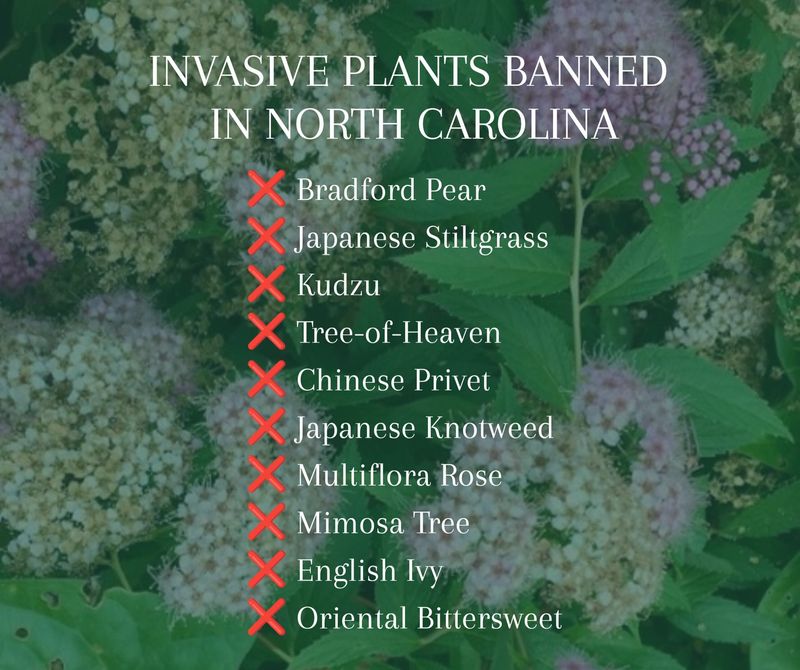
Readers want to know which plants keep showing up on these lists, and that is a fair question. The names below appear repeatedly across state, local, and ecological sources in North Carolina.
Being flagged on one of those lists does not automatically make a plant illegal in your private yard, but it does mean the plant has documented ecological concerns worth taking seriously.
Vines are well represented. NC State Extension’s native-plants handbook and related sources consistently identify English ivy, Japanese honeysuckle, Asian wisterias (both Japanese and Chinese), kudzu, and porcelain berry as invasive vines that spread aggressively in North Carolina landscapes.
Each of these can escape cultivated areas and overwhelm native vegetation.
Shrubs and small trees form a long second category. Chinese and Japanese privet, autumn olive, burning bush, nandina, mimosa, and Bradford or Callery pear appear on local lists, the NC Native Plant Society’s rankings, and multiple municipal documents.
Golden bamboo and running bamboo types, Chinese silvergrass, and Japanese stilt grass round out the grasses and grass-like plants that draw repeated concern.
The state noxious-weeds list is a separate legal instrument and should not be merged with local or ecological guidance. The NCDA&CS noxious-weeds registry currently includes bushkiller, Canada thistle, mile-a-minute weed, puncturevine, beach vitex, and Oriental bittersweet.
State noxious-weed status carries regulatory weight that a plant’s appearance on a local landscaping list does not automatically carry.
The NC Native Plant Society’s 2023 invasive plant list ranks species by threat level, separating severe threats from other invasive plants and watch-list species. That ranking is an ecological assessment tool, not a legal prohibition.
Knowing whether a plant sits in the severe-threat tier or the watch-list tier can help you prioritize removal, but it does not tell you whether your municipality requires action.
Risk changes with your part of the state
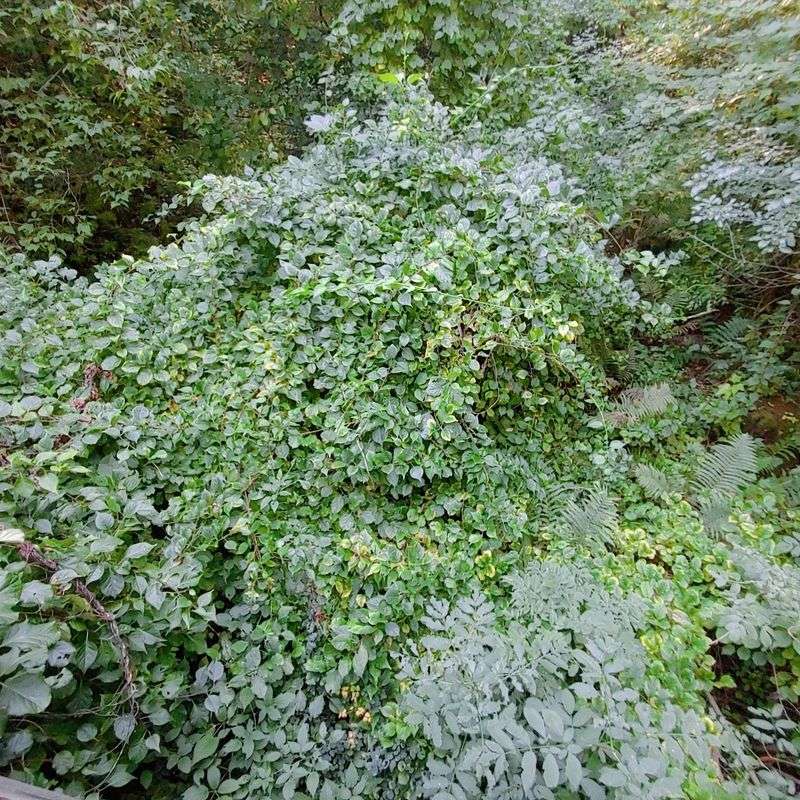
Geography matters more than most plant lists acknowledge. A species that tears through forests in the western mountains may behave very differently on the sandy soils of the Coastal Plain, and treating every invasive warning as equally urgent across all of North Carolina leads to misplaced effort.
Oriental bittersweet is the clearest example. NC State Extension notes that Oriental bittersweet is particularly problematic in the Blue Ridge region but is less of a concern on the Coastal Plain.
A homeowner in Asheville and a homeowner in New Bern face genuinely different situations with the same plant, yet both might read the same statewide list and assume equal urgency.
The NC Native Plant Society’s invasive species rankings take regional distribution into account when assigning threat levels, which makes that list more useful than a flat statewide prohibition for understanding local risk. Still, even those rankings are ecological guidance rather than legal mandates, and site conditions within a region can vary considerably.
Practical steps follow from this regional reality. Before deciding how aggressively to remove a plant, find out how it behaves in your specific county and landscape type.
Your local NC Cooperative Extension office can tell you which invasives are actively spreading in your area and which are present but not causing significant documented harm at your site’s elevation, moisture level, and soil type. Matching the urgency of your response to the actual local risk is more effective than treating every list item as an emergency regardless of where you live.
Choose site-appropriate replacements instead of guaranteed fixes
Swapping an invasive plant for a native one is a worthwhile goal, but the swap only works if the replacement fits the specific conditions of your yard. Light levels, soil moisture, mature plant size, regional climate, and any applicable landscaping rules all need to match before you put a plant in the ground.
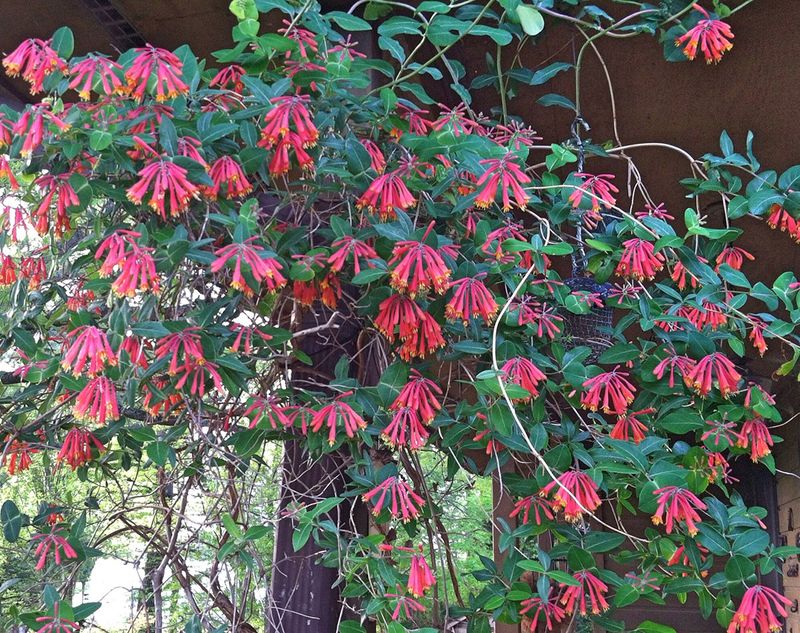
The NC Native Plant Society’s invasives-and-replacements flyer pairs common invasives with potential native alternatives. For English ivy, coral honeysuckle or Virginia creeper can serve as groundcover or climbing vines in sites where those species suit the light and moisture conditions.
Asian wisterias (Japanese and Chinese) can be replaced with American wisteria, which is native and less aggressive, though it still needs a sturdy support structure and regular pruning to stay manageable.
Japanese honeysuckle pairs well with coral honeysuckle or Carolina jessamine as a native vine alternative. Chinese silvergrass, which spreads readily along roadsides and disturbed areas, can be replaced with pink muhly grass, switchgrass, little bluestem, or Indiangrass.
Each of those native grasses has different moisture and sun requirements, so check the NC State Extension Plant Toolbox for the profile that matches your site before purchasing.
Burning bush and autumn olive can be replaced by a range of native shrubs depending on your region and yard conditions. Chokeberry, American beautyberry, sweetshrub, witch-hazel, inkberry, winterberry, Virginia sweetspire, and possumhaw are all worth considering.
Each has different preferences for sun, moisture, and mature spread, and none should be treated as a plug-and-play substitute without checking the match.
For ground-cover situations, NC State Extension recommends native options including pussytoes, Pennsylvania sedge, green-and-gold, and partridgeberry. Golden bamboo is harder to replace directly because it serves a specific screening function; native grasses such as switchgrass can fill some of that role.
Clumping hedge bamboo is sometimes mentioned as a less-spreading alternative to running types, but it is a non-native option, not a native replacement, and local rules may still apply to it.
Native plants support local ecosystems and can improve habitat quality, but they are not maintenance-free, universally suitable, or automatically permitted in every setting. Confirm that your chosen replacement meets any height, setback, buffer, or landscaping-plan requirements that apply to your property before planting.
Confirm the plant before you reach for tools
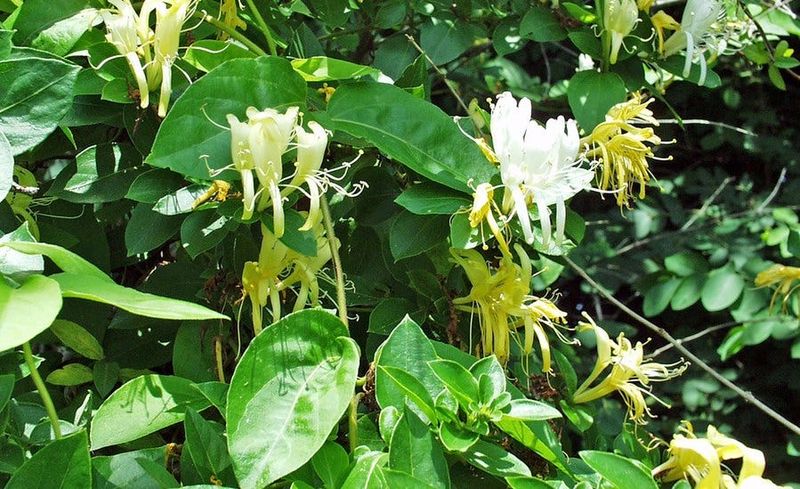
Getting the identification right before removing anything is not optional. Several invasive species have native relatives that look nearly identical, and destroying the wrong plant wastes effort at best and harms your yard’s ecology at worst.
Japanese honeysuckle is a good example of why this matters. NC State Extension’s weeds handbook points out that Japanese honeysuckle can be confused with native Carolina jessamine and native coral honeysuckle.
If you have an unidentified twining vine and you are not certain which species you are looking at, take a sample to your local Cooperative Extension office before applying any chemical treatment.
The NC State Extension Plant Toolbox is a free online resource that lets you search by common name, scientific name, or plant characteristics to confirm an identification. Using scientific names reduces confusion significantly because many invasive plants share common names with unrelated native species.
Cultivar and hybrid status also matters. Some cultivars of commonly flagged plants are treated differently by different organizations.
The NC Native Plant Society cautions that purportedly sterile hybrids may still produce fruit or spread through cross-pollination, so the fact that a plant is sold as a sterile cultivar does not automatically resolve the invasive-spread concern under every local rule. Check the specific cultivar name against the applicable local ordinance or guidance document to see whether it is addressed separately.
Social-media lists circulate quickly and are rarely accurate enough to act on without verification. A post that names a plant by its common name and declares it banned in North Carolina may be describing an ecological guidance list, a draft document, or a rule that applies only to new development landscaping.
Confirm the plant, confirm the rule, and then decide on a course of action.
Use a measured removal plan
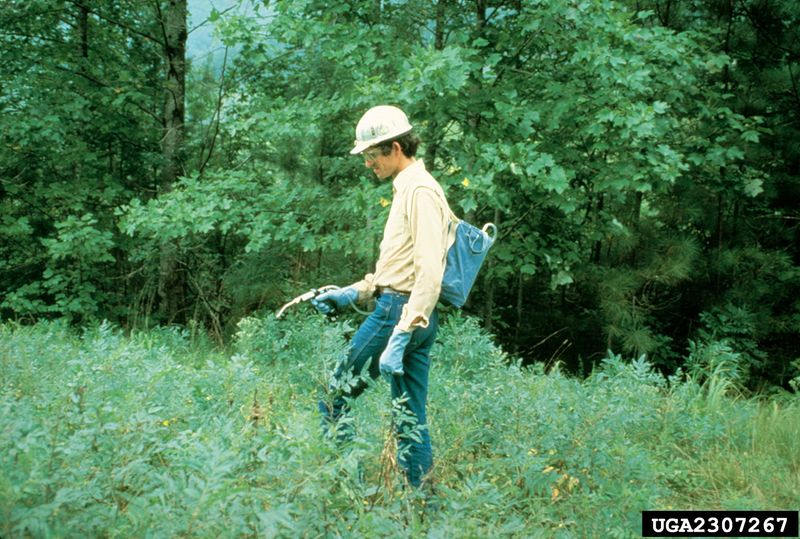
Removal works best when it follows a sequence rather than a single aggressive treatment. Starting with mechanical removal where it is practical keeps chemical exposure low and gives you better control over which plants are affected.
English ivy illustrates why follow-up is essential. The US Forest Service’s English ivy species review confirms that cut stems can resprout, meaning a single removal session is rarely the end of the job.
Plan to revisit the area repeatedly over at least one full growing season, pulling or cutting new growth before it has a chance to re-establish. Bag and dispose of plant material rather than composting it, since some invasive plants can root from stem fragments.
Kudzu requires even more patience. NC State Extension’s weeds guidance notes that kudzu control may take several years of consistent treatment before the root system is exhausted.
Expecting a one-season fix sets up homeowners for frustration and incomplete control.
Herbicides are a legitimate tool for large infestations or plants that resprout aggressively from root systems, but they require care. NC State is clear that no herbicide is safe for all horticultural plants, and nonselective products can injure or kill any green plant tissue they contact, including natives you want to keep.
Product choice, application timing, weather conditions, placement relative to desirable plants, and proximity to ponds, wells, and storm drains all affect outcomes.
Before applying any herbicide, read the entire product label. The EPA states that the pesticide label is the legal instruction for safe and lawful use.
Wear the protective equipment listed on the label, keep the product in its original container, avoid spraying in wind, and make sure children and pets are away from the treated area until the product has dried or the re-entry interval has passed. If the infestation is large or you are uncertain about identification, a licensed pesticide applicator or your local Extension office can help you develop a safer and more targeted plan.
Check the rule before you replant
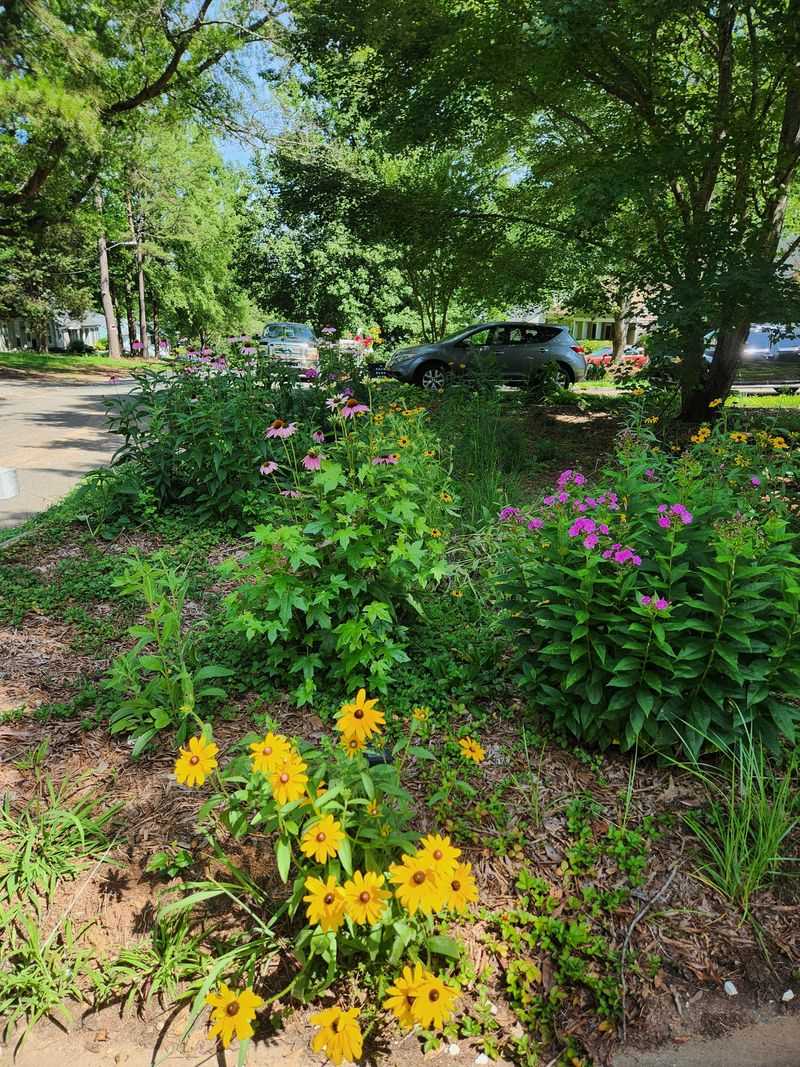
Replacing a flagged plant is not the final step. Putting the wrong replacement in the wrong spot can create a new compliance problem even when your intentions are good, particularly if your property is subject to a development landscape plan, an HOA covenant, or a municipal ordinance with specific screening or buffer requirements.
Start by identifying the governing authority for your property. Is your yard covered by a municipal ordinance, a county code, an HOA agreement, or some combination?
Cary’s planting guidance and Carrboro’s screening appendix both illustrate how a single municipality can have multiple documents that apply to different situations. Read the specific section that applies to your zoning district and your type of planting, not just the document title.
Next, determine whether the rule regulates existing plants or only new and required landscaping. Many of the documents reviewed address permit submissions and development plans, not established private-yard plants.
If your plants were in place before a restriction was adopted, check whether a grandfathering provision applies.
HOA rules operate separately from government ordinances and can be more restrictive. Your HOA may prohibit a plant that the county does not regulate, or it may require specific screening heights that limit which native replacements are tall enough to qualify.
Read your HOA covenants as a separate step, not as a substitute for checking the municipal code.
Once you know the applicable rule, select a replacement that fits both your site conditions and the legal requirements. The NC Native Plant Society’s recommended native species list is a useful starting point, but confirm that the mature height, spread, and maintenance needs of your chosen plant satisfy any height, sightline, setback, or buffer requirements in the applicable rule.
A native plant is not automatically compliant in every setting. Check the current adopted code rather than a draft or proposed document when making that determination.
Use the right list for the right decision
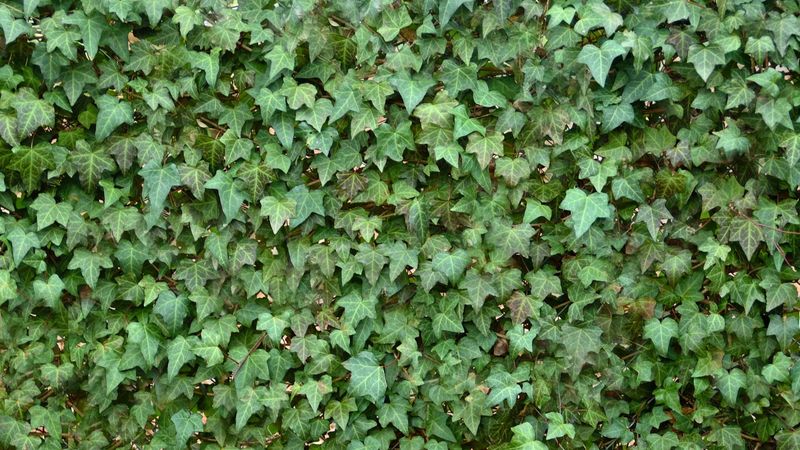
Three types of documents are circulating in conversations about North Carolina plant bans, and they serve three different purposes. The state noxious-weeds list is a regulatory instrument with legal force.
Local planting lists from towns and counties may govern new development, permit applications, or screening requirements, but their scope varies and some are still in draft form. Ecological rankings from organizations like the NC Native Plant Society are guidance tools for understanding environmental impact, not enforceable law.
Knowing which type of document you are reading prevents two common mistakes: panicking over a draft guidance list that does not require immediate action, and ignoring an actual ordinance provision that does apply to your property. Neither extreme serves you well.
NC State Extension’s native-plant resources can help you move from identification to thoughtful action without treating every flagged plant as an emergency. Verify the controlling rule, confirm the plant’s identity, choose a suitable and site-appropriate alternative, and manage removal carefully with realistic expectations about follow-up.
A yard that replaces aggressive invasives with well-matched natives becomes a more resilient piece of the local landscape, one plant at a time.