
The North Carolina Native Perennial You Plant Once That Blooms From Spring Through Fall In Full Sun
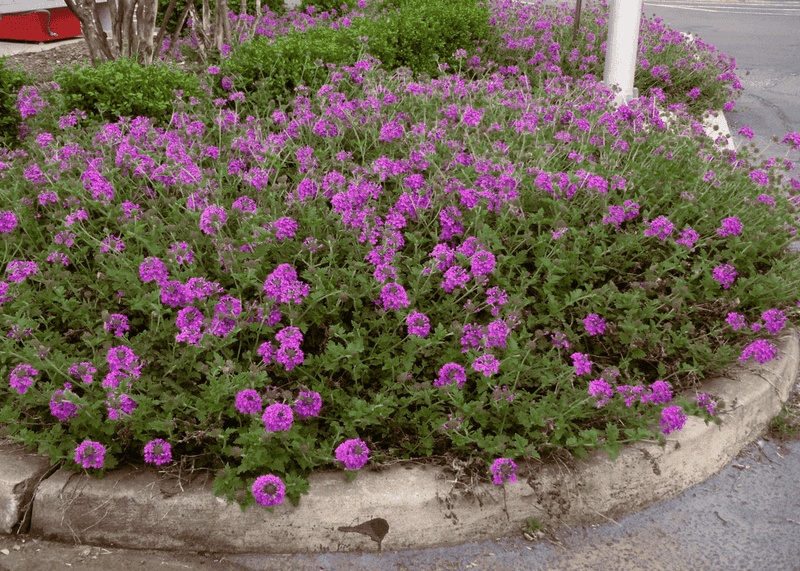
Most Piedmont gardeners spend money every spring on annual flowers that die before fall, then repeat the whole routine the following year. Rose vervain, a North Carolina-native perennial, offers a different path: one planting that can carry color from roughly April through September without an automatic annual restart.
Known scientifically as Verbena canadensis, this low, spreading plant is built for the kind of hot, sunny, sometimes bone-dry border that burns through petunias and impatiens in a matter of weeks. Understanding what it can and cannot do honestly is the first step toward getting real value from it.
Rose vervain offers a credible native alternative to annual color
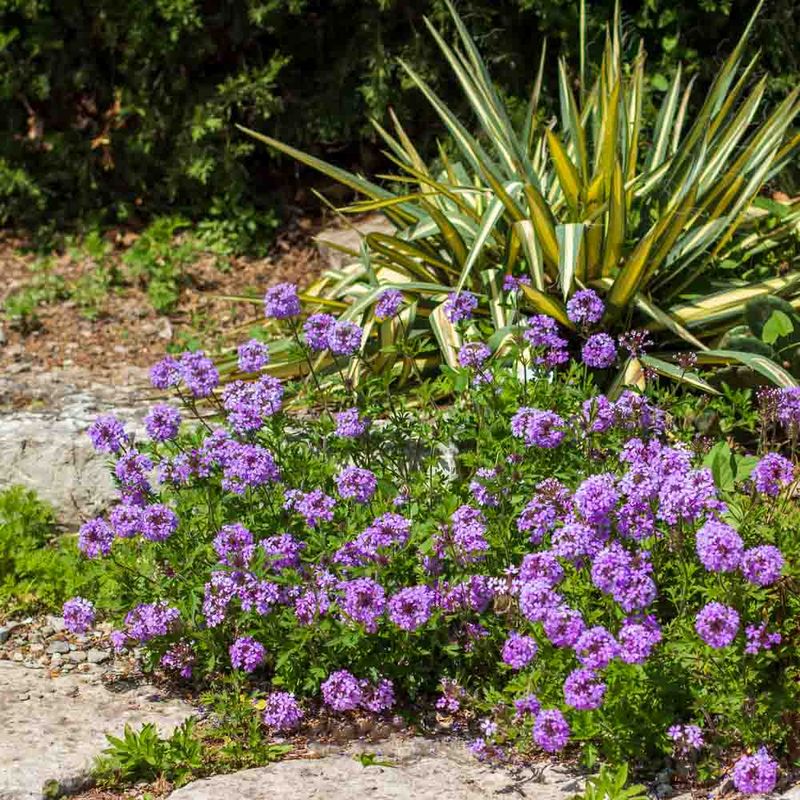
Walk through any Piedmont garden center in April and you will find flat after flat of impatiens, petunias, and vinca – all annuals that need to be replaced the moment the season ends. Rose vervain takes a different position on that shelf.
Sold under common names including rose verbena and clump verbena, NC State Extension identifies Verbena canadensis as a North Carolina-native herbaceous perennial whose flowers can appear from spring through fall, making it a well-supported option for a sunny border without automatic annual replanting.
The plant’s native status matters for a practical reason: it evolved here. Its ancestors grew in North Carolina’s dry, sunny spots long before any garden center opened, which means the Piedmont’s summer heat and periodic drought are conditions it recognizes rather than conditions it merely tolerates.
That local adaptation is the core argument for choosing it over a tropical or non-native annual that must be coaxed through every August.
Calling rose vervain a credible alternative is an honest framing, not a superlative one. No single source reviewed ranks it as the strongest or uniquely best native perennial available to North Carolina homeowners.
What the sources do support is that it is a suitable, well-documented option for a full-sun, well-drained site. The comparison with annuals rests on a specific, supportable difference: a planting of rose vervain can potentially return year after year without requiring the gardener to buy and replant on schedule, whereas annual flowers require exactly that cycle by definition.
That difference in planting rhythm – not a claim that annuals are inferior plants – is the honest promise rose vervain makes.
Its three-season bloom has a real North Carolina calendar
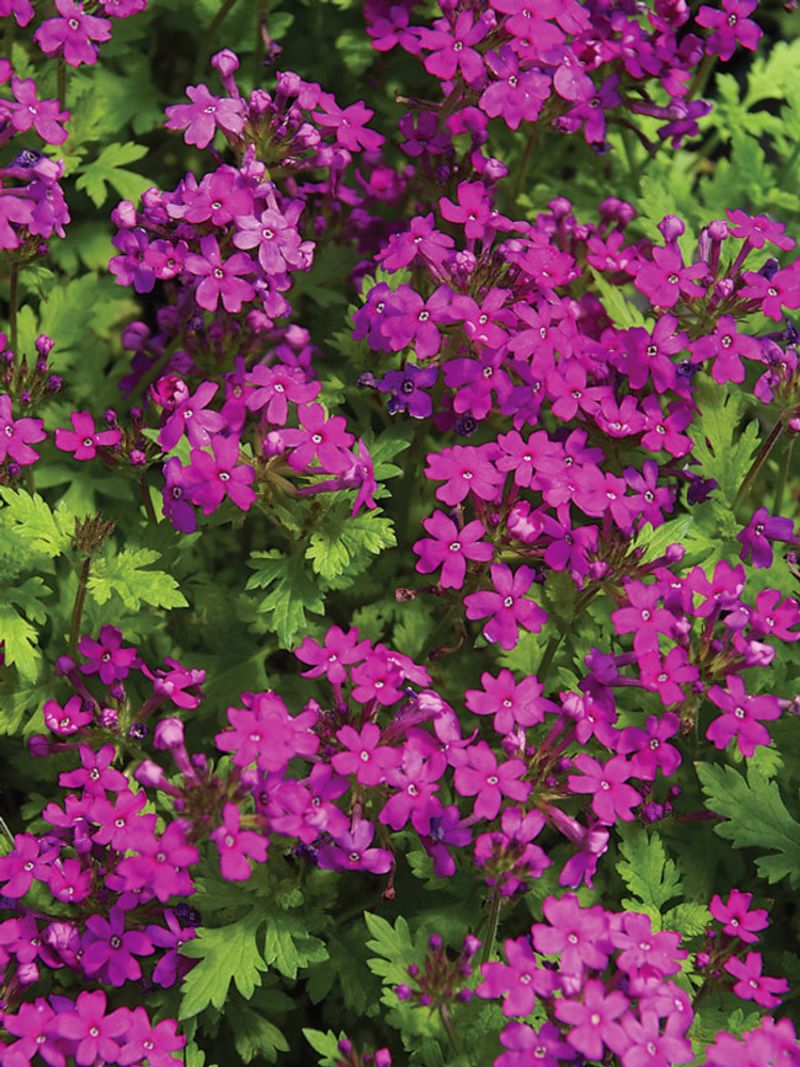
Seasonal color claims for perennials can stretch the truth, so it helps to anchor rose vervain’s flowering window to an actual calendar. NC State Extension describes the bloom period as spring through fall and gives an approximate North Carolina window of April through September.
For Piedmont planning purposes, that translates to roughly five to six months of seasonal color from a single planting – a meaningful contribution to a sunny border that most annuals cannot match without annual reinstallation.
April through September is a range, not a guarantee of a flower on every stem every morning. Flowering intensity will vary across that window.
A mild spring may push blooms to open earlier, while a hard late frost can delay them. A stretch of drought in July, poor drainage, or an aging plant past its prime years can all thin the display during what should be peak months.
Cultivar selection and maintenance practices such as deadheading can also influence how consistently flowers appear.
The honest planning expectation for a Piedmont gardener is this: rose vervain is likely to be in flower during a meaningful portion of the April-to-September window under suitable conditions, with the most reliable color during the cooler ends of that range – spring and early fall – when temperatures are less extreme. Mid-summer flowering continues but may slow during the hottest weeks.
Treating the plant’s bloom period as a seasonal range rather than a nonstop performance keeps expectations realistic and helps gardeners appreciate what they actually get, which is genuine seasonal color from a native plant that does not require replacement at the end of each growing year.
The Piedmont site must deliver sun and drainage
Before buying a single plant, walk your yard and identify where the sun actually falls. Rose vervain needs full sun, which NC State Extension Plant Toolbox defines as at least six hours of direct sunlight daily.
A spot that gets morning light and afternoon shade might look bright, but if it falls short of that six-hour threshold, expect weak flowering and a plant that stretches toward the light rather than spreading into a healthy mound. Bright shade is not a substitute.
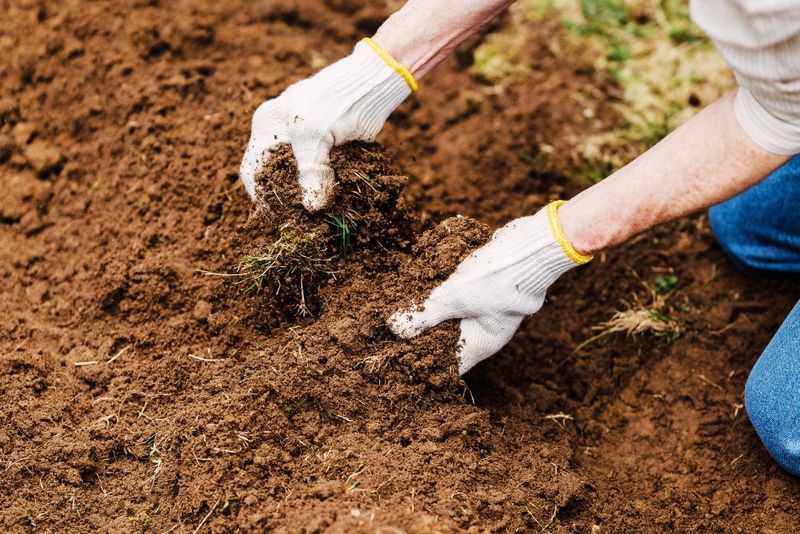
Drainage is the second non-negotiable. NC State lists rose vervain as naturally occurring in dry sites and notes that it performs in clay, loam, sand, and shallow rocky soils – but only when drainage is suitable.
That last clause does a lot of work for Piedmont gardeners, because Piedmont clay is notorious for holding water after rain. A bed that puddles for more than a few hours after a storm is not a good candidate for rose vervain, regardless of how much sun it receives.
Drought tolerance after establishment does not override the need for good drainage during wet periods.
To test your soil’s drainage before planting, dig a hole about a foot deep, fill it with water, and watch how quickly it drains. If water is still standing two to three hours later, that spot needs amendment, raised-bed construction, or a different plant.
For beds where drainage is borderline, consider raising the grade by a few inches with additional topsoil or creating a slightly mounded planting area to encourage runoff away from the root zone.
Once you have confirmed both sun and drainage, rose vervain’s heat and humidity tolerance – well-documented traits for a plant that evolved in the American Southeast – become genuine assets rather than marketing language. A correctly sited plant handles a Piedmont August far better than most annuals.
A poorly drained site cancels that advantage entirely, so choose the location carefully before anything goes in the ground.
Responsible establishment makes the perennial easier later
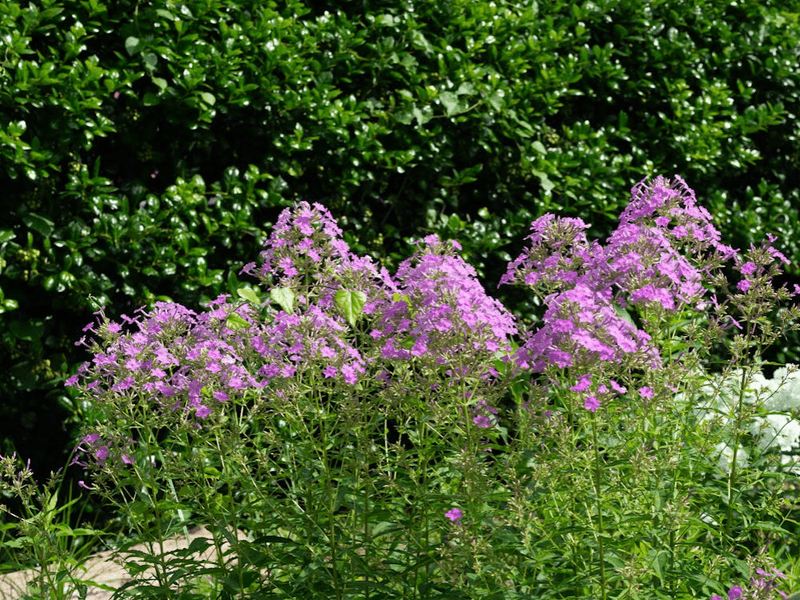
Reduced replanting is a benefit that comes after a responsible first season, not instead of one. Getting rose vervain off to a solid start involves a few deliberate steps that pay dividends for as long as the planting persists.
Timing the planting correctly gives the roots the best chance to settle in before stress arrives. NC State’s general landscape installation guidance identifies fall as the preferred planting season because cooler temperatures reduce heat stress on new transplants and allow root development before summer.
Spring is the next-best option if fall planting is not possible, but a spring-planted rose vervain will face its first Piedmont summer with less established root mass than one planted the previous fall.
Soil preparation matters across the whole planting area, not just the individual hole. NC State recommends testing your soil and addressing compaction throughout the bed rather than simply filling one hole with amended material.
A plant dropped into a well-amended pocket surrounded by compacted clay will hit a wall when its roots try to spread. Loosening the soil and correcting drainage across a wider area gives the plant room to establish naturally.
Water is not optional during establishment, even for a drought-tolerant native. NC State advises keeping newly planted natives well-watered during the first weeks after planting and recommends regular irrigation for roughly the first three months or until the plant is established.
Check the soil moisture an inch or two below the surface and water when it feels dry, rather than on a fixed calendar schedule that ignores actual conditions.
Mulch applied at a 2- to 3-inch depth around the plant helps conserve soil moisture, moderate temperature swings, and suppress competing weeds during that critical first growing period. One important detail: keep the mulch pulled back from the plant’s crown.
Mulch piled against the stem base traps moisture and can encourage rot at exactly the point where the plant is most vulnerable. Once rose vervain has pushed through its first summer with consistent moisture and good drainage, its drought tolerance becomes a genuine low-maintenance trait rather than an aspirational label.
Buy nursery-propagated plants from a reputable native plant nursery or garden center; do not dig specimens from roadsides, natural areas, or public land, where collection can harm wild populations and may violate plant-protection rules.
“Plant once” means return without an annual guarantee
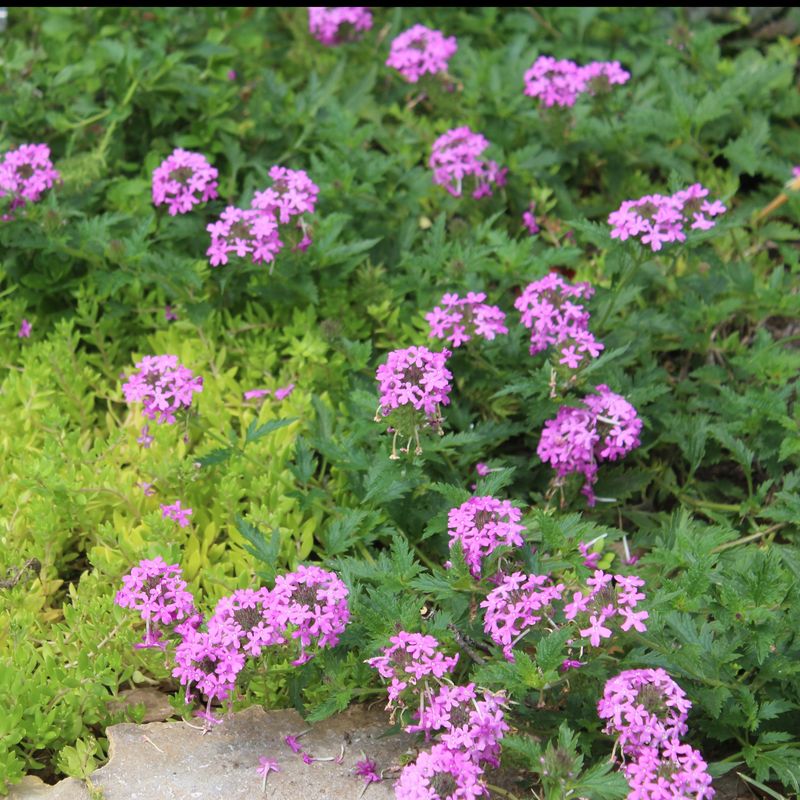
The phrase “plant once” deserves a careful reading before anyone takes it as a promise. Rose vervain is classified as a short-lived perennial, which means an individual plant does not automatically persist for decades the way a well-established coneflower or black-eyed Susan might.
NC State Extension explicitly describes Verbena canadensis as short-lived, and gardeners should plan for the possibility that a plant may decline after a few years rather than remain unchanged indefinitely.
What makes the “plant once” framing defensible rather than misleading is the plant’s ability to renew itself under suitable conditions. Rose vervain can self-seed, producing new plants from seed that falls around the parent.
Its stems can also root at nodes where they contact the soil, creating daughter plants that spread the planting outward without any intervention from the gardener. When those renewal mechanisms work, a planting can persist and even expand over time without the gardener purchasing and replanting on an annual schedule.
The honest version of the promise is this: a rose vervain planting can return year after year and may replenish itself through self-seeding or stem rooting, but no source guarantees that one specific plant will remain unchanged forever. Treat it as a planting that has the capacity to persist rather than a permanent specimen that requires no attention to its long-term health.
Deadheading – removing spent flower clusters – is one optional practice that can help the plant stay compact and attractive during the growing season. Snipping off faded blooms before they set seed can redirect the plant’s energy toward producing new flowers, which may extend the visual display.
It is not a survival requirement; a plant that is never deadheaded will still flower and may actually set more seed for self-renewal. Think of deadheading as a tool for appearance management rather than a mandatory maintenance step, and use it when the plant starts to look ragged rather than on a fixed schedule.
Its spreading shape belongs at the front of the planting
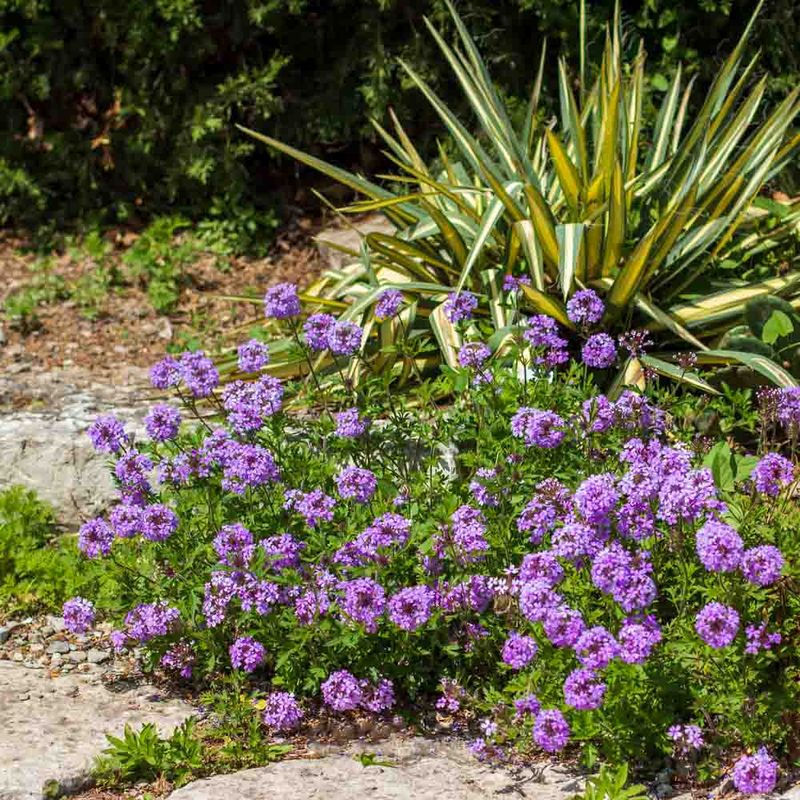
Expecting rose vervain to behave like an upright, tidy accent plant is a setup for disappointment. NC State Extension describes the plant’s typical height as roughly 8 to 18 inches and its spread as 1 to 2 feet, with a low, decumbent habit that sends stems outward rather than upward.
That shape makes it genuinely useful in specific spots and genuinely awkward in others.
At the front of a sunny border, rose vervain’s spreading habit works in its favor. Its low profile does not block taller plants behind it, and the flowers sit right at eye level when you are standing near the bed.
Rock gardens suit it well for the same reason – the plant can spill naturally over stones or the edge of a raised area without looking out of place. As a ground cover in a dry, sunny strip where grass struggles, it can fill in over time and provide color that turf never would.
Plan for stems that may extend beyond the footprint you initially assigned. A plant placed at the edge of a path may eventually send stems across the pavement or into adjacent soil.
That is not a failure of the plant; it is the natural expression of its spreading habit. Gardeners who want precise edges will need to redirect or trim stems periodically.
Those who give it room to move will find it fills space attractively without much intervention.
On the wildlife side, rose vervain’s flowers attract butterflies, hummingbirds, and other pollinators, and birds may use the fruit. Those associations come from NC State’s plant profile and represent genuine value for a wildlife-friendly yard, not a measured guarantee of increased pollinator abundance compared to annuals.
Placing the plant where you can observe it from a porch or window turns its wildlife value from a footnote into a daily benefit.
Verify the species before you buy
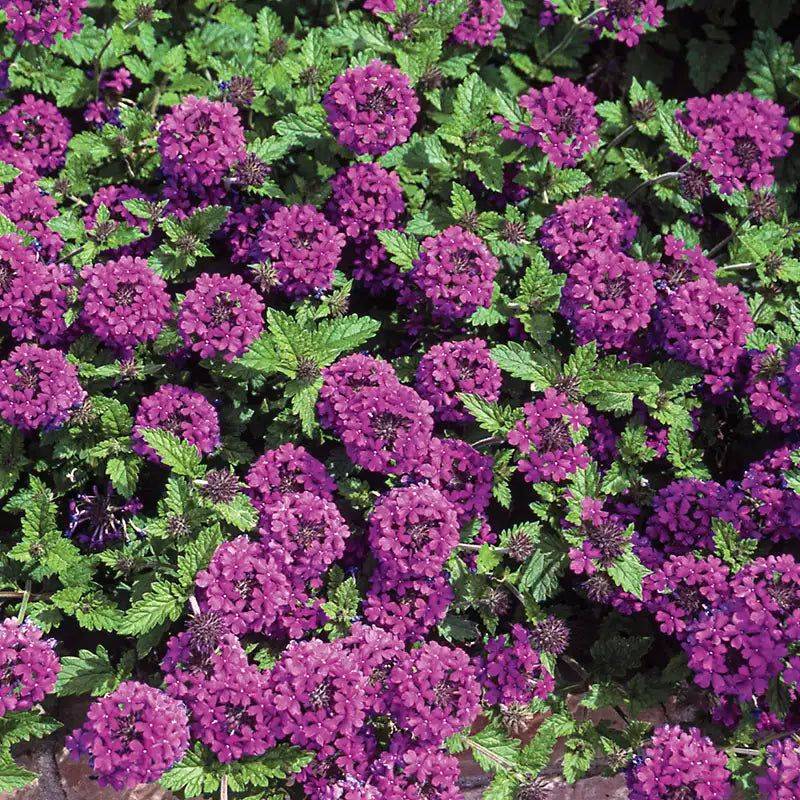
A label that says “verbena” at a big-box garden center is not the same thing as Verbena canadensis. The verbena category at most retail nurseries includes tropical annuals, hybrid cultivars bred for container performance, and non-native species that share a genus name but not a North Carolina native heritage.
Buying the wrong plant is an easy mistake to make, and it happens most often when shoppers focus on flower color rather than the scientific name on the tag.
NC State Extension notes that cultivars and hybrids of Verbena canadensis exist and that the straight species may be difficult to find. When you can locate the straight species, it is generally the safer choice for wildlife value, because cultivar effects on pollinators can vary with changes in flower form, color, and nectar accessibility.
Peer-reviewed research on native cultivars and pollinator visitation confirms that not all cultivars perform identically to the straight species, which is reason enough to verify what you are buying rather than assuming any plant labeled “rose verbena” carries the same wildlife value.
Lemon verbena is a separate plant entirely. Its scientific name is Aloysia citriodora, sometimes listed as Aloysia triphylla.
The ASPCA lists lemon verbena as a distinct species with its own profile, and any claims made about lemon verbena – whether about fragrance, culinary use, or pet safety – do not transfer to rose vervain. They are different plants that happen to share part of a common name.
On the broader question of annuals versus perennials, rose vervain’s honest advantages are native status, the potential to return without annual replanting, and documented pollinator value. NC State acknowledges that native plants are not necessarily superior from a purely ornamental design standpoint, and annuals may offer colors or display qualities that rose vervain cannot match.
One perennial also cannot replace a diverse planting. NC State recommends selecting multiple species that provide flowers, fruits, seeds, and habitat across the full year – rose vervain contributes to that mix without completing it on its own.
Rose vervain works when the site and expectations fit
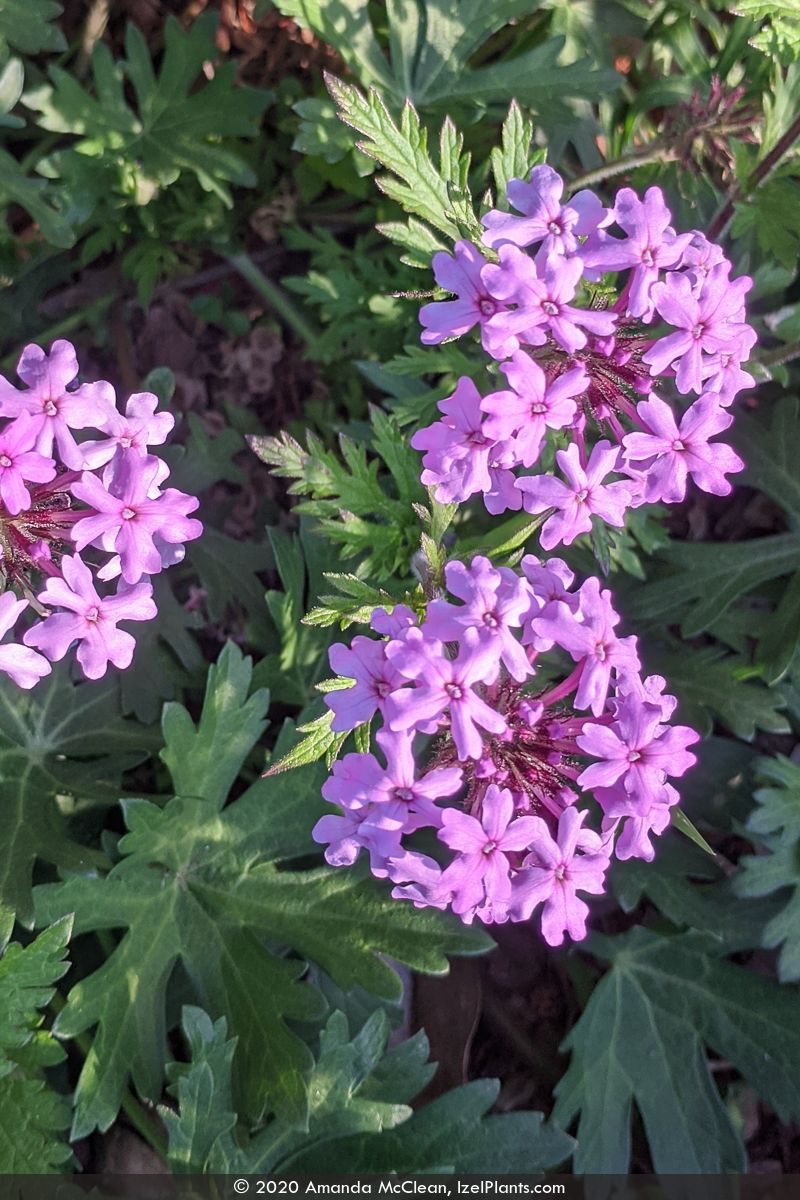
Choosing rose vervain comes down to a simple site-and-expectation checklist. If your yard offers a full-sun location with at least six hours of direct sunlight daily, soil that drains reliably rather than holding water after rain, and enough room for a low, spreading plant to move outward over time, rose vervain is a well-supported candidate.
NC State Extension confirms its April-through-September North Carolina bloom window, its heat and drought tolerance after establishment, and its native status – all of which make it a reasonable fit for the kind of hot, sunny Piedmont border that wears out annuals quickly.
The conditions that make the promise credible are the same ones worth repeating one final time as a practical checklist: water the plant consistently through its first three months, confirm drainage before planting rather than after the first heavy rain, give it room to spread at the front of a border or in a ground-cover role, and accept that it is a short-lived perennial that may self-seed or root at stem nodes to renew the planting rather than persist as a single unchanging specimen. NC State’s native plants guidance reinforces that a diverse mix of species – not a single plant – is what sustains a yard’s wildlife value across the full year.
Rose vervain is most useful as one reliable piece of a larger, seasonally layered landscape. A Piedmont gardener who places it correctly, waters it through establishment, and pairs it with other natives filling different niches will find it reduces the annual color cycle while contributing genuine native-plant value – a modest promise that the plant, given the right site, is well-equipped to keep.