
What It Really Means When Fireflies Fill Your North Carolina Yard On Summer Nights
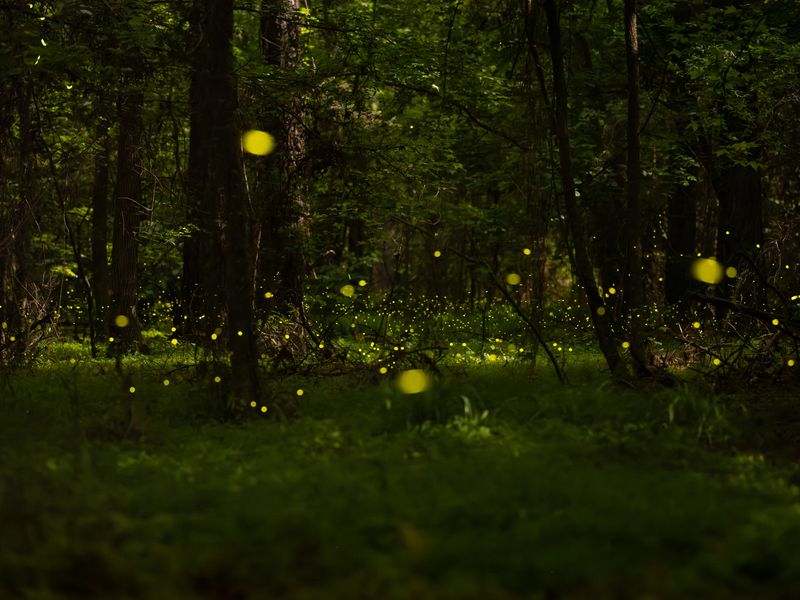
Stepping outside on a warm June evening to find your yard blinking with fireflies is one of those genuinely good moments in a North Carolina summer. But what does that light show actually say about your yard?
The answer is more nuanced than most people expect, and understanding it can help you protect what the fireflies are already using without accidentally making things worse.
A Big Display Signals Usable Habitat, Not a Perfect Yard
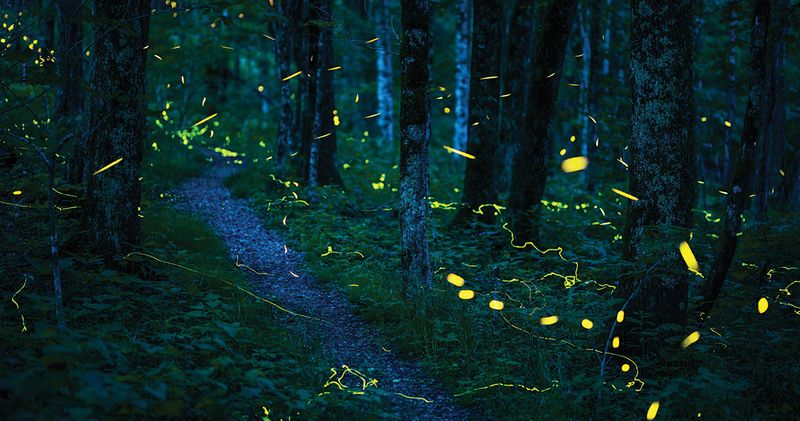
Counting fireflies on a warm summer night feels like receiving a compliment from your yard. A large display, the kind where you lose count, carries more ecological meaning than spotting one or two beetles drifting past the porch.
Still, even a spectacular show is better understood as an encouraging habitat clue than as a formal assessment of your property’s condition.
What a sizable display most reasonably signals is that some usable combination of moisture, ground-level shelter, leaf litter, prey, vegetation, and relatively dark nights exists somewhere within or near your property. Firefly Atlas life history research confirms that larvae commonly live in or near soil, duff, leaf litter, moss, or rotting wood, and that moisture supports one or more life stages.
Those are the conditions worth noticing and protecting.
One important detail to keep in mind: fireflies move. They cross yard lines, emerge from drainage corridors, travel from wooded lots, and wander through from neighboring wetlands.
A homeowner might see dozens of fireflies because of habitat that exists largely outside their own fence line, even if the yard itself is heavily managed. Citizen science abundance research underscores how much surrounding landscape context shapes the numbers visible on any given evening.
What the display cannot tell you is whether your soil is broadly healthy, your property is pesticide-free, or every ecological condition is ideal. NC State Extension’s firefly guidance and Xerces Society firefly resources both treat fireflies as habitat-sensitive insects rather than comprehensive ecological scorecards.
Resist the temptation to read a bright yard as a clean bill of health. Read it instead as a reason to look more carefully at what conditions you already have, and to protect them thoughtfully.
Moisture and Leaf Litter Support the Firefly Life Cycle
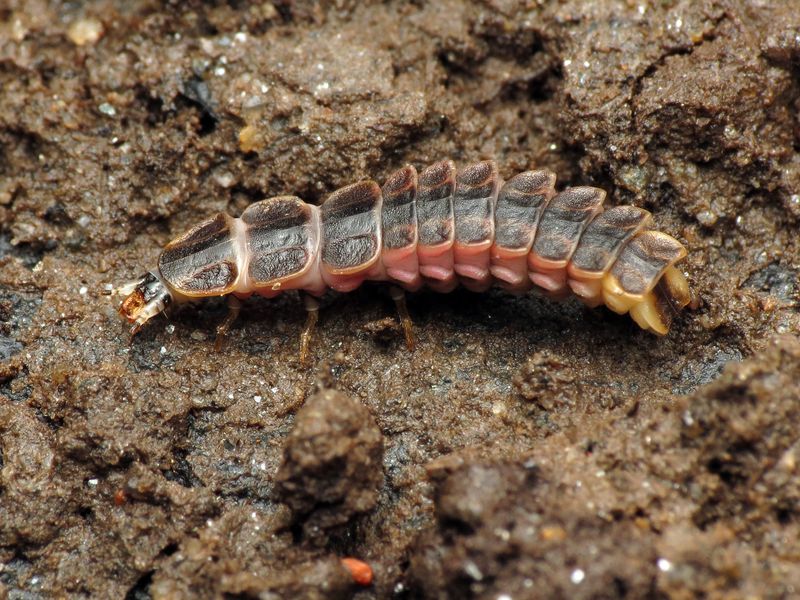
The most meaningful habitat clues in a firefly-friendly yard often sit at ground level, well below the blinking adults that catch your eye after dark. Larvae are where the real story begins, and Firefly Atlas life history documentation explains that larvae commonly live in or near soil, duff, leaf litter, moss, or rotting wood during the longest phase of their lives, which can last one to two years before they ever produce a single flash.
Moisture matters throughout this period. Many species depend on damp conditions to survive and hunt, and a naturally moist woodland edge, a low-lying border, or even a shaded corner of a residential yard can provide exactly what larvae need.
Leaf litter does double duty here: it holds moisture, provides physical cover, and supports the snails, slugs, and other small invertebrates that firefly larvae prey on. NC State Extension recommends leaving natural areas with leaf litter and vegetation and avoiding unnecessary foot traffic in those zones.
Suitable dampness, though, is not the same as permanently wet soil or a yard kept soggy through daily irrigation. Fireflies occur across a wide range of habitats, from wetlands and stream corridors to open meadows and residential edges, and their moisture requirements vary by species.
The goal is to preserve naturally damp conditions where they already exist, not to manufacture artificial wetness across the whole lawn.
Downed wood is worth keeping in the mix as well. Rotting logs and stumps extend the habitat value of a leaf-litter zone by providing additional cover and microhabitats for the invertebrates that larvae hunt.
NC State News firefly coverage reinforces that undisturbed ground-level habitat is one of the most direct ways a homeowner can support the beetles they hope to see flashing overhead each summer.
Darkness Is Part of the Habitat
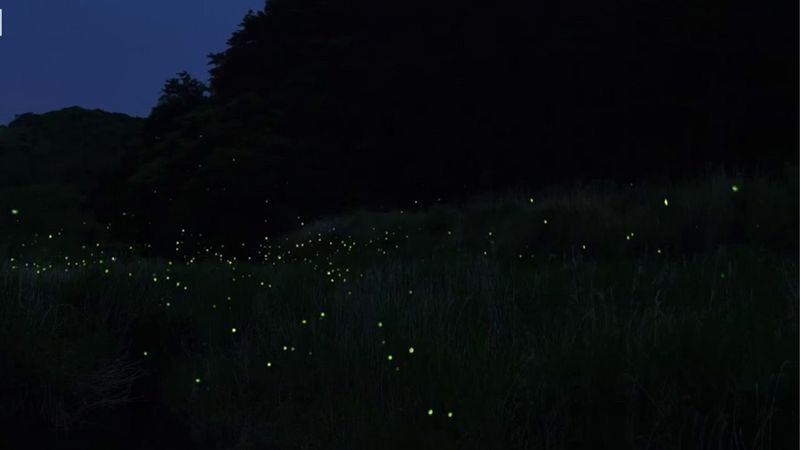
Habitat for fireflies does not stop at the soil surface or the vegetation line. What happens after sunset matters just as much as what grows in the yard, because many nocturnal species rely on precise light signals to find mates, and unwanted brightness can disrupt that communication before it even begins.
Porch lights, flood lights, landscape spotlights, pool lights, and pathway fixtures that shine toward vegetation or wooded edges are the most common sources of interference for residential yards. Xerces Society firefly-friendly lighting guidance explains that artificial light can mask or overwhelm the flashes and glows that fireflies use to locate one another, reducing mating success even when larval habitat remains intact.
The practical response is straightforward: turn off lights that are not serving a genuine safety or security purpose, and shield fixtures that need to stay on so they point downward rather than outward into vegetation.
It is worth noting that not every North Carolina firefly communicates through the familiar blinking pattern. Some species glow continuously rather than flash, and others are active during daylight hours or have flightless females that never produce the aerial display most homeowners recognize.
Firefly Atlas species information documents this diversity and is a useful reminder that darkness protects a wider range of beetles than just the ones you can watch from a lawn chair.
Reducing outdoor light is one of the lower-effort changes a homeowner can make, and its benefit extends beyond fireflies to moths, bats, and other nocturnal wildlife. Darkness alone cannot create firefly habitat where moisture and litter are absent, but in a yard that already supports larvae, protecting the night sky can meaningfully improve the chances that adults find each other and reproduce successfully.
Pesticide Exposure Cannot Be Read From a Flashing Lawn
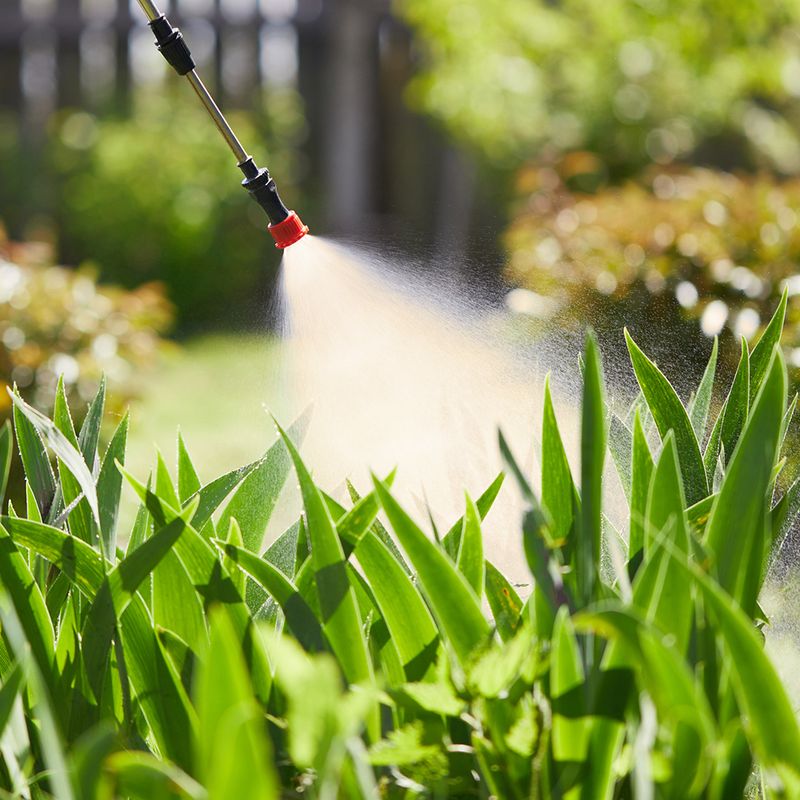
One of the most common assumptions about a firefly-filled yard is that it must be pesticide-free. That conclusion feels logical, but it is not reliable.
Fireflies can appear in yards where pesticides are used nearby, and their absence from a yard does not automatically mean someone treated it. Habitat loss, light pollution, drought, weather, and species-specific timing can all reduce visible numbers without a single chemical being applied.
Exposure pathways are more varied than most homeowners realize. Pesticides can reach firefly habitat through spray drift from neighboring properties, runoff that carries residues into moist soil and leaf litter, contamination that persists in the ground from earlier applications, or through the prey that larvae eat.
A larva consuming a contaminated snail faces a very different exposure than an adult flying through a freshly treated lawn, and neither scenario is visible to someone watching from the back porch.
Research has found real cause for concern about certain insecticides. A peer-reviewed study on clothianidin toxicity in common Eastern fireflies documented harmful effects under laboratory conditions, and research on imidacloprid exposure in fireflies found physiological disruption as well.
These findings support caution around neonicotinoids and broad-spectrum insecticides near firefly habitat, even if they do not fully predict what happens across every yard and every species in field conditions.
The Xerces Society’s pesticide guidance for fireflies and their home factsheet on protecting fireflies from pesticides both emphasize particular concern about insecticides and residential mosquito-misting systems near habitat. The responsible approach is to identify the pest accurately, exhaust integrated pest management options first, and choose the least disruptive labeled product when treatment is genuinely necessary.
Following the current EPA pesticide label guidance exactly, including timing, rate, and buffer recommendations, reduces exposure for fireflies and other non-target insects.
One distinction worth keeping clear: insecticides are not the same as fertilizers, herbicides, fungicides, or pool chemicals. Each product category carries different risks and exposure pathways.
And products marketed as natural or botanical are not automatically safe for fireflies or other insects. NC State Extension lawn and environment guidance supports a cautious, targeted approach rather than routine broadcast applications across the yard.
North Carolina’s Regions Change What the Display Means
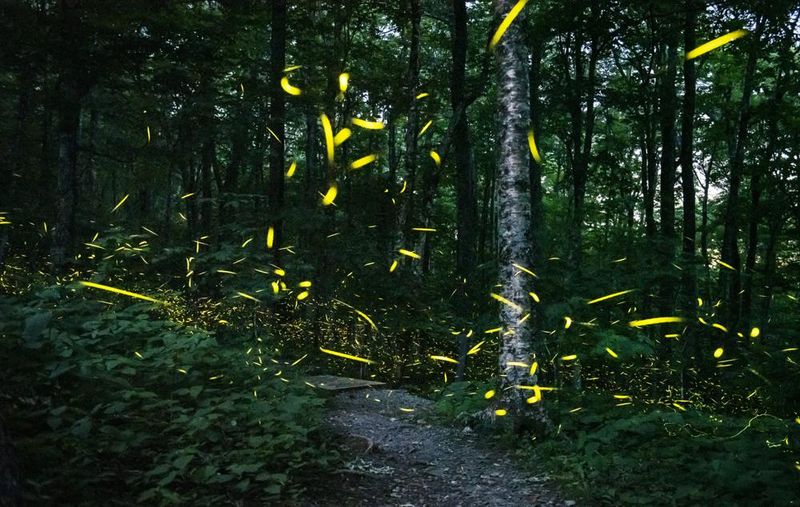
North Carolina stretches from the Atlantic coast to peaks above 6,000 feet, and the firefly you watch from a Raleigh patio is almost certainly a different species from the one glowing in a Transylvania County forest. Treating a summer display as a single statewide story misses how much the meaning of that display shifts depending on where you live and what habitat surrounds your yard.
Across the Piedmont and Coastal Plain, summer firefly displays often involve species associated with moist residential edges, stream corridors, open fields, or woodland borders. Weather, temperature, and recent rainfall all affect how many adults take flight on any given evening.
Research on how precipitation extremes delay thermally moderated firefly activity confirms that a sparse display after a dry stretch does not necessarily mean habitat is failing; it may simply mean conditions were not right for adults to emerge in large numbers that particular night.
In the mountains of western North Carolina, the blue ghost firefly offers a striking contrast to the familiar blinking species most homeowners know. NC State Extension’s blue ghost firefly resource describes this species as associated with dark, mature woodland habitat, where females glow steadily from the forest floor rather than flashing from the air.
Seeing blue ghosts on your property signals something quite specific: a relatively undisturbed, shaded forest with intact duff and enough darkness to preserve their subtle glow.
Beyond the blue ghost, Firefly Atlas species documentation makes clear that fireflies as a group span a wide range of activity periods, habitats, and signaling behaviors. Some species are active in spring, some in summer, some in fall.
Some fly during daylight hours, some glow continuously, and some have flightless females that never produce the aerial display most people expect. A summer display in the Piedmont, a blue ghost glow in the mountains, and a synchronous flash event in the Smokies are each telling a different story about local habitat, and each deserves its own interpretation rather than a single one-size-fits-all conclusion.
Protect One Firefly Refuge Without Abandoning the Yard
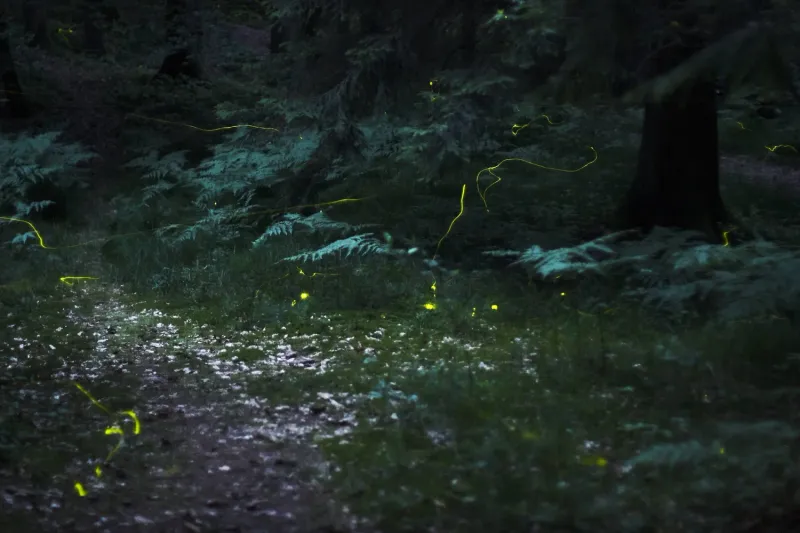
Knowing what fireflies need is most useful when it translates into something you can actually do this weekend. The most practical step for a residential yard is not to stop mowing everything or scatter leaves across every inch of lawn.
Pick one area, a corner, a woodland edge, a low-lying border, or a shaded native planting bed, and commit to leaving it relatively undisturbed.
Within that designated patch, let leaf litter accumulate through the season. Keep some downed wood or a small brush pile if space allows.
Allow natural vegetation to fill in, especially shade-tolerant natives that hold moisture and support ground-level prey. NC State Extension firefly guidance specifically recommends leaving a natural area with leaf litter and avoiding unnecessary foot traffic there, which is exactly the kind of low-disruption zone that larvae need to complete their multi-year development underground.
Reduce mowing pressure in and around the habitat patch, particularly during the main firefly season when feasible. The Firefly Atlas sanctuary guide warns that mowing and ground disturbance can harm larvae and flightless females that spend time at or near the soil surface.
You do not need to let the whole yard go wild; keeping a clearly defined, lower-maintenance zone is more realistic and more sustainable than an all-or-nothing approach.
Native grasses, shrubs, trees, and flowering plants suited to your specific North Carolina region can add structure, shade, and moisture retention to a habitat patch while supporting the invertebrates that larvae hunt. NC State News firefly coverage and Xerces Society firefly resources both support native vegetation as beneficial habitat structure.
No single plant species, however, is guaranteed to bring fireflies to your yard. Their response depends on moisture, darkness, soil disturbance, surrounding habitat, and species-specific requirements that vary considerably across the state.
Keep the Habitat Damp, Managed, and Tick-Safe

Water and wildlife stewardship go together, but the connection has limits worth respecting. Fireflies need moisture, and a naturally damp corner of the yard is a genuine asset.
That does not mean running the sprinkler at night to lure beetles or keeping the soil perpetually saturated. NC State Extension turfgrass water guidance recommends supplementing rainfall rather than irrigating on a fixed schedule, and watering deeply and infrequently when irrigation is genuinely needed.
Overwatering wastes water, promotes turf disease, and can cause runoff that carries nutrients and residues into the moist habitat zones you are trying to protect.
The bigger practical tension involves leaf litter, tall grass, and brush. These are exactly the conditions firefly larvae need, and they are also conditions the CDC tick prevention guidance identifies as favorable for ticks.
Blacklegged ticks, which can transmit Lyme disease, are present across North Carolina and are associated with wooded edges, leaf litter, and tall vegetation. CDC Lyme disease prevention recommendations include keeping recreational areas clear and maintaining a barrier between wooded zones and lawn spaces.
The solution is zoning, not elimination. Reserve the wildest conditions, leaf litter, downed wood, dense native plantings, for a low-traffic conservation corner that family members, especially children and pets, do not move through casually.
Maintain clear, mowed, or hardscaped paths between the house and the habitat patch. Keep play areas, seating zones, and high-traffic routes trimmed and free of accumulated debris near the ground.
Personal precautions matter as well. After spending time near any vegetated area, check yourself, your children, and your pets for ticks.
Wear long sleeves and pants when working in or near the habitat zone, and use repellents according to label directions. The Firefly Atlas sanctuary guide supports a zoned approach that keeps habitat intact while preserving safe, functional spaces for the people and pets who use the yard every day.
NC State lawn and environment guidance reinforces that good stewardship means managing the whole yard thoughtfully, not treating every square foot the same way.
Let the Fireflies Guide Better Stewardship
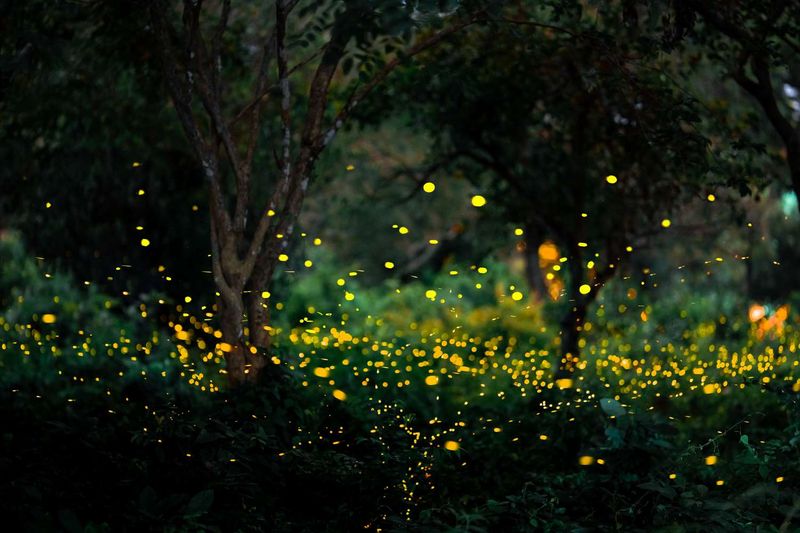
A yard full of fireflies on a July evening is worth pausing to appreciate, and then worth paying closer attention to. Where exactly are they rising from?
Near the damp edge by the fence, the shaded corner under the oaks, or the border where mowing stops? Those locations are telling you something about which conditions are already working, and they are worth protecting deliberately rather than by accident.
Treat the display as evidence that some usable combination of moisture, shelter, prey, vegetation, leaf litter, and darkness exists nearby, not as a certification of soil quality or a clean chemical history. NC State Extension firefly guidance and Firefly Atlas life history research both frame firefly presence as a habitat clue rather than a comprehensive ecological verdict.
The highest-value next steps are straightforward: protect a natural patch, reduce nighttime light near vegetation, avoid routine insecticide applications near habitat, and irrigate only as plant and soil needs require. Keep paths, play areas, and house-adjacent spaces maintained and tick-safe.
Use firefly-friendly lighting practices and follow CDC tick prevention recommendations to keep the yard safe for everyone who uses it.
None of this requires a perfect or unmanaged yard. Noticing where fireflies appear, season after season, is itself a form of stewardship, and a yard that keeps producing that summer light show is doing something right worth holding onto.