
Don’t Plant These 7 Neighbors Too Close To Your Tomatoes Or They’ll Choke Your Harvest
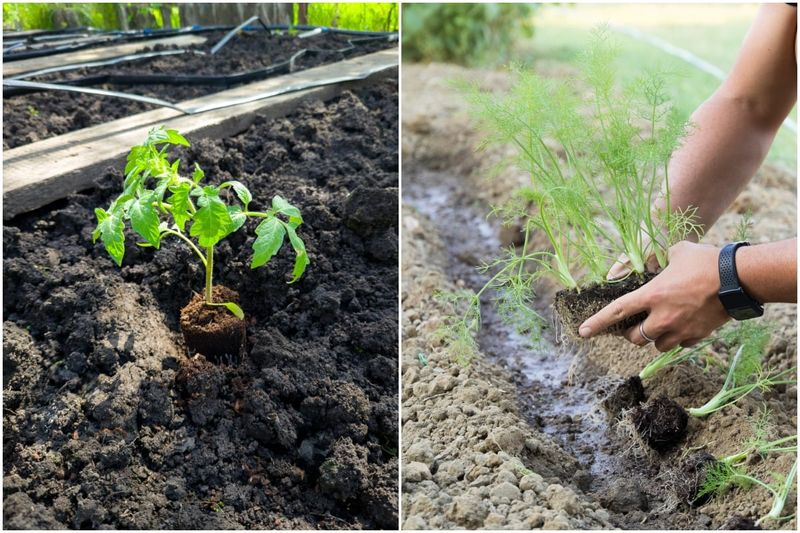
Your tomato plants can look healthy one week and then suddenly stall out, and the culprit might be growing right next to them. Some plants steal nutrients, block sunlight, or spread disease straight to your tomatoes.
The good news is that once you know which neighbors cause trouble, you can move them and watch your harvest bounce back. Here are seven plants you should keep far away from your tomato bed this season.
1. Cabbage and Other Brassicas
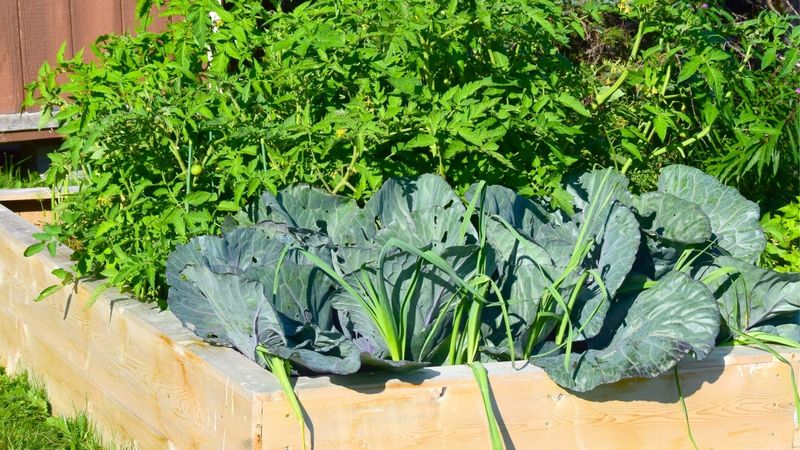
Cabbage looks harmless with its tidy round heads, but it plays dirty underground. It is a heavy feeder that gobbles up the same nutrients your tomatoes are desperate for, especially nitrogen and calcium.
When these two share a bed, the tomatoes often lose the battle. You may notice slower growth, smaller fruit, and even blossom end rot from the calcium shortage.
The whole brassica family joins in on this bad behavior, including broccoli, cauliflower, kale, and Brussels sprouts. They crowd the soil and shade young tomato stems that need full sun.
Give your tomatoes their own space and plant cabbage on the opposite side of the garden. Both crops will thank you with a fuller yield.
2. Corn
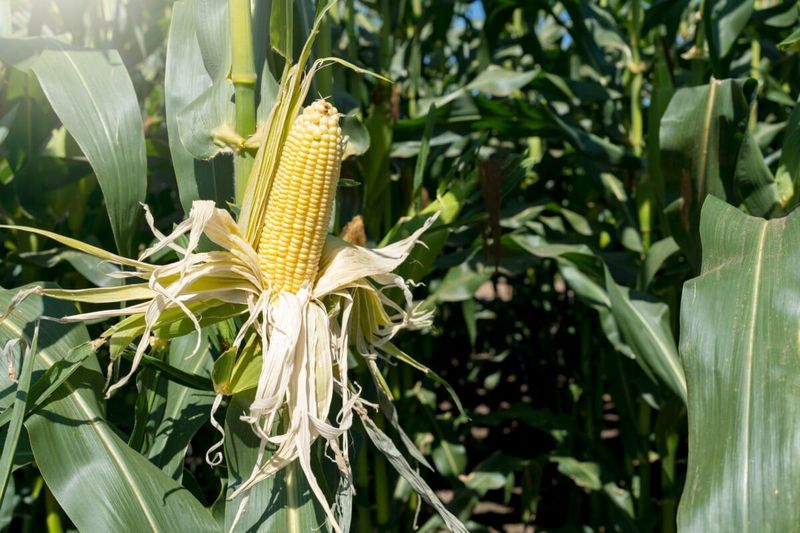
Corn towers over almost everything, and that height is exactly the problem. Those tall stalks throw long shadows across your tomato plants, robbing them of the full sun they need to ripen fruit.
There is a sneakier issue too. The corn earworm and the tomato fruitworm are actually the same pest, so planting them side by side rolls out a welcome mat for a bug that will chew through both crops.
Both plants are also big eaters. Set them close together and they will fight over every bit of nitrogen in the soil, leaving both weaker.
If you love growing corn, tuck it into a far corner where its shadow and its pests stay clear of your tomatoes.
3. Potatoes
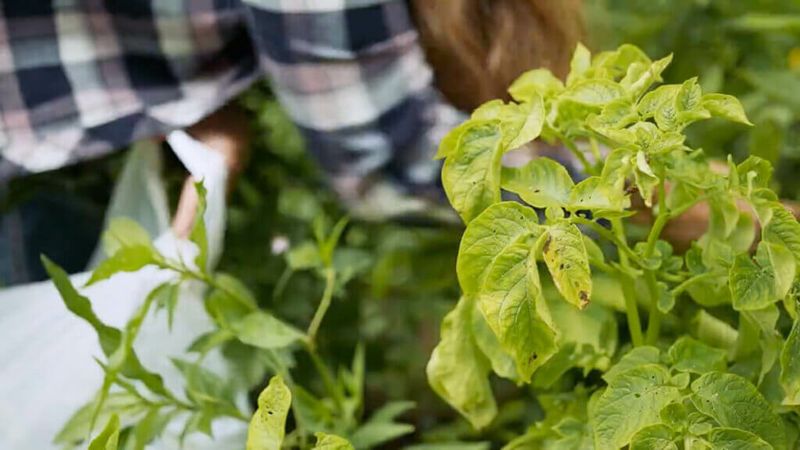
Here is a family secret that can wreck your harvest: potatoes and tomatoes are cousins, both members of the nightshade clan. That close relationship means they share the same enemies.
Early blight and late blight can jump from one to the other with ease. If your potatoes catch a fungal disease, your tomatoes are next in line, and blight can wipe out a whole bed fast.
Digging up potatoes also disturbs the soil and roots around them, which can nick and stress nearby tomato roots. Wounded roots invite even more trouble.
Keep these two relatives in separate parts of the garden, and never plant them where the other grew last year. Rotating them helps break the disease cycle before it starts.
4. Fennel
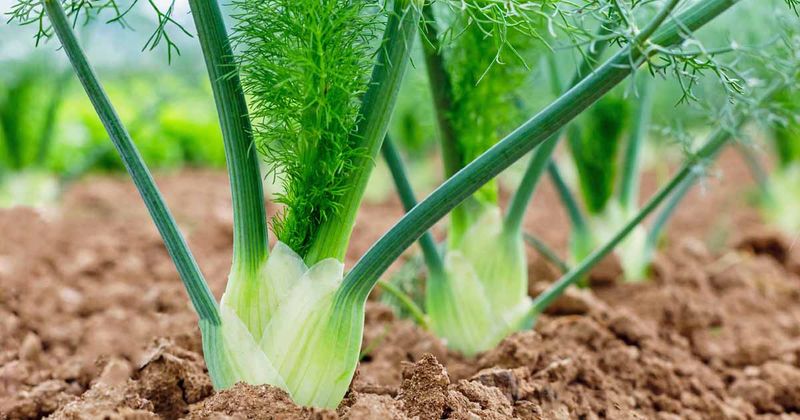
Fennel is the loner of the vegetable garden, and it does not play well with almost anyone. Its roots release chemicals into the soil that slow down or stunt the growth of plants around it.
Tomatoes are especially sensitive to this bullying. Set fennel too close and your tomato seedlings may struggle to take off, staying small and sad while the fennel thrives.
Gardeners have known about fennel’s antisocial streak for generations. Many keep it in its own container or in a corner far from every other crop.
If you want the licorice flavor fennel offers, grow it in a pot away from the beds. Your tomatoes will grow much happier without that chemical competition nearby.
5. Dill (Mature Plants)
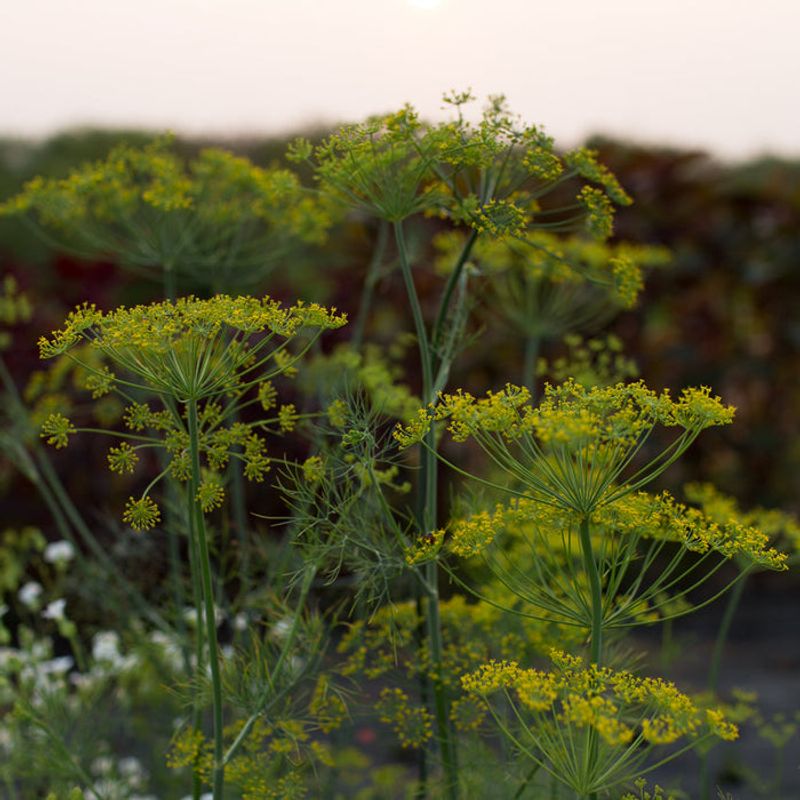
Young dill is actually a friend to tomatoes, which makes this one tricky. As a seedling it can even help repel certain pests, so plenty of gardeners plant it nearby on purpose.
The trouble starts when dill matures and starts to flower. At that stage it turns on your tomatoes, releasing compounds that can stunt their growth and hurt fruit production.
Mature dill also gets tall and bushy, stealing sunlight and elbow room from tomato plants that need both.
The fix is simple timing. Harvest your dill while it is still young and leafy, or plant it far enough away that its grown-up phase cannot bother your tomatoes.
Never let it go to flower right beside your best plants.
6. Walnut Trees
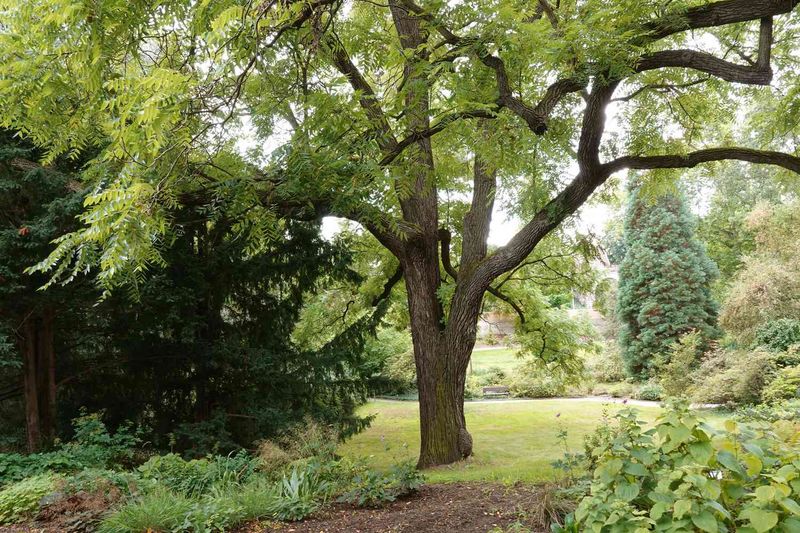
You might not think of a tree as a garden neighbor, but a walnut can quietly kill your tomatoes from yards away. Black walnut trees release a natural chemical called juglone from their roots, leaves, and nuts.
Tomatoes are extremely sensitive to juglone. Plants growing near a walnut often wilt, yellow, and collapse for no reason a gardener can see, sometimes dying outright.
The chemical spreads through the soil and can reach well beyond the tree’s branches, so even a spot that looks safe may be poisoned.
If you have a walnut on your property, keep your tomato bed at least fifty to sixty feet away, or grow tomatoes in raised beds and containers with fresh soil. That barrier keeps the juglone out and your plants alive.
7. Kohlrabi
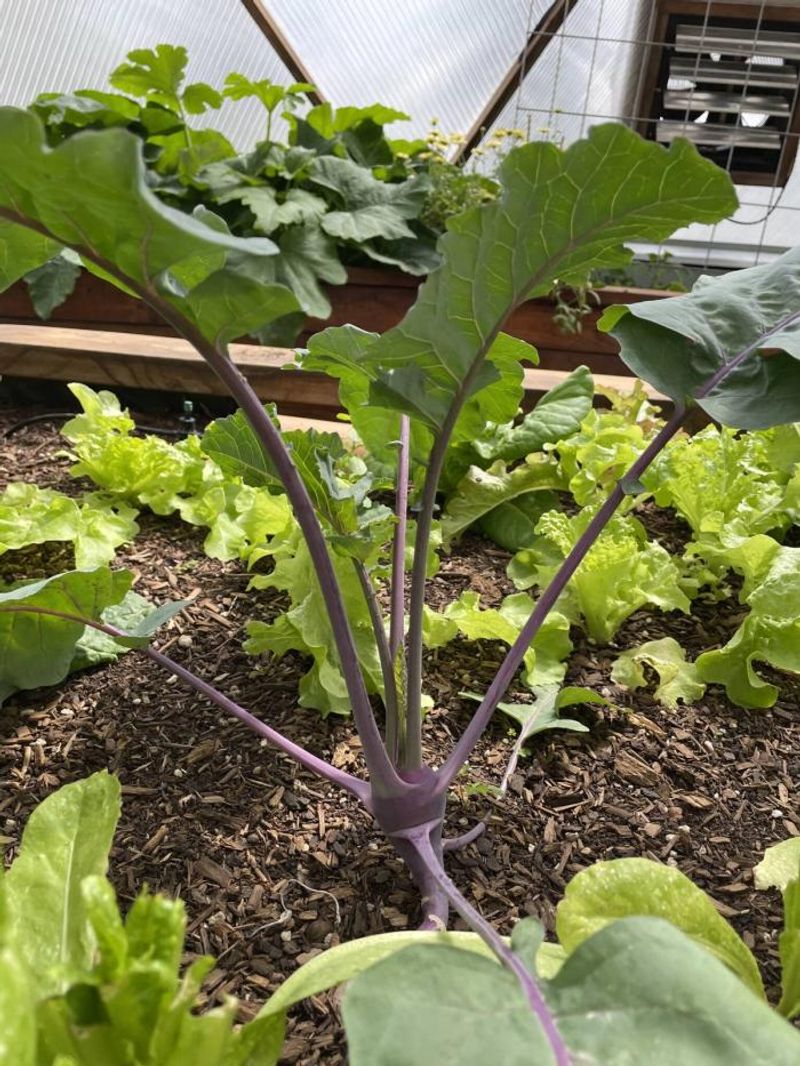
Kohlrabi may be the oddest looking vegetable in the patch, with its swollen stem that sits like an alien orb above the soil. Its appetite is just as demanding as its appearance.
As another member of the cabbage family, kohlrabi competes hard for nutrients and directly stunts tomato growth when planted too close. Tomatoes near it tend to produce fewer and smaller fruits.
The two also draw on the same soil resources at the same time of season, so neither one gets its fill.
Give kohlrabi a home among its brassica cousins, well away from the tomato bed. Both crops perform far better when they are not wrestling over the same dinner plate.