
If These 14 Hollyhocks And Tall Bloomers Fade By August, Here’s The Cutting-Back Trick That Restarts The Color
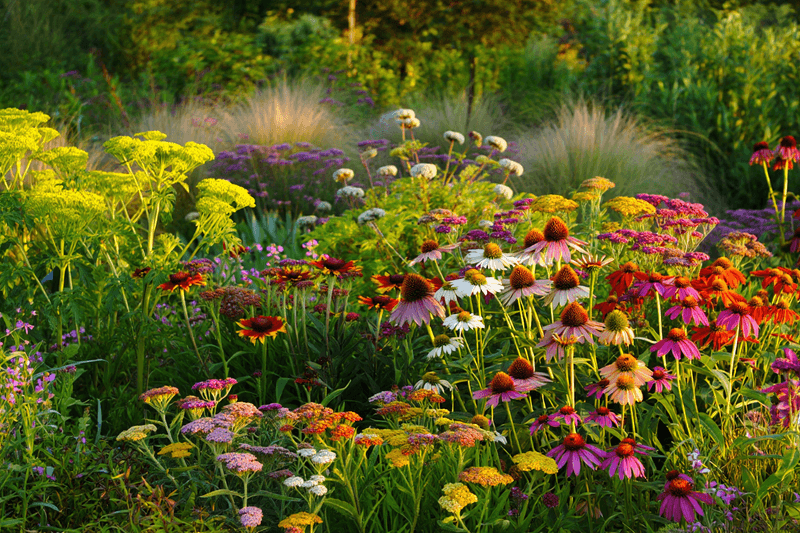
By August, those tall flowers that stole the show in early summer can look tired, brown, and done for the year. The good news is that a simple cutting-back trick often wakes them back up, sending fresh growth and even a second round of color.
Grabbing your pruners at the right moment can redirect a plant’s energy away from seeds and back into new blooms. Here are 14 hollyhocks and tall bloomers that respond to this rescue, along with exactly how to cut each one.
1. Hollyhock (Alcea rosea)
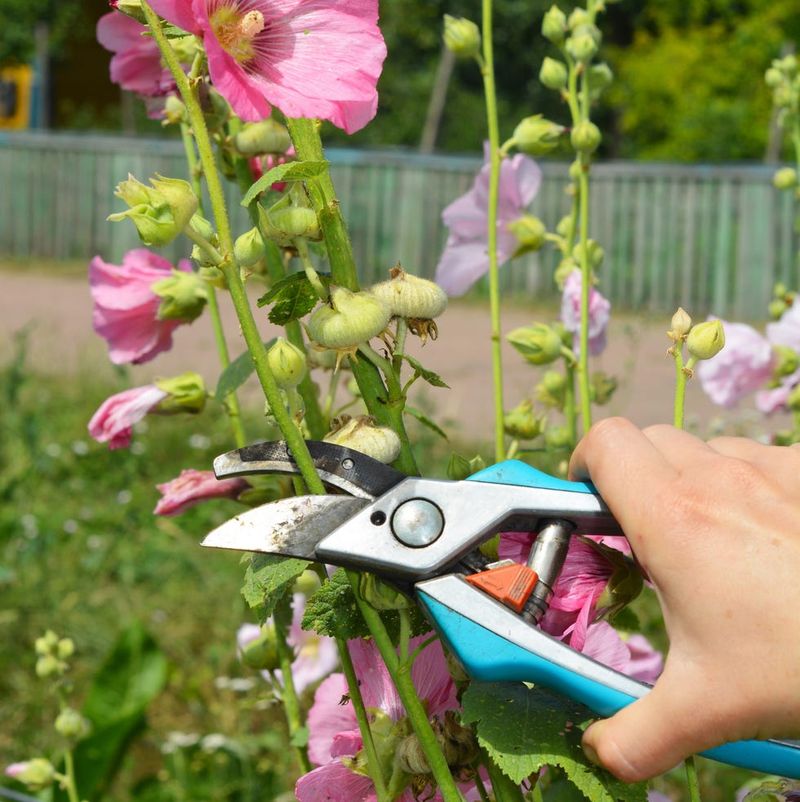
Cottage gardens would feel empty without these towering spikes, but by August the flowers fade and stalks yellow from the bottom up. That is the moment to step in before seed pods take over.
Snip off spent blooms as soon as they fade to stretch out the flowering window. If the whole stalk looks finished, cut it down to about an inch above the ground to tidy the plant and push healthier foliage.
In warmer regions, some biennial types may reward you with a small second flush or an extra year of life. Feed with a balanced water-soluble fertilizer and keep the soil rich and well drained to fuel that comeback.
2. Hardy Geranium (Cranesbill)
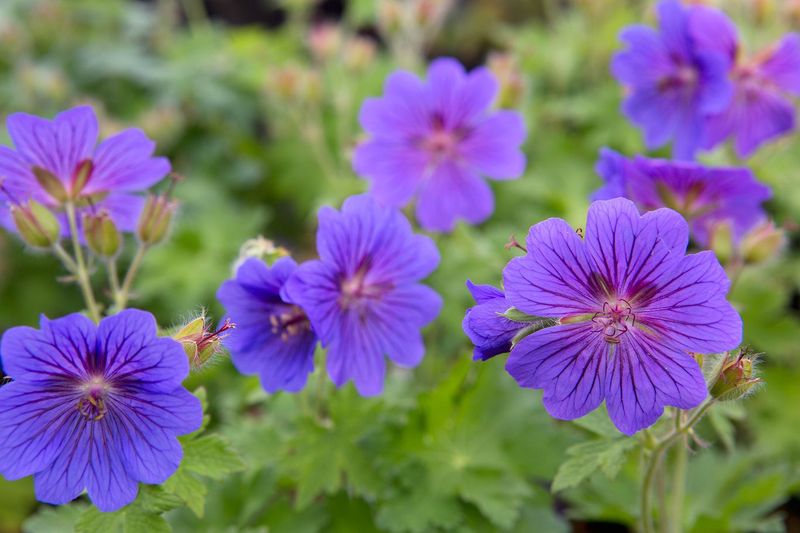
Few plants bounce back as dramatically as cranesbill. When it turns into a floppy, overgrown mess by mid-summer, it looks like a lost cause.
Grab a handful of the foliage and shear the entire plant right down to the ground. It sounds brutal, but new shoots push up within days and the plant reblooms into fall.
Give it a drink of water afterward and it recovers faster than almost anything else on this list. Think of it as hitting the reset button on a tired mound.
3. Delphinium
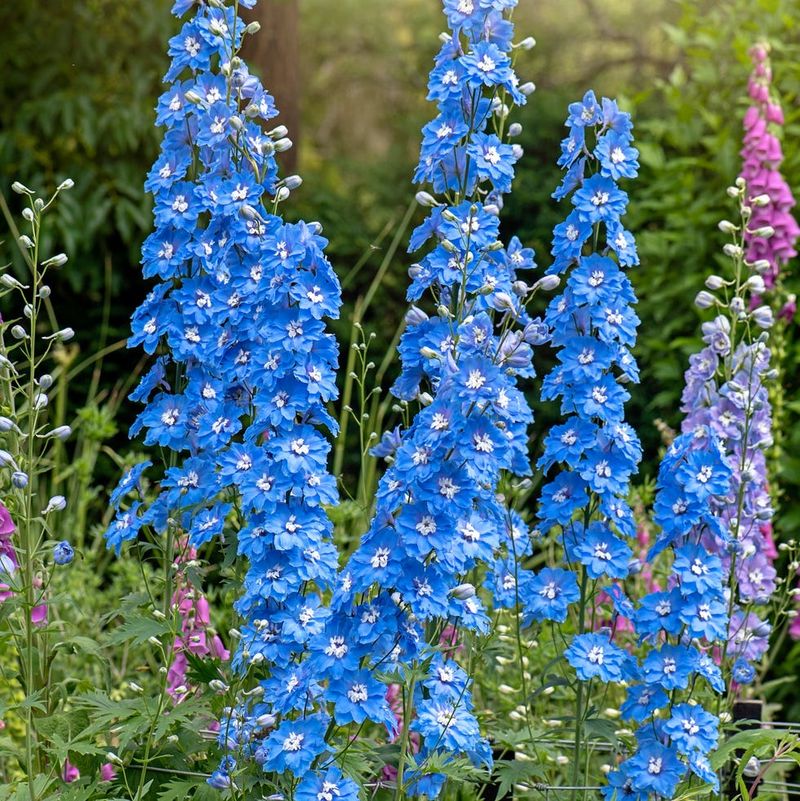
Those sky-high blue spires are a jaw-dropping sight, but the show fizzles out by high summer. Delphiniums are drama queens that respond beautifully to a bold cut.
Once the first flowers fade, cut the spent spikes right back to the ground rather than leaving them to set seed. This often coaxes a second, slightly smaller flush of flowers in early fall.
Water well and give a light feeding to help the plant power up for round two. A little pampering here pays off in extra color when most gardens are winding down.
4. Garden Phlox (Phlox paniculata)
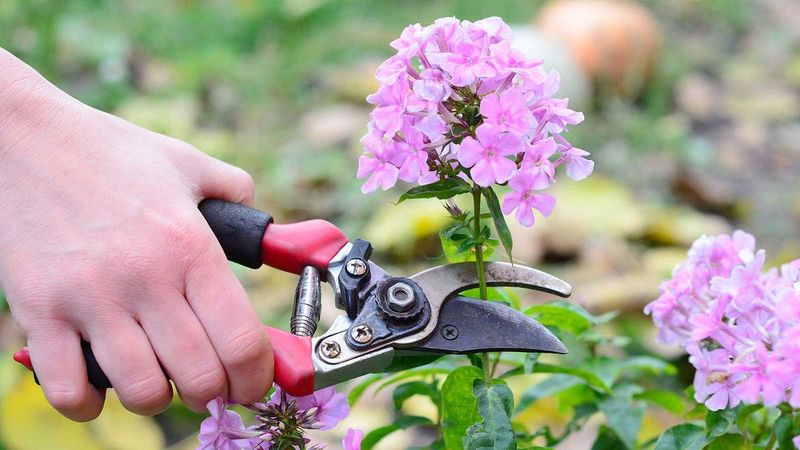
Sweetly scented and beloved by butterflies, garden phlox can start looking ragged when powdery mildew or spent stems pile up. A thoughtful trim keeps the color coming.
Cut individual finished flower stems back to a budding point, or prune the plant by a third to half if mildew is creeping in. Better airflow plus fresh growth equals a healthier plant.
You may get a fresh flush of blooms as a reward for the effort. It is a two-for-one deal: cleaner leaves and more flowers.
5. Lupine
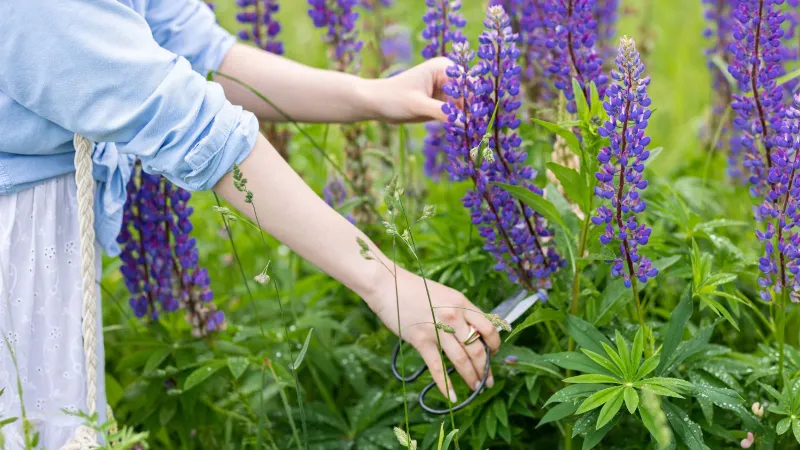
Lupines light up early summer with candy-colored spikes, then quickly fade and start pouring their energy into seed pods. Catching them at the right time changes everything.
Once the flowers begin to fade, cut the spent stalks down to near ground level. Removing them before seeds form nudges the plant to try flowering again.
A second flush is not guaranteed, but the odds jump when you cut early and keep the plant watered. At worst, you get tidier foliage and a plant that saves its strength.
6. Salvia (Salvia nemorosa)
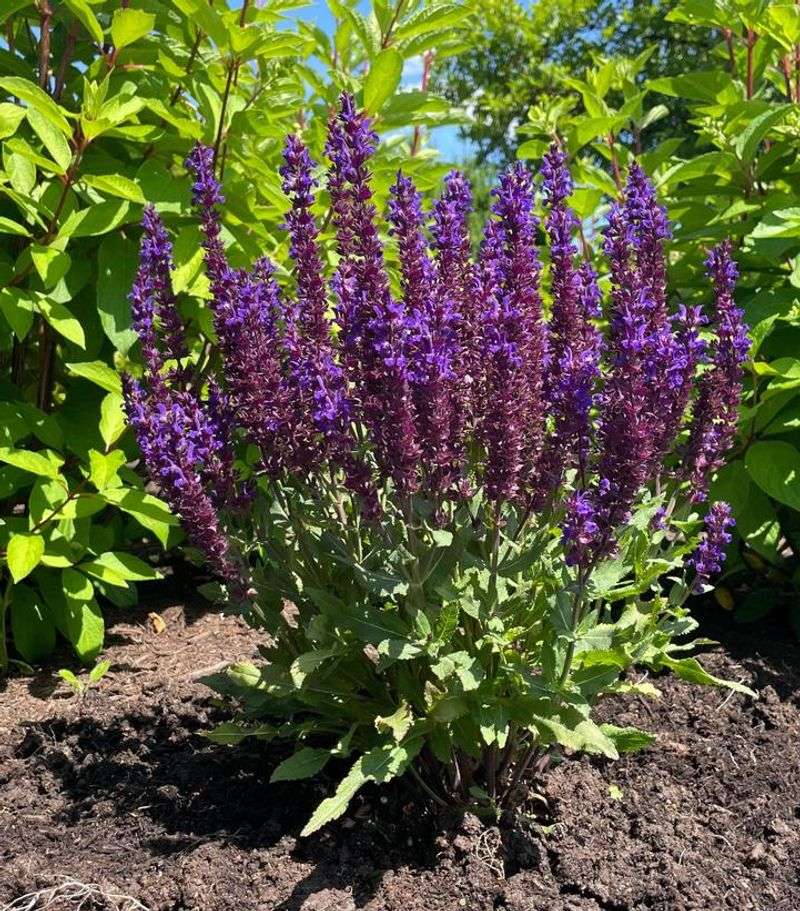
Woodland sage is a reliable workhorse, but after its first big bloom it can sit there looking spent for weeks. The fix is quicker than you might expect.
Right after that first flush fades, cut back half to two-thirds of the plant. That hard shear signals the salvia to gear up again.
Do this promptly and you can often see fresh blooms by late July. Pollinators will thank you for the encore.
7. Coreopsis (Tickseed)
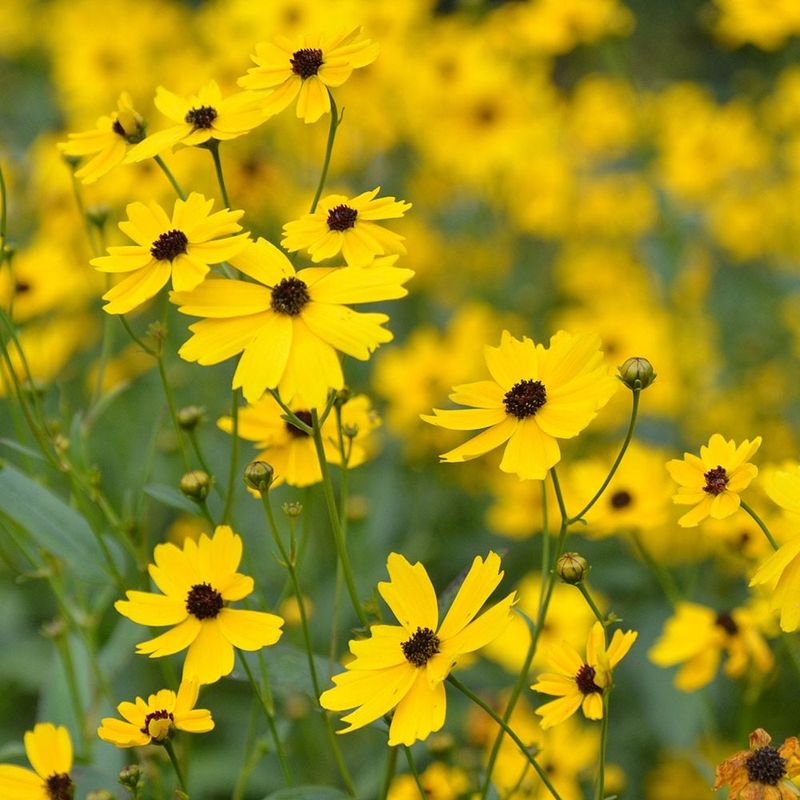
Cheerful and daisy-like, coreopsis such as ‘Moonbeam’ and ‘Zagreb’ can turn into a tangle of spent stems by early summer. A no-fuss haircut solves it.
Grab your shears and cut the whole plant back to about six inches in early July. It looks a bit sad for a moment, then springs back to life.
New blooms typically appear within three to four weeks, keeping the sunshine going. Few rescues are this fast and this forgiving.
8. Yarrow (Achillea millefolium)
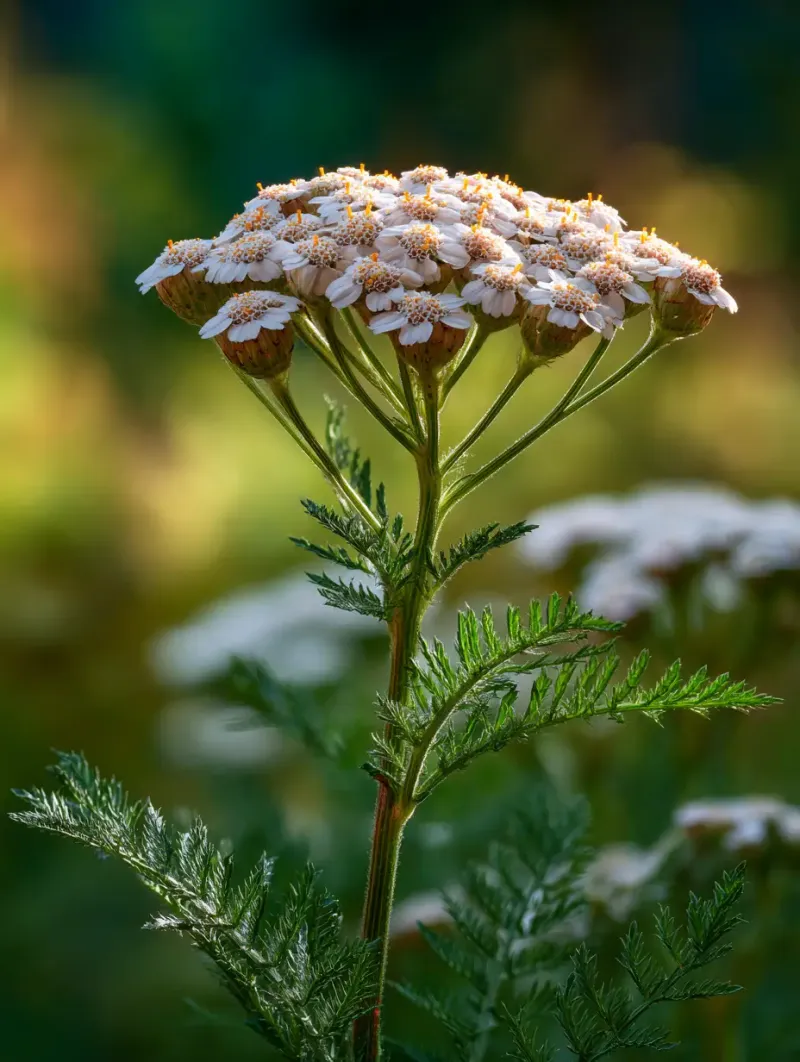
Tough as nails and drought-friendly, yarrow eventually turns brown and crispy at the top after its first big flush. Cutting it back refreshes the whole clump.
Once the flower heads brown out, cut the stems down to the fresh basal foliage tucked at the plant’s base. That low mound of feathery leaves is your signal that new growth is ready.
In milder climates you can do this as late as mid-August and still get a response. The plant looks neater and often sends up another round of flat, colorful clusters.
9. Campanula (Bellflower)
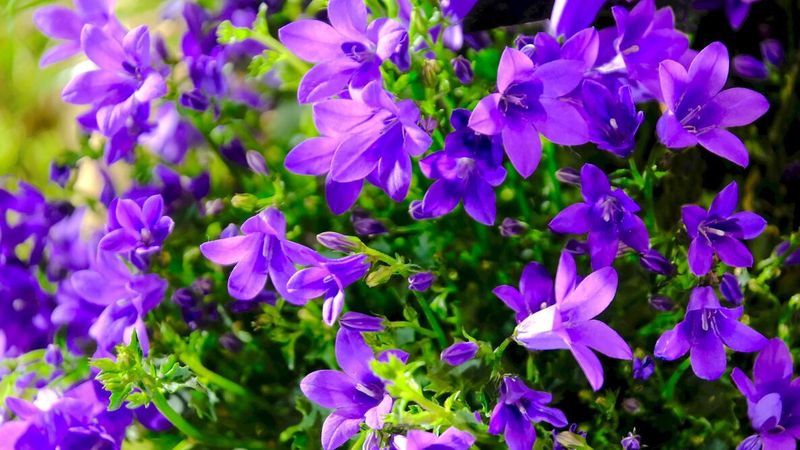
Dainty bell-shaped blooms give campanula an old-fashioned charm, and they are happy to bloom twice if you nudge them. Do not let the first round be the last.
After the initial display finishes, cut the plant back to encourage a second round of those nodding bells. Removing tired stems keeps energy focused on new buds.
Keep it watered and you may enjoy fresh flowers well past the usual window. It is one of the easier bloomers to talk into an encore.
10. Veronica (Speedwell)
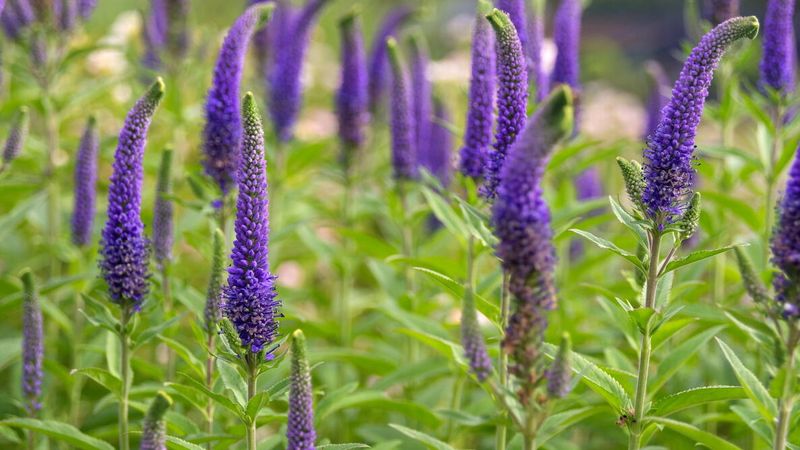
Those slim, upright spikes of speedwell make a garden feel lively, but they fade from the bottom up and lose their punch. A little selective snipping keeps them going.
Instead of chopping the whole plant, trim spent flower spikes just above a set of healthy leaves. This targeted approach tells the plant to push out fresh spikes.
Keep at it and you can enjoy repeat flowering into early fall. Speedwell rewards the gardener who pays attention to detail.
11. Shasta Daisy (Leucanthemum)
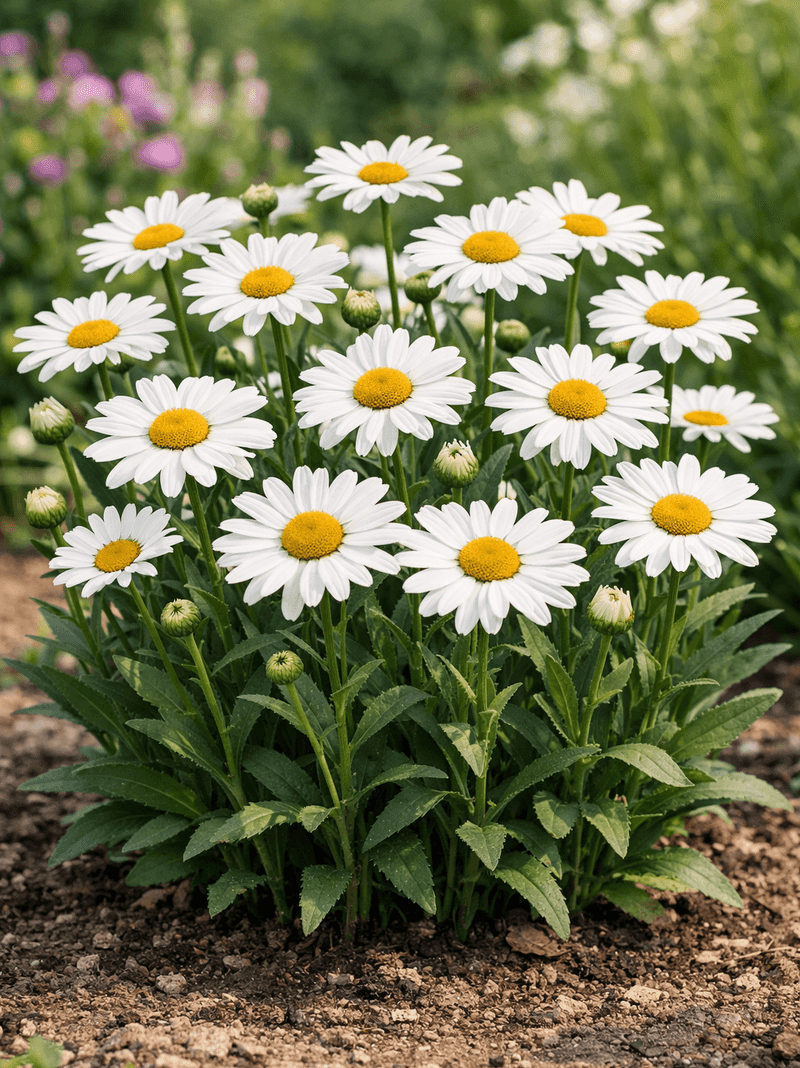
Classic white daisies scream summer, yet their stems eventually flop and the flowers turn brown and scruffy. Cutting them back brings the freshness right back.
When the stems start to flop, cut the plant down to the low rosette of basal foliage at ground level. That tidy tuft of leaves is the engine for new growth.
Fresh leaves usually appear within one to two weeks, and the plant looks reborn. Quick recovery makes this one especially satisfying.
12. Blanket Flower (Gaillardia)
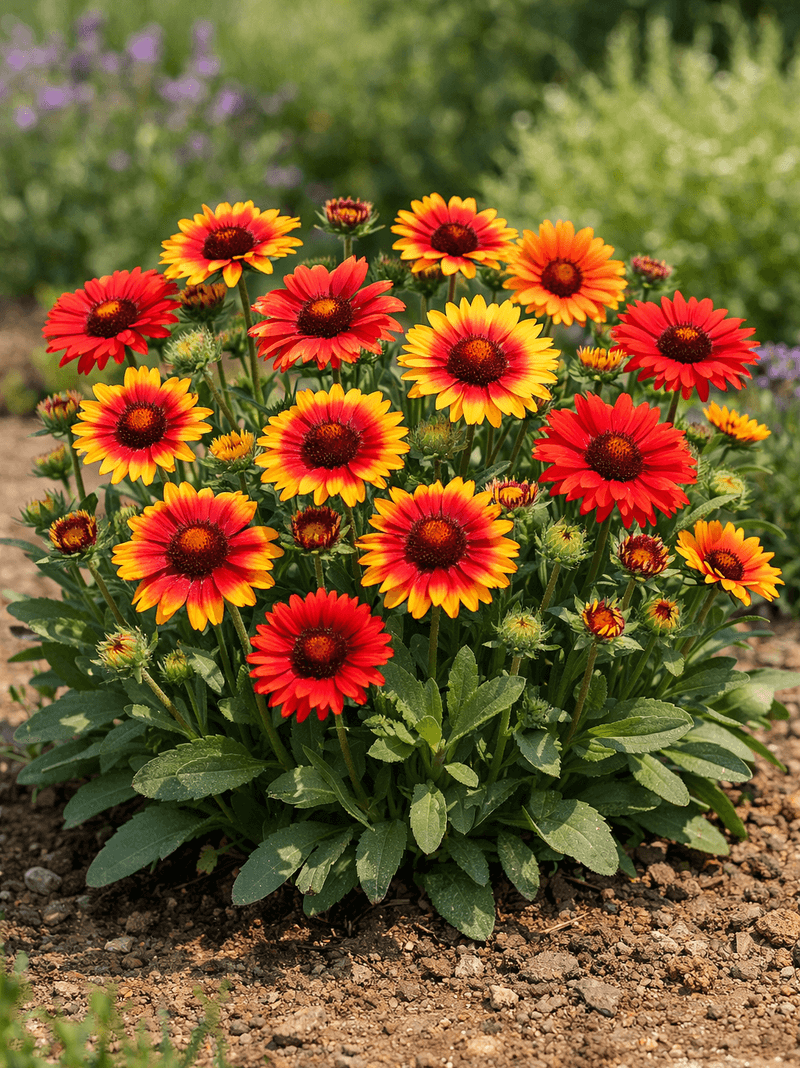
Named for its warm, blanket-like colors, gaillardia wants to keep blooming if you let it. The trick is simply refusing to let seeds slow it down.
Snip off spent flower heads regularly to keep the plant cranking out fresh buds. This steady deadheading encourages nearly continuous color.
Stay on top of it and the blooms can last right up until the first frost. Little effort, long-lasting fireworks.
13. Catmint (Nepeta)
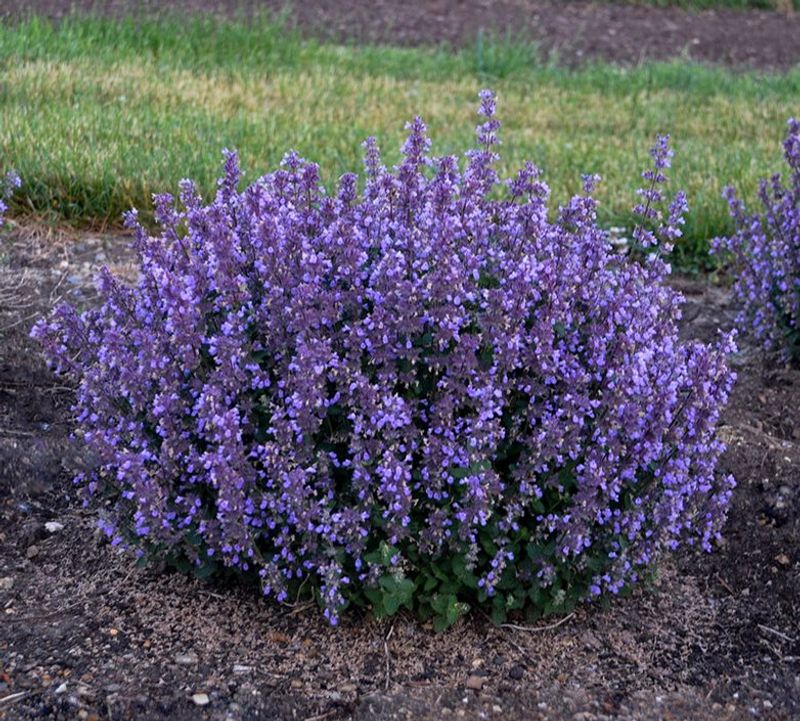
Airy clouds of lavender-blue make catmint a garden favorite, but by August it often sprawls open and looks worn out in the middle. A firm shear fixes the flop.
Cut the whole plant back by about half once the first flush fades and the center gets floppy. It responds by filling in with tidy new growth.
A fresh wave of blooms typically follows, drawing bees back to the buffet. Water it in and it barely misses a beat.
14. Foxglove (Digitalis)
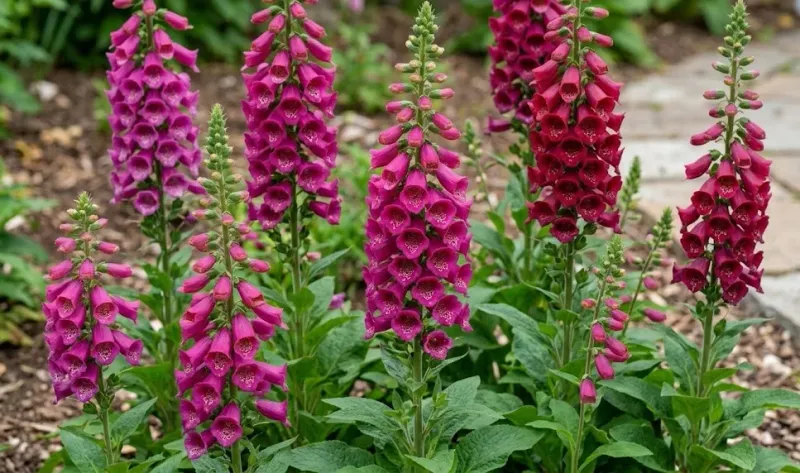
Stately foxglove towers are pure cottage-garden magic, and cutting them at the right time can squeeze out a bit more color. Timing is the whole game.
Once the main spike finishes flowering, cut it back before it pours everything into seed. Some plants respond by sending up smaller side spikes for a second, gentler show.
Keep the soil moist and give a light feeding to support that effort. Even a modest encore is a welcome bonus from these dramatic bloomers.