
If You Grow Cucumbers, Here Are 9 Plants You Should Never Set Too Close To Them

Cucumbers are one of the easiest vegetables to grow, but where you plant them makes a huge difference. Some plants steal water, invite pests, or even release chemicals that quietly stunt your cucumber vines.
If your cucumbers keep struggling for no clear reason, a nearby neighbor might be the culprit. Here are nine plants you should keep well away from your cucumber patch.
1. Potatoes
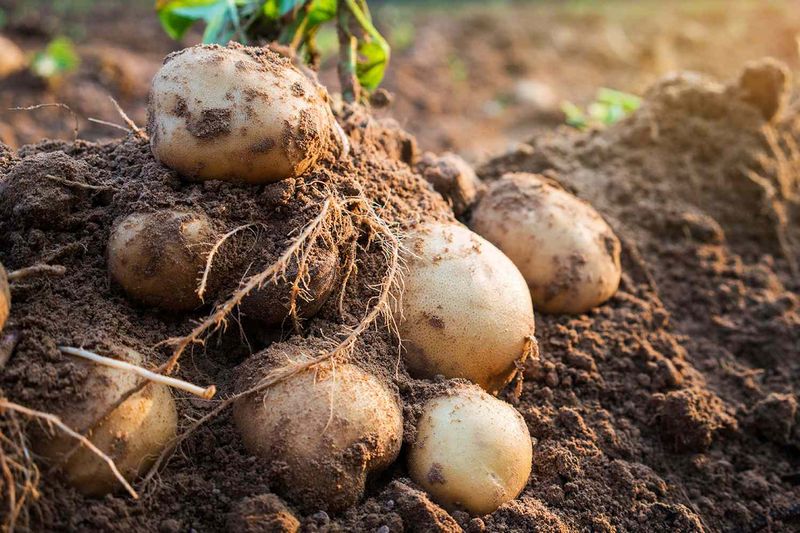
Underground, potatoes are far busier than they look. Their deep, sprawling roots push through the soil and crowd out the shallow, delicate roots cucumbers rely on to feed themselves.
Both crops are thirsty and hungry, so planting them side by side turns your garden bed into a tug-of-war for water and nutrients. Neither plant wins, and both end up weaker.
There is also a disease concern worth knowing. Potatoes are prone to blight, a fungal problem that can drift over and settle on cucumbers growing nearby.
Give these two plenty of distance and you spare yourself a double loss.
2. Squash, Pumpkins, and Melons
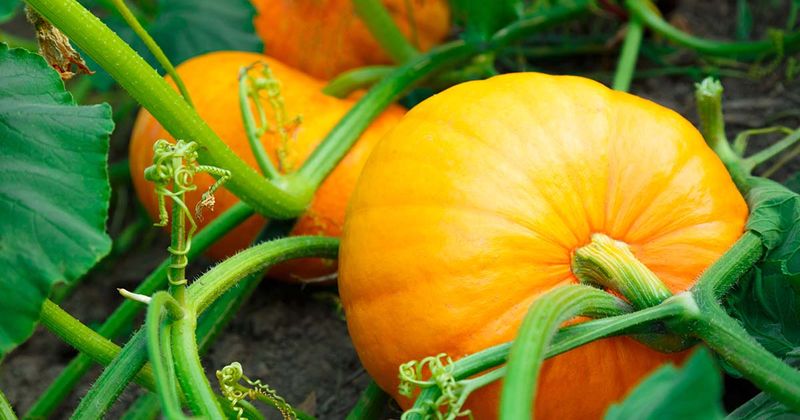
Here is a case where family ties actually cause trouble. Squash, pumpkins, and melons all belong to the same clan as cucumbers, the Cucurbitaceae family, which means they share the exact same enemies.
Cucumber beetles and squash vine borers happily hop from one cousin to the next. Diseases like bacterial wilt and powdery mildew spread just as easily when these relatives are packed together.
Think of it like putting everyone with the same cold in one small room. Planting your cucurbits apart slows the spread and gives each crop a fighting chance to stay healthy through the season.
3. Fennel
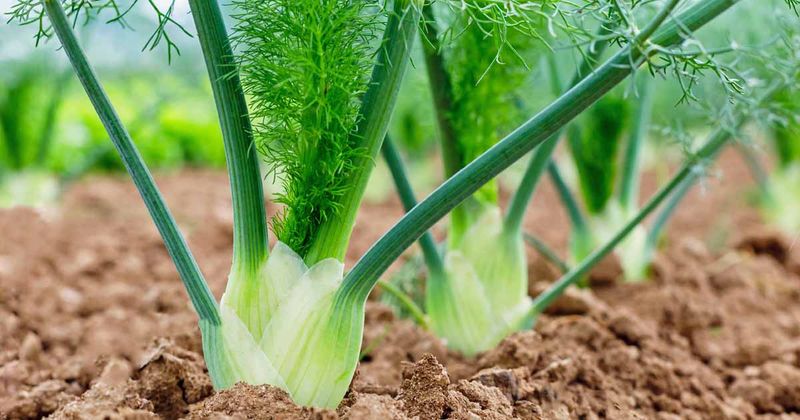
Fennel is the loner of the vegetable garden, and for good reason. Its roots release natural chemicals, including a compound called anethole, that can quietly interfere with the growth of plants around it.
Gardeners call this behavior allelopathy, which is a fancy word for a plant using chemistry to keep neighbors from thriving. Cucumbers set too close may grow stunted and never reach their full size.
Most experienced growers give fennel its very own corner of the yard, far from everything else. Your cucumbers will thank you for keeping this feathery herb at arm’s length.
4. Sage
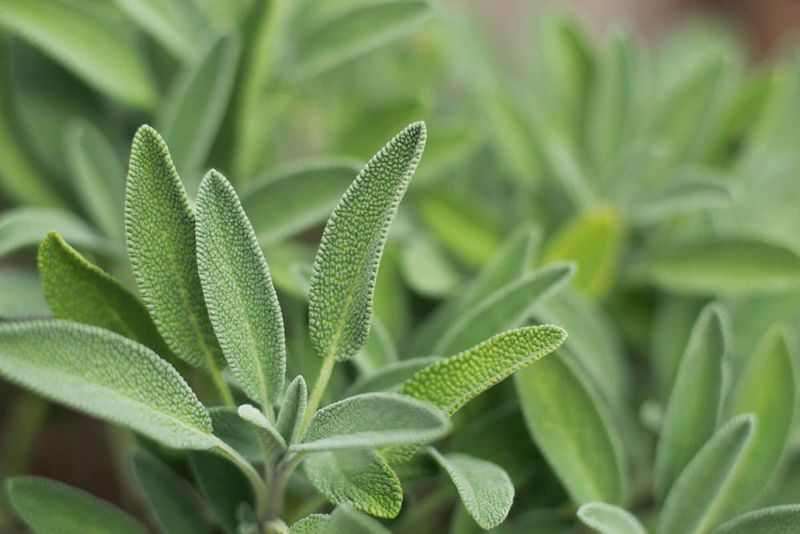
Sage may smell wonderful in your kitchen, but your cucumbers see it very differently. Like fennel, sage plays a chemical game, releasing compounds such as thujone that can hold back cucumber growth.
There is a quirkier side to keeping them apart too. Sage carries such a strong, savory aroma that it may subtly affect the flavor of cucumbers growing right beside it.
For the best crunch and the healthiest vines, let sage live in its own herb corner. A little separation keeps both plants happy and your cucumbers tasting clean and fresh.
5. Brassicas (Broccoli, Cabbage, Cauliflower, Kale)
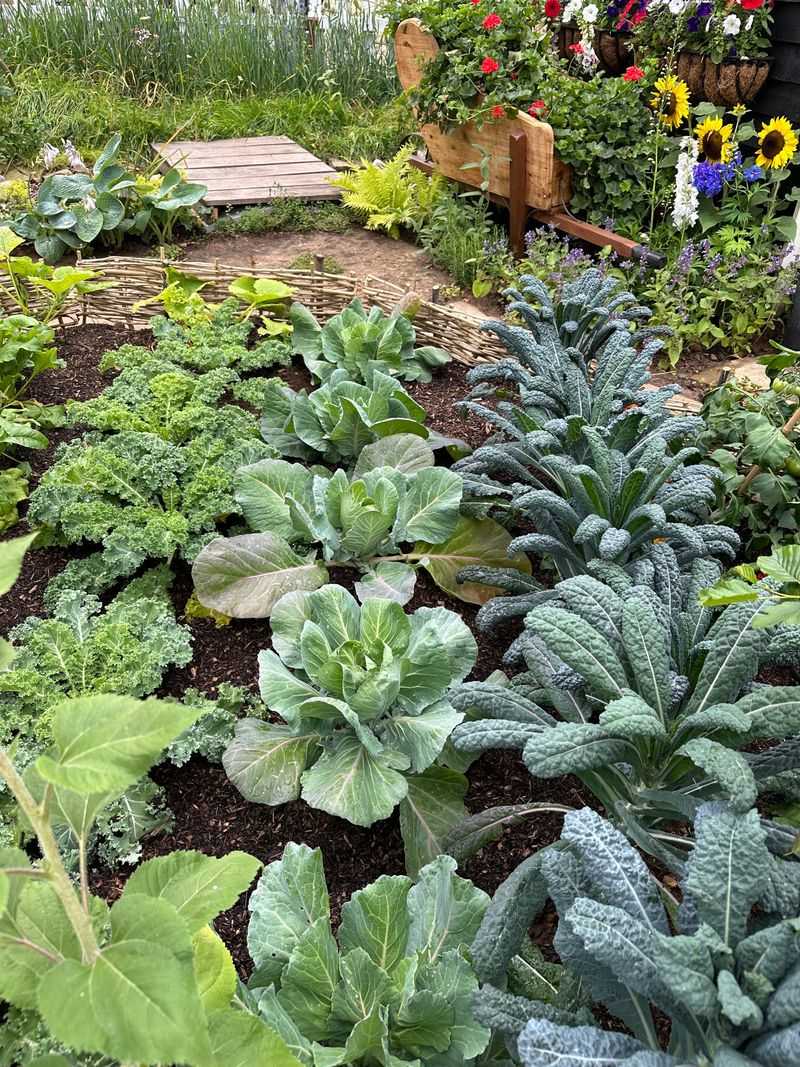
The brassica crew, broccoli, cabbage, cauliflower, and kale, has a big appetite. These plants are heavy feeders that pull large amounts of nutrients and moisture out of the soil.
Set them near cucumbers and the competition gets fierce fast. Both crops end up fighting over the same limited resources, and the result is often two sets of weakened, underperforming plants.
Pests make matters worse. Brassicas attract cabbage worms and flea beetles, and those hungry visitors will not hesitate to wander over and chew on your cucumber leaves too.
Keep these greedy neighbors in a separate bed.
6. Tomatoes
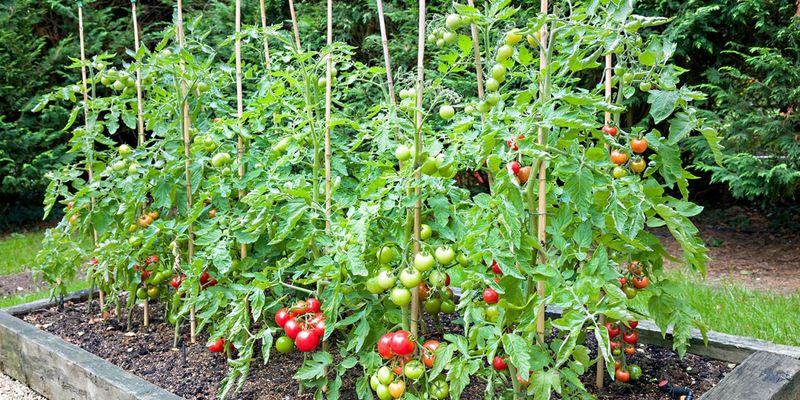
It feels natural to plant tomatoes and cucumbers together since we eat them side by side in a salad. In the garden, though, this pairing often backfires.
Both are vigorous, fast-growing plants with huge demands for water and nutrients. Crowd them together and they compete relentlessly, leaving each one shortchanged just when they need resources most.
They also share a guest list of troublemakers. Aphids and whiteflies love both plants, and certain diseases can pass between them with ease.
A little breathing room keeps your tomato and cucumber harvests from dragging each other down.
7. Peppers (Bell, Chili, Sweet)
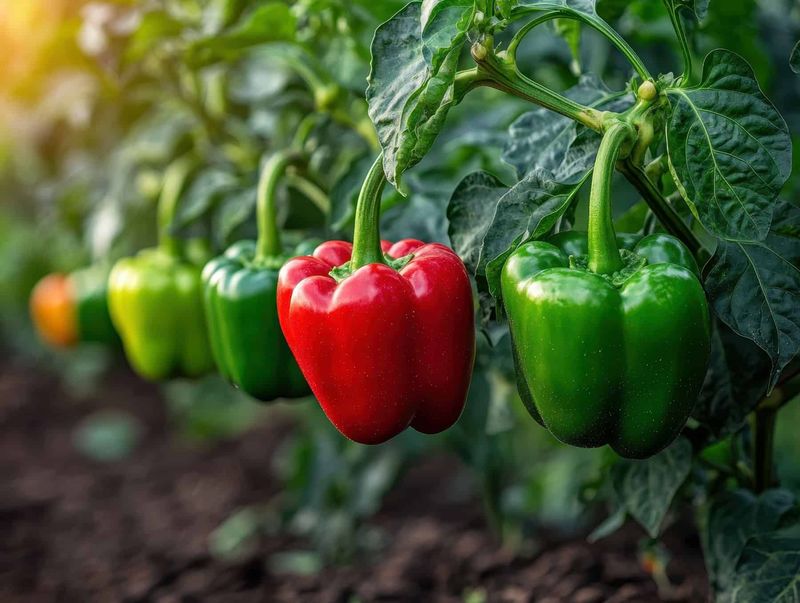
Peppers of every kind, whether sweet bell, fiery chili, or anything in between, want the same things cucumbers want. They crave similar soil, similar nutrient levels, and similar growing conditions.
That overlap sounds convenient, but it actually spells competition. Planted too close, peppers and cucumbers end up drawing from the same shrinking supply, and both crops can lose vigor and yield.
Some of the same garden pests find both plants appealing as well. Spacing them out gives each one room to grow strong without stealing from its neighbor’s plate.
8. Mint (All Varieties)
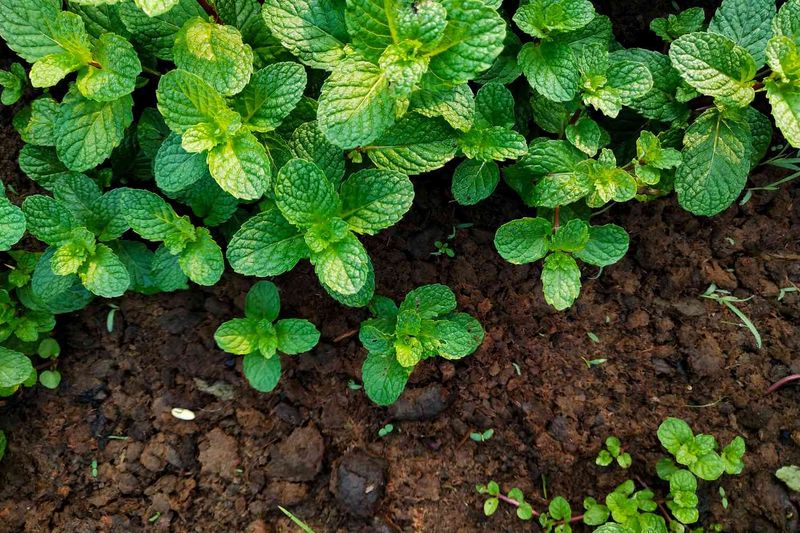
Mint has a reputation, and it is well earned. This herb spreads like it owns the place, sending out roots that quickly take over any bed it lands in.
Near cucumbers, that aggression turns costly. Mint aggressively grabs the water, oxygen, and nutrients in the soil, leaving little behind for your cucumber roots to work with.
The outcome is usually stunted vines and a disappointing harvest. If you love mint, the smart move is to keep it in its own pot or container, well away from the cucumber patch where it can bully at will.
9. Rue
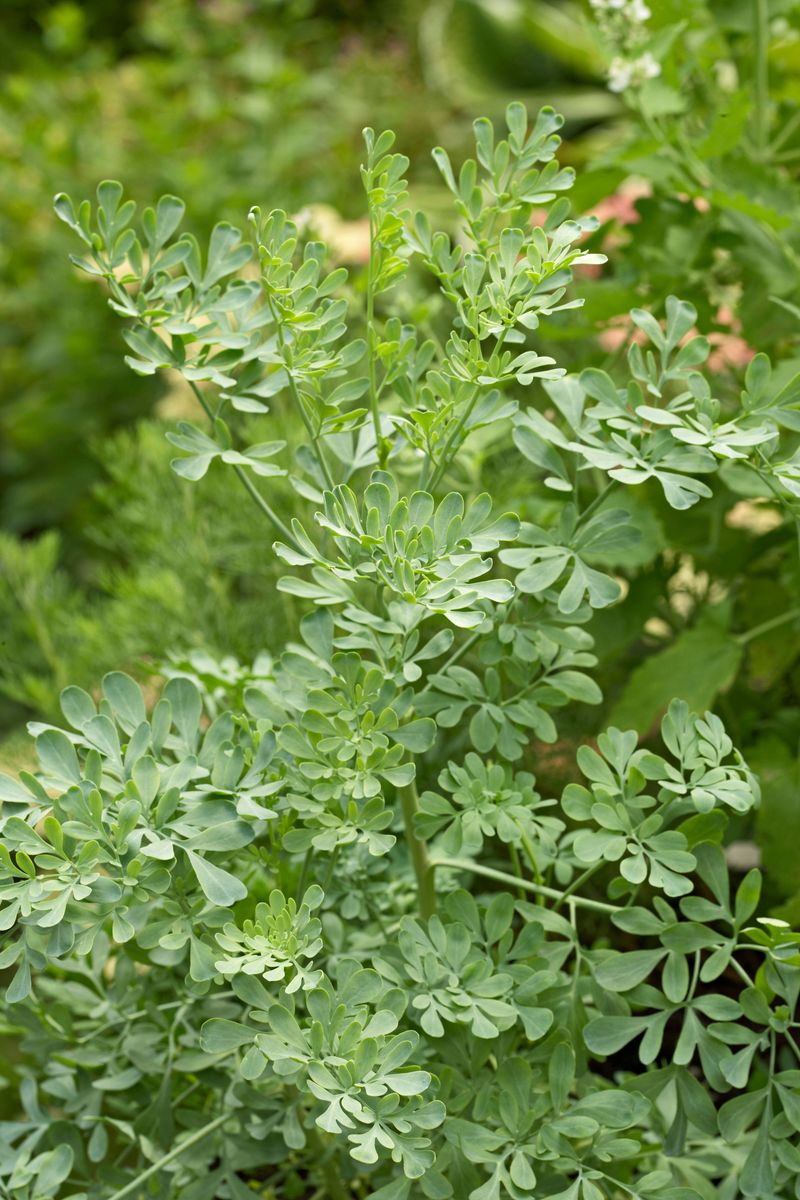
Rue is a lesser-known herb, but it deserves a spot on this warning list. Like fennel and sage, it uses chemical warfare, releasing compounds into the soil that can harm the plants around it.
Cucumbers planted nearby may find their growth quietly held back with no obvious explanation. That kind of hidden inhibition is frustrating precisely because it is so easy to overlook.
Keeping rue separated from your cucumbers is simple insurance. Give it its own space and you remove one more sneaky reason your vines might underperform.
Small changes in where you plant can spare you a whole season of head-scratching, so map out your beds with these nine neighbors in mind and give your cucumbers the clear, uncrowded home they need.