
If Your Hummingbirds Suddenly Disappeared, Here Are 17 Predators And Yard Signs That Explain Why
One day your yard buzzes with tiny hummingbirds, and the next it feels strangely quiet. If your feeders sit untouched, something in your yard has probably changed.
Some reasons are dangerous predators hiding nearby, while others are simple clues you can fix in an afternoon. Here are 17 things that could explain where your little visitors went.
1. Cats (Domestic and Feral)
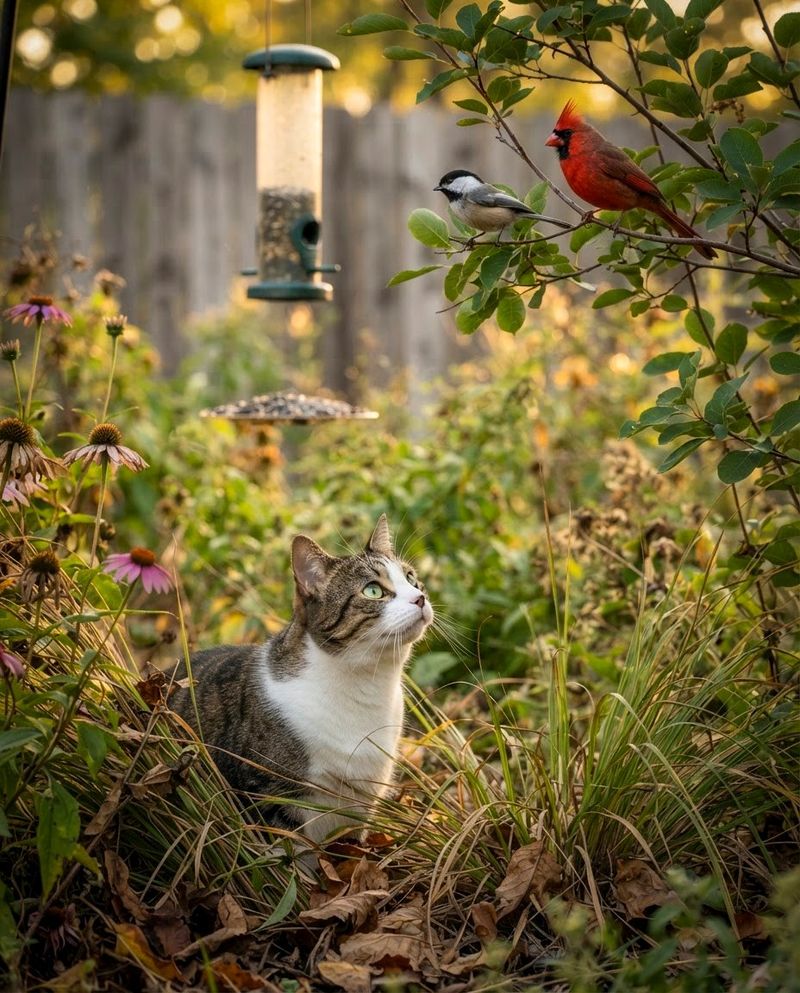
That sweet napping cat on your porch has a wild side you might not expect. Free-roaming house cats and feral cats rank among the most common hummingbird killers across the United States.
They love to hide low in bushes or flower beds close to feeders, staying perfectly still until a bird gets distracted mid-sip. One quick pounce is all it takes.
Moving your feeder away from dense cover and keeping cats indoors, especially during peak visiting hours, can make your yard far safer for tiny visitors.
2. Praying Mantises
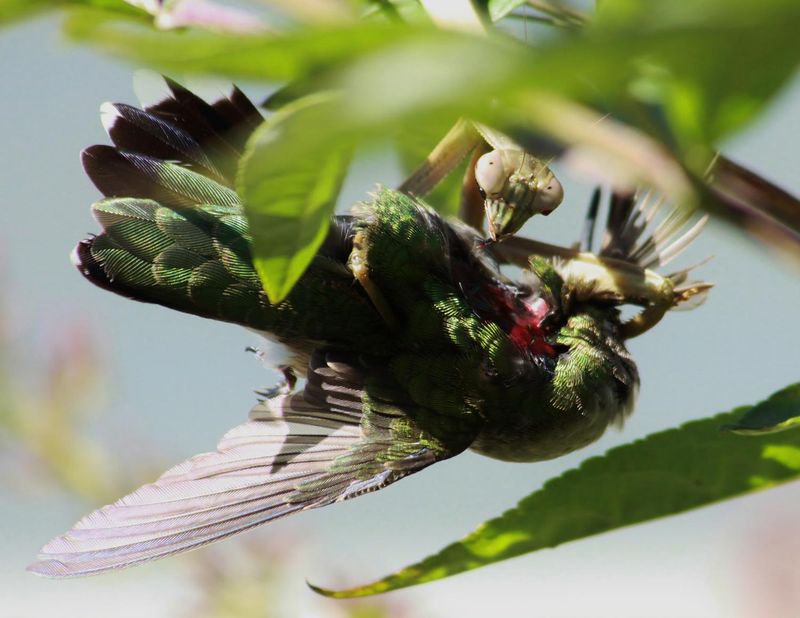
It seems almost unbelievable that an insect could take down a bird, but large mantises pull it off. The invasive Chinese mantis, which can stretch up to five inches long, is the usual culprit.
Perched right on the feeder ports or hidden among flowers, a mantis waits with those spiked front legs ready to grab. Once it catches a hummingbird, it can drain the fluids from the trapped bird.
Gently relocating any big mantis you spot near your feeder gives your hummingbirds a fighting chance.
3. Orb-weaver Spiders
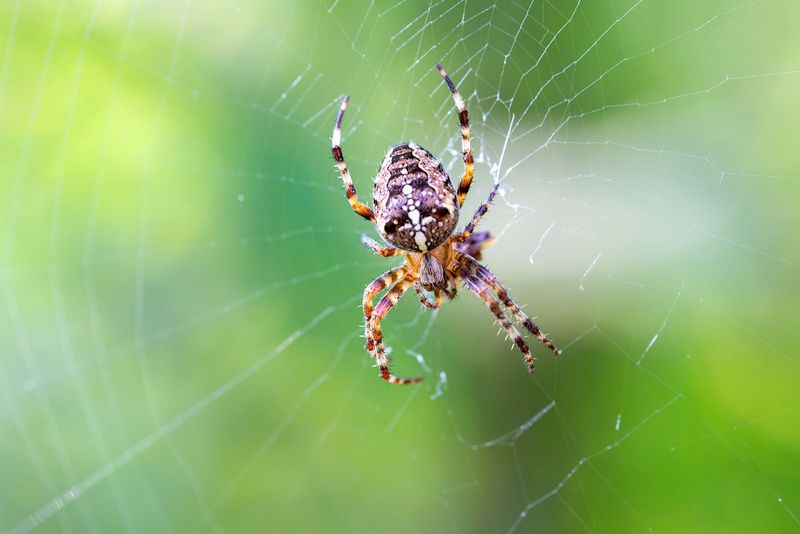
A spiderweb might look delicate, but the big ones are surprisingly strong. Large garden orb-weavers can spin webs tough enough to trap a hummingbird, which may then die from exhaustion or become the spider’s meal.
Here’s the twist: hummingbirds actually collect spider silk to build their nests, so they hover near webs on purpose. That habit puts them at extra risk of getting tangled.
Clearing large webs from around your feeders and flower beds reduces the danger without harming the spiders elsewhere in your yard.
4. Small Birds of Prey
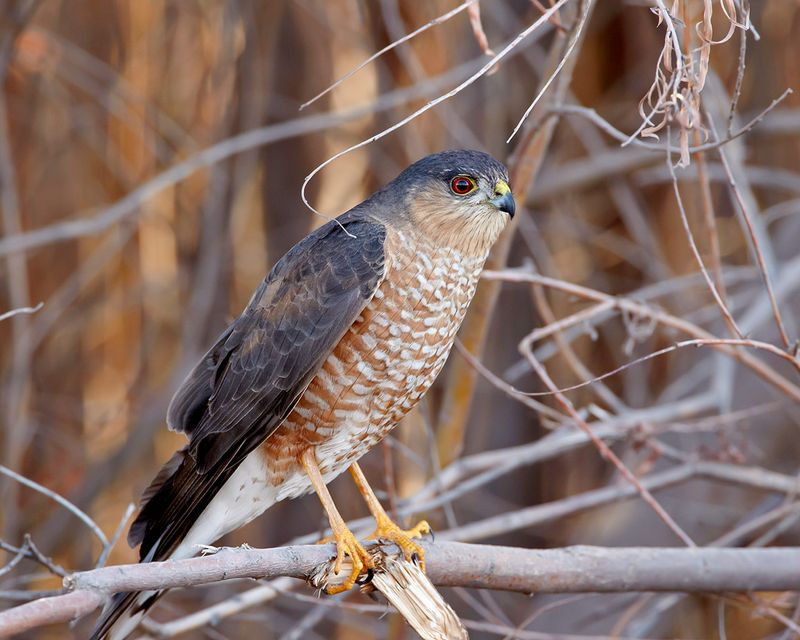
Speed usually keeps hummingbirds safe, but some hunters are faster still. Sharp-shinned Hawks, American Kestrels, Merlins, Cooper’s Hawks, and Mississippi Kites are all small raptors that can snatch a hummingbird right out of the air.
These agile fliers often patrol the same yards where feeders draw a steady crowd of small birds. A busy feeder is basically an open buffet from their point of view.
If you notice a hawk hanging around, hummingbirds may lie low for a while until it moves on to new hunting grounds.
5. Loggerhead Shrikes
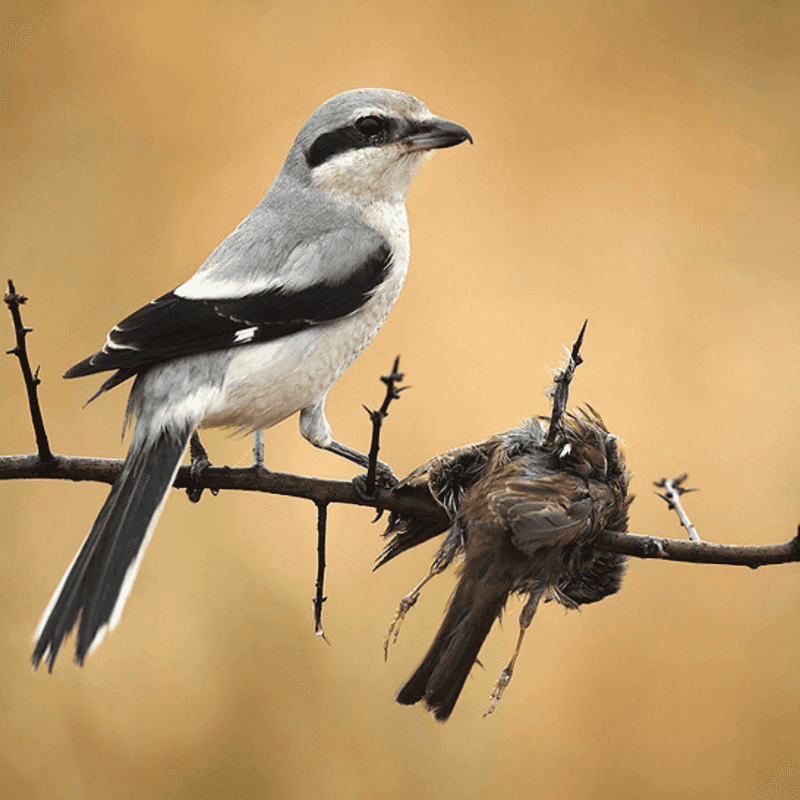
Nicknamed the butcher bird, the loggerhead shrike has a chilling hunting style. It preys on smaller birds and famously impales its catch on sharp objects like thorns or barbed wire.
Though not a picky eater, a shrike passing through your area can absolutely target hummingbirds that gather around feeders. Their bold, patient hunting makes them a real threat to little birds.
Spotting a shrike perched on a fence post or exposed branch is a sign your hummingbirds might be keeping their distance.
6. Corvids (Jays, Crows, Ravens)
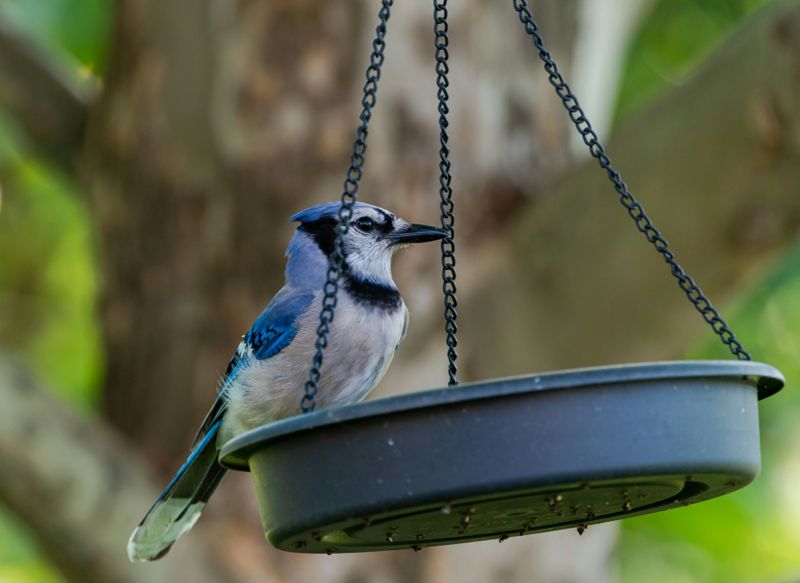
Smart, curious, and always hungry, Blue Jays and their cousins keep a close eye on your yard. Crows, ravens, and jays are notorious for raiding hummingbird nests to eat eggs and helpless chicks.
Blue Jays go even further, chasing adult hummingbirds and occasionally catching one. Their intelligence makes them relentless once they discover an easy food source.
Tucking feeders near protective cover and keeping nesting shrubs dense gives hummingbird families a better hiding spot from these clever raiders.
7. Greater Roadrunners
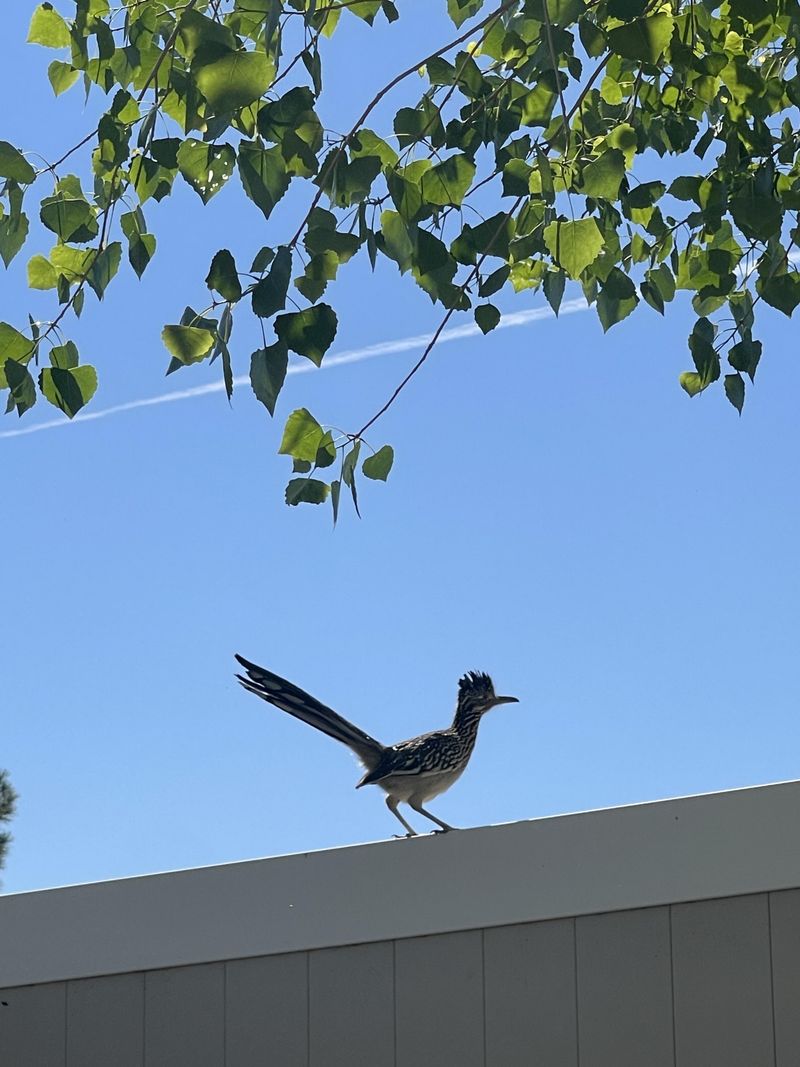
Cartoons made the roadrunner famous for chasing, but the real bird is a surprisingly deadly ambusher. In southwestern yards, greater roadrunners have been seen waiting patiently below feeders.
When a hummingbird flies low or lingers too long, the roadrunner leaps up to snatch it clean out of the air. Their explosive jumping ability catches many unsuspecting birds off guard.
Raising feeders higher and away from ground perches can make it harder for a roadrunner to reach your visitors.
8. Owls
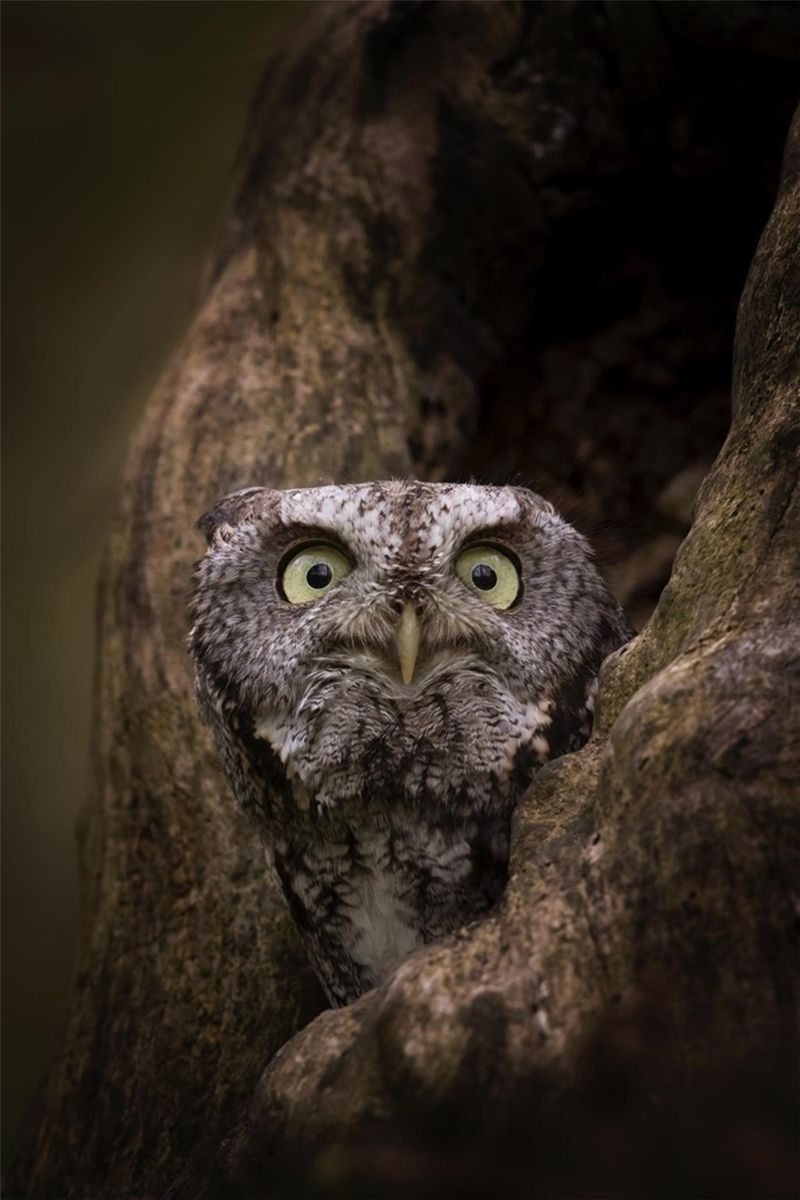
Nighttime brings a quiet danger that most people never see. Owls sometimes prey on hummingbirds, especially when the tiny birds are roosting after dark.
Hummingbirds enter a deep sleep called torpor to save energy, slowing their body way down. In that sluggish state, they can’t react fast enough to escape a silent hunter swooping in.
Providing sheltered, hidden roosting spots among dense foliage helps hummingbirds stay out of sight when they’re most vulnerable at night.
9. Snakes and Lizards
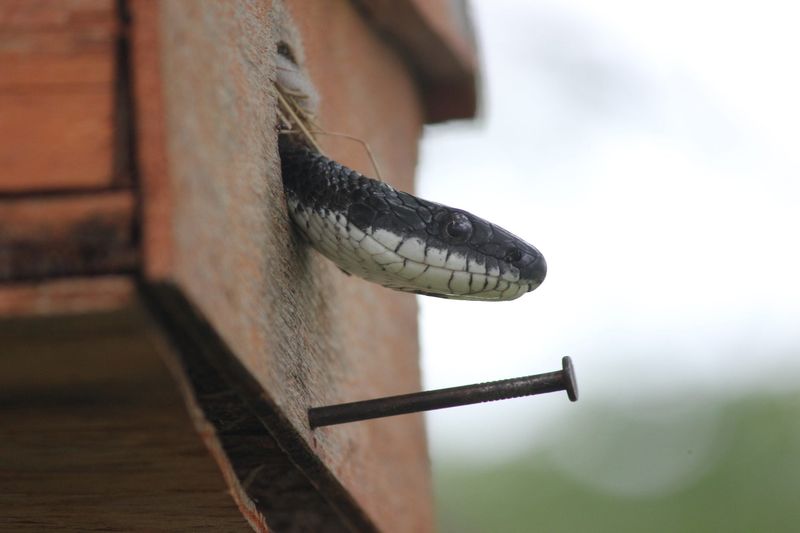
Reptiles are sneaky climbers, and that spells trouble for nesting hummingbirds. Snakes and large lizards happily raid nests to eat eggs and hatchlings.
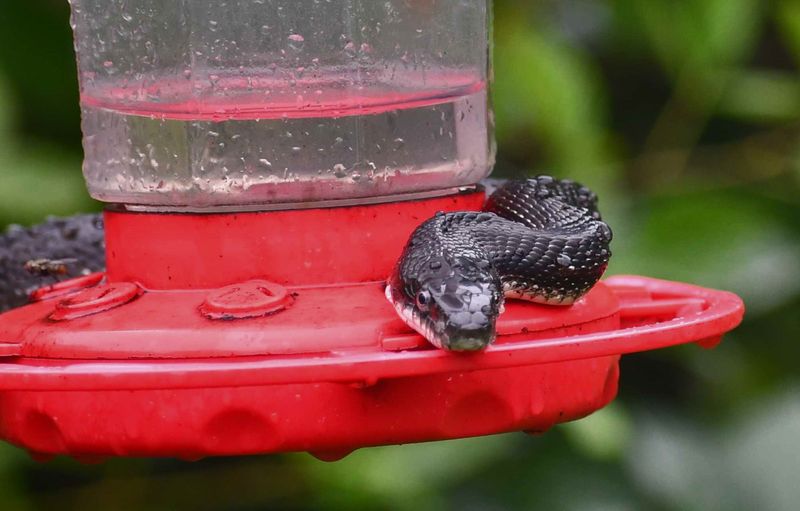
Some tree-climbing snakes go after adults too, slithering up feeder poles or coiling inside hanging baskets to ambush birds. Young Black and Gray rat snakes are especially known for eating eggs and whole broods.
Adding a baffle to your feeder pole and keeping baskets away from easy climbing routes can block these patient hunters.
10. Frogs
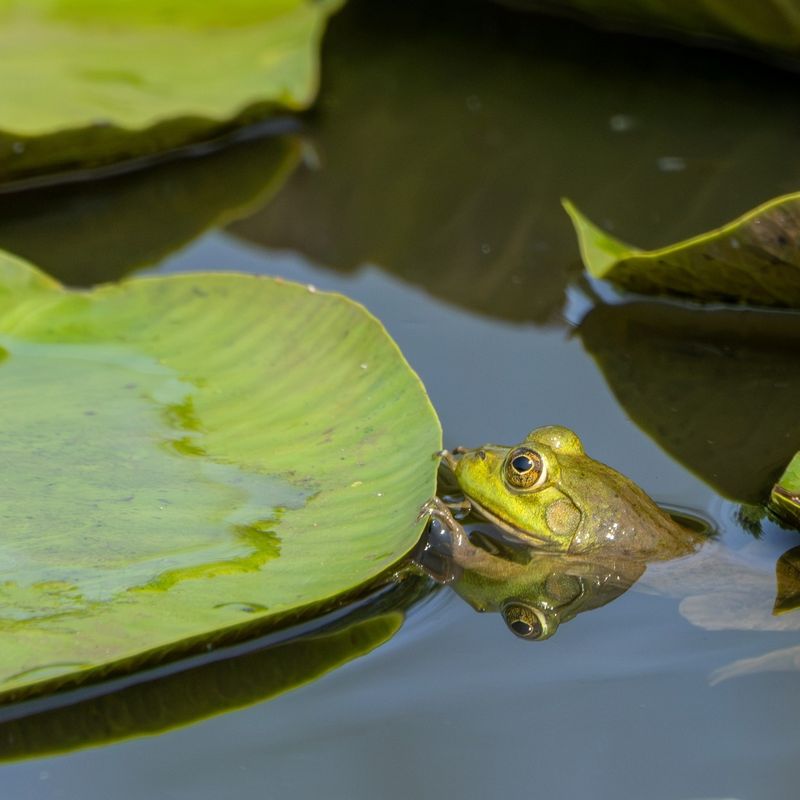
A peaceful backyard pond can hide an unexpected ambush artist. Big frogs like bullfrogs, leopard frogs, and green frogs will leap out of the water to grab low-flying hummingbirds.
The risk climbs sharply when feeders sit close to a pond or water feature. Thirsty or curious hummingbirds flying near the surface become easy targets for a hungry frog’s lightning-fast jump.
Moving feeders away from the water’s edge keeps your little fliers out of striking range.
11. Dragonflies
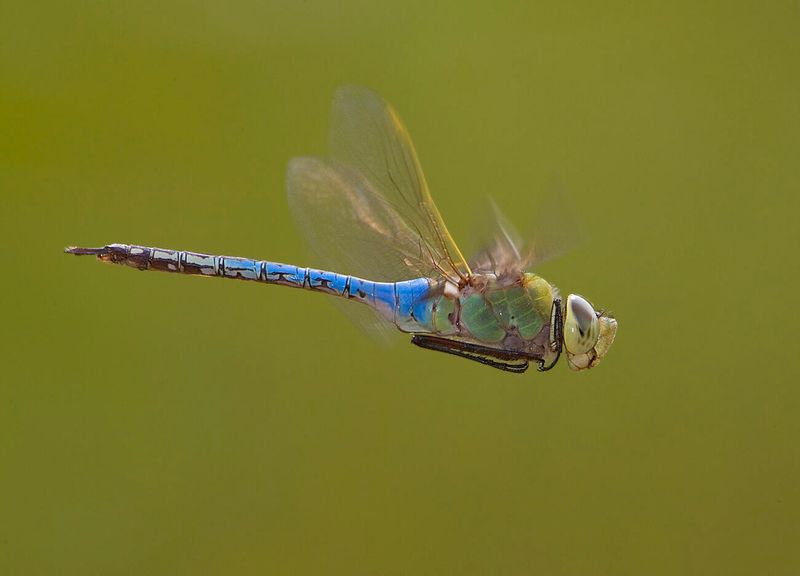
Beautiful and harmless-looking, dragonflies have a secret aggressive streak. Certain large species, such as the dragonhunter and common green darner, are strong enough to catch young or weakened hummingbirds in flight.
These aerial predators are incredible hunters, snagging prey right out of the air with their bristled legs. A juvenile hummingbird still learning to fly makes a tempting target.
While you can’t and shouldn’t remove dragonflies, knowing they’re around explains why fragile young birds sometimes vanish.
12. Wasps, Hornets, and Bees
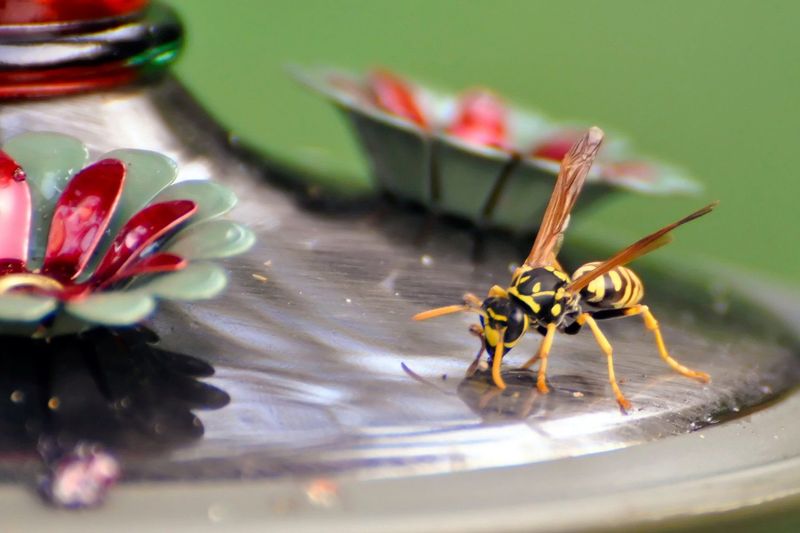
Stinging insects don’t eat hummingbirds, but they can still drive them away or worse. A single sting from a wasp, hornet, or yellow jacket can be fatal to a bird so small.
When these insects swarm a feeder in big numbers, the whole setup becomes dangerous and unappealing. Hummingbirds will simply abandon a feeder that’s crawling with angry stingers.
Using bee guards, ant moats, and feeders without the color yellow can keep the peace and bring your birds back.
13. Robber Flies
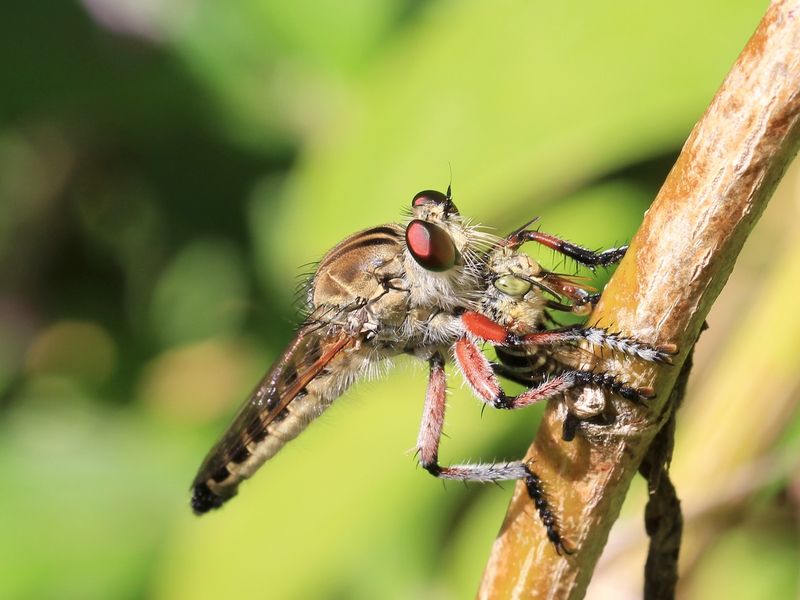
Most folks have never heard of robber flies, yet these bristly bugs are fierce aerial hunters. The larger species may even be capable of capturing and eating a hummingbird.
They ambush prey mid-flight, gripping victims with strong, spiny legs before feeding. While attacks on hummingbirds are rare, they aren’t impossible for the biggest robber flies.
Their presence is just one more reminder that the backyard is a busy, competitive place for a tiny bird trying to survive.
14. Abundance of Natural Nectar Sources
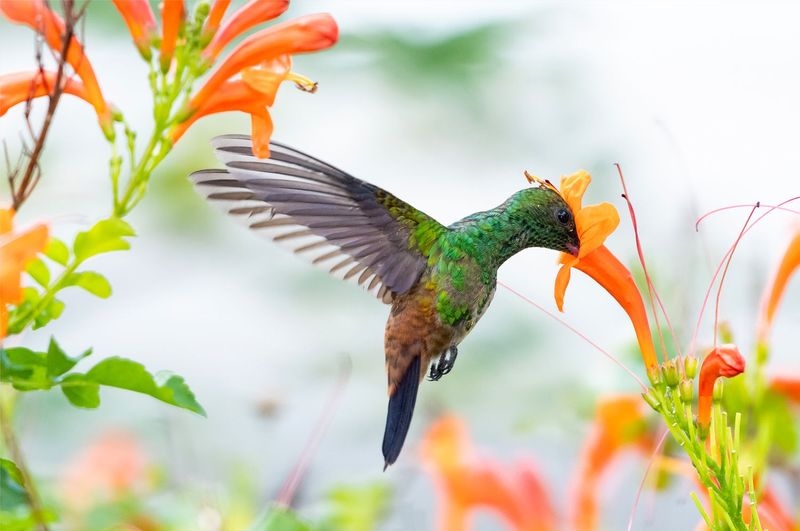
Sometimes the reason your feeder empties out is actually good news. When nearby gardens or wild areas suddenly burst into bloom, hummingbirds often choose fresh flowers over sugar water.
Natural nectar from native plants offers richer, more complete nutrition than a feeder ever could. So your birds haven’t disappeared, they’ve just found a tastier menu down the block.
Planting native tubular flowers in your own yard can lure them back and keep them visiting all season long.
15. Feeder Problems and Spoiled Nectar
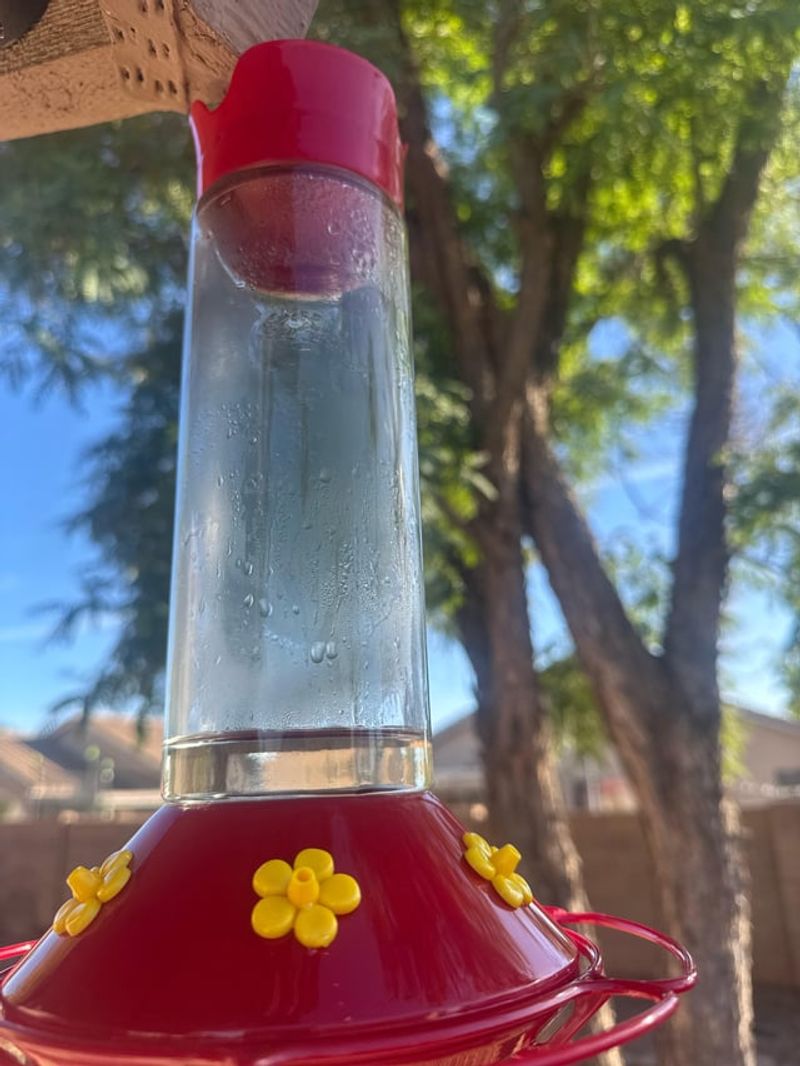
A dirty feeder is one of the quickest ways to lose your hummingbirds. In warm weather, nectar can ferment or grow mold in just a day or two, turning cloudy with black specks.
Spoiled sugar water isn’t just unappetizing, it can actually make birds sick. Ants, bees, and neglectful cleaning only add to the problem and push visitors away.
Washing your feeder every few days and swapping in fresh nectar keeps it safe, and hummingbirds usually return once the buffet is clean again.
16. Nesting and Molting Season
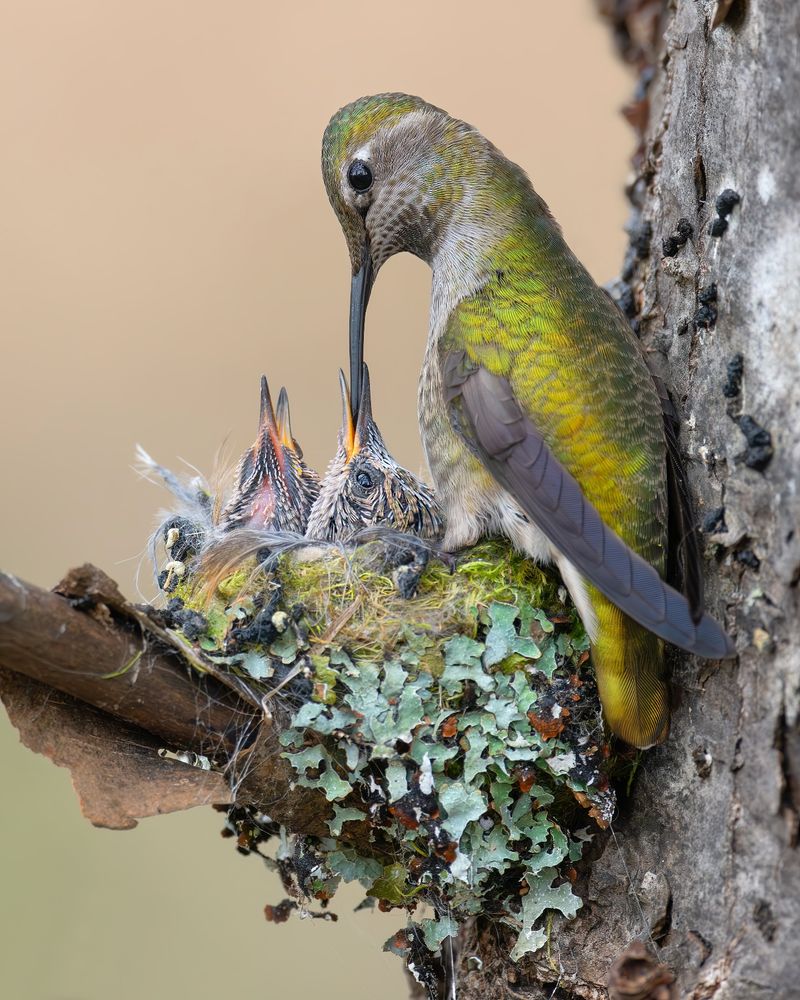
From mid-May through late July, female hummingbirds get seriously busy raising a family. Between incubating eggs and feeding chicks, they spend far more time hunting insects and spiders for protein than sipping at feeders.
They also prefer quiet, discreet food sources close to the nest, so your feeder sees fewer visits. Males often slip away into denser cover after mating too.
Later in summer, molting adds to the quiet as birds shed and regrow feathers, staying hidden and low-key while that energy-draining process runs its course.
17. Migration and Seasonal Changes
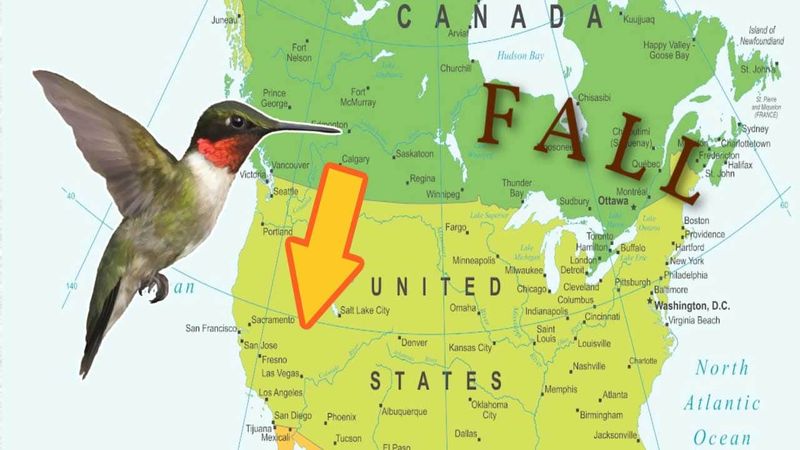
As summer fades, a natural rhythm kicks in that empties feeders every year. Hummingbirds migrate one by one to warmer places for winter, with males leaving first, then females, and finally the young birds.
Weather plays a big role too. Extreme heat spoils nectar faster and slows the birds down, heavy rain dilutes feeder nectar, and sudden cold snaps send them searching for shelter or better conditions.
Keeping a clean feeder up a little longer in fall can offer a helpful pit stop for late travelers passing through your yard.