
If Your Clematis Grows Long Vines But Never Flowers, Here Are 13 Fixes That Get Blooms Going
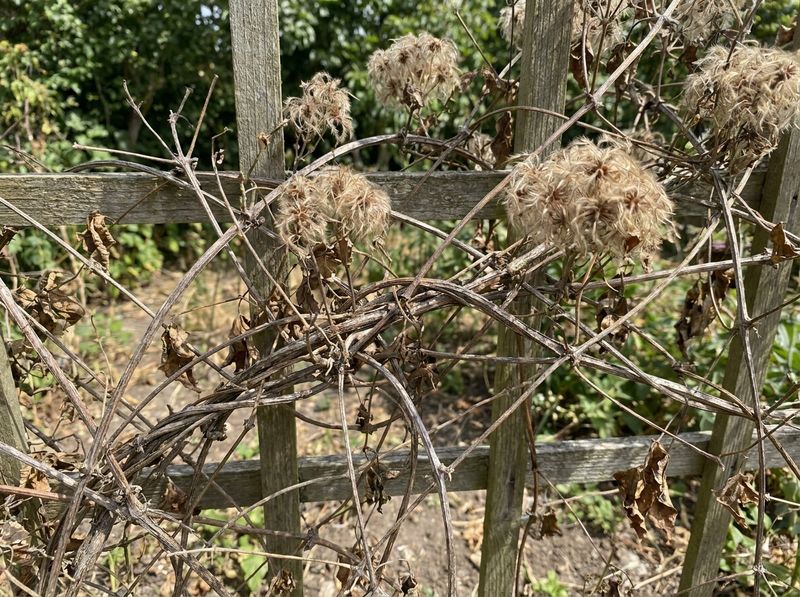
You planted a clematis expecting a wall of blooms, and instead you got a tangle of green vines and not much else. It is a frustrating spot to be in, but the good news is that a leafy, flowerless clematis almost always points to something simple you can fix.
Below are 13 easy adjustments that help coax those buds out. Try a few and watch your vine finally earn its keep.
1. Check Sunlight Exposure
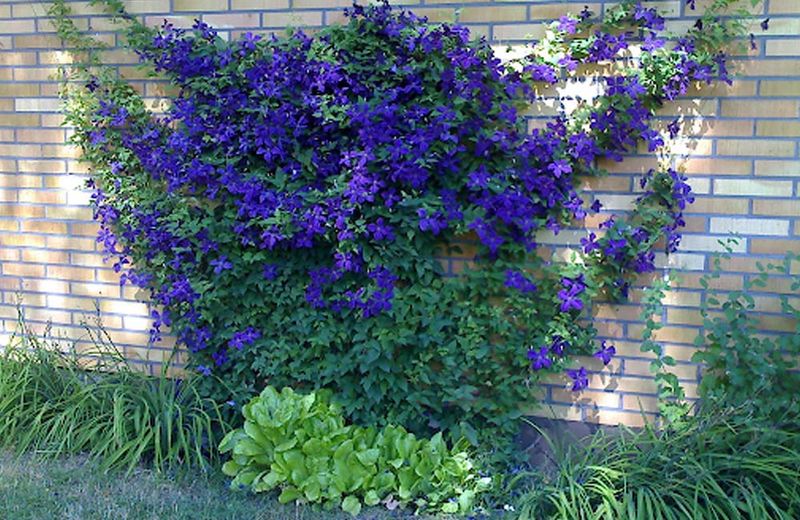
Sunshine is the fuel that turns leaves into blooms, and a clematis parked in a shady corner will happily grow vines while skipping the flowers entirely. Most types want at least six hours of direct sun on their foliage each day.
Take a walk around your plant at different times and notice where the shadows fall. Sometimes a tree or shrub has quietly grown taller and started blocking the light your clematis used to get.
If that is the case, prune back whatever is casting shade, or plan to move the clematis to a sunnier spot come spring. A little more light often flips the switch from all leaves to loads of buds.
2. Cool the Roots
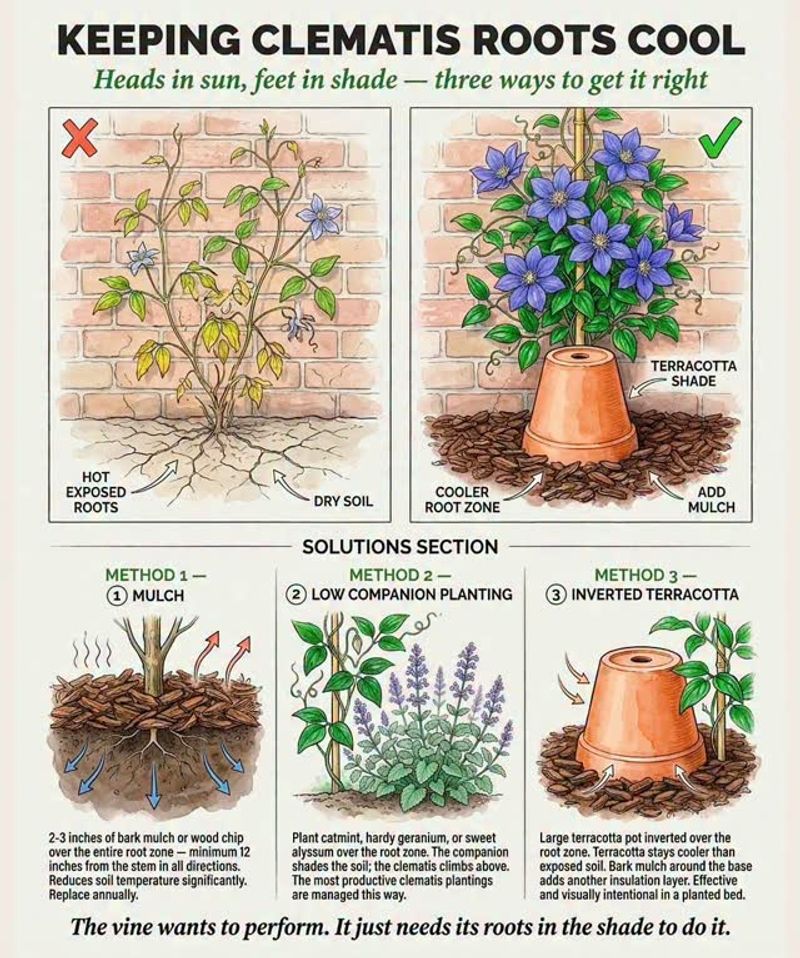
Here is the quirky thing about clematis: it loves sun on its face but hates heat on its feet. Warm, dry roots can stress the plant enough to hold back flowers.
Spread a couple of inches of mulch around the base to lock in moisture and keep the soil cool. You can also tuck in some low-growing annuals or perennials to shade the ground.
Flat stones laid around the crown work like a natural cooler too, blocking the sun from baking the root zone. Keep the head warm and the feet cool, and your vine will thank you with blooms.
3. Adjust Fertilization
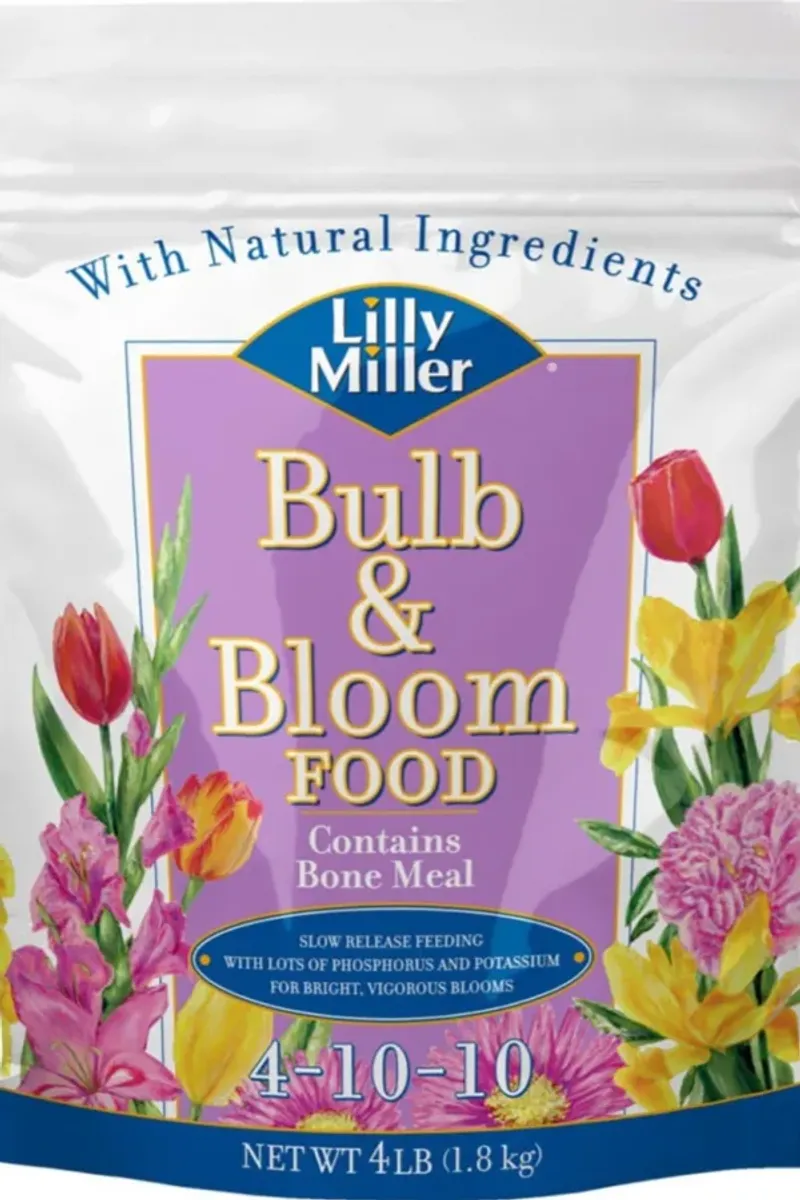
Feeding your clematis a heavy dose of nitrogen is a common misstep that backfires in a big way. Nitrogen pushes lush green growth, so you end up with a jungle of leaves and barely a bud in sight.
Switch to a balanced blend like 10-10-10, or better yet reach for a bloom booster higher in phosphorus and potassium, such as a 5-10-10 or 10-30-20 mix, applied in spring.
Feed lightly and steadily through the growing season rather than dumping it all at once. The goal is to nudge the plant toward flowering, not toward growing an even longer vine.
4. Water Consistently and Deeply
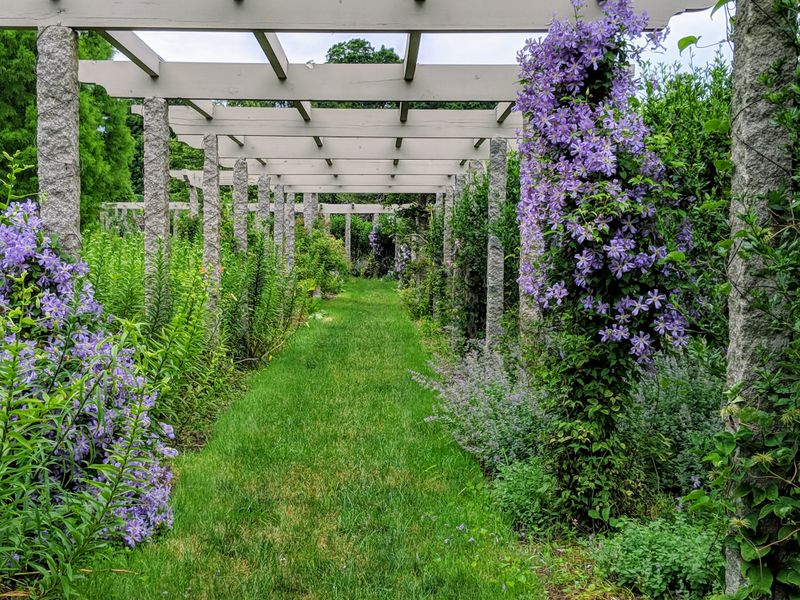
Clematis likes its soil evenly moist, and swinging between soggy and bone-dry can throw off flowering fast. Both extremes stress the plant.
Aim for roughly one inch of water a week for established plants, and go deep rather than sprinkling the surface. A slow, thorough soak encourages strong roots that can support blooms.
Watch out for overwatering too, since standing water invites root rot, while underwatering leaves the plant too thirsty to bother producing buds. Steady moisture is the sweet spot your clematis is chasing.
5. Prune Correctly for Its Group
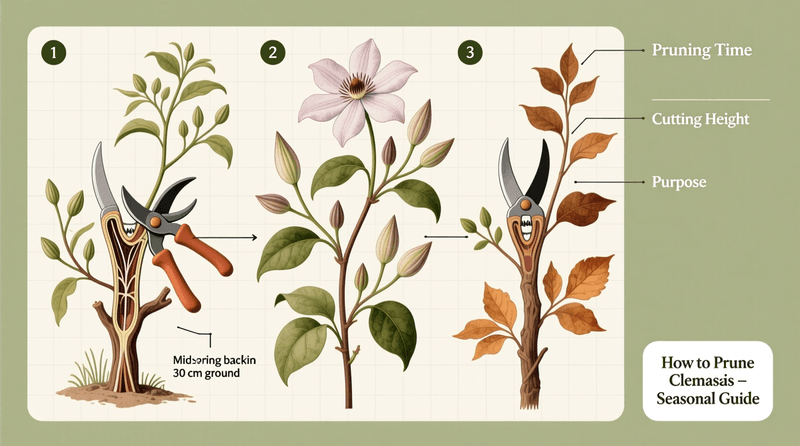
Pruning is where a lot of gardeners accidentally snip away their own flowers. Clematis fall into three pruning groups based on when they bloom, and each group has its own rules.
Cut the wrong stems at the wrong time and you may be lopping off the very wood that was about to flower. That is why a leafy, bloomless plant is often a pruning mystery in disguise.
Find out which group your variety belongs to, then follow its schedule. Group one blooms on old wood, group two on a mix, and group three on new growth, so matching your snips to the group makes all the difference.
6. Be Patient with Young Plants
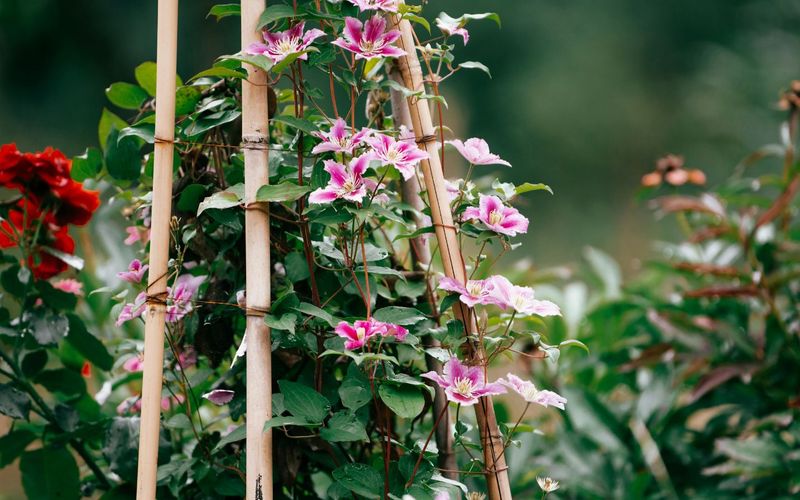
Sometimes the fix is simply time. A young clematis pours most of its energy into building roots and stems during its first couple of years, leaving little to spare for flowers.
Certain types, especially those in groups one and two, may take one to two years or even longer before they bloom generously.
So if your vine is fresh from the nursery and putting out plenty of green, it may not be broken at all. Keep caring for it, and let the old gardener saying play out: first year it sleeps, second it creeps, third it leaps.
7. Test and Amend Soil pH
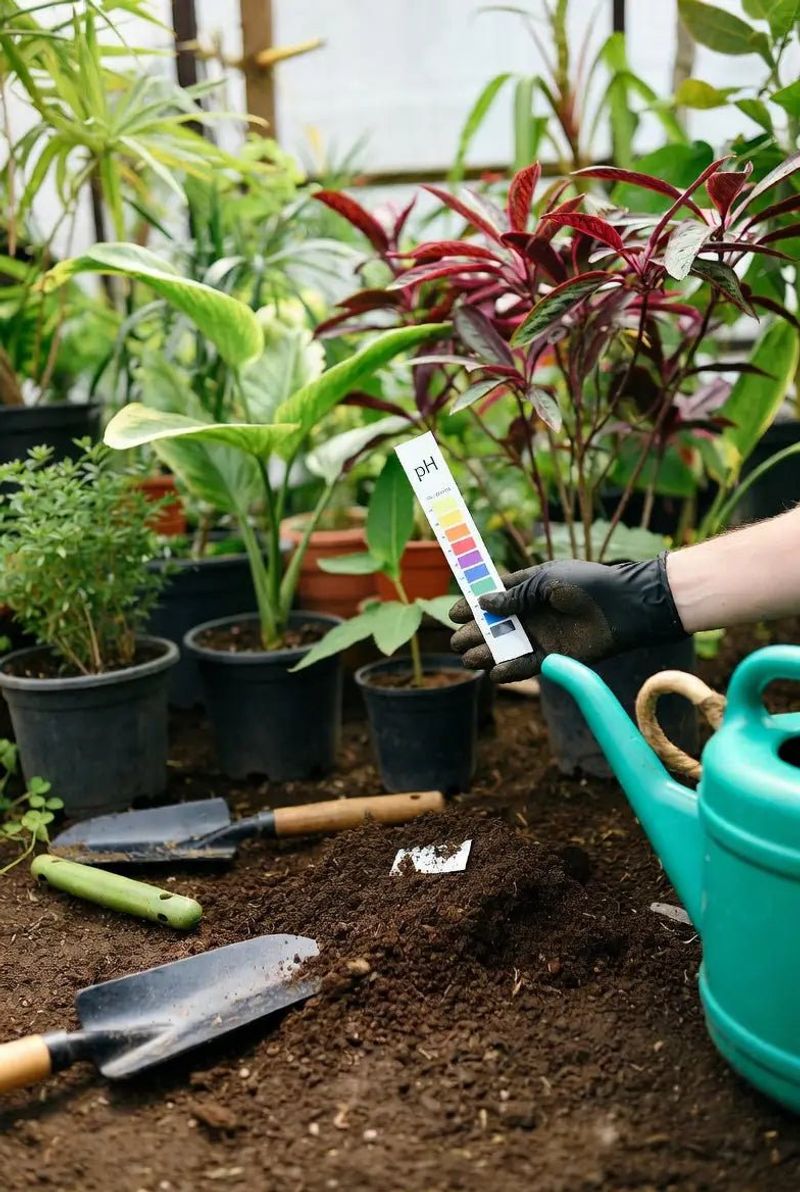
Soil chemistry rarely gets blamed for a flowerless clematis, but it can quietly hold blooms back. These vines prefer neutral to slightly alkaline ground, roughly a pH of 5.5 to 7.0.
Grab an inexpensive soil test kit and check where your bed lands. If the reading comes back too acidic, adding a bit of garden lime can gently raise the pH into a friendlier range.
Getting the soil into that comfortable zone helps the roots take up nutrients properly. When the plant can feed itself well, it has the resources to make flowers instead of just leaves.
8. Improve Soil Drainage
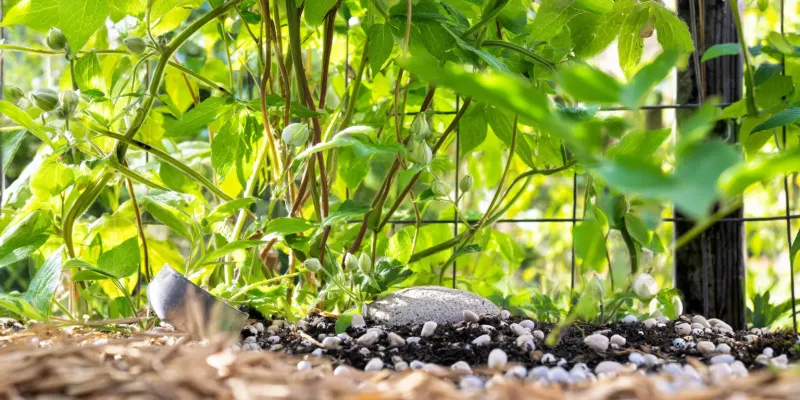
Roots sitting in waterlogged soil are unhappy roots, and unhappy roots do not make flowers. Clematis needs ground that drains well so its base does not stay soggy.
If you are working with heavy clay that holds water like a sponge, that could be the culprit behind your bloomless vine and any wilting you have noticed.
Before planting, or even by top-dressing an existing plant, work in plenty of organic matter like compost to loosen things up. Better drainage keeps root rot at bay and gives your clematis the healthy foundation it needs to bloom.
9. Provide a Sturdy Support Structure
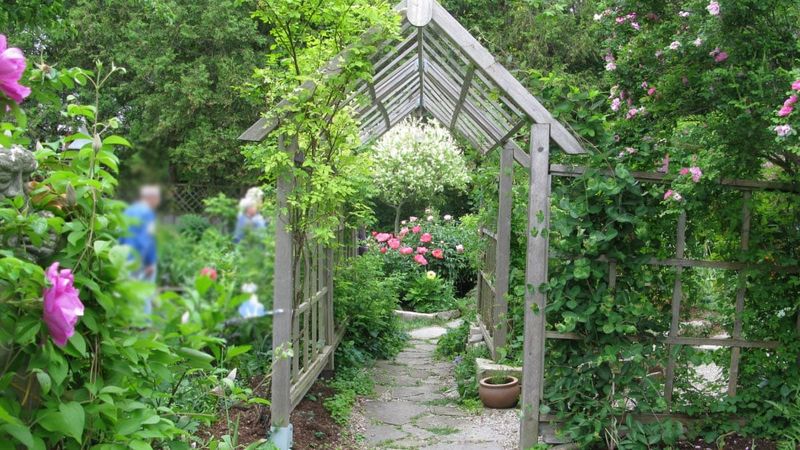
A climber with nothing to climb is a climber under stress. Clematis are natural scramblers that reach out with their leaf stems, gripping thin supports as they rise.
Give them a solid trellis, arbor, or even a section of netting to grab onto. Without good support, the vine flops around, tangles on itself, and puts energy into survival instead of showing off.
A sturdy frame also spreads the stems out so light and air reach more of the plant. That better exposure encourages more buds and lets the flowers actually be seen once they arrive.
10. Plant Deeply
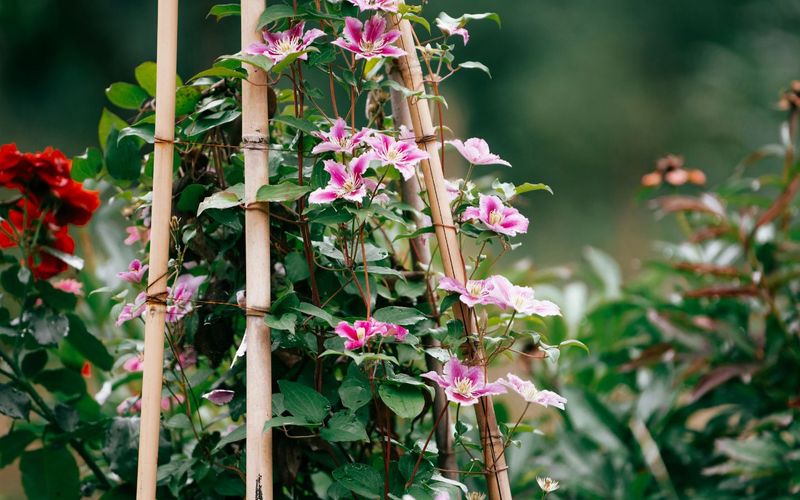
Most plants want their crown right at soil level, but clematis breaks that rule in a helpful way. Setting the crown about two to four inches deeper than it sat in the nursery pot works wonders, especially for large-flowered hybrids.
Burying it deeper encourages fresh, strong shoots to emerge from below the surface. More shoots from the base often means a fuller plant with more flowering potential.
There is a bonus too: deep planting gives the crown some protection against clematis wilt, that dreaded disease that can knock back a stem overnight. If your plant is young, replanting a little deeper may pay off in blooms.
11. Monitor for Pests and Diseases
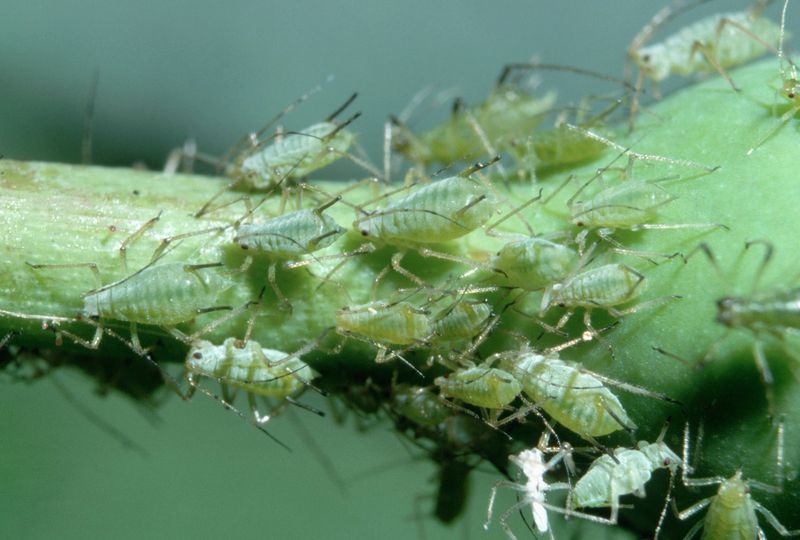
A plant fighting off invaders has little energy left for flowers. Aphids, slugs, and snails can nibble your clematis into stress, while clematis wilt and root rot attack from the inside.
Make a habit of peeking under leaves and along stems for pests or odd spotting. Catching trouble early lets you treat it before it drags the whole plant down.
Good airflow matters too, since crowded, stuffy foliage invites fungal problems like powdery mildew. Space out the stems, tidy the area, and treat issues promptly so the plant can get back to the business of blooming.
12. Rejuvenate Overgrown or Underperforming Vines
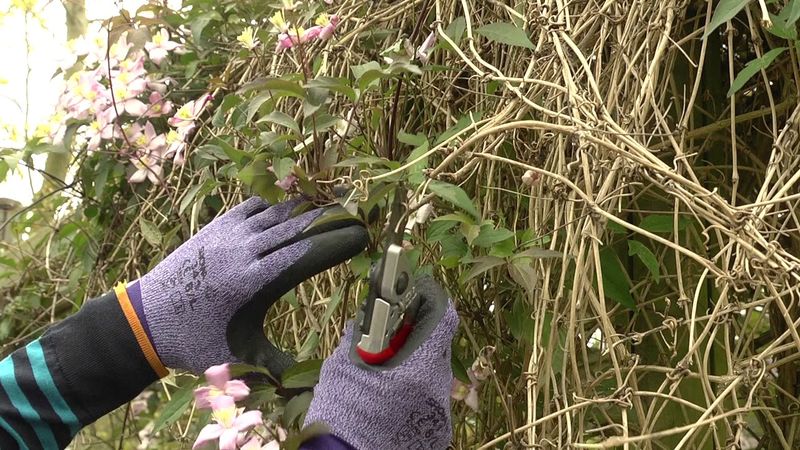
Ever notice an old clematis blooming way up top while the bottom half looks like bare rope? That leggy, top-heavy look is a sign the plant needs a fresh start.
A renovation prune is the reset button. In late winter or early spring, cut every stem coming from the ground back to somewhere between 5 and 18 inches.
Yes, you may sacrifice some flowers for that one season, but the plant responds by pushing new growth low down. The payoff is a fuller vine with blooms spread all the way along it, not just at the ceiling.
13. Reduce Plant Stress
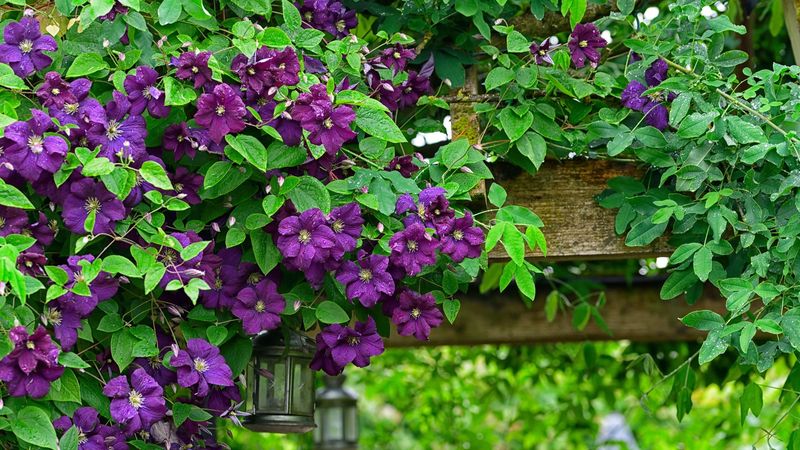
Plants under constant stress tend to hunker down instead of flowering, and clematis is no exception. Battering wind, scorching heat, and surprise late frosts can all knock the wind out of your vine.
Set up a simple windbreak if your plant sits in an exposed, gusty spot. During a heatwave, a bit of temporary afternoon shade takes the edge off, and covering tender buds on frosty spring nights protects the earliest blooms.
Check that greedy neighbors are not crowding it out, either, since nearby roots can steal the water and nutrients your clematis needs. A calmer, less crowded life gives the plant room to relax and bloom.