
If You Grow Peppers, Here Are 11 Plants You Should Never Set Too Close To Them
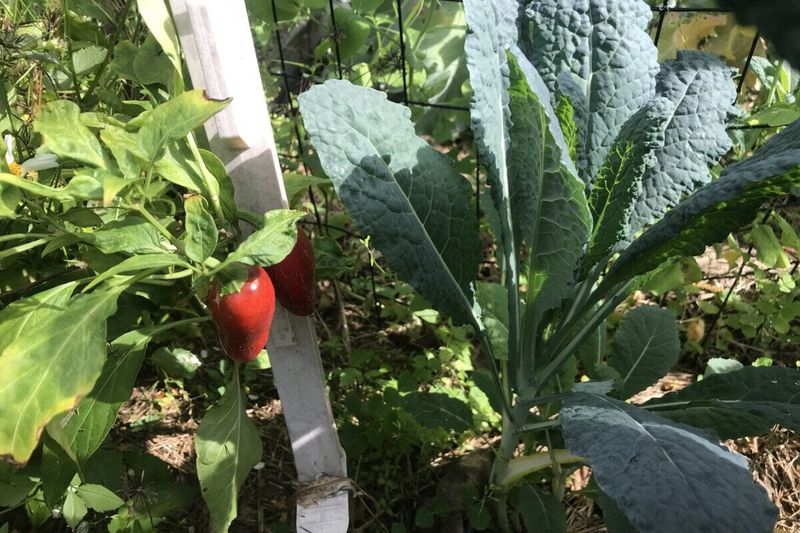
Peppers are one of the most rewarding crops in a backyard garden, but their neighbors can quietly wreck your harvest. Some plants steal nutrients, cast too much shade, or invite the exact pests and diseases your peppers hate.
A few even poison the soil around them without you ever noticing. Here are 11 plants to keep well away from your pepper patch so your plants stay strong, healthy, and loaded with fruit.
1. Fennel
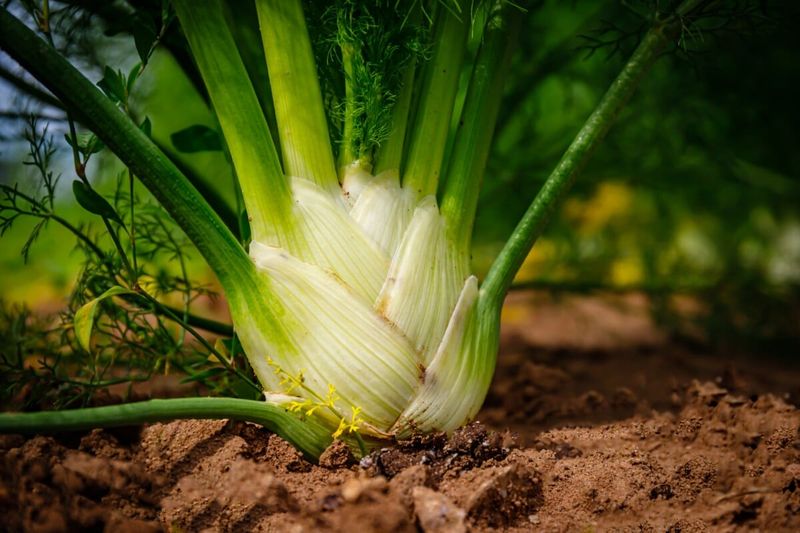
Gardeners often call fennel the loner of the vegetable world, and for good reason. It releases allelopathic chemicals into the soil that can slow down the germination and growth of almost anything planted around it, peppers included.
Those chemicals act like an invisible barrier, quietly suppressing your pepper plants before you even spot the trouble. On top of that, fennel sends down deep roots that hog nutrients your peppers desperately need.
If you love fennel, tuck it into a pot or a far corner of the yard. Your peppers will thank you for the distance.
2. Sunflowers
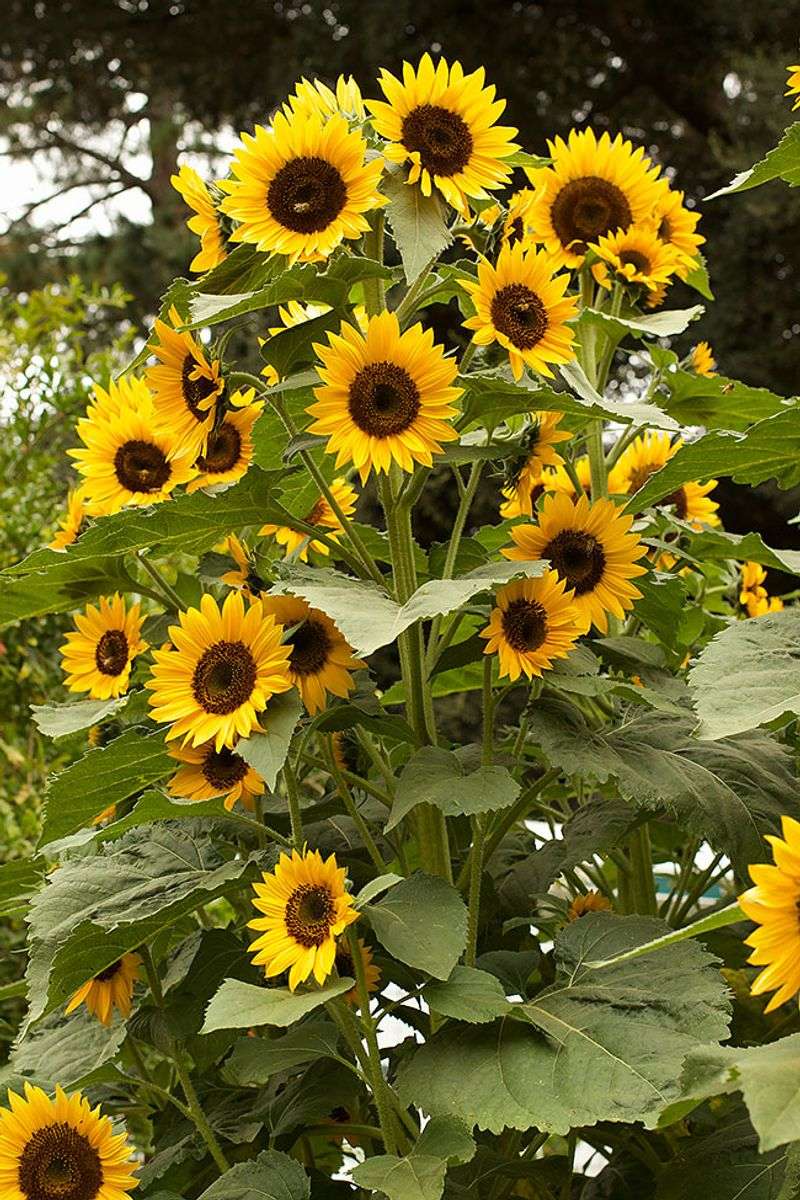
They may be the cheerful giants of the summer garden, but sunflowers are surprisingly ruthless underground. Their roots release compounds that can stunt the growth of nearby plants, and peppers are not immune.
Beyond the chemical warfare, sunflowers are greedy feeders. They pull water and nutrients out of the soil at a fast pace, leaving your peppers scrapping for what little is left.
Plant them along a fence line away from your edible beds, and enjoy the blooms without shortchanging your harvest.
3. Potatoes
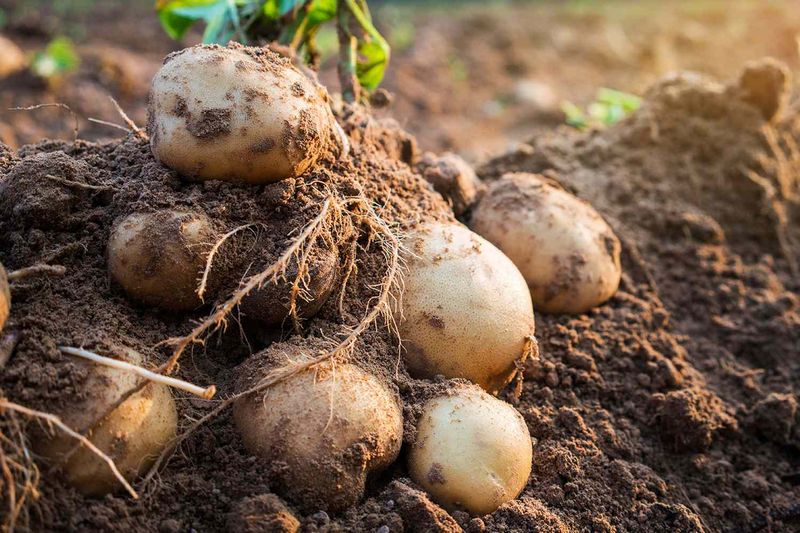
Here is a family feud you did not see coming. Potatoes, like tomatoes and eggplants, belong to the same nightshade family as peppers, which sounds friendly until you realize what they share.
Because they are close relatives, they pass diseases and pests back and forth with ease. Blight, in particular, can jump from potatoes straight to your peppers and take out both crops in a single bad season.
Keeping distance between these cousins helps break the chain of infection. If one plant gets sick, your whole nightshade lineup will not go down together.
4. Brassicas
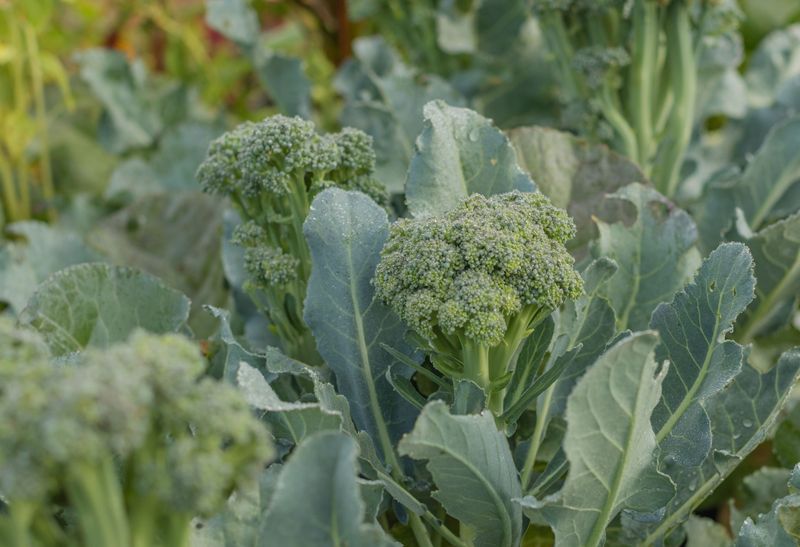
Broccoli, cabbage, kale, cauliflower, and Brussels sprouts all belong to the brassica clan, and they eat like teenagers after a growth spurt. These heavy feeders devour nitrogen, phosphorus, and potassium, leaving your peppers hungry.
Their tastes clash in other ways too. Brassicas prefer cooler weather and a different soil pH than peppers, so keeping them together means neither crop gets ideal conditions.
They also roll out the welcome mat for cabbage worms, flea beetles, aphids, and thrips. Once those pests arrive, they happily move on to your pepper leaves next.
5. Corn
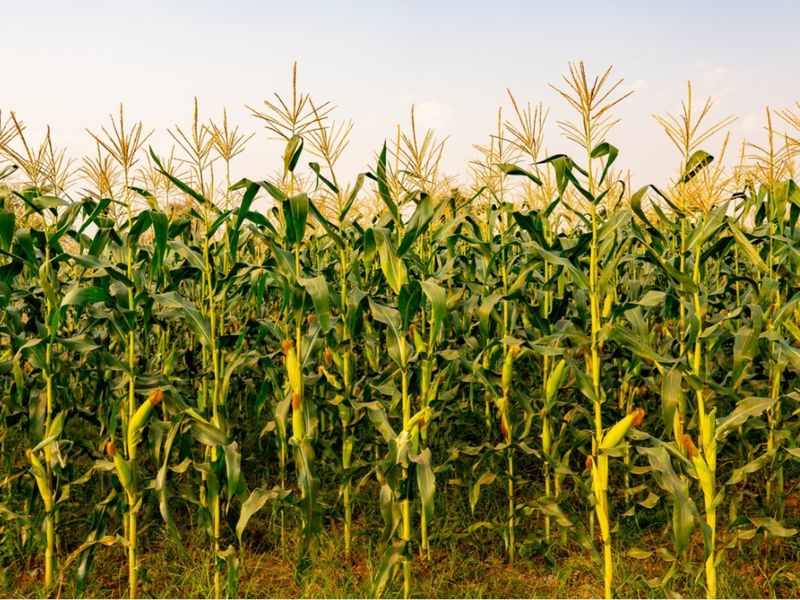
Corn has a way of dominating a garden simply by standing tall. Those towering stalks throw heavy shade, and sun-loving peppers hate being left in the shadows.
The bigger worry hides inside the ears. Corn attracts corn earworms, and those hungry caterpillars can slide right over to your pepper fruit and start chewing.
Add in the fact that corn is a serious nutrient hog, and you have a neighbor that competes on every front. Give your peppers their own sunny, open spot far from the corn patch.
6. Black Walnut
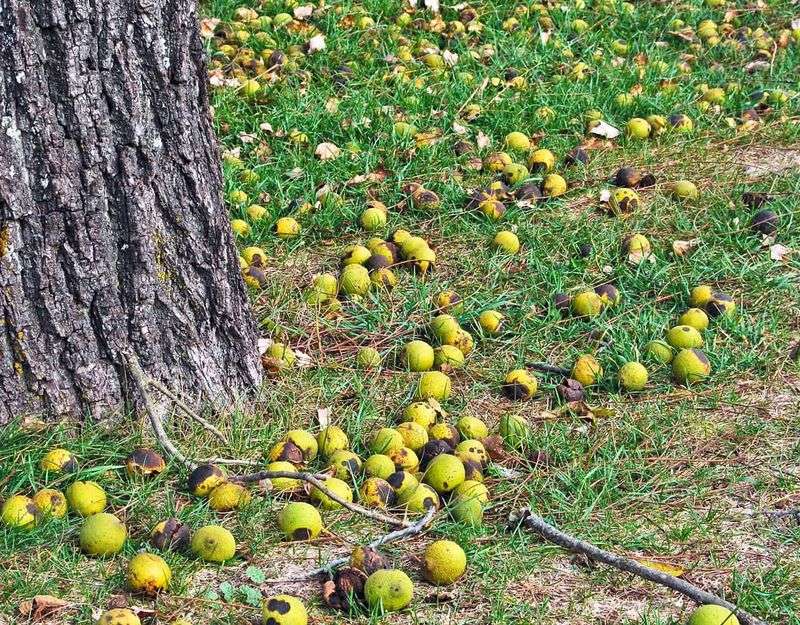
Some trees are quietly poisonous to their neighbors, and the black walnut is the classic example. It produces a chemical called juglone that seeps into the soil and turns the ground toxic for many plants.
Peppers are highly sensitive to juglone. Set them anywhere within the tree’s sprawling root zone and you may watch them wilt, stall, or die outright with no clear cause.
Did you know the root zone can stretch far beyond the visible canopy? Plant your peppers well clear of that circle, or grow them in raised beds with fresh soil to stay safe.
7. Mint
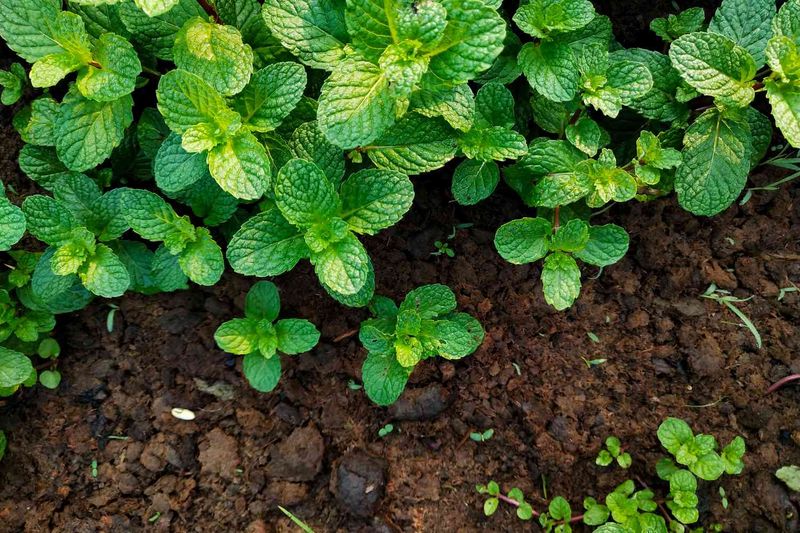
Mint smells wonderful and makes great tea, but let it loose in a garden bed and it turns into a bully. It spreads through underground runners at astonishing speed, swallowing space you meant for your peppers.
As it takes over, mint tangles around pepper root systems and competes hard for water, nutrients, and elbow room. Your peppers end up crowded out and struggling to grow.
The fix is easy: keep mint in a container where its roots stay boxed in. You get the herb without the hostile takeover.
8. Goldenrod
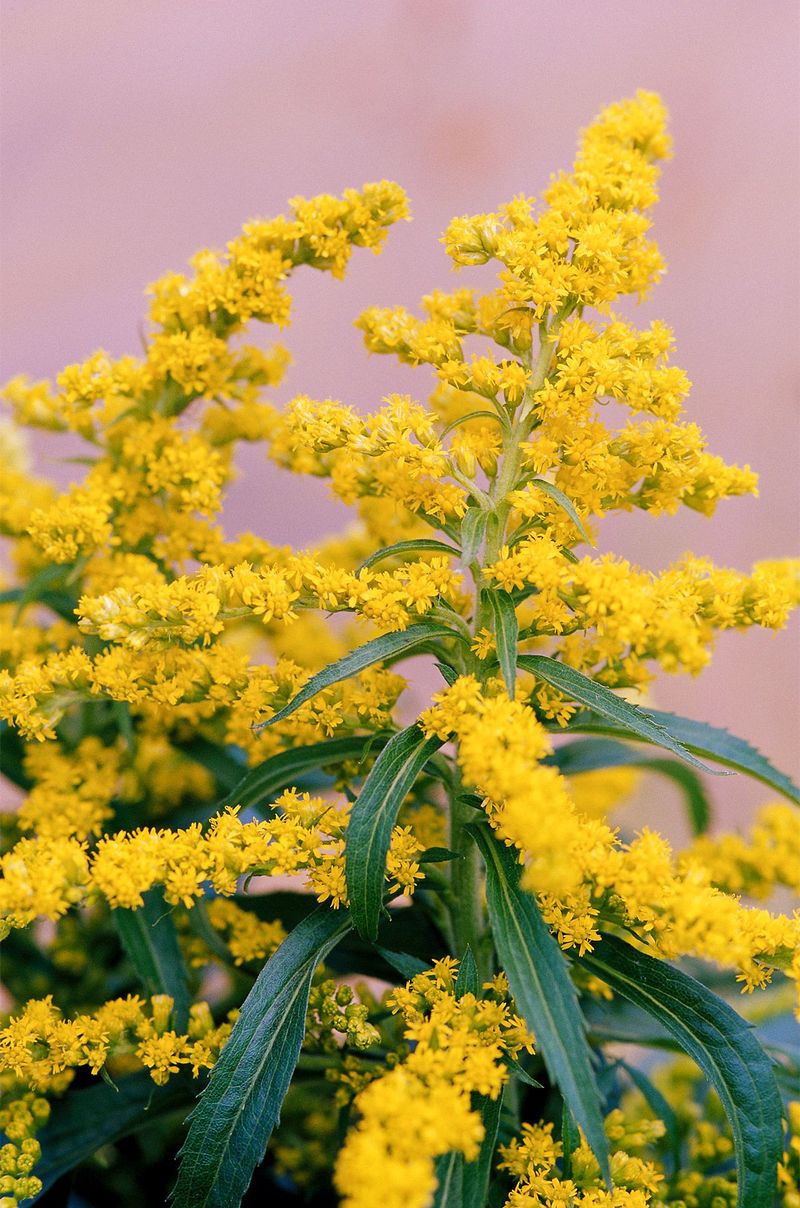
Those golden autumn plumes look harmless enough, but goldenrod plays the same underground trick as sunflowers. Its root zone releases allelopathic chemicals that can hold back the growth of plants nearby.
For peppers, that means slower development and weaker yields when goldenrod moves in too close. The effect is subtle, which makes it easy to blame the wrong culprit.
If goldenrod pops up near your beds as a volunteer, pull it or relocate it. Give your peppers chemical-free soil to stretch their roots.
9. Lavender
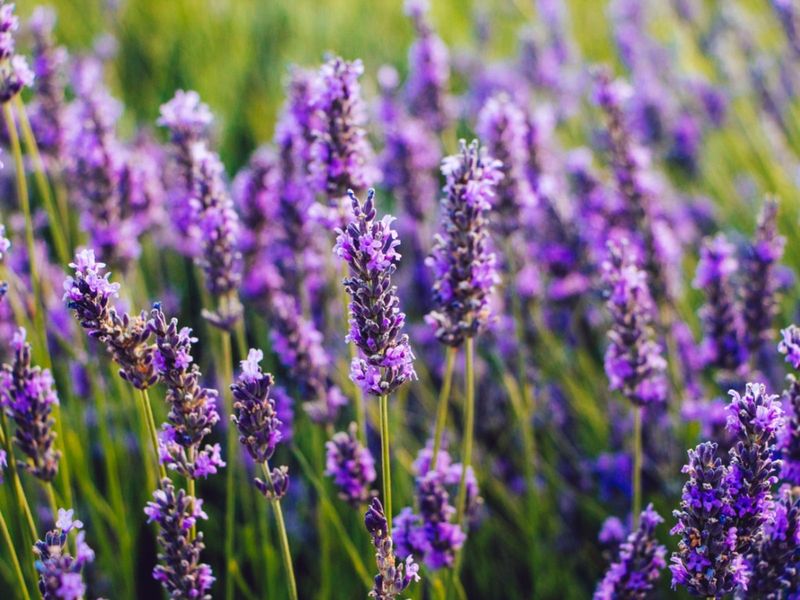
It feels almost unfair to warn against lavender, with its dreamy scent and pollinator-friendly blooms. Yet lavender carries allelopathic traits too, and its root zone can inhibit the growth of certain plants set right beside it.
Peppers planted too close may not get the boost you hoped for. Instead of cozy companions, they can end up quietly competing.
Enjoy lavender in its own dedicated spot or a nearby pot. Your peppers stay happy, and you still get all that fragrance drifting through the garden.
10. Beans
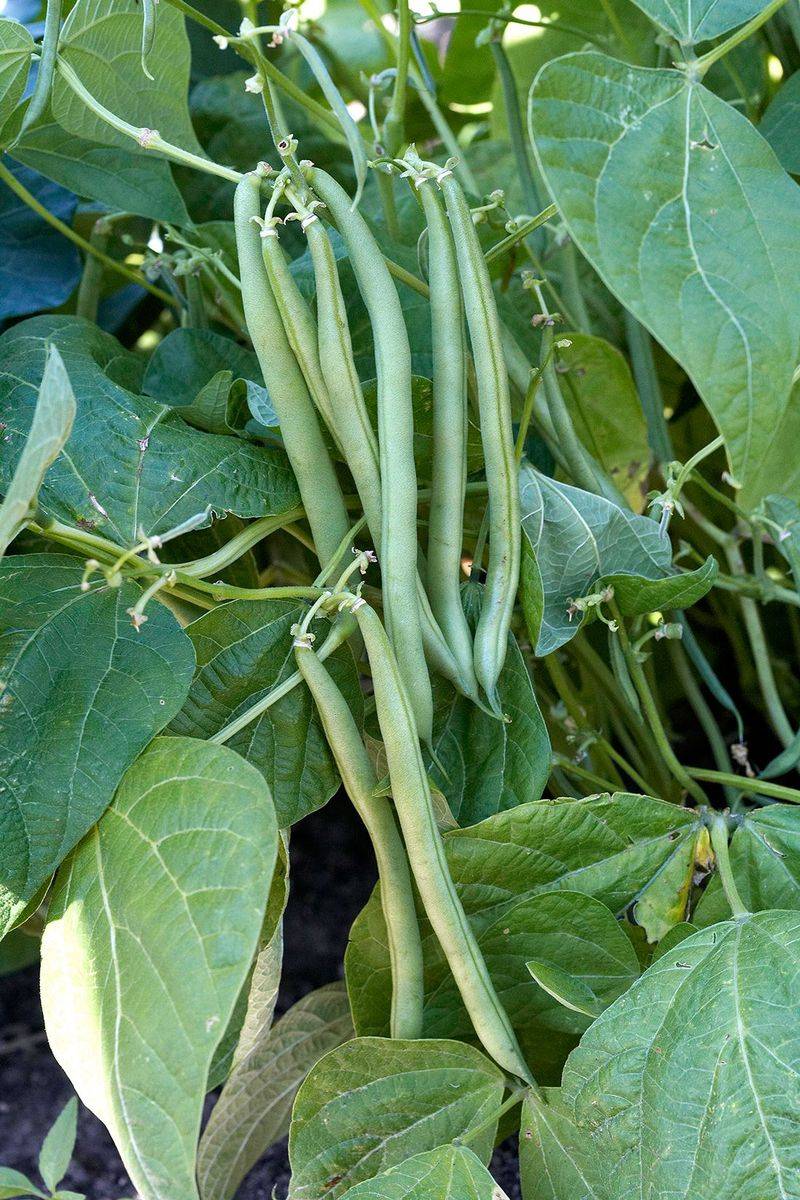
Beans get a lot of praise for fixing nitrogen in the soil, so they surprise many gardeners on this list. The truth is that some bean varieties can actually stunt pepper growth when planted right alongside them.
Part of the problem comes down to competition. When their soil needs differ from your peppers, beans can pull resources in a direction that leaves your pepper plants shortchanged.
Rather than risk it, plant beans in a separate row with a little breathing room. Both crops can thrive when they are not fighting for the same patch of ground.
11. Peas
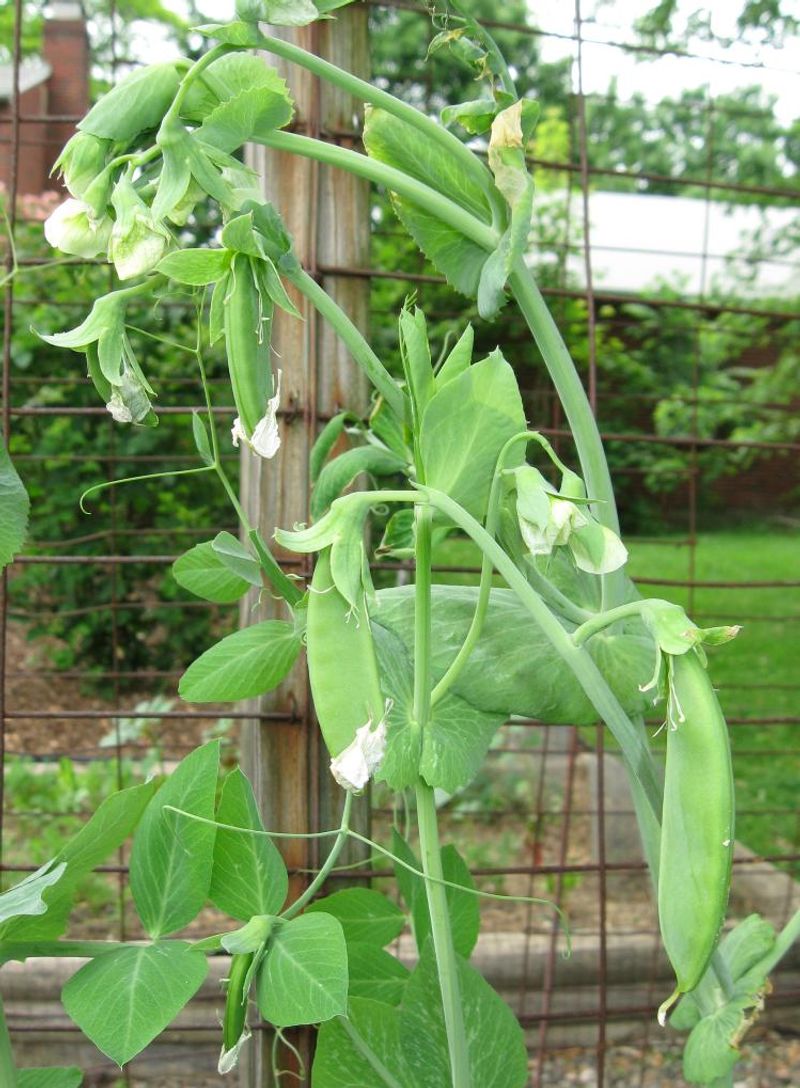
Peas seem like gentle, low-key climbers, but they can quietly go head to head with your peppers underground. They draw on the same pool of soil nutrients, and that overlap can drag down the health and productivity of your pepper harvest.
Since peas prefer cooler weather and peppers love the heat, their schedules and needs rarely line up neatly anyway. Crowding them together tends to leave both a little compromised.
Space them apart and let each crop grow on its own terms. Your peppers will hold onto the nutrients they need to keep producing all season.