
If Your Zucchini Grows Huge Leaves But Barely Fruits, Here Are 13 Fixes That Get It Producing Again
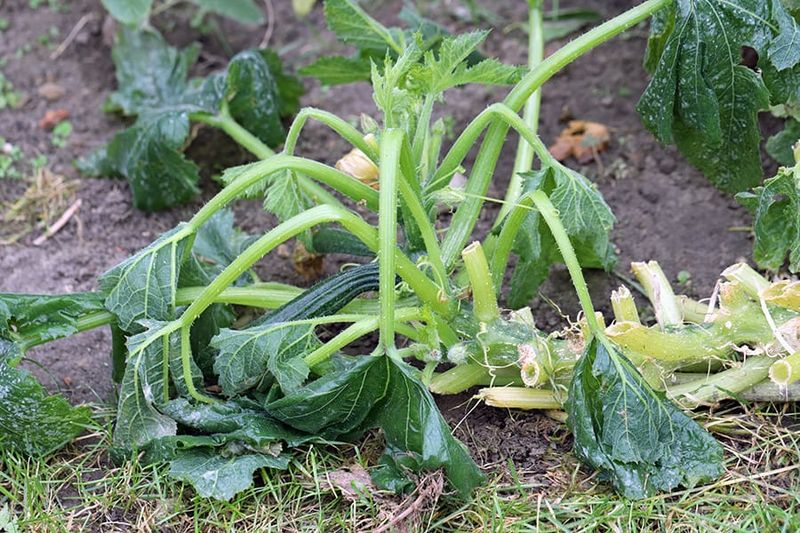
You planted zucchini expecting baskets of green squash, but instead you got a jungle of giant leaves and almost no fruit. It’s frustrating to see such a healthy-looking plant refuse to feed you.
The good news is that this is one of the most common and fixable zucchini problems out there. Here are 13 simple fixes you can try today to finally get your plant producing again.
1. Hand Pollinate the Flowers
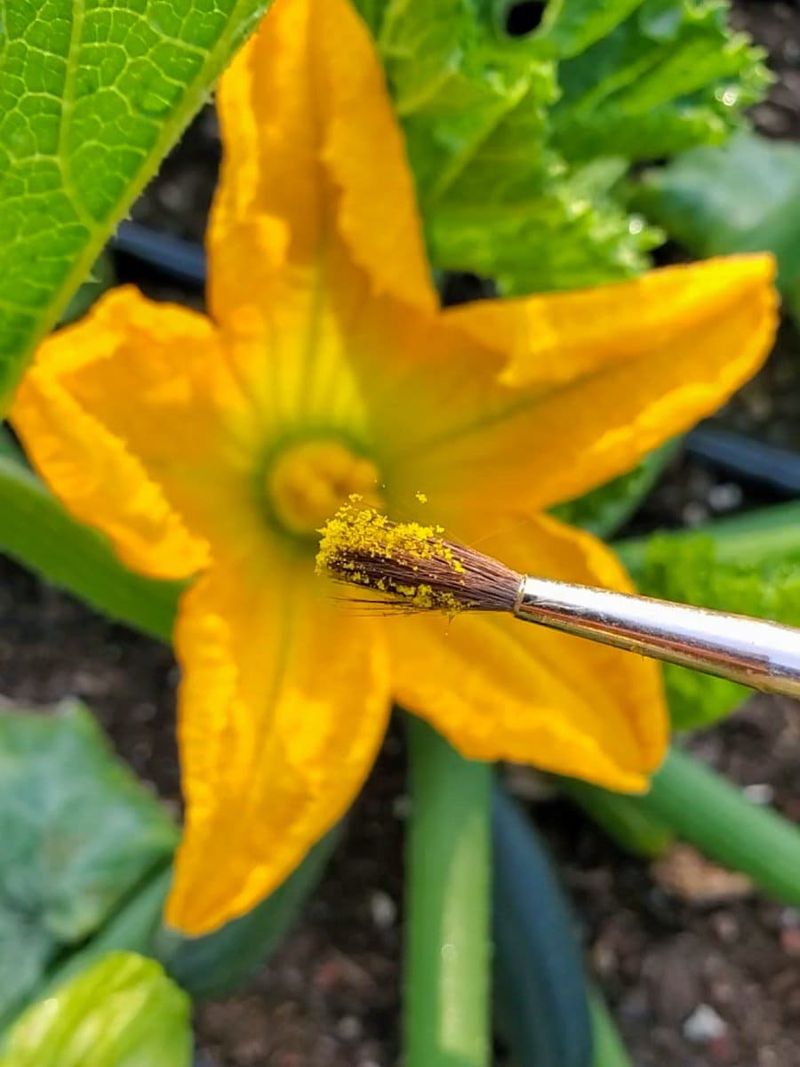
Sometimes the bees just don’t show up, and your zucchini pays the price. Each plant makes separate male and female flowers, and fruit only forms when pollen travels from one to the other.
You can do the bees’ job yourself in just a minute. Male flowers grow on long, skinny stems with a pollen-covered center, while female flowers have a tiny baby zucchini right behind the bloom.
Pick a male flower, peel back its petals, and gently dab the pollen onto the sticky center of the female flower. Morning is the best time, when the blooms are wide open and the pollen is fresh.
2. Attract More Pollinators

A garden buzzing with bees is a garden full of zucchini. If your plants sit in a quiet corner with no insects around, pollination barely happens and fruit stays scarce.
Give the bees a reason to visit by planting flowers they love right beside your squash. Borage, marigolds, cosmos, sunflowers, dill, and basil all roll out the welcome mat for pollinators.
Fun bonus: borage flowers are famous for pulling in bees, and they’re edible too, tasting a little like cucumber. More visitors mean more pollen moving around, which means more zucchini on your plate.
3. Manage High Temperatures
Zucchini loves warmth, but it draws a line when the heat turns brutal. Once daytime temperatures climb past 90 degrees, or nights stay above 75, the pollen can stop working and flowers may drop before setting fruit.
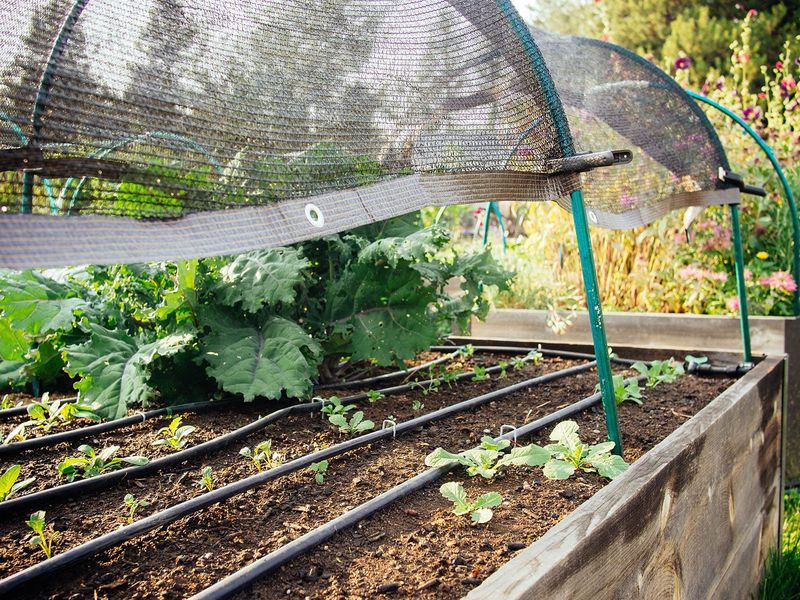
During a heat wave, drape a light shade cloth over your plants in the afternoon to take the edge off. That little bit of relief can keep pollen viable and flowers hanging on.
If you live somewhere with scorching summers, timing your planting so flowering misses the worst heat can make a real difference. Cooler stretches in early summer or fall often bring the best harvests.
4. Adjust Your Fertilization
Here’s the sneaky culprit behind those monster leaves: too much nitrogen. Nitrogen tells the plant to pour all its energy into leafy growth, leaving little left over for flowers and fruit.
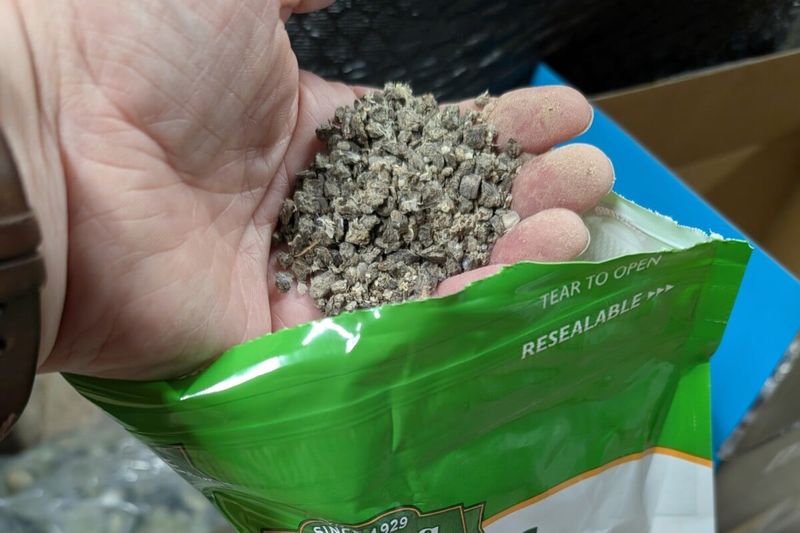
Once you see blooms forming, switch to a fertilizer that’s lower in nitrogen but higher in phosphorus and potassium. Those two nutrients are the ones that push a plant toward flowering and fruiting.
You don’t need anything fancy. Compost tea, diluted fish emulsion, bone meal for phosphorus, and kelp meal or wood ash for potassium can all help redirect that energy where you want it.
5. Water Consistently and Deeply
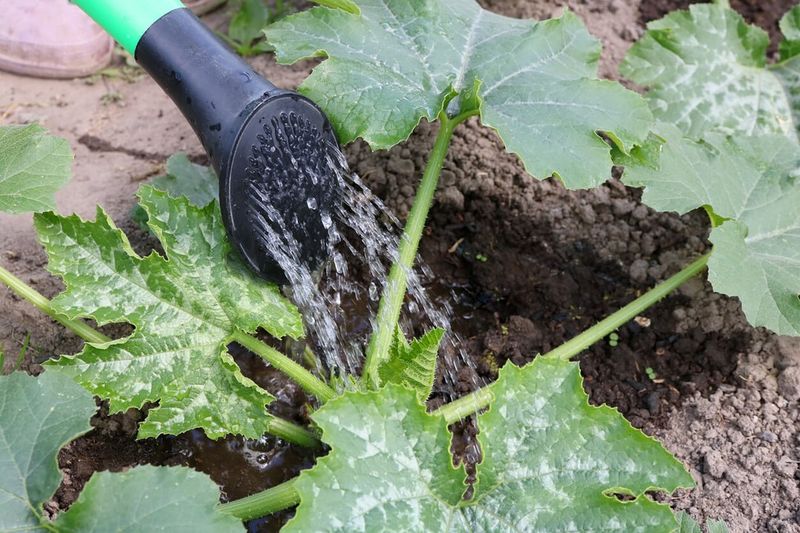
Zucchini plants are thirsty, and inconsistent watering can throw them into stress mode fast. When they’re stressed, they often drop flowers and abandon tiny fruits before they ever have a chance to grow.
Aim for a deep soak of about 1 to 2 inches per week, then let the top inch of soil dry out before watering again. Steady moisture beats a soggy swamp, which can rot the roots.
Spreading a layer of mulch around the base helps lock in that moisture between waterings. It also keeps the soil temperature more even, which your zucchini will thank you for.
6. Provide Enough Sunlight
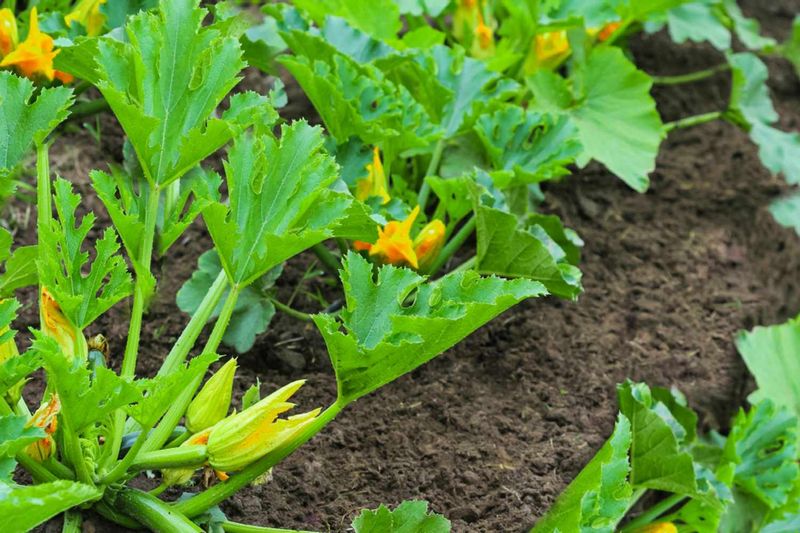
Sun is fuel for your zucchini, and skimping on it leads straight to disappointment. These plants want a full 6 to 8 hours of direct sunlight every single day to crank out fruit.
The tricky part is that a bushy, leaf-heavy plant can end up shading its own center. When that happens, the flower buds tucked inside never get the light they need to develop properly.
If your zucchini sits in a spot that only gets a few hours of sun, that alone could explain the lack of fruit. Whenever possible, plant it where the light pours in all day long.
7. Prune the Excess Leaves
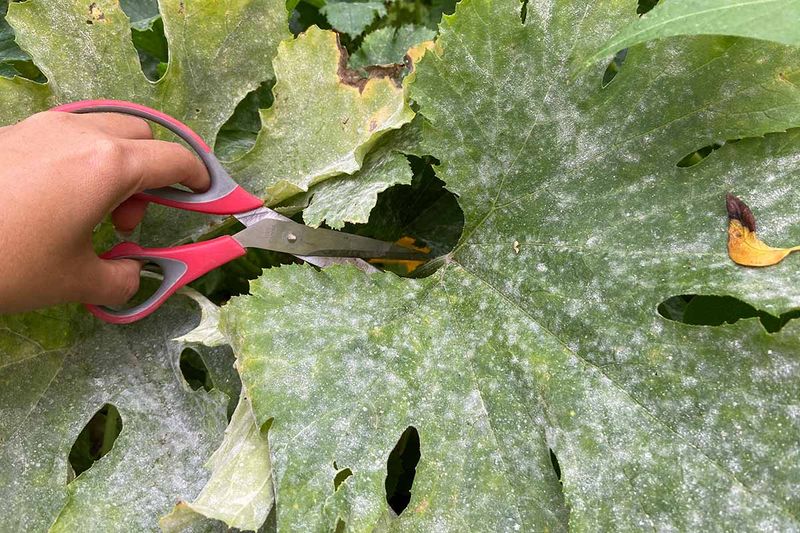
All those giant leaves might look lush, but they can crowd out the very flowers you’re waiting on. Thinning them opens up the plant so light and air can reach the center where fruit forms.
Grab clean pruners and snip off the older, yellowing, or damaged leaves first. Also cut any leaves that touch the ground or overlap heavily, since those trap moisture and hide blooms from pollinators.
Go easy though. Never remove more than about a third of the plant at once, and leave at least 10 to 12 healthy leaves so it can keep photosynthesizing.
8. Give Plants Proper Spacing
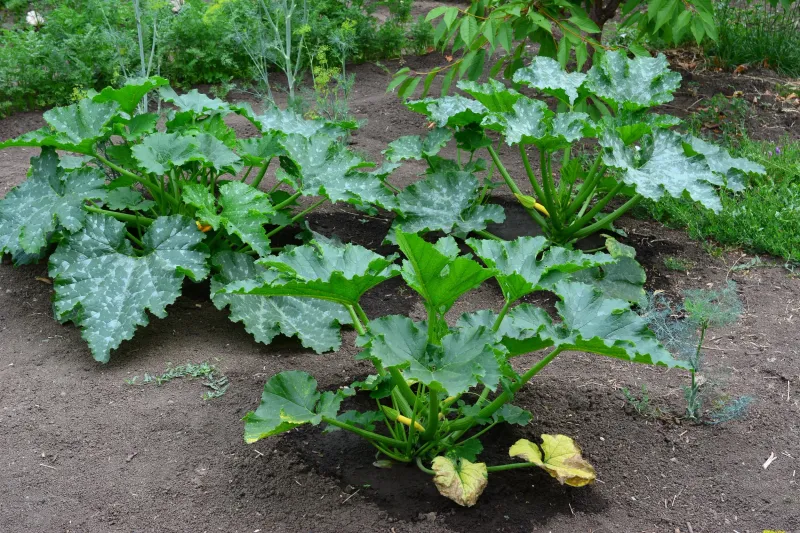
Cramming zucchini plants together seems efficient, but it backfires at harvest time. When plants sit too close, they fight each other for water, nutrients, and sunlight, and the fruit set suffers.
Tight spacing also chokes off airflow, which invites disease and keeps pollinators from reaching the flowers easily. A crowded patch is a struggling patch.
Give each plant room to breathe by spacing them at least 3 to 4 feet apart. It feels like a lot when the seedlings are small, but these plants sprawl fast and will fill that space.
9. Harvest Oversized Zucchini Promptly
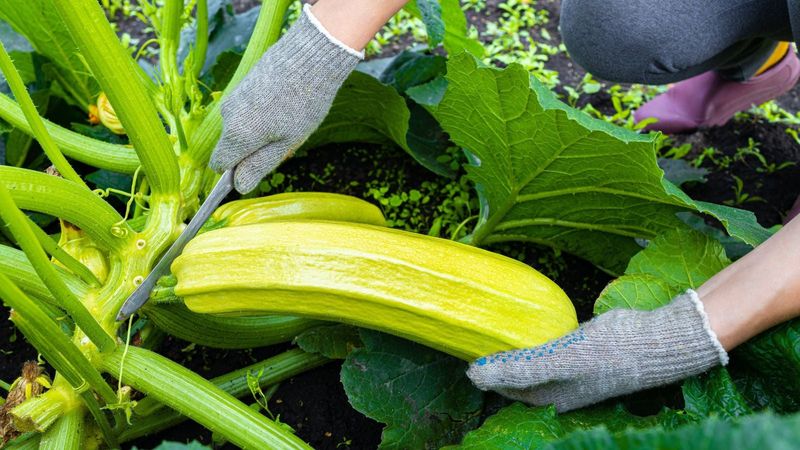
We’ve all forgotten a zucchini and found a baseball-bat-sized monster hiding under the leaves. As impressive as it looks, letting fruit get that big actually tells the plant to slow down.
Once a zucchini matures fully, the plant figures its reproductive job is done and eases off producing more. That giant is quietly shutting down your harvest.
Keep the fruit coming by picking zucchini while they’re young and tender, around 6 to 8 inches long. The more you pick, the more the plant keeps making, so harvest often.
10. Address Pest Problems
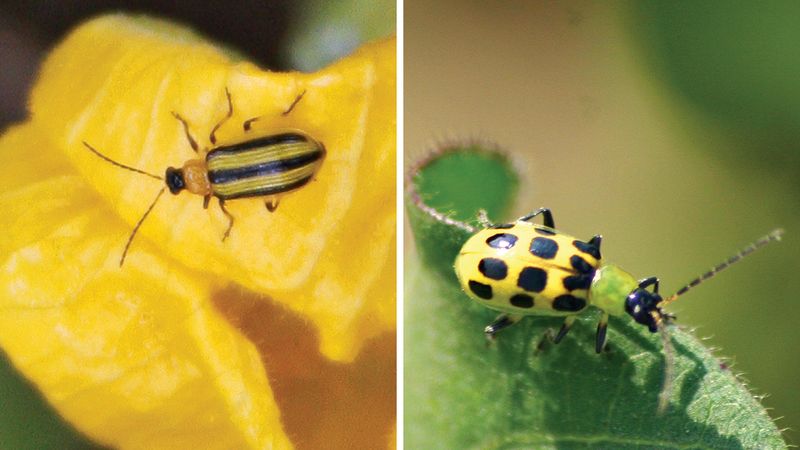
Tiny invaders can sabotage your zucchini before you even notice. Aphids, cucumber beetles, squash vine borers, and stink bugs all damage flowers, fruit, or the pollination process itself.
Start with the simple stuff. Hand-pick beetles and bugs when you spot them, and plant deterrents like marigolds, garlic, and dill nearby to make your patch less inviting.
Row covers can protect young plants early in the season, but remember to pull them off once flowering begins so pollinators can get in. Encouraging beneficial insects also keeps the bad bugs in check naturally.
11. Check for Early Male-Only Flowers
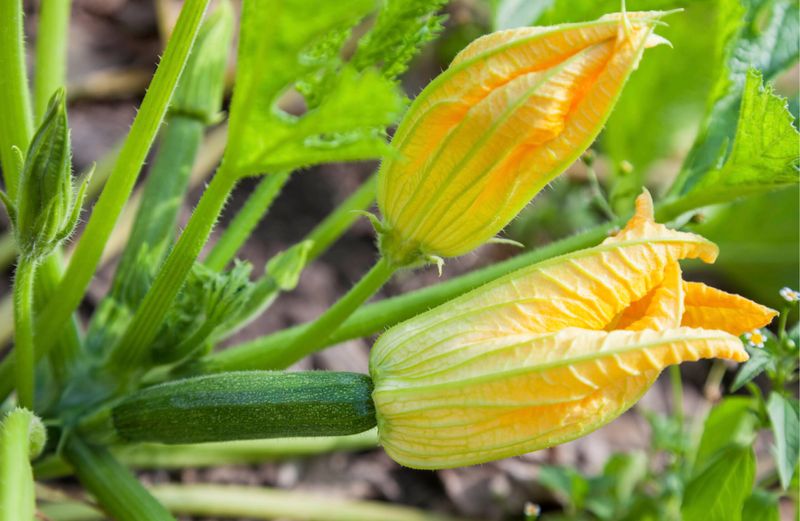
Before you panic, this one might not be a problem at all. Young zucchini plants often pump out a burst of male flowers for the first week or two before any female flowers show up.
Those early males can’t make fruit on their own, which leaves new gardeners worried something is wrong. In reality, it’s just how the plant gets started.
Give it a little time. Once the female flowers appear, with their telltale baby zucchini at the base, fruit production can begin as long as pollination happens.
12. Balance Soil pH and Calcium
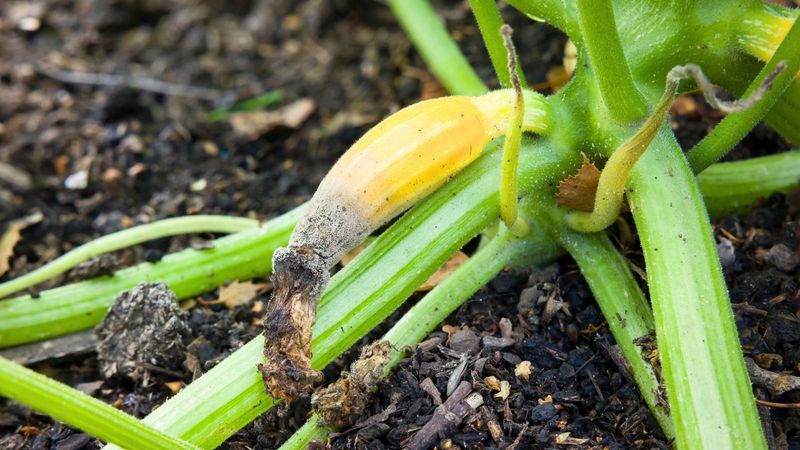
If your zucchini fruits start rotting at the blossom end, the soil may be trying to tell you something. That mushy, dark spot often points to a calcium problem, sometimes tied to uneven watering.
A simple soil test takes the guesswork out of it, showing you both the pH and the nutrient levels. Knowing where you stand keeps you from adding things your soil doesn’t actually need.
If the test shows a shortage, calcium-rich amendments like bone meal, gypsum, or lime can help. Just test first, since blindly adding lime can throw your pH out of balance.
13. Protect Against Diseases
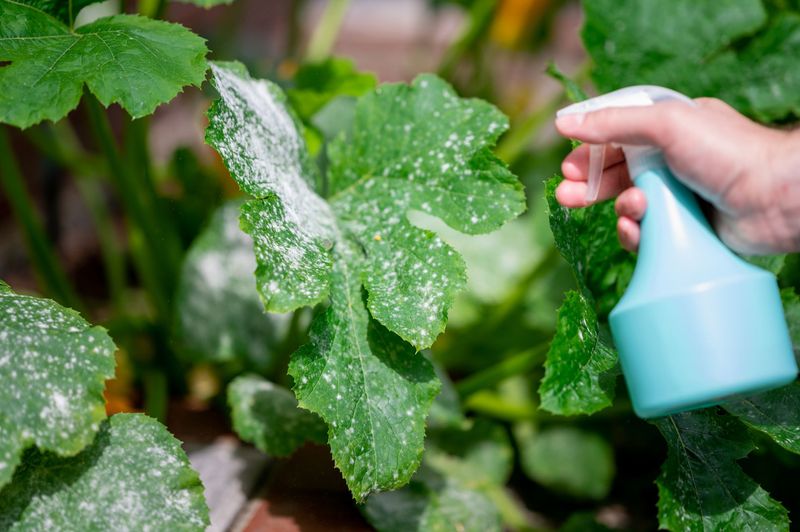
A disease-weakened plant simply can’t put its energy into making fruit. Powdery mildew is the classic offender, coating leaves in a dusty white film that saps the plant’s strength.
Your best defense is prevention, and it ties right back to a few earlier fixes. Good spacing and smart pruning boost air circulation, which makes it much harder for mildew to take hold.
Water at the base rather than over the leaves to keep foliage dry, and remove any infected leaves quickly. A healthy, well-ventilated plant has the vigor it needs to keep fruiting.