
If These 15 Butterflies Land In Your Garden, You’re Doing Everything Right
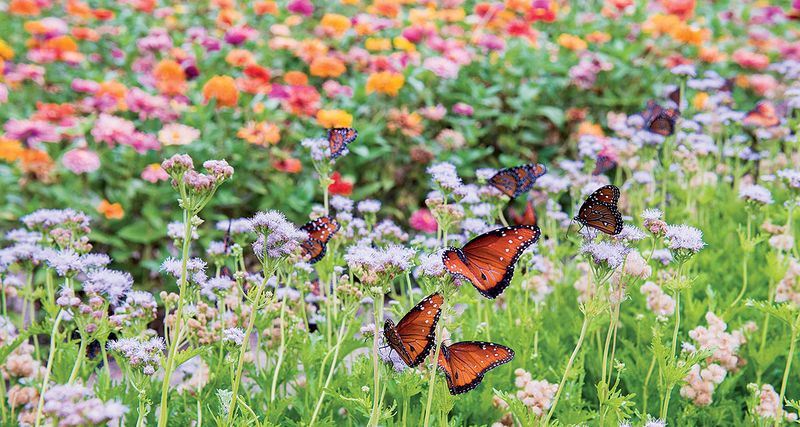
Butterflies do not just show up anywhere. They land in gardens that give them food, safe places to lay eggs, and a break from pesticides.
So if you spot any of these 15 fluttering visitors around your flowers, take it as a big pat on the back. It means your garden is healthy, alive, and doing exactly what a good garden should.
1. Monarch
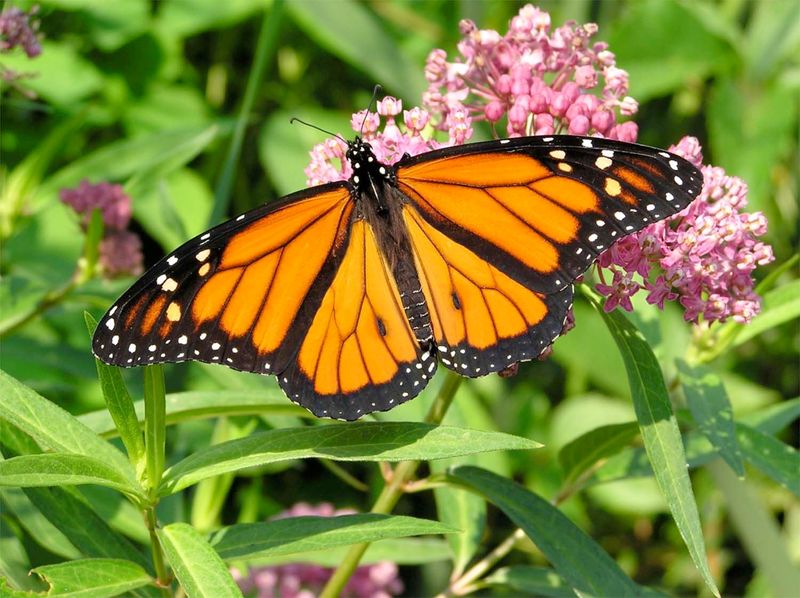
Few visitors carry as much fame as the Monarch, with its stained-glass orange wings edged in black and dotted with white. Spotting one is a genuine badge of honor, because these travelers cross thousands of miles during migration and only stop where the food is good.
Milkweed is the secret handshake here. Monarch caterpillars eat nothing else, so common milkweed or swamp milkweed in your beds tells this butterfly your garden is a nursery, not just a snack bar.
Grown adults sip from Joe-Pye Weed, asters, goldenrod, and purple coneflower too. Plant a mix of those and you may host Monarchs from spring through their big fall journey south.
2. Black Swallowtail
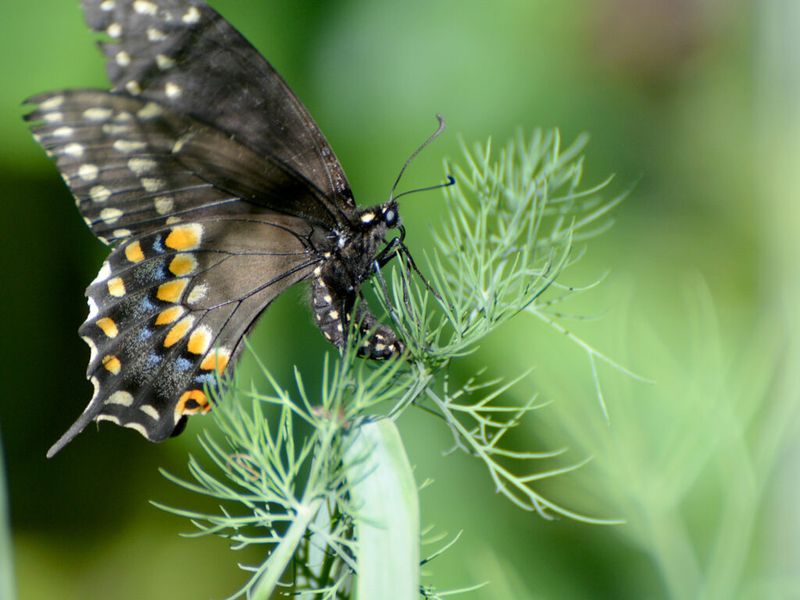
Check your parsley patch and you might get a surprise guest. The Black Swallowtail loves to lay eggs on plants in the carrot family, so your dill, fennel, and parsley double as caterpillar cafeterias.
Do not panic if you find striped green caterpillars munching your herbs. That is exactly how you earn the grown-up butterfly, dressed in velvety black with rows of yellow and blue spots.
Adults chase flat-topped flowers like phlox, zinnias, and even humble petunias. Leaving a little herb bed slightly wild is one of the easiest ways to welcome this elegant flier.
3. Eastern Tiger Swallowtail
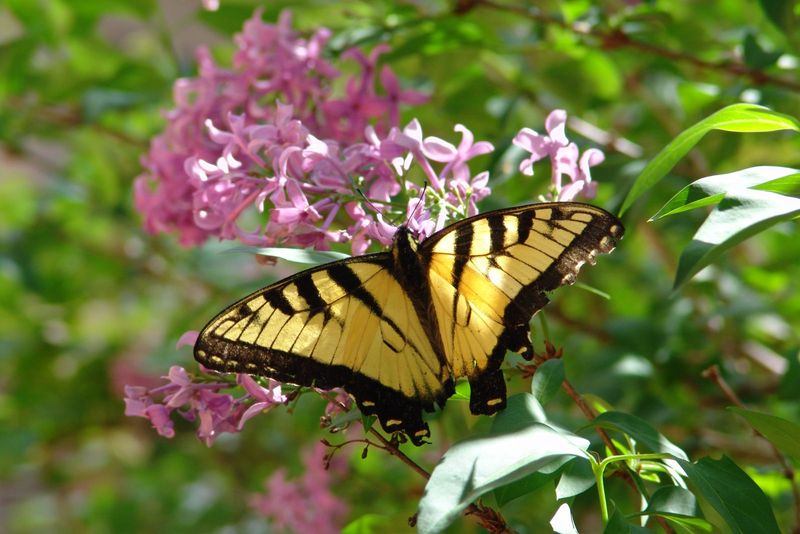
Big, bold, and impossible to miss, the Eastern Tiger Swallowtail glides through gardens like a slow-motion kite. Its yellow wings striped with black look almost too showy to be real.
Caterpillars grow up in nearby trees such as wild black cherry, tulip tree, and willow, so a leafy yard on the edges helps a lot. That means your trees are part of the garden team, even the ones you forget about.
When adults come to feed, they favor bee balm, phlox, coneflowers, and certain lacecap and oakleaf hydrangeas with fertile florets. If your hydrangea is drawing these giants, you picked a butterfly-friendly variety without even trying.
4. Giant Swallowtail
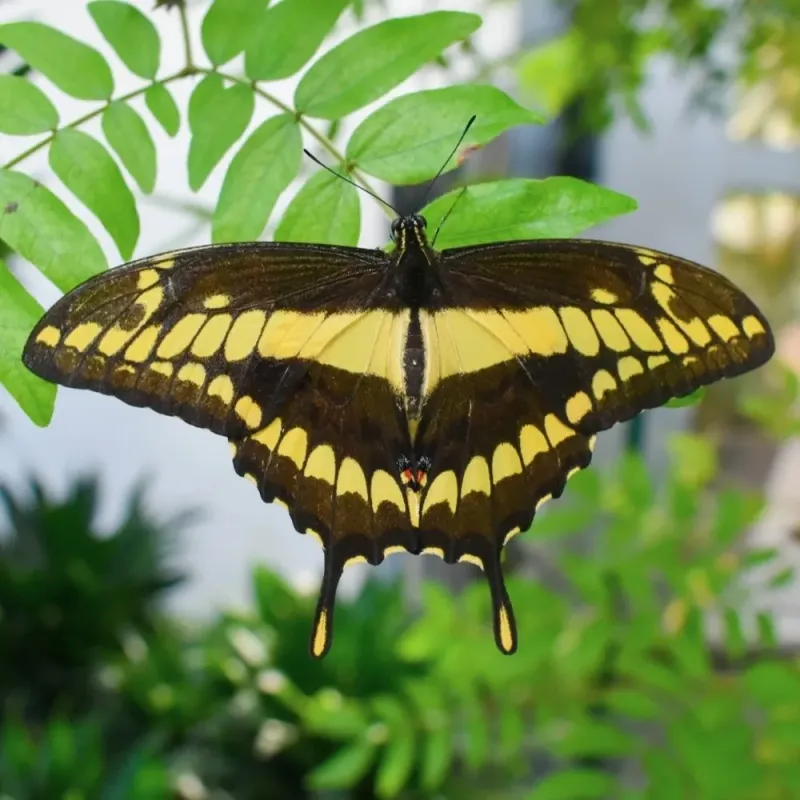
Meet the heavyweight champ of North American butterflies. The Giant Swallowtail can stretch wider than your hand, wearing dark brown wings crossed with bold yellow bands.
Its caterpillars have a funny disguise, looking exactly like bird droppings so predators leave them alone. They feed on prickly ash, citrus, and common rue, so citrus growers in warmer states often meet this one up close.
Adults love lantana, butterfly bush, Joe-Pye Weed, and milkweed. Watch one land and you will understand why gardeners stop everything just to stare.
5. American Lady
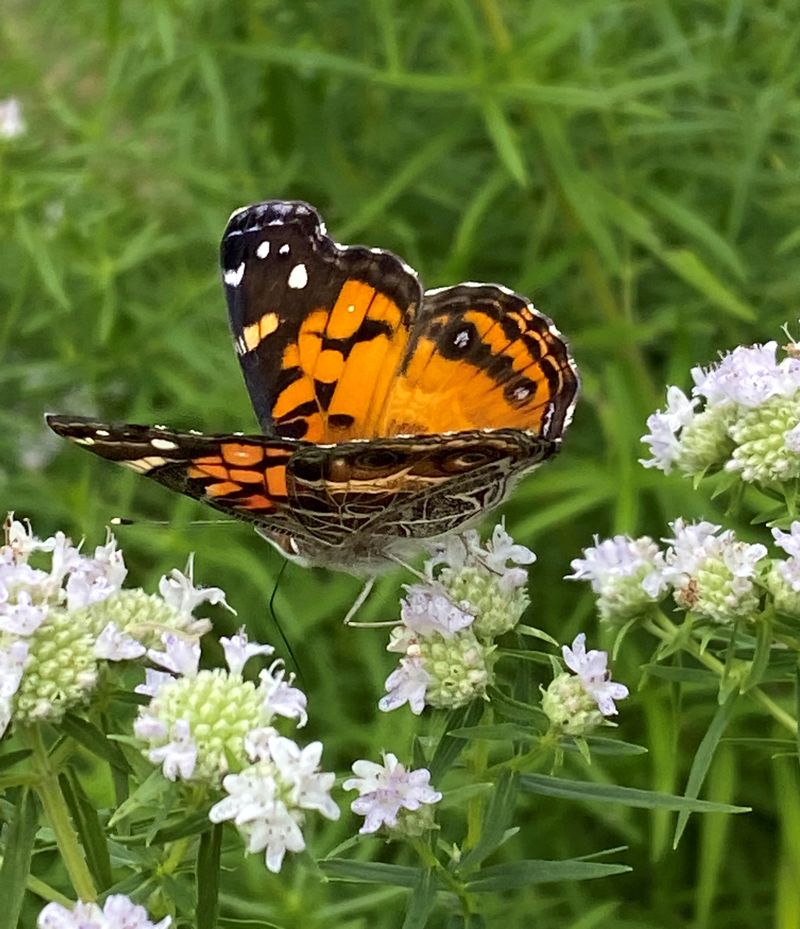
Turn this butterfly’s wings and you get a secret. The American Lady hides two large eyespots on its underside, a clever trick to startle hungry birds.
Its caterpillars have fuzzy tastes, feeding on pearly everlasting, pussytoes, and cudweed. Those soft, silvery plants are easy to tuck into a sunny corner and rarely get the credit they deserve.
Grown butterflies flock to asters, goldenrod, and butterfly bush. If you see one dancing across your fall blooms, your late-season garden is pulling its weight.
6. Painted Lady
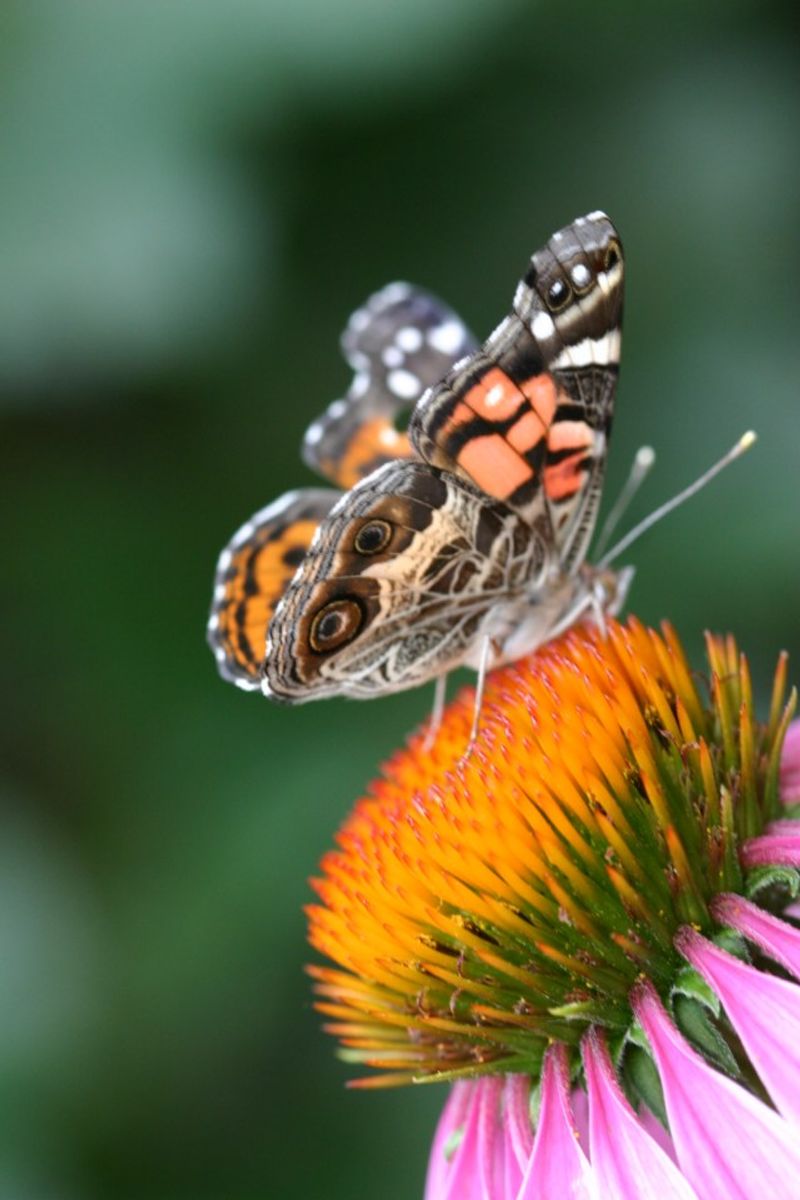
Talk about a world traveler. The Painted Lady is one of the most widespread butterflies on the planet, showing up in gardens across nearly every US state.
Its caterpillars are not fussy either, happily eating thistle, hollyhock, mallow, clover, and sunflower. If you grow hollyhocks for those tall, colorful blooms, you may be feeding this butterfly’s babies without knowing it.
Adults adore coneflowers, blazing star, asters, and petunias. Their marbled orange and white wings make every visit feel like a small celebration.
7. Gulf Fritillary
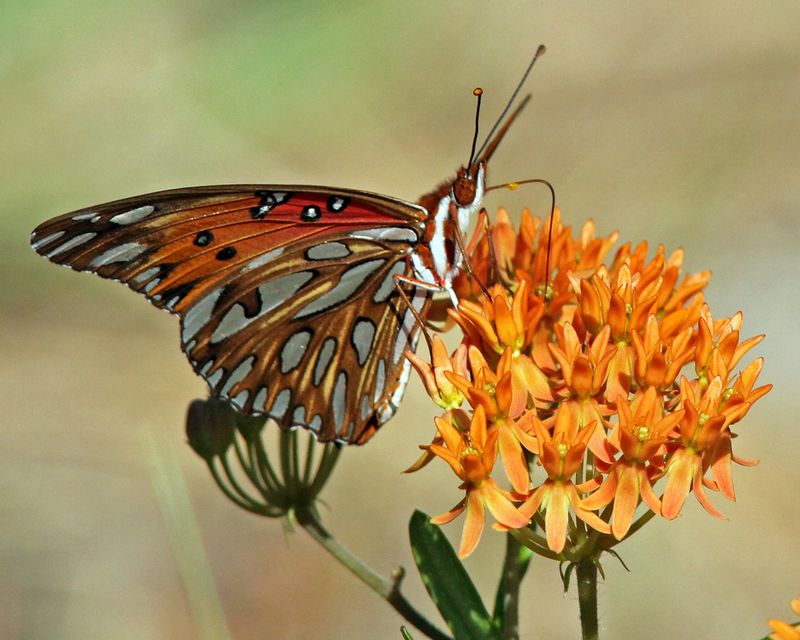
Flash of fiery orange near a vine? That is likely the Gulf Fritillary, a southern favorite with dazzling silver spots on its underwings.
Passionflower is the one plant this butterfly cannot live without. Grow a passionflower vine and you have basically hung a welcome sign for its spiny orange caterpillars.
Adults sip from Joe-Pye Weed, lantana, milkweed, and fertile hydrangea varieties. In warm climates, they can keep your garden glowing well into fall.
8. Red Admiral
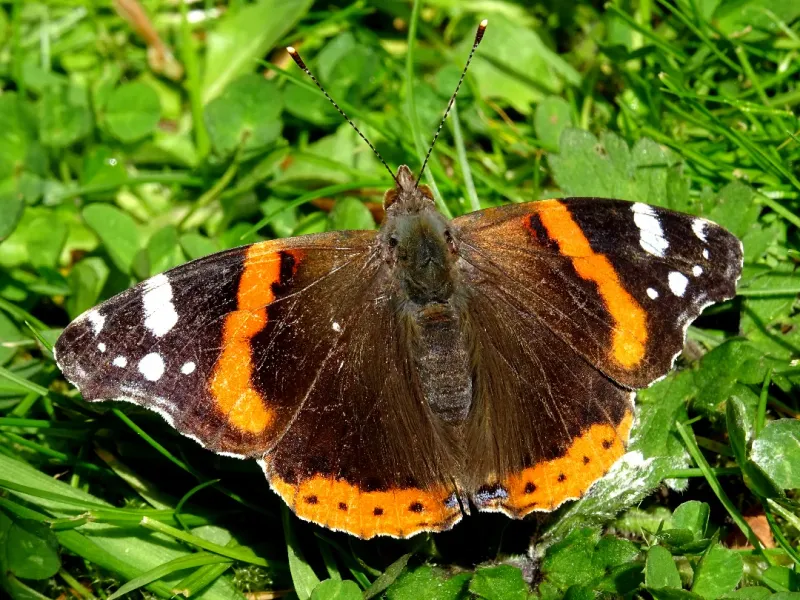
Bold and a little bit nosy, the Red Admiral sometimes lands right on people who stand still near flowers. Its dark wings slashed with bright red-orange bands make it easy to recognize.
Caterpillars grow up on nettles, which many gardeners pull without a second thought. Leaving a patch in a back corner gives this cheerful butterfly a place to raise its young.
Adults are famous for their odd snacking habits. Alongside butterfly bush and asters, they happily feed on tree sap and rotting fruit, so a fallen apple can become a Red Admiral magnet.
9. Cloudless Sulphur
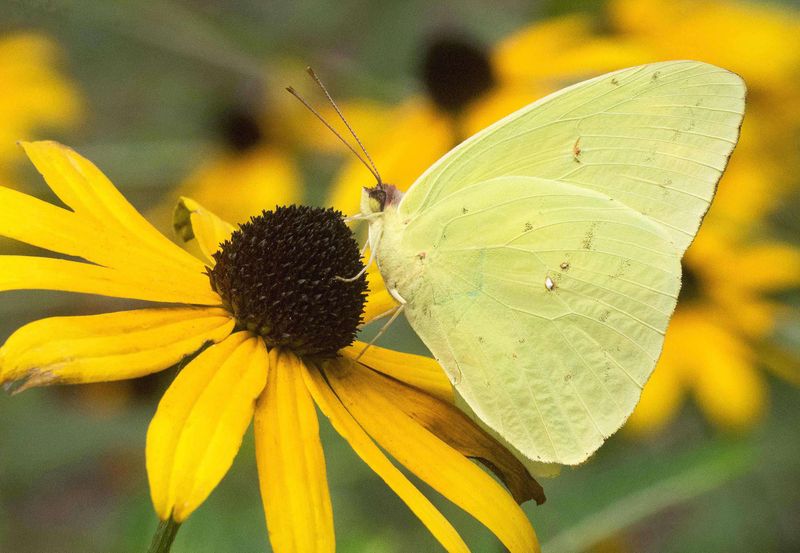
Imagine a lemon-yellow butterfly zipping past so fast you barely catch it. The Cloudless Sulphur brings pure sunshine color to warm-weather gardens and rarely sits still for long.
Its caterpillars feed on Senna species, including partridge pea, plants that add easy native charm to a sunny bed. Grow a little Senna and you invite generations of these golden fliers.
Adults chase long-tubed flowers like tropical sage, hibiscus, and morning glory. Their bright wings against green leaves look like drops of paint in motion.
10. Spring Azure
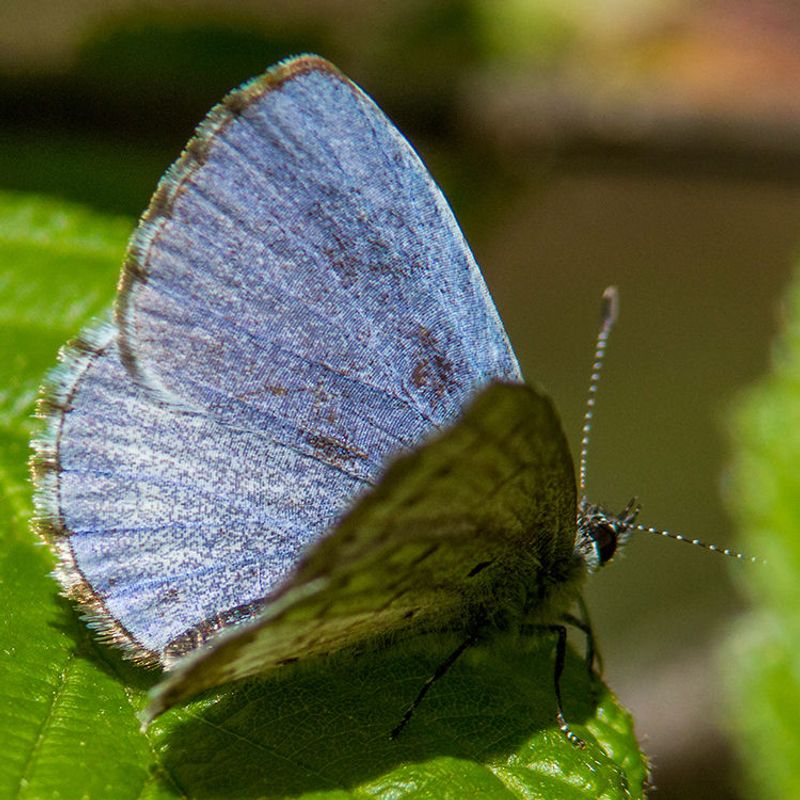
Blink and you might miss this pint-sized beauty. The Spring Azure is a tiny butterfly the color of a clear morning sky, one of the first to appear when winter loosens its grip.
Its caterpillars feed on the flowers and fruits of dogwood, viburnum, blueberry, and New Jersey tea. Shrubs you already grow for spring color may be quietly hosting them.
Adults sip from dogbane, blackberry blossoms, and common milkweed. Seeing that soft blue flutter early in the season means your garden is waking up in all the right ways.
11. Common Buckeye
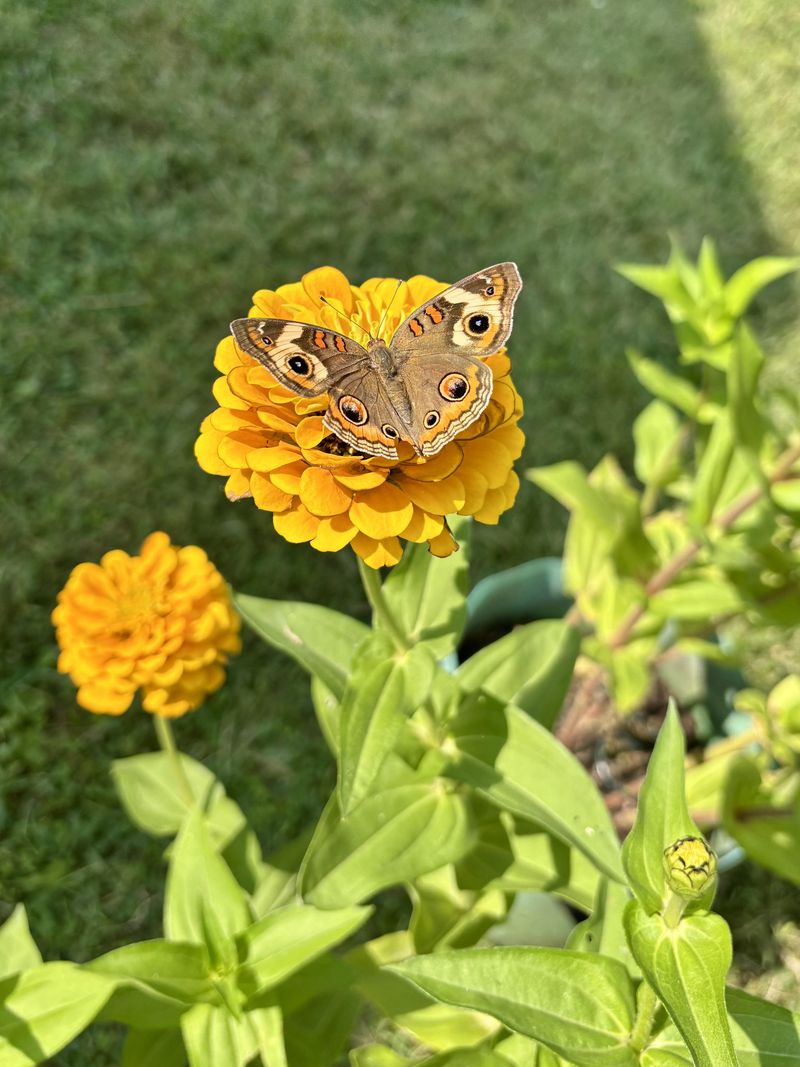
Nobody wears eyespots quite like the Common Buckeye. Its brown wings carry big, colorful circles that look like watchful eyes, a startling trick that keeps predators guessing.
Caterpillars feed on plantain, snapdragon, toadflax, and frogfruit. That means some of those low, weedy plants you nearly weeded out are actually valuable real estate.
Adults love asters, coneflowers, Joe-Pye Weed, and zinnias. A row of zinnias alone can turn your yard into a Buckeye hangout by late summer.
12. Mourning Cloak
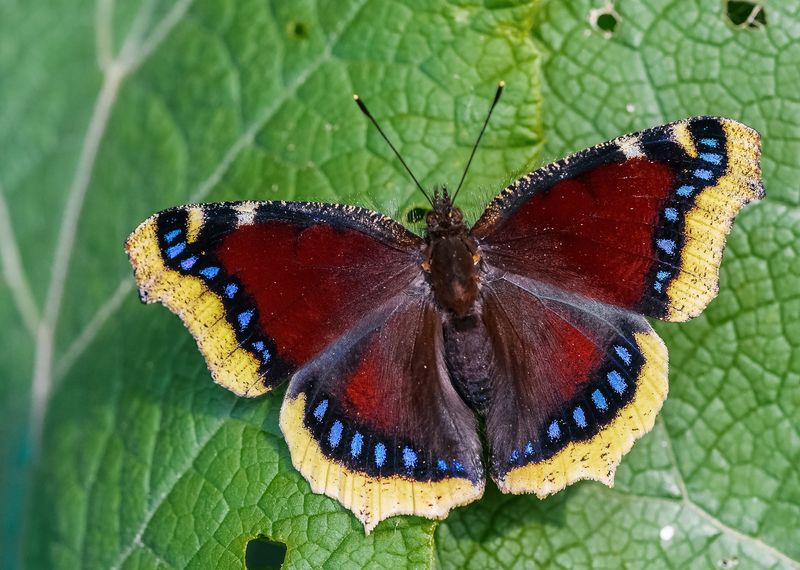
Here is a butterfly that breaks the rules. The Mourning Cloak, dressed in deep maroon with a creamy border, can survive winter as an adult and show up while snow still lingers.
Its caterpillars feed on willow, elm, birch, and hackberry leaves. Big shade trees around your yard quietly support this tough survivor.
Instead of chasing flowers first, adults often feed on tree sap and rotting fruit in early spring when blooms are scarce. Later they visit Black-eyed Susans, ironweed, and butterfly weed, rounding out a long and hardy life.
13. Question Mark
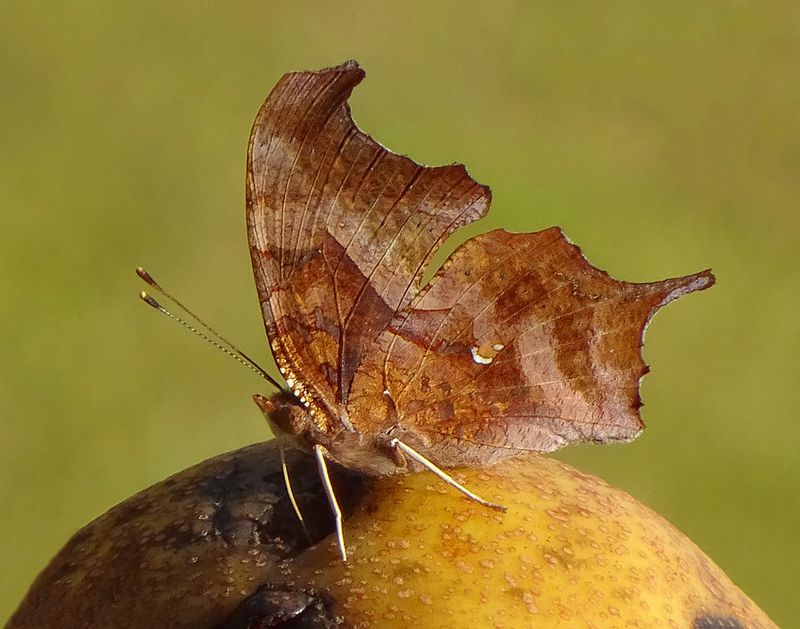
Named for a tiny silver mark shaped like punctuation, the Question Mark butterfly has one of the most curious names in the garden. Look at the underside of its wing and you will spot the little curved comma with a dot.
Ragged, leaf-like wing edges help it vanish against bark and dead leaves. Caterpillars feed on elm, hackberry, hops, and nettle, plants that thrive at the wild edges of a yard.
Adults prefer tree sap and rotting fruit but also visit asters, Joe-Pye Weed, and verbena. A slightly messy garden corner is exactly what makes this quirky visitor feel at home.
14. Skippers
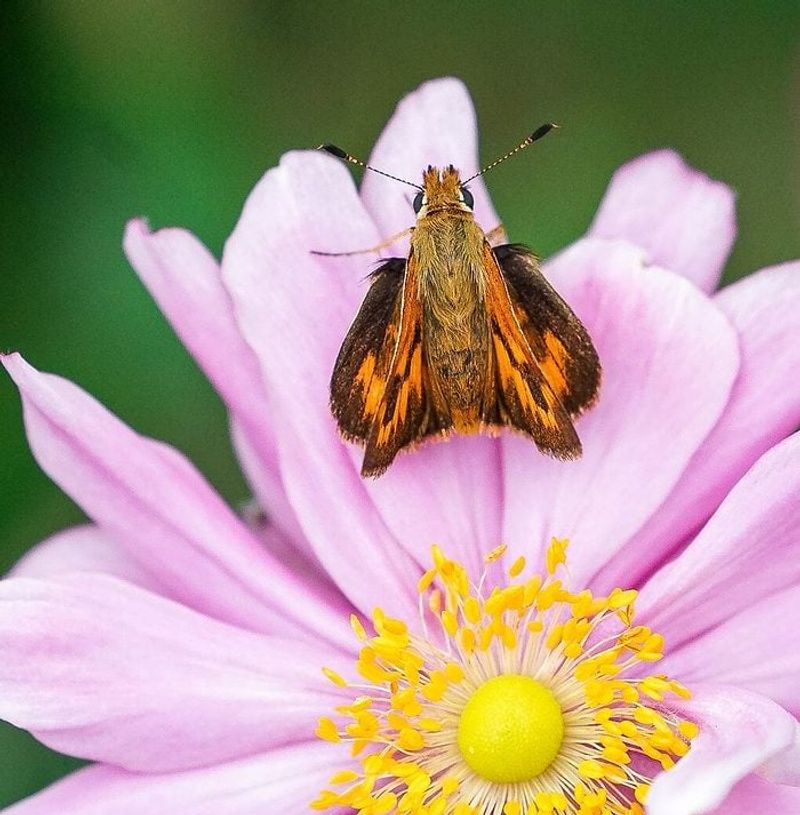
Small but full of energy, Skippers dart and zip around flowers with a quick, buzzing flight that sets them apart. Their stout bodies and hooked antennae make them look like a cross between a moth and a butterfly.
Many skipper caterpillars are grass-eaters, using switchgrass, fescue, and even crabgrass. That native grass clump you left standing is doing more work than you thought.
Adults happily sip from asters, verbena, bee balm, coneflowers, zinnias, and petunias. If your flower beds hum with these tiny fliers, your garden variety is spot on.
15. Pipevine Swallowtail
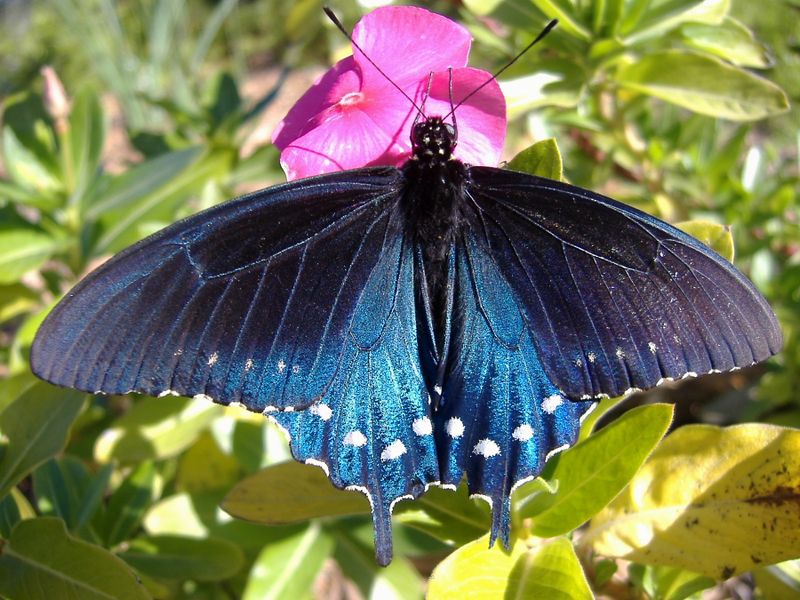
Catch the light just right and this butterfly shimmers with a metallic blue-green glow. The Pipevine Swallowtail is so striking that several other butterflies actually copy its look to fool predators.
Its caterpillars feed only on pipevine plants, making that unusual vine the single key to hosting them. Grow Aristolochia and you unlock a butterfly many gardeners rarely get to see.
Adults nectar on thistle, milkweed, verbena, phlox, and butterfly bush. When one lands on your blooms, you know your garden has reached a whole new level of success.