
If Your Endless Summer Hydrangeas Only Bloom Once, Here Are 13 Habits That Keep The Flowers Coming All Season
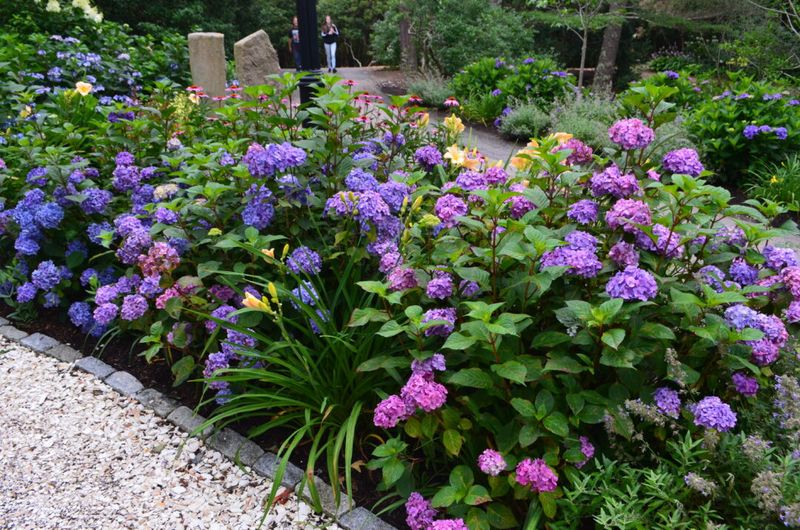
Endless Summer hydrangeas are supposed to be the show-offs of the yard, blooming again and again from spring into fall. But if yours put on one big display and then quit, something in your care routine is likely holding them back.
The good news is that these plants bloom on both old and new wood, so a few small changes can wake them right back up. Here are 13 easy habits that keep those flowers coming all season long.
1. Prune at the Right Time
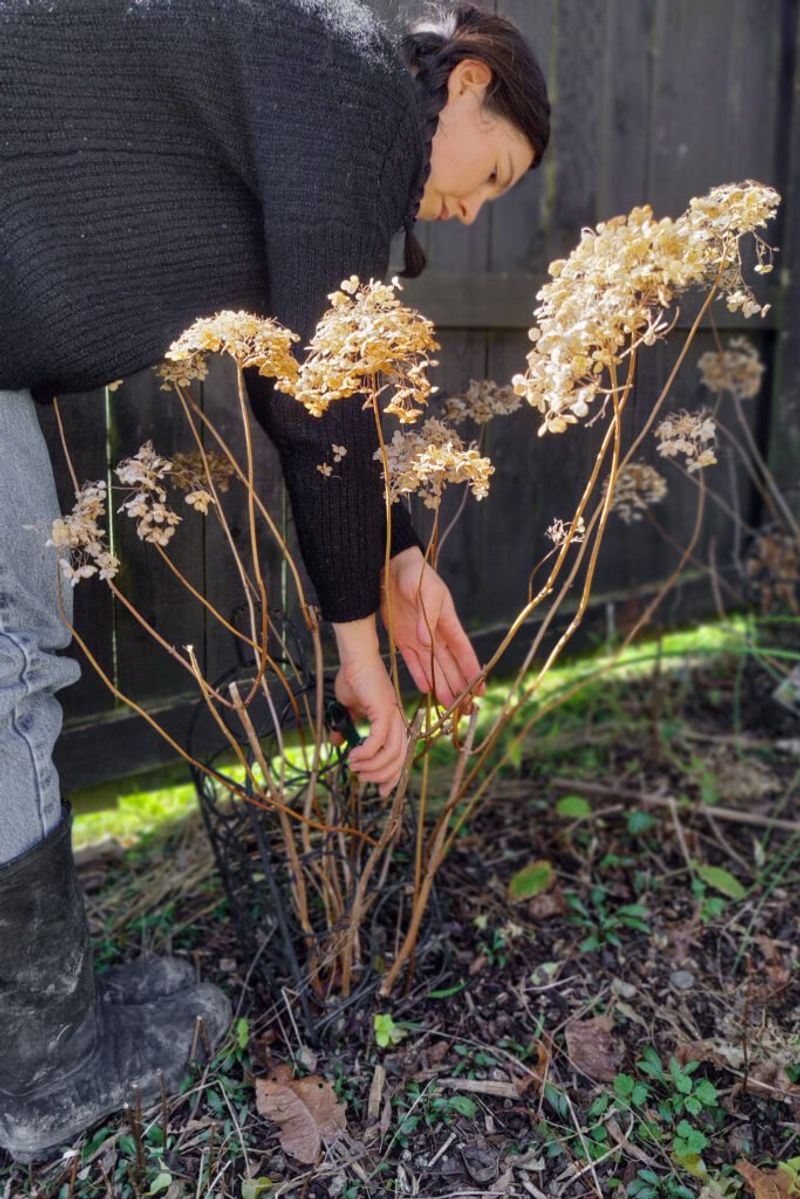
Timing is everything when it comes to trimming these shrubs. Wait until late spring, once you actually see fresh green growth pushing out along the stems.
That new growth tells you which parts of the plant are alive and which are just dead sticks. Snip out the dead wood, cutting at a 45-degree angle just above a healthy green bud.
Pruning this way clears out the deadweight without accidentally sacrificing the branches that are about to flower. Your reward is a tidier plant that channels its energy straight into blooms.
2. Avoid Late-Season Pruning
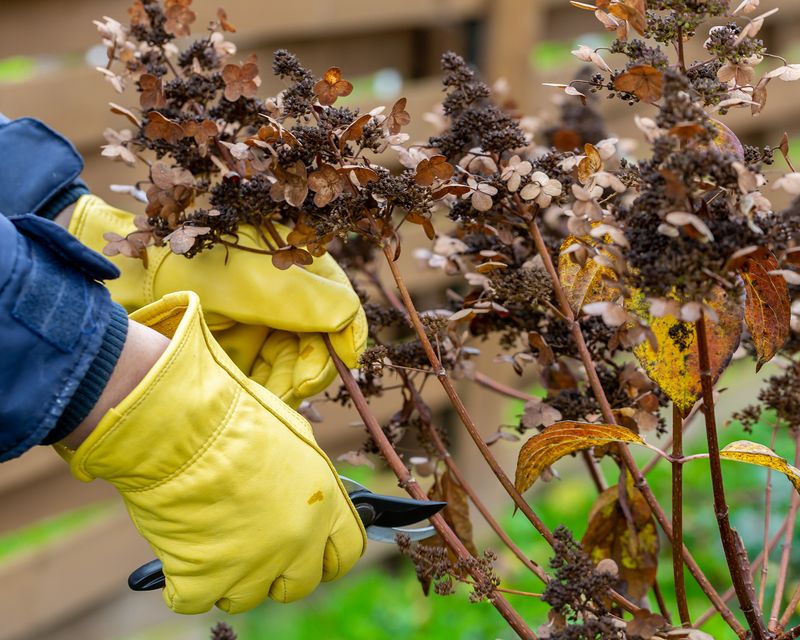
Here is a mistake that quietly steals next year’s flowers: cutting your hydrangea back in fall or winter. By August, the plant has already started forming buds for the following season.
Snip those stems after August 1st and you are literally slicing off future blooms before they ever open. That is why so many gardeners see leaves but no color the next spring.
Put the shears away once summer winds down. Let the plant carry its buds safely through to the next growing season.
3. Deadhead Spent Blooms Regularly
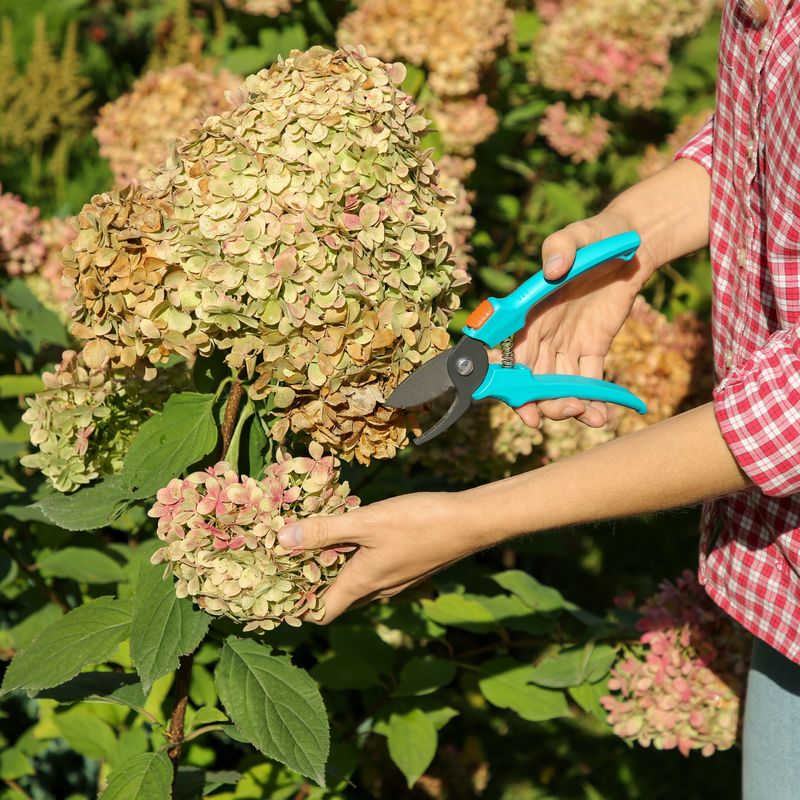
Faded blooms may look harmless, but they are secretly bossing your plant around. As long as they hang on, the hydrangea keeps pouring energy into old flowers instead of making new ones.
Clip those tired, browning heads off throughout the summer. It is a five-minute chore that pays off fast.
Once the spent blooms are gone, the plant redirects its efforts toward pushing fresh flowers, stretching your color show for weeks longer.
4. Fertilize Twice Per Season
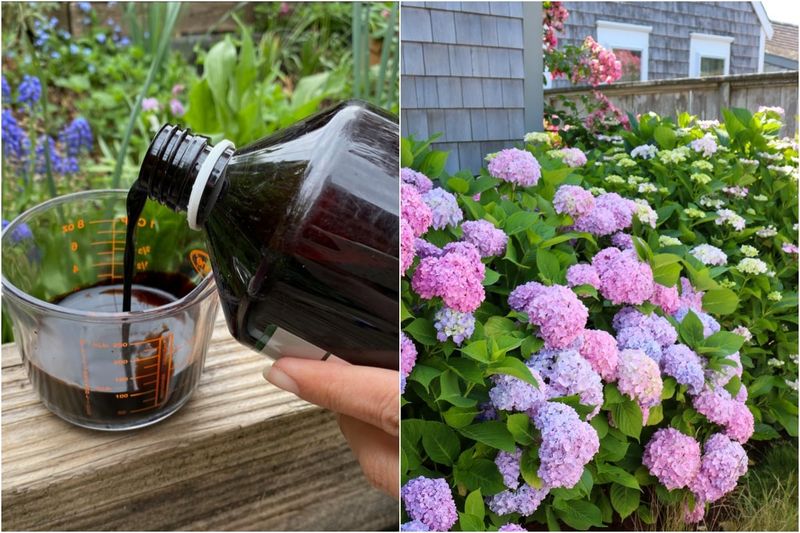
Think of feeding as two well-timed meals rather than one giant buffet. The first serving goes down in early spring, right when new growth appears and the plant is hungry to grow.
The second comes in late June or early July, giving your hydrangea the fuel it needs to rebloom for a second act.
A slow-release, granular bloom-booster works best because it feeds steadily instead of all at once. Two smart feedings keep the flowers coming without overwhelming the roots.
5. Choose the Correct Fertilizer
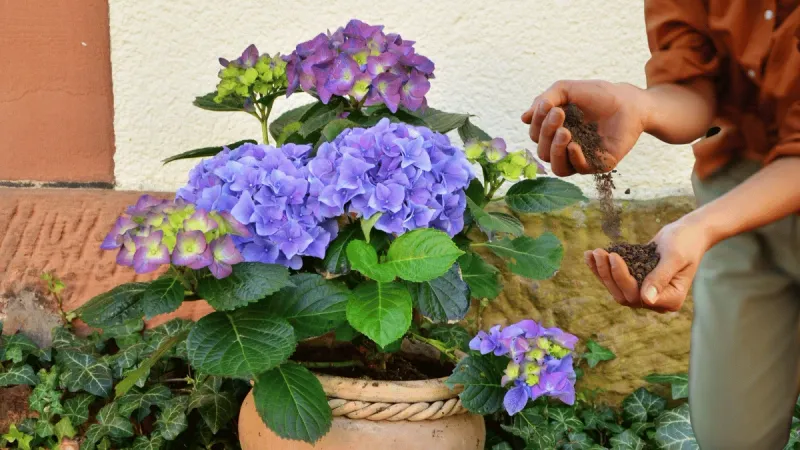
Not every plant food is created for flowers, and grabbing the wrong bag can backfire. High-nitrogen fertilizers push out loads of leafy green growth while quietly starving your blooms.
What you want instead is a formula low in nitrogen and higher in phosphorus, the nutrient that fuels flower production.
Check those three numbers on the label before you buy. Picking the right blend means fewer leaves for the sake of leaves and more of the big, colorful heads you planted this shrub for.
6. Avoid Over-Fertilizing
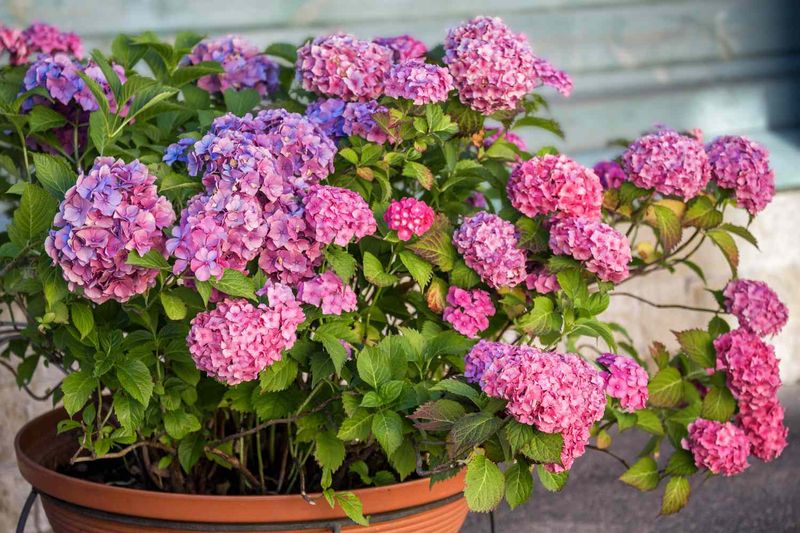
More food is not more flowers, and that instinct trips up a lot of well-meaning gardeners. Pile on the fertilizer and you can burn tender roots or trigger a jungle of leaves with barely a bloom in sight.
Too much can actually shut down flowering altogether, which is the opposite of what you want.
Stick to the amounts printed on the package and resist the urge to add a little extra. Your hydrangea does better on a measured diet than a feast.
7. Water Deeply and Consistently
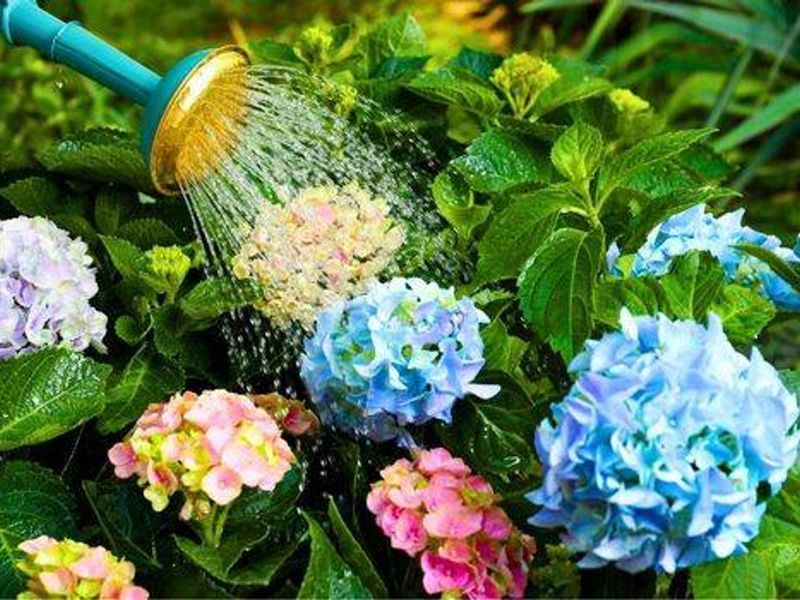
Hydrangeas practically wear their thirst on their sleeves, drooping the moment they dry out. Keeping the soil evenly moist is one of the surest ways to keep buds forming.
Check the top 2 to 3 inches of soil with your finger, and when it feels dry, give the plant a long, deep drink.
Deep watering encourages roots to grow strong and reach down, which helps the plant handle heat and keep blooming when the weather turns brutal.
8. Prevent Erratic Watering
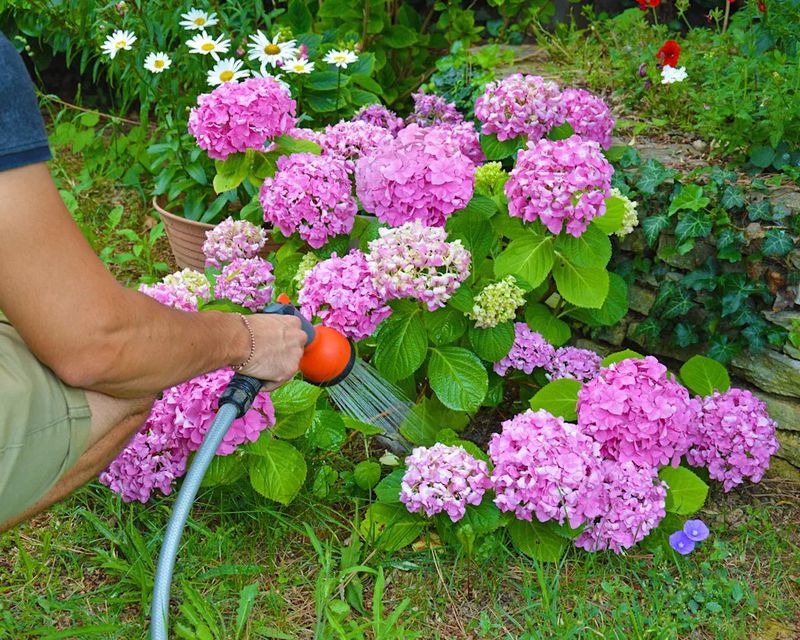
Hydrangeas hate surprises, especially the wet-then-bone-dry kind. Letting the soil swing between parched and soggy stresses the plant and can make it drop both buds and flowers in protest.
Aim for steady, predictable moisture rather than feast-or-famine watering. A layer of mulch helps hold that moisture in between drinks.
Consistency, not just volume, is the secret here. A plant that never panics about water has the energy to keep producing blooms.
9. Water at the Base of the Plant
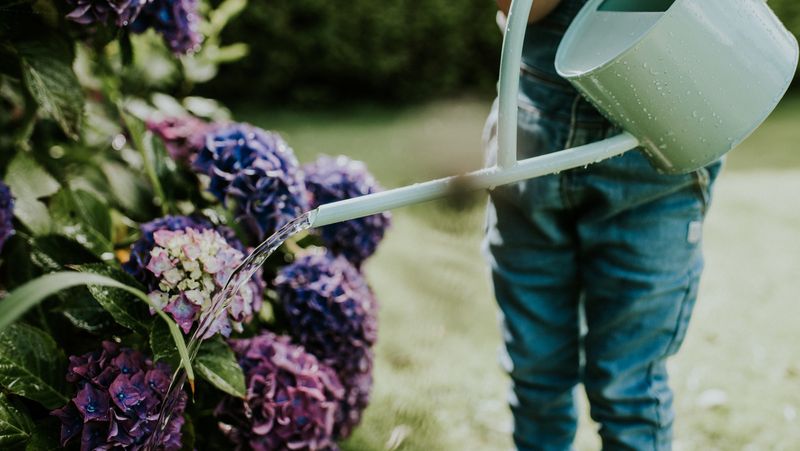
Where you aim the hose matters more than you might think. Splashing water all over the leaves invites trouble like powdery mildew, which loves damp foliage.
Direct the water straight to the base instead, letting it soak down to the roots where it actually does the work.
Dry leaves and well-fed roots make for a healthier plant. And a healthy plant is one that keeps its energy focused on flowering rather than fighting off disease.
10. Provide Ideal Sun Exposure
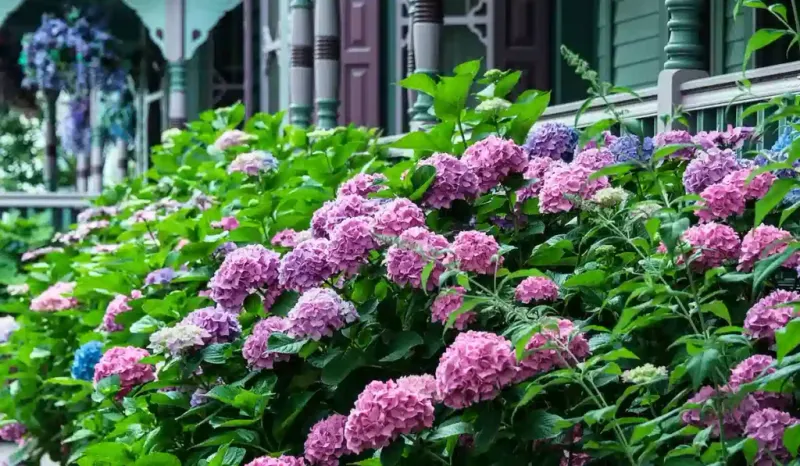
Getting the light right is a balancing act these plants really care about. Morning sun with dappled or partial shade in the afternoon is the sweet spot, especially in hotter regions.
Blast them with too much harsh afternoon sun and you risk scorched leaves and crispy blooms.
Tuck them into too much shade, though, and flowering drops off sharply. Find that in-between spot and your hydrangea rewards you with steady color.
11. Ensure Well-Draining, Rich Soil
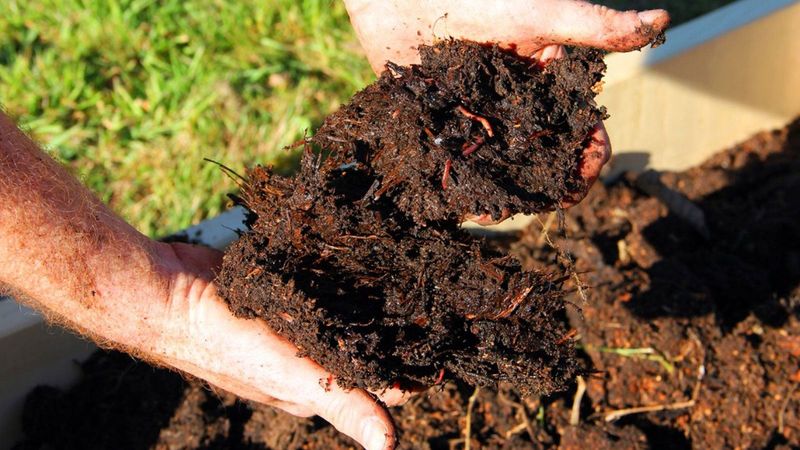
Roots that sit in the wrong soil struggle no matter how well you do everything else. Hydrangeas want ground that drains freely yet stays rich with organic matter.
Heavy clay traps too much water, while sandy soil lets it rush away before roots can drink.
Work in a generous helping of compost to fix either problem. Better soil means happier roots, and happier roots mean a plant with the reserves to bloom again and again.
12. Protect from Harsh Winters and Late Frosts
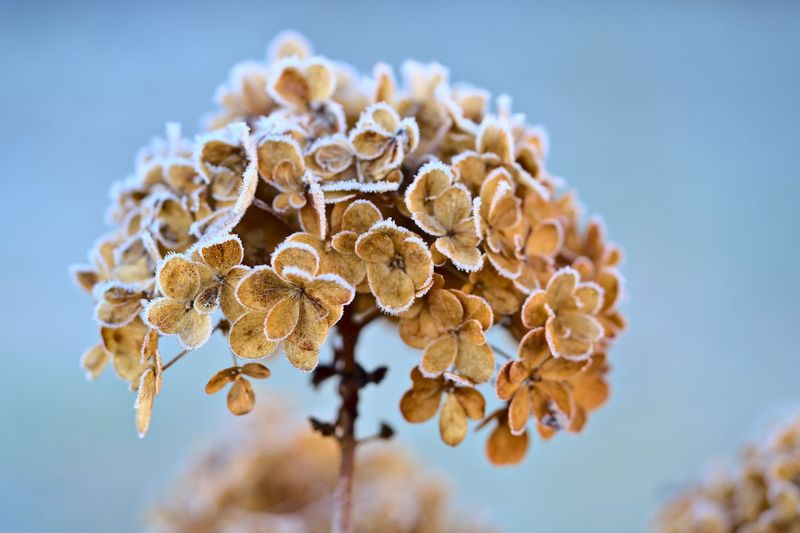
In colder zones, winter can quietly wreck your first flush of flowers. Those old-wood buds are fragile, and swinging temperatures or a surprise late frost can kill them before they ever open.
Piling mulch around the base gives the roots and lower buds a cozy blanket against the cold.
A little protection now can mean the difference between a full spring bloom and a bare, disappointing one. Cover them before the deep freeze sets in.
13. Be Patient with New Plantings
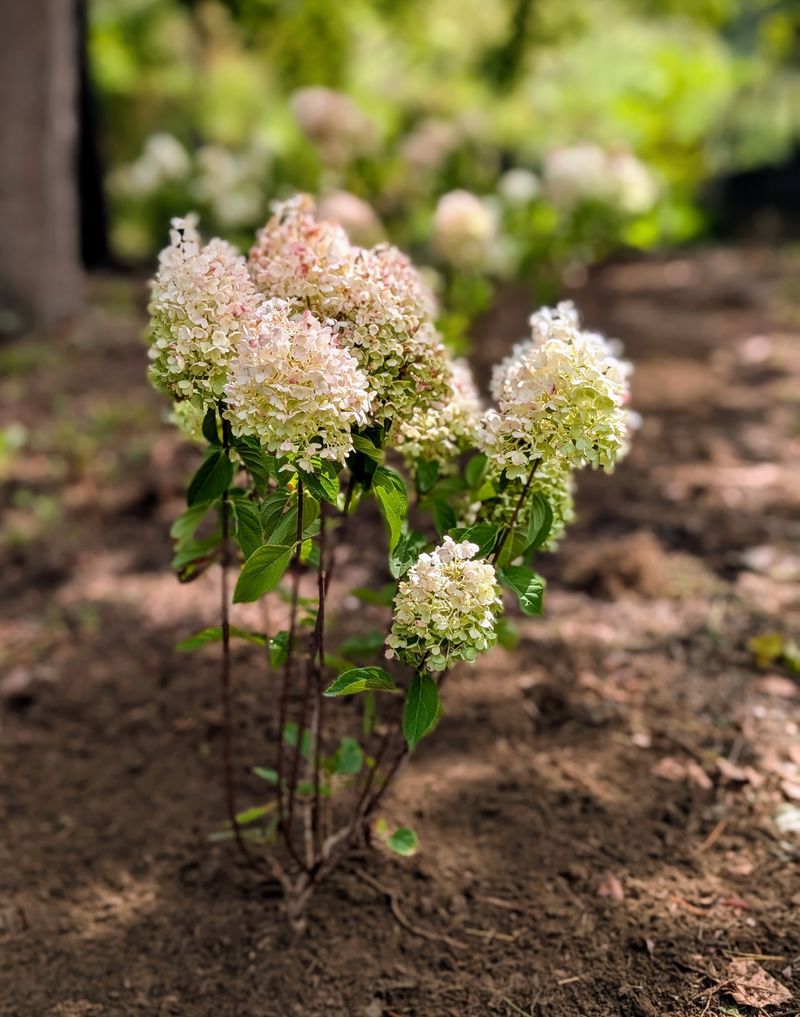
New hydrangeas have their priorities, and sadly, showing off is not always at the top of the list. In their first year or two, these plants often spend their energy building a strong root system underground.
That can mean fewer flowers than you hoped for right out of the gate, and that is completely normal.
Keep up the consistent watering, feeding, and smart pruning. Give it time, and by the following seasons your patience pays off with far more generous, reliable blooms.