
If Your Christmas Cactus Drops Its Buds Before They Open, Here Are 10 Reasons And The Steady Setup That Stops It
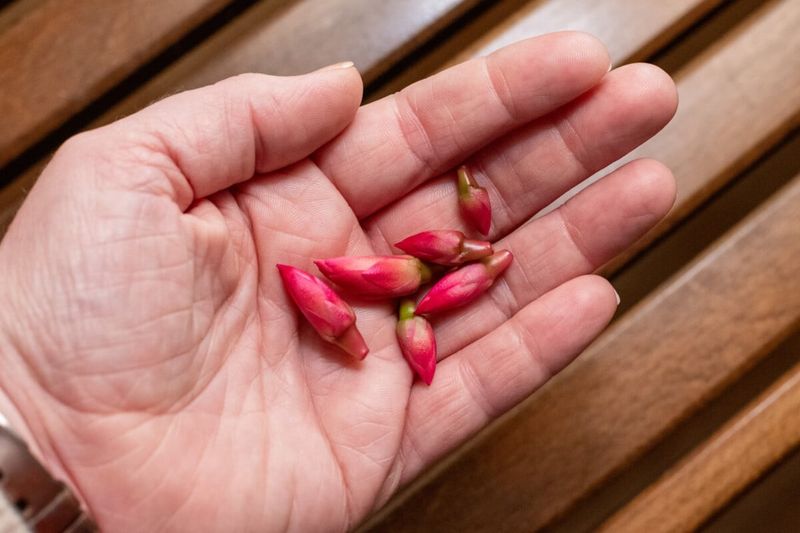
You waited all season for your Christmas cactus to bloom, and then the little buds just fell off before they ever opened. It feels like a gut punch, especially when you thought you were doing everything right.
The good news is that bud drop almost always comes from one fixable stress, and once you spot it, the plant usually settles down. Let’s walk through the 10 most common reasons and the steady setup that keeps every bud on the plant.
1. Watering Imbalances
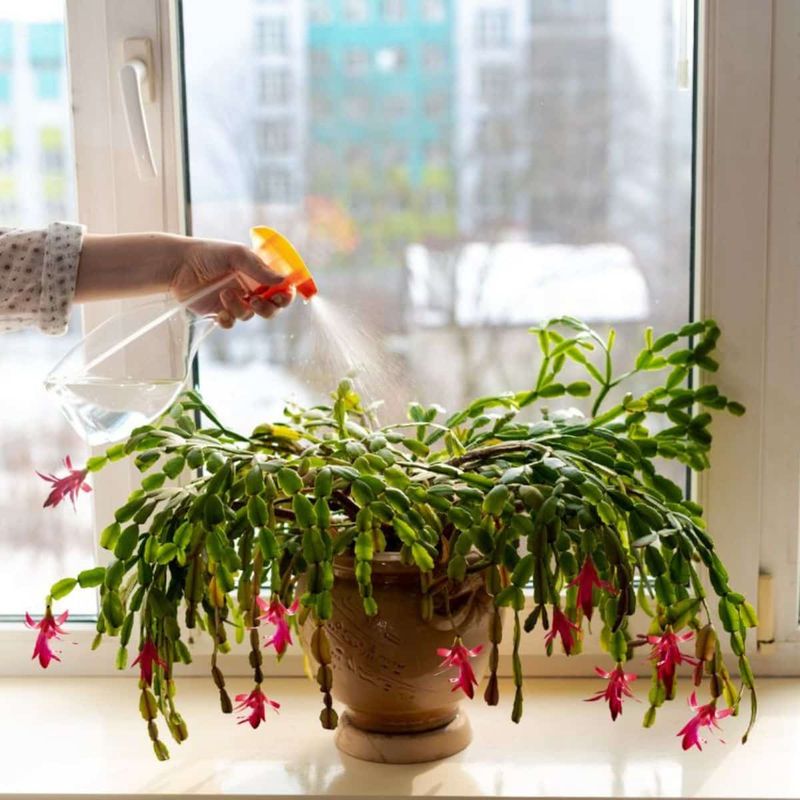
Water is the number one thing folks get wrong with a budding Christmas cactus, and it swings both ways. Soak the roots too often and they sit in soggy soil, which suffocates them and triggers rot.
Let the pot go bone dry and the plant panics, sacrificing its buds to save itself.
The sweet spot is steady, not soaked. Check the top inch of soil with your finger, and only water when it feels dry to the touch.
During bud formation and blooming, aim to keep the soil lightly moist but never dripping wet. A predictable rhythm matters more than any exact schedule, so try to water on the same kind of cue every time.
2. Temperature Fluctuations
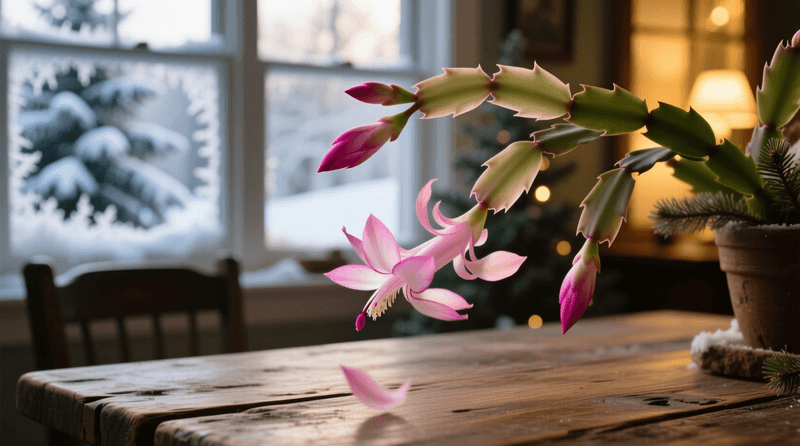
Imagine walking outside in a t-shirt and getting hit by an icy blast. That is basically what a cold draft does to your Christmas cactus, and it responds by shedding buds.
Sudden swings from a chilly window at night to a toasty room by day confuse the plant. Spots near exterior doors, drafty panes, radiators, and fireplaces are all trouble zones.
Pick a location where the temperature stays fairly even. Around 70 degrees Fahrenheit in the daytime and a cooler 55 to 65 degrees at night is close to ideal.
Once you find a calm corner, resist the urge to keep relocating it.
3. Low Humidity
Here’s a plant with a surprising backstory: the Christmas cactus is native to the humid jungle mountains of Brazil, not a dry desert. Your heated winter home is the opposite of that steamy home turf.
When the furnace kicks on, indoor air dries out fast, and thirsty buds start to shrivel and drop. The plant is basically homesick for moisture in the air.
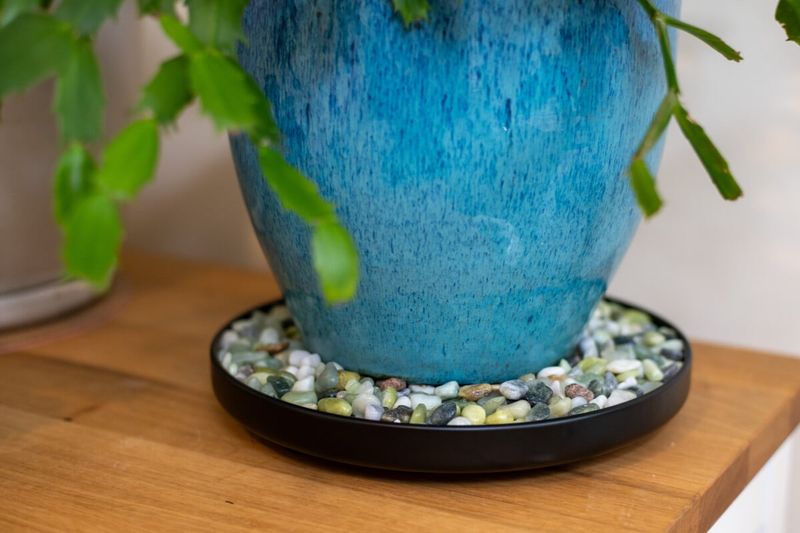
An easy fix is a pebble tray. Fill a saucer with small stones and water, then set the pot on top so the base stays above the waterline.
As the water evaporates, it wraps the plant in the damp air it craves.
4. Incorrect Lighting
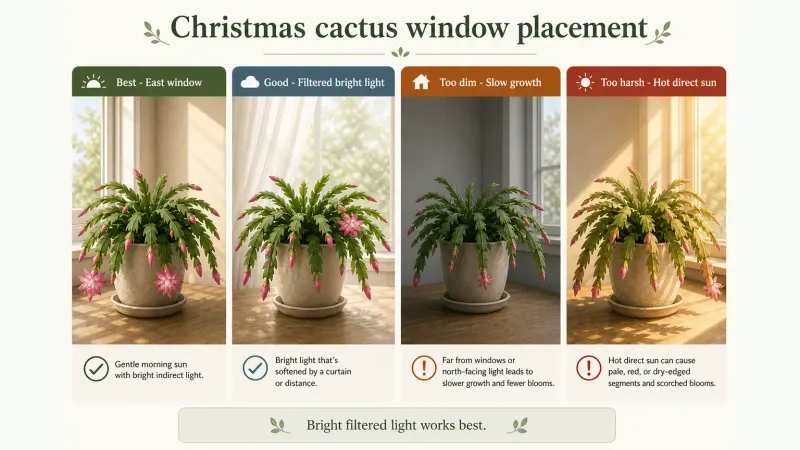
Light is a balancing act for this plant, and getting it wrong shows up fast in the buds. Blast it with harsh afternoon sun and the buds and leaf segments can scorch right off.
Go the other direction with a dim, shadowy corner, and the plant simply cannot make enough energy to feed its blooms. Weak light means weak buds that give up early.
Bright but indirect light is the goal. A spot near an east-facing window, or behind a sheer curtain on a sunnier side, gives the glow it needs without the burn.
Think dappled jungle light, not open desert.
5. Movement or Jostling
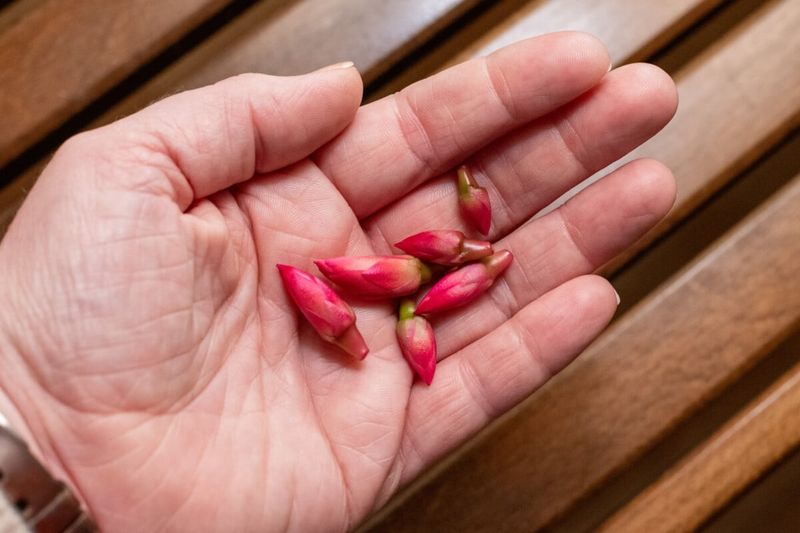
Few plants are as touchy about being moved as a budding Christmas cactus. Once those tiny buds form, the plant orients them toward its light source and locks in.
Spin the pot to even out growth, carry it to show a friend, or shuffle it to a new shelf, and the plant reads that as a threat. The response is often a sad little pile of dropped buds on the floor.
Give in to the temptation to fuss and you may pay for it. The kindest thing you can do during budding is leave it completely alone.
Pick its spot before buds appear and then keep your hands off.
6. Environmental Shock
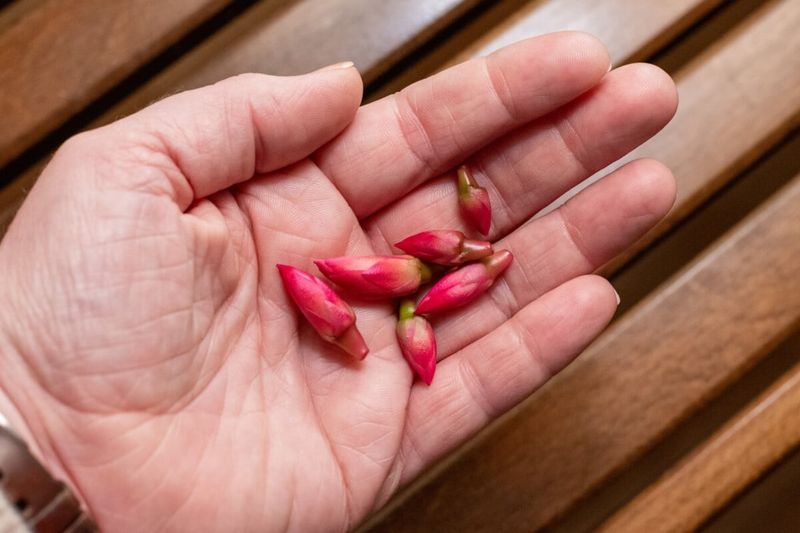
Ever bring home a beautiful budded plant from the store, only to watch it drop everything within days? That is classic environmental shock.
The nursery had its own light, warmth, and humidity, and your house is a whole new world. Buds are the first thing a stressed plant will let go of while it adjusts.
Ease the transition by placing your new cactus in conditions as close to ideal as you can right away, then leaving it be. It may still lose a few buds during the switch, but a stable new home helps it hold onto the rest and bounce back.
7. Lack of Darkness
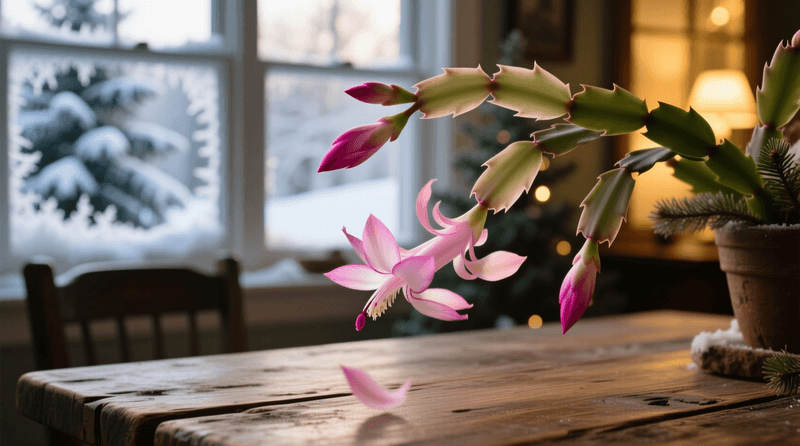
Here’s the quirky part of Christmas cactus care that trips up so many people: this plant needs darkness to trigger blooming. It takes its cue from the long nights of fall.
For several weeks, it wants around 12 hours of uninterrupted darkness each night to set buds properly. A lamp flicking on, a hallway light, even street glow through a window can break the spell.
If your plant sets buds and then drops them, an interrupted dark period may be the hidden culprit. Tuck it in a dark room or closet each evening during fall, or drape it, and let those long nights do their quiet work.
8. Poor Soil Quality
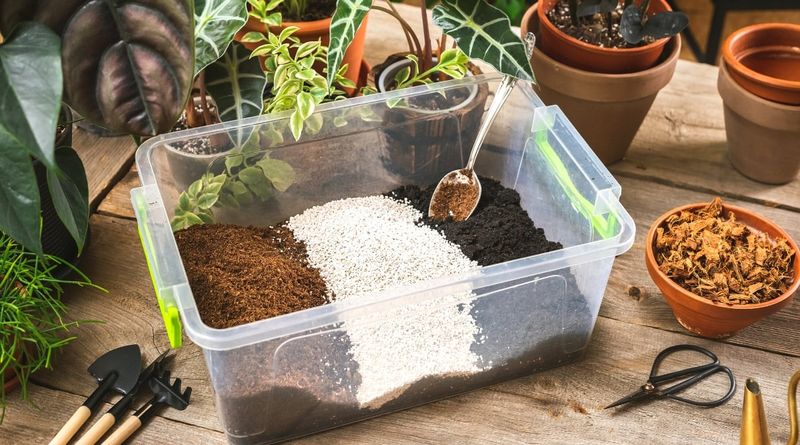
What holds up your cactus can quietly sabotage its buds. Heavy, dense soil that grips water like a sponge is a recipe for trouble.
When roots stay waterlogged, they struggle and sometimes rot, and a stressed root system cannot support delicate buds. The plant lets them fall before they ever get a chance to open.
A loose, well-draining mix changes everything. Look for a blend made for cactus or succulents, or lighten regular potting soil with perlite or bark.
Roots that can breathe and drain make for a plant that keeps its blooms.
9. Pests and Diseases
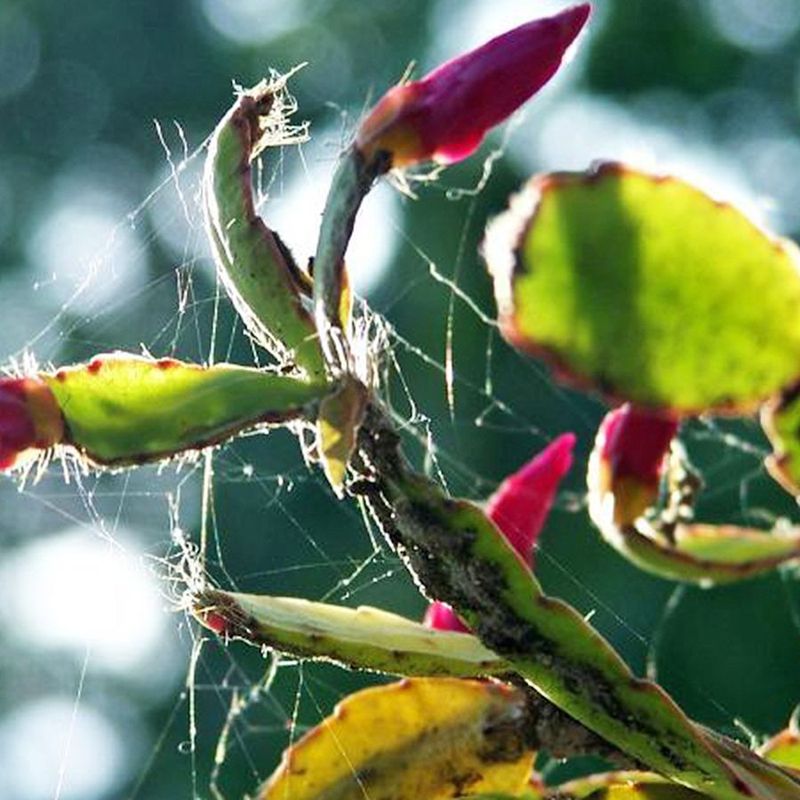
Sometimes the problem is a tiny freeloader you have not noticed yet. Spider mites and mealybugs love to hide in the joints of Christmas cactus segments, sipping away the plant’s strength.
Root rot, usually born from overwatering, does its damage below the surface. Either way, a plant fighting pests or disease will drop buds to conserve what energy it has left.
Give your cactus a close look every week or two, checking stems, joints, and undersides. Cottony white fuzz or fine webbing are red flags.
A gentle treatment like insecticidal soap or neem oil can knock back the invaders and take the pressure off your plant.
10. Fertilization Imbalances
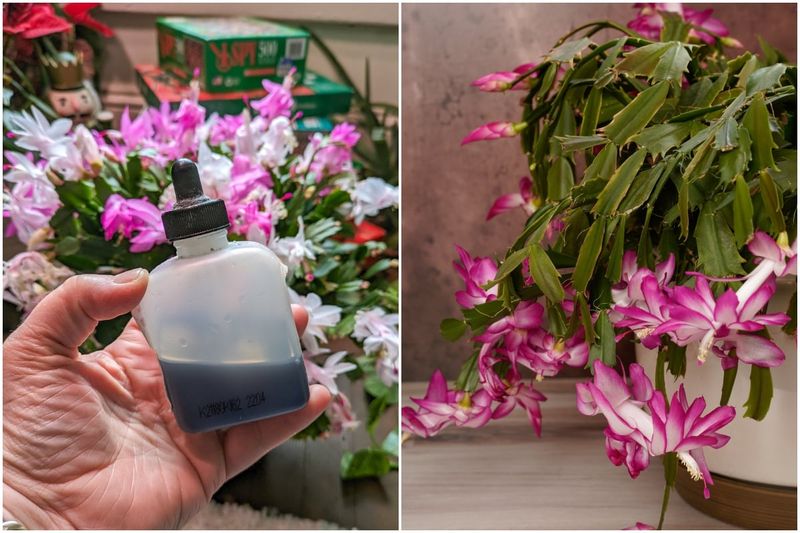
Feeding your plant sounds like pure kindness, but the wrong food at the wrong time backfires. Too much nitrogen pushes the plant to grow leafy segments instead of flowers, so you get fewer buds or buds that quit early.
Timing matters just as much as the type. Fertilizing late in the season can interfere with bud development right when the plant should be settling into bloom mode.
Use a balanced, diluted fertilizer only during the growing season in spring and summer. Then stop feeding around September or October so the plant can focus on setting buds, and start again in early spring.