
What It Really Means When Skinks Suddenly Outnumber The Anoles In Your North Carolina Yard
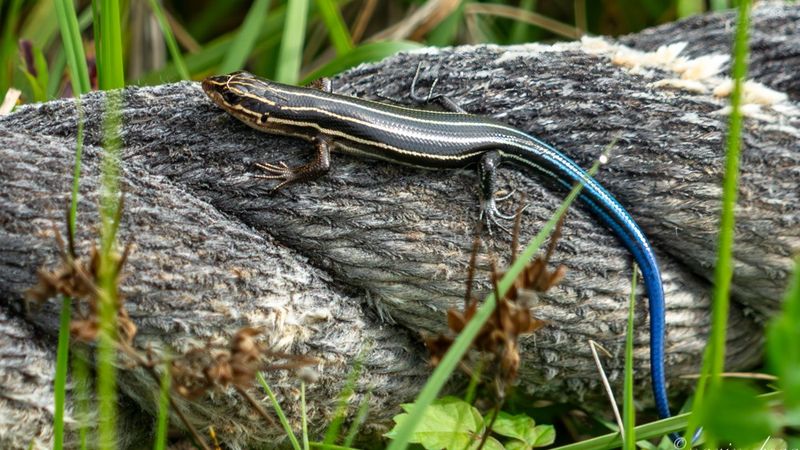
Stepping outside on a warm morning and noticing a flash of blue tail where you used to see a green anole can stop you mid-stride. Plenty of North Carolina homeowners have had that same moment and wondered whether something in their yard shifted overnight.
The answer is almost certainly more interesting than a simple takeover story, and understanding it starts with looking at both lizards a little more carefully.
A changed sighting ratio does not prove a takeover
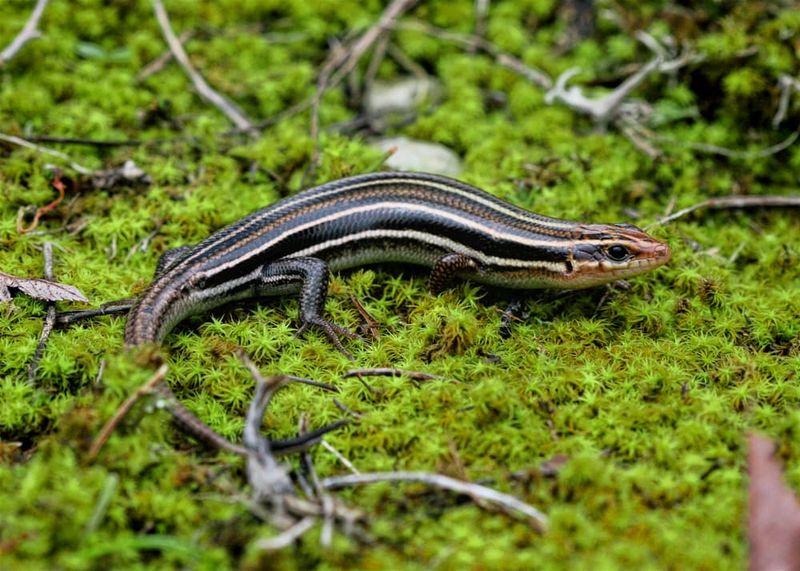
Counting lizards by memory is a lot like counting cars by glancing out a window once a day. The number you see depends heavily on where you look, when you look, and what conditions pushed one species into the open while keeping the other out of sight.
A morning spent watching the ground near a brush pile will not give the same result as an afternoon spent scanning a fence line or a shrub border, even if both lizard groups are equally present.
The factors that can change what you notice on any given day include temperature, recent rain, time of day, mowing, pruning, leaf-litter removal, new landscaping, the presence of a pet, a neighborhood cat passing through, or simply where you happened to be standing. North Carolina’s Wildlife Action Plan notes that lizards have not been the subject of intensive statewide survey, which means even wildlife managers cannot easily confirm precise yard-level population trends from casual observations.
What the sighting shift may reflect is a difference in habitat use or detectability rather than a replacement of one species by another. NC Wildlife’s five-lined skink profile and its green anole profile both describe the animals as common across much of the state without suggesting that their yard-level numbers follow a fixed ratio.
A skink that suddenly appears near the foundation every morning could mean the yard gained a new log pile, not that the anoles packed up and left.
Treating the observation as a clue worth investigating is more useful than treating it as a verdict. The sighting alone cannot establish that a specific ecological change happened, that one species increased, or that the other declined.
Plausible explanations exist, but none can be confirmed without more careful, repeated observation from multiple parts of the yard over time.
First, make sure the lizards are what you think
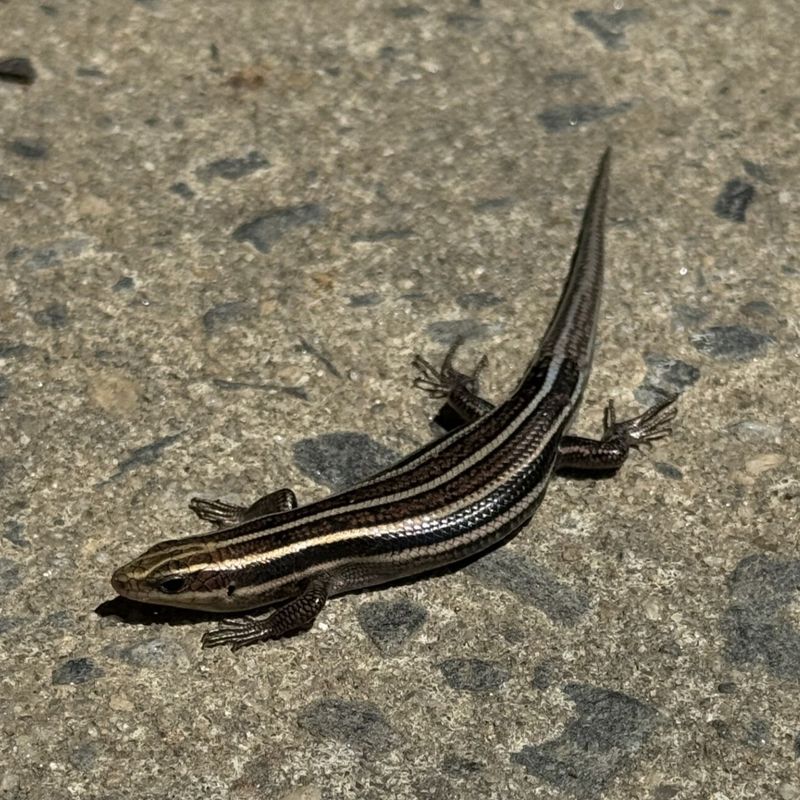
Before drawing any conclusions about which lizard is winning or losing ground in your yard, it pays to slow down and confirm you are actually looking at what you think you are. Two common identification mistakes can send the whole interpretation sideways before it starts.
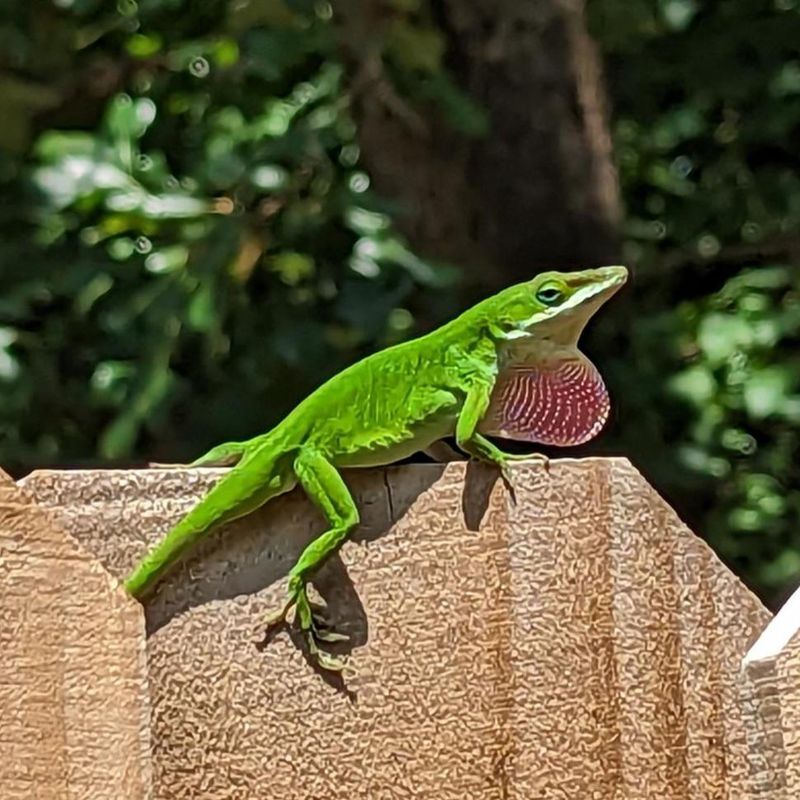
Green anoles are slender lizards, generally around five to eight inches from snout to tail tip, with distinctly adhesive toe pads that let them cling to smooth vertical surfaces. Males carry a pink or reddish dewlap, a fan of skin under the chin that they extend during territorial displays.
Crucially, NC Wildlife’s green anole page makes clear that these lizards can range from vivid green to brown or gray depending on temperature, stress, and background. A brown lizard on your fence is not automatically an invasive brown anole.
Identification should use body shape, toe pads, dewlap color, head profile, and behavior, not color alone.
On the skink side, the picture gets complicated quickly. The NC Biodiversity Project’s five-lined skink record and the expanded species account note that North Carolina is home to at least three similar Plestiodon species: the common five-lined skink, the southeastern five-lined skink, and the broad-headed skink.
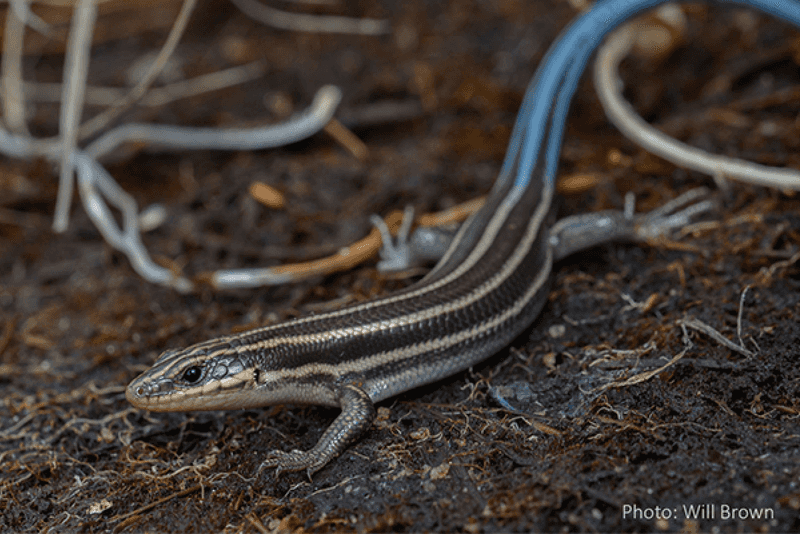
Juveniles of all three can display five pale stripes and a bright blue tail, which is why calling any striped juvenile a “blue-tailed skink” does not pin down the species.
Adult five-lined skinks are generally smooth-scaled and relatively short-legged compared to anoles, and they spend most of their time at or near ground level. Species-level separation among the three Plestiodon often requires a clear photograph of the head, the dorsal stripe pattern, and the underside of the tail.
The safest and most responsible approach is to observe from a comfortable distance and photograph the animal rather than pick it up, which also avoids stressing or injuring it.
The two lizard groups use different parts of the yard
One of the most useful things to understand about these two lizards is that they rarely compete for exactly the same slice of the yard. Their preferred hangout spots are different enough that a yard can comfortably hold both groups at the same time while making one far easier to notice than the other.
Green anoles are climbers. NC Wildlife describes them as lizards that commonly use shrubs, trees, fences, walls, and other elevated surfaces, and Animal Diversity Web’s green anole account reinforces their arboreal tendencies.
A male anole staking out a sunny fence post or the top of an azalea bush is doing exactly what the species does. If your attention has been focused on the ground lately, you may be missing them entirely while they perch a few feet overhead.
Five-lined skinks occupy a very different zone. NC Wildlife’s skink profile describes them as largely terrestrial animals that favor moist, partly wooded areas with logs, rocks, brush, stumps, foundations, and leaf litter.
The NC Biodiversity Project and Animal Diversity Web’s five-lined skink account both note their association with forest edges, clearings, and ground-level cover objects such as old boards, rock piles, and stone walls.
A yard observer who spends most of their time scanning the mulch and the foundation may consistently spot skinks while missing anoles that are perched on the fence, the side of the house, or the branches of a nearby shrub. That shift in where the observer looks can produce a skink-heavy impression without any change in actual animal numbers.
The two groups are using the same property in different layers, not staging a competition for the same patch of ground.
Look for changes around cover, moisture, and basking sites
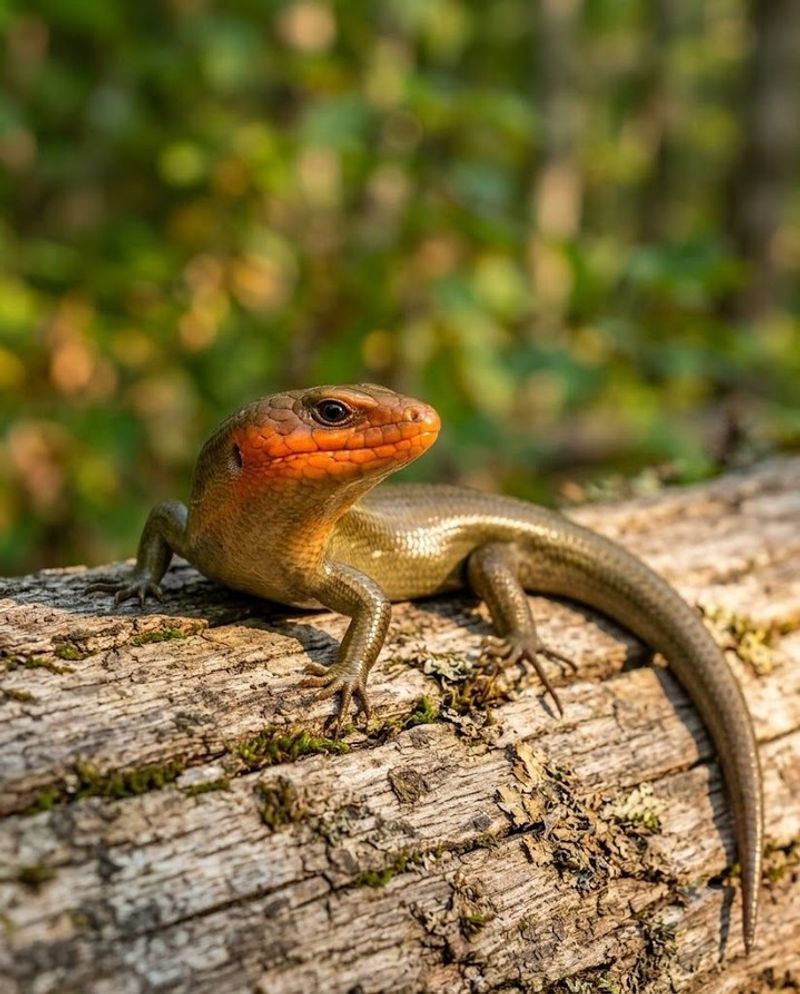
Rather than guessing what caused the shift, try a quiet walk around the yard with a different kind of question in mind: what looks different from a year ago? Comparing current conditions with earlier ones can surface plausible explanations without overstating what the sighting itself can prove.
Start with ground cover. NC Wildlife lists old buildings, rock piles, log piles, road cuts, stone walls, boardwalks, and bridge foundations as places where five-lined skinks commonly occur.
A new brush pile added near the garden, a stack of leftover lumber left near the shed, or a stone retaining wall installed along the back bed could each provide the kind of shelter and basking opportunity that makes skinks more active and more visible in that part of the yard.
Moisture matters too. The NC Biodiversity Project’s skink account notes that five-lined skinks prefer fairly moist areas near deciduous or mixed woods.
A wetter-than-usual spring, a new irrigation zone, or a shadier yard following tree growth could make ground-level habitat more appealing to skinks. A peer-reviewed study in Biological Conservation on five-lined skink habitat found that large, moderately decayed logs are particularly valuable to the species and that removing or degrading that cover can reduce habitat suitability.
At the same time, consider what may have changed for anoles. Pruning a large shrub, removing a climbing vine, or replacing a wooden fence with a smooth metal one could reduce the elevated perching surfaces that green anoles rely on.
Each of these is a plausible explanation consistent with habitat information, not a confirmed diagnosis. The goal of the walk is to generate hypotheses, not to declare a cause.
Season, weather, and region shape what you notice
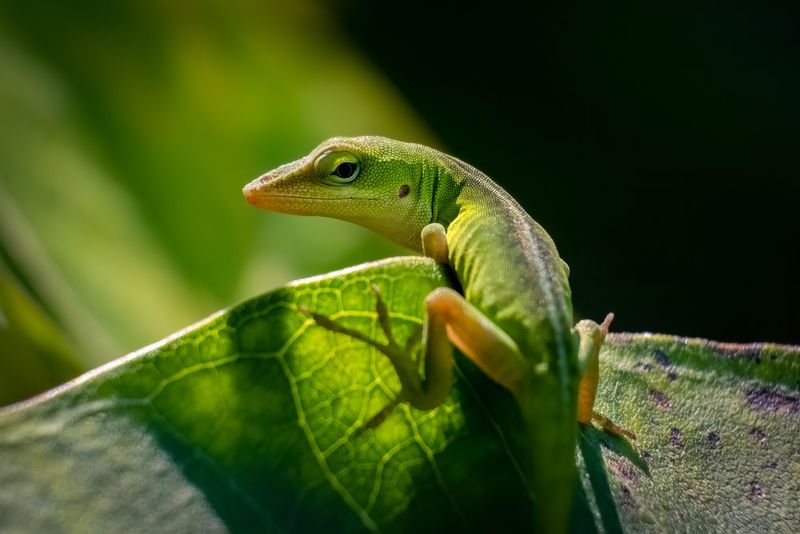
Lizard sightings are not evenly distributed across the calendar. Both green anoles and five-lined skinks are ectotherms, meaning air temperature and sunlight drive when and where they come out to bask and forage.
A cool, overcast week can keep both species tucked away, while a warm morning after several rainy days might bring skinks out near their cover objects in numbers that seem sudden or surprising.
Time of day adds another layer. Anoles often bask and display in sunny, elevated spots during the warmest parts of a morning, then retreat into vegetation during afternoon heat.
A homeowner who steps outside primarily at midday or late afternoon may consistently miss peak anole activity while catching skinks that remain active near ground-level shelter for longer portions of the day.
Geography also shapes the baseline. NC Wildlife notes that green anoles are especially associated with the Coastal Plain and southern Piedmont, where they are common in urban and suburban settings.
The NC Biodiversity Project’s green anole record reflects that concentration in the warmer, lower-elevation parts of the state. A homeowner in the Blue Ridge foothills who has never seen many anoles should not interpret a skink-heavy yard as evidence of displacement; anoles may simply be less common in that region to begin with.
Five-lined skinks occur broadly across North Carolina, including semi-wooded residential neighborhoods in the mountains, Piedmont, and Coastal Plain, but the NC Biodiversity Project is careful to note that the three similar Plestiodon species have overlapping but nonidentical distributions. The same sighting pattern can carry different plausible interpretations depending on which part of North Carolina you call home.
Why the brown-anole takeover story does not solve this puzzle
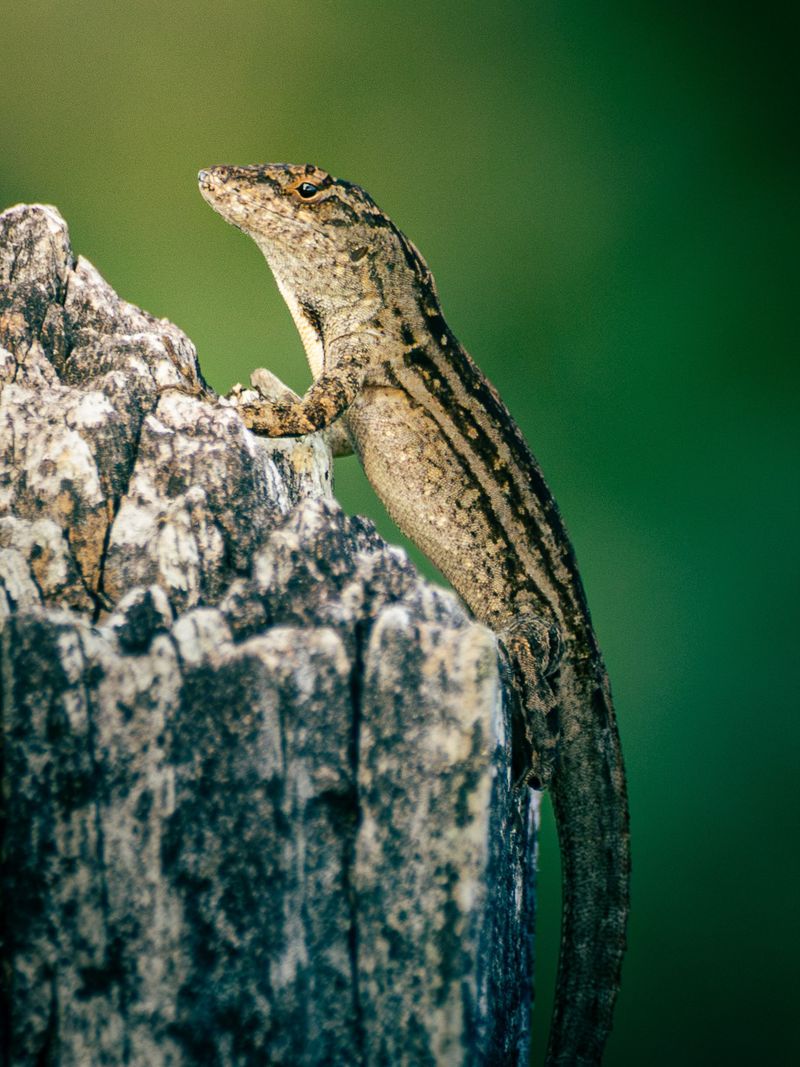
A popular explanation circulates online whenever someone notices fewer green anoles: invasive brown anoles moved in and pushed them out. The research behind that story is real, but it applies to a narrower situation than most people realize, and it does not transfer cleanly into a skink-versus-anole narrative.
Studies have documented that invasive brown anoles can alter the behavior of native green anoles in parts of the Southeast. Anole Annals has reported on research showing that brown anoles behaviorally displace green anoles upward into higher vegetation.
Related work published in peer-reviewed ecology journals and research on competition and displacement in lizard communities all concern anole-versus-anole interactions in specific invaded regions. None of that evidence shows that five-lined skinks displace green anoles in North Carolina residential yards.
The second problem with jumping to the brown-anole explanation is the identification issue raised earlier. NC Wildlife explicitly notes that native green anoles can appear brown or gray, so a brown lizard on the fence is not automatically an invasive species.
Reaching for the brown-anole story based on color alone risks misidentifying a native animal and potentially prompting unnecessary action against it.
If you genuinely suspect brown anoles have established in your area, the responsible path is to photograph the lizard clearly and consult a local herpetologist or extension office rather than act on a color-based guess. For most North Carolina homeowners noticing more skinks, the more grounded explanations remain habitat use, cover availability, seasonal timing, and observer location.
Start there before importing a narrative that may not apply to your yard at all.
Protect habitat without trying to manipulate lizard numbers
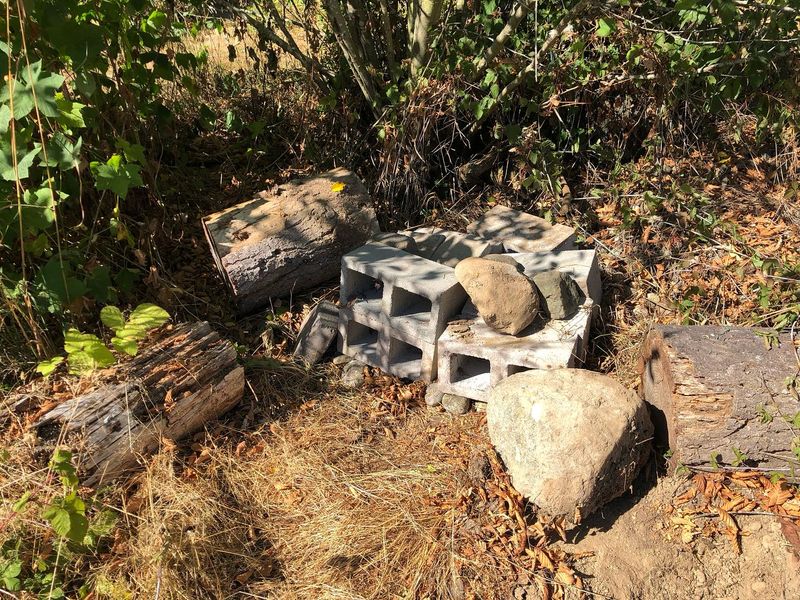
Once you understand what the sighting may reflect, the most useful response is not to intervene but to support the conditions that keep both lizard groups present and healthy. A few straightforward habits make a real difference without requiring any handling, purchasing, or chemical application.
Retaining ground cover is the single most habitat-friendly thing most homeowners can do. Research published in Biological Conservation found that large, moderately decayed logs are particularly valuable to five-lined skinks and that clearing them can reduce habitat suitability.
Leaving a modest log pile, a few flat rocks, or a section of leaf litter in a back corner costs nothing and provides shelter, moisture retention, and invertebrate prey that both lizard groups benefit from. The NC Biodiversity Project and Animal Diversity Web’s five-lined skink account both describe skinks’ need for both sheltering objects and nearby sunlit basking spots, so keeping a sunny edge or a warm, exposed surface adjacent to the cover area gives skinks what they need without turning the yard into a woodland.
Pesticide use deserves careful thought. EPA guidance on reducing pesticide impacts on wildlife recommends using pesticides only when necessary, treating only the specific area that needs it, following the product label precisely, and preventing spray or rinse water from reaching storm drains and water bodies.
Broad yard spraying or insect bombs can harm reptiles and reduce the invertebrate prey that lizards depend on. These are not wildlife management tools.
Cats are a serious and underappreciated threat. NC Wildlife specifically warns that free-roaming house cats kill large numbers of five-lined skinks and can eliminate local populations over time.
Keeping cats indoors or supervised outdoors is one of the most protective steps a homeowner can take.
Observe from a distance rather than handling. Five-lined skinks are harmless, but a restrained adult may bite or pinch.
Photographing uncertain animals from a few feet away is safer for you and far less stressful for the lizard. If you ever consider keeping a native lizard, note that NC Wildlife regulates possession and collection of native reptiles; observation and habitat protection are far preferable to capture or relocation.
Treat the shift as a clue, not a verdict
Seeing more skinks and fewer anoles in a North Carolina yard may be consistent with differences in ground cover, moisture, perch availability, seasonal timing, weather, animal behavior, or simply where and when you happened to look. None of those possibilities can be confirmed or ruled out from a casual sighting alone, and the sighting cannot establish a population trend, certify that the yard’s ecosystem improved, diagnose an anole decline, or promise any particular benefit such as reduced tick pressure.
Five-lined skinks and green anoles are both native, both common across much of North Carolina, and both worth protecting. The most practical next step is to observe from multiple vantage points, scanning both ground level and elevated surfaces such as fences, shrubs, and walls on different days and at different times of morning.
Photograph any lizard you cannot immediately identify rather than guessing based on color. Compare current yard conditions with what existed a year or two ago, noting changes in shade, moisture, cover objects, and vertical vegetation.
Keep notes over a few weeks rather than drawing conclusions from a single morning. Two lizards sharing a yard in different layers is a normal, healthy arrangement in North Carolina, and the most interesting thing about the shift may simply be that it prompted you to look more carefully at what was already there all along.