
The North Carolina Native Ground Covers That Line A Walkway Better Than Liriope And Feed Wildlife Too
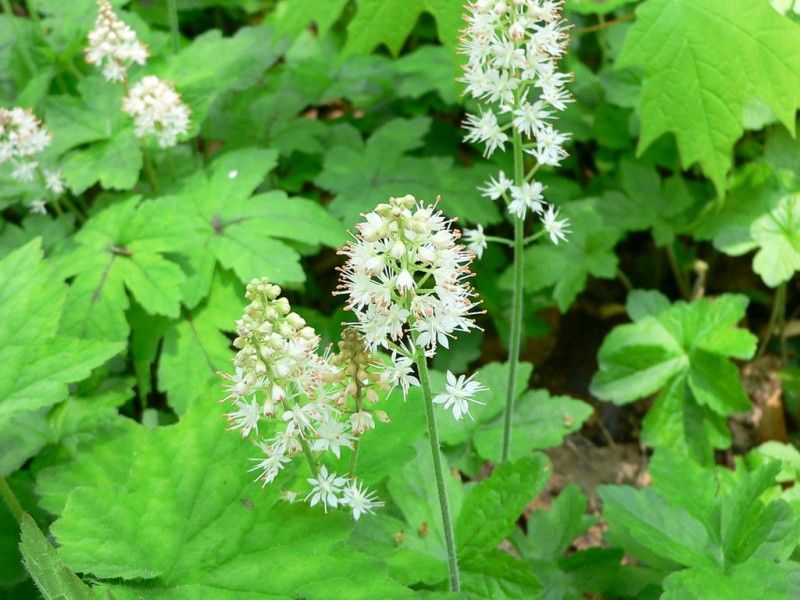
That neat green edge of liriope lining so many North Carolina walkways looks tidy, but it spreads where it shouldn’t and gives almost nothing back to local wildlife. The good news is that our state is full of native ground covers that hug a path just as beautifully while feeding pollinators, box turtles, and songbirds.
Swapping liriope for these plants turns a plain border into a tiny working piece of your yard’s ecosystem. Here are seven North Carolina natives that do the job better and pull their weight for the creatures you love.
1. Allegheny Spurge (Pachysandra procumbens)

Shady, soggy corners where liriope sulks are exactly where Allegheny spurge shines. Its underground rhizomes knit together into a thick evergreen carpet that smothers weeds without any help from you.
The mottled, silvery-green leaves hold their color through winter, and short spikes of fragrant flowers appear low to the ground in early spring. Because it tolerates occasional flooding, it handles the damp strip beside a walkway that always seems to stay wet.
Unlike its aggressive Asian cousin sold in big-box stores, this native stays where you want it and blends into a woodland edge like it belongs, because it does. For a Piedmont gardener battling a dim, damp path, it is one of the easiest evergreen swaps you can make.
2. Woodland Stonecrop (Sedum ternatum)
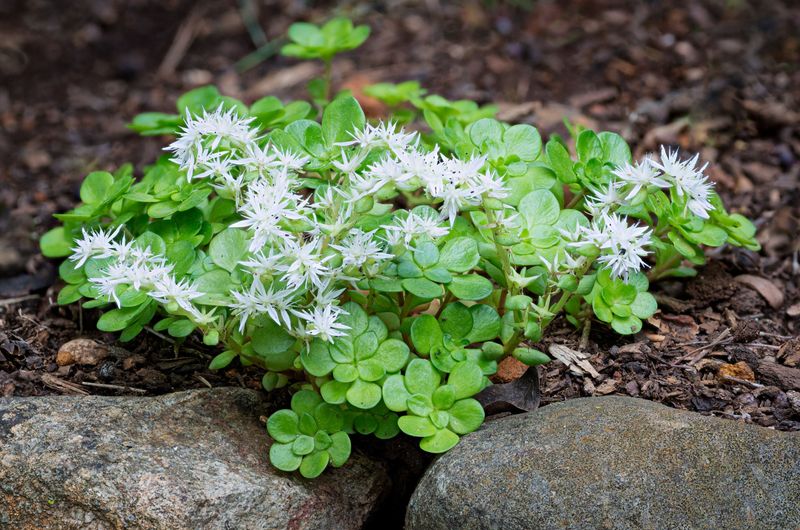
Here is a ground cover that shrugs off drought, deer, and rabbits all at once. Woodland stonecrop is a low, succulent native that forms tidy mats only four to eight inches tall, perfect for hugging the very lip of a path.
From April into June, it throws up little white star-shaped flowers that bees and butterflies work over eagerly. It even serves as a host plant for several kinds of moth and butterfly caterpillars, which means it feeds the food chain, not just the flowers.
What makes it a standout is how flexible it is about light, thriving anywhere from full sun to full shade as long as the soil drains. Plant it once, and this easygoing succulent asks for almost nothing while quietly doing a lot of good.
3. Creeping Phlox (Phlox stolonifera and Phlox subulata)
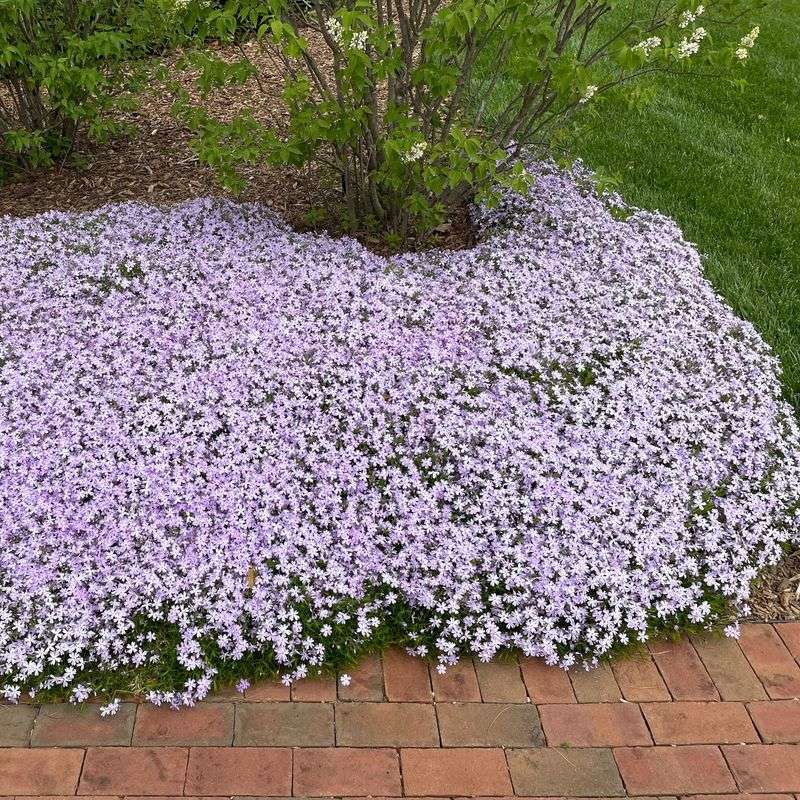
If you want early-season color that stops neighbors in their tracks, creeping phlox delivers a spring explosion of pink, purple, and white. Two native species work here: Phlox stolonifera, an Appalachian woodlander that takes light foot traffic, and Phlox subulata, or moss phlox, which forms dense evergreen mats across the Piedmont and mountains.
Both spread into weed-suppressing carpets and cling to slopes, making them handy for erosion control along a sloping walk. When those blooms open in early spring, they hand out vital nectar to bees, butterflies, and hummingbirds at a time when little else is flowering.
They ask for full sun to part shade and shrug off deer and rabbits. Once established, moss phlox even laughs at drought, so a sunny path edge becomes low-maintenance and pollinator-friendly in one move.
4. Partridgeberry (Mitchella repens)
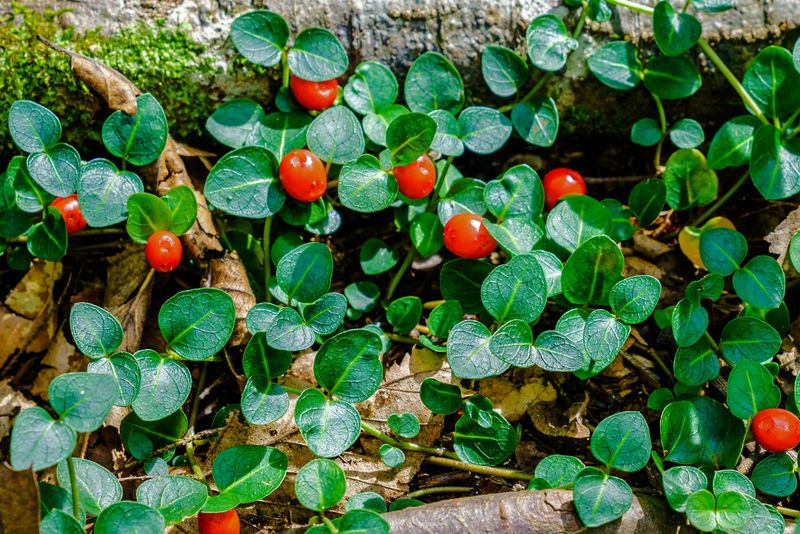
Tiny, glossy, and quietly generous, partridgeberry is the sort of plant you kneel down to admire. It is a semi-woody creeping vine that weaves a flat evergreen mat across shady, humus-rich ground where few things thrive.
The real gift arrives in its bright red berries, which hang on right through winter. Songbirds, ruffed grouse, wild turkeys, quail, and even white-footed mice count on that fruit during the hungry cold months, so a border of it becomes a winter feeding station.
Deer tend to leave it alone, and its low, even growth keeps a shaded walkway looking finished without any fuss. For a Coastal Plain or mountain gardener with a dim, damp path, few natives pack this much winter wildlife value into so small a leaf.
5. Wild Ginger (Asarum canadense and Hexastylis species)
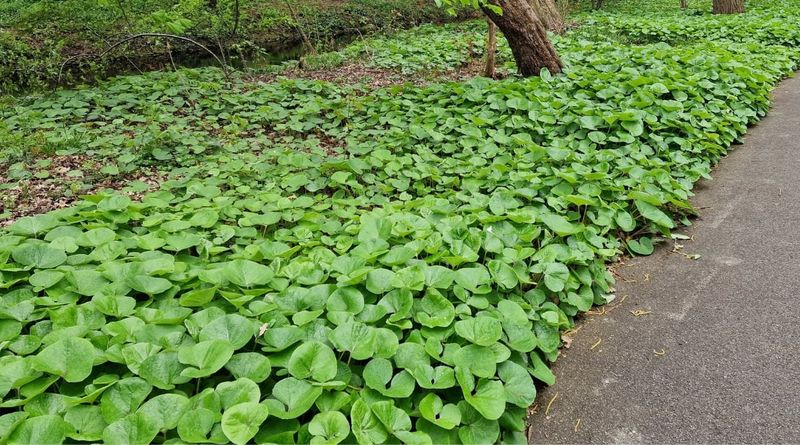
Look under the heart-shaped leaves of wild ginger and you will find its secret: odd little maroon flowers tucked right at the soil line, pollinated by crawling beetles and ants. Canadian wild ginger, Asarum canadense, spreads slowly by rhizomes into a lush six-to-twelve-inch groundcover for shady, moist beds.
It earns its keep as a larval host for the striking pipevine swallowtail butterfly, and ants even carry off its seeds to plant new colonies elsewhere. Our native Hexastylis, or heartleaf gingers, stay evergreen and low, holding their glossy foliage through the cold.
Both prefer part to full shade with rich, consistently moist soil, and both shrug off deer. Edge a woodland path with wild ginger and you get a handsome, textured border that also runs a small butterfly nursery.
6. Foamflower (Tiarella cordifolia)
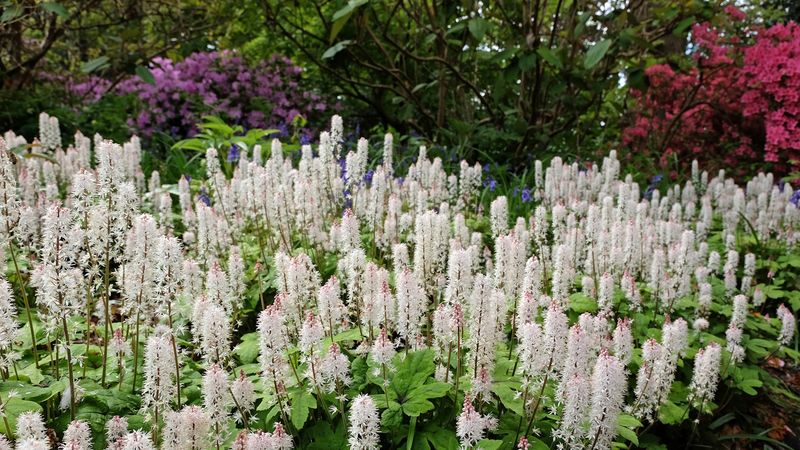
Picture a soft haze of airy white blooms floating above lobed green leaves, and you have foamflower in spring. Native to moist forests all across North Carolina, it spreads by runners into gentle colonies that carpet the shaded ground beside a path.
Those frothy flowers pull in early-season pollinators, from native bees and butterflies to syrphid flies and beetles, when food is still scarce. Here is where foamflower quietly earns a special spot: its dense low foliage shelters ground-dwelling insects, and firefly larvae hunt exactly those creatures in the damp leaf litter beneath.
Leave a little leaf litter and a log or two nearby, and you build the layered, moist habitat that helps summer fireflies return. In fall the leaves flush burgundy and bronze, so the show keeps going long after the flowers fade.
7. Wild Strawberry (Fragaria virginiana)
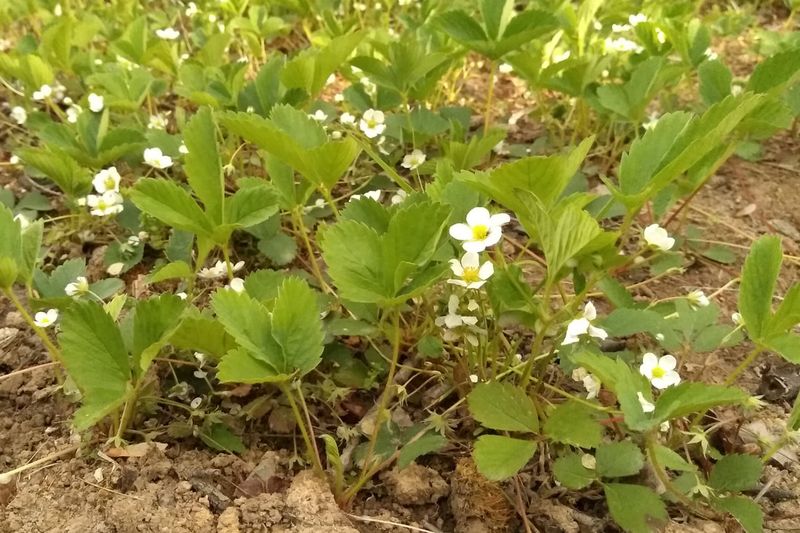
A box turtle nosing through a strawberry patch might be the best argument for this plant there is. Wild strawberry is a fast-spreading evergreen native that produces small, sweet, edible berries and takes everything from full sun to mostly shade.
Box turtles genuinely love it, tucking into its low cover to hide, nibbling the fruit, and even laying their eggs among the runners. That makes a strawberry border along a walkway a safe harbor for one of the most beloved and vulnerable reptiles in a North Carolina yard.
The white spring flowers feed pollinators before the berries ripen, and the fruit goes on to feed birds and small mammals too. If you plant nothing else from this list, plant this one for the turtles, and remember to leave any box turtle you find right where it is.