
If Your Petunias Grow Thin And Patchy, Here Are 16 Tips For A Full Field Of Blooms All Season
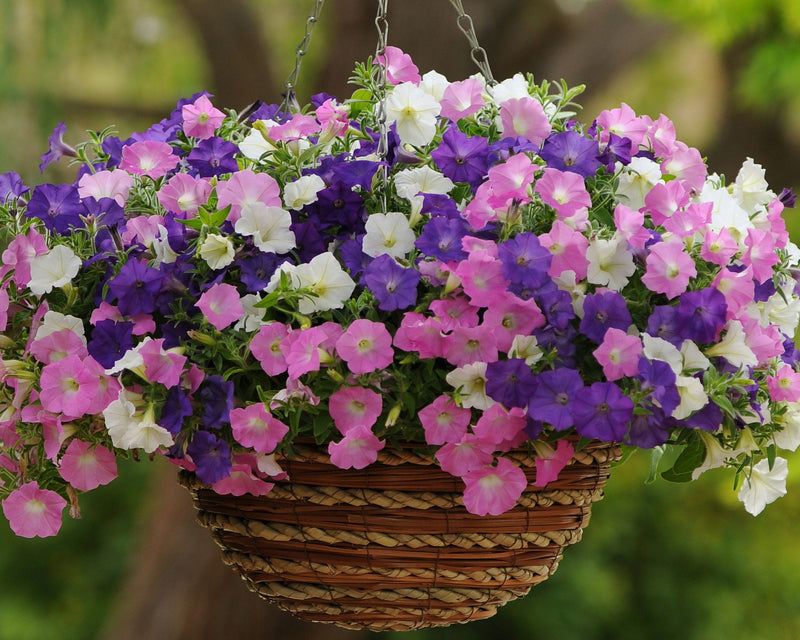
Nothing is more frustrating than watching your petunias turn into scraggly, half-empty stems when you pictured a waterfall of color. The good news is that thin, patchy petunias are almost always fixable with a few small changes to how you care for them.
From sunlight and watering to pinching and feeding, each tweak adds up to a plant that spills over with flowers. Here are 16 simple tips to help your petunias fill in thick and keep blooming all season long.
1. Provide Ample Sunlight
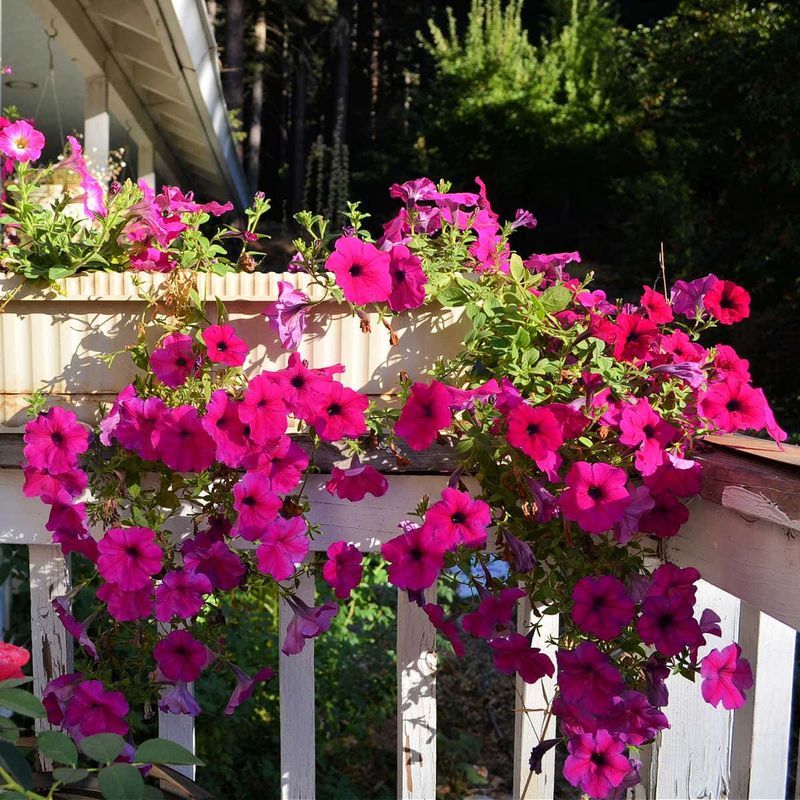
Petunias are true sun-lovers, and skimping on light is the number one reason they stretch out thin and leggy. Aim for at least 6 to 8 hours of direct sun every day, and if you can give them more, even better.
When a petunia sits in shade, it reaches toward the light, growing long spindly stems with few flowers along the way. That stretching is your plant begging for a brighter spot.
Move containers to your sunniest corner, or thin out anything shading a garden bed. More sun means stronger stems, deeper color, and a whole lot more blooms.
2. Practice Regular Pinching
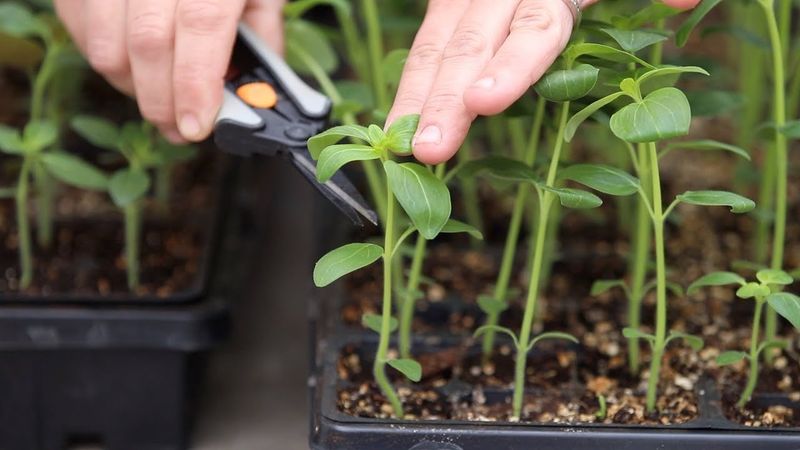
Here is a trick that feels wrong but works wonders: pinch off the growing tips of young petunias. Snapping back those tender ends tells the plant to branch out sideways instead of shooting straight up.
Each pinch turns one skinny stem into two or three, and every new branch means more spots for flowers to form. Do it early, while plants are still small and forgiving.
It stings a little to remove growth on purpose, but a few weeks later you will have a rounder, fuller plant instead of a lonely single stalk.
3. Consistent Deadheading
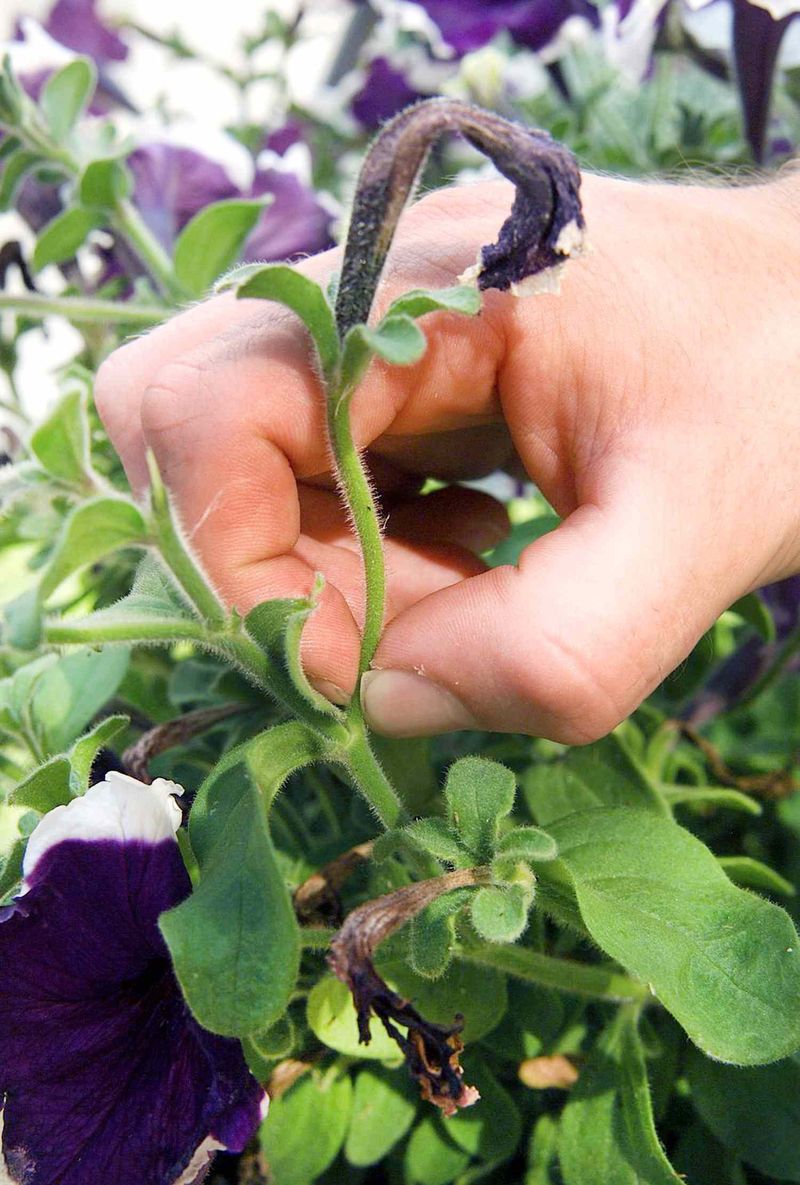
Faded flowers might look harmless, but they quietly steal your petunia’s energy. Once a bloom wilts, the plant pours its effort into making seeds instead of new flowers.
Pinch off spent blooms just above the first set of healthy leaves, and be sure to grab the little seed pod behind the flower too. Miss that pod and the plant keeps thinking its job is done.
Keep up with deadheading every few days and you redirect all that energy right back into fresh buds. It is one of the easiest habits for keeping blooms coming nonstop.
4. Perform Timely Trimming (Cutting Back)
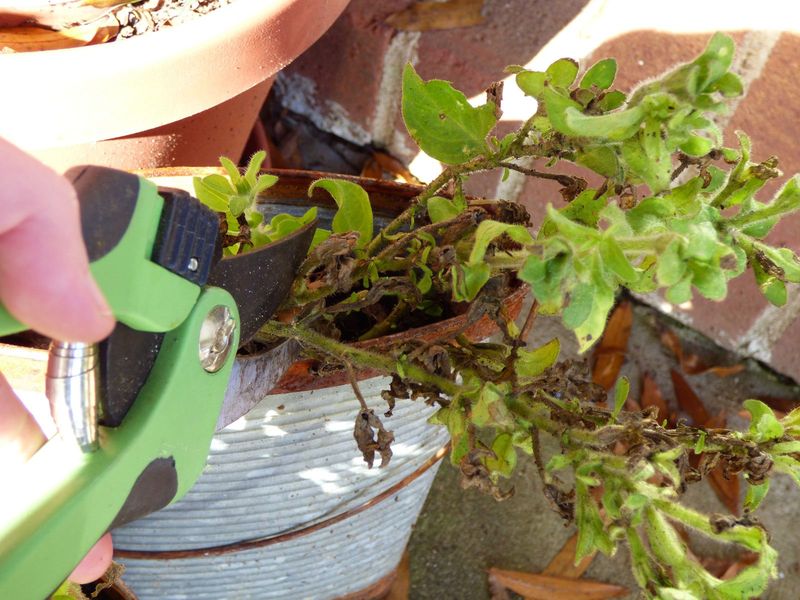
Sometimes petunias get away from you, turning into long bare vines with flowers only at the very tips. When that happens, do not be afraid to give them a real haircut.
Trim the stems back by one-third to one-half their length, even if it looks drastic at first. That bold cut wakes up dormant buds along the stems and pushes out fresh, compact growth.
Within a couple of weeks you will see a wave of new shoots and, soon after, a rush of blooms. A tired midsummer plant can look brand new after this rescue.
5. Water Deeply and Consistently
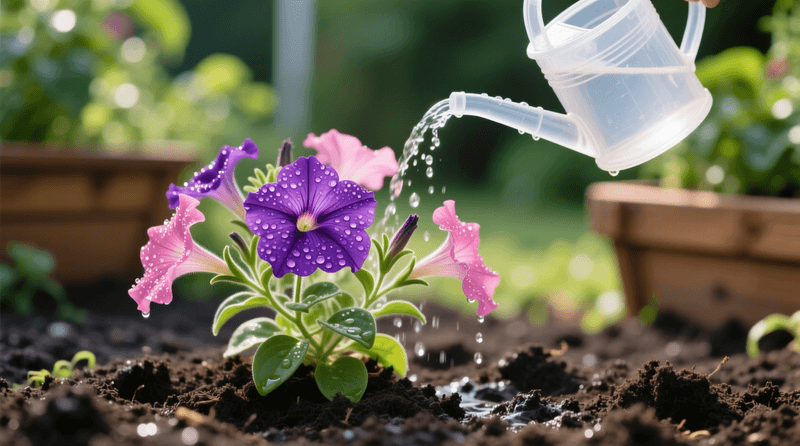
Shallow sips of water train roots to stay near the surface, where they dry out fast and leave plants stressed. Petunias do far better with a deep, thorough soak.
Check the top inch or two of soil, and when it feels dry, water until moisture reaches down into the root zone. Deep watering builds a strong root system that supports steady, heavy blooming.
Staying consistent matters just as much as depth. A plant that swings between soaked and bone-dry will sulk instead of flower.
6. Avoid Overwatering
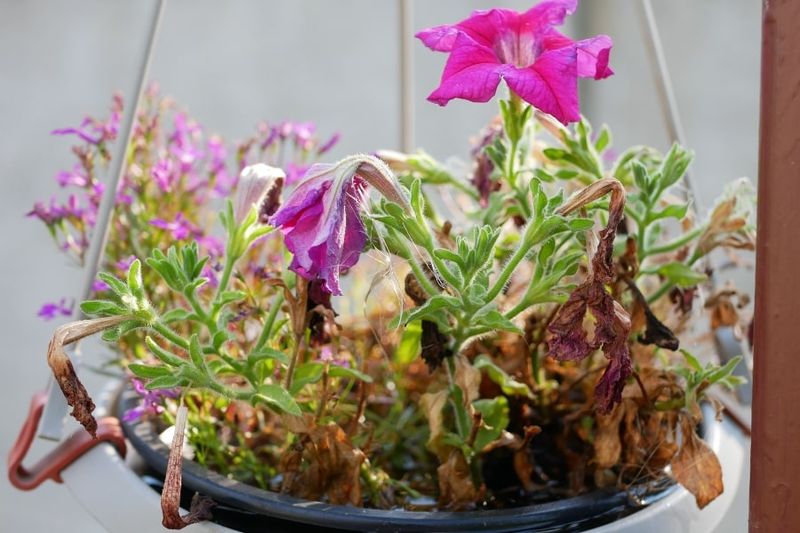
It is easy to love your petunias to death with the watering can. Too much water leaves roots sitting in soggy soil, and that quickly leads to rot.
Watch for warning signs like yellowing leaves, mushy stems, and wilting that happens even though the soil is wet. Those clues mean the roots are drowning, not thirsty.
Let the surface dry out between drinks, and make sure pots and beds drain freely. Roots need air just as much as they need moisture.
7. Prevent Underwatering
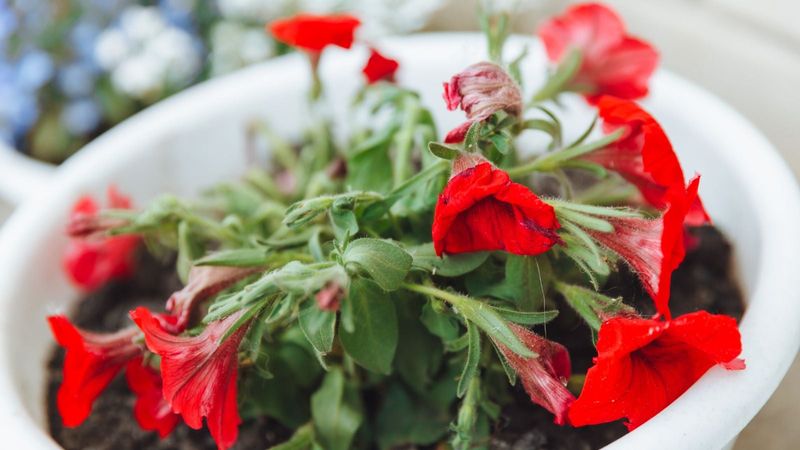
Go too far the other way and dry soil will punish your petunias just as fast. When plants dry out completely, they wilt, drop buds, and grow thin and spindly.
A petunia that dries out over and over spends its energy just surviving instead of putting out flowers. You end up with sparse patches where you wanted fullness.
Feel the soil before you assume it is fine, especially during warm stretches. A quick check keeps your plants from crossing into stress you cannot easily undo.
8. Water at Soil Level
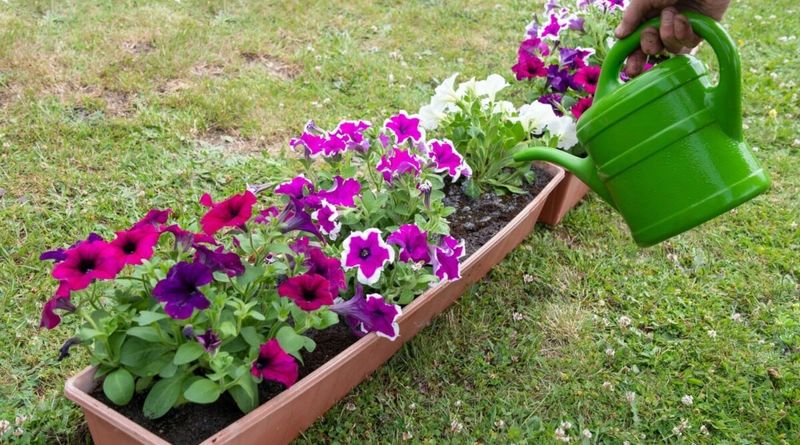
Splashing water over the top of petunias might feel efficient, but it invites trouble. Wet flowers bruise and rot, and damp leaves become a playground for fungal diseases.
Aim your water right at the base of the plant so it soaks straight into the roots where it belongs. The blooms stay clean and dry, and the foliage stays healthy.
If you use a hose or watering can, keep the flow low and slow near the soil. Your petals will thank you by lasting longer and looking crisp.
9. Adjust Watering for Containers
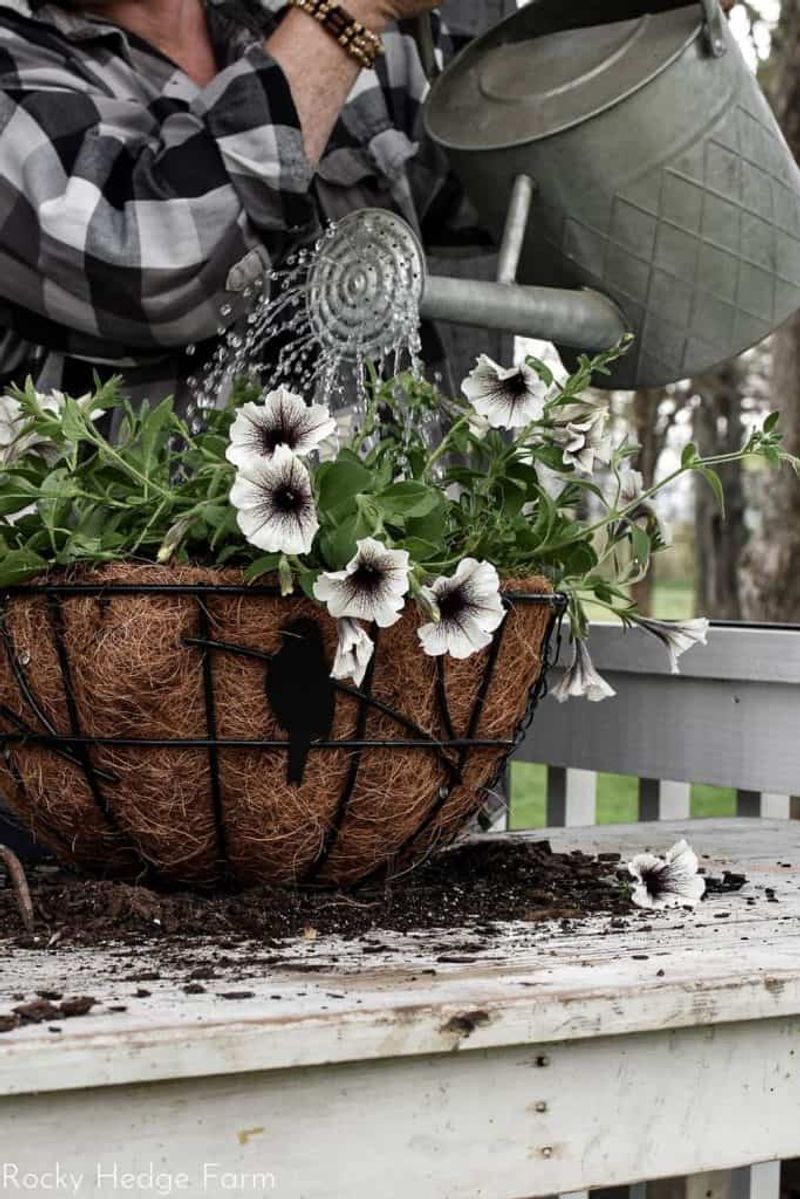
Petunias in pots and hanging baskets play by different rules than those in the ground. All that exposed surface area dries out shockingly fast, sometimes within a single hot day.
During summer heat, container petunias often need watering every single day, and occasionally twice. A basket that felt damp in the morning can be parched by evening.
Get in the habit of checking your pots daily, poking a finger into the mix to judge moisture. Steady hydration keeps hanging displays lush instead of crispy.
10. Fertilize Regularly
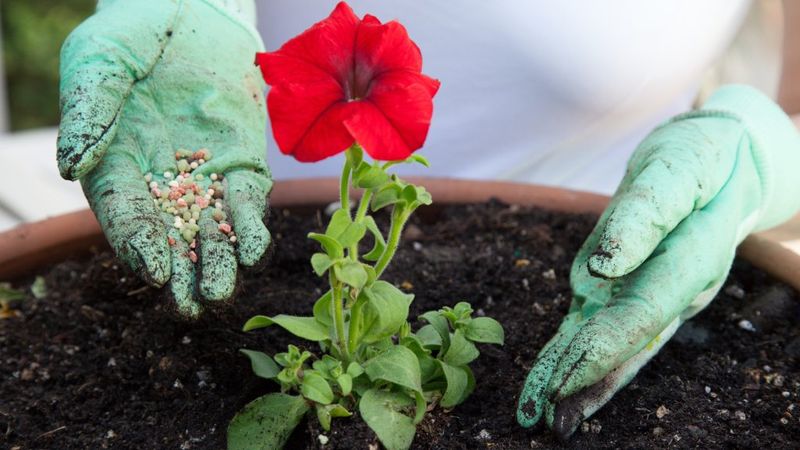
Petunias have big appetites, and that hunger only grows the more they bloom. Without regular feeding, they simply run out of fuel and fade into thin, tired plants.
Container petunias are especially demanding since frequent watering flushes nutrients right out of the pot. Feeding them on a schedule keeps flowers coming from spring straight through fall.
Think of fertilizer as the difference between a plant that survives and one that puts on a show. Skip it and you will see the drop-off in bloom count quickly.
11. Use a Balanced or Bloom-Boosting Fertilizer
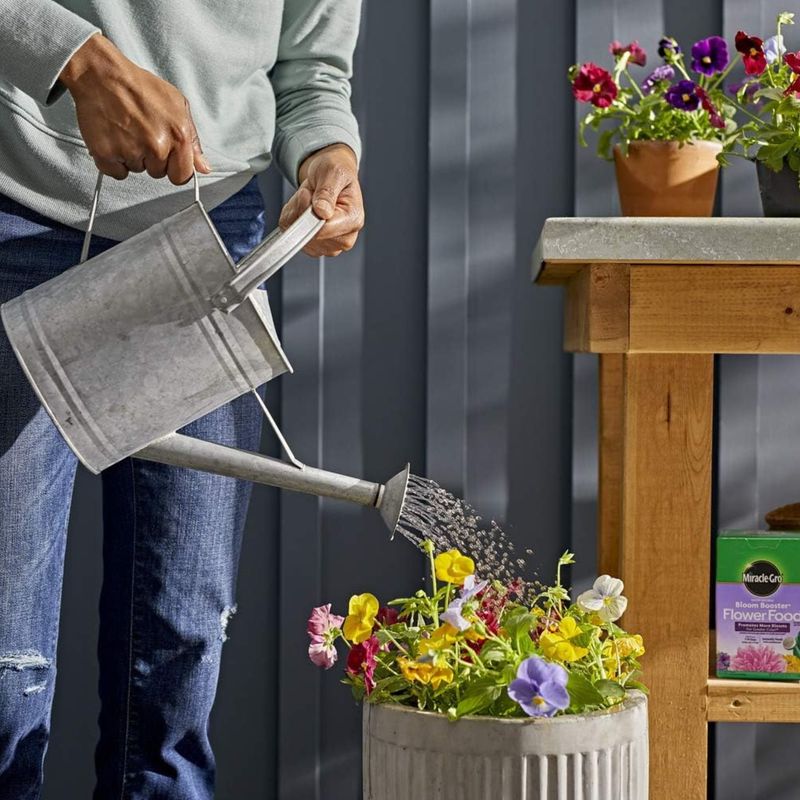
Not all plant food is created equal, and the right blend can supercharge your flowers. A balanced water-soluble formula like 10-10-10 or 12-12-12 applied every one to three weeks keeps petunias well fed.
Want even more color? Reach for a bloom booster with extra phosphorus, shown by a higher middle number such as 15-30-15, or one rich in potassium.
Those nutrients specifically encourage flower production over leafy growth. Match the fertilizer to your goal and your petunias will reward you with a denser blanket of blooms.
12. Apply Fertilizer to Moist Soil
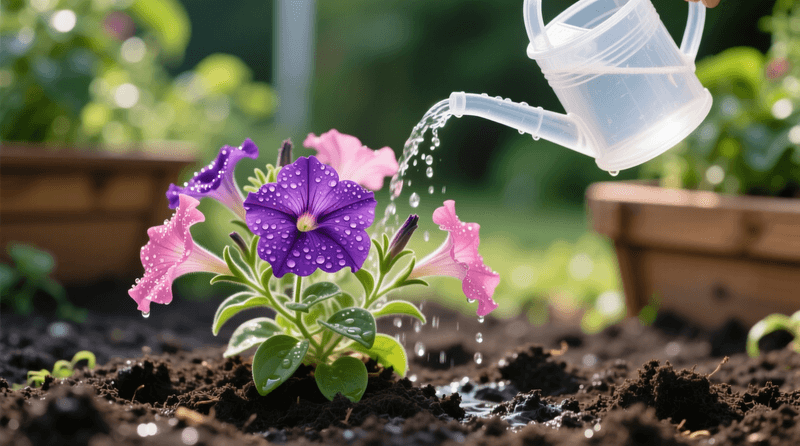
Timing your feeding is a small step that saves your plants from a nasty surprise. Pouring liquid fertilizer onto bone-dry soil can scorch tender roots and set your petunias back.
Give the plants a drink of plain water first, then apply your fertilizer once the soil is already moist. The damp soil cushions the roots and helps nutrients spread evenly.
It takes only an extra minute, but it protects the very roots that are working to grow your flowers. Feed a thirsty plant gently, not harshly.
13. Incorporate Slow-Release Fertilizer
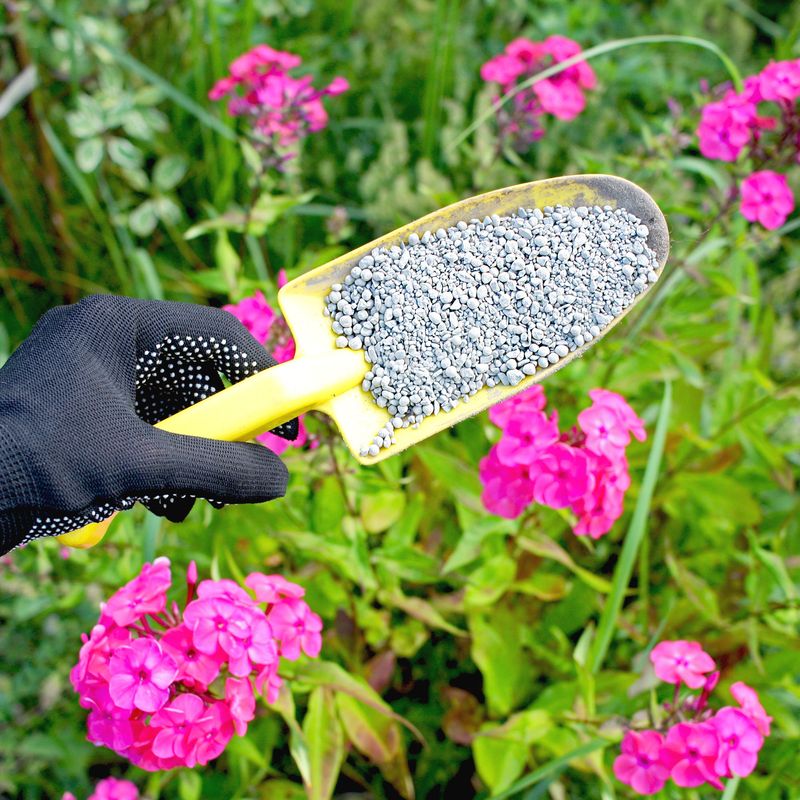
If keeping a feeding schedule feels like one more thing to forget, slow-release fertilizer has your back. Mixed into the soil at planting time, it drips out nutrients steadily for weeks.
These little granules act like a slow, dependable buffet, feeding your petunias a bit at a time. That steady supply smooths out the peaks and valleys of hunger.
Pair it with occasional liquid feeding during heavy bloom periods for the best of both worlds. It is a set-it-and-support-it approach that busy gardeners love.
14. Ensure Well-Draining Soil
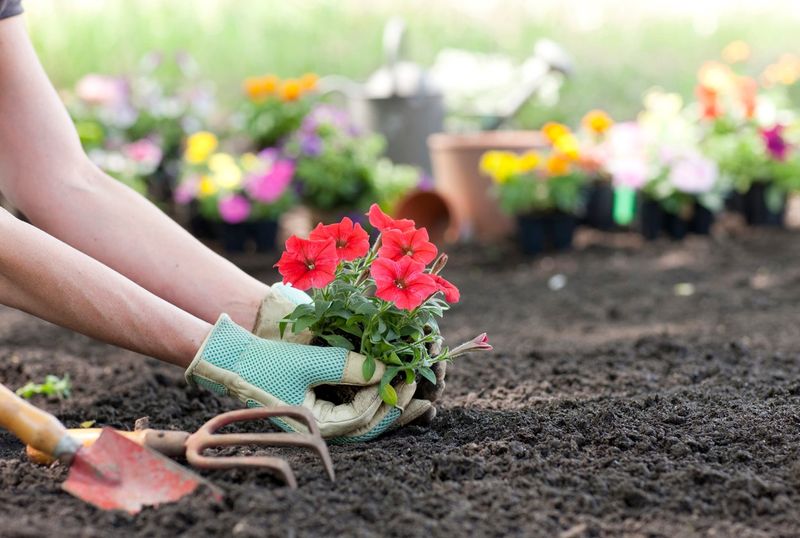
Great blooms start underground, and petunias are picky about their footing. They thrive in light, fertile soil that drains well and holds a slightly acidic to neutral pH between 5.5 and 7.0.
Heavy, compacted ground traps water and suffocates roots, leading straight to weak, patchy plants. Work in compost or organic matter to loosen garden beds and boost fertility.
For containers, skip dense garden dirt and reach for a quality potting mix built to drain. The right soil sets the stage for everything else you do.
15. Avoid Overcrowding
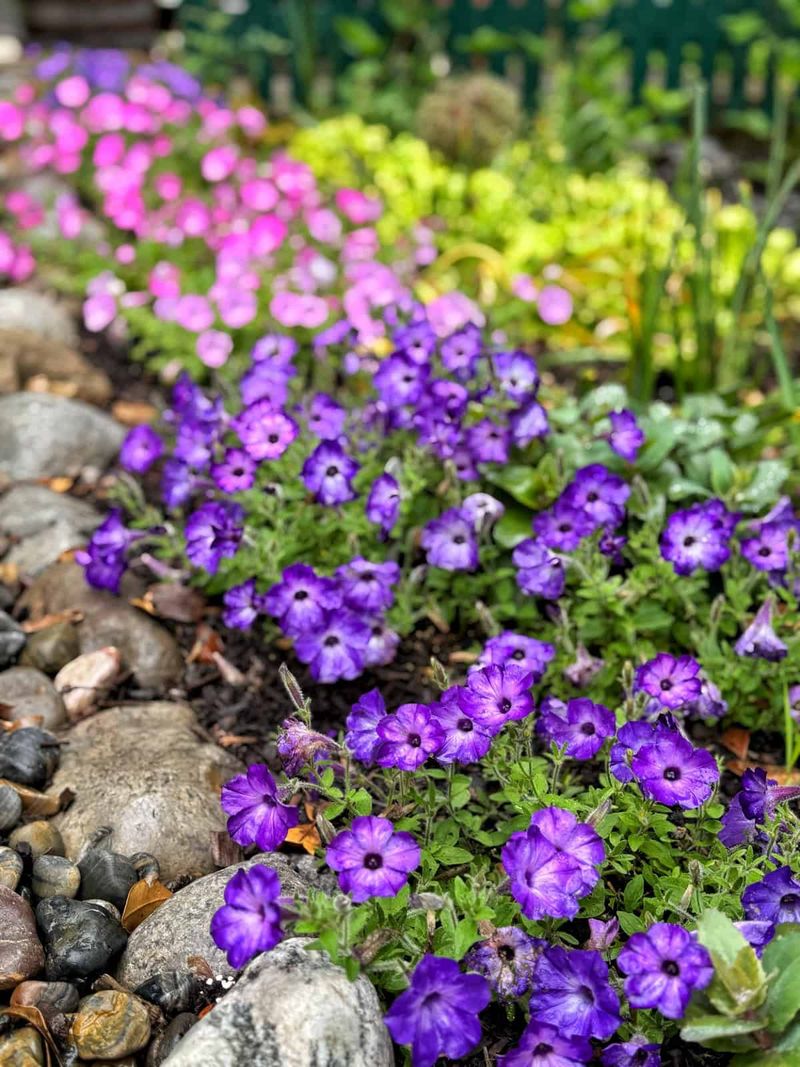
Cramming petunias together seems like a shortcut to a full look, but it backfires. Crowded plants fight each other for light, water, and nutrients, and none of them wins.
Give each one room to breathe by spacing them roughly 8 to 12 inches apart in beds. That gap lets air move freely, which keeps foliage dry and disease at bay.
With space to spread, individual plants grow bushier and fill in naturally. Ironically, a little breathing room is what creates that seamless carpet of color.
16. Manage Heat Stress
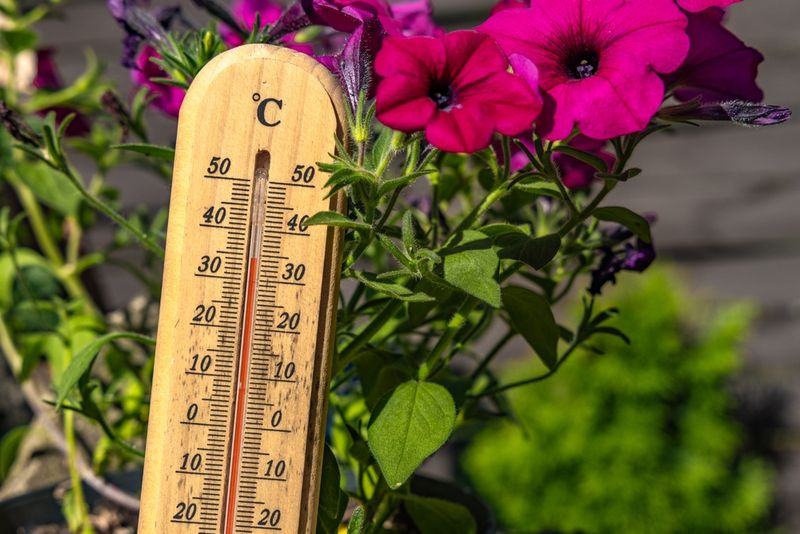
Petunias love the sun, but a brutal heat wave can push them past their limit. In scorching climates, the intense midday and afternoon rays may leave them wilted and dehydrated.
A little shade during the hottest part of the day can protect against scorching without cutting into their sun needs too much. Morning sun with some afternoon relief is often the sweet spot.
Bump up your watering during heat spells, since plants drink far more when temperatures spike. A few thoughtful adjustments keep your petunias blooming right through the dog days of summer.