
If Your Garden Looks Tired By August Heat, Here Are 13 Tough Perennials That Keep The Color Coming
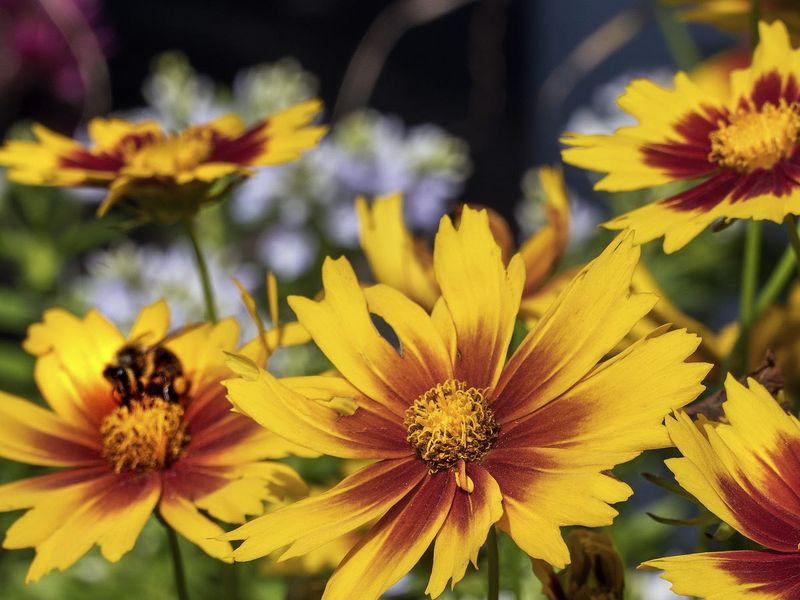
By August, a lot of gardens start looking wilted, faded, and just plain worn out from the heat. The good news is that some perennials barely notice the hot weather and keep blooming like it’s nothing.
If you’re tired of watching your flowers fizzle out every summer, these 13 tough plants can bring the color back. Plant a few of these and your garden can stay bright right up until fall.
1. Agastache (Anise Hyssop)
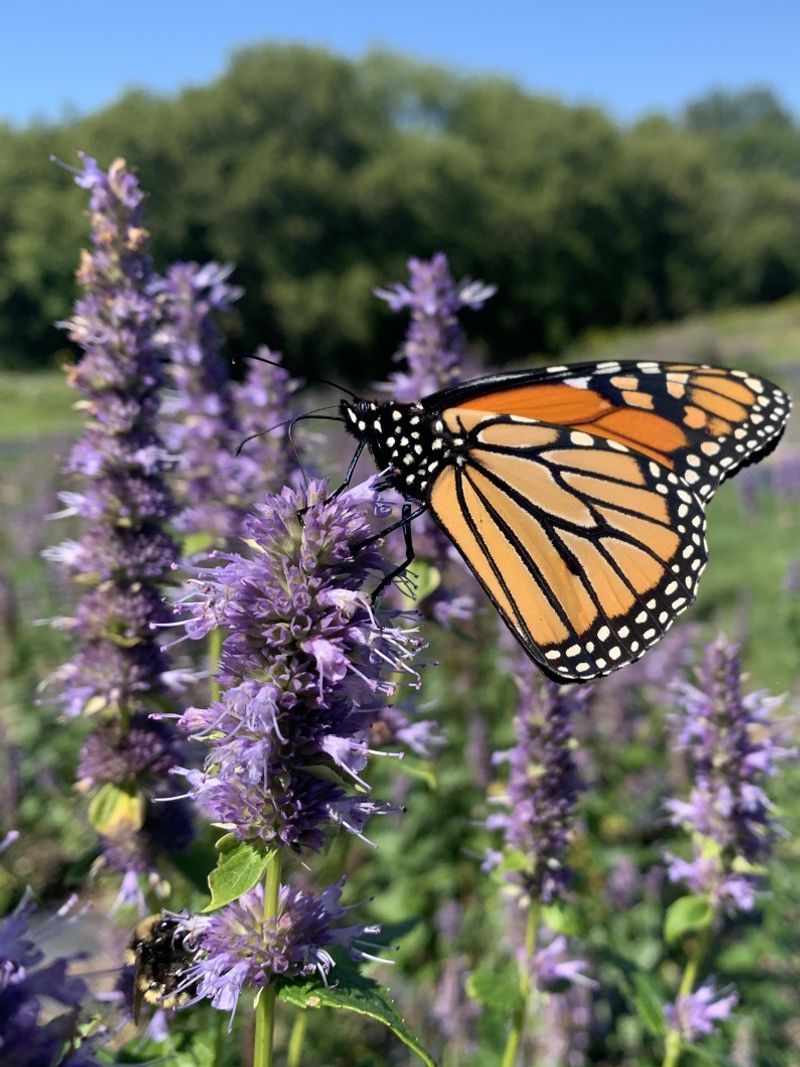
Bees and butterflies show up like it’s a party whenever Agastache is in bloom, and that alone makes it worth a spot in your yard. The tall, spiky flowers keep coming for weeks, even when the thermometer climbs.
What sets it apart is how it laughs off dry, baking heat. While thirstier plants droop, Agastache stands tall and keeps pumping out color in shades of purple, blue, pink, and orange.
Crush a leaf and you’ll get a licorice or minty scent, which is where the anise hyssop name comes from. Give it full sun and well-drained soil, and it will reward you with color from midsummer well into fall.
2. Coreopsis (Tickseed)
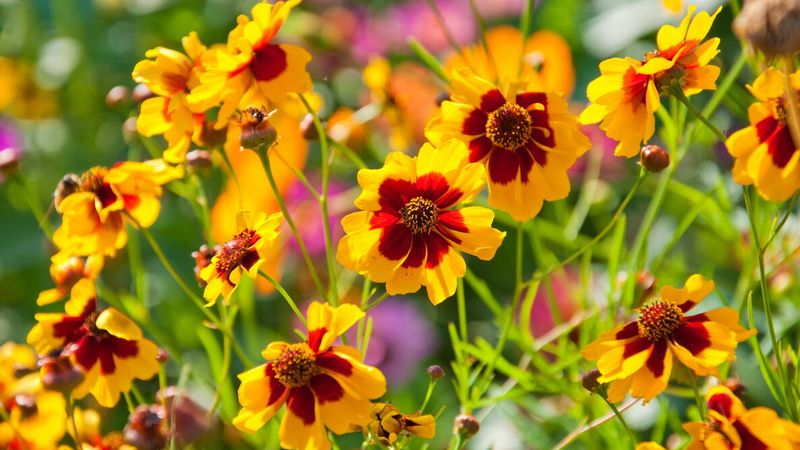
Cheerful is the first word that comes to mind with Coreopsis, since its daisy-like flowers look like little bursts of sunshine. Varieties like Coreopsis verticillata and grandiflora bloom their hearts out through the hottest stretch of summer.
The real trick to keeping the show going is a quick trim. Snip off the spent flowers, and the plant answers back with a fresh flush of blooms.
Yellow may be the classic color, but you can also find red, pink, and bicolor types now. Drought doesn’t bother it much, so it’s a smart pick for that sunny spot where nothing else seems happy.
3. Echinacea purpurea (Coneflower)
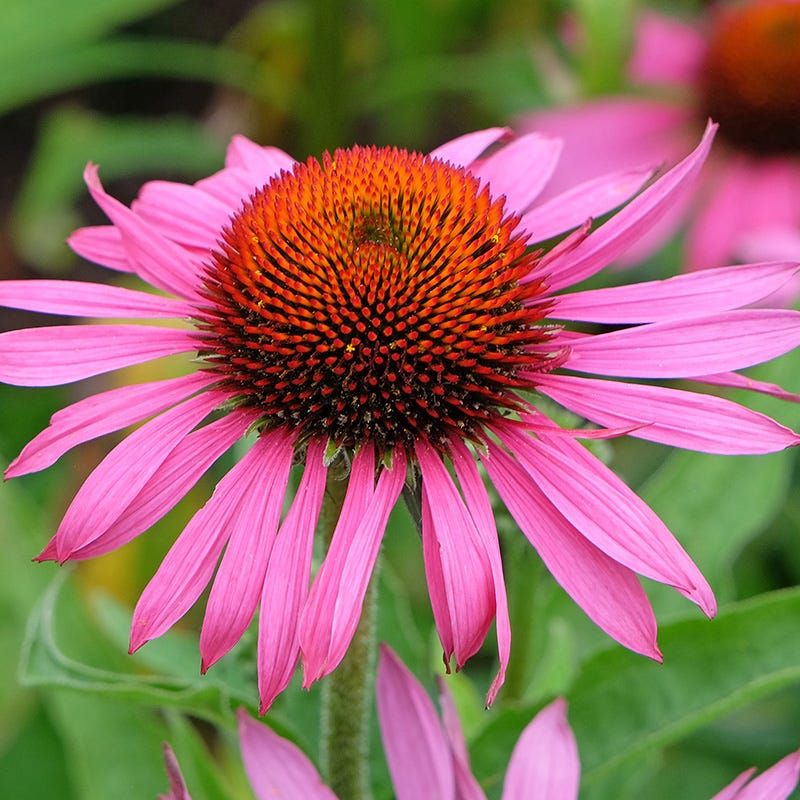
Few plants shrug off heat as calmly as the coneflower, standing tall with its raised orange centers and drooping petals. It’s the kind of flower that looks great whether your garden is neat and tidy or a little wild.
Newer hybrids have opened up a rainbow of colors beyond the classic purple, including orange, red, yellow, and white. They keep their good looks even as the days get long and hot.
Leave the seed heads standing in fall and goldfinches will thank you with regular visits. Tough, drought-friendly, and loved by pollinators, Echinacea earns its place in any hot-weather bed.
4. Gaillardia (Blanket Flower)
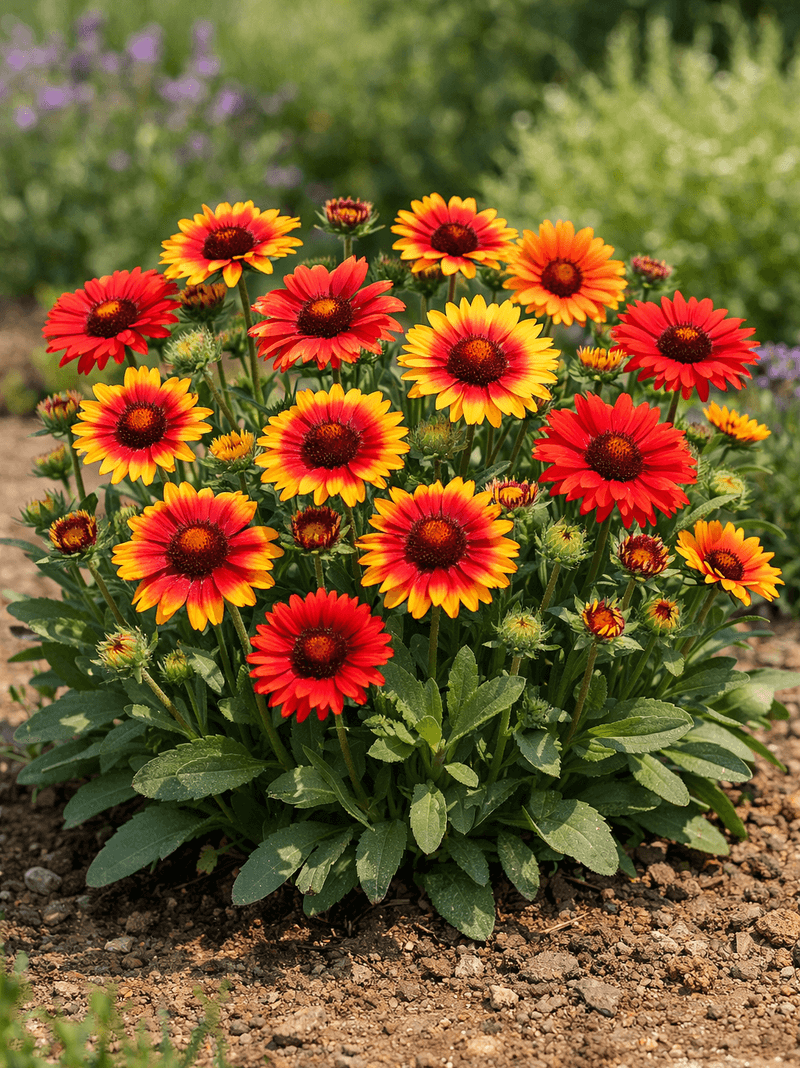
Warm colors that look like a sunset wrapped around each petal give the blanket flower its friendly charm. Red, orange, and yellow blend together on every bloom, and the plant keeps making them all summer long.
Heat is basically its comfort zone. The hotter and drier the spot, the more Gaillardia seems to enjoy itself, which makes it perfect for the toughest corner of your yard.
It doesn’t ask for much, either. A sunny site and soil that drains well are enough, and deadheading now and then keeps the color parade rolling into fall.
5. Gaura lindheimeri (Whirling Butterflies)
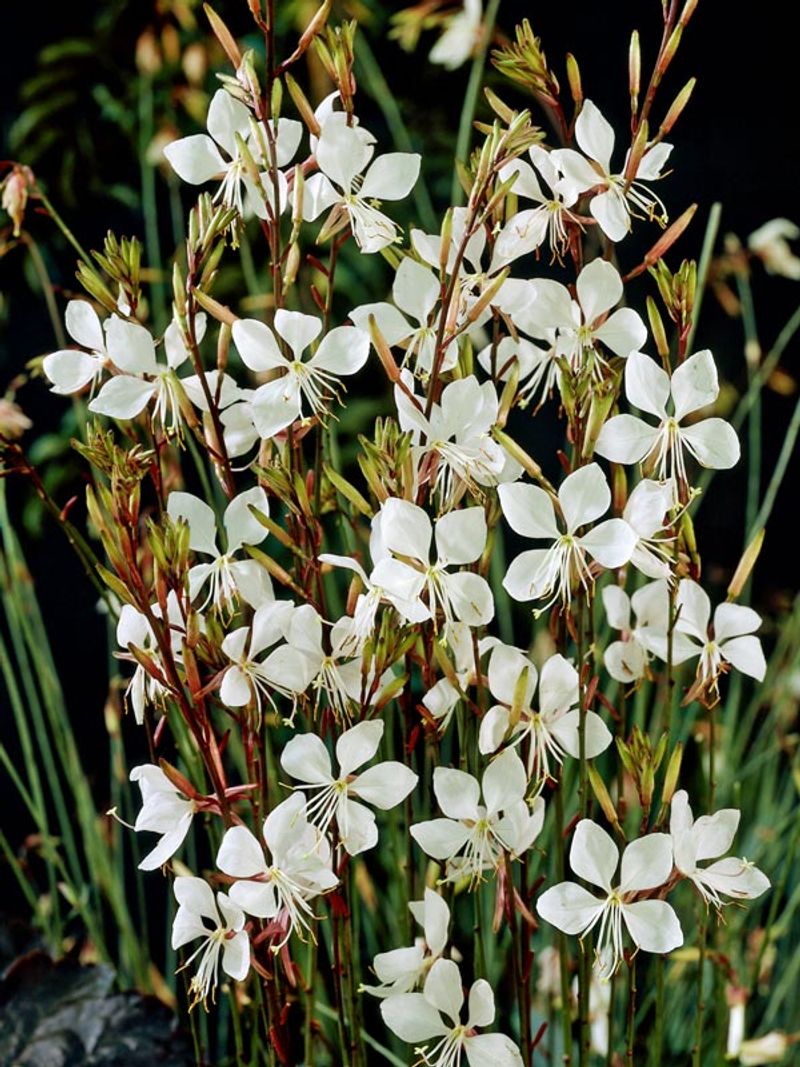
Looks can fool you with Gaura, because its airy pink and white flowers seem far too delicate to survive a heat wave. Yet this plant is surprisingly tough and keeps dancing on thin stems even in brutal sun.
Every little bloom looks like a butterfly caught mid-flutter, and the whole plant sways with the slightest breeze. That movement adds a soft, playful feel to beds that can look stiff in summer.
Deep roots help it find moisture during dry spells, so it rarely wilts. Plant it toward the middle or back of a border where its floaty blooms can weave among sturdier neighbors.
6. Hardy Hibiscus (Rose Mallow)
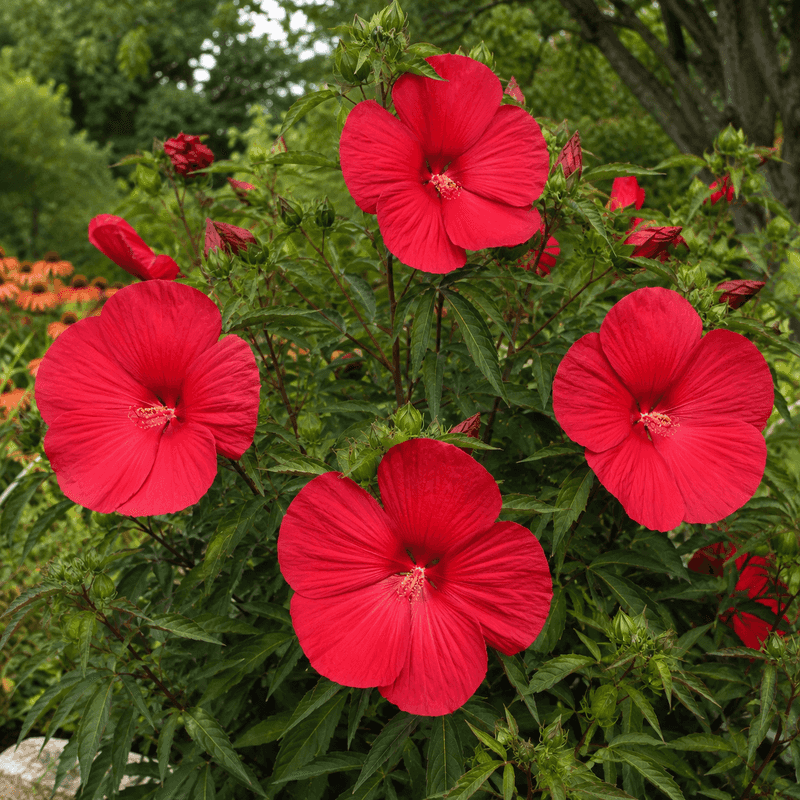
Dinner-plate sized flowers are no exaggeration with hardy hibiscus, whose blooms can stretch wider than your hand. Just when other plants start to fade in late summer, this one puts on its biggest show.
The huge blooms come in bold reds, pinks, and whites that stop people in their tracks. Each flower lasts only a day or two, but the plant keeps replacing them without missing a beat.
Give it plenty of sun and don’t let it dry out completely, since it appreciates a bit more water than the others here. It also comes back late in spring, so don’t panic if it seems slow to wake up.
7. Phlox paniculata (Garden Phlox)
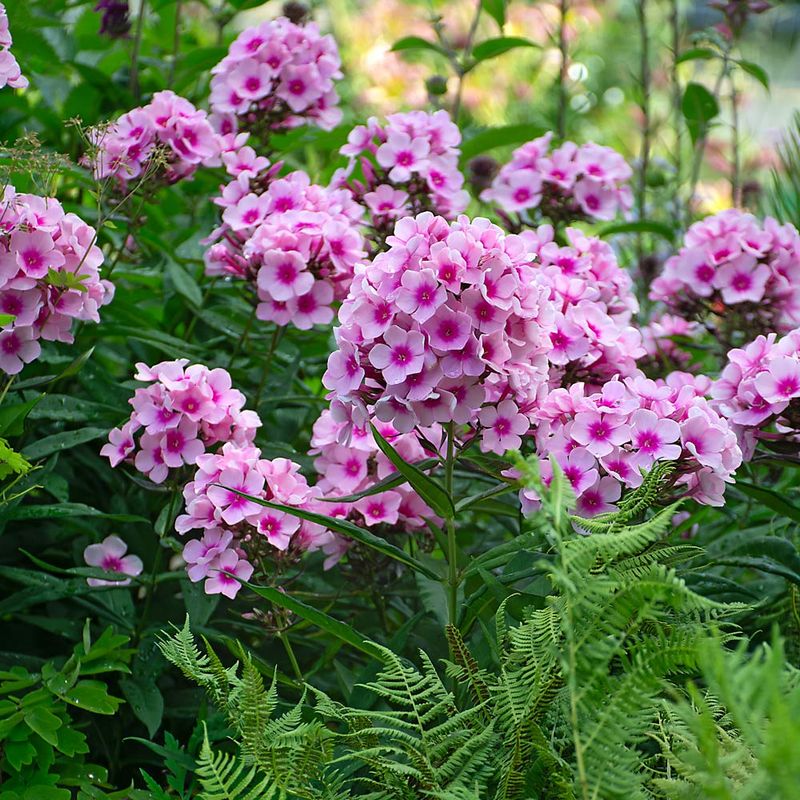
Sweet fragrance drifting through the yard on a warm evening is one of the best gifts garden phlox gives. Its rounded flower clusters sit atop tall stems and bring vertical color from mid to late summer.
Pinks, purples, whites, and reds all show up in the phlox family, and many have a contrasting eye in the center. Butterflies and hummingbirds treat it like a favorite diner.
To keep it happy, give it good air flow so the leaves stay healthy in humid weather, and choose mildew-resistant types if you can. Cutting back spent clusters can coax a second round of blooms.
8. Rudbeckia (Black-eyed Susan)
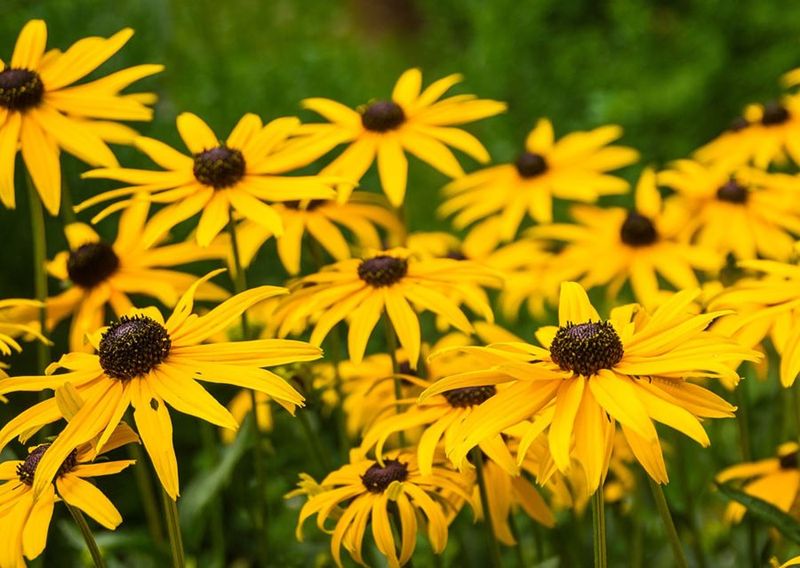
Nothing says late summer quite like a sweep of golden black-eyed Susans nodding in the sun. Their dark centers and bright yellow petals bring a cozy, familiar warmth to any bed.
Toughness is their claim to fame. Rudbeckia keeps blooming through heat, drought, and even a little neglect, which makes it a favorite for busy gardeners.
The flowers also make wonderful cut bouquets and last a long time in a vase. Leave some standing at season’s end and birds will feast on the seeds while your garden still looks alive.
9. Achillea millefolium (Yarrow)
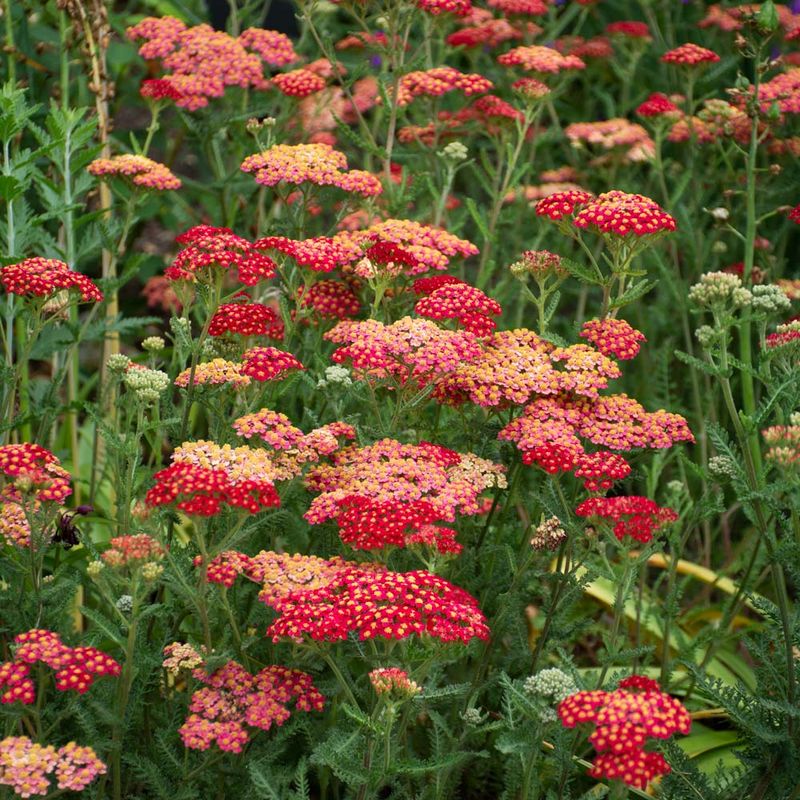
Flat-topped flower clusters make yarrow look like tiny landing pads, and pollinators use them exactly that way. The ferny foliage adds texture even before the blooms open.
Drought is where yarrow really shines, holding its color long after other plants have thrown in the towel. It comes in yellow, pink, red, white, and soft pastel shades.
Fun bit of history: people have used yarrow for centuries as a folk remedy, which is how it picked up nicknames like soldier’s woundwort. In the garden today, its main job is bringing long-lasting, no-fuss color to hot, dry spots.
10. Hemerocallis (Daylilies)
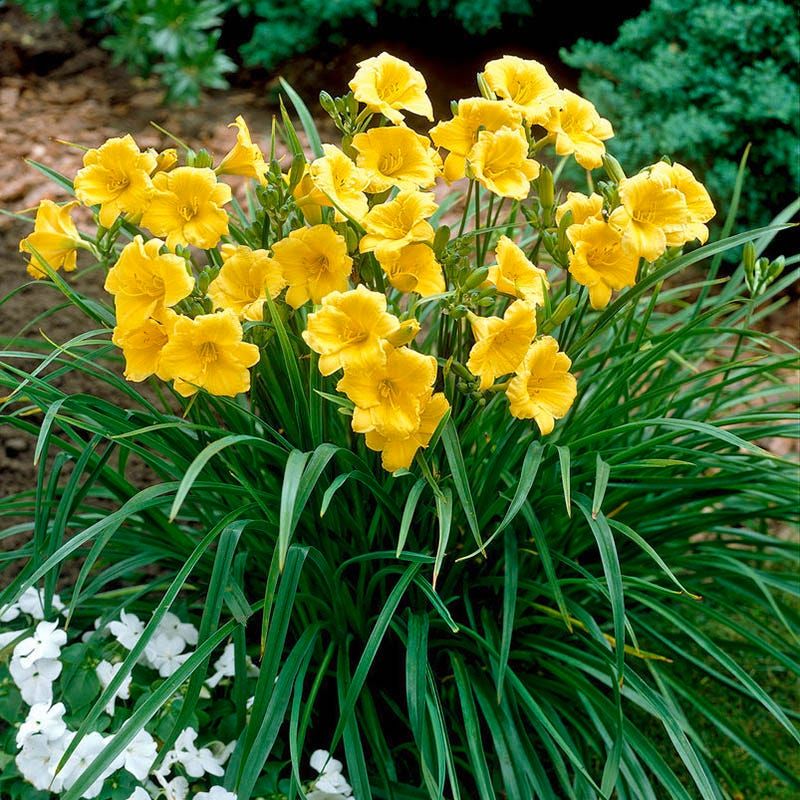
Reliable to a fault, daylilies keep showing up year after year with barely any help from you. Each bloom lasts a single day, but a healthy clump opens fresh flowers for weeks on end.
Reblooming varieties like the famous Stella de Oro stretch the color show far into the season. Heat and humidity don’t slow them down one bit.
Colors run the whole spectrum, from soft yellows to deep reds and rich purples. Plant them almost anywhere sunny and they’ll settle in and multiply, giving you more color for free over time.
11. Geranium ‘Rozanne’ (Cranesbill)
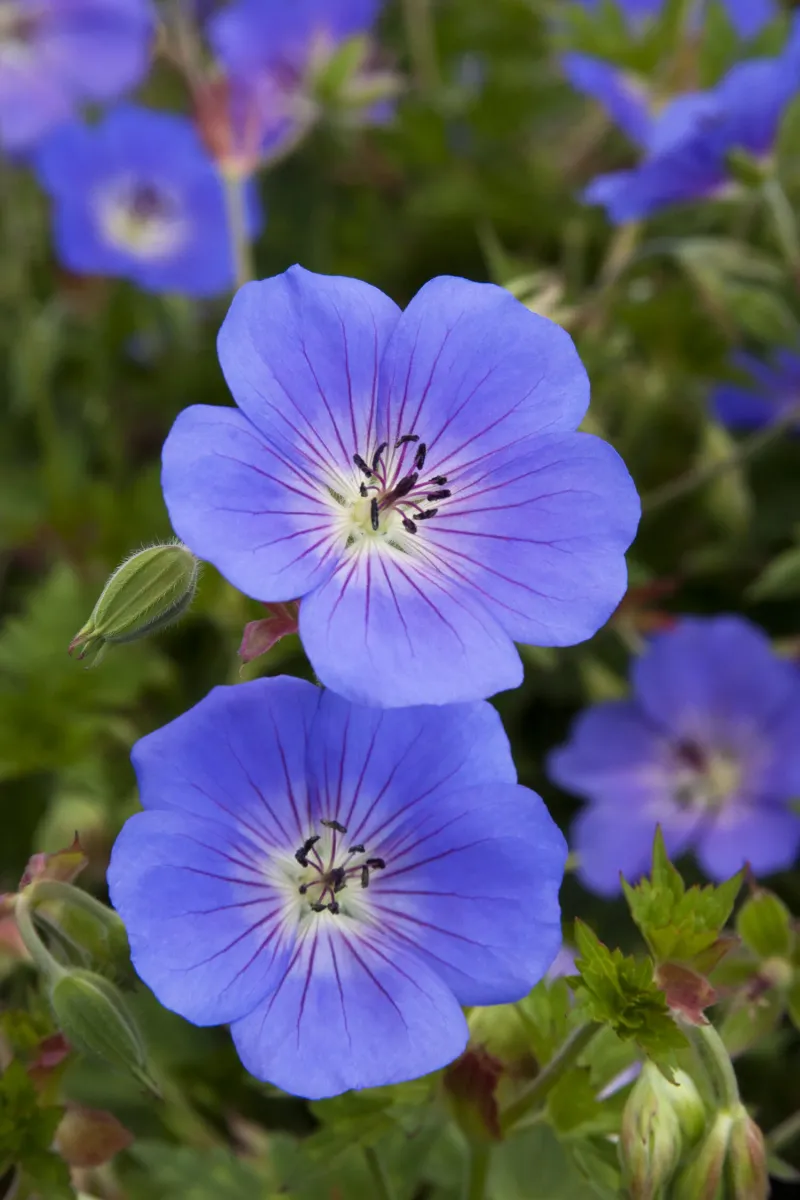
Once you meet Rozanne, you’ll wonder how you ever gardened without it. This hardy cranesbill produces violet-blue flowers with pale centers and simply does not quit, often blooming from early summer straight into fall.
It spreads into a low, mounding carpet that weaves nicely between taller plants. That habit makes it great for filling gaps and softening the front edge of a bed.
Named a Perennial Plant of the Year, it earned the honor for its marathon bloom time. Give it sun to part shade, and it will hold its cool color even when August turns brutal.
12. Lavandula (Lavender)
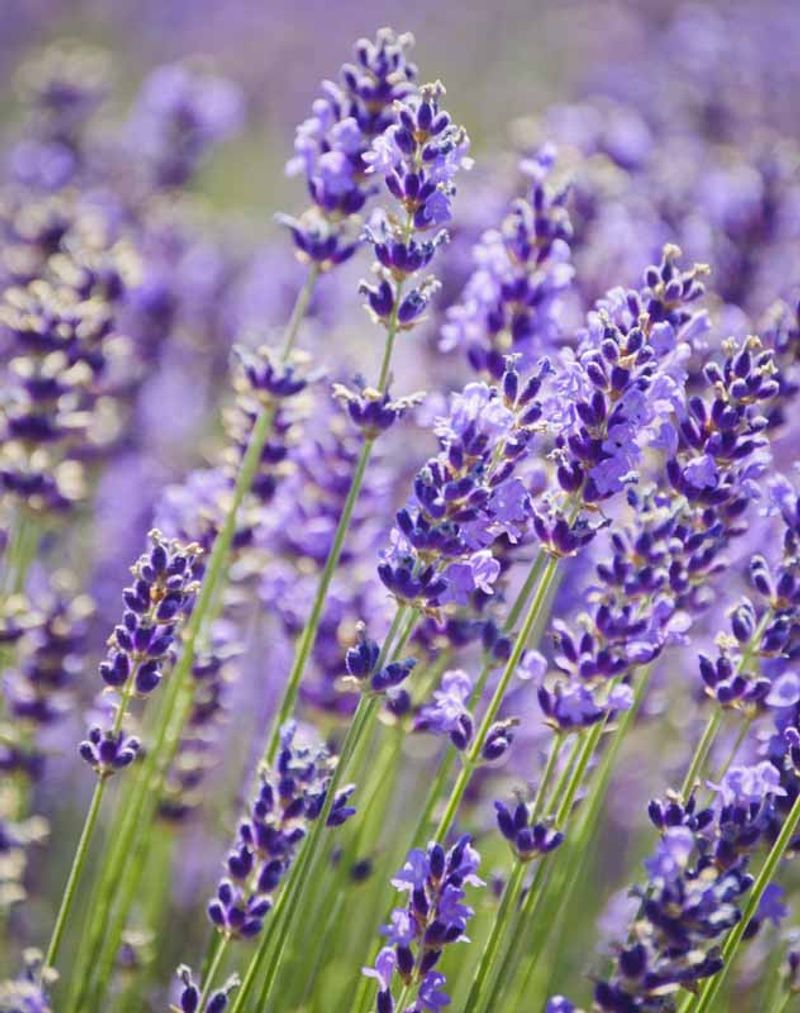
Run your hand across a lavender plant on a hot afternoon and the scent alone can make the heat feel worthwhile. The purple flower spikes and silvery leaves bring a calm, dreamy look to sunny beds.
Dry, gritty soil and blazing sun are exactly what lavender wants, so it thrives where many flowers struggle. Bees adore it, and the blooms keep coming through the summer.
Beyond the garden, you can snip the stems to dry for sachets or cooking. Just avoid soggy soil, since wet feet are one of the few things that can trip it up.
13. Salvia
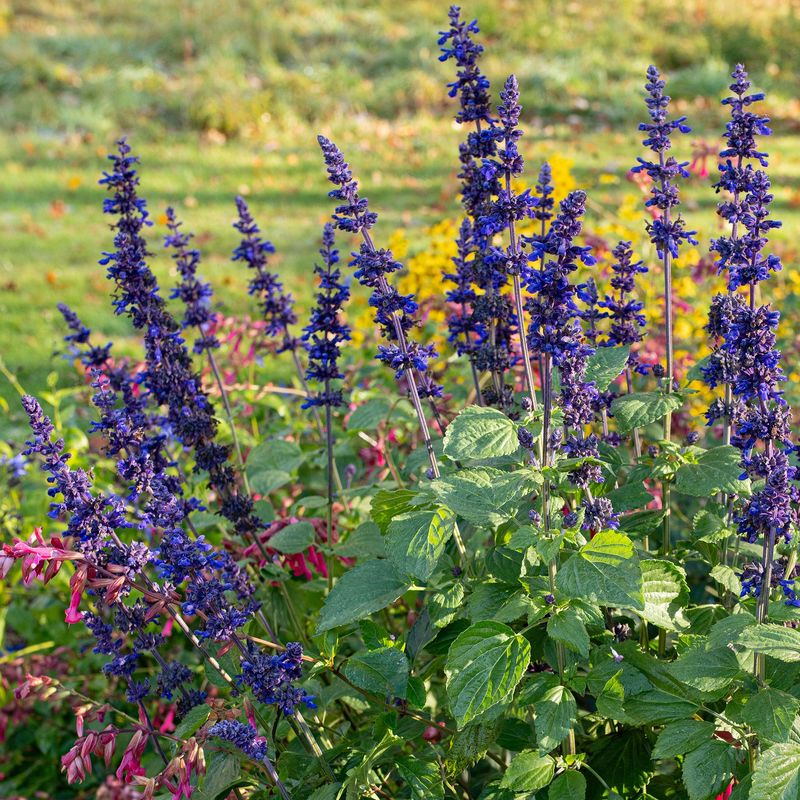
Hummingbirds seem to have salvia on speed dial, zipping in for a sip whenever the spiky flowers open. With so many varieties out there, you can find one in nearly any color you want.
Heat and dry spells barely register for most salvias, which keep sending up their upright flower spikes all summer. A quick shearing after the first flush usually brings on another wave of blooms.
Purples and blues are the most common, but reds, pinks, and whites are easy to find too. Pair a few types together and you’ll have a pollinator magnet that stays colorful long after the August heat sets in.