
If Bare Spots Are Making Your Beds Look Empty, Here Are 17 Cheap Plants That Fill Them Fast Before Fall
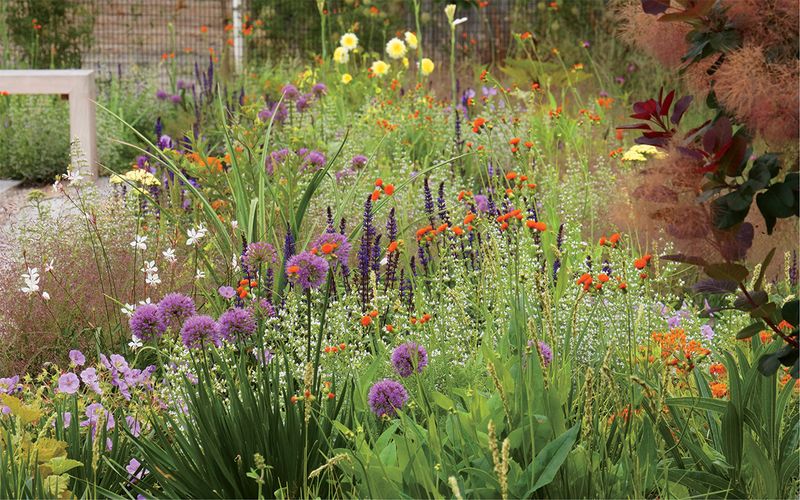
Empty patches in your flower beds can make even a healthy garden look tired and neglected. The good news is you don’t need to spend a fortune or wait months to fix it.
There are plenty of budget-friendly plants that grow quickly and cover bare ground before fall arrives. Here are 17 easy picks that will make your beds look full and colorful again in no time.
1. Zinnias
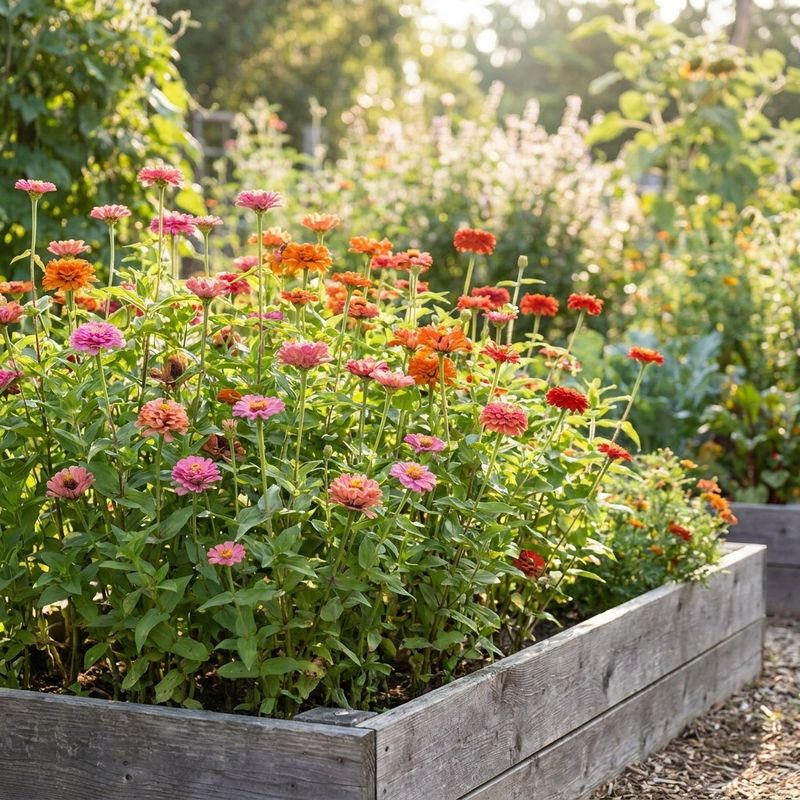
Few flowers reward a little effort as fast as zinnias. Toss some seeds in warm soil and you’ll have a riot of color in just a few weeks, lasting right up until the first frost.
They come in nearly every shade you can imagine, from hot pink to lime green, so you can match them to whatever look you want. Snip off the spent blooms and the plants keep pumping out more.
Best of all, they ask for almost nothing beyond sun and occasional water. If you’re worried about a bare patch looking sad through late summer, zinnias are one of the cheapest and most cheerful fixes around.
2. Nasturtiums
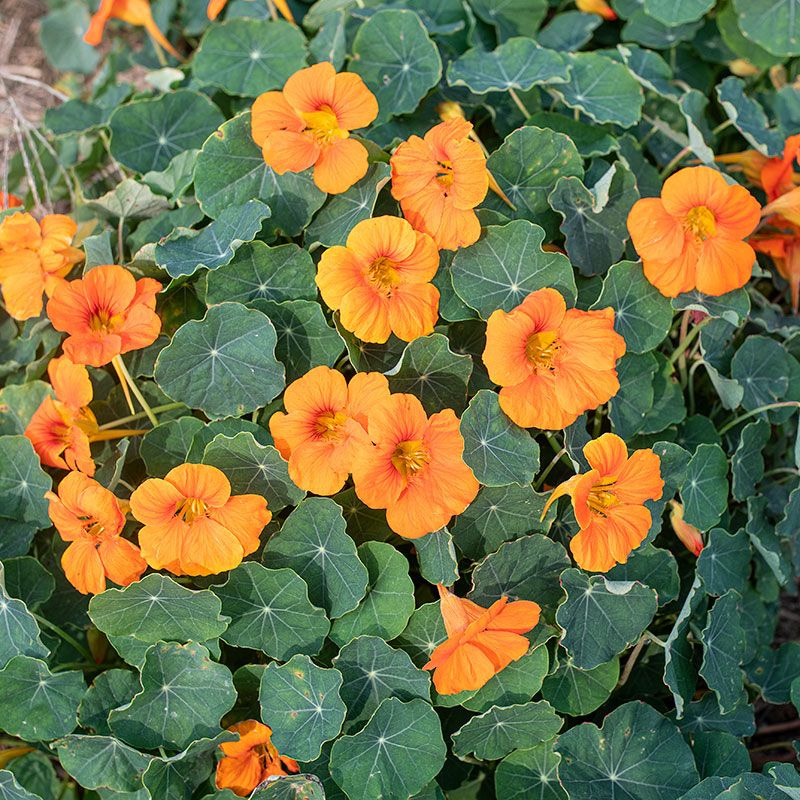
Nasturtiums are the plant for gardeners who tend to forget things. Give them poor soil, skip the watering during a dry spell, and they somehow reward you anyway with rounded leaves and jewel-toned blooms.
They sprawl quickly and knit together loose ground, making empty corners look intentional rather than neglected. Grow them straight from those big, easy-to-handle seeds.
Here’s a fun bonus: both the leaves and flowers are edible, with a peppery kick that livens up a salad. So while they fill your beds, they can also fill a dinner plate.
3. Sweet Alyssum
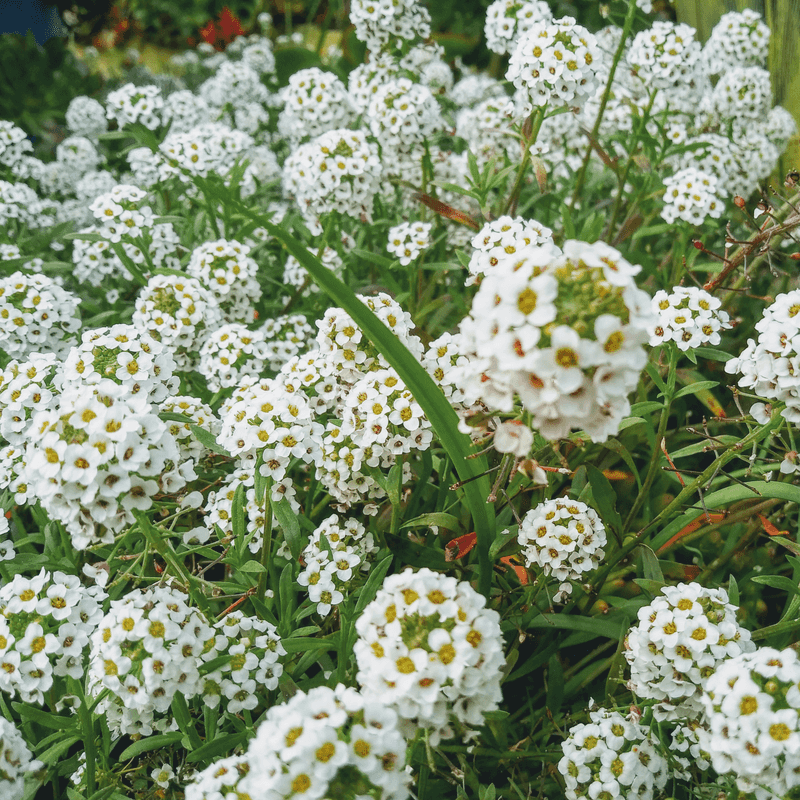
Picture a soft, frothy blanket of tiny blooms weaving itself between your taller plants. That’s what sweet alyssum does, and it does it fast.
The low carpet spreads wide and keeps flowering all season, filling those awkward gaps at the front of a bed or along a path. A short dry spell won’t faze it either.
Grow it from seed and enjoy the light honey scent that drifts up on warm afternoons. For pennies, you get a tidy edge that hides bare soil like magic.
4. Cosmos

If you love the wildflower-meadow look without the work, cosmos delivers. These lanky annuals shoot up quickly and wave their pink and white blooms above feathery, ferny leaves.
They actually prefer lean, unimproved soil, so there’s no need to fuss over feeding them. Plant them once and they’ll often reseed themselves, showing up again next year as a happy surprise.
Because they grow tall in a hurry, cosmos are perfect for plugging the empty back rows of a bed. A single packet of seeds can transform a bare stretch into a soft, breezy display.
5. Calendula
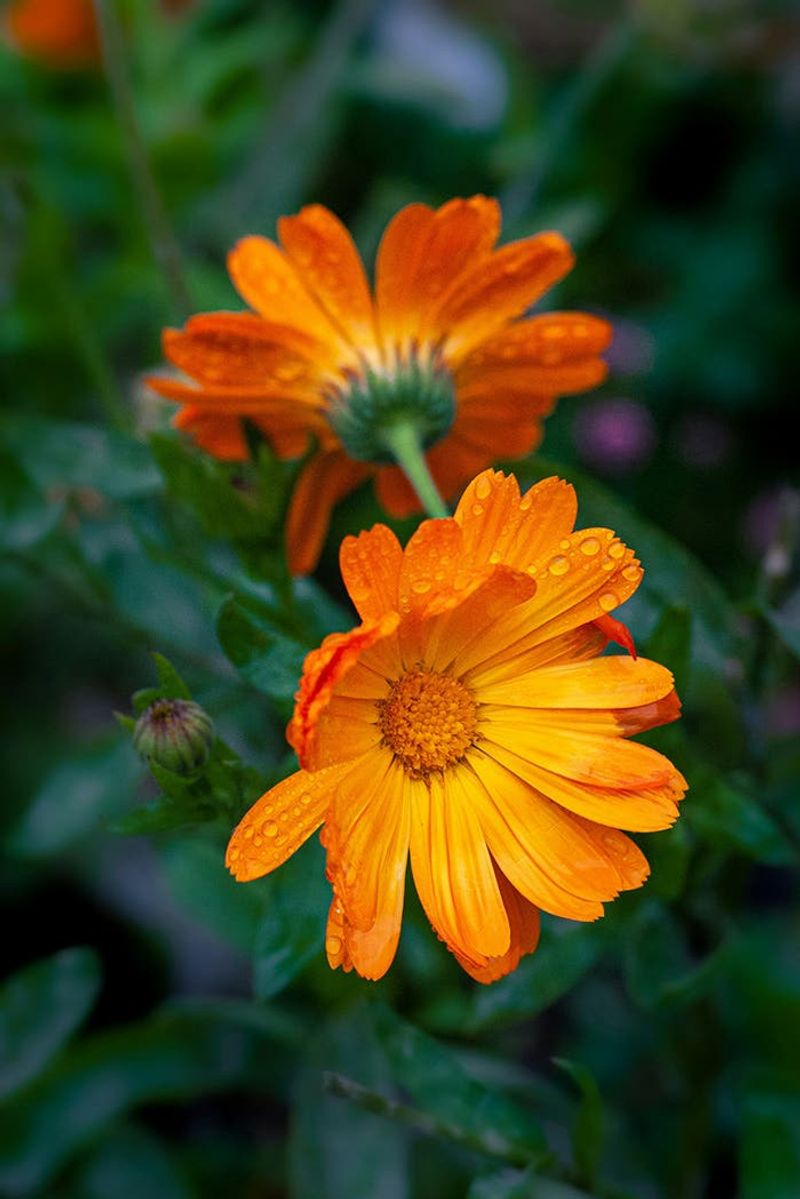
Calendula loves the very weather that shuts down other flowers. As temperatures start cooling toward fall, these sunny orange and yellow blooms just keep going.
Sometimes called pot marigold, it sprouts easily from seed and asks for very little care once it settles in. Pollinators drop by often, and the petals are edible if you want to scatter some color over a meal.
In milder climates it can bloom nearly year-round, bridging the gap between seasons. For an inexpensive fix that shines when summer flowers fade, calendula is hard to beat.
6. Marigolds
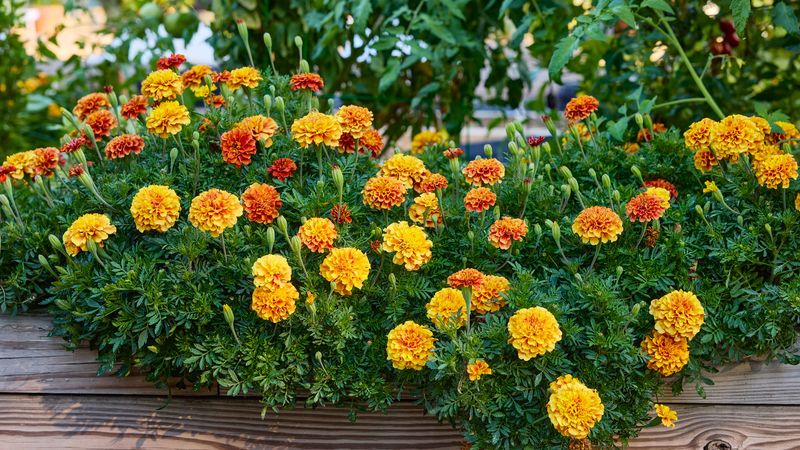
Sow a marigold seed and you can have bright blossoms in about eight weeks. That speed alone makes them a go-to for gardeners staring down a bare spot in mid-summer.
They thrive in full sun and don’t need rich soil or fertilizer to look their best. In fact, spoiling them often means fewer flowers.
Deer and rabbits tend to walk right past their strong scent, which is a quiet bonus for anyone battling nibblers. Cheap, tough, and reliably cheerful, marigolds earn their spot every year.
7. Snapdragons
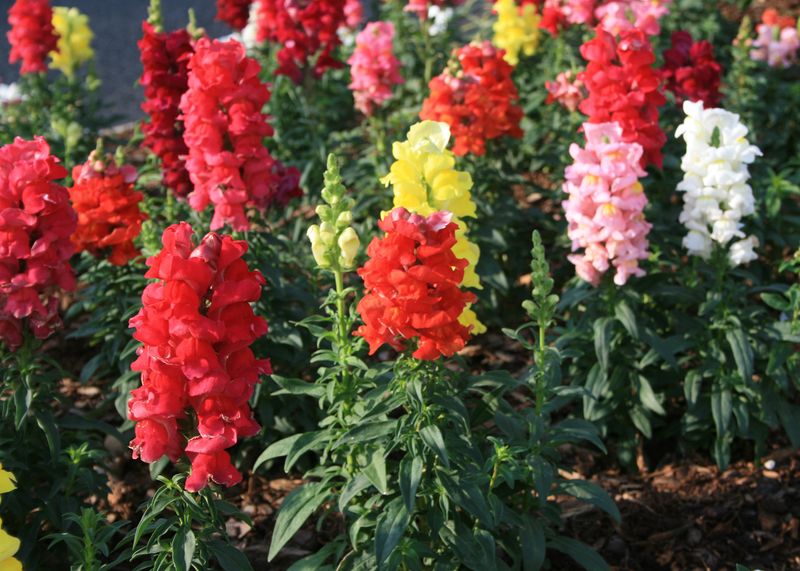
Snapdragons bring a burst of vertical color just as the air turns crisp. Their tall, spiky blooms pair beautifully with pansies, violas, or a clump of ornamental kale for a full fall arrangement.
They keep flowering through autumn, and in gentler climates they often bounce back the next spring for an encore. You can start them from seed or grab a cheap nursery pack for instant results.
Kids love pinching the blooms to make the little “mouths” open and close. Charming and hardworking, snapdragons fill gaps with personality to spare.
8. Coleus
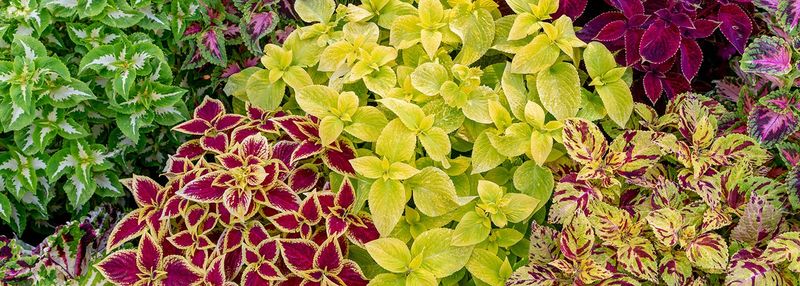
Who needs flowers when the leaves do all the showing off? Coleus grows fast and fills space with bold, painterly foliage in reds, purples, chartreuse, and everything in between.
It’s absurdly easy to propagate. Snip a stem, stick it in water or soil, and you’ve got a whole new plant for free.
There are varieties for shady corners and others that handle sun just fine, so you can tuck it almost anywhere. When you want fast coverage on a tight budget, coleus stretches a few dollars a long way.
9. Violas and Pansies
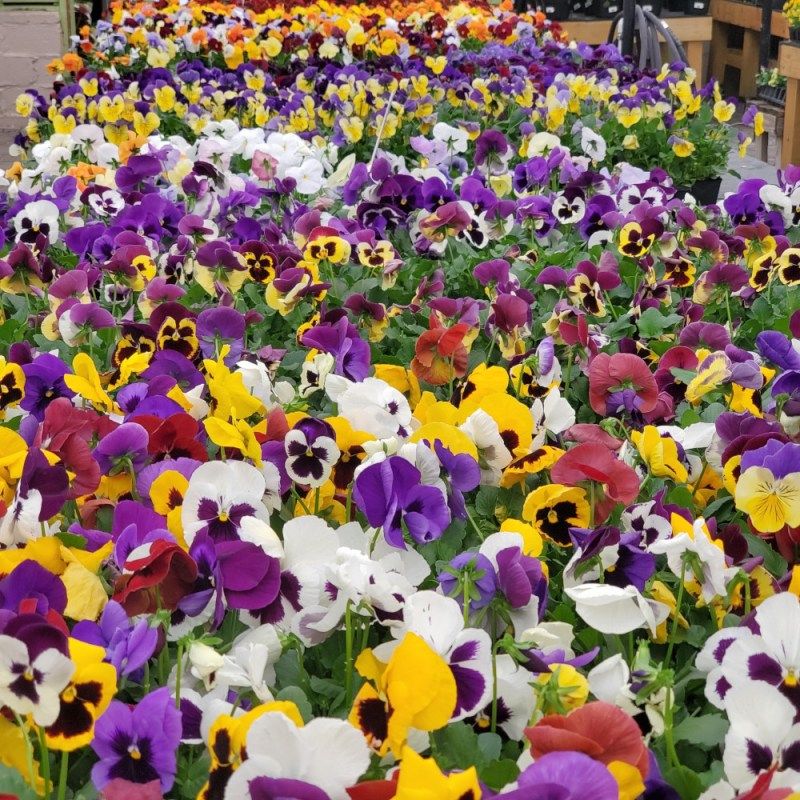
When summer annuals start looking ragged, violas and pansies step in with a fresh carpet of color. Cool weather is exactly what these little charmers crave.
They shrug off light frosts and keep blooming well into autumn, making them ideal for a fall refresh. Their compact size means they slip neatly into any gap left behind by fading plants.
In mild-winter areas, they’ll often push through and greet you again in spring. Few plants pack this much cheer into such a small, affordable package.
10. Rudbeckias
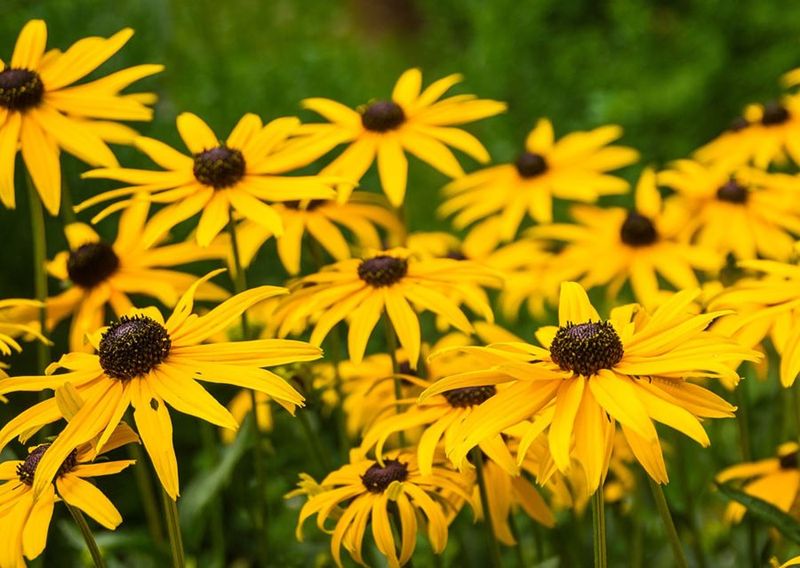
Black-eyed Susans practically laugh at late-summer heat. While spring-loving flowers wilt, these golden bloomers hit their stride from July through September.
As native perennials, they’re built to handle drought and rough conditions once established. That makes them a smart long-term investment as well as a quick fix.
Bees and butterflies flock to their dark-eyed faces, adding life and movement to your beds. Plant them once and enjoy sunny gold returning year after year.
11. Dianthus
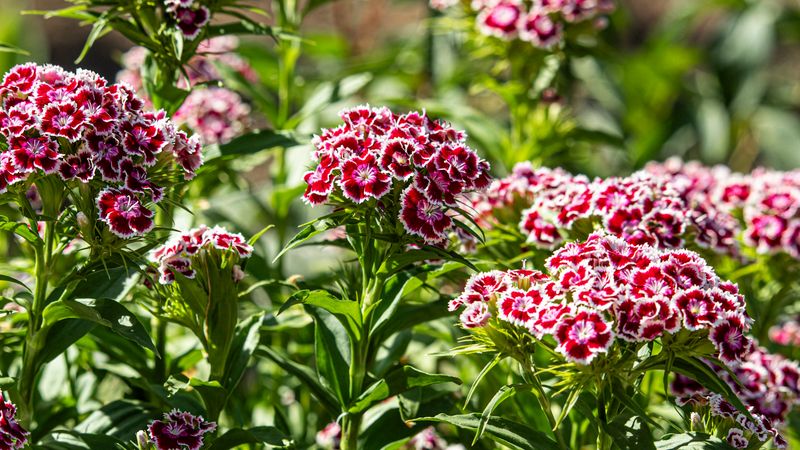
Lean in close to a dianthus bloom and you might catch a sweet, spicy fragrance that reminds people of cloves. Beyond the scent, these little flowers work hard filling beds from spring through summer.
Known as pinks or Sweet William, they grow quickly and shrug off both drought and cold. That toughness means less worry for you and more color for less money.
The tidy mounds of blue-green foliage look neat even between flushes of bloom. For a gap that needs both texture and charm, dianthus fits the bill.
12. Creeping Jenny
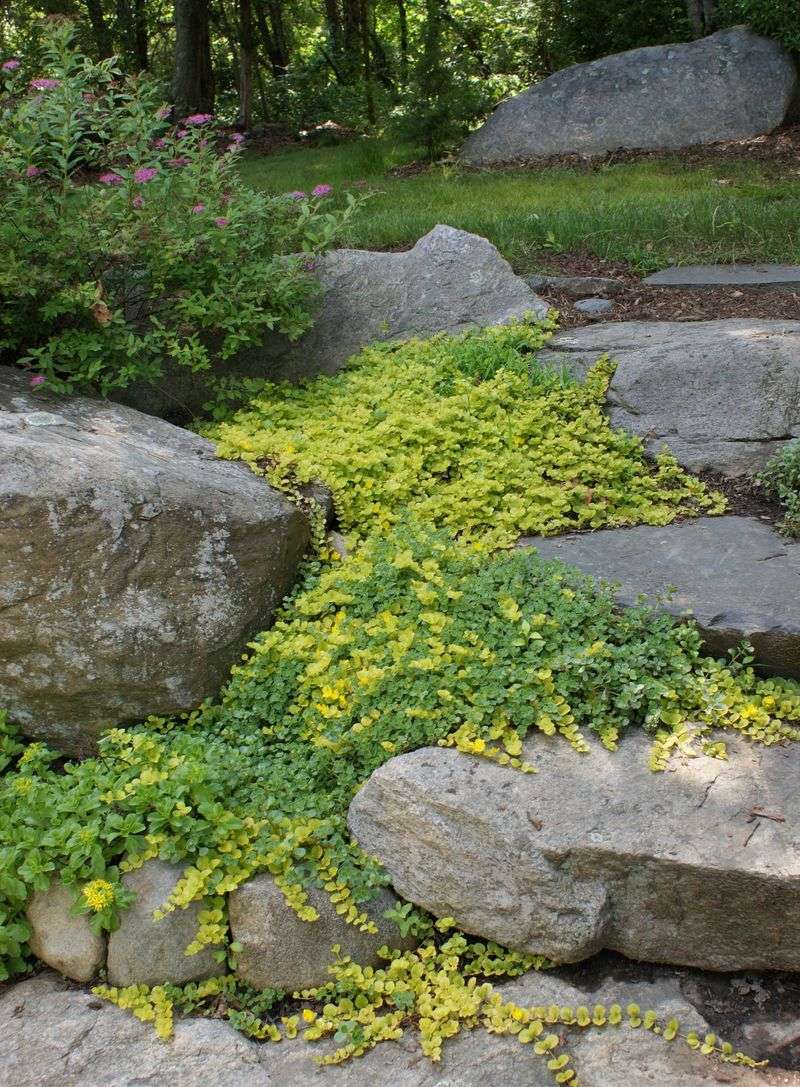
For a bare patch that needs covering yesterday, creeping Jenny races to the rescue. Its bright green to golden foliage spreads fast, forming a dense mat that smothers empty ground.
The glowing chartreuse color brightens shady spots and spills nicely over edges and rocks. It even holds up to a bit of foot traffic where paths blur into beds.
Because it roots as it travels, one small plant soon becomes a sprawling carpet. Just give it room, and it’ll do the filling for you.
13. Sedum
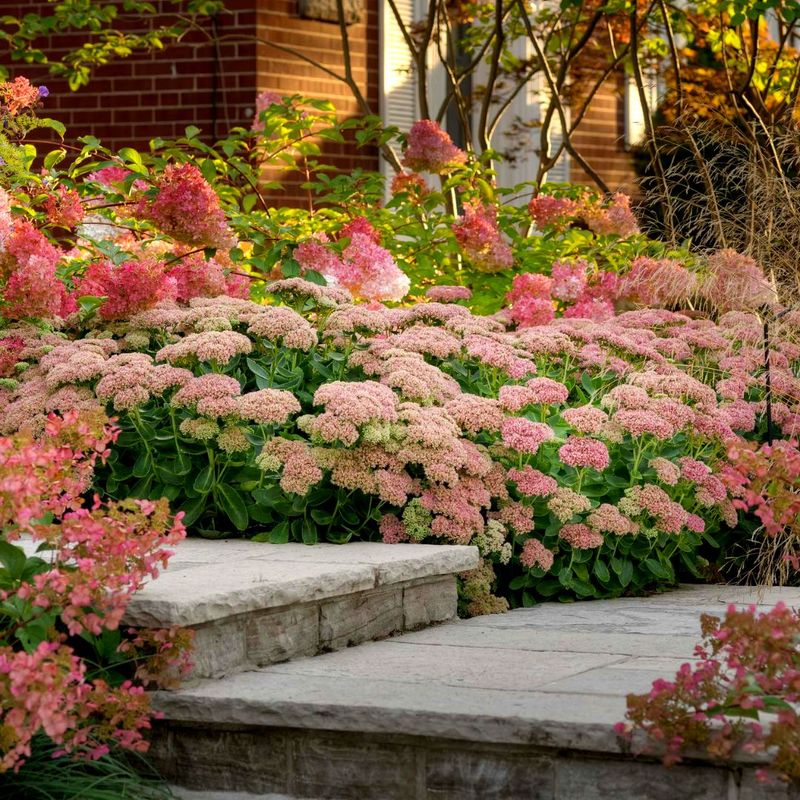
Gardeners jokingly call sedum a “plant it and forget it” perennial, and honestly, that’s the appeal. Its succulent leaves store water, so it sails through dry spells and poor soil without complaint.
The plants bulk up into solid clumps that quietly fill space through the season. Then, right when other flowers wind down, sedum bursts into late-season blooms.
Those pink and rusty flower heads give beds a warm autumn glow. Low effort, high reward, and easy on the wallet.
14. Kale and Swiss Chard
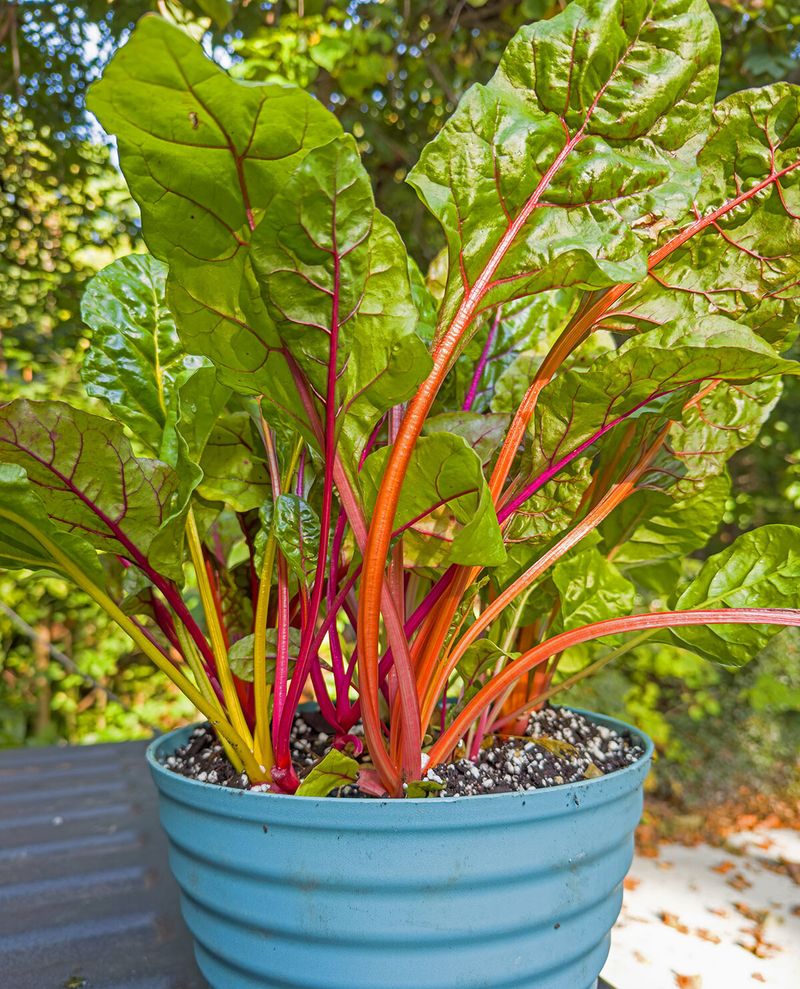
Sometimes the fastest way to fill a bed is with something you can eat. Kale and Swiss chard put out big, bold leaves almost immediately, giving instant fullness to thin spots.
They’re tough plants that hold their ground through summer heat and keep looking good as the season shifts. Swiss chard especially earns its keep with glowing stems in red, gold, and pink.
Mixed among flowers, these greens add lush texture and a splash of unexpected color. You get a fuller garden and fresh salads out of the same patch.
15. Fall Asters
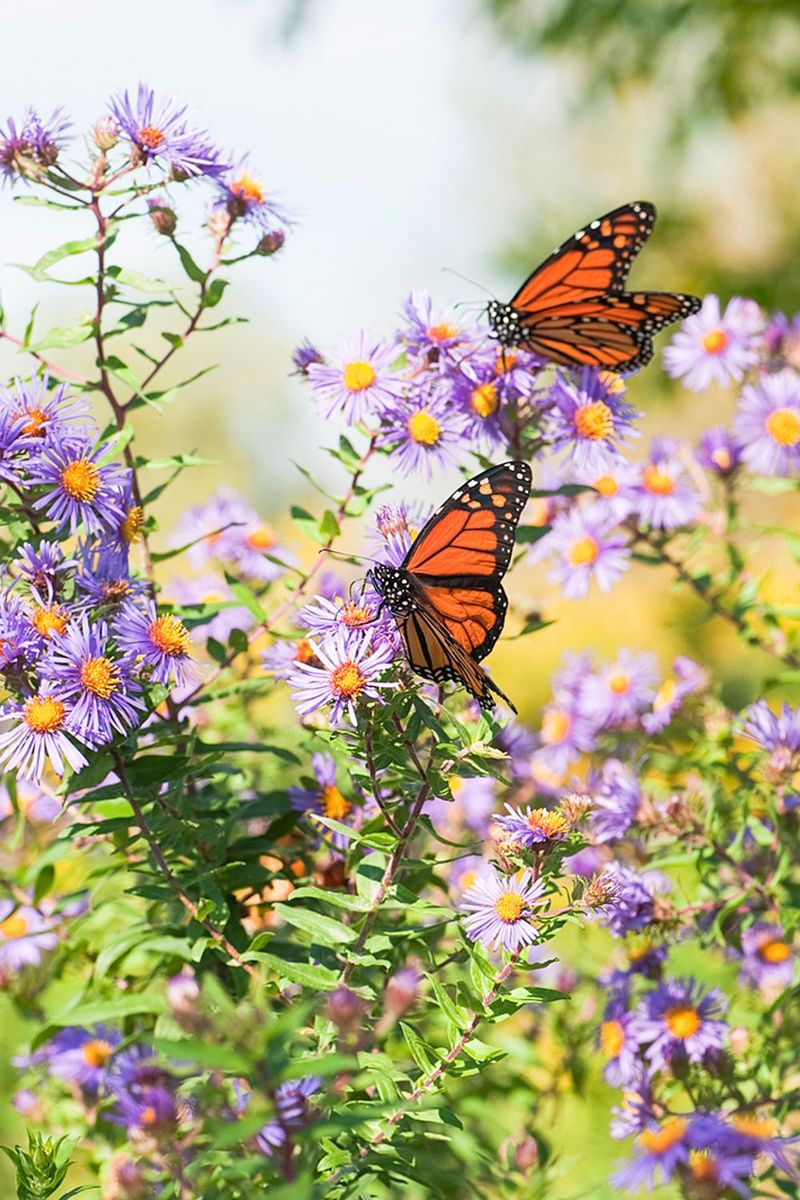
Just when the garden could use a lift, fall asters explode into bloom. From September into October, they smother themselves in purple, pink, and blue daisy-like flowers.
Because they’re perennials, they’ll come back stronger each year, making them a bargain over time. Buy them while they’re still in bud and you’ll get to watch them open right on cue as the weather cools.
Butterflies love them during their final feeding season before winter. For a bed that looks empty in early fall, asters are pure instant color.
16. Hardy Geraniums
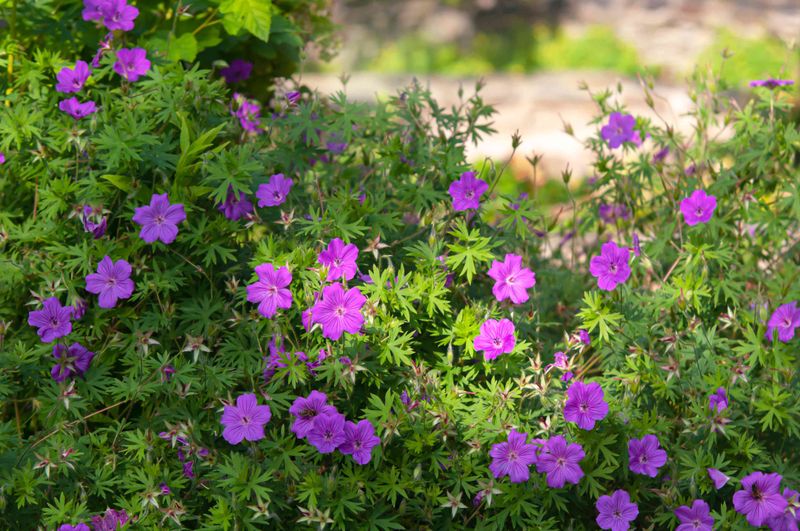
Don’t confuse these with the potted geraniums on your porch. Hardy geraniums are tough perennials that fill beds with mounds of flowers and finely cut leaves.
Many shrug off dry conditions, and a good number will bounce back if you cut them down after their first show. That trim often triggers a second flush of blooms later in the season.
Their spreading habit quietly closes gaps between larger plants. Reliable, forgiving, and easy to divide for free plants, they’re a workhorse worth planting.
17. Baby’s Breath
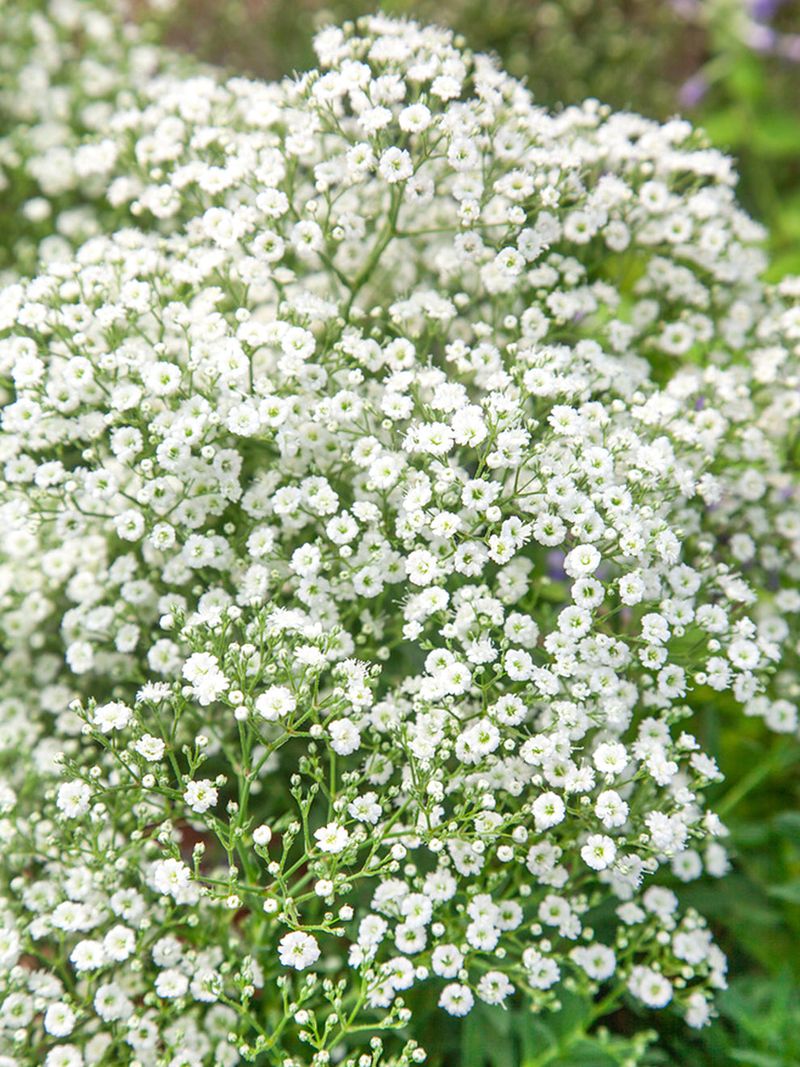
Baby’s breath softens any bed with its misty cloud of tiny white or pink flowers. The effect is delicate, but the plant itself is quick and no-nonsense.
From sowing to bloom can take as little as 50 to 60 days, so it’s a great choice when time is short before fall. The airy texture makes surrounding plants look fuller and more polished.
Scatter it among bolder blooms and it acts like a living filler, tying the whole bed together. For a light, romantic finish on a tight timeline, it’s a lovely pick.