
If You Want Nonstop Color With Almost No Work, Here Are 17 Long-Blooming Perennials That Deliver
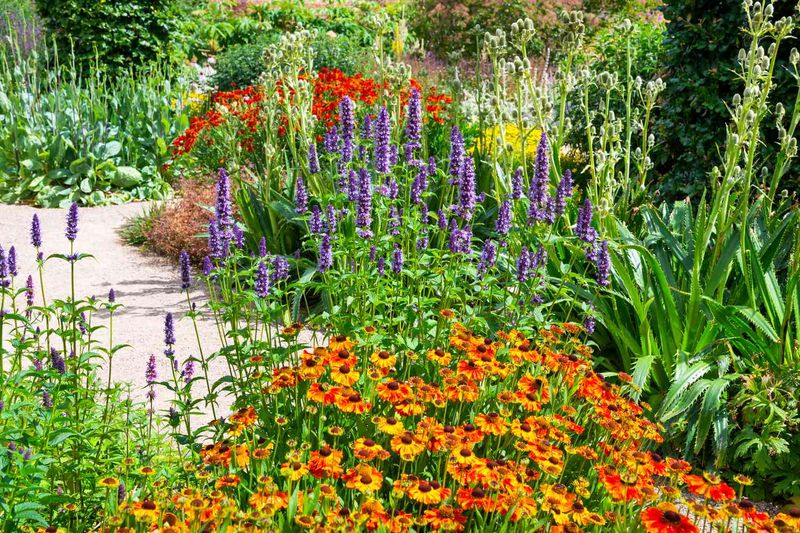
Nobody wants to spend every weekend babying a flower bed that quits blooming by July. The good news is that some perennials just keep going, filling your yard with color while you sit back and enjoy it.
The 17 plants below are tough, forgiving, and known for flowering for months at a time. If you have ever worried you might kill something, start here, because these are the plants that make you look like a pro without the fuss.
1. Catmint (Nepeta)
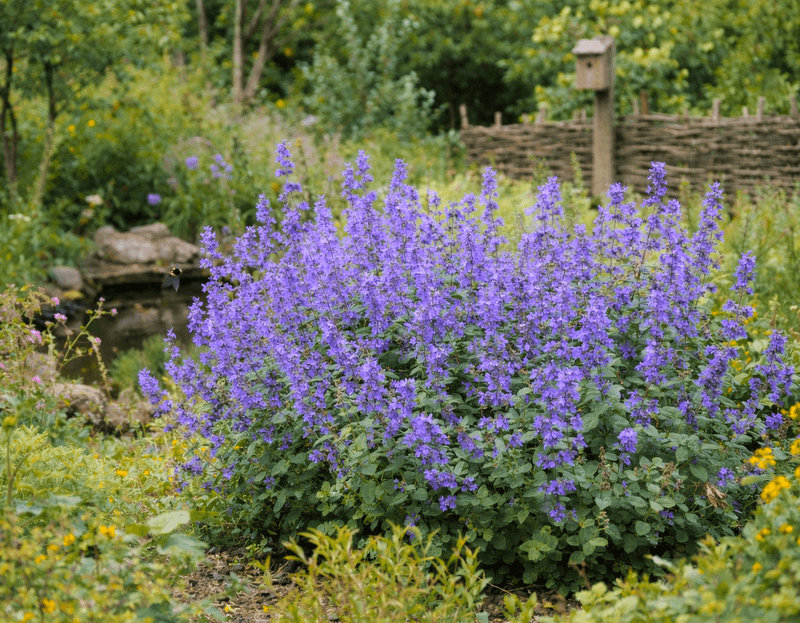
Picture a soft cloud of lavender-blue that hums with bees from late May all the way into September. Catmint gives you that with almost zero babysitting, which is exactly why so many low-effort gardeners swear by it.
The one trick worth knowing is a simple haircut. Shear the whole plant back by half after the first big flush in late June, then again in August, and you can enjoy up to three separate waves of flowers in a single season.
It shrugs off drought, deer usually leave it alone, and it is not picky about soil. Plant it in a sunny spot, water it a few times to get it going, and then mostly forget about it.
2. Salvia (Perennial Salvia nemorosa types)
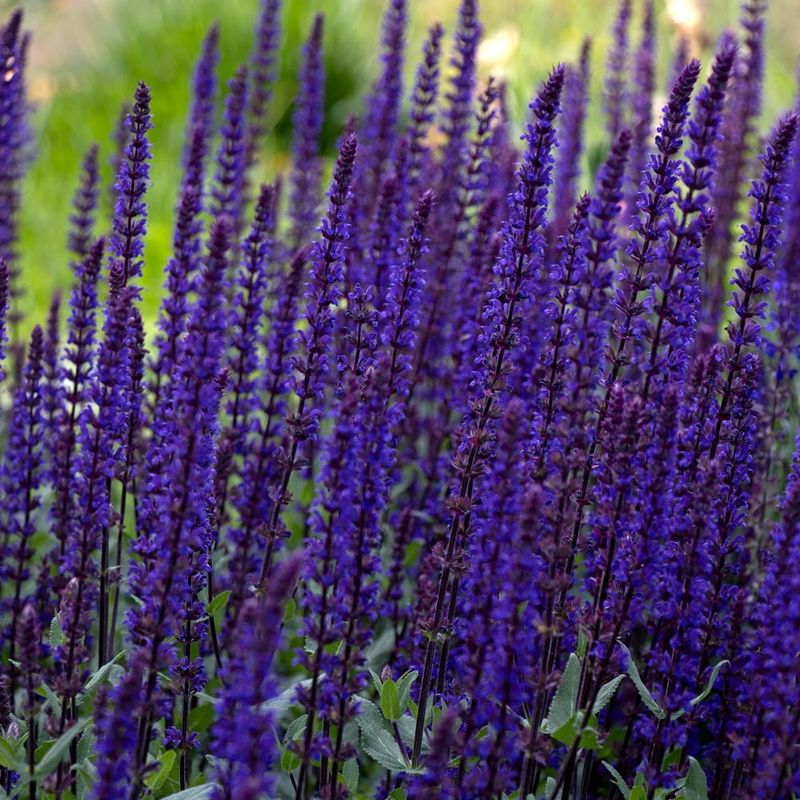
Those tidy purple spikes standing at attention in June? That is perennial salvia doing what it does best, blooming from May clear into September without complaint.
Snip off the spent flower stalks and the plant rewards you with fresh ones, keeping the color coming for months. Hummingbirds treat it like a personal buffet, so you get a show on top of the blooms.
Heat, drought, and lousy soil barely register with this one. If you have a hot, dry corner where other plants sulk, salvia will settle right in and thrive.
3. Blanket Flower (Gaillardia)
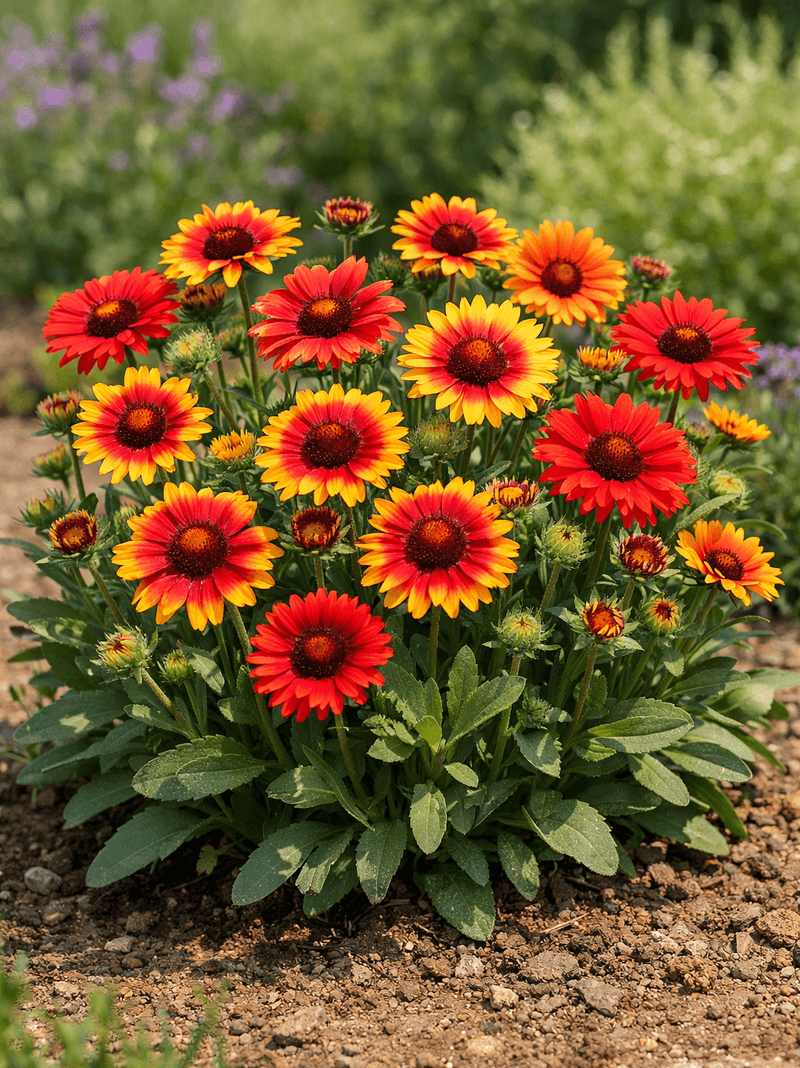
Here is a plant that actually rewards neglect. Blanket flower produces more of its cheerful red-and-yellow daisies in poor, dry soil than it does in rich, pampered beds.
The blooms roll in around June and keep firing until the first hard frost, giving you a long stretch of fiery color. It is built for heat and dry spells, so summer stress does not slow it down.
Tuck it into a sunny border or a low-water landscape and let it do its thing. Overfeeding is the only real mistake you can make here.
4. Daylily (Hemerocallis)
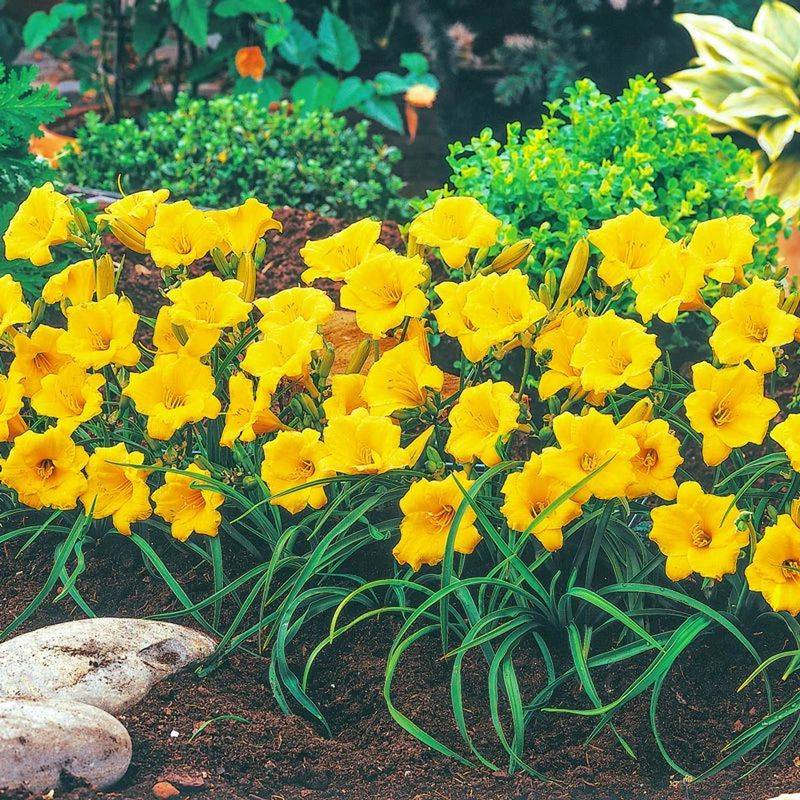
If you have ever wanted a flower that basically raises itself, meet the daylily. Reblooming types like Stella de Oro and Happy Returns throw out wave after wave of color from May through September.
They come in nearly every shade you can imagine, and they adapt to almost any soil you plant them in. Partial shade?
No problem, they handle it just fine.
Once a daylily settles in, it is practically carefree. Water it during dry stretches, remove old foliage now and then, and it will keep blooming without any drama.
5. Black-Eyed Susan (Rudbeckia hirta)
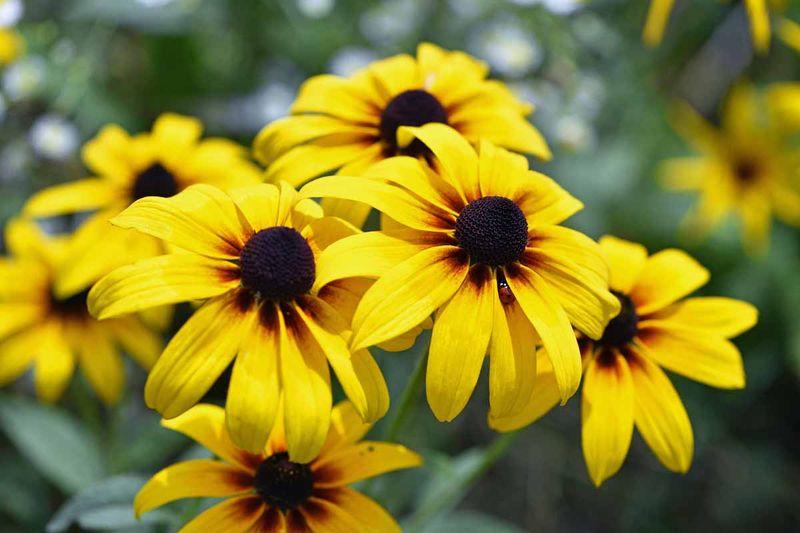
Golden petals with a chocolate-brown button in the middle, standing tall on sturdy stems that rarely flop over. Black-eyed Susan is the picture of easygoing summer color.
Blooming from midsummer through fall, it laughs off heat and drought once it is rooted in. Pollinators flock to it, so your yard gets busier and prettier at the same time.
You will not need to stake it, fuss over it, or worry much at all. Give it sun, and this tough native mostly takes care of itself.
6. Purple Coneflower (Echinacea purpurea)
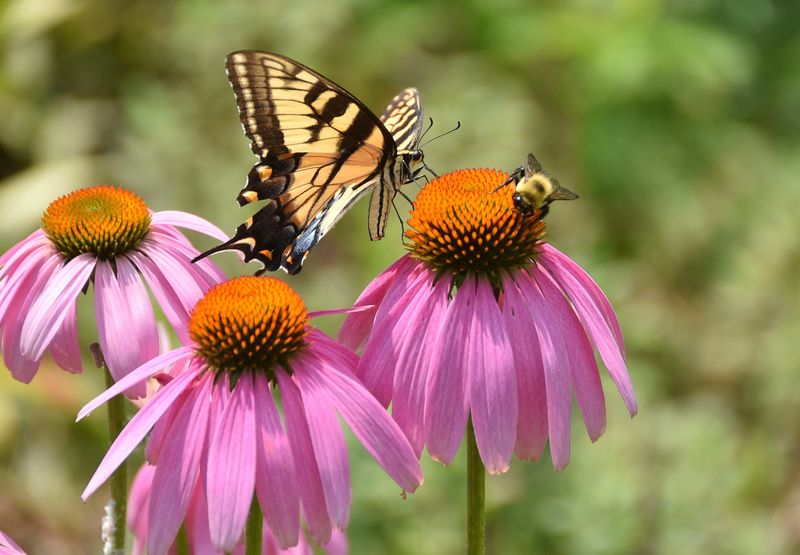
Butterflies and bees seem to know exactly where to find purple coneflower, drawn to its pinkish-purple petals swept back around a spiky orange cone.
The plant delivers big, bold summer blooms that stretch on into fall, and it does it while barely sipping water. Drought does not faze this prairie native one bit.
Plant it in full sun with well-draining soil and you have a hardy, hands-off performer. Leave the seed heads up in winter and finches will thank you.
7. Shasta Daisy (Leucanthemum x superbum)
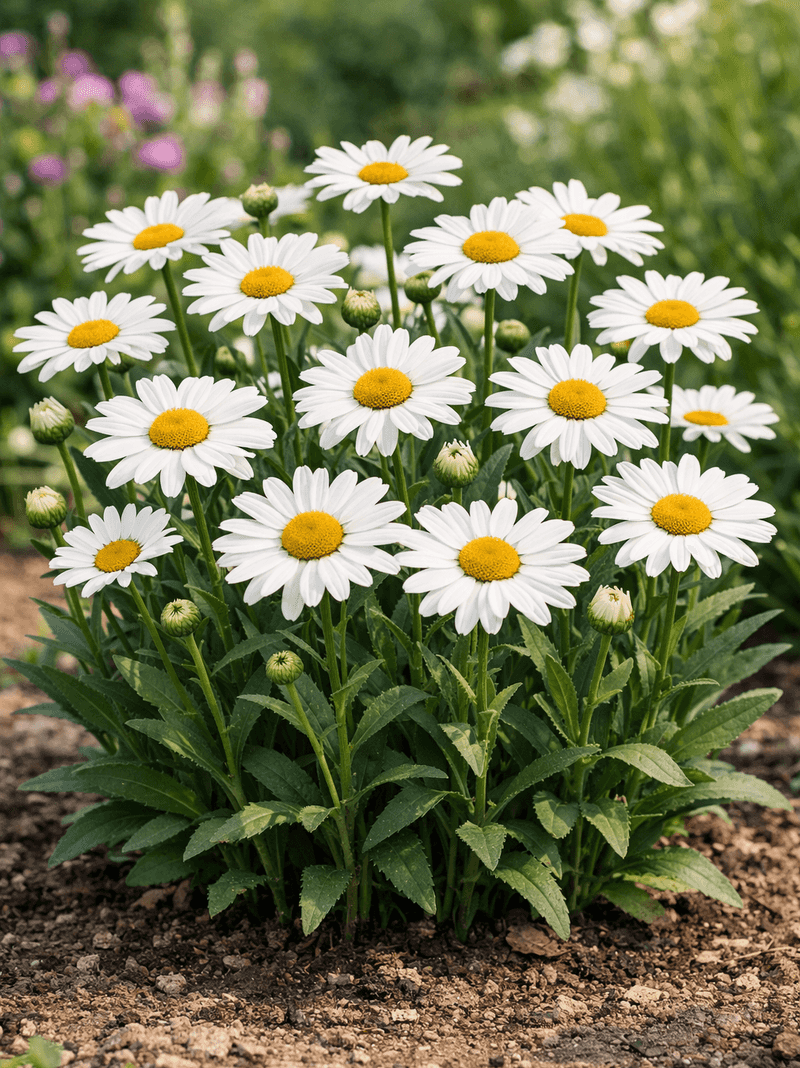
Crisp white petals circling a sunny yellow center, the Shasta daisy is about as classic and cheerful as a flower gets. It brightens a bed the way a fresh coat of paint brightens a room.
Flowers show up in spring or early summer and carry on through most of the warm months. Few perennials are this simple to grow, which makes it a great pick if you are just starting out.
Snip a few for a vase and the plant keeps producing. It really is a low-drama, high-reward addition to any sunny spot.
8. Yarrow (Achillea)

Few plants take the hottest, driest spot in your yard and turn it into a color party quite like yarrow. Its flat clusters of tiny blooms come in white, yellow, pink, and red.
A North American native, it is tough as nails and beloved by pollinators. The harsher the sun, the happier it seems to be.
Fun bit of history: yarrow has been used for centuries, earning the old nickname “soldier’s woundwort” for its use on battlefields. In your garden, though, its main job is looking great with almost no help from you.
9. Astilbe (Astilbe spp.)
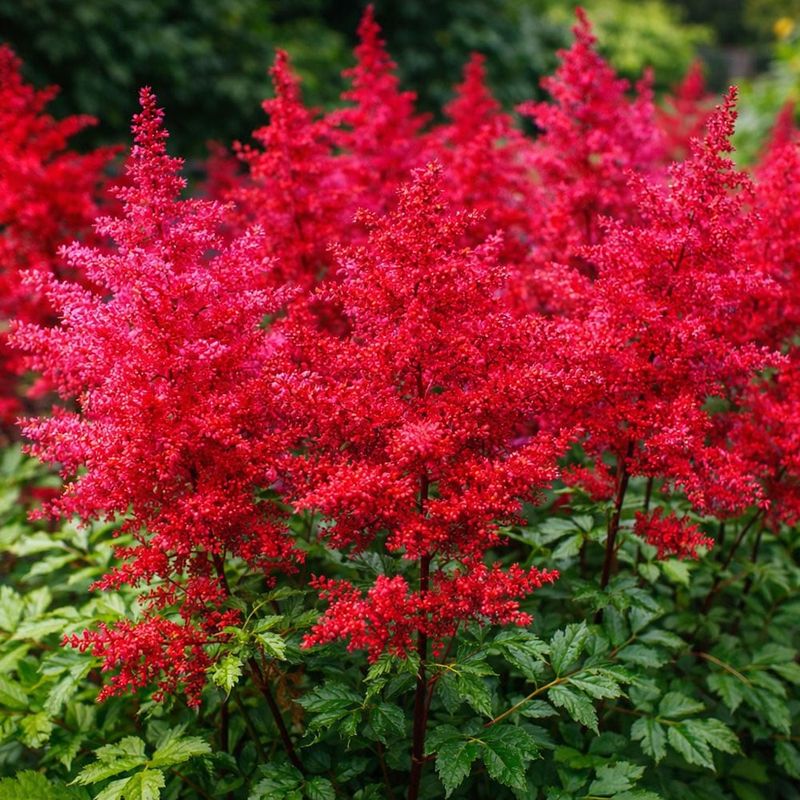
Got a shady, damp corner where nothing wants to bloom? Astilbe finally gives that spot a reason to show off, with feathery plumes in pink, red, white, and lavender.
It thrives in moist soil and dappled shade, spreading gently over time without turning into a bully. That polite spreading habit fills gaps without taking over the bed.
Keep the soil from drying out and this low-maintenance beauty will reward you with soft, colorful texture year after year. It is the answer for the shady spots most flowers refuse.
10. Bee Balm (Monarda)
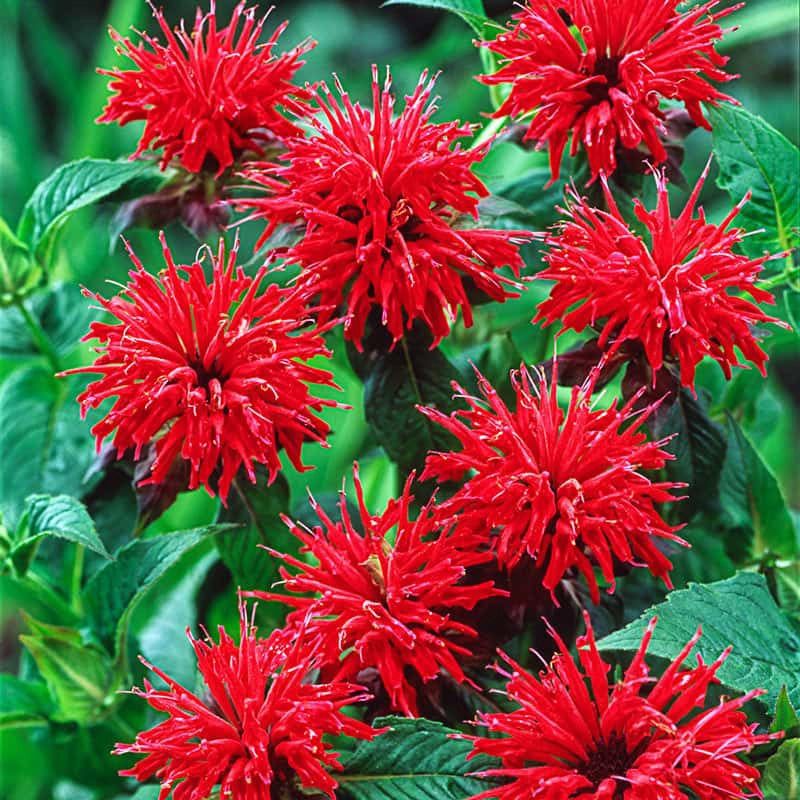
Ragged, spiky blooms in pink, red, and purple that smell wonderful when you brush past them, that is bee balm in a nutshell. True to its name, it pulls in bees, butterflies, and hummingbirds all season.
Expect roughly eight weeks of flowers from summer into early fall, and it will even tolerate a little shade. That is a long, lively run for very little effort.
One honest tip: bee balm can get powdery mildew if it stays crowded and damp. Giving it morning sun and good air circulation can help keep the leaves clean and healthy.
11. Coreopsis (Tickseed)
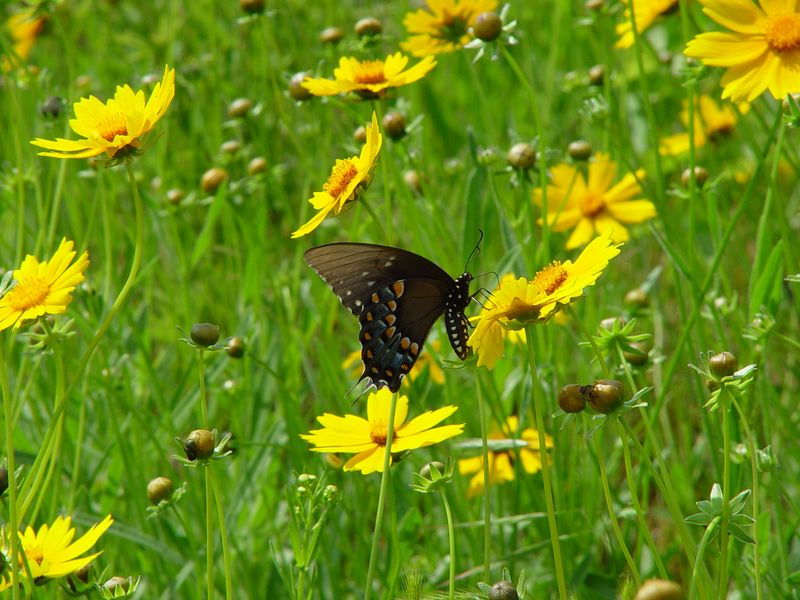
Think of coreopsis as the perennial that just does not know when to stop. Many varieties bloom continuously for months, covering the plant in sunny little daisies.
Warm climates suit it perfectly, and it takes heat and drought in stride. Pollinators love it, so your bed stays busy with wings all summer.
When the first heavy flush starts to fade, give it a light shearing to spark a fresh round of flowers. That one quick trim can keep the color rolling well into the season.
12. Perennial Garden Phlox (Phlox paniculata)
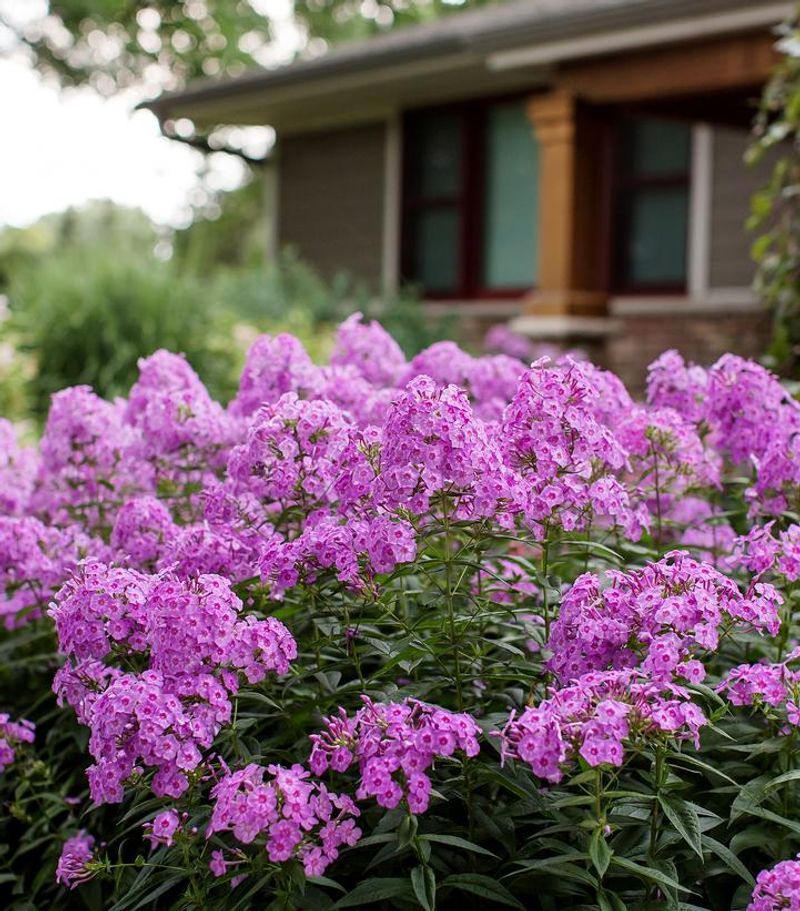
Big, fragrant flower clusters in white, pink, red, purple, and lavender make garden phlox a cottage-garden favorite. It hands you months of color from a single planting.
Pinch off the spent flower heads and you stop the plant from setting seed, which pushes it to keep blooming instead. That little habit stretches the show noticeably longer.
Like bee balm, phlox appreciates elbow room and morning sun to stay disease-free. Space it well and the foliage stays fresh under all those blooms.
13. Cranesbill (Geranium spp. ‘Rozanne’)
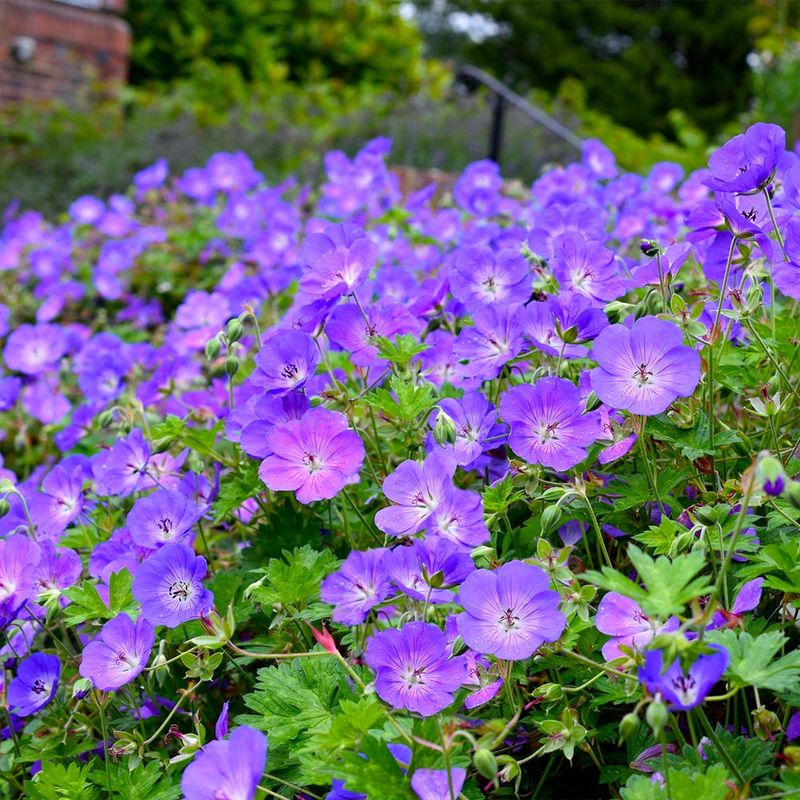
When a plant holds a record for bloom time, you pay attention. Geranium Rozanne is famous for its marathon flowering, pumping out violet-blue blooms from early summer to late summer.
It sprawls into a durable groundcover that laces itself through borders and fills empty space with color. That knack for weaving between other plants makes it a designer’s secret weapon.
Not to be confused with the potted annual geraniums, this hardy perennial comes back on its own each year. Once established, it asks for very little and gives back a whole lot.
14. Penstemon
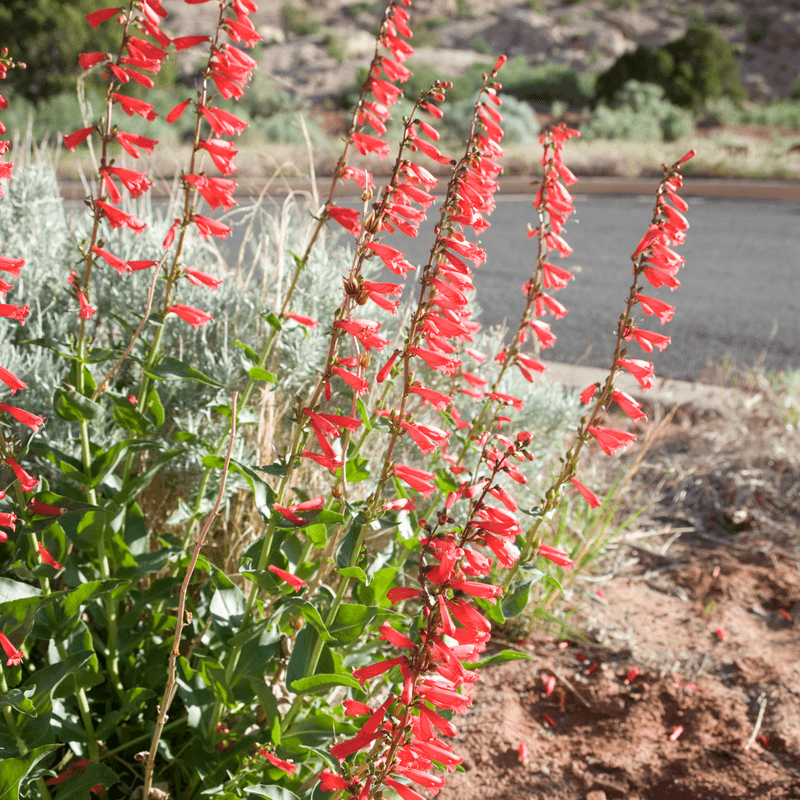
Tall, slender stems lined with tubular blooms make penstemon look elegant even from across the yard. Pollinators, especially hummingbirds, find those tube-shaped flowers irresistible.
The long-lasting blooms give you weeks of vertical color, adding height and structure to a mixed bed. That upright shape is a nice contrast to all the mounding perennials on this list.
It prefers sun and soil that drains well, and it does not want to sit in soggy ground. Get the drainage right and penstemon rewards you with reliable, low-effort color.
15. Lavender (Lavandula spp.)
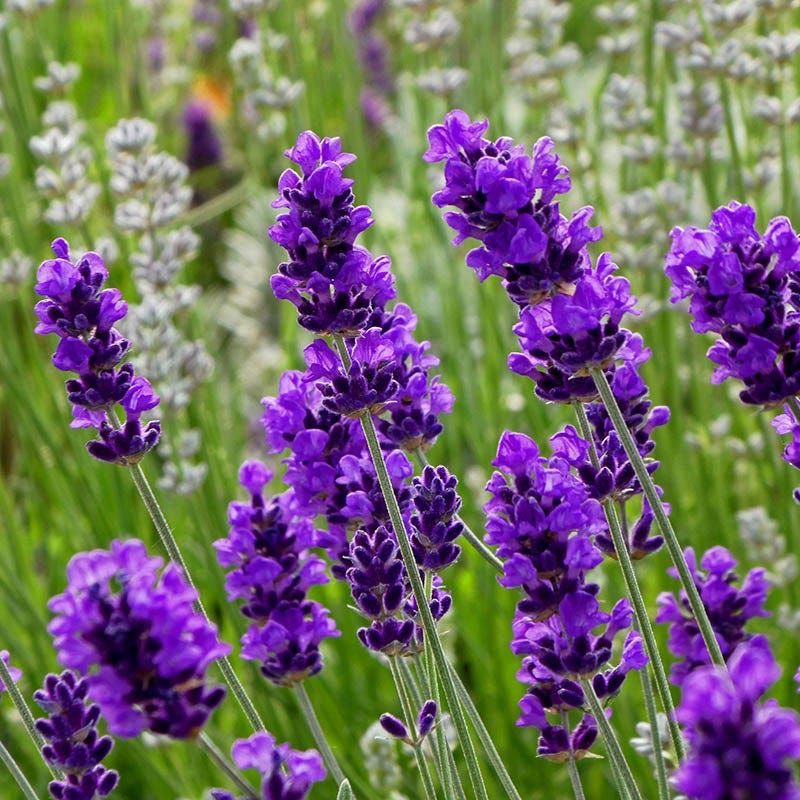
Run your hand across a lavender plant and that unmistakable scent follows you the rest of the day. The purple spikes and silvery foliage look as good as they smell, holding their color for months.
Full sun and dry conditions are exactly what it wants, and deer tend to walk right past it. Drought is no threat once the roots take hold.
Bees adore the flowers, so a lavender patch quietly supports your local pollinators too. Skip the heavy watering and rich soil, because lean and dry is where lavender truly shines.
16. Russian Sage (Perovskia atriplicifolia)
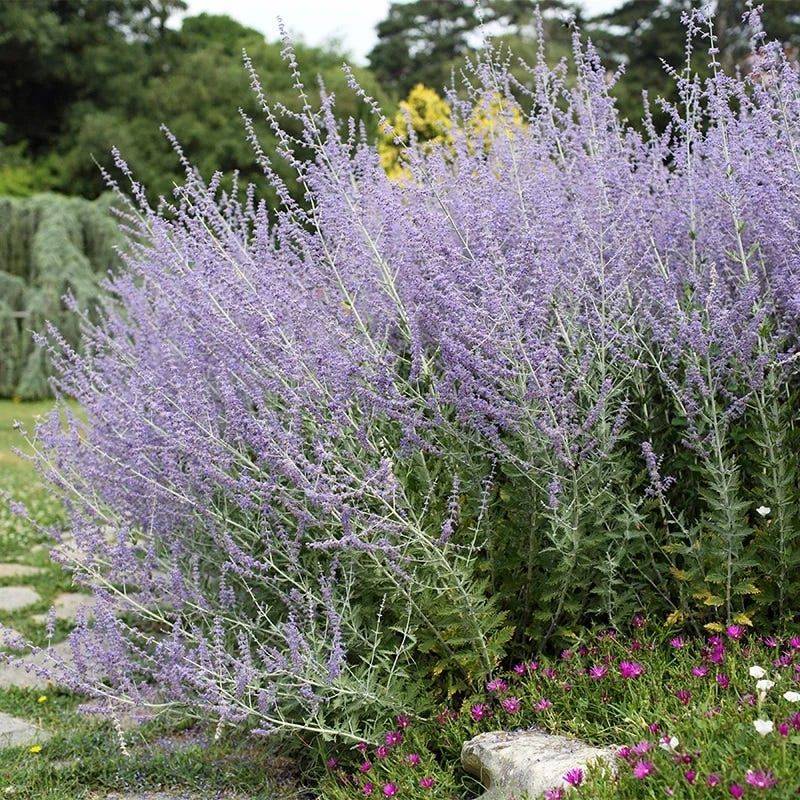
For a hazy cloud of purple-blue that lasts and lasts, Russian sage is hard to beat. Its sturdy spikes and silvery stems bring both color and a light, herbal scent to the landscape.
If deer keep munching your lavender, consider this a smart swap, since they usually leave Russian sage alone. It offers a similar look with a tougher, more forgiving nature.
Late-season pollinators depend on it when other flowers are winding down. Plant it in full sun, stand back, and enjoy a plant that basically thrives on being ignored.
17. Reblooming Hydrangea (Panicle Hydrangeas like ‘Strawberry Shake’)
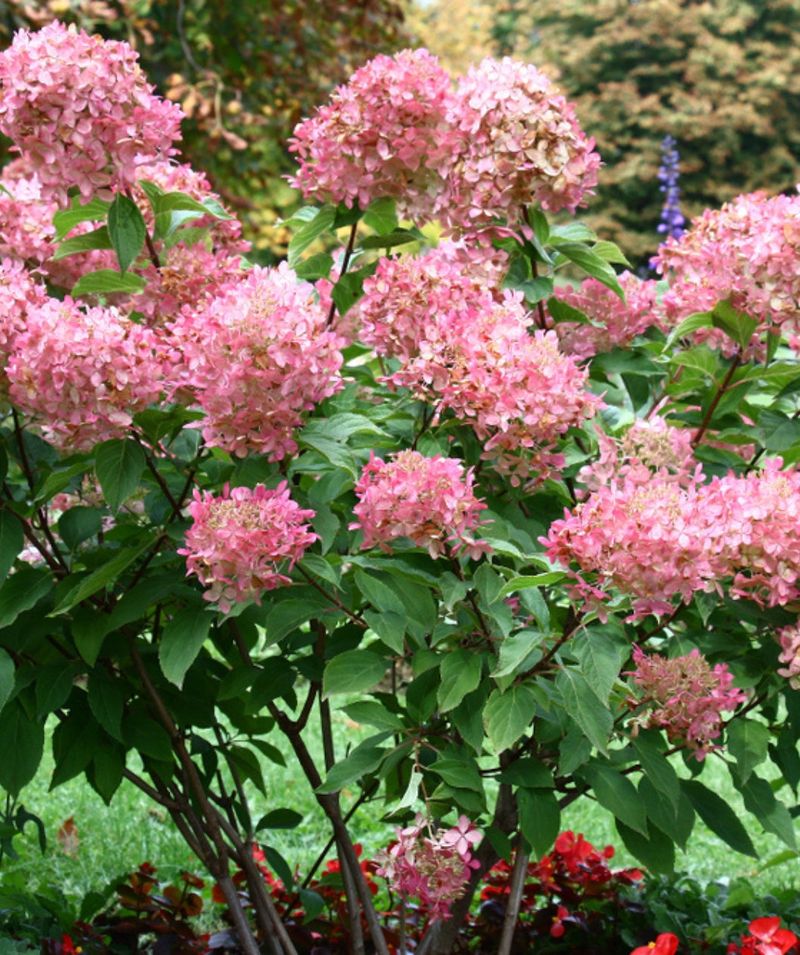
Plenty of gardeners give up on hydrangeas after they bloom just once and quit. Reblooming panicle types change that story, delivering big, showy flowers from summer straight into fall.
Strawberry Shake is a standout, opening creamy white and then blushing to a soft pink as the season rolls on. Its stems are sturdy enough to hold those heavy blooms upright instead of flopping.
Give it sun and steady moisture and it keeps the color coming when many other plants are fading. For a long-blooming shrub that anchors the whole bed, it is a satisfying way to close out this list.