
The North Carolina Native Ground Covers That Hold A Slope And Choke Out Weeds Without Spreading Like Vinca
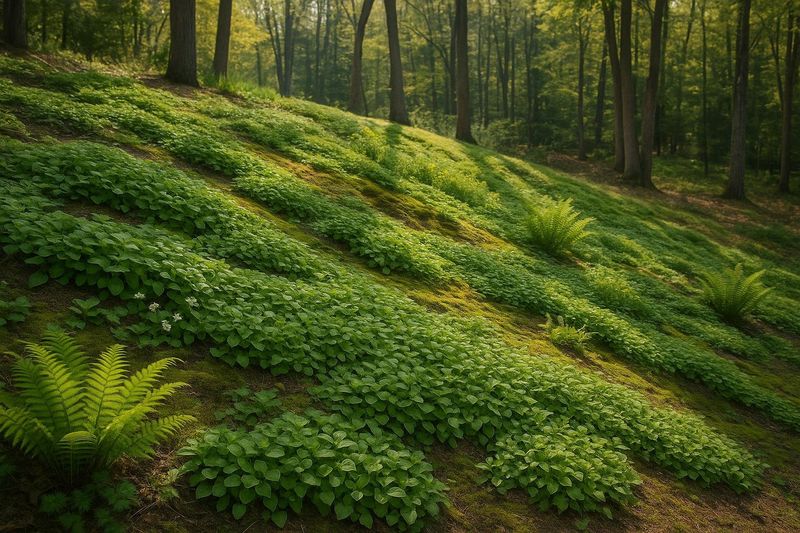
If you have a hill in your yard that keeps washing out or growing weeds, you might be tempted to plant vinca to cover it fast. The trouble is, vinca escapes into the woods and pushes out the plants our box turtles and native bees depend on.
The good news is that North Carolina has its own tough ground covers that grip slopes, smother weeds, and stay where you put them. Here are eight native picks that do the job without taking over the neighborhood.
1. Allegheny Spurge (Pachysandra procumbens)
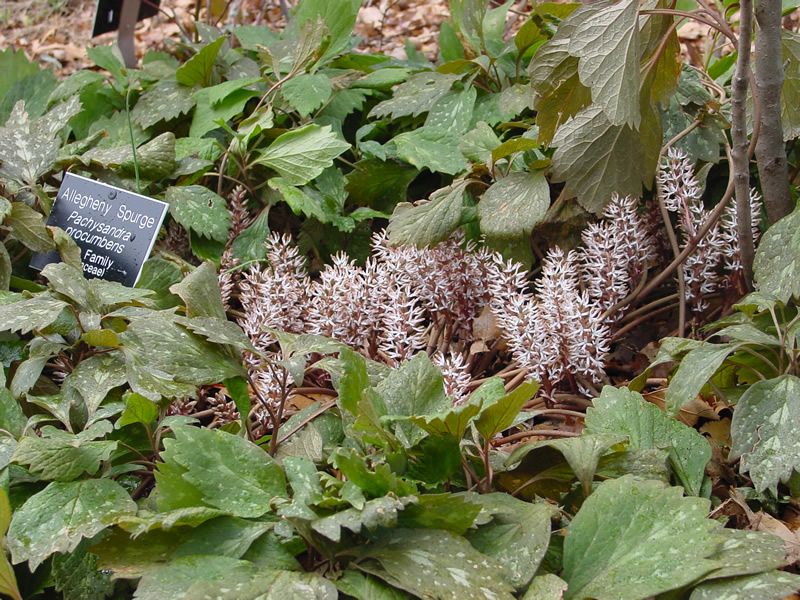
Not to be confused with its bully cousin, the Asiatic pachysandra you see swallowing whole yards, our homegrown Allegheny spurge knows how to behave. It fills in with handsome, mottled leaves that carpet shady ground and keep weeds from finding a foothold.
The key difference is speed. It creeps along slowly instead of galloping across your beds, so you get thick cover without the constant edging battles.
Plant it on a shaded slope anywhere in the state, from the mountains to the coastal plain. It handles the dappled light under hardwoods beautifully.
If you have ever pulled invasive Pachysandra terminalis out of a natural area, swapping in this native version feels like setting things right for your patch of NC.
2. Wild Ginger (Asarum canadense)
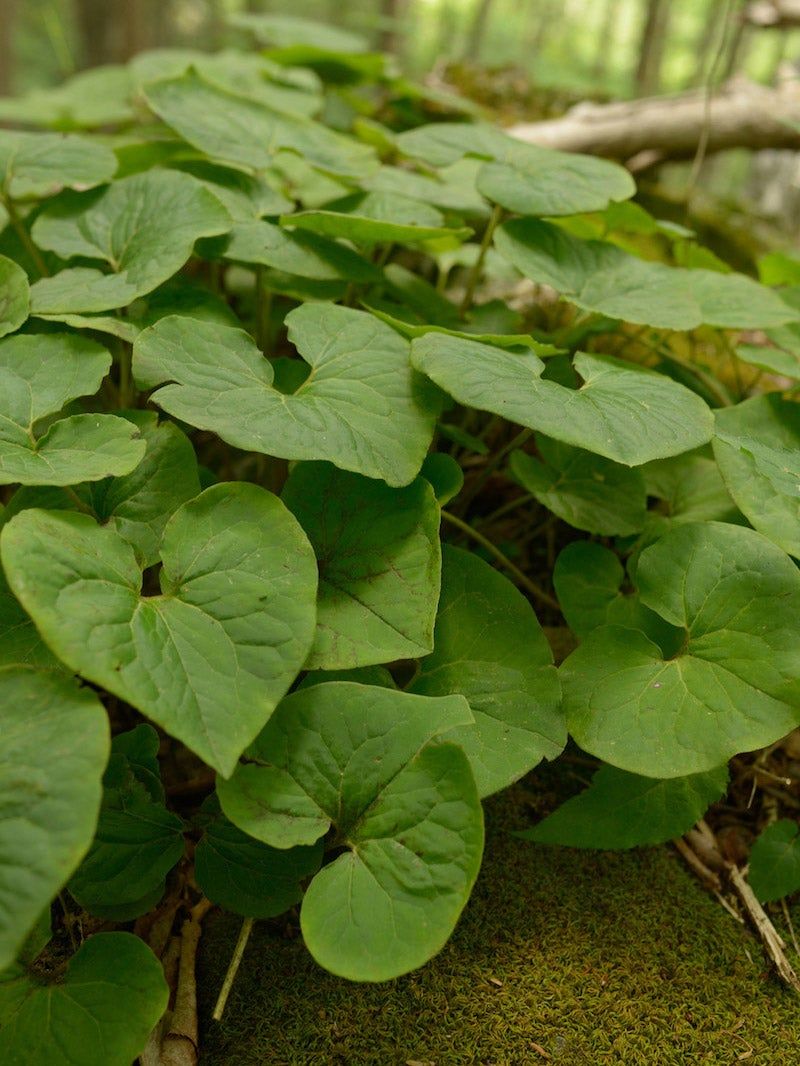
Run your hand over a patch of wild ginger and you will find broad, heart-shaped leaves layered so thick that hardly a weed seed can sneak through. That dense carpet is exactly what a bare, shady slope needs to stop eroding.
It leans toward part or full shade with steady moisture and decent soil, so tuck it under trees where grass refuses to grow.
Here is a fun bit: the roots smell faintly of ginger, though it is not the ginger you cook with. Native critters have relied on it for ages, since it evolved right alongside our local wildlife.
For a moist, dim hillside in the Piedmont or mountains, few natives blanket the ground as gracefully.
3. Creeping Phlox (Phlox stolonifera)
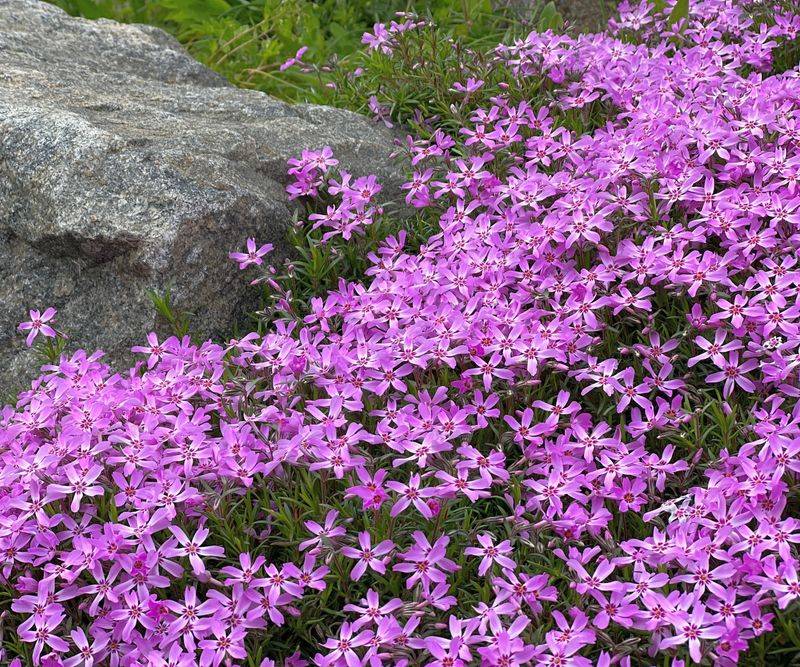
Come early spring, this mat-forming perennial throws a party of soft purple and pink blooms right when hungry native bees are desperate for a meal. Those early flowers make it a favorite for anyone trying to feed pollinators.
Beneath the show, its semi-evergreen foliage locks arms across the soil, holding a slope in place and crowding out weeds through the seasons.
It spreads into loose, tidy mats rather than aggressive runners, which earns it a reputation as a well-mannered ground cover.
Give it part sun to part shade and it will settle in happily across the Piedmont, coastal plain, or mountains. You get color, coverage, and a little breakfast bar for the bees, all in one plant.
4. Golden Star (Chrysogonum virginianum)
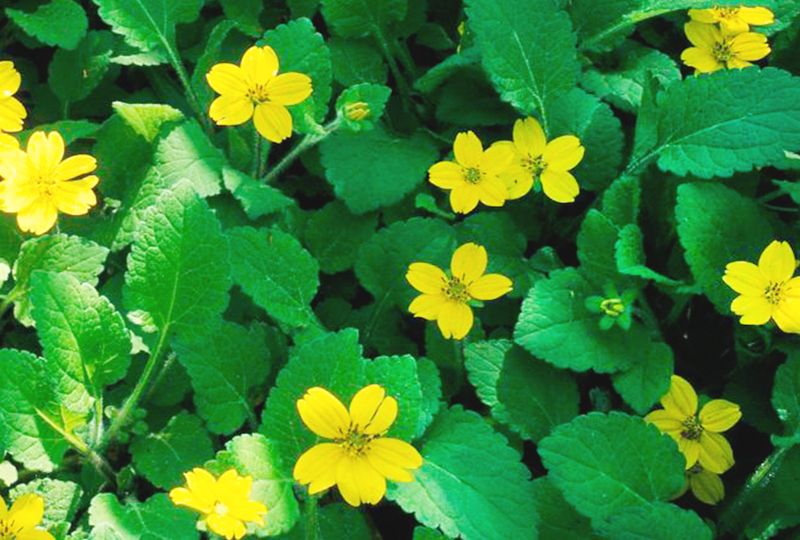
Bright yellow, star-shaped flowers scattered over low green foliage give this native its cheerful name, and they show up when spring pollinators need the fuel. It looks equally at home tumbling down a wooded hillside or edging a flower bed.
On shady slopes it spreads into an effective mat that covers real ground, doing the heavy lifting of weed suppression while staying polite about it.
It even tolerates a bit of foot traffic, so a light path through it will not spell disaster.
Plant it in shade with well-drained soil and you get spring color, tidy coverage, and a helping hand for early bees. A dependable choice for the dim corners where other plants sulk.
5. Virginia Sweetspire (Itea virginica)
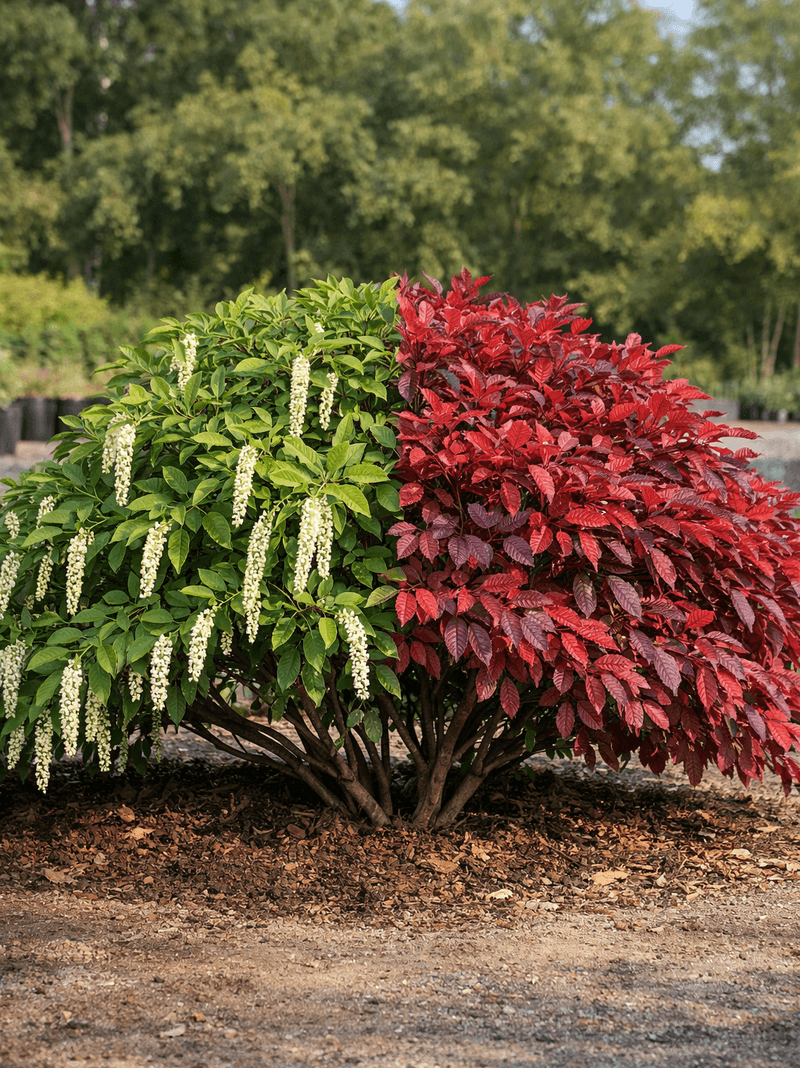
When you need something with more muscle than a low perennial, this suckering shrub steps up. It sends out shoots that knit together to cover large, tricky slopes where a delicate ground cover would struggle.
The trade-off is height and heft, which makes it perfect for bigger banks and drainage areas that erode after every storm.
In fall its leaves blaze red and burgundy, so the same plant holding your hillside also puts on a show as the season turns.
As a woody NC native, it fits naturally into landscapes across the state and gives wildlife more structure to shelter in than a flat carpet ever could.
6. American Wintergreen (Gaultheria procumbens)
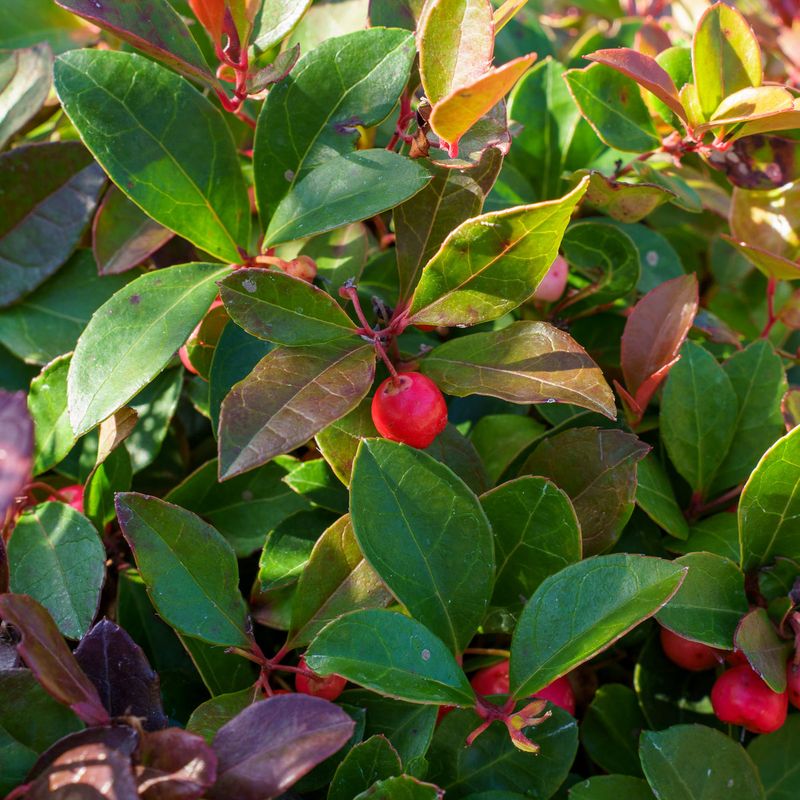
Crush a leaf and that familiar minty scent drifts up, the same wintergreen flavor people have loved for generations. Beyond the pleasant smell, this low woody shrub does honest work as a ground cover.
Glossy evergreen leaves and cheerful red berries keep a slope looking alive even in the cold months, while the tight growth blocks weeds below.
Native across North Carolina, it thrives in the acidic, shady conditions found under pines and hardwoods where many plants give up.
The bright berries also stick around into winter, offering a little something for birds when other food runs thin. Charming, useful, and green when the rest of the yard is not.
7. Creeping Blueberry (Vaccinium crassifolium)
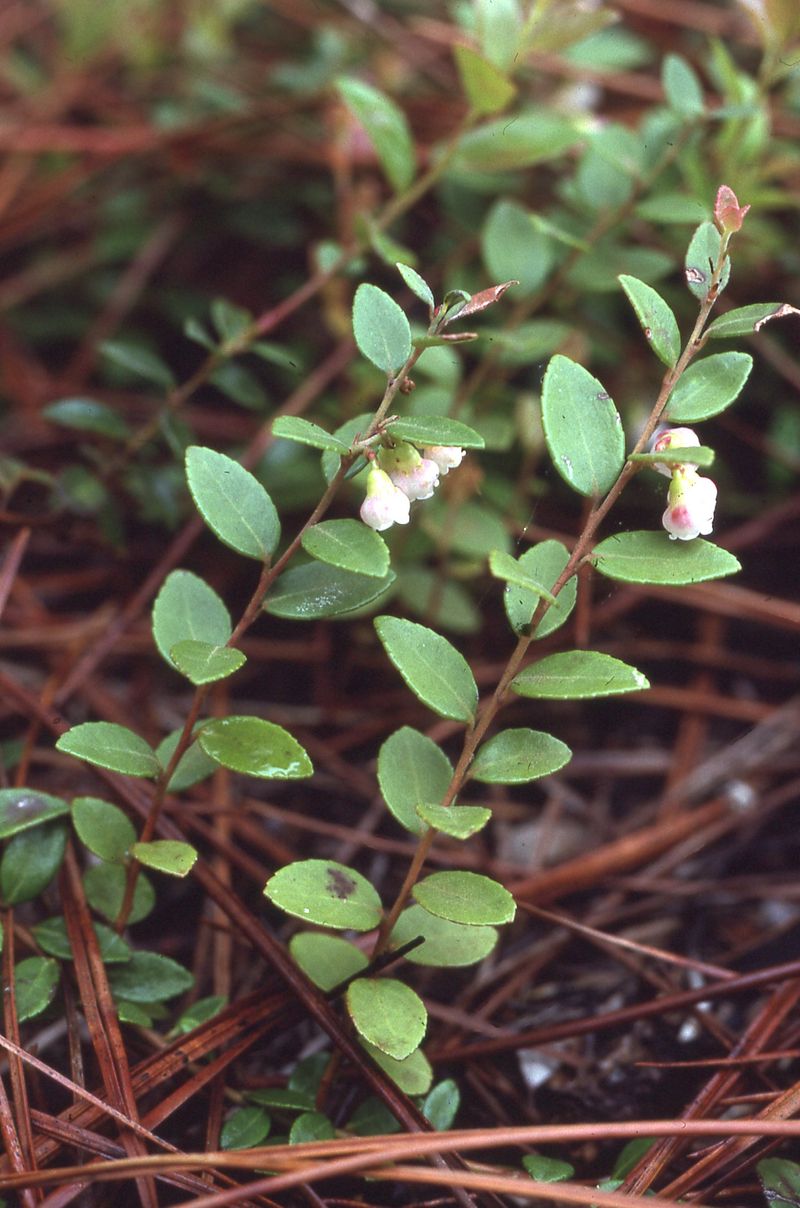
Yes, this really is a blueberry, just one that hugs the ground instead of standing up as a bush. Its low, woody mat spreads across a slope and holds the soil while smothering competition below.
Small evergreen leaves keep it looking neat year-round, and its coastal-plain roots make it a natural fit for sandy, acidic Carolina soils.
Pollinators appreciate the tiny bell-shaped flowers, and it carries the easygoing charm of a native that asks for very little once established.
For a low-maintenance bank in the eastern part of the state, this quiet workhorse deserves a spot on your list. Bonus points for being a conversation starter with anyone who assumes all blueberries grow tall.
8. Wild Strawberry (Fragaria virginiana)
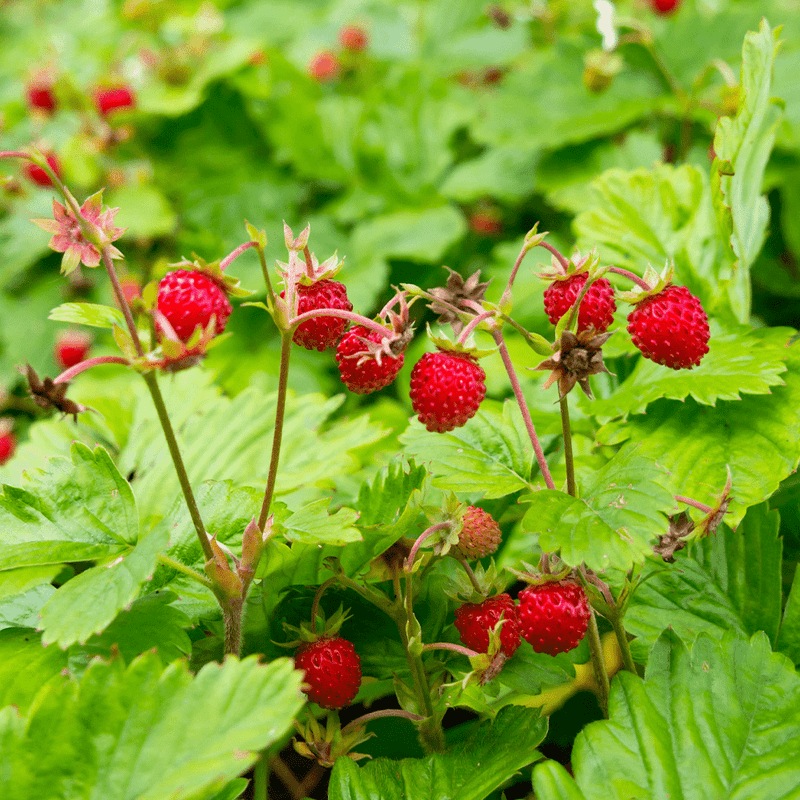
Picture a slope that fills itself in and hands out snacks along the way. Wild strawberry does just that, spreading by runners into a dense green cover dotted with white flowers and tiny, tasty red berries.
It is the fastest mover on this list, so if you want quick coverage on a sunnier bank, this is your plant. Even so, it stays far better behaved than the invasive spreaders it replaces.
The berries and foliage feed all sorts of yard wildlife, turning your erosion fix into a little buffet for birds and pollinators.
It shrugs off light foot traffic too, native to the Piedmont and beyond, making it a friendly, productive choice for a healthy NC yard.