
If You Want More Tomatoes This Fall, Here Are 15 Late-Summer Feeding Moves (And 4 Mistakes That Stall The Harvest)
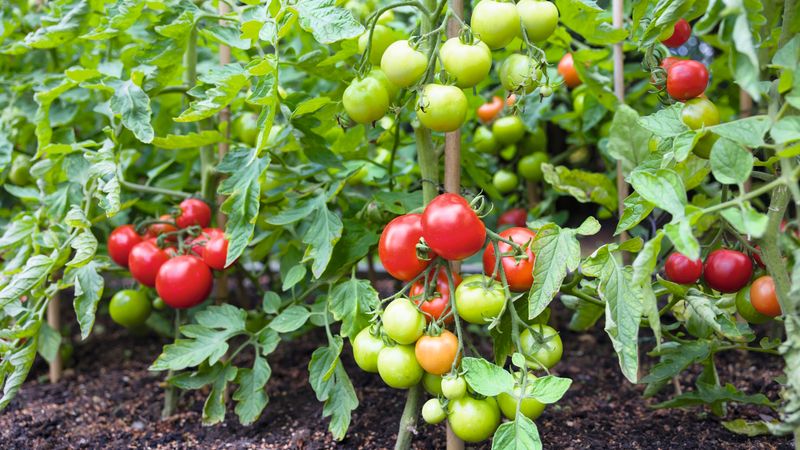
By late summer, a lot of tomato plants look tired, and the fruit slows down just when you were hoping for one more big picking. The good news is that your plants usually have plenty left in them if you feed and care for them the right way now.
A few smart moves in August and September can push out more blossoms, ripen the fruit already hanging, and stretch your harvest deep into fall. Here are 15 feeding and care moves that work, plus 4 mistakes that quietly stall the whole thing.
1. Switch to a phosphorus and potassium-rich fertilizer
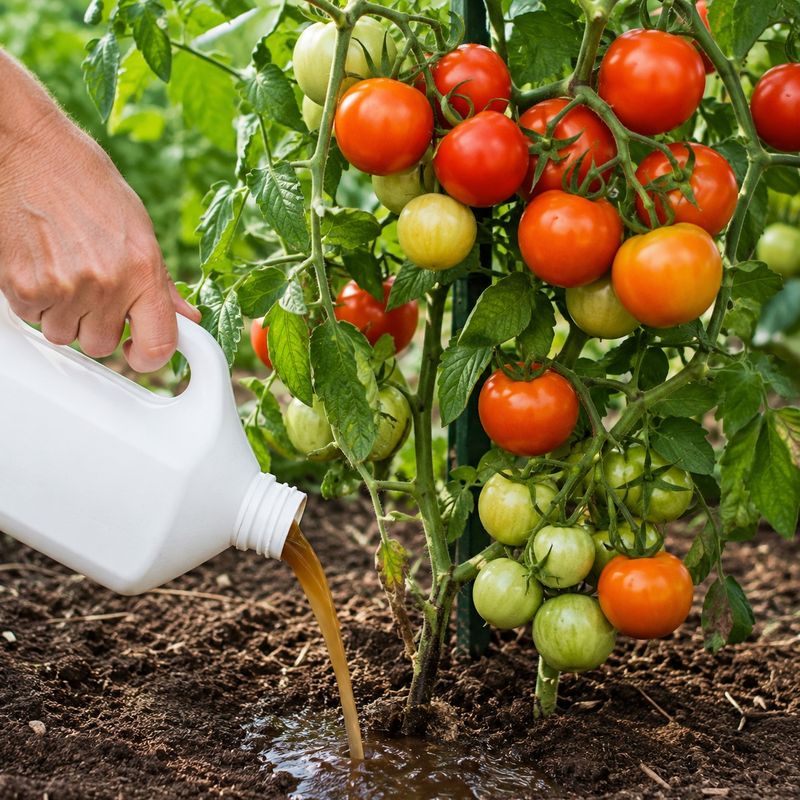
Early in the season, nitrogen was your friend because it built big, leafy plants. But once those plants are loaded with branches, all that leafy energy stops helping and starts working against you.
Late summer is the moment to swap to a formula with a low first number and higher second and third numbers, like a 2-12-12 or 10-30-20 N-P-K. The phosphorus pushes flowering and fruit set, while the potassium supports steady ripening and overall plant health.
Think of it as changing your plant’s job description. You are telling it to stop growing leaves and start making tomatoes instead.
2. Apply liquid fertilizer for quick absorption
Tired plants in late summer do not have time to wait around. Granular fertilizers break down slowly, which is fine in spring but a little sluggish when you want results fast.
Liquid feeds get to the roots almost right away, giving a worn-out plant a quick jolt of nutrients. A diluted fish emulsion or a balanced liquid tomato feed can perk things up within days.
It is a bit like the difference between a slow meal and a fast snack. When your plant is dragging, the snack can help it keep producing.
3. Maintain a regular fertilization schedule
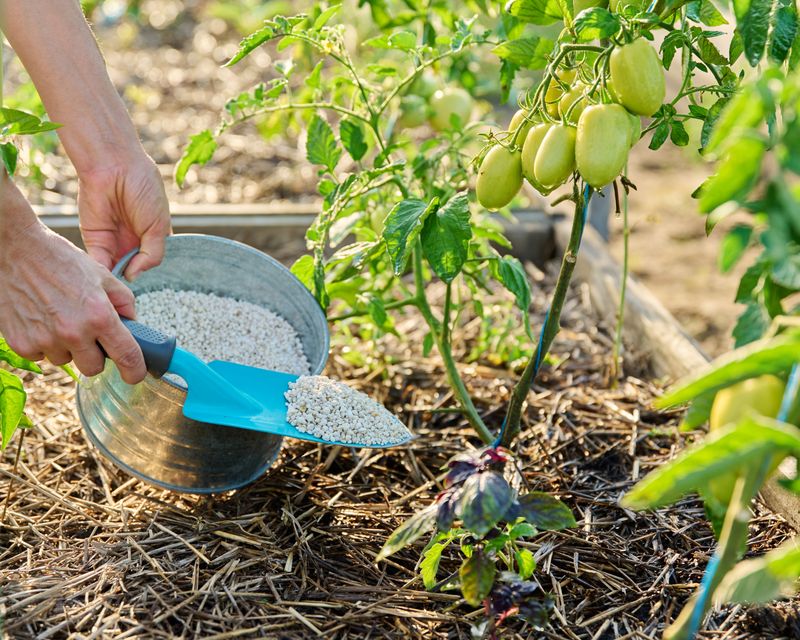
One big feeding is not what keeps tomatoes coming. Steady, predictable meals are what convince a plant to keep setting new blossoms week after week.
Many growers move to a weekly feeding routine during the late-summer stretch, using a lighter dose each time. Consistency matters more than dumping a huge amount at once.
Pick a day, mark it on your calendar, and stick with it. Plants reward routine, and you will notice more flower clusters forming when the food shows up on schedule.
4. Side-dress with compost or organic matter
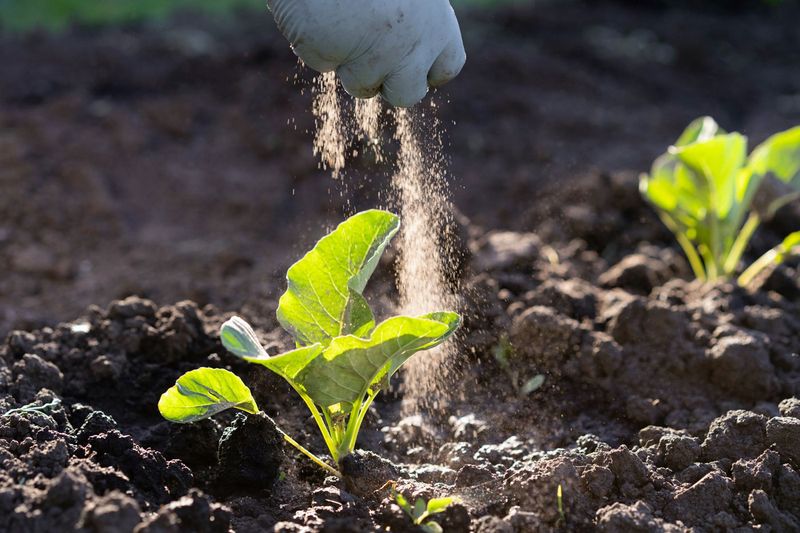
Your soil has been feeding those plants all season, and by now the pantry is running low. Adding a fresh layer of compost or well-rotted manure around the base is like restocking the shelves.
Side-dressing gives a gentle, slow-release feed that works alongside your liquid fertilizer without overwhelming the plant. Scratch it lightly into the top inch of soil and water it in.
Bonus: it also improves the soil’s ability to hold moisture, which helps with the watering troubles that hit hard this time of year.
5. Water deeply and consistently
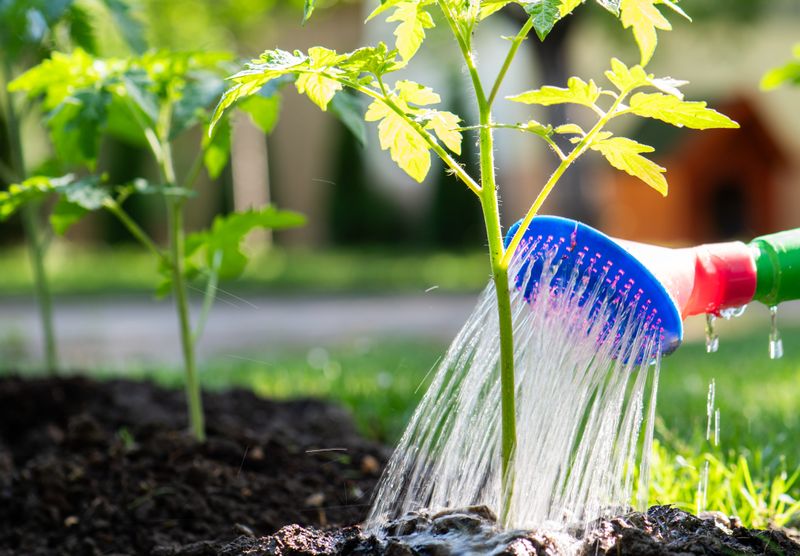
Tomatoes are thirsty, especially through July, August, and September when the heat is cranked up. They want roughly 1 to 2 inches of water each week to stay happy.
Instead of a light daily sprinkle, water thoroughly once or twice a week so moisture soaks 12 to 18 inches down. Deep watering pushes roots to grow deeper, which makes the whole plant tougher.
A well-watered plant can support more fruit without stress. Shallow, frequent splashes just keep the roots near the surface where they dry out fast.
6. Water early in the morning
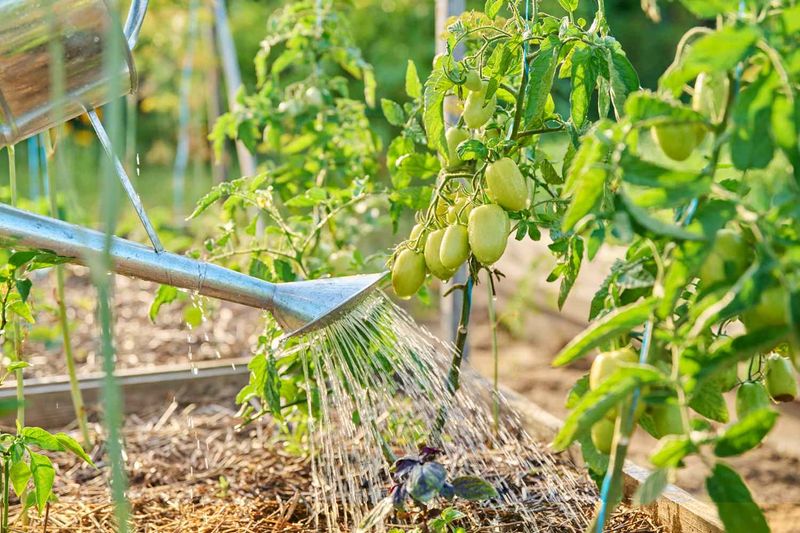
Timing your watering is a small habit that saves a lot of heartache. Morning is the sweet spot because it gives the plant a full drink before the heat of the day.
Watering early also lets any splashed foliage dry out well before nightfall. Wet leaves sitting overnight are an open invitation for fungal diseases that can wreck a late-season harvest.
Set an alarm or make it part of your coffee routine. A few minutes in the cool morning air does more good than an evening soak.
7. Use drip irrigation or water at the base
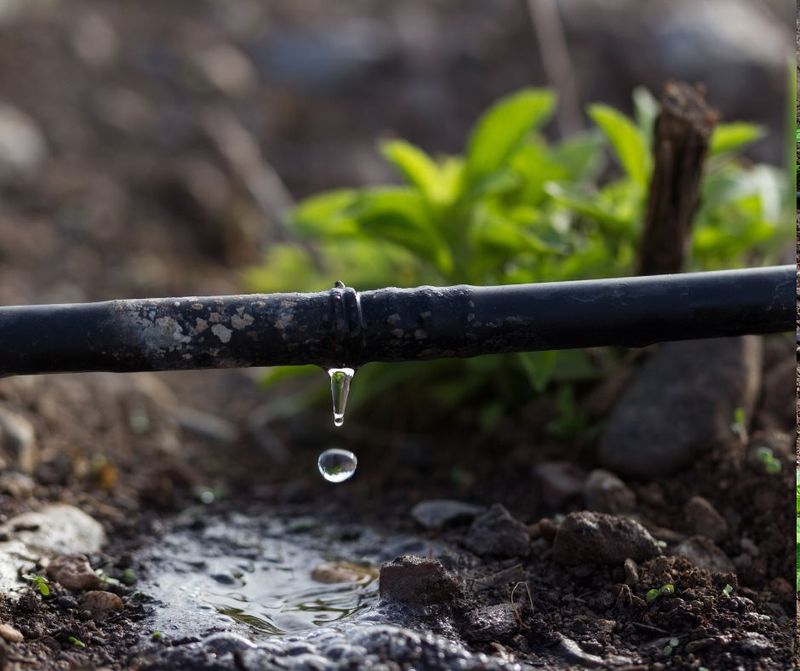
Overhead watering feels convenient, but it soaks the leaves and leaves them vulnerable. The smarter move is to send water straight to the soil around the roots.
A simple drip line or soaker hose does this automatically, keeping foliage dry and cutting way down on disease risk. If you are watering by hand, aim the can or hose right at the base of the plant.
Your tomatoes drink through their roots, not their leaves. Keep the top of the plant dry and you dodge a whole category of problems.
8. Prune damaged or diseased lower leaves
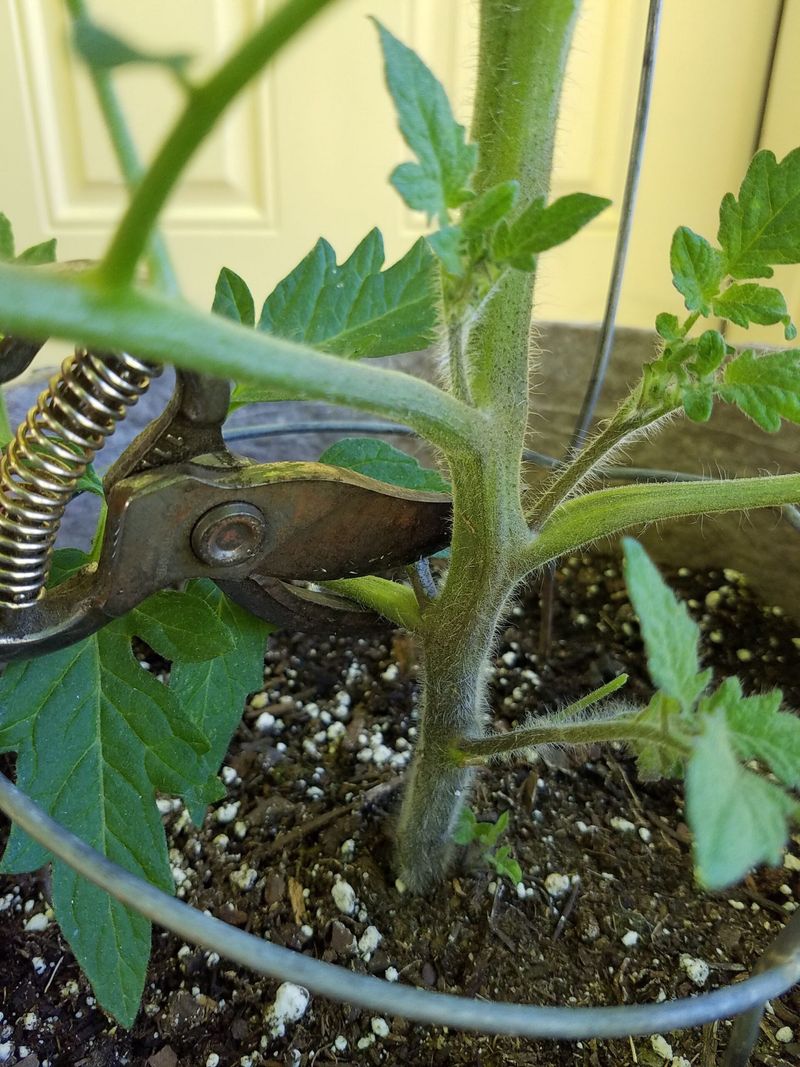
Take a slow walk around your plants and really look at the bottom leaves. Any that are yellow, browning, or covered in spots are doing more harm than good.
Snipping those tired lower leaves opens up air movement around the base and removes hiding spots for disease. It also stops splashing soil from carrying spores onto healthy foliage.
Do not be shy about it. A cleaner, more open plant is a healthier plant, and it can focus its energy on the fruit instead of struggling leaves.
9. Remove suckers from indeterminate varieties
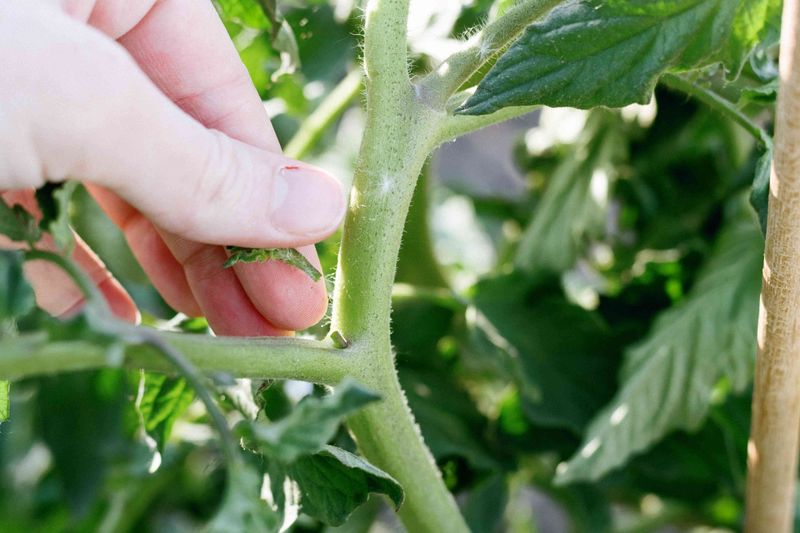
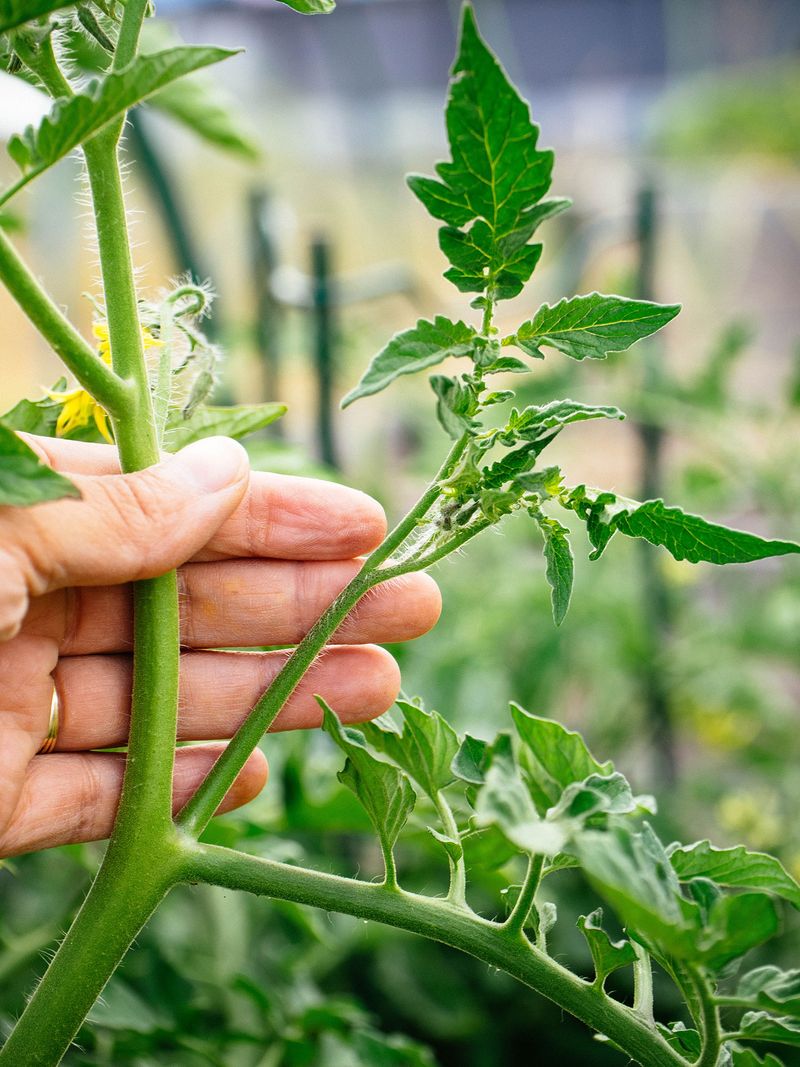
Those little shoots sprouting in the V where a branch meets the main stem are called suckers. On indeterminate types, they turn into whole new stems that eat up energy.
Pinching them off while they are small redirects that energy toward fruit you already have coming. The plant stops trying to become a jungle and starts finishing what it started.
Just use your fingers to snap them out when they are an inch or two long. It takes seconds and makes a real difference in how much ripens.
10. Open up the plant canopy for better light and air
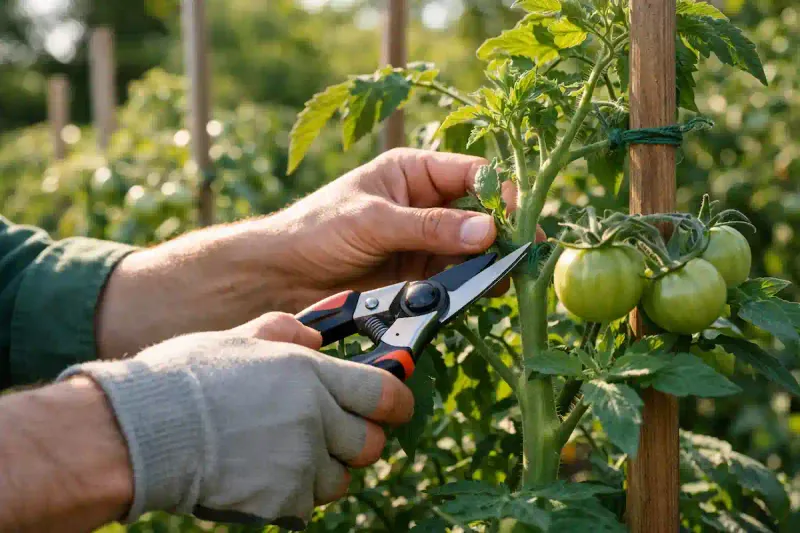
A thick wall of leaves might look lush, but it can shade the very fruit you want to ripen. Sunlight and airflow are what push those green tomatoes toward red.
Selectively thin some of the inner and lower leaves so light can reach the fruit clusters. Better air circulation also keeps the plant drier and less disease-prone.
You are not stripping the plant bare, just giving it some breathing room. A little grooming often speeds ripening more than any fertilizer can.
11. Harvest fruit at the blushing or breaker stage
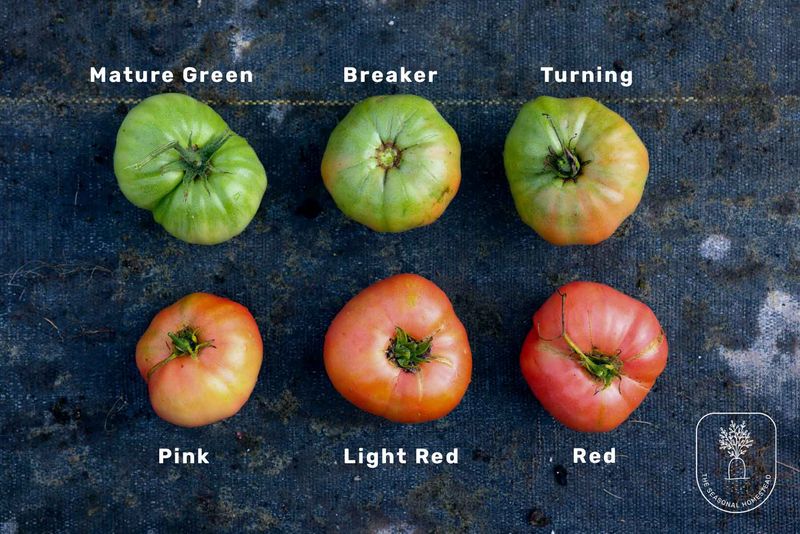
Here is a trick that surprises a lot of gardeners: you do not have to wait for fully red fruit. Pick tomatoes the moment they start showing color, at what growers call the breaker stage.
Pulling fruit early tells the plant it still has seeds to make, so it keeps flowering and setting more. The picked tomatoes finish ripening on your counter with no loss of flavor.
It feels a little backwards, but harvesting sooner actually keeps the whole operation running. You end up with more tomatoes overall.
12. Provide robust support
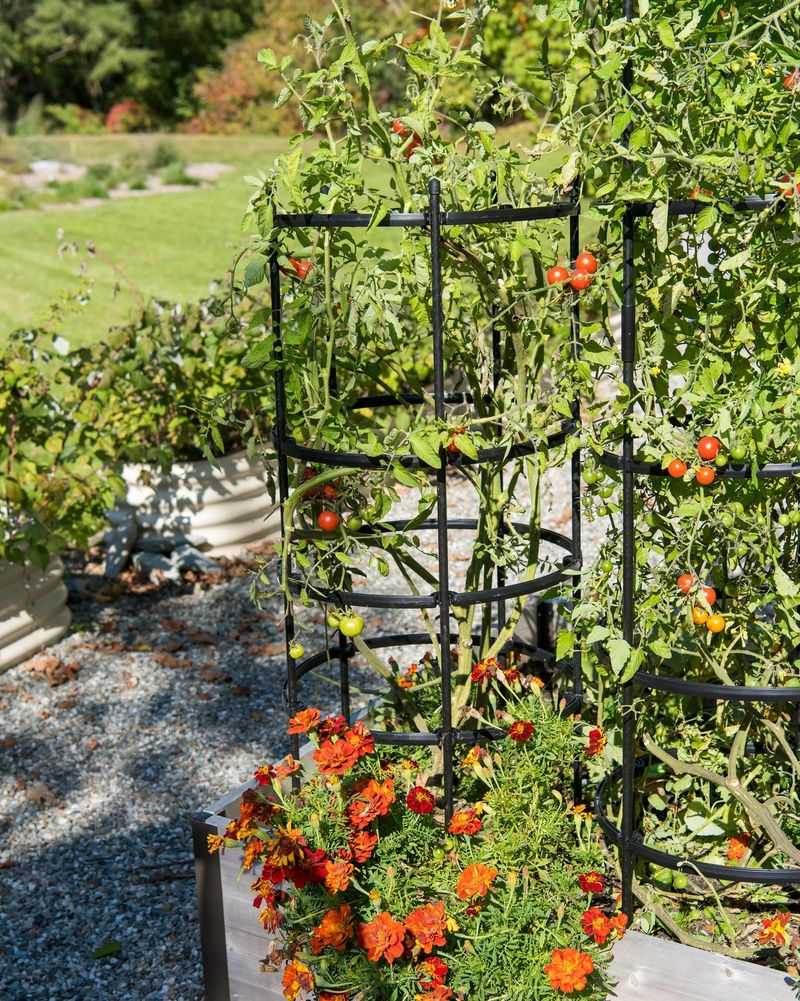
By late summer, a productive plant is carrying serious weight. Without good support, branches snap and fruit ends up in the dirt where pests and rot find it.
Sturdy cages, stakes, or a trellis hold everything upright as the load grows. Keeping the plant off the ground also improves airflow and makes fruit easier to spot and pick.
Check your ties and supports now, before a heavy cluster brings a branch down. A five-minute fix beats losing a whole stem of tomatoes.
13. Provide shade during extreme heat
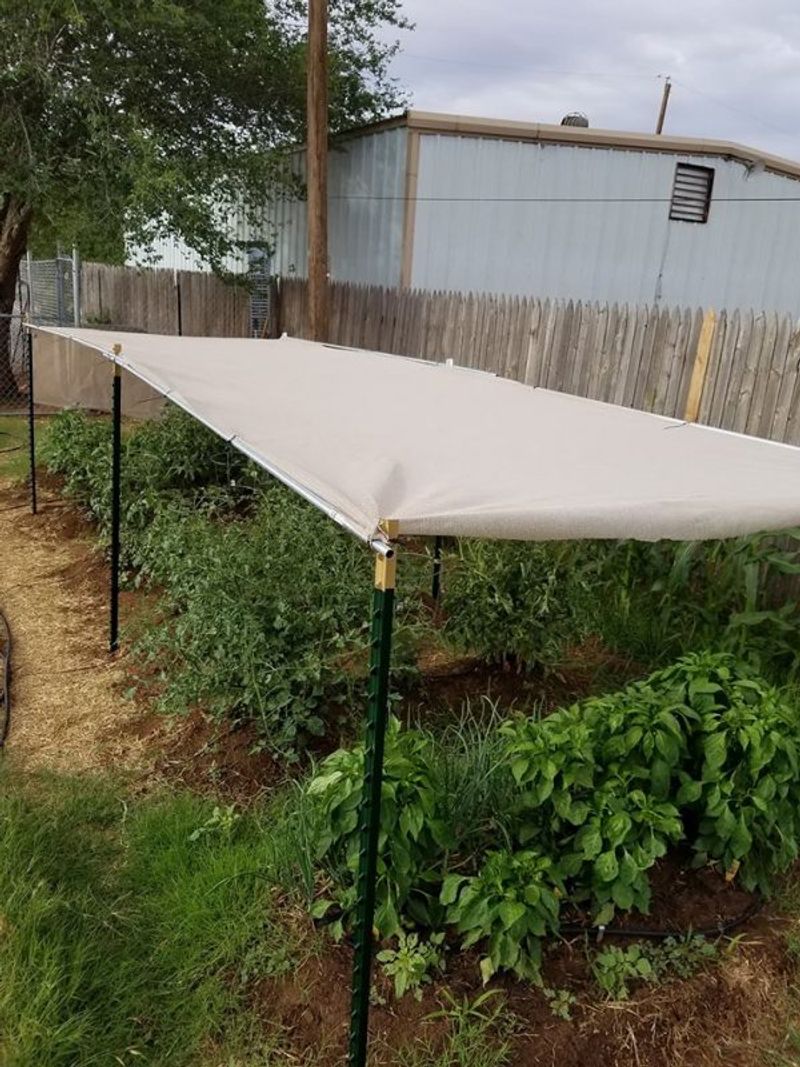
When the thermometer keeps climbing past 85 to 90 degrees, tomatoes get cranky. The pollen can turn unviable, so flowers drop without setting fruit, and ripening can grind to a halt.
Draping a 30 to 40 percent shade cloth over the plants during the hottest part of the day takes the edge off. It lets the plant keep working through a heat wave instead of shutting down.
You can remove it once temperatures ease back into a friendlier range. A little shade at the right moment may save a whole round of blossoms.
14. Remove new blossoms and small fruits when frost nears
A few weeks before your first expected frost, do something that feels a little harsh: pinch off the new flowers and tiny fruits. They will never have time to mature anyway.
By cutting those latecomers, you free up the plant’s remaining energy to finish the larger tomatoes that actually can ripen. It is a strategic move for the end of the season.
Focus the plant on winners, not on hopeless stragglers. You will get more usable fruit before cold weather ends the run.
15. Protect plants from early, light frosts

An early cold snap does not always mean the season is over. Often it is just one chilly night with plenty of warm days still to come.
Covering plants overnight with row covers or light sheets when a light frost is predicted can carry them through. Uncover them in the morning once the temperature rises.
Those few extra weeks of protected growing can add up to another basket or two of tomatoes. It is well worth keeping some old sheets handy by the back door.