
If Your Christmas Cactus Won’t Set Buds This Fall, Here Are 13 Fixes That Trigger A Full Bloom
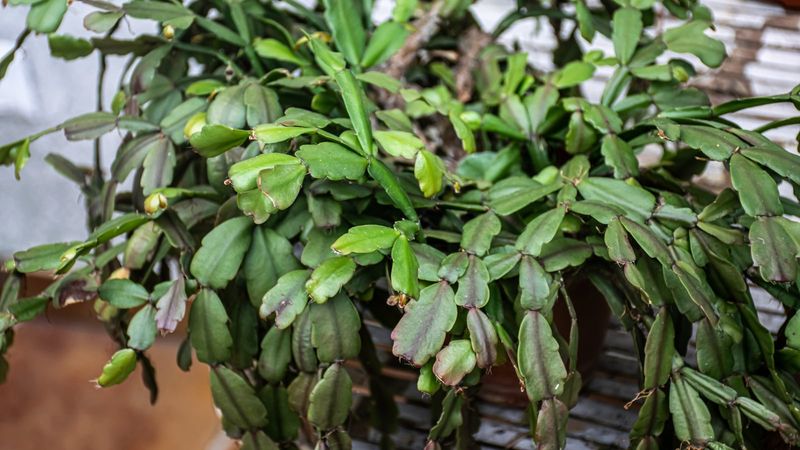
You watered your Christmas cactus all year, but fall arrived and not a single bud showed up. Do not panic, because this plant is picky about a few simple things, and once you fix them, the flowers usually follow.
The good news is that most of these problems come down to light, temperature, and water, all of which you can control at home. Let’s walk through 13 easy fixes that can wake your cactus up and get it blooming again.
1. Implement a Strict Dark Period
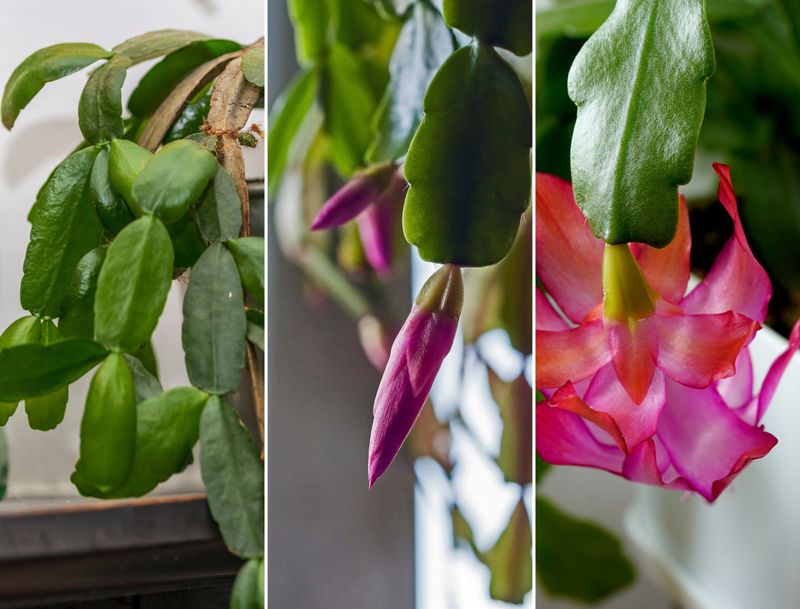
Here is the single biggest secret most people miss: your Christmas cactus is a short-day plant, which means it takes its cue to bloom from long nights. It needs 12 to 15 hours of complete, uninterrupted darkness every night to start forming buds.
Start this routine in mid-September to early October for a holiday show. A simple trick is to tuck the plant into a closet or cover it with a box every evening, then bring it back out in the morning.
Stick with it for about six to eight weeks and you will usually spot tiny bud tips appearing. Consistency matters more than perfection, so try not to skip nights.
2. Control Nighttime Temperatures
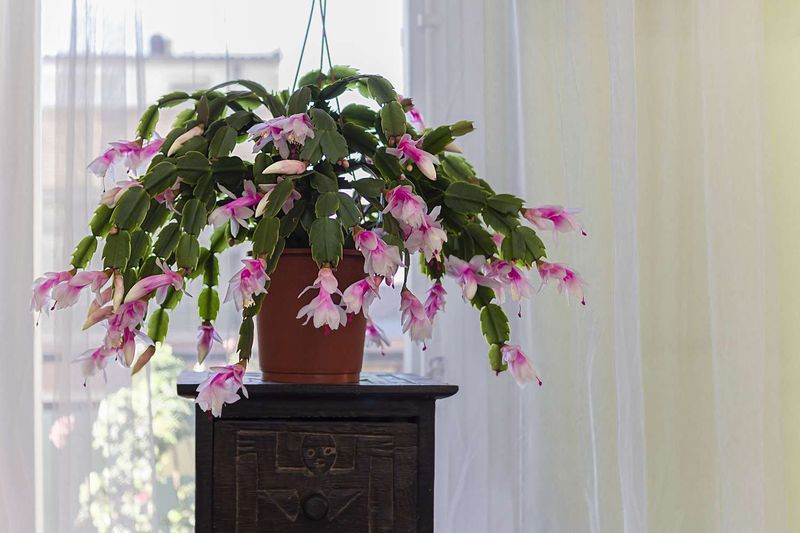
Temperature is the quiet partner to darkness when it comes to setting buds. Aim for cool night temperatures between 50 and 65 degrees Fahrenheit during the bud-setting stage.
When nights climb above 70 degrees, the plant often refuses to form flowers no matter how careful you are with light. A slightly chilly guest room or a spot near a cool window can do the job nicely.
Pair cool nights with the dark period and you give your cactus a double signal that autumn has arrived. That combination is what nudges it toward blooming.
3. Eliminate All Artificial Light Exposure at Night
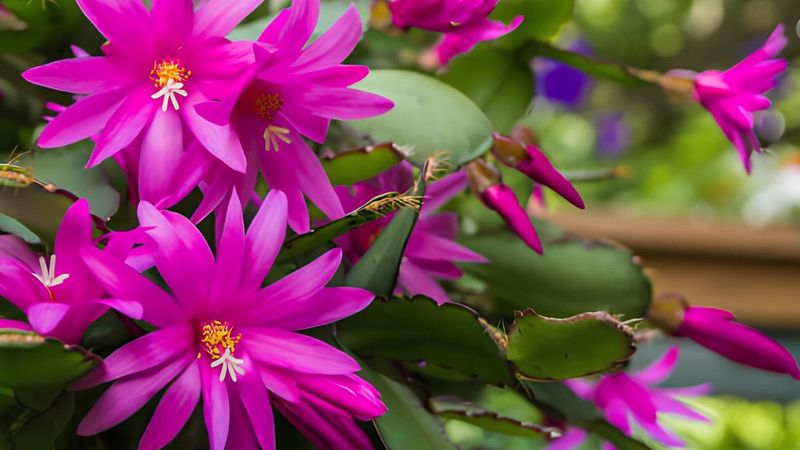
Ever notice how a tiny bit of light can ruin a good night’s sleep? Your Christmas cactus feels the same way, and even faint light can undo your careful dark schedule.
A household lamp, a glowing TV standby light, a phone charger, or a streetlight peeking through the blinds can all interrupt the darkness the plant depends on. Even short bursts of light can reset its internal clock.
Choose a truly dark room, or cover the plant completely with an opaque box or bag each night. Total blackout is the goal here, so double-check for sneaky light leaks.
4. Reduce Watering Frequency in the Fall
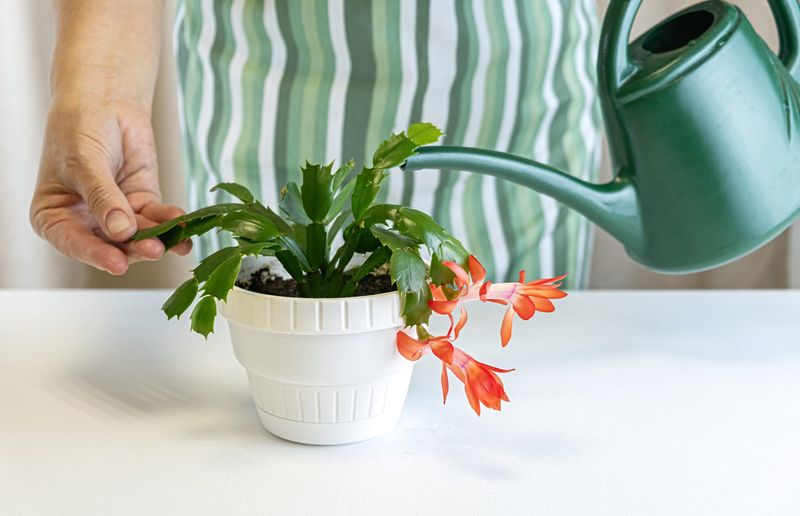
A little tough love goes a long way in fall. Letting the top half of the soil dry out between waterings creates a mild stress that actually encourages the plant to set buds.
During the growing season you kept it evenly moist, but autumn calls for a gentler hand. Poke your finger into the soil, and if it feels dry a couple inches down, then it is time for a drink.
Think of it as mimicking the drier season the plant would face in the wild. That small dip in moisture can be the push it needs to flower.
5. Avoid Overwatering
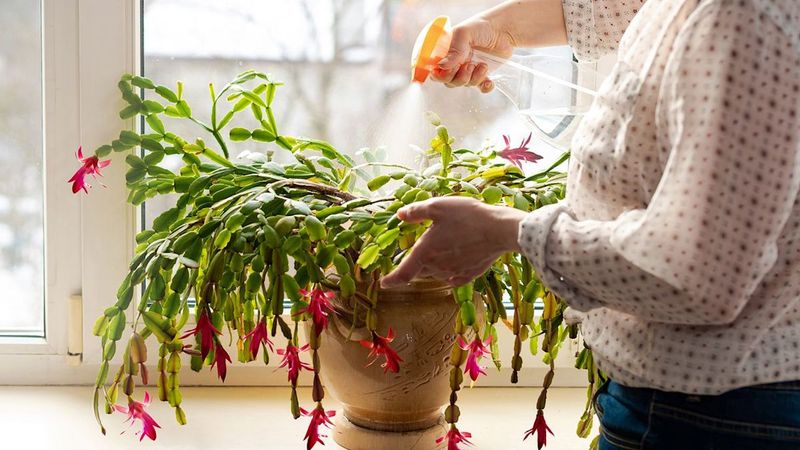
Drowning your plant with kindness is a real thing, and Christmas cacti are especially sensitive to it. Constantly soggy soil is a leading cause of bud drop, stem rot, and root decay.
If the roots sit in water, they cannot breathe, and a stressed root system will never support a healthy bloom. Empty any saucer that collects runoff so the pot is not sitting in a puddle.
When in doubt, wait a day and check the soil again before watering. A slightly thirsty cactus is far happier than a waterlogged one.
6. Provide Bright, Indirect Light During the Day
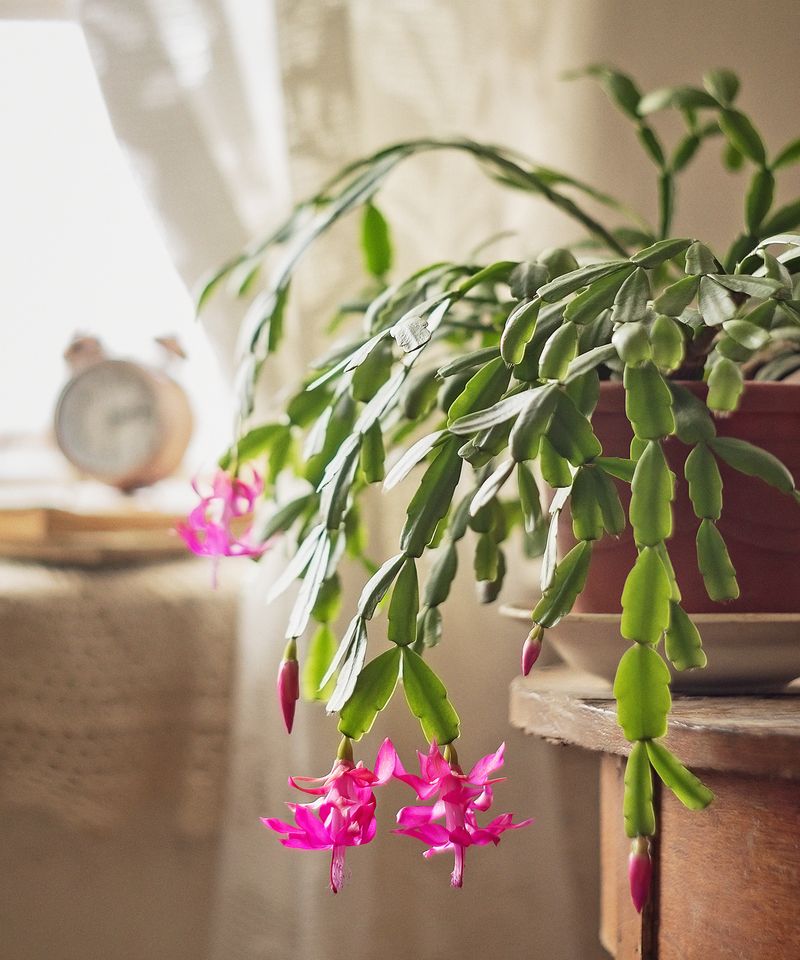
Darkness at night is only half the story, because daylight still fuels the whole process. Your cactus wants plenty of bright, indirect light throughout the day to build the energy it needs to bloom.
An east-facing window is often ideal, giving gentle morning sun without the harsh midday blast. Too much direct summer sun can scorch the flat segments and turn them reddish.
Picture the dappled light of a forest floor, since that is closer to this plant’s natural home. Balance is everything: bright days, dark nights.
7. Avoid Moving the Plant Once Buds Begin to Form
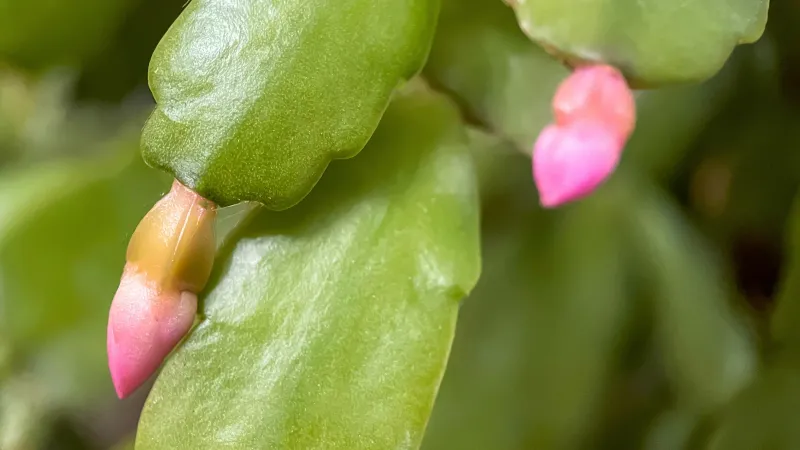
Congratulations, you spotted buds! Now comes the hardest part for a lot of gardeners: leaving the plant alone.
Christmas cacti hate sudden changes, and moving them after buds appear can cause those precious buds to fall right off. Even rotating the pot toward a different light angle can shock them.
Pick a good spot before buds set, then resist the urge to relocate it for a better view. A little patience now protects the whole show later.
8. Cease Fertilization from Late Summer Through Fall
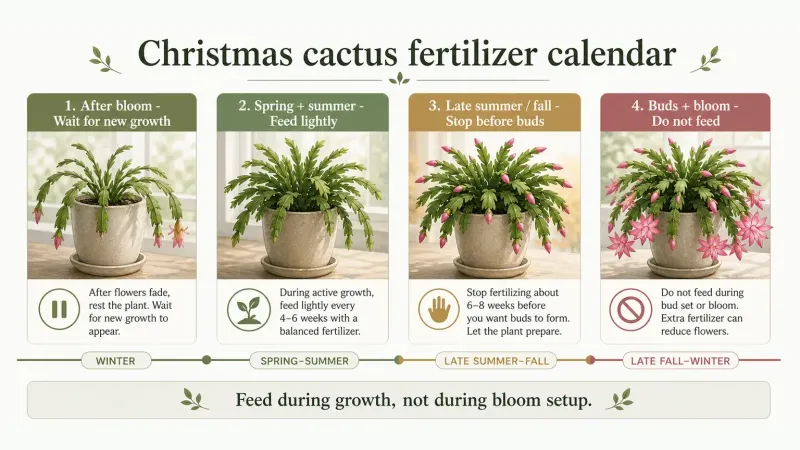
Feeding your plant feels helpful, but timing changes everything. As the cactus heads into its bud-setting and resting period, it is time to put the fertilizer away.
Feed it monthly with a balanced liquid houseplant fertilizer from spring through early fall, then stop as the days shorten. Continuing to feed can push leafy growth instead of flowers.
Let the plant shift its energy from growing to blooming. Once flowering is done, you can resume feeding when new growth returns in spring.
9. Increase Humidity Around the Plant
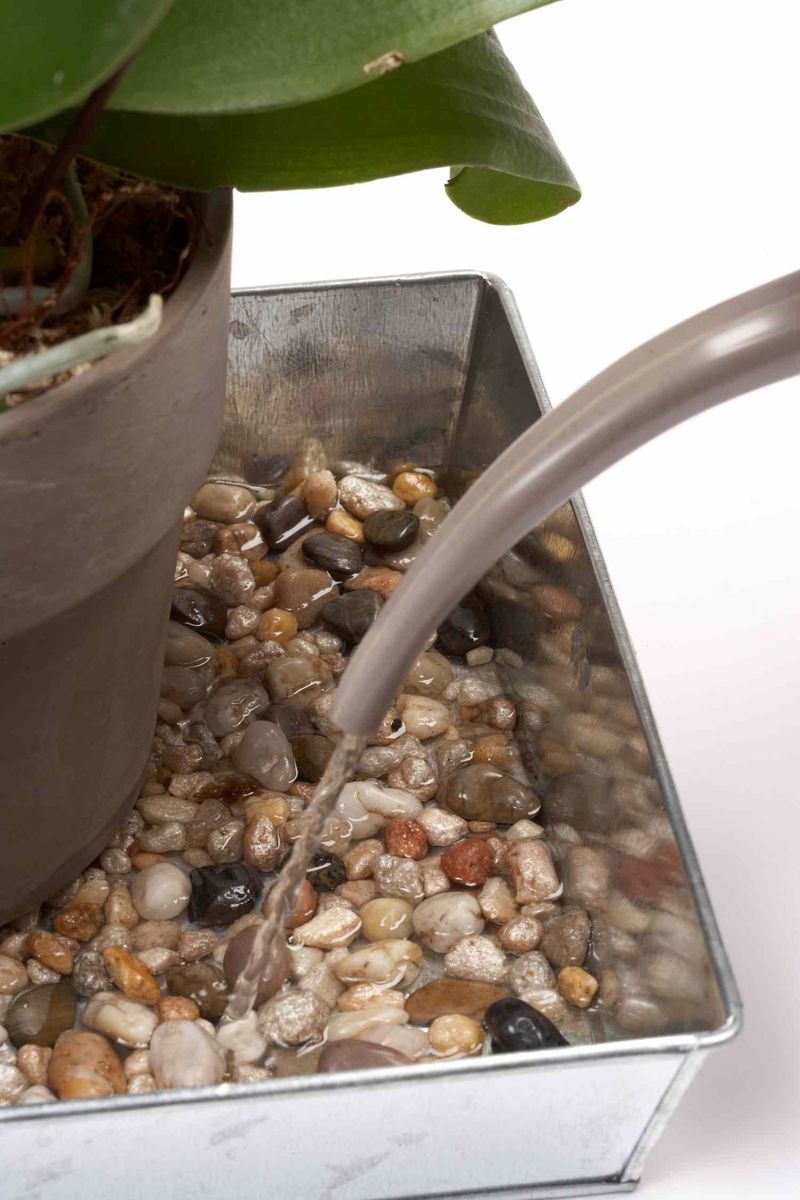
Dry indoor air, especially once the heat kicks on, can sabotage your progress. Low humidity often leads to bud drop right when you thought you were in the clear.
Boost the moisture around your plant with a simple pebble tray filled with water, or group it near other houseplants. You can also run a small humidifier nearby during bud formation.
The extra moisture in the air helps developing buds hang on instead of shriveling. It is a small tweak that can save an entire flush of flowers.
10. Protect from Cold Drafts and Temperature Fluctuations
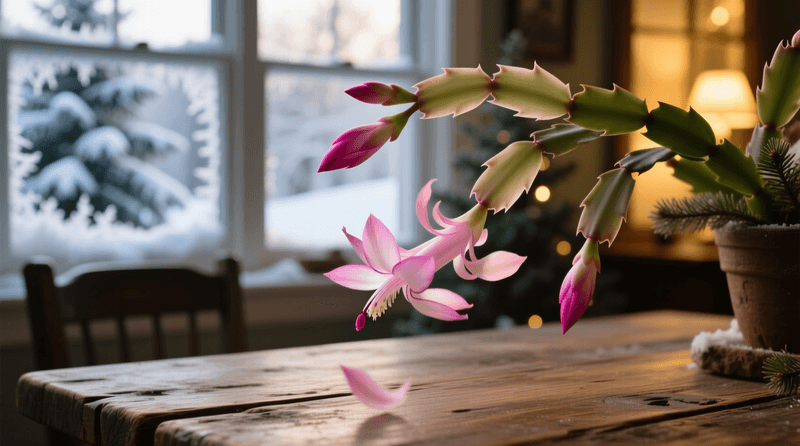
Cool nights are great, but sudden swings are not. A blast of cold air from an open door or a hot gust from a heating vent can shock the plant and knock off buds.
Keep your cactus away from open windows, exterior doorways, and any vents that cycle on and off. Stable, gentle conditions are what it craves during this delicate stage.
Consistency beats extremes every time with this plant. Find a calm, steady corner and let it settle in.
11. Use Well-Draining Potting Mix
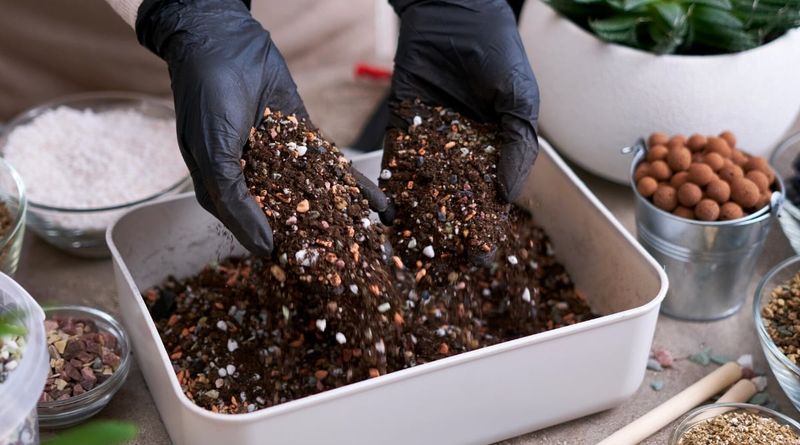
What is in the pot matters just as much as how you water. Regular potting soil holds too much moisture for this plant, which sets the stage for rot and unhappy roots.
Switch to a mix made for cacti or succulents, or lighten standard soil with perlite or coarse sand. The goal is a blend that drains fast and lets air reach the roots.
Healthy roots in the right soil give the plant a solid foundation to build buds. Get this right and many watering worries fade on their own.
12. Ensure Proper Drainage Holes in the Pot
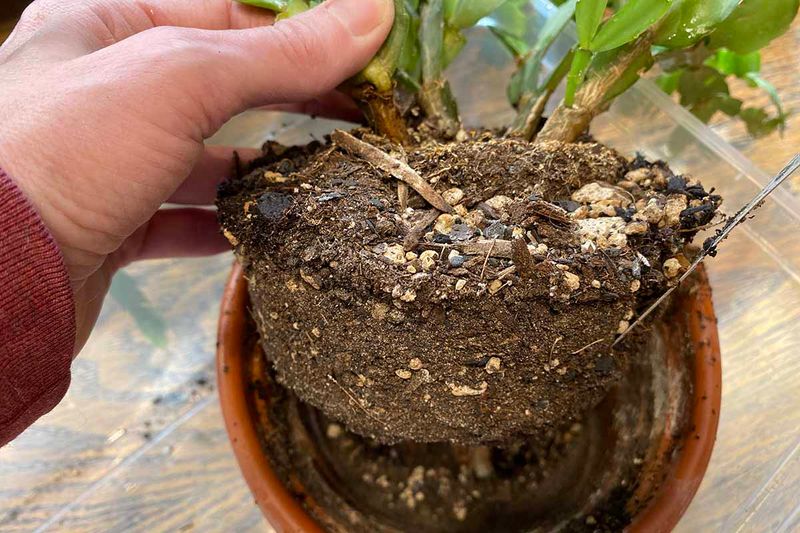
A gorgeous pot with no escape route for water is a hidden trap. Without drainage holes, extra water pools at the bottom and slowly rots the roots.
Make sure whatever container you use has openings that let excess water flow out freely. If you love a decorative cover pot, keep the plant in a plain nursery pot inside it and empty the runoff.
Good drainage works hand in hand with the right soil to keep roots healthy. It is one of the simplest fixes on this list and easy to overlook.
13. Prune After Blooming for Future Health
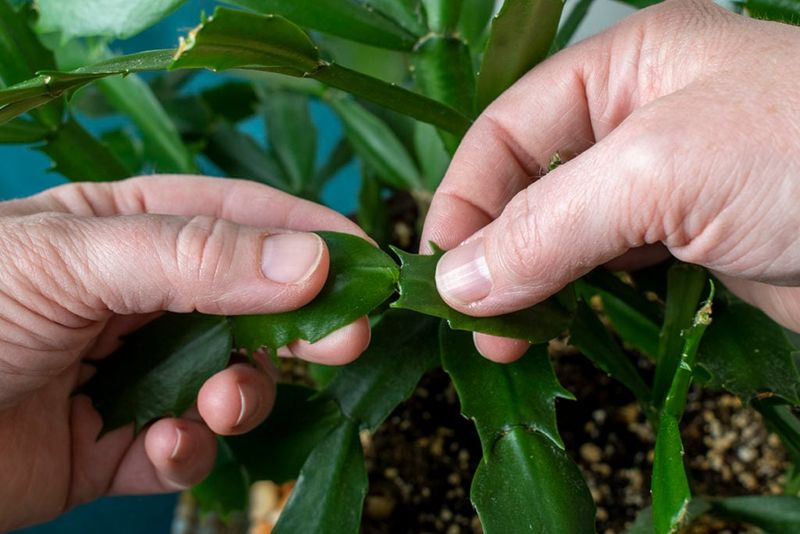
Here is a fix that pays you back next year. Pruning your Christmas cactus in late spring or early summer encourages bushier, fuller growth.
Each spot where you pinch off a segment can become a new branching point, and more branch tips mean more places for future buds to form. Simply twist off a segment or two at the joint between pads.
You will not trigger this fall’s blooms with a spring trim, but you set up a more generous show down the road. Think of it as an investment in many holidays to come.