
If You Want A Garden That Fills In Fast, Here Are 17 Perennials That Triple In Size In One Season
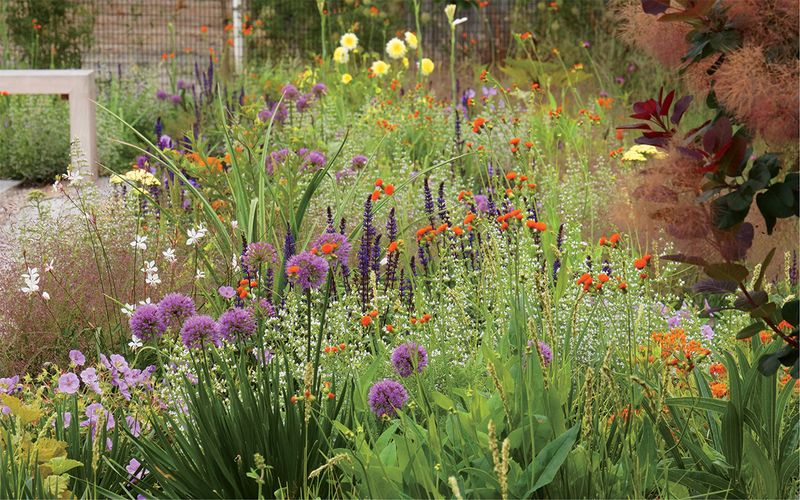
Waiting years for a garden to look full can test anyone’s patience, especially when you see bare soil staring back at you. The good news is that some perennials grow so fast they can triple in size in just one season, giving you a lush, filled-in look without the long wait.
Below you’ll find 17 hardworking plants that spread, clump, and bloom their way across your beds in record time. Each one earns its spot by covering ground quickly and coming back stronger every year.
1. Agastache (Hummingbird Mint)
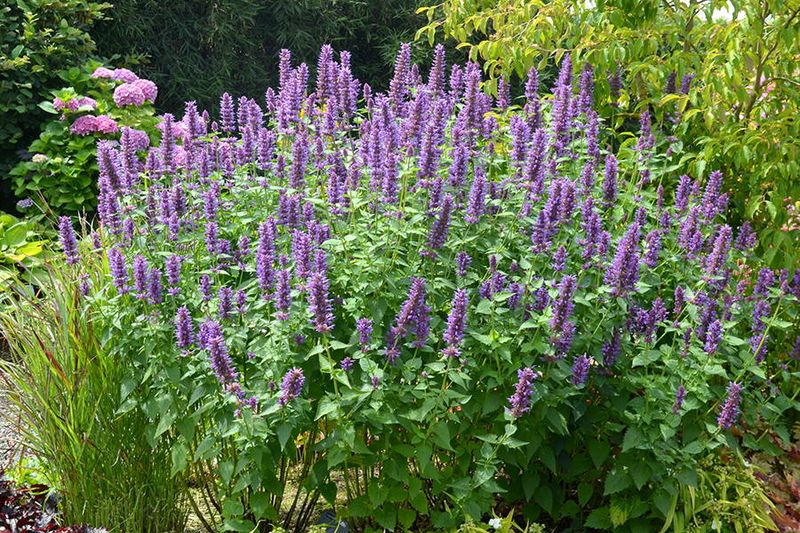
Few perennials pack on size as fast as Agastache, which can reach full maturity in just three to four months when started from seed. That speed means you get tall, aromatic spikes of color the very same year you plant it.
Hummingbirds and bees swarm the nectar-rich blooms, so your fast-filling border doubles as a pollinator buffet. The minty foliage also shrugs off heat and drought, making it a reliable filler for hot, sunny spots.
Give it well-drained soil and plenty of sunshine, and it will bulk up quickly into a fragrant, upright clump. If it ever looks leggy mid-summer, a light trim keeps it bushy and blooming.
2. Daylily
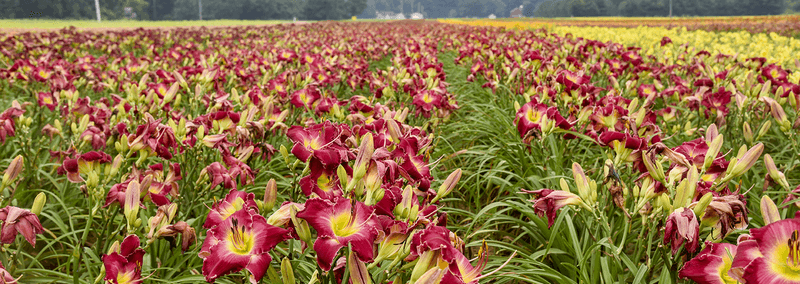
Nearly indestructible is the best way to describe the daylily, a plant that seems to double its footprint while you’re not looking. Those tidy fans of foliage swell into lush clumps that spill over the edges of a border in a single season.
Blooms come in almost every color except true blue, and each clump throws out wave after wave of trumpet-shaped flowers. Even neglected daylilies keep multiplying, which is why you often see them thriving along old roadsides.
Dig and divide a mature clump every few years and you’ll have free plants to spread the fullness around your yard.
3. Black-eyed Susan (Rudbeckia)
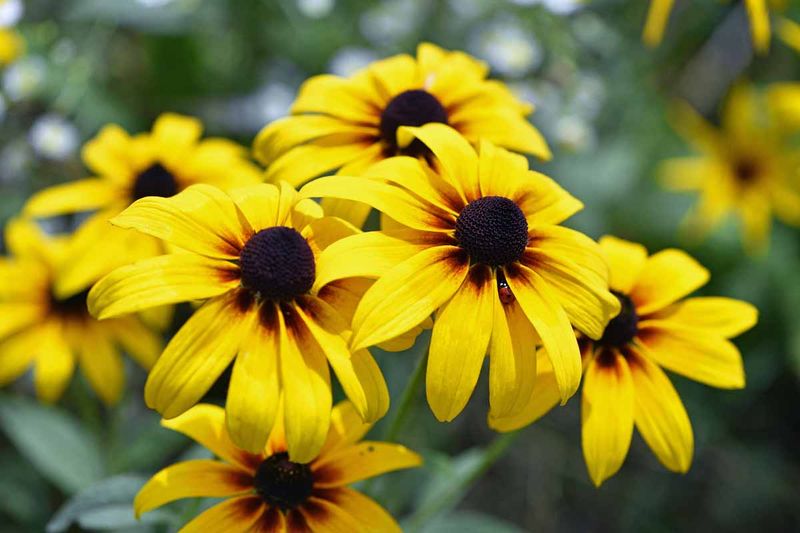
Cheerful golden petals with chocolate-brown centers make black-eyed Susan an instant crowd favorite, and it works hard to fill space too. It returns faithfully each year, self-seeds generously, and multiplies to close gaps entirely on its own.
Plant a few and you’ll soon have a sweeping drift of sunny blooms that lasts from mid-summer well into fall. Butterflies love the flat, open flowers, and finches feast on the seed heads later.
Because it seeds so freely, keep an eye on where volunteers pop up if you want a tidier look.
4. Catmint (Nepeta)
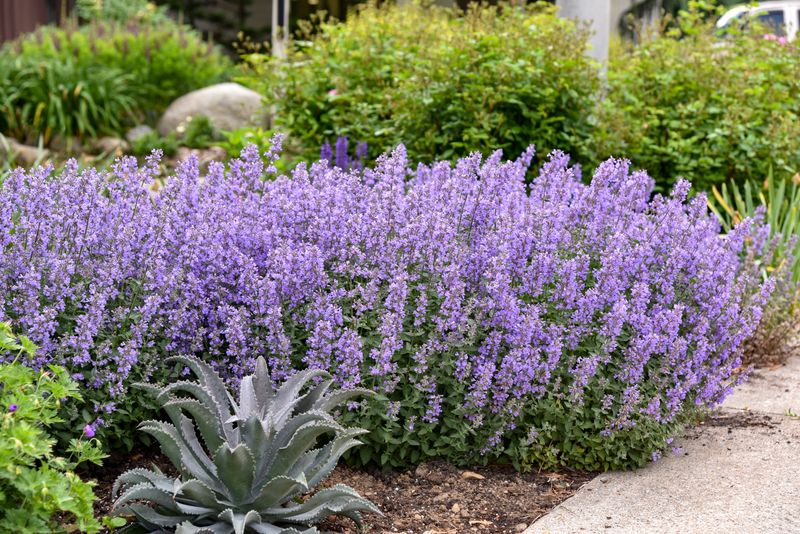
Soft clouds of purple-blue haze are the signature of catmint, and this hardy perennial fills space with almost no effort. It bounces back fast after a light trim, quickly growing into billowy mounds that soften the edges of any bed.
Drought tolerance is another selling point, so it holds its own during dry summer stretches when fussier plants sulk. Bees adore the long-lasting flowers, and the aromatic foliage tends to keep deer and rabbits at a polite distance.
Shear it back by about a third after the first flush and it will rebloom and refill within weeks.
5. Hosta
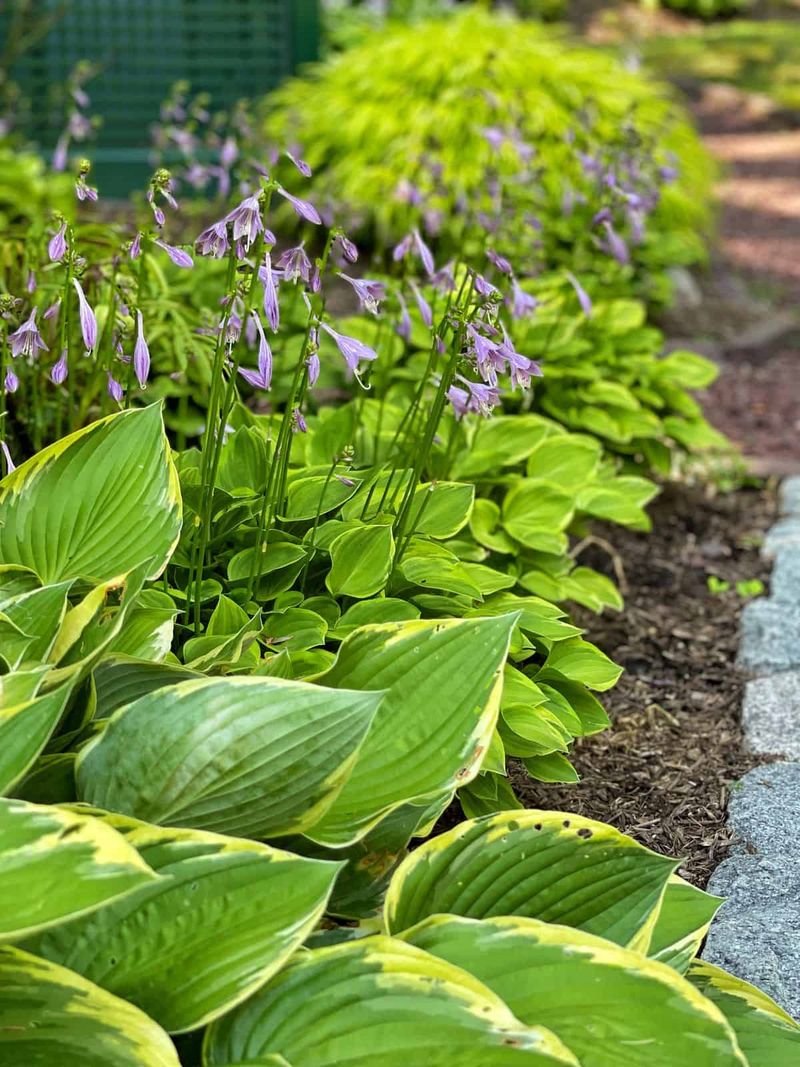
Shade gardeners, this one’s for you. Hostas can thrive for decades in low light, and they expand rapidly into bold, leafy clusters that smother bare soil in a season or two.
Leaf colors range from deep blue-green to bright chartreuse to creamy variegation, so you can build texture and contrast even where flowers struggle. A single crown swells into a wide mound surprisingly fast when the soil stays evenly moist.
Slugs are the main headache, so tuck a little grit or bait around new shoots if you spot chewed holes.
6. Salvia
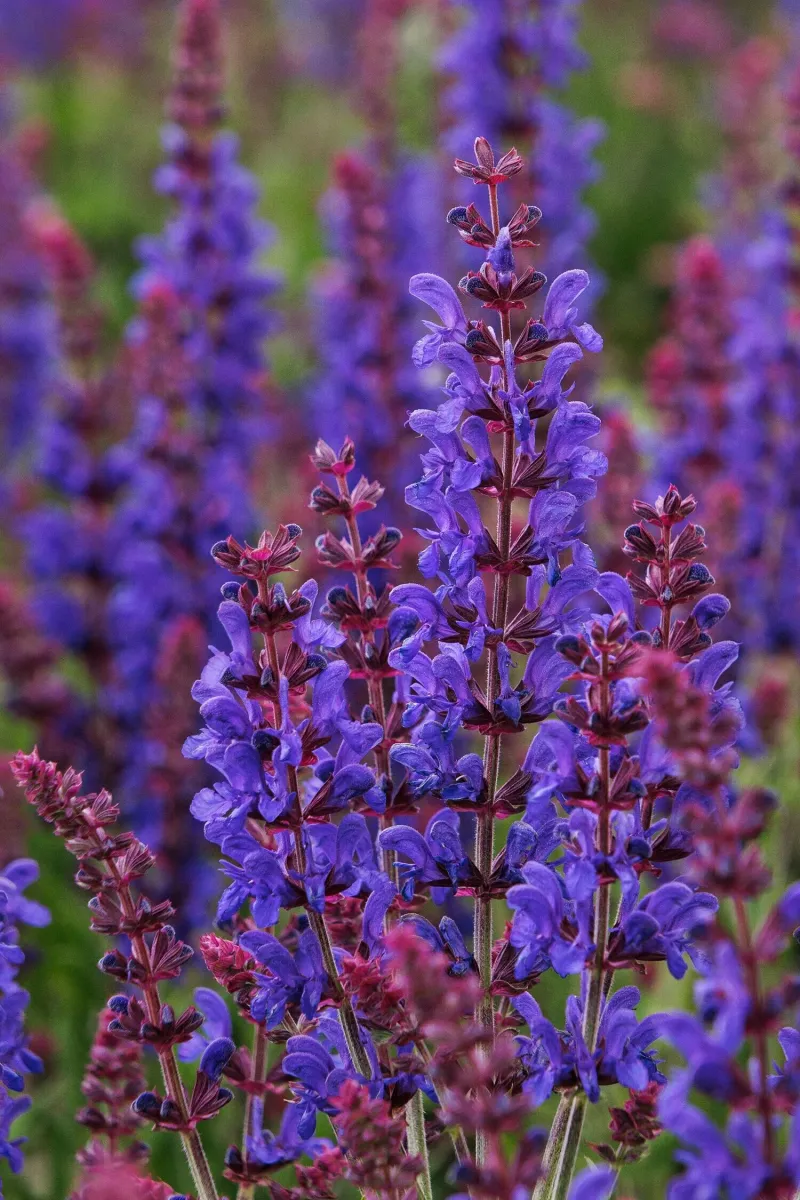
Spiky wands of purple, blue, and red make salvia a magnet for pollinators, and it has a habit of blooming bigger with each passing year. That vigorous, ever-expanding growth is exactly what you want in a fast-filling bed.
Nectar-rich flowers draw in hummingbirds and bees from morning to dusk, keeping your garden lively. Most salvias are tough as nails, tolerating heat, poor soil, and dry spells without complaint.
Snip off spent spikes and you’ll trigger a fresh round of blooms, keeping the plant full and colorful straight through summer.
7. Veronica (Speedwell)
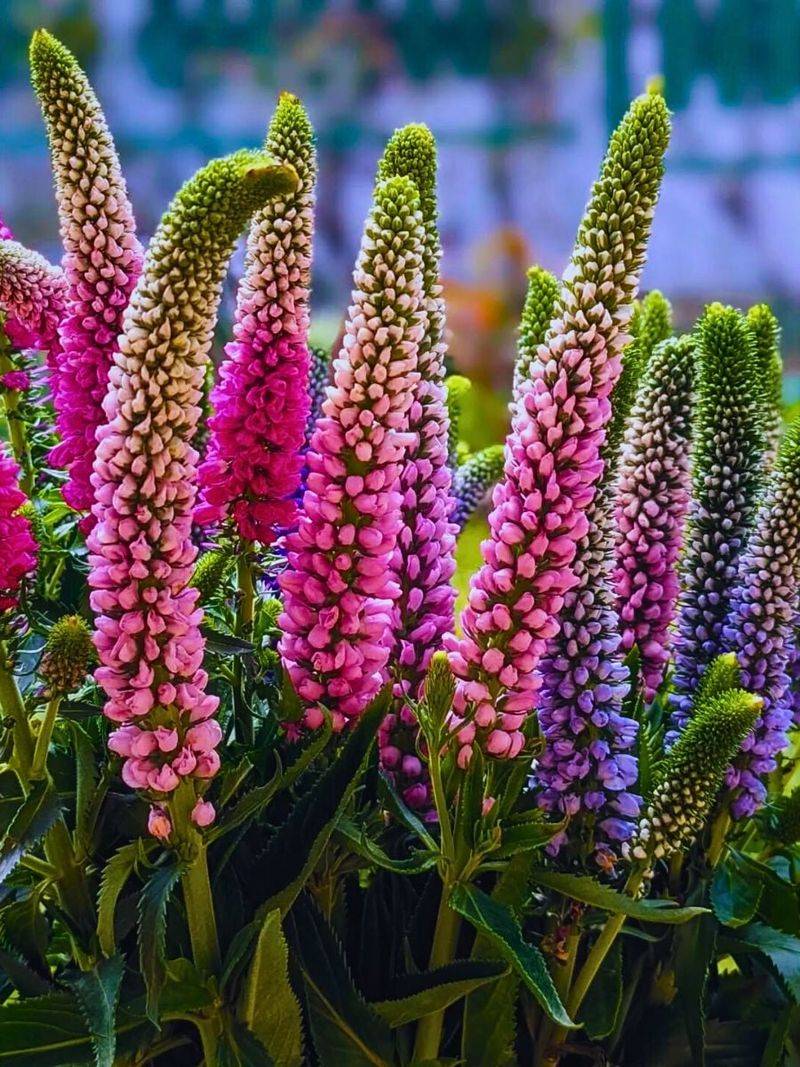
Elegant vertical spikes give Veronica a role most fast growers can’t play: it adds height and structure while filling in. The colorful flower towers rise above the foliage and rebloom happily with regular deadheading.
Colors span blue, pink, purple, and white, so there’s a shade for nearly any palette. As the clumps widen, they bring welcome fullness to the middle or back of a border.
Trim off faded spikes and speedwell rewards you with a steady stream of new ones, stretching the show for weeks.
8. Coreopsis
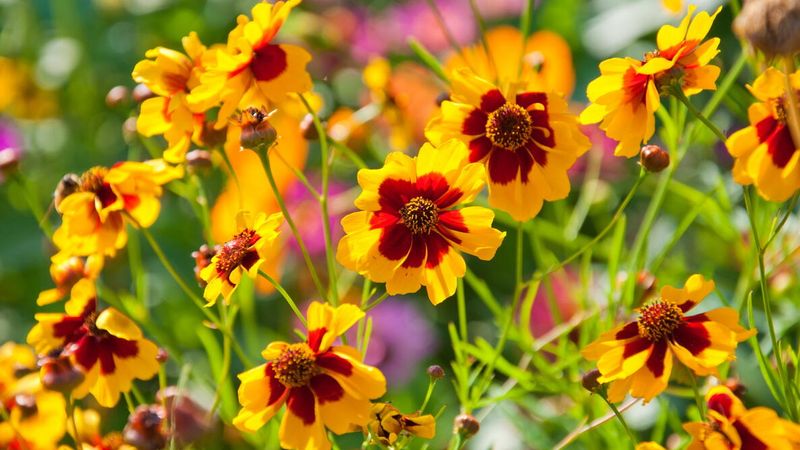
If bare patches nag at you, Coreopsis is your quick fix. This fast-growing perennial spreads effortlessly and blankets planting gaps with cheerful, daisy-like blooms in gold, yellow, and warm pink tones.
The airy, finely cut foliage gives beds a light, feathery texture, while the flowers keep coming all summer long. It’s happiest in full sun and shrugs off heat and lean soil like a champ.
A quick shear after the first big flush encourages a whole new wave of color and keeps the plant compact and full.
9. Creeping Phlox
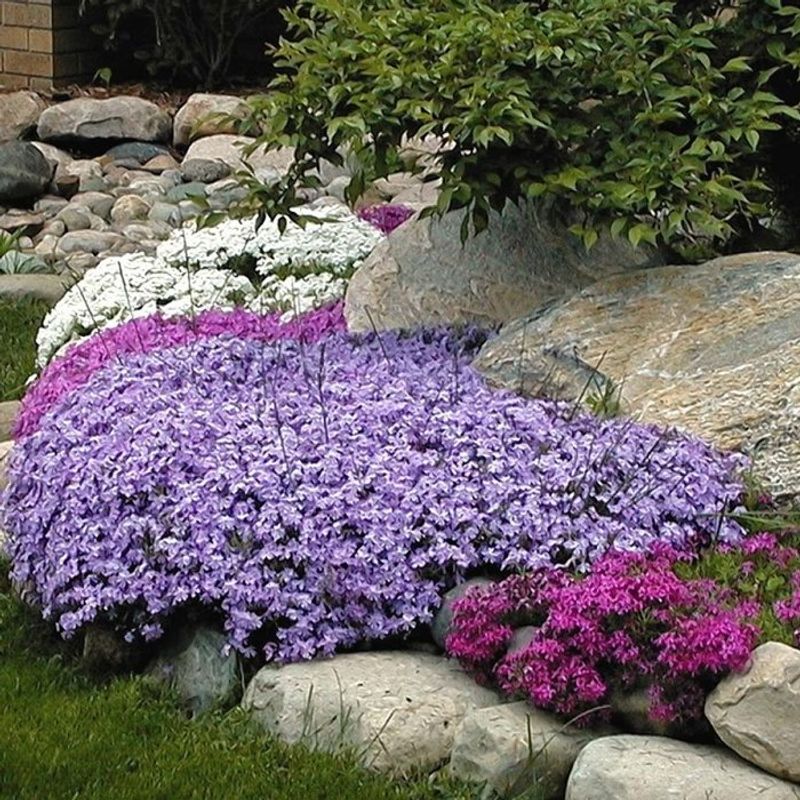
Come spring, creeping phlox erupts into a dazzling carpet of pink, purple, or white that practically glows. It races across bare soil, creating a colorful ground cover some gardeners call a spring flower carpet.
That low, spreading habit makes it perfect for tumbling over walls, edging paths, or blanketing slopes where you want fast coverage. Once the blooms fade, the needle-like evergreen foliage keeps the ground covered year-round.
Give it a light shearing after flowering to keep the mat dense and encourage even wider spread next season.
10. Lamb’s Ear
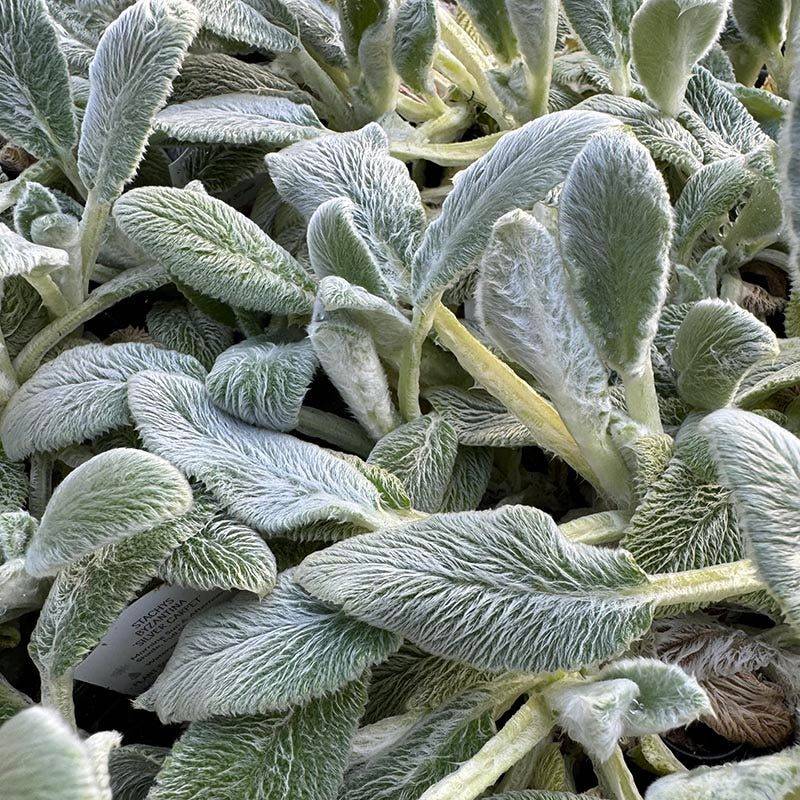
Touch it once and you’ll understand the name, because lamb’s ear feels exactly like soft, fuzzy velvet. Beyond the irresistible texture, its silvery foliage spreads into a dense mat that blocks weeds as it fills.
The pale, felted leaves brighten up darker corners and pair beautifully with bold-colored blooms. Because it grows outward so readily, it makes a fast and forgiving edging plant.
Keep it in well-drained soil, since soggy conditions can cause the fuzzy leaves to rot in humid weather.
11. Ajuga
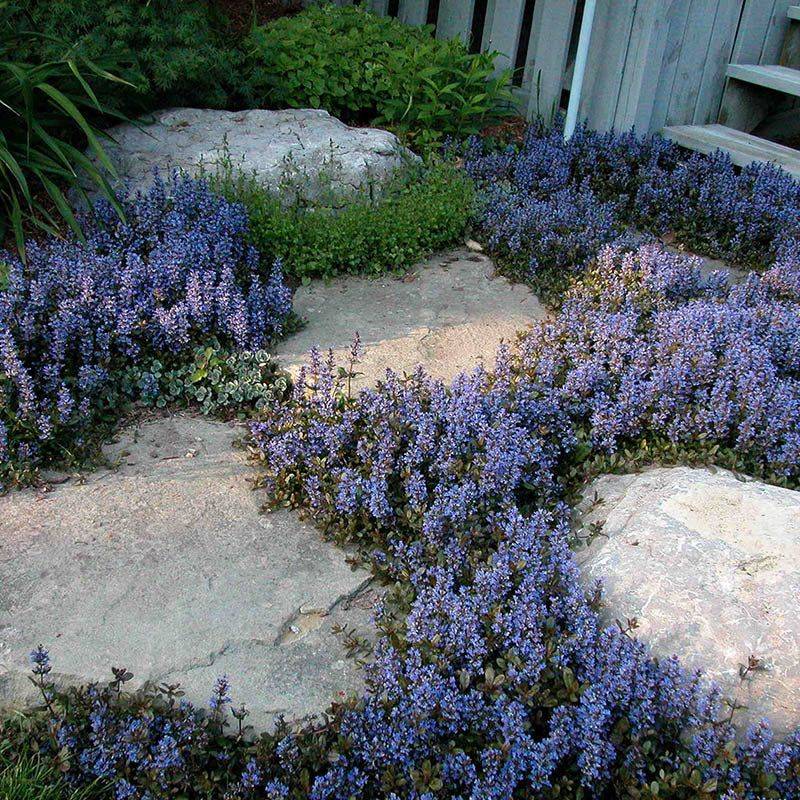
Struggling to grow anything under trees? Ajuga, also called bugleweed, is a shade-loving ground cover built to fill those tricky bare spots fast.
It knits together into a low, leafy carpet dotted with short spikes of blue-purple flowers.
The glossy foliage comes in shades from deep bronze to burgundy, adding color where grass refuses to grow. It spreads by runners, so a few plants soon become a solid living mulch.
Just give it a boundary or edging, since its enthusiasm can send it wandering into lawns.
12. Bee Balm (Monarda)
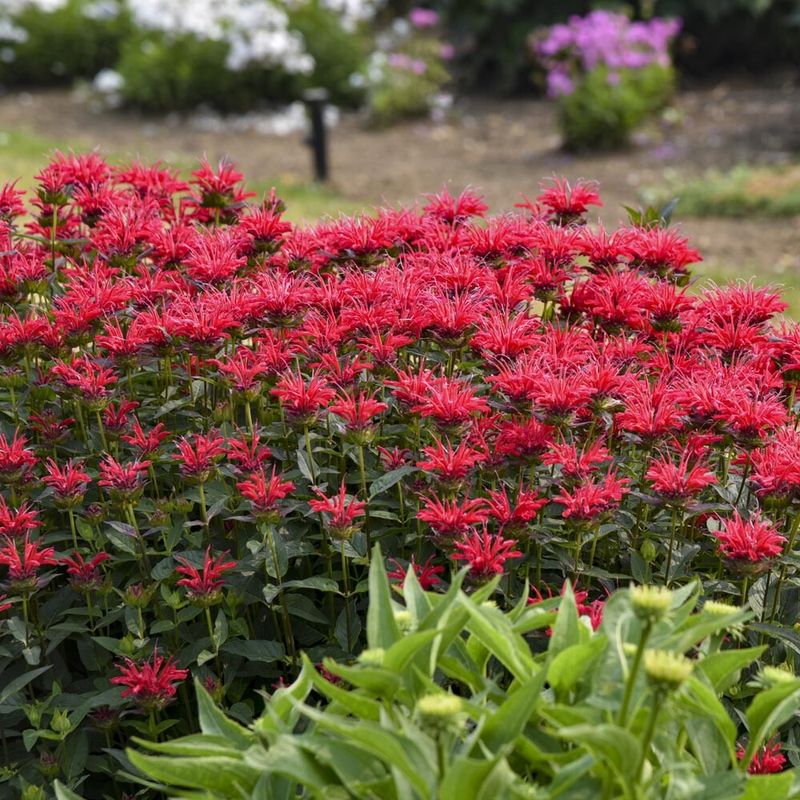
Wild, shaggy blooms in fiery red, pink, and purple make bee balm impossible to ignore, and hummingbirds feel exactly the same way. This hummingbird magnet spreads into bold, colorful clusters that fill a bed quickly.
The minty-scented foliage gives it a fresh fragrance and helps keep browsing critters uninterested. Because it multiplies through underground runners, one plant can become a generous patch in short order.
Good air circulation helps ward off powdery mildew, so thin crowded stems and enjoy the buzzing, flapping show all summer.
13. Creeping Jenny
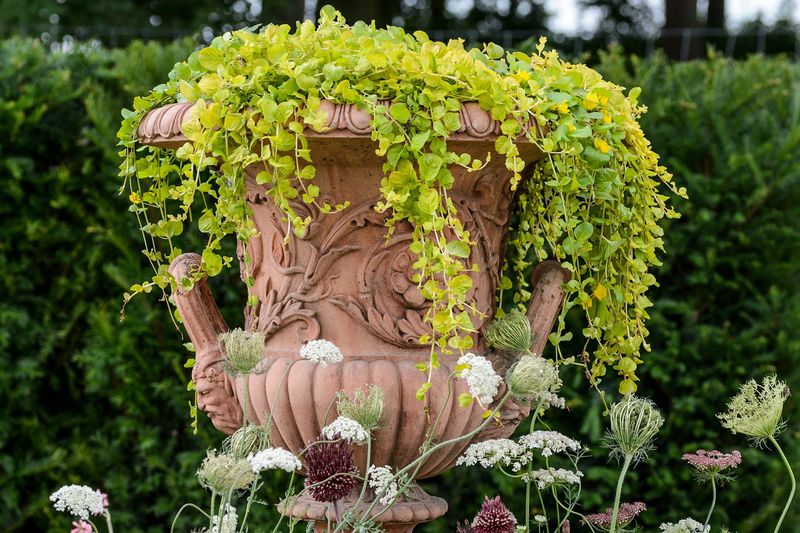
Bright as a splash of sunshine, golden creeping Jenny lights up the shady corners where many plants sulk. Its chartreuse leaves trail along the ground and spread vigorously, quickly brightening dim garden areas.
The low, spilling habit makes it wonderful for softening bed edges, tumbling from containers, or weaving between stepping stones. It roots as it goes, so coverage comes fast once it settles in.
Keep the soil moist and give it room, because its eager spread can outpace its neighbors if left unchecked.
14. Shasta Daisies
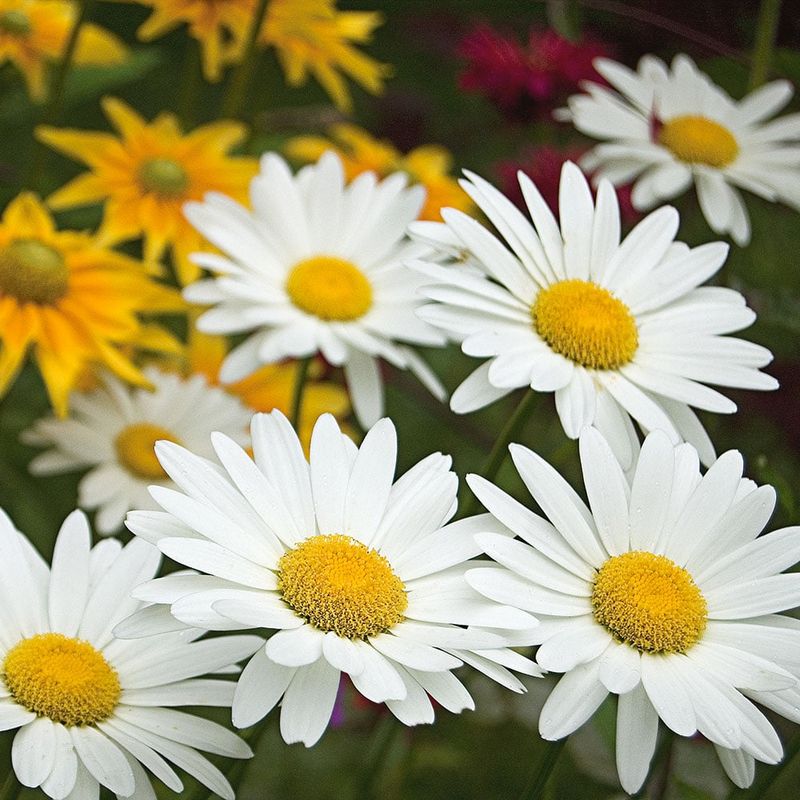
Crisp white petals around a sunny yellow eye give Shasta daisies a timeless, cheerful charm. These classic summer bloomers spread and fill beds steadily, adding a clean, elegant look wherever they go.
The sturdy stems make them fantastic cut flowers, so a fast-filling patch also keeps vases full indoors. They multiply into wider clumps each year, closing gaps with reliable, upright greenery.
Deadhead spent blooms to prolong flowering and divide crowded clumps every few years to keep them vigorous and full.
15. Russian Sage
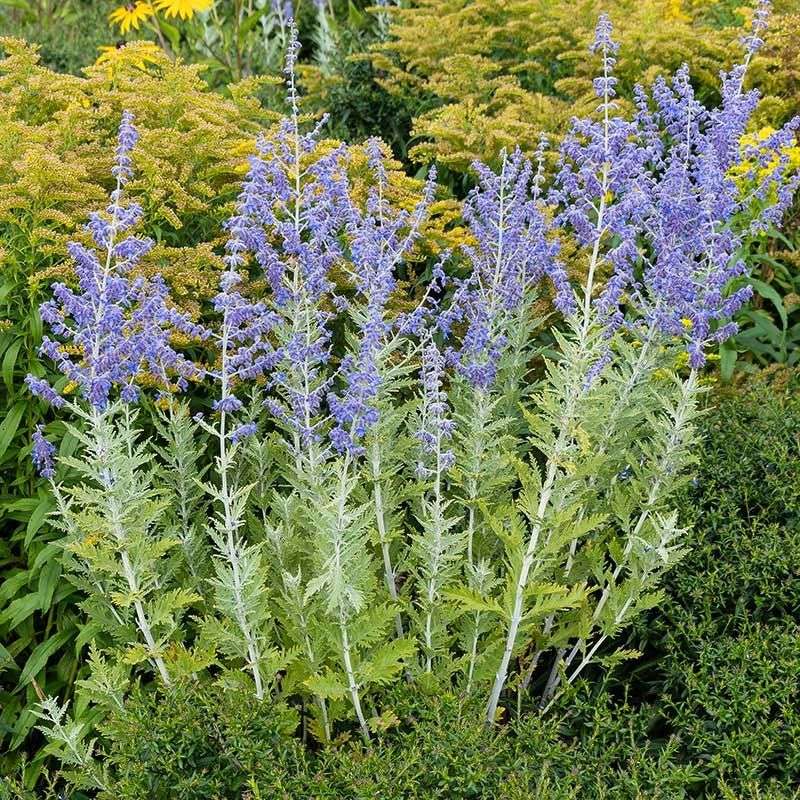
Thriving on neglect is Russian sage’s superpower, and it puts that toughness to work filling space fast. Heat-loving and drought-tolerant, it billows out into a hazy cloud of silvery stems and lavender-blue blooms in a single season.
The airy structure adds soft height and movement without crowding out companions. Poor soil, blazing sun, and dry spells barely faze it, making it ideal for that spot where nothing else survives.
Cut it back hard in early spring and it will rebound bigger and fuller than the year before.
16. Sedum (Hylotelephium)
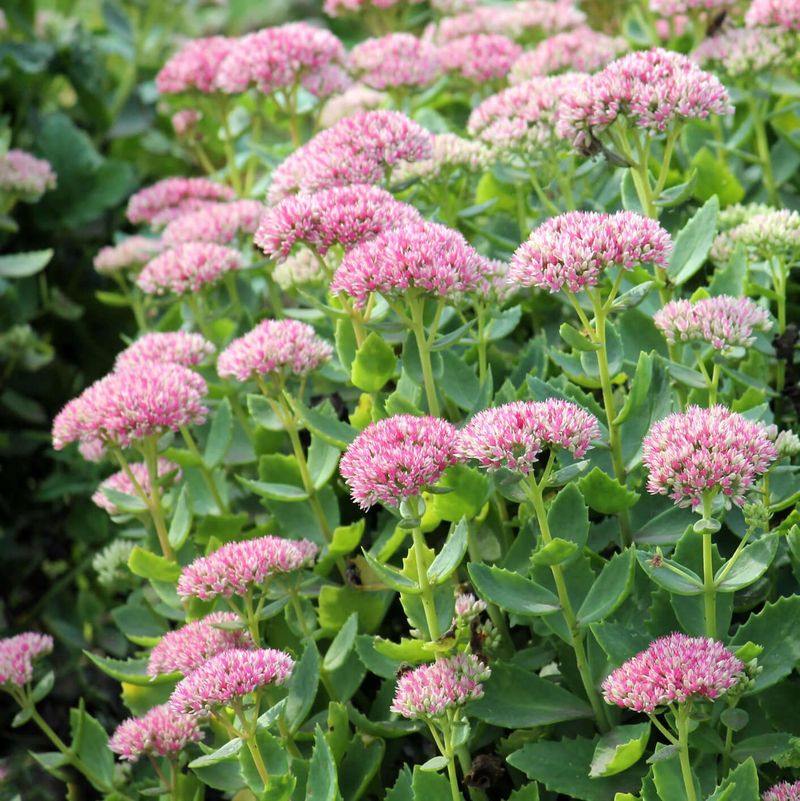
Low-maintenance and dependable, sedum forms substantial clumps that steadily fill out the front or middle of a border. Its thick, succulent leaves store water, so it sails through dry spells that would flatten thirstier plants.
Late-season flower heads shift from pale green to dusty rose to rich copper, giving color when much of the garden is winding down. Bees and butterflies flock to the broad, flat blooms in fall.
Leave the seed heads standing over winter for structure, then trim them back as new growth appears in spring.
17. Purple Coneflower (Echinacea)
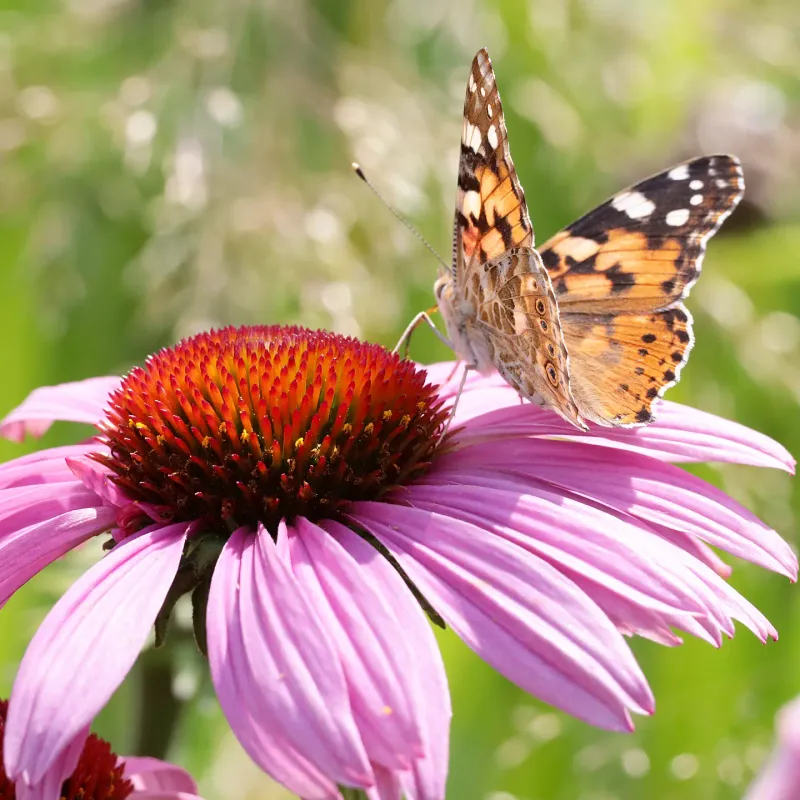
Rounding out the list is the purple coneflower, a prairie native that comes back stronger, fuller, and more colorful every single year. It often self-seeds, letting new plants pop up and fill the garden naturally over time.
The daisy-like blooms with raised, spiky centers draw bees and butterflies all summer, and finches love the seed heads in fall. It handles heat, drought, and lean soil without missing a beat.
Leave a few faded flowers standing to feed the birds and encourage those helpful volunteer seedlings for even faster coverage next year.