
If Your Petunias Quit Blooming By Midsummer, Here’s The One Small Habit That Keeps The Color Coming
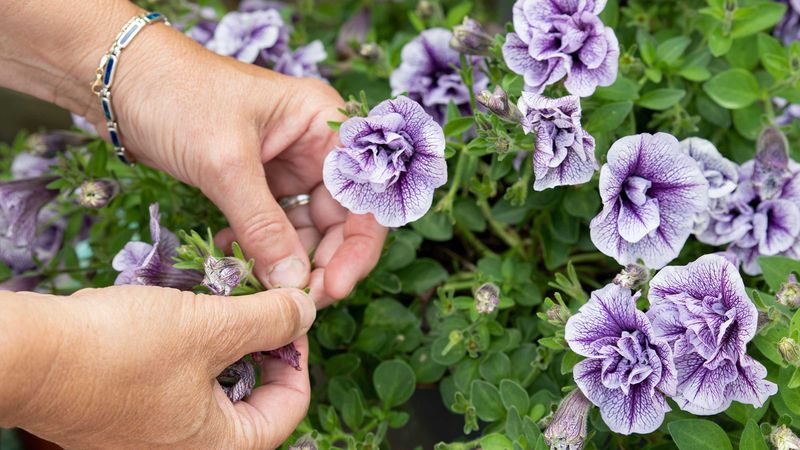
Petunias are supposed to be one of the easiest ways to keep a porch or garden full of color all season long, so it stings when they start looking sparse and tired right around July. The good news is that one simple habit, deadheading, can help many types of petunias keep producing flowers instead of shifting energy toward making seeds.
That said, deadheading is not a cure-all, and a slowdown in blooming can sometimes point to other issues worth knowing about. Understanding when and how to remove spent flowers, and when to look for a different cause, gives you the best shot at color from now until frost.
Deadheading can help some petunias keep flowering
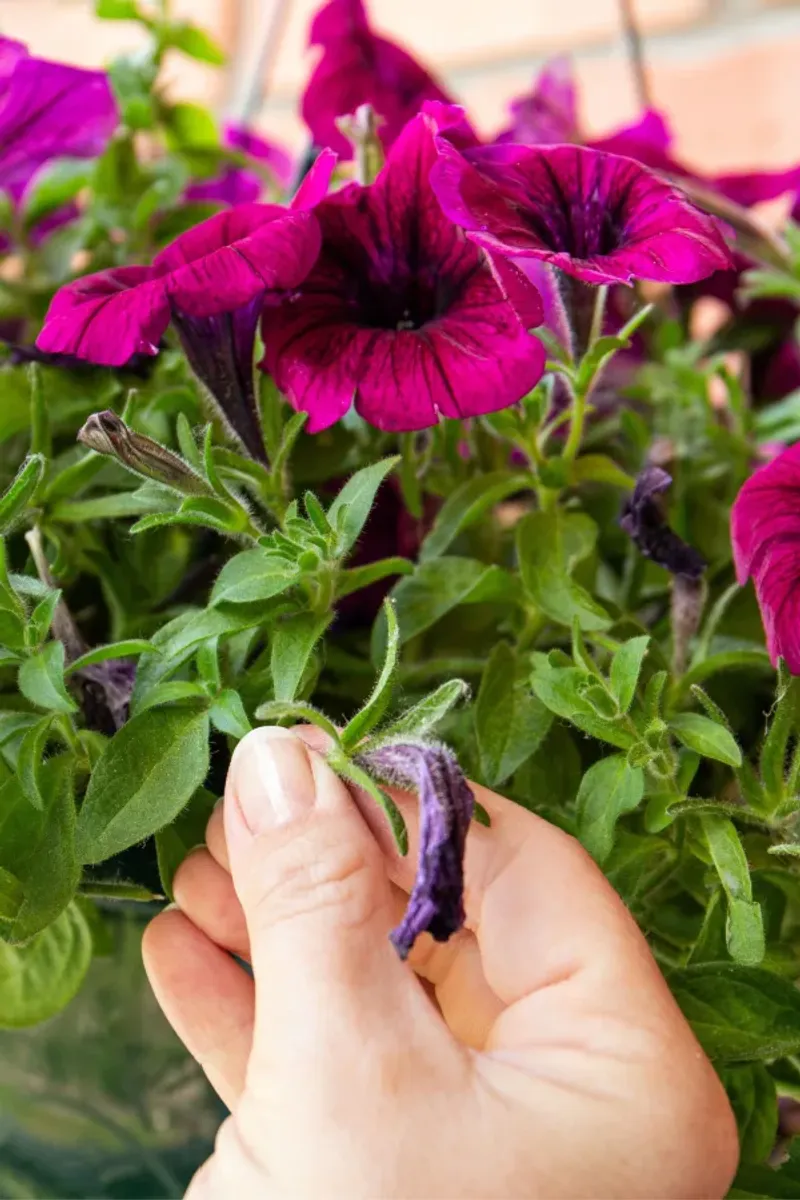
Here is the truth behind the headline: not every petunia stops blooming by midsummer, and skipping deadheading is not the single reason a plant slows down. Petunias are generally capable of flowering from spring until frost, but performance varies by cultivar, growing conditions, heat, and plant health.
What the title gets right is that removing spent flowers is a small, often-overlooked habit that can make a real difference for the right plants.
For traditional, large-flowered, double, and many seed-grown petunias, deadheading can prolong flowering and encourage more blooms, particularly in containers, hanging baskets, and window boxes where the plants are easy to reach. University of Minnesota Extension guidance on growing petunias supports removing spent flowers to keep these types producing.
The logic is straightforward: when a flower fades and begins forming a seed capsule, the plant shifts resources toward completing that seed. Removing the spent flower before seeds fully develop can redirect that energy back toward producing more blooms.
Colorado State University Extension deadheading guidance and Illinois Extension advice on caring for annuals both back this practice for flowering annuals like petunias. Still, deadheading is one useful tool, not a universal explanation for every midsummer decline.
A plant that is getting too little sun, drying out between waterings, running low on nutrients, or showing signs of disease will not recover through deadheading alone. Keeping that distinction in mind makes the habit more useful, not less.
Remove the seed-forming base, not just the spent petals
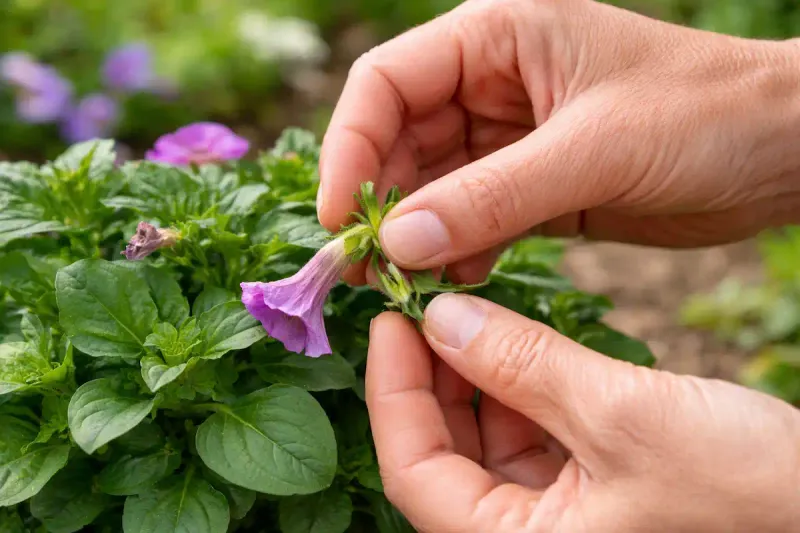
Pulling off loose, wilted petals feels satisfying, but it leaves the most important part behind. Beneath each fading petunia flower sits a short, swollen green structure called the seed capsule or ovary.
As long as that structure stays on the plant, it continues developing seeds, and the plant keeps directing resources toward finishing that job rather than opening new buds.
Proper deadheading means removing the faded flower together with that entire seed-forming base. Pinch or snip just below the swollen portion, taking it off along with the spent bloom.
University of Minnesota Extension describes this complete removal as the correct approach, and Colorado State University Extension deadheading guidance reinforces that removing only petals can leave seed development in progress. You should be able to feel the difference: the base of a fading flower that has started forming a capsule will feel slightly firm and rounded compared to the soft stem below it.
Some gardeners prefer to use small scissors or hand pruners for a cleaner cut, especially on double-flowered types where the base can be harder to pinch cleanly. Either method works as long as you are removing the whole structure, not just the wilted color.
Work carefully to avoid pulling on healthy stems or knocking off nearby buds.
As for timing, remove faded flowers as they appear rather than waiting for a set schedule. Frequency depends on how quickly your specific plants cycle through blooms, which varies by cultivar, temperature, and light.
Checking containers every few days during peak season and pulling what has clearly faded keeps the process manageable without turning it into a daily chore.
Match the task to your petunia type and growing setup
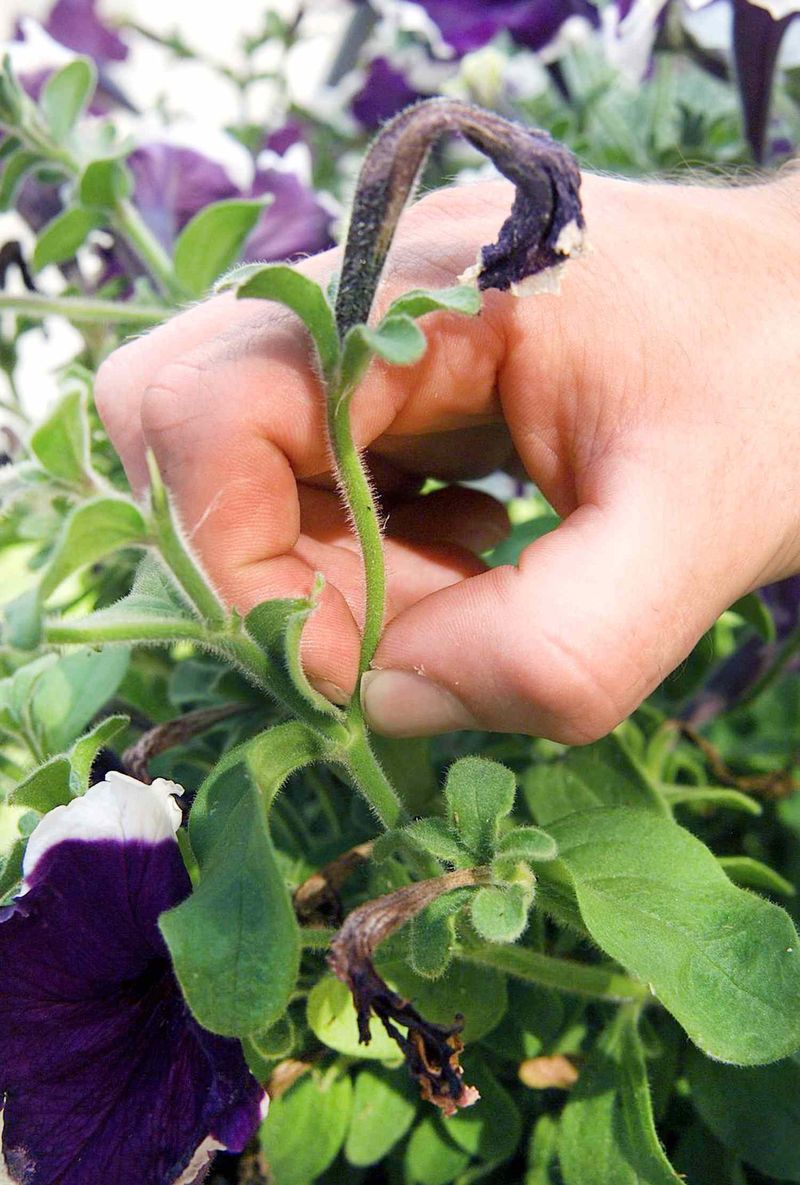
Not every petunia on the market benefits equally from deadheading, and knowing which type you are growing saves real time. Traditional grandiflora petunias, the large-cupped, single or double-flowered types commonly sold in spring six-packs, are among the strongest candidates for regular deadheading.
University of Wisconsin Extension petunia guidance and Illinois Extension advice on caring for annuals both identify these types as plants that respond well to spent-flower removal. Double-flowered petunias, which already put more energy into each bloom, also tend to benefit from this practice.
Many newer spreading and trailing cultivars are a different story. Varieties marketed as self-cleaning, including Supertunias and several Wave series types, are specifically bred to shed their spent flowers without help.
Proven Winners’ Supertunia care guidance confirms that these cultivars can bloom continuously without routine manual deadheading because the plant naturally drops the faded flower before seed development takes hold. Spending time deadheading a self-cleaning variety is not harmful, but it is largely unnecessary for bloom production.
That said, even a self-cleaning plant may look better with occasional attention. Proven Winners’ guidance on growing petunias, calibrachoa, and verbena notes that a light trim can refresh a spreading type that has grown open or tired-looking mid-season, even if deadheading is not required for flowering.
The distinction matters: trimming an overgrown self-cleaning plant is about shape and vigor, not about redirecting seed energy.
Where you grow your petunias also shapes how practical deadheading is. Containers, hanging baskets, and window boxes put plants at eye level and within easy reach, making it straightforward to check and remove spent flowers every few days.
Large in-ground beds with dozens of plants are a different situation entirely, and extension sources acknowledge that manual deadheading across a wide bed is often impractical. For beds, choosing self-cleaning cultivars from the start removes the obligation altogether.
Give a healthy, leggy plant a measured haircut
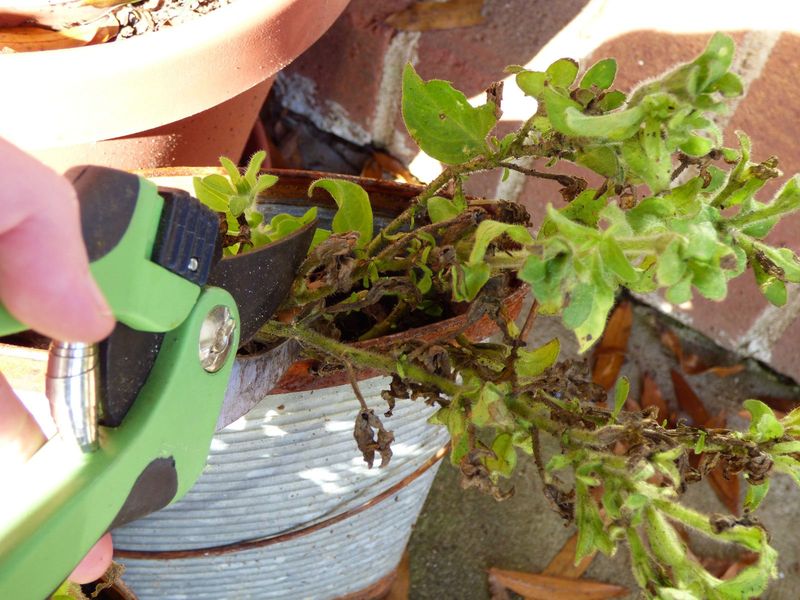
Deadheading and pruning are two separate tasks, and mixing them up can lead to the wrong response at the wrong time. Deadheading removes individual spent flowers to prevent seed formation.
Pruning, sometimes called shearing or cutting back, shortens the stems themselves to stimulate branching and push the plant to produce new growth from lower nodes. When a petunia has grown long, sparse, and floppy with flowers only at the tips, deadheading individual blooms will not fix the shape or the sparse flowering.
That is when a more substantial trim makes more sense.
Penn State Extension guidance on pruning herbaceous plants supports cutting back midsummer annuals to encourage fresh growth and renewed flowering. University of Missouri Extension’s overview of newer petunia types and Clemson Extension’s guide to growing annuals both describe cutting leggy annuals back to roughly 3 to 5 inches from the base as an effective midsummer reset.
The key is leaving nodes or leaf axils on the remaining stems so the plant has material to regrow from. A stem cut back to bare wood with no leaves or nodes will not recover the same way.
After cutting back, water thoroughly and resume regular feeding appropriate to your container or bed setup. Recovery depends on the cultivar, the weather, the plant’s root health, and how much light it receives, so expect variation rather than a guaranteed timeline.
The decision to cut hard should depend on the plant’s overall health. A vigorous, well-rooted plant with dense stems and healthy leaves can handle a substantial trim.
A weak, wilted, diseased, or sparsely foliated plant should receive only a light cleanup, if anything. Removing too much from a struggling plant takes away the photosynthetic capacity it needs to recover.
Proven Winners’ guidance on petunias in pots suggests limiting a single pruning session to no more than about 25 percent of the plant as conservative, cultivar-specific commercial advice. That figure is a useful starting point for unfamiliar varieties, but it is not a universal safety rule that overrides what you observe about the plant’s condition.
A clearly healthy, overgrown plant can often take more; a stressed one should get less.
Check light, water, heat, and nutrition before blaming deadheading
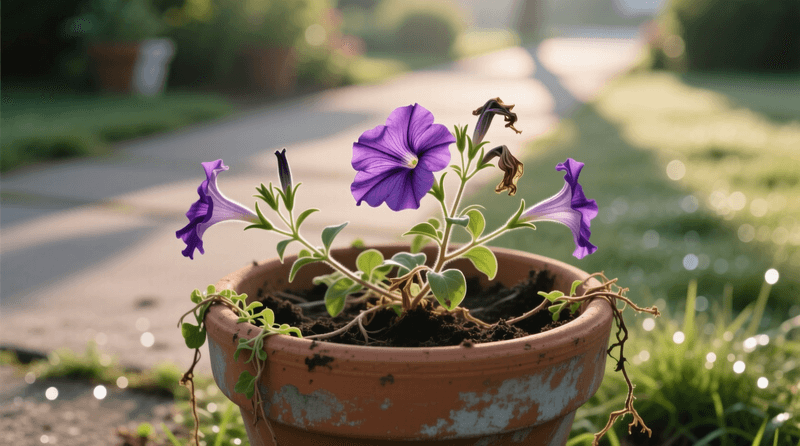
Petunias that receive regular deadheading but still produce fewer flowers than expected are usually dealing with a growing-condition problem, not a spent-flower problem. Several factors can reduce bloom production regardless of how carefully you remove faded flowers.
Light is one of the most common culprits. University of Minnesota Extension recommends at least 5 to 6 hours of good sunlight daily for reliable petunia flowering, with full sun producing better performance.
A plant moved to a shadier spot, or one that has been gradually shaded out as nearby plants or structures block the sun, may produce lush foliage but noticeably fewer flowers. Repositioning a container to a sunnier location is often the simplest fix.
Water management matters just as much, and the right approach varies by setup. Penn State Extension guidance on summer watering emphasizes watering deeply enough to wet the full root zone rather than applying frequent shallow sprinkles that never reach the roots.
Missouri Extension notes that spreading types and small containers can need substantially more frequent irrigation during hot weather, sometimes daily, while established in-ground petunias in ordinary conditions may manage with a thorough weekly watering. Heat stress compounds the challenge: high temperatures can slow flowering on some cultivars even when light and water are adequate.
Container nutrition deserves attention too. Nutrients are used up and leached out through repeated watering, so container petunias commonly need regular feeding to sustain flowering.
University of Georgia Extension’s container gardening guidance supports regular fertilization for container annuals; University of Minnesota Extension suggests liquid fertilizer roughly every two weeks for containers, with more frequent feeding for vigorous spreading types. Follow the product label rather than increasing the rate, since over-fertilizing can damage roots and does not automatically produce more blooms.
Drainage is the other side of the watering equation. Consistently wet soil or a container that holds water can contribute to root and crown problems.
Penn State Extension’s overview of petunia diseases notes that wet conditions favor root rot and crown rot. Good drainage, whether through well-draining potting mix, drainage holes, or adjusted watering habits, is part of keeping the root system healthy enough to support continuous flowering.
Recognize symptoms that need diagnosis instead
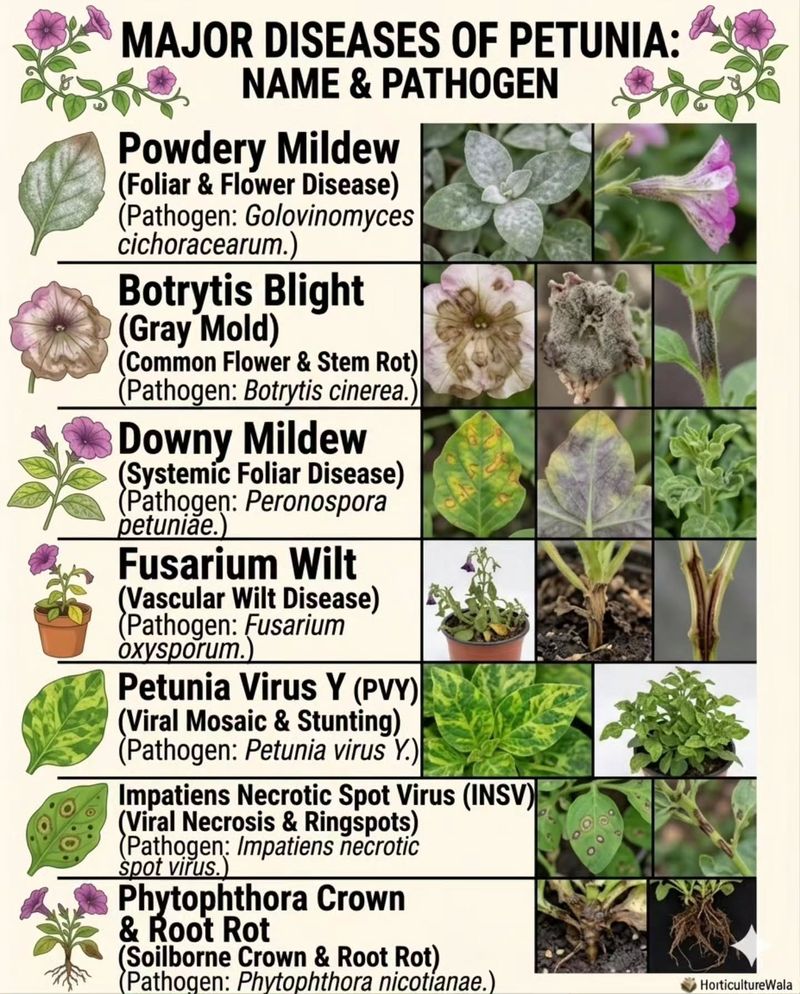
Some petunia problems look like a flowering slowdown but signal something more serious. Knowing the difference between a plant that needs a small maintenance habit and one that needs a real diagnosis protects the rest of your garden and saves you from applying the wrong fix.
A plant with abundant, healthy-looking foliage but very few flowers often has a light problem or an excess-nitrogen situation. Feeding a plant that is already getting too much nitrogen through a rich potting mix or overly frequent fertilizing can push leafy growth at the expense of blooms.
Moving the container to a sunnier spot or adjusting your feeding schedule is the better response, not more deadheading.
Yellowing leaves, rapid wilting that does not recover after watering, collapsing stems, brown spots on flowers or foliage, and moldy or mushy growth are different categories of symptoms entirely. University of Minnesota Extension’s petunia diagnostic tool and Penn State Extension’s petunia disease resource both identify root rot, crown rot, and viral diseases as potential causes of these patterns.
Gray mold (Botrytis) and white mold can produce fuzzy or discolored growth on stems and flowers that might initially be mistaken for simple decline.
When these symptoms appear, deadheading and extra fertilizer are not the answer. Penn State Extension guidance on diagnosing poor plant health recommends identifying the actual cause before treating.
Practical steps include improving drainage, removing and disposing of infected plant material rather than composting it, and in severe cases removing the affected plant entirely to protect neighboring plants. When the cause is unclear, a local cooperative extension office or master gardener program can help with diagnosis.
Use deadheading as one check in a midsummer care routine
Pulling together what matters most, the most useful midsummer approach starts with knowing what you are growing. Traditional grandiflora, double, and most seed-grown petunias respond well to having faded flowers removed with the seed-forming base attached.
Many spreading and self-cleaning cultivars, including Supertunias, handle that process on their own and need only occasional trimming if they become open or tired-looking.
Beyond the flowers themselves, check light and moisture at the same time. Reposition containers that have drifted into shade, water deeply rather than lightly, and feed container plants on a label-directed schedule without assuming more fertilizer means more blooms.
If a plant has grown long and leggy but is otherwise healthy, a measured cut back to a few inches can do more than deadheading alone to refresh it. A weak or sickly plant needs a gentler touch and possibly a closer look for root or disease problems before any trimming.
Illinois Extension notes that petunias are capable of flowering from spring through frost under suitable conditions, a reminder that midsummer is not a natural endpoint for these plants. Missouri Extension and University of Minnesota Extension both reinforce that good light, consistent moisture, and regular feeding are what sustain that performance across the season.
Deadheading is a genuinely useful habit for the right petunias, and pairing it with a quick check of growing conditions turns a small task into a complete midsummer tune-up. The plants that reward consistent, attentive care tend to be the ones still blooming in September.