
If Your Potted Geraniums Sulk In Small Spaces, Here Are 13 Container Fixes That Keep Them Blooming
Your geraniums looked so happy at the garden center, but now they’re pouting in their pots with barely a flower to show. The good news is that sulking geraniums are almost always trying to tell you something, and most of the time the fix is simple.
Small spaces like patios, balconies, and windowsills come with their own quirks that can trip up even careful gardeners. Here are 13 easy container fixes that get your geraniums blooming again without a big shopping trip.
1. Choose the Right-Sized Pot
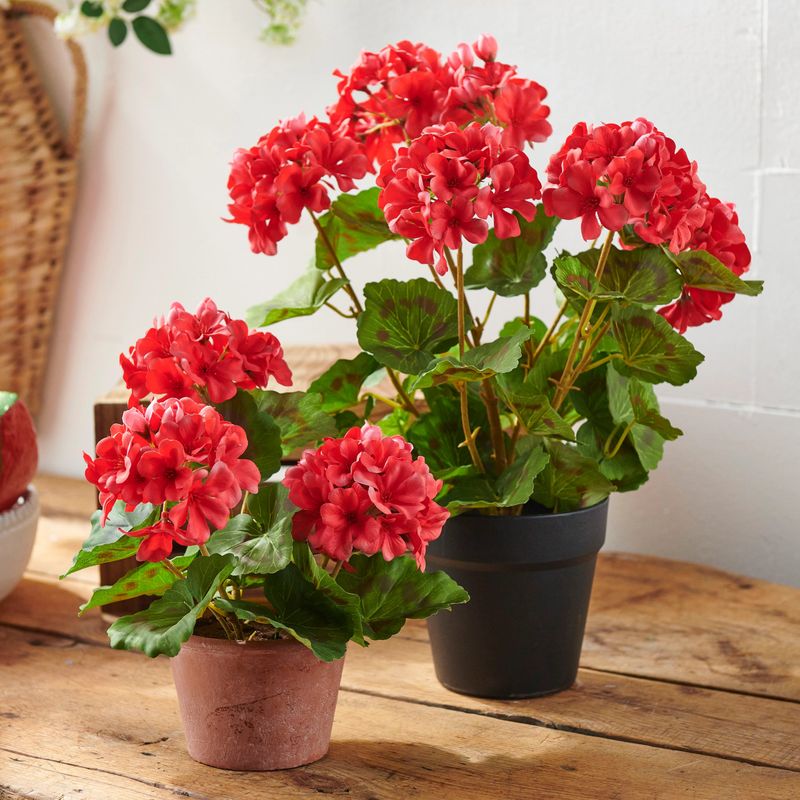
Geraniums are a little odd about their roots. They actually bloom better when their roots feel slightly cramped, so a pot that’s too roomy can backfire on you.
For most varieties, a container 8 to 12 inches across hits the sweet spot, while big perennial types may want something closer to 16 inches. When you plant a small geranium in a giant pot, all that extra soil stays wet far too long, and soggy roots mean fewer flowers.
If your plant is drowning in a huge container, size down and watch it perk up.
2. Ensure Adequate Drainage Holes
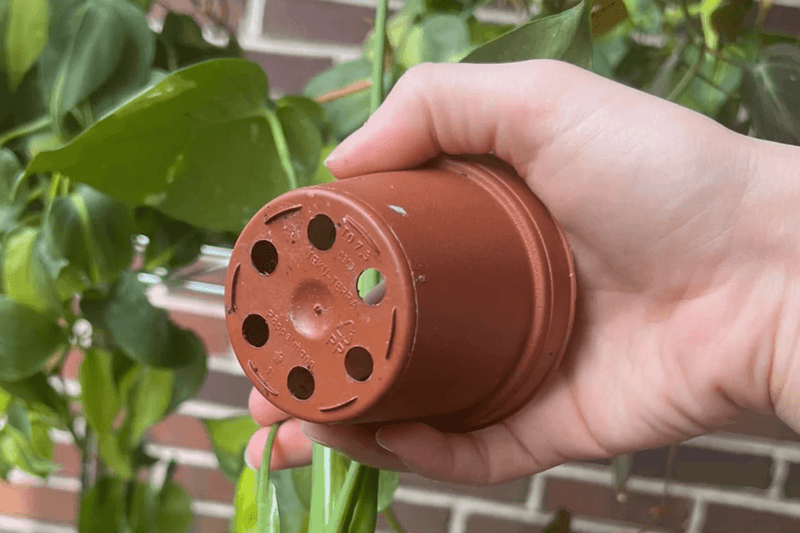
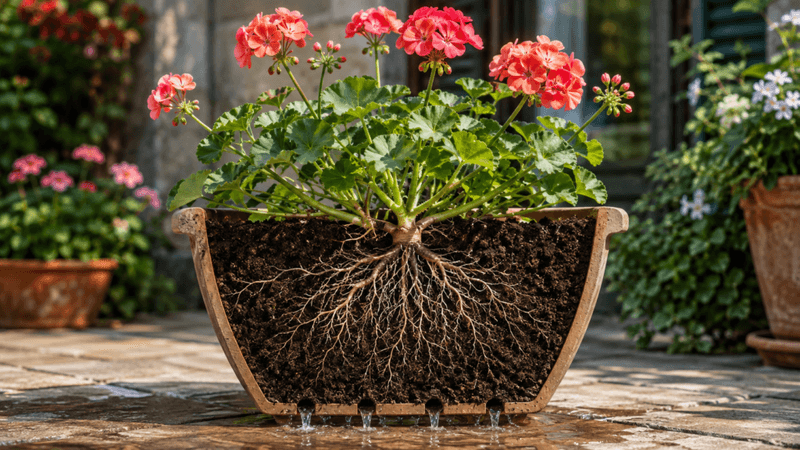
Picture your geranium sitting in a puddle it can never escape. That’s exactly what happens in a pot with no holes at the bottom.
Every container needs drainage holes so extra water can run right through instead of pooling around the roots. Waterlogged roots quickly rot, and a plant fighting root rot has zero energy left to make blooms.
If you fell in love with a decorative pot that has no holes, either drill a few or use it as a pretty outer cover for a plain nursery pot that does drain.
3. Elevate Containers for Better Drainage
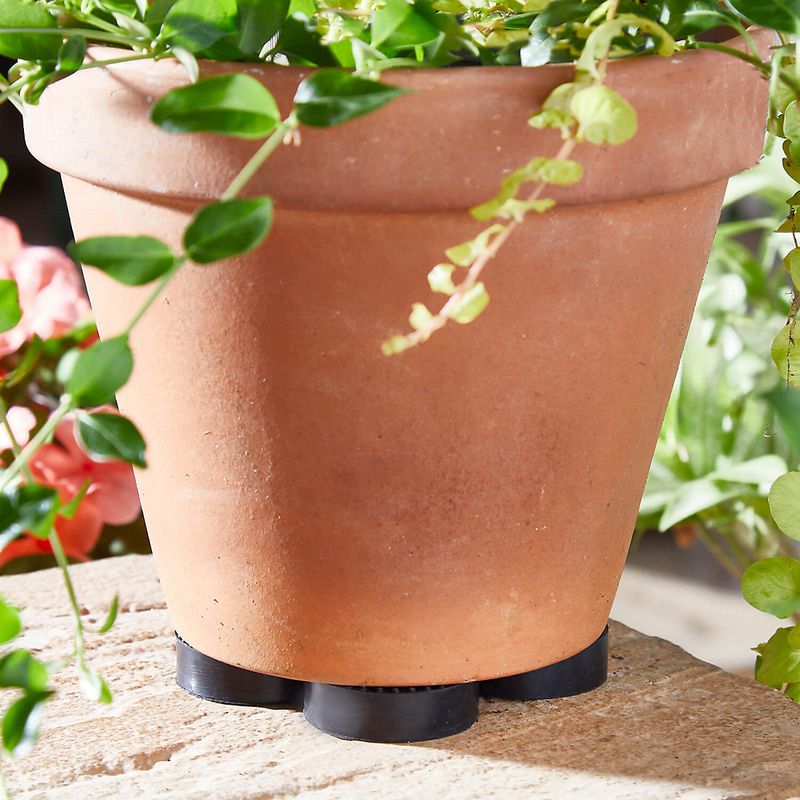
Even a pot with perfect holes can get stuck if it’s sitting flat on solid ground. Water builds up underneath and sneaks right back up into the soil.
Lifting your containers just an inch or two makes a surprising difference. Pot feet, a couple of bricks, or even flat stones let air move and water drain freely, which is a big deal on patios and balconies where surfaces don’t soak anything up.
Give your geraniums a little breathing room beneath the pot and their roots will thank you with steadier blooms.
4. Use a High-Quality, Well-Draining Potting Mix
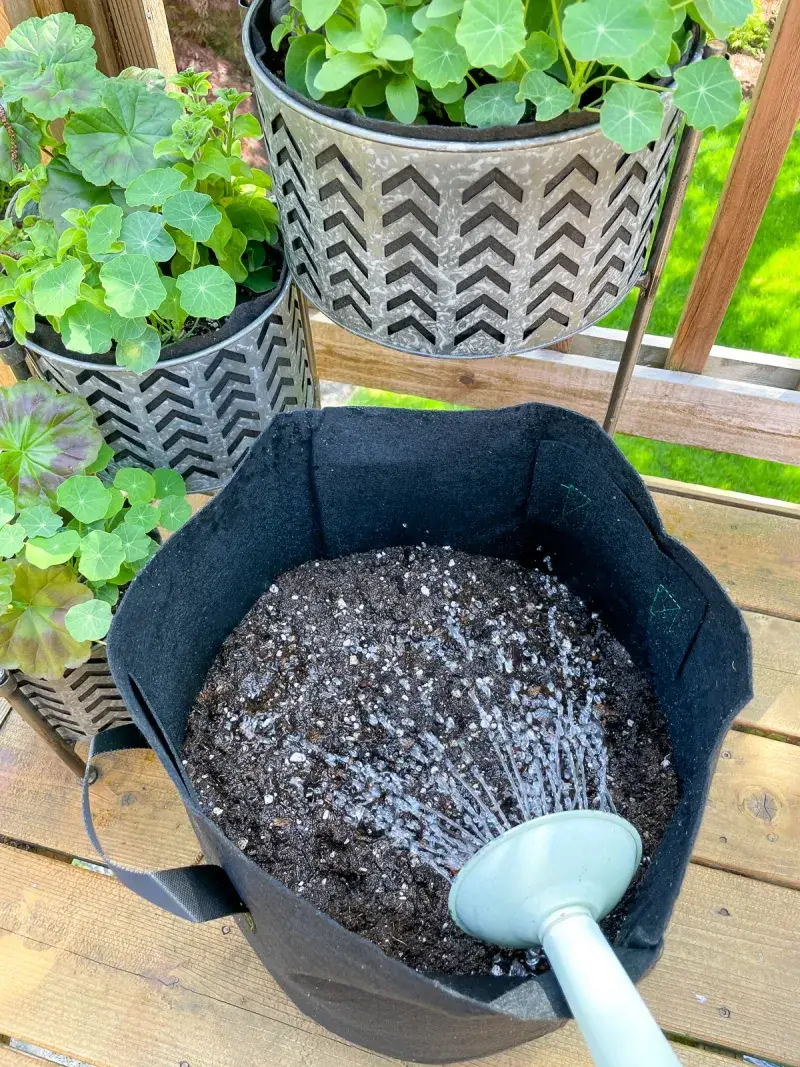
Scooping soil straight from the backyard feels thrifty, but geraniums hate it. Garden dirt packs down hard in a container and traps water like a sponge.
What they crave is a loose, airy potting mix, one full of organic matter with peat or perlite mixed in. That fluffy texture lets air reach the roots and drains off the extra water fast.
Grab a bag labeled for containers or flowers, and your geraniums will settle in far happier than they would in dense, heavy ground.
5. Provide Ample Sunlight
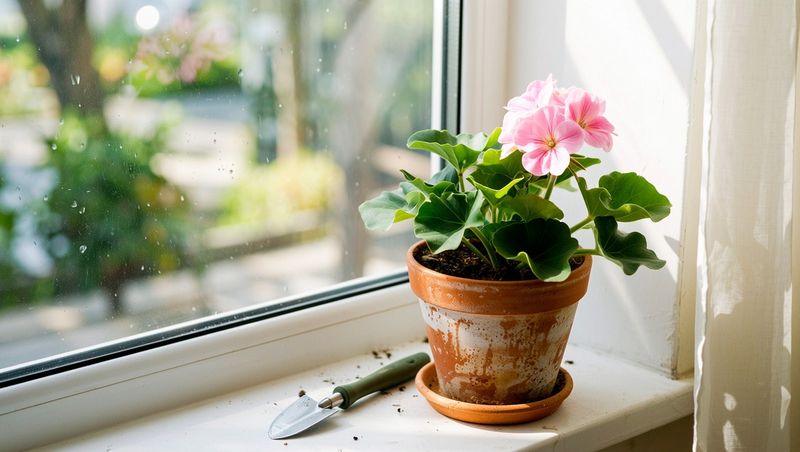
Skimp on light and geraniums will grow leaves all day but hold back on the flowers. Sunshine is the fuel behind every bloom they make.
Aim for at least 5 to 6 hours of direct sun each day, and put your pots in the brightest spot you’ve got. A south-facing balcony rail or a wide sunny windowsill usually does the trick.
If your geranium looks leggy and pale, it’s probably stretching toward more light, so move it somewhere sunnier and give it a week to respond.
6. Offer Afternoon Shade in Hot Climates
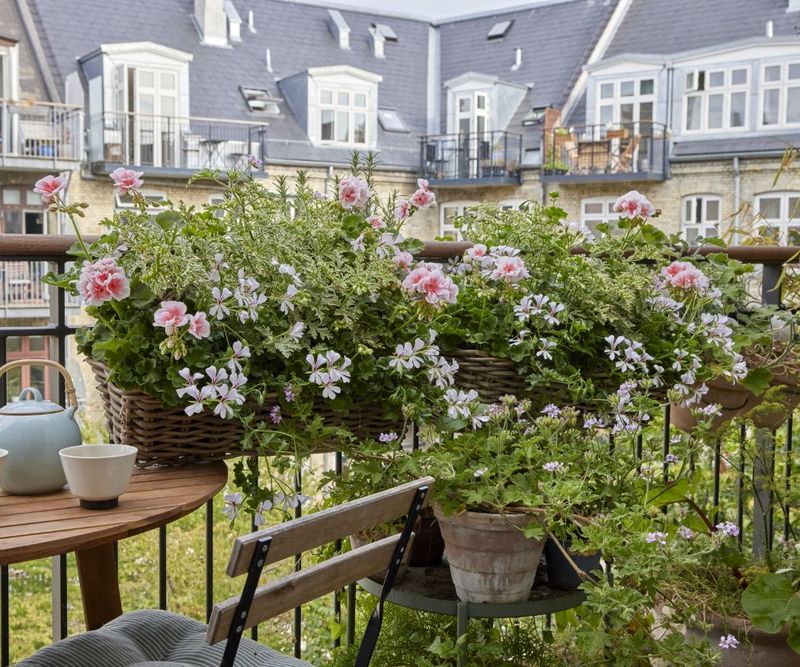
Here’s a twist that trips people up: geraniums love sun, but brutal summer heat can actually stress them into a bloom strike. When the afternoon sun turns your patio into an oven, flowering can just stop.
In hot regions, a bit of shade during the harshest hours protects the plant from wilting and burning out. A spot that gets bright morning sun and dapples off by mid-afternoon is ideal in a heat wave.
Once temperatures ease, your geranium usually bounces right back and starts setting buds again.
7. Water Consistently, But Avoid Overwatering
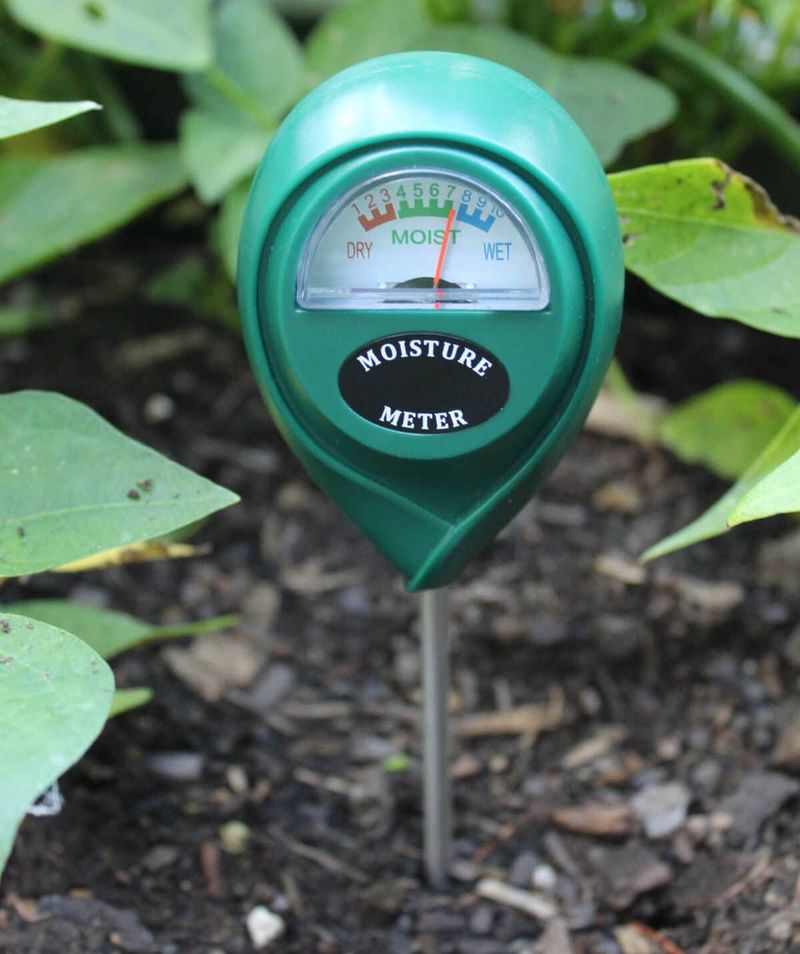
Overwatering kills more geraniums than forgetting to water ever does. These plants like to dry out a touch between drinks.
The finger test is your best friend here. Poke into the soil, and when the top 1 to 2 inches feel dry, water deeply until it runs out the bottom, then leave it alone until it’s dry again up top.
Soggy, constantly-wet soil invites root rot and stalls flowering, so resist the urge to water on a fixed schedule and let the plant tell you when it’s thirsty.
8. Water at the Soil Level
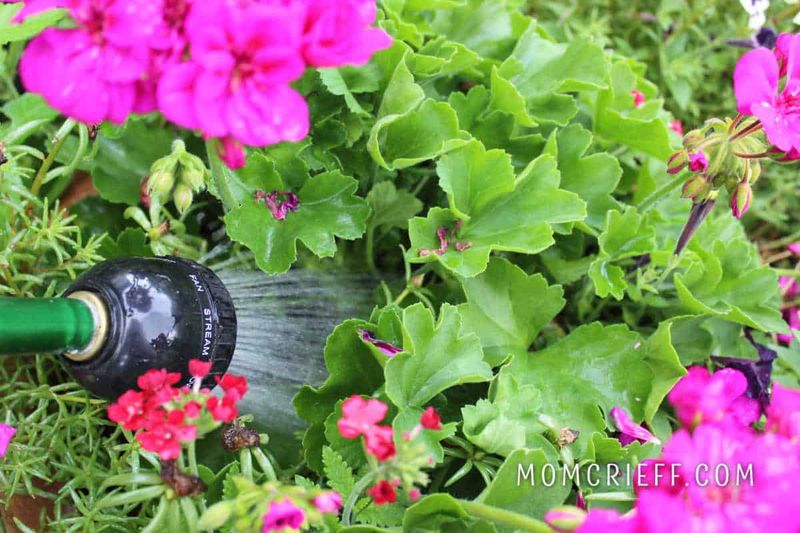
Splashing water all over the leaves seems harmless, but it’s an open invitation for fungus and mildew. Wet foliage that sits damp is exactly what plant diseases love.
Aim your watering can right at the base of the plant instead, letting the water soak into the soil where the roots can grab it. Dry leaves stay healthier, and healthy leaves keep the flowers coming.
Watering early in the day helps too, since any stray drops have time to dry before evening chill sets in.
9. Fertilize Regularly with the Right Nutrients
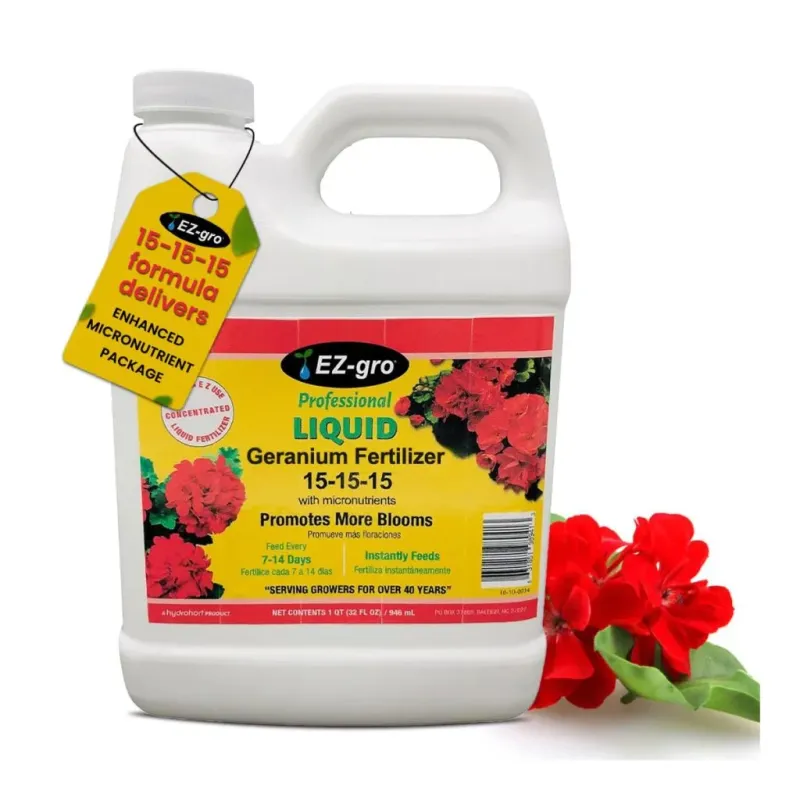
Container geraniums are hungry plants, and they run through their food fast. Unlike ones in the ground, they can’t send roots out searching for more, so it’s on you to keep them fed.
During the growing season, feed them with a balanced liquid fertilizer every 2 to 4 weeks, or mix in a slow-release granular type. Once you spot buds forming, switch to a fertilizer higher in potassium to push more flowers.
Skip the high-nitrogen formulas, though, because those pump out lush leaves at the expense of the blooms you’re after.
10. Deadhead Spent Blooms Diligently
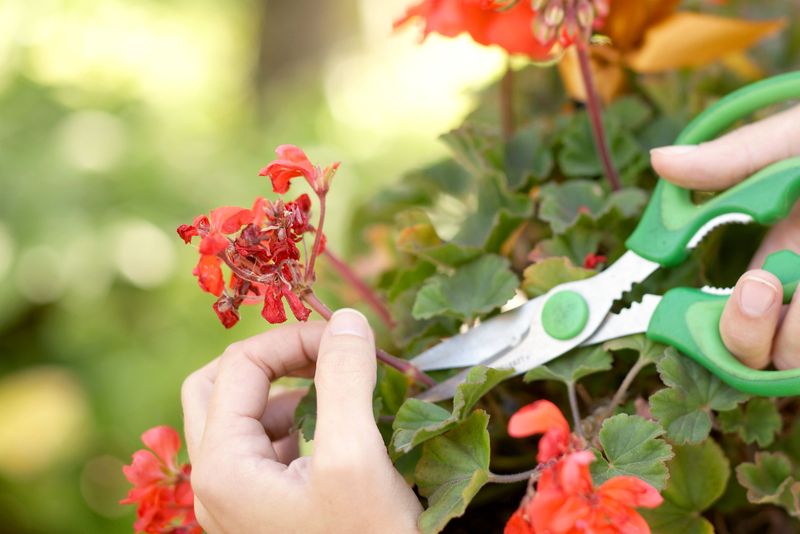
Every faded flower left on the plant is quietly stealing energy. Once a bloom fades, the geranium wants to make seeds, and seed-making means fewer new flowers.
Snap or snip off those spent blooms by cutting the stem below the node where fresh growth starts. It takes seconds and redirects all that energy back into producing more color.
Make it a habit to pinch off the tired flowers every few days, and your geranium will keep pushing out blooms right through the season.
11. Prune for Bushier Growth and Rejuvenation
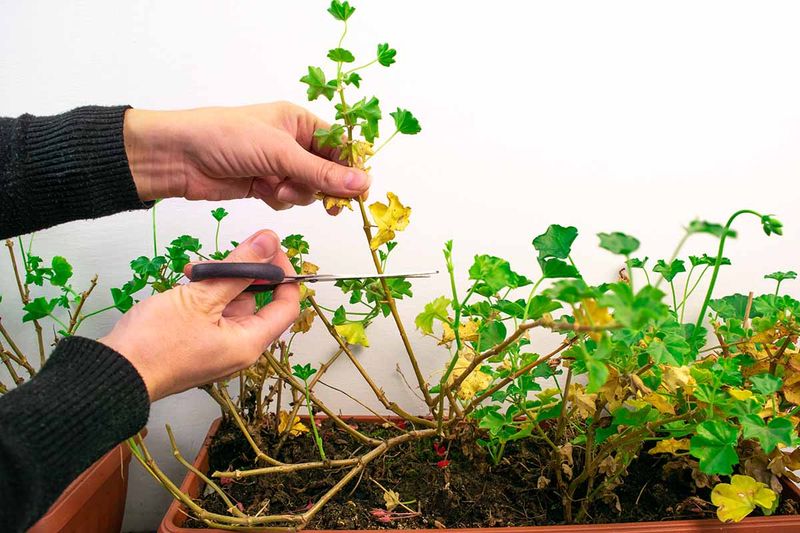
A geranium that’s grown long, bare, and floppy is practically begging for a haircut. Leggy stems put out very few flowers and just look sad.
Trim overgrown stems back by about a third, cutting just above a leaf node to spark fresh, bushy growth. Spring is the perfect time for this, especially with plants you nursed through the winter indoors.
While you’re at it, clip away any dead, weak, or crossing stems so the plant can pour its energy into strong new shoots loaded with buds.
12. Ensure Good Air Circulation
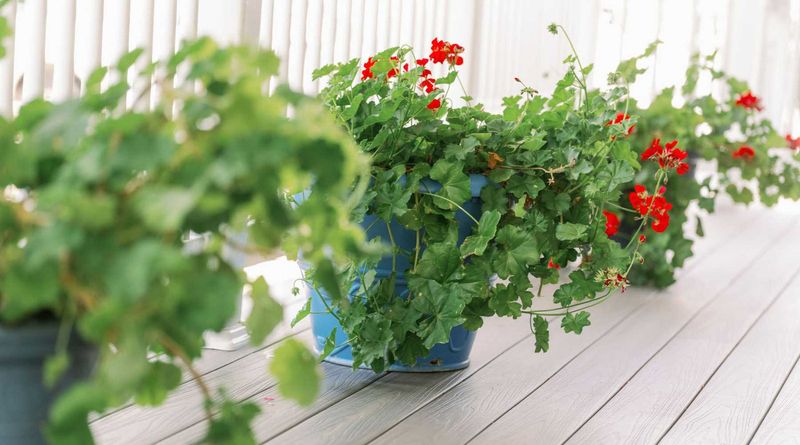
Cramming pots together to save space feels smart until disease creeps in. Plants packed too tightly trap stale, humid air around their leaves.
That still, muggy pocket is where fungal problems thrive, and a sick plant won’t waste energy on flowers. Leaving a little gap between containers lets breezes move through and dry the foliage.
On a crowded balcony, even shuffling pots a few inches apart or thinning out dense stems can improve airflow enough to keep your geraniums healthier and blooming.
13. Don’t Reuse Old Potting Mix
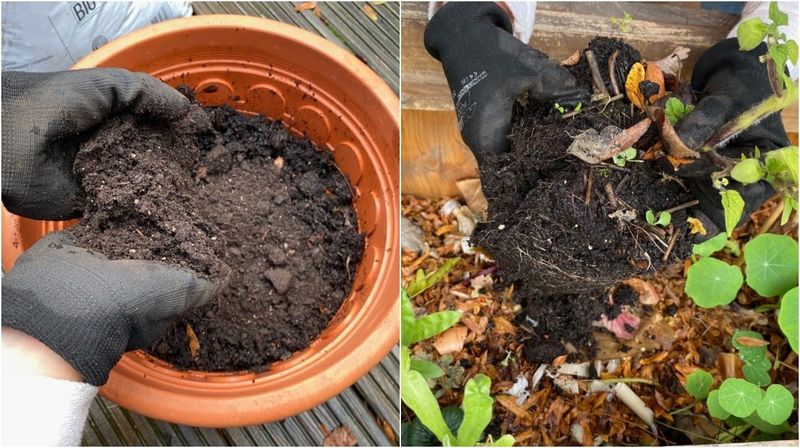
Last year’s leftover soil looks fine, but it’s often played out. Old potting mix is stripped of nutrients and can be hiding disease from the season before.
Starting fresh each planting season with new, quality mix and clean containers gives your geraniums a clean slate. It cuts down the risk of soil-borne trouble and hands the plant a full pantry of nutrients from day one.
Rinse out those pots, toss the tired dirt onto the compost pile, and let your geraniums begin the year with everything working in their favor.