
If Deer Keep Stripping Your Tomato Plants Overnight, Here Are 14 Fixes That Send Them Packing
You planted healthy tomato seedlings, went to bed happy, and woke up to bare stems and chewed leaves. Deer love an easy overnight snack, and your tomato patch looks like a free buffet to them.
The good news is you have plenty of ways to fight back, from tall fences to smelly sprays to a few clever tricks. Here are 14 fixes you can start using today to keep deer away from your tomatoes.
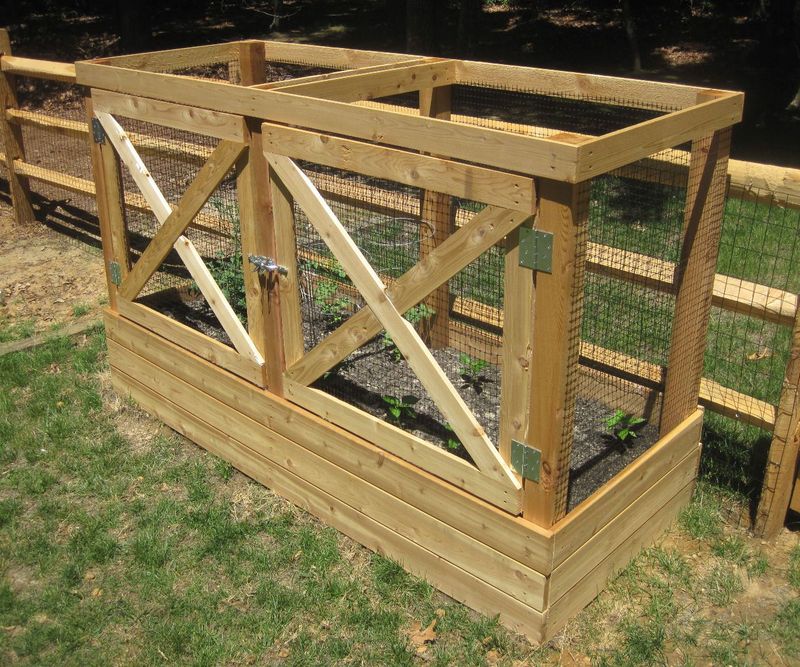
1. Install a Physical Fence

Nothing beats a solid wall between hungry deer and your tomatoes. A fence is widely considered the single most reliable way to keep deer out of a garden for good.
Height matters more than anything here. Deer are impressive jumpers, so aim for a fence around 7 to 8 feet tall to truly stop them.
Want an extra edge? Choose a stockade-style fence they cannot see through.
When a deer cannot spot a safe landing spot on the other side, it is far less likely to risk the leap.
2. Utilize Garden Netting or Row Covers
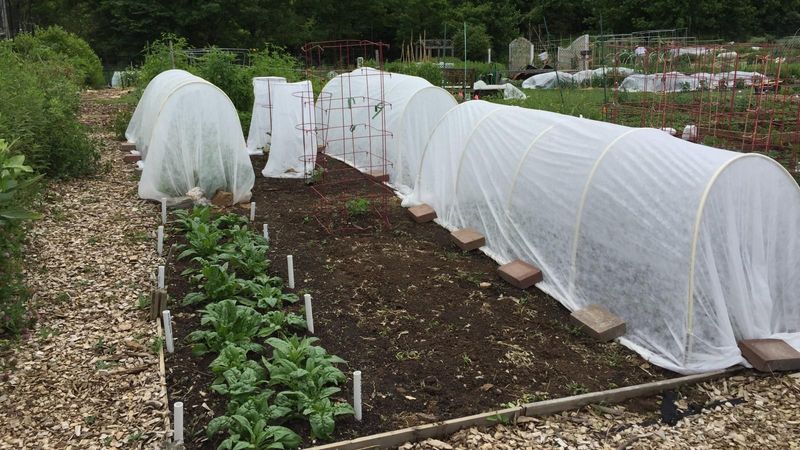
Not ready to build a permanent fence? A lighter cover can still throw deer off your tomato rows.
Drape plastic netting, chicken wire, or floating row covers right over your plants. The physical barrier makes browsing frustrating enough that many deer simply move on.
One tip that saves headaches: anchor lightweight covers firmly. A stiff breeze can lift and toss them, leaving your tomatoes exposed and giving deer their opening again.
3. Construct Micro-Exclosures
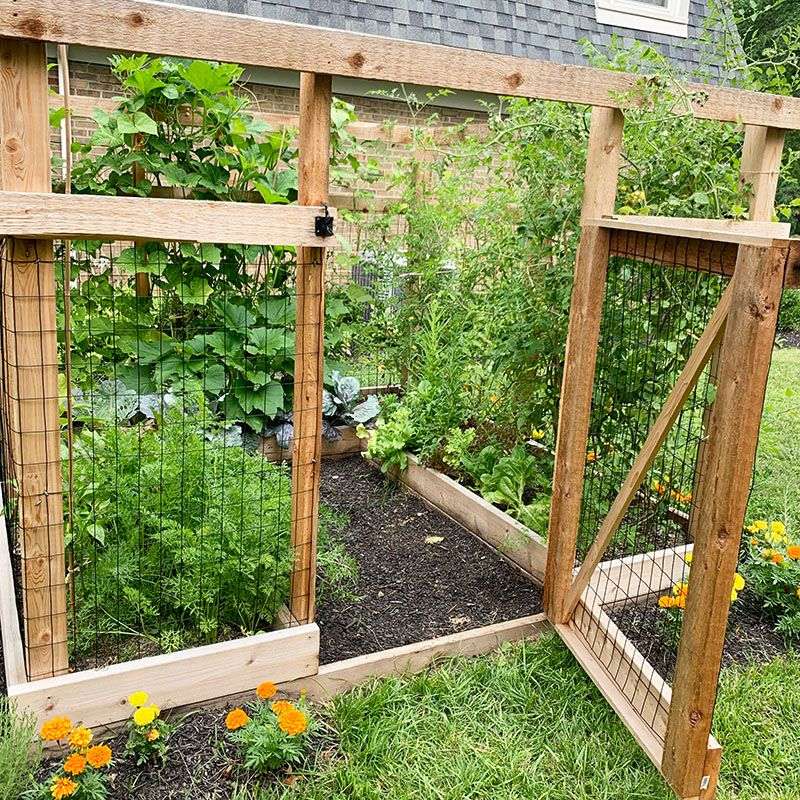
Sometimes a little fenced-off pocket does the trick without walling off the whole yard. Gardeners call these tiny protected compounds micro-exclosures.
Build a small, fenced enclosure around just your tomato plants rather than the entire property. The tight, boxed-in space feels risky to a deer that likes quick escapes.
Deer prefer to nibble where they can bolt at the first sign of danger. A snug enclosure signals a trap, so many will skip it entirely and look elsewhere for dinner.
4. Create a Psychological Deer Fence
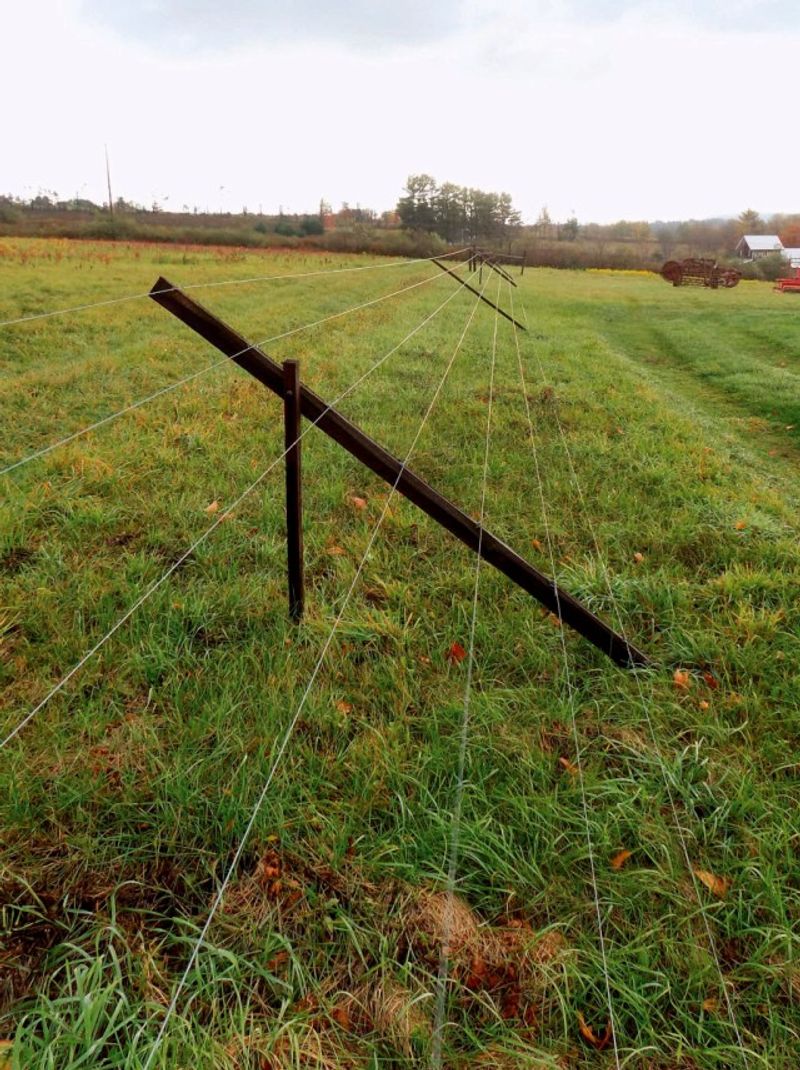
Here is a clever trick that plays mind games with deer. It relies on how they judge a jump before committing to it.
Set up tall posts with two wire layers, roughly at five and seven feet. Then string a single taut white clothesline at about 4.5 feet high, placed three feet inside the perimeter.
That inner line confuses the deer’s sense of where it would land. Unable to picture a safe touchdown zone, it decides the whole thing is not worth the gamble and stays out.
5. Use Motion-Activated Sprinklers
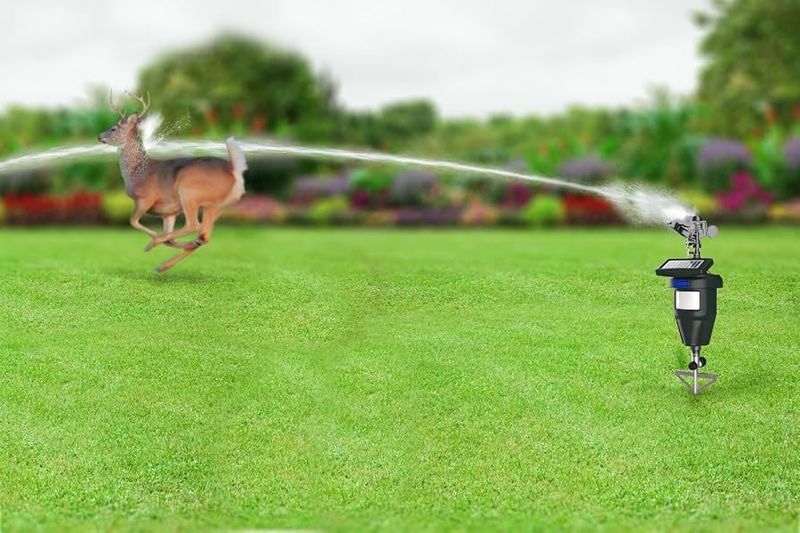
Imagine a deer creeping toward your tomatoes and suddenly getting blasted with cold water. That surprise is exactly what makes these devices work.
Motion-activated sprinklers detect movement and fire off a quick burst of water. The sudden spray startles deer and teaches them your garden is an unpleasant place to visit.
Place them near the spots where deer usually slip in. Guarding those entry points catches the animals before they ever reach your ripening fruit.
6. Deploy Motion-Activated Lights or Floodlights
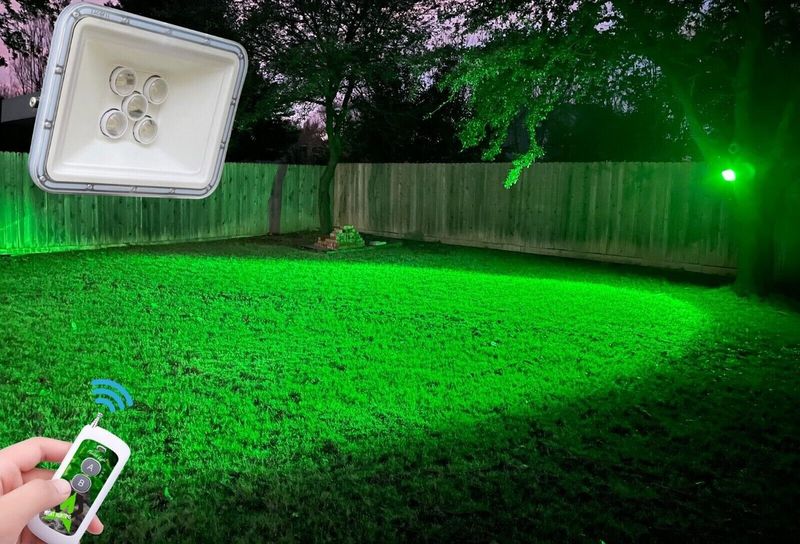
Deer feel safest in the dark, so flipping on a sudden light flips their comfort into panic.
Motion-activated lights or floodlights snap on the moment something moves nearby. That flash of brightness makes a deer feel exposed and vulnerable in the open.
A spooked deer that suddenly feels watched tends to bolt rather than browse. Pair these lights with sprinklers for a one-two surprise that really keeps them guessing.
7. Apply Egg-Based Spray
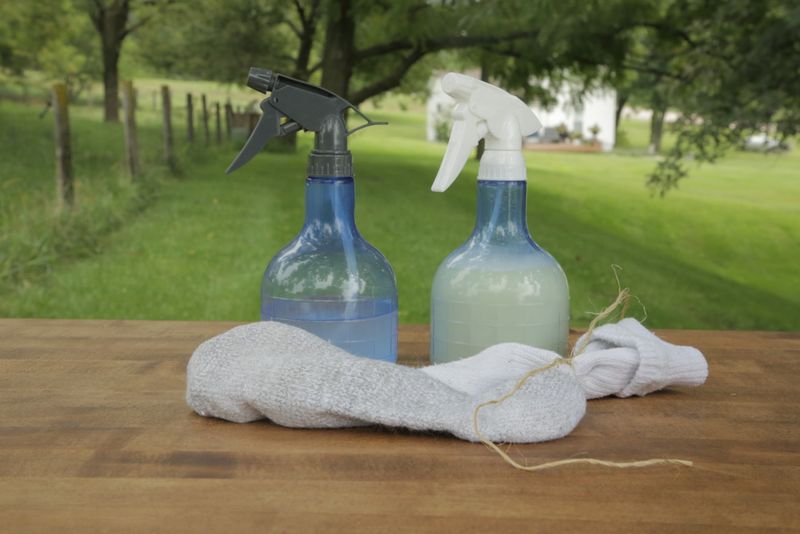
It sounds gross, and that is the whole point. Rotten egg smell is a classic homemade deer repellent that has worked for generations of gardeners.
Whisk two whole eggs into a gallon of water, strain it well, and spray it on new growth. Reapply every couple of weeks or after a good rain washes it off.
Prefer a variation? Blend two eggs with two cups of milk, then mix that into a gallon of water.
The funky odor may help send deer packing without harming your plants.
8. Spray with Hot Pepper or Garlic Solutions

Deer have sensitive noses and mouths, and they cannot stand anything spicy or sharp. You can turn that against them with ingredients already in your kitchen.
Blend garlic or hot peppers, or use cayenne powder or hot sauce, with water and a squirt of dish soap. The soap helps the mix cling to leaves instead of dripping off.
Give your plants a coat and reapply after rain or every week or two. The strong scent and burning taste can reduce how often deer come back for a bite.
9. Hang Bars of Scented Soap
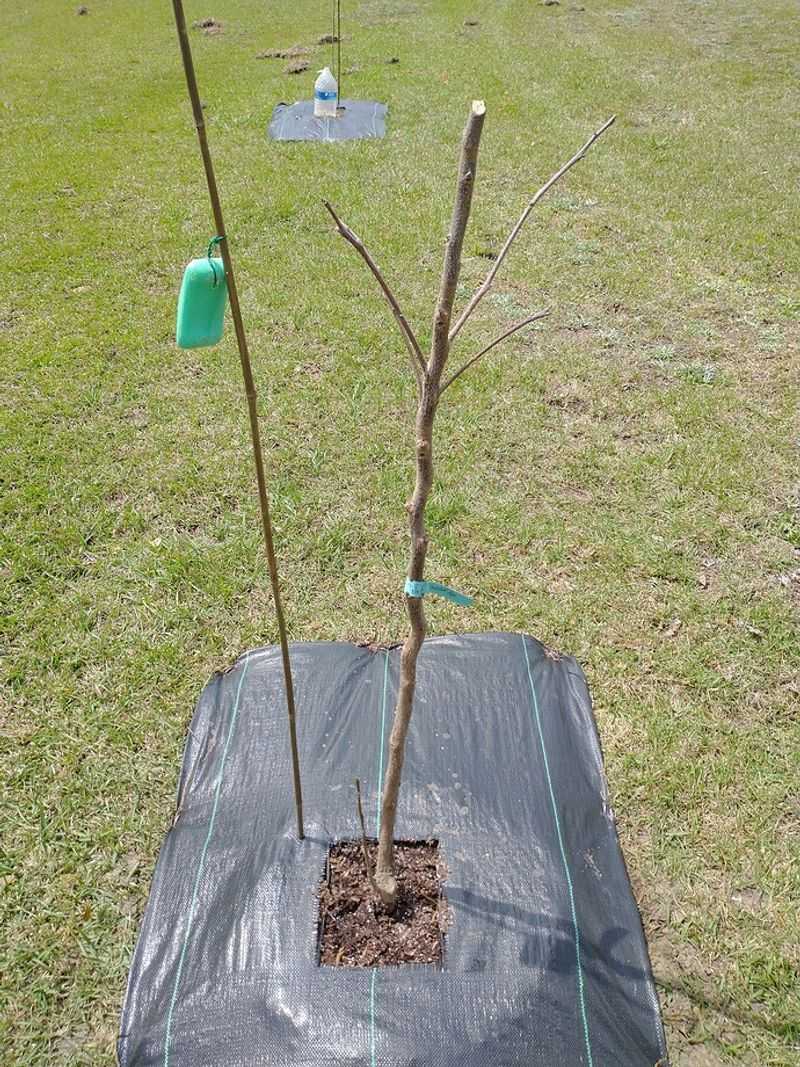
Did you know a humble bar of soap can pull double duty as a deer deterrent? Strongly scented soap overwhelms a deer’s delicate sense of smell.
Irish Spring is a fan favorite for this trick. Cut it into small chunks and hang them from strings around your plants or attach them to stakes along the garden edge.
The perfume-heavy scent masks the tasty tomato smell deer are hunting for. Confused and put off, they often wander somewhere less fragrant.
10. Scatter Human Hair Clippings

Your next haircut might just save your tomatoes. Deer are wary of human scent, and hair clippings carry plenty of it.
Gather clippings from your own trim or ask your barber for a bag. Scatter them like mulch around your garden beds where deer like to browse.
Want it to last longer? Stuff the hair into old pantyhose and hang the bundles near your plants.
The lingering human smell tricks deer into thinking people are close by.
11. Incorporate Deer-Resistant Companion Plants

Deer will happily munch tomatoes, but they turn up their noses at certain strong-smelling plants. You can use that pickiness to build a living fence.
Tuck lavender, rosemary, thyme, marigolds, garlic, onions, or chives around your tomatoes or along the garden edges. The aromatic wall makes the area far less inviting.
As a bonus, many of these companions bring their own rewards. Fresh herbs for your kitchen and cheerful marigold blooms come with the deer-defense job.
12. Use Fishing Line Fences
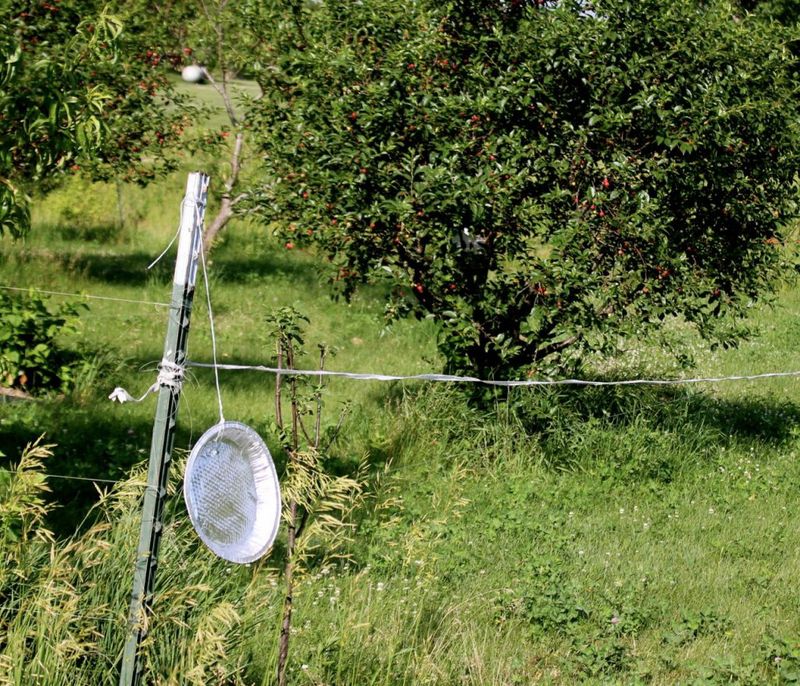
An invisible barrier might sound like magic, but fishing line comes close. Deer struggle to see the thin, clear strands until they bump into them.
String clear fishing line between posts around your tomato patch at deer height. When a deer brushes against something it cannot see, the surprise contact spooks it.
For extra defense, clip a few small bells onto the line. The unexpected jingle adds a sound scare that helps drive the startled animal away.
13. Employ Dogs as Deterrents
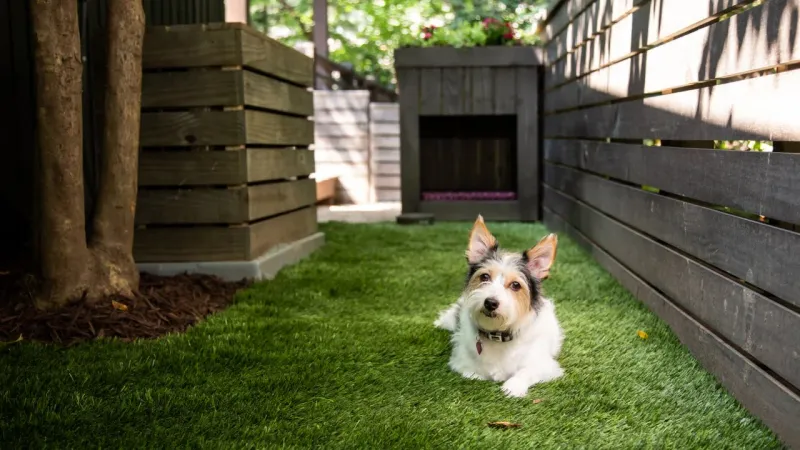
A backyard dog is one of the oldest deer alarms around. Their bark and their scent both tell deer that a predator patrols the area.
Let a dog roam the yard where it can catch deer sneaking in. Even the smell of a resident dog can be enough to keep nervous deer at a distance.
A few loud barks in the night often send visitors bounding back into the woods. For many gardeners, a furry guard is the most enjoyable line of defense.
14. Rotate Repellents and Tactics

Deer are smarter than we give them credit for. Use the same trick too long and they figure out it is harmless, then stroll right back to your tomatoes.
Keep them off balance by switching things up every few weeks. Swap sprays, move sprinklers, change soap locations, or combine methods so nothing becomes predictable.
Layering several tactics at once works best of all. Set up your defenses before deer ever taste damage, since once they map your garden as food, they are much harder to shake.