
If Squirrels Keep Stealing Your Tomatoes Off The Vine, Here Are 14 Natural Ways To Stop Them Cold
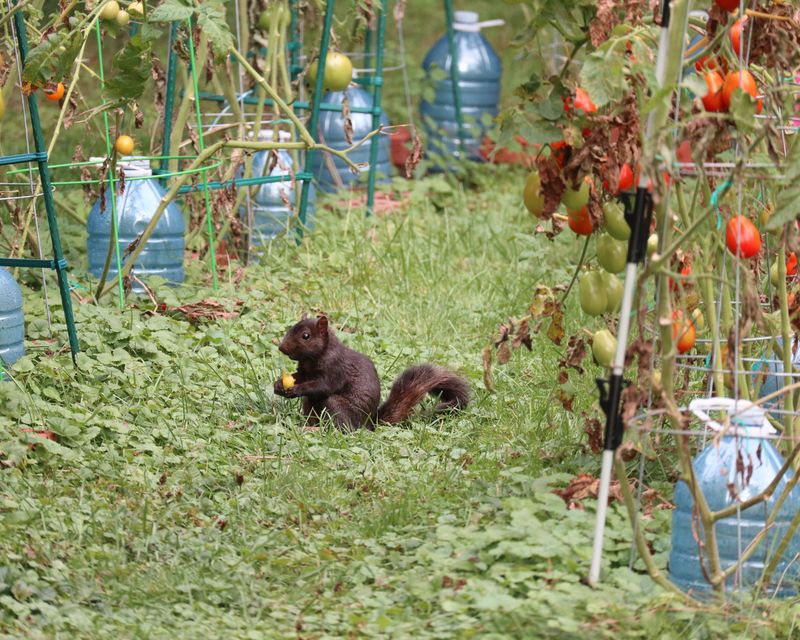
You wait weeks for a tomato to ripen, then walk outside to find a squirrel took one bite and dropped the rest in the dirt. It is one of the most frustrating things a backyard gardener can face, especially after all that watering and care.
The good news is you do not need harsh chemicals or expensive traps to fight back. Here are 14 natural tricks that can keep those furry thieves away from your hard-earned harvest.
1. Hot Pepper Spray
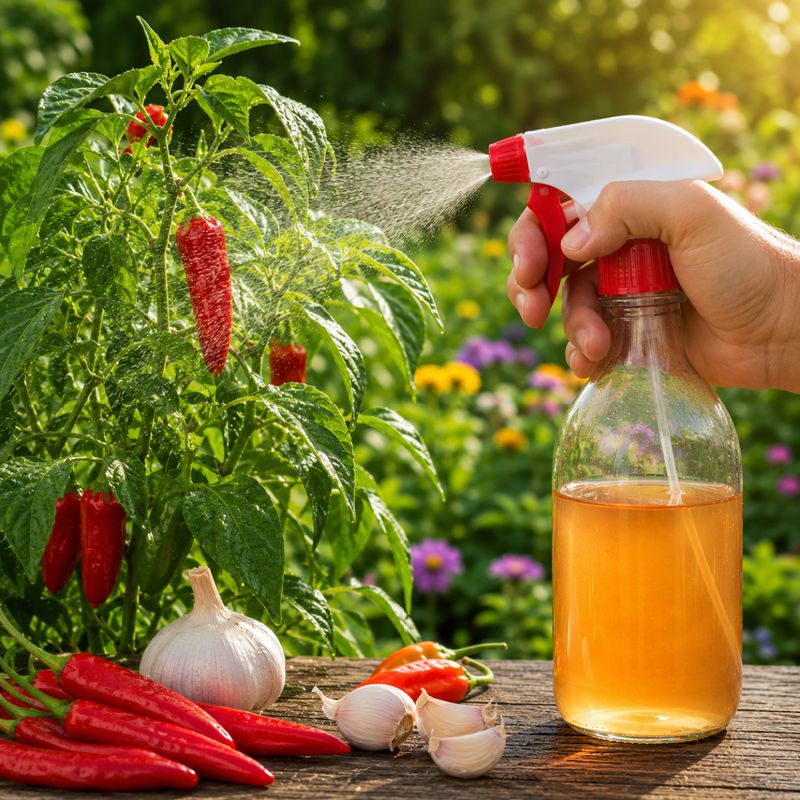
Squirrels absolutely hate the burn of capsaicin, the same fiery compound that makes hot peppers spicy. A quick homemade spray can turn your tasty tomatoes into a mouthful they will regret.
Mix cayenne pepper, chili powder, or a splash of hot sauce with water and a few drops of dish soap so it sticks to the leaves. Spray it liberally on the plants and fruit, then reapply after rain.
Just remember to give your tomatoes a good rinse before you eat them, or you might be the one getting the surprise.
2. Garlic Spray or Fresh Garlic
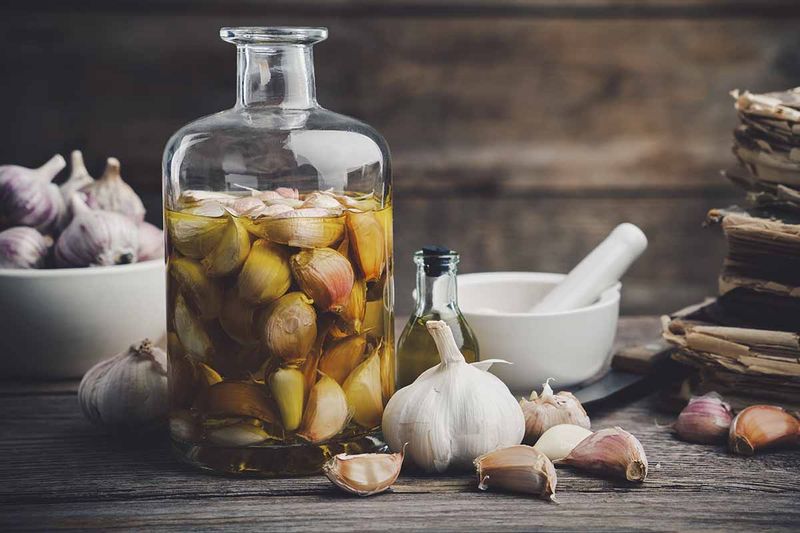
The sharp, pungent punch of garlic sends most squirrels running the other way. Their sensitive noses simply cannot stand it.
You can tuck crushed or diced fresh garlic right around the base of your plants for an easy barrier. For wider coverage, blend garlic with water and a bit of vinegar and spray it on the soil and stems.
Bonus: garlic is cheap and probably already sitting in your kitchen right now.
3. Peppermint Oil Spray or Plants
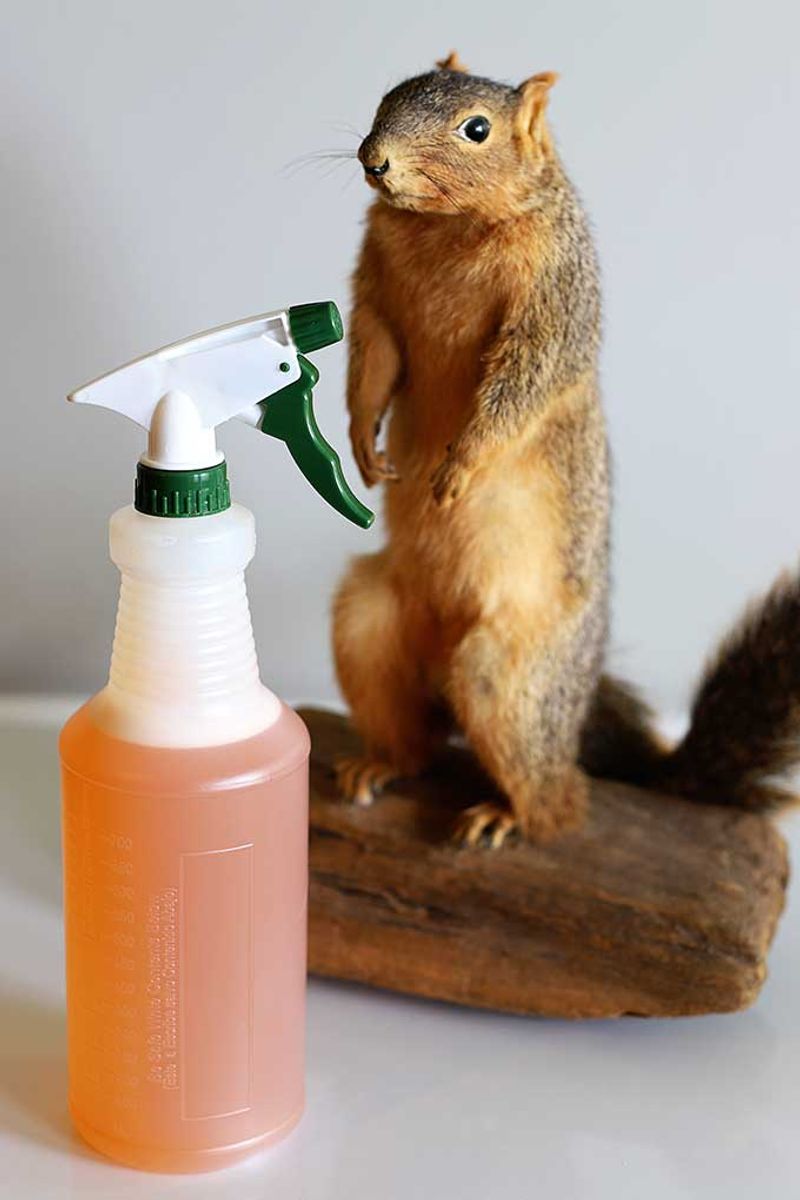
Fresh and minty to us, but overwhelming to a squirrel’s nose. Peppermint’s strong aroma can make your garden feel like a place they would rather avoid.
Drop a little peppermint essential oil into water or vinegar in a spray bottle, then mist the ground and stems around your tomatoes. Reapply it every few days to keep the scent going strong.
Planting actual mint or geraniums nearby doubles down on the effect, since squirrels tend to steer clear of both.
4. Apple Cider Vinegar Spray
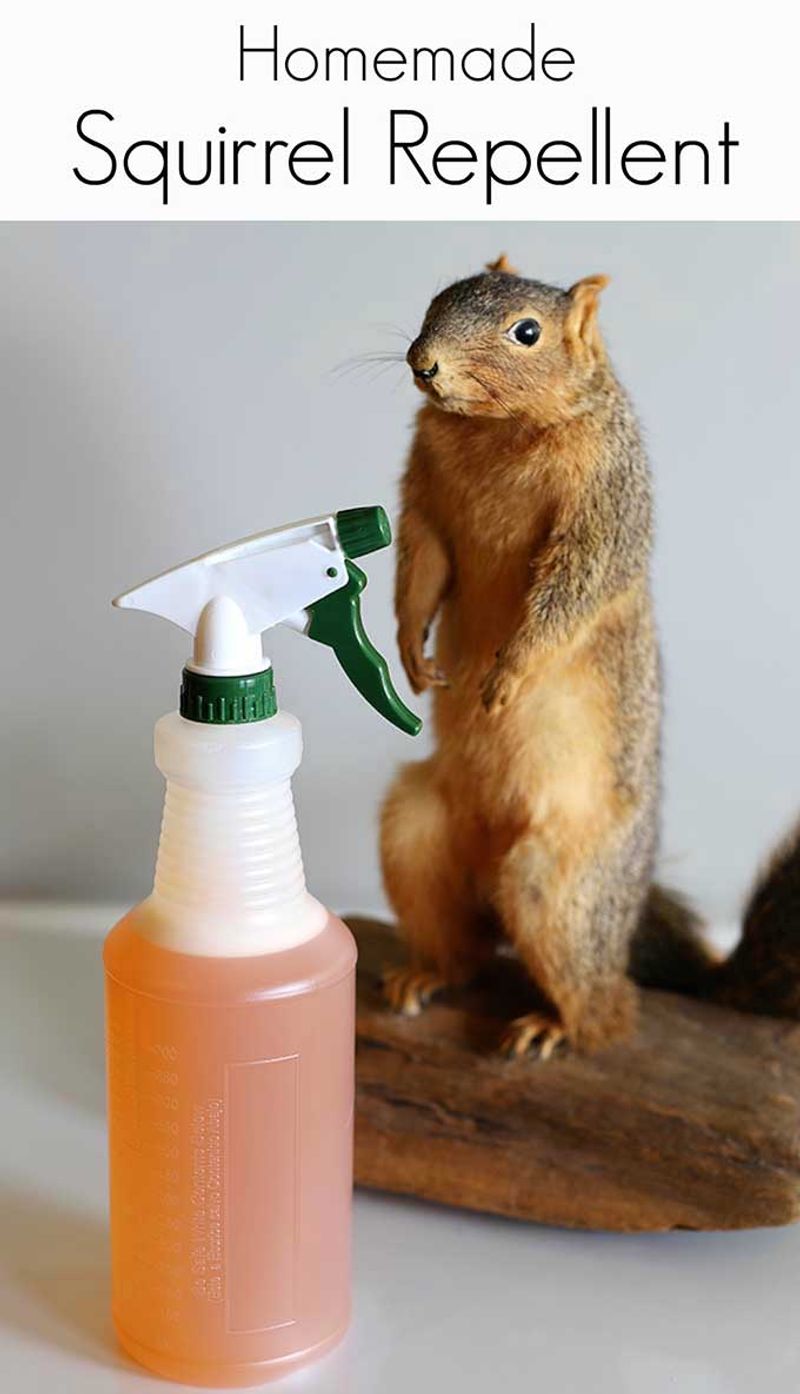
That sour, eye-watering smell of unfiltered apple cider vinegar does more than season a salad. It can keep squirrels at a comfortable distance from your prized fruit.
Spray it on the mulch surrounding your tomato plants rather than the leaves themselves, since the acetic acid may harm tender growth. A weekly refresh keeps the scent working, and you will want to reapply after every rain.
It is a low-cost trick that fits right into most gardeners’ pantry supplies.
5. Grated Irish Spring Soap
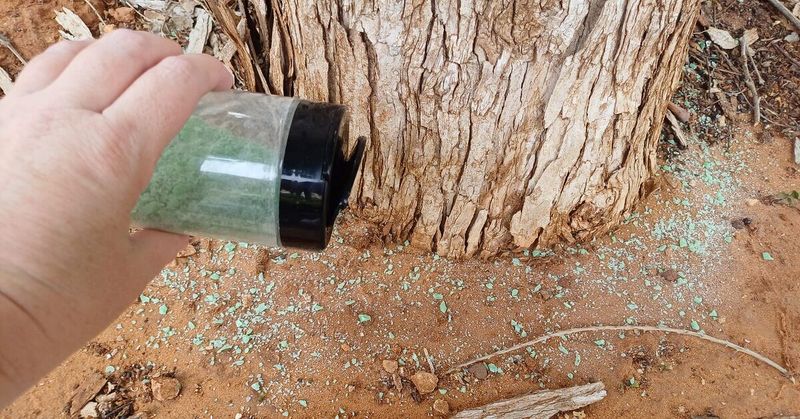
Here is a strange one that plenty of gardeners swear by: bar soap. Squirrels reportedly turn up their noses at the smell of Irish Spring in particular.
Grate the bar into little shavings and scatter them at the base of your tomato plants. The strong, perfumey scent creates an invisible fence that critters would rather not cross.
It is oddly satisfying, cheap, and doubles as a way to use up that soap nobody in the house actually likes.
6. Pet or Human Hair
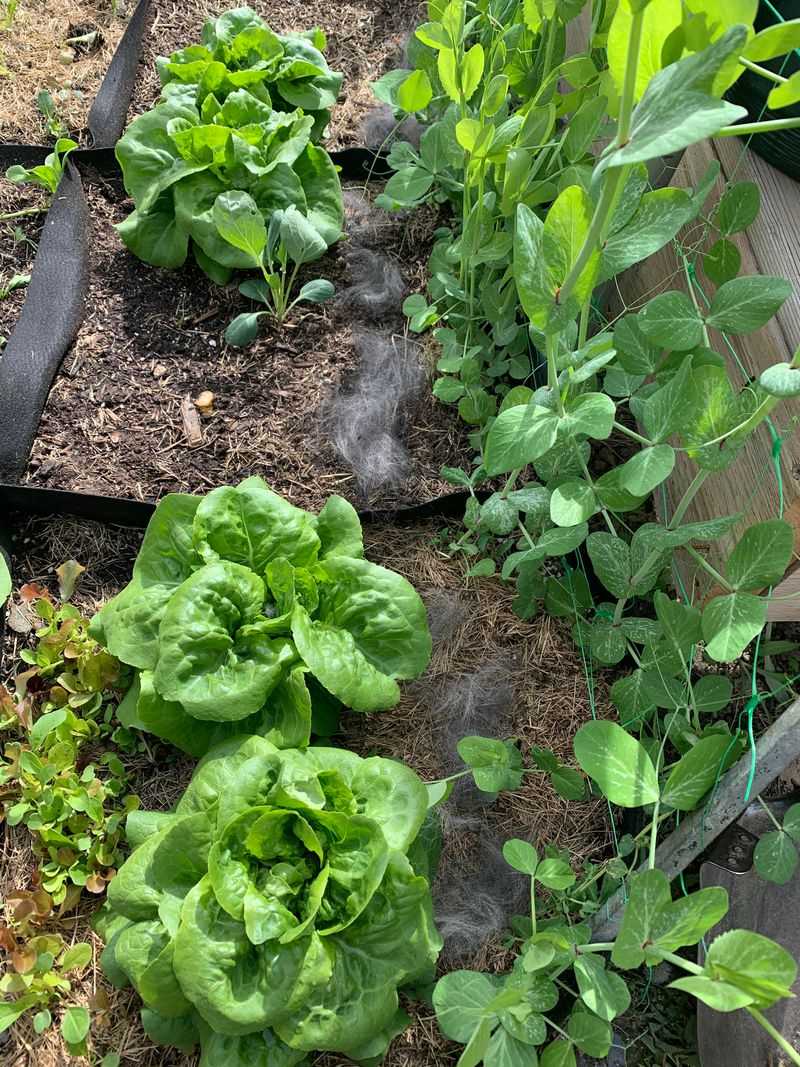
Nature runs on fear, and squirrels are always on the lookout for predators. A little bit of pet or human hair can trick them into thinking a cat or dog is lurking close by.
Save the hair from your next brushing session or haircut and sprinkle it around the base of your tomato plants. The lingering scent puts squirrels on edge and makes them think twice about hanging around.
It costs nothing, and your dog was going to shed all over the house anyway.
7. Used Coffee Grounds
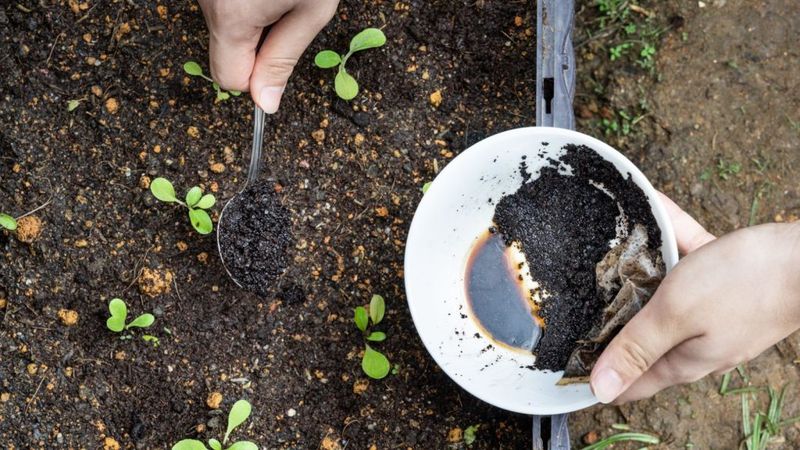
Do not toss those morning coffee grounds just yet. That bold, bitter smell many of us love is one squirrels would rather skip.
Sprinkle used grounds around the base of your tomato plants to create a scent barrier they dislike. As a happy side effect, the grounds break down and add a little nitrogen back into your soil.
Two problems solved with something you were about to throw in the trash.
8. Orange Peels
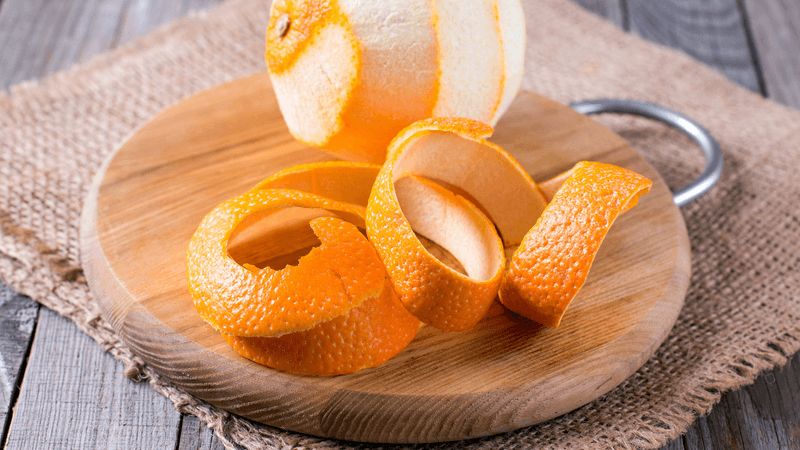
Citrus is a squirrel’s least favorite scent, which makes leftover orange peels a surprisingly handy tool. What smells bright and cheerful to you reads as a warning sign to them.
Scatter the peels in your pots or around your tomato plants and let the aroma do the work. As they dry out, swap in fresh ones to keep the smell potent.
Snack on the orange, save the garden with the leftovers.
9. Protective Cages
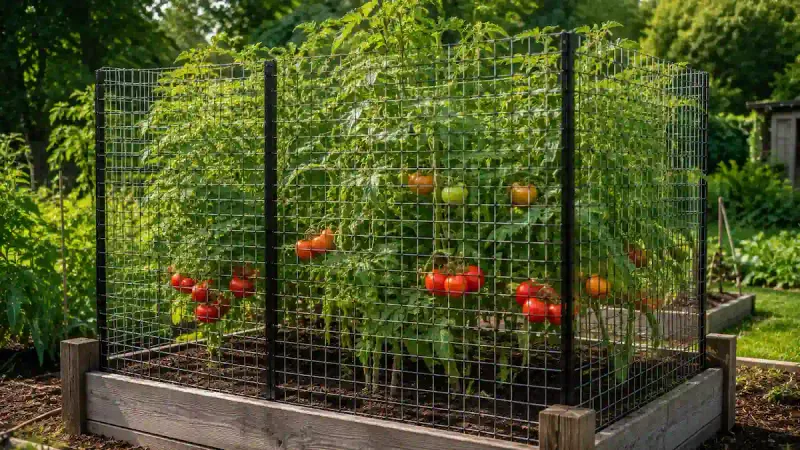
Sometimes scents just are not enough, and that is when a physical barrier becomes your best friend. A sturdy cage built from hardware cloth or chicken wire is one of the most reliable ways to protect your tomatoes.
Wrap individual plants or entire beds, and bury the bottom edge about six inches deep so squirrels cannot tunnel underneath. If bold squirrels are leaping down from nearby trees, add a roof to seal off the top.
It takes a bit of effort up front, but a well-built cage pays you back all season long.
10. Bird Netting
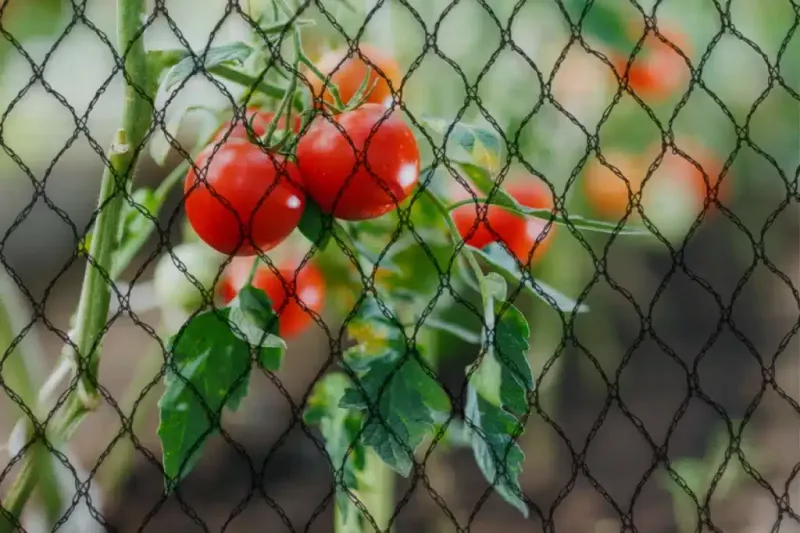
Lightweight and easy to find, bird netting puts a simple screen between hungry squirrels and your ripening fruit. They can smell the tomatoes, but they cannot get their little paws through.
Drape the netting over your plants and secure the edges so nobody sneaks underneath. For a targeted approach, you can even wrap individual tomatoes in small pieces of netting as they start to color up.
It is a flexible fix that works whether you have one plant or a whole row.
11. Mulch Bare Soil
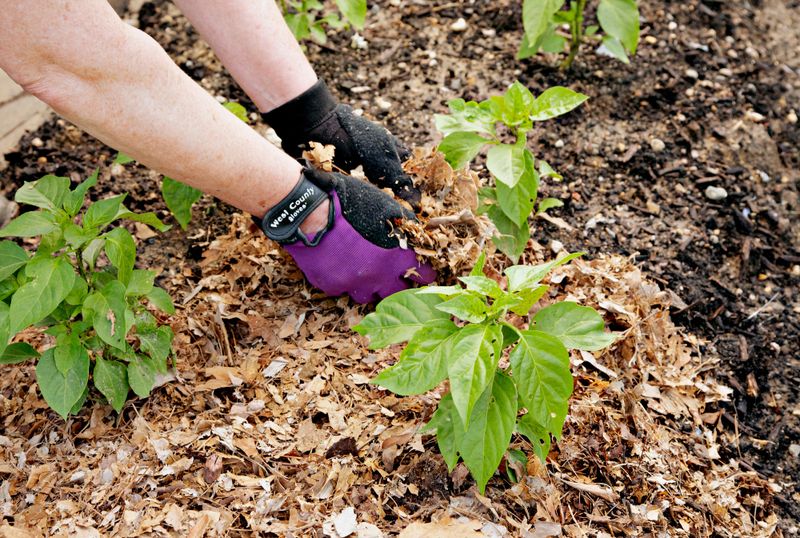
Bare patches of soil are basically an open invitation for squirrels to dig, bury, and cause chaos. Covering that ground takes away half the fun for them.
Spread a layer of mulch around your tomato plants, leaning toward rough materials like gravel or coarse-cut wood. The scratchy texture is uncomfortable to dig through, so they usually move along.
Your soil holds moisture better too, so it is a win for the plants either way.
12. Companion Planting
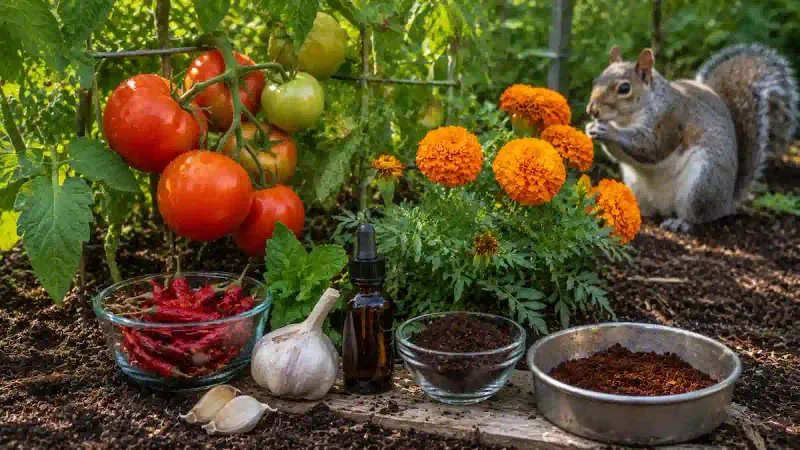
Certain plants act like natural bodyguards for your tomatoes, and marigolds are the classic example. Their strong, spicy scent is something squirrels would rather not be around.
Tuck marigolds, mint, or garlic between your tomato plants to build a fragrant wall of protection. The plants earn their keep by looking good and pulling in helpful pollinators at the same time.
Fun fact: marigolds are also known to discourage certain soil pests, so they multitask beautifully.
13. Provide a Distant Water Source
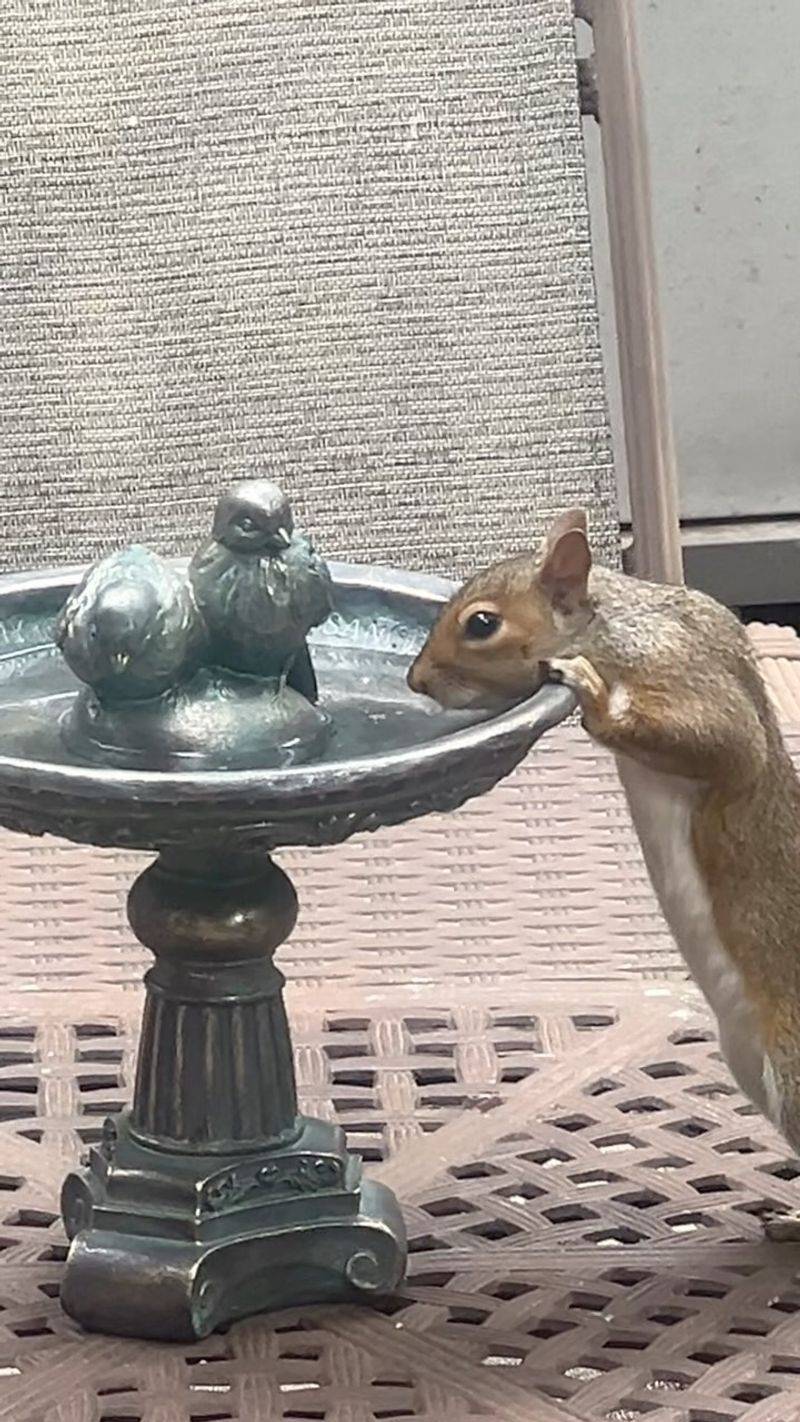
Ever notice squirrels only take one bite and leave the rest? Often they are not even hungry, they are thirsty, and a juicy tomato is the closest drink around.
Set out a shallow bowl of water or a birdbath in a far corner of your yard, well away from your tomatoes. Giving them an easier place to hydrate can take the pressure off your fruit entirely.
It is a kind compromise that keeps everyone a little happier.
14. Harvest Tomatoes When Slightly Underripe
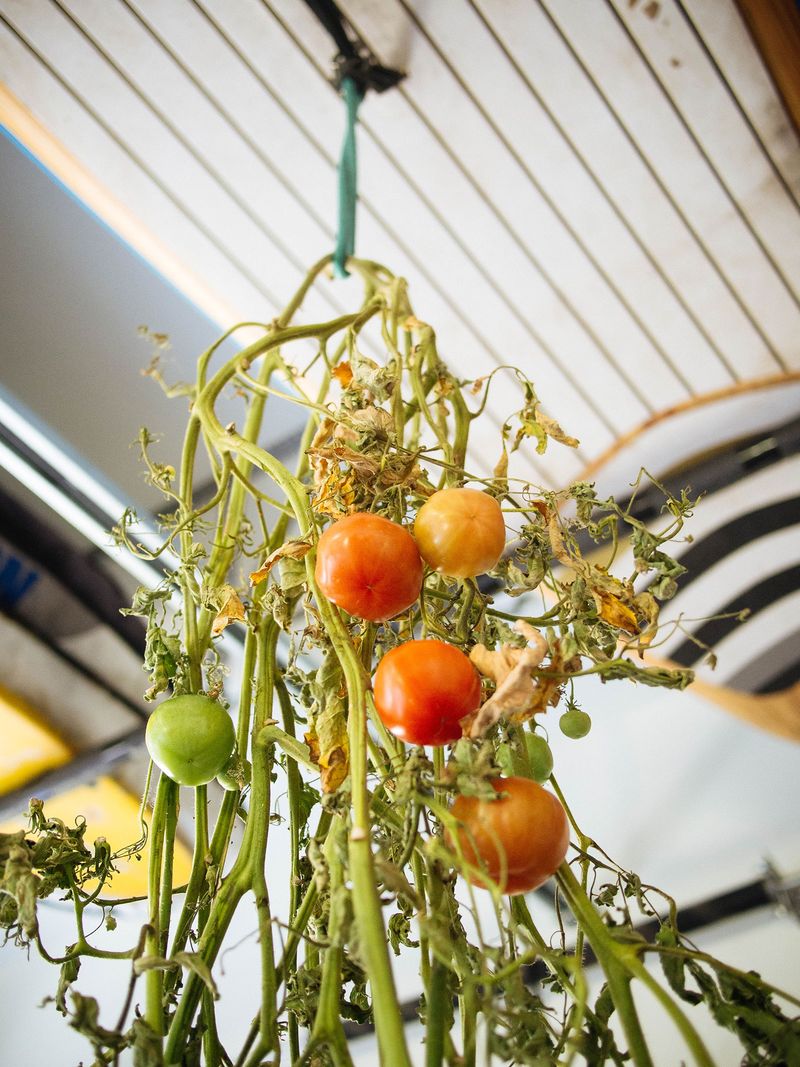
Squirrels have a sweet tooth and go after tomatoes right at their peak of ripeness. So beat them to it by picking a little early.
Once a tomato shows a blush of color but is not fully red, pluck it from the vine and let it finish ripening indoors. A sunny windowsill or countertop does the job in just a few days.
Your tomatoes still taste garden-fresh, and the squirrels are left with an empty vine and a lesson learned. Between these 14 tricks, you can mix and match until you find the combination that finally keeps your harvest yours.