
If Your Peonies Just Finished Blooming, Here Are 7 After-Bloom Moves (And The One Step Most People Skip)
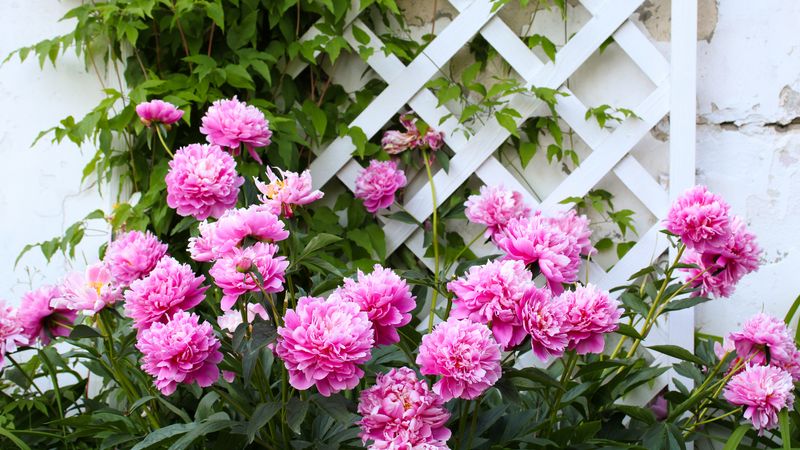
Your peonies put on their big show, and now the petals are dropping everywhere. What you do in the next few weeks actually decides how many flowers you get next spring.
The good news is that peonies are tough, and the right moves are simple and quick. Let’s walk through seven easy steps, plus the one mistake that quietly ruins next year’s blooms.
1. Deadhead the Spent Blooms Right Away
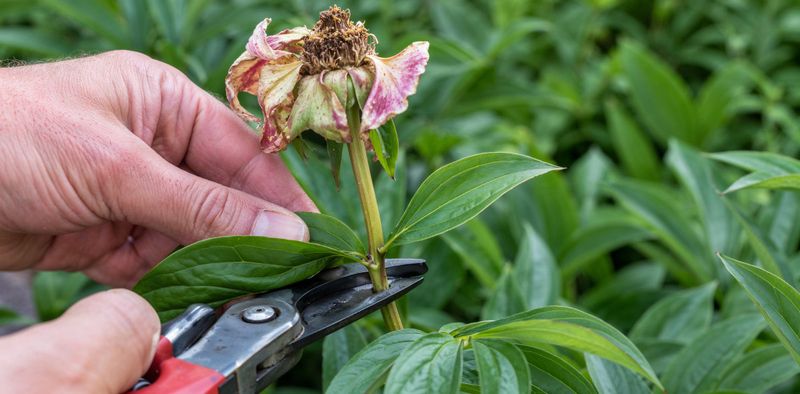
Those droopy, brown flower heads left over after the show? They are secretly stealing energy.
When a spent bloom stays on the plant, your peony starts pouring effort into making seeds instead of building a stronger root system.
Grab clean pruners and snip each faded stem just above the first set of healthy leaves or a strong bud. You are not chopping the whole plant, just removing the tired flower at the top.
Doing this promptly, right when petals start dropping, tells the plant to shift gears. Instead of wasting weeks on seed pods, it puts that fuel into next spring’s flowers.
It only takes a few minutes and makes a real difference.
2. Leave the Healthy Green Leaves Alone (The Step Most People Skip)
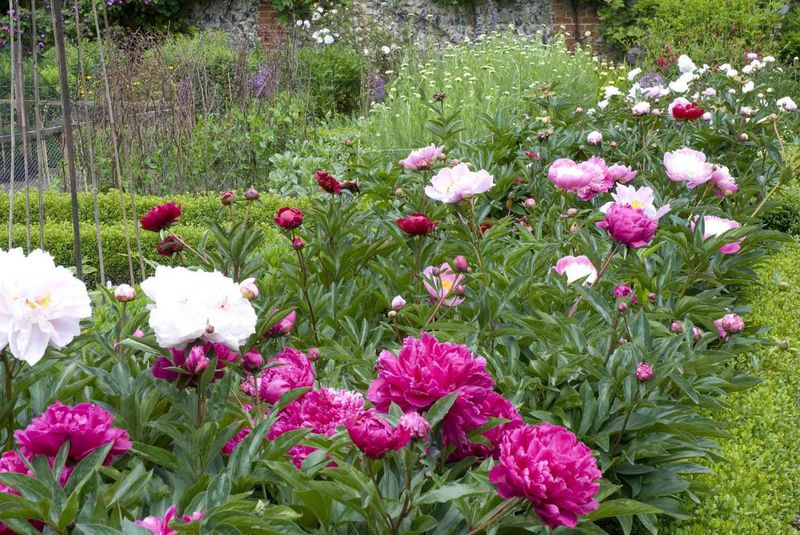
Here is the big one, the mistake almost everyone makes. Once the flowers fade, it is tempting to cut the whole plant down and tidy up the bed.
Please do not do that.
Those green leaves are little solar panels. All summer and into fall, they soak up sunlight and stuff energy down into the roots, and that stored energy becomes next year’s blooms.
Cutting them off early drains the tank and can leave you with few flowers, or none.
For herbaceous peonies, wait until late fall after the first hard frost, when the foliage naturally turns yellow or brown. Only then should you cut it back to about an inch above the ground.
Patience here is what separates a weak plant from a knockout display.
3. Water Deeply During Dry Spells
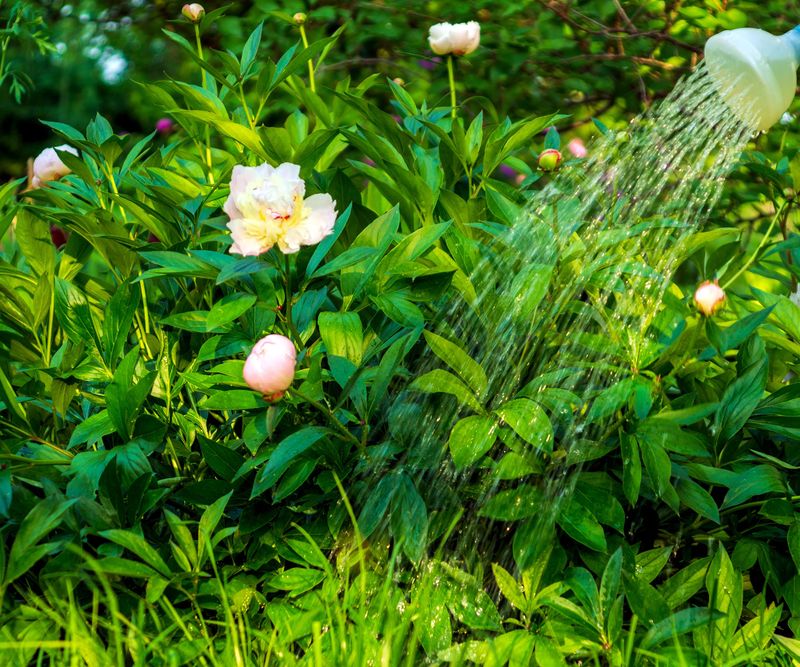
Peonies are not thirsty divas, but they do get stressed when the ground bakes dry in high summer heat. The flowers may be gone, but the roots are still hard at work storing up fuel.
When rain is scarce, give them a slow, deep drink. Aim water at the drip line, the ring of soil around the outer edge of the leaves, so moisture reaches where the roots actually are.
Skip the overhead sprinkler if you can. Wet leaves sitting in warm, humid air are an open invitation for fungal trouble.
A soaker hose or a watering can at the base keeps foliage dry and roots happy.
4. Clean Up Fallen Petals and Debris

A carpet of dropped petals looks pretty for a day, then it turns into a soggy problem. Rotting petals and leaf litter sitting at the base of your peony create the perfect hideout for disease.
Sweep or rake up fallen petals and any old debris around the crown of the plant. It takes two minutes and keeps the area breathing.
Fungal troublemakers like botrytis blight, powdery mildew, and leaf spot love damp, cluttered spots. A tidy base can reduce the odds of these problems taking hold.
Think of it as clearing the crumbs so pests and spores have nowhere to party.
5. Keep an Eye Out for Disease
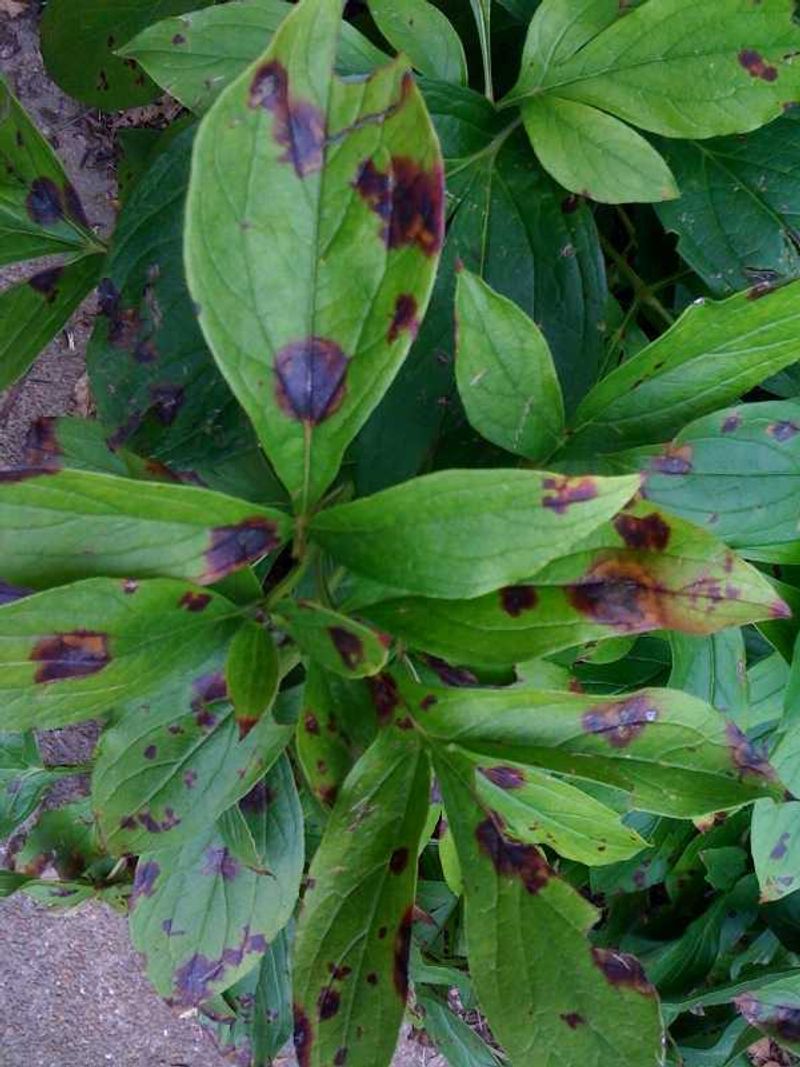
Even with the flowers finished, your peony is not out of the woods when it comes to fungus. Late spring dampness and muggy summer air can bring problems creeping in.
Do a quick check every week or so. A white, powdery dusting on leaves points to powdery mildew, while brown or black blotches can signal leaf spot or botrytis.
If you spot trouble, snip off the affected leaves and toss them in the trash, not the compost pile. Good air flow around the plant helps a lot, so avoid crowding.
For stubborn cases, an appropriate garden fungicide may help slow the spread. Catching it early keeps a small issue from becoming a plant-wide mess.
6. Give a Light Feeding If the Plant Needs It
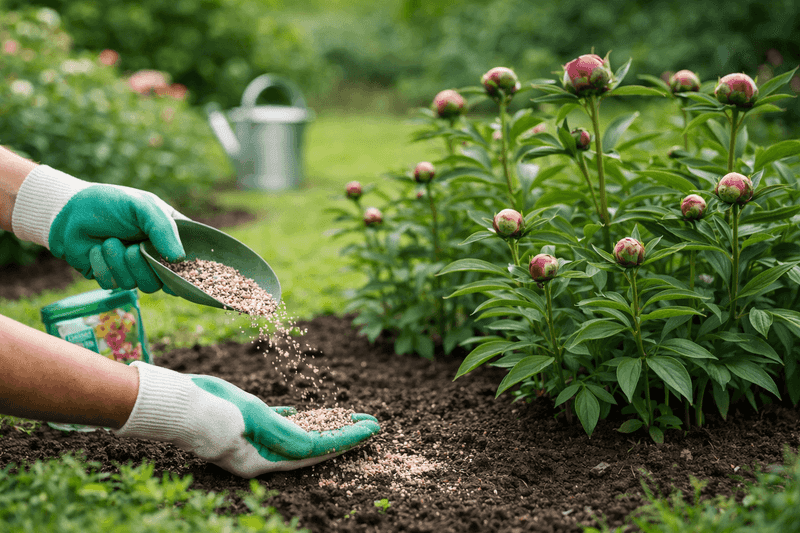
Peonies are famously low-maintenance eaters, so forget about dumping on the plant food. A gentle, well-timed snack is all they want after blooming.
A light scattering of balanced 10-10-10 fertilizer, a low-nitrogen blend, or a bit of bone meal around the base can support root growth for next year. Work it lightly into the soil and water it in.
Steer clear of heavy, high-nitrogen products. Too much nitrogen grows big, leafy plants that stubbornly refuse to bloom, which is the opposite of what you want.
And stop feeding by mid-summer, since late feeding can push tender growth right before cold weather arrives.
7. Keep the Stems Supported
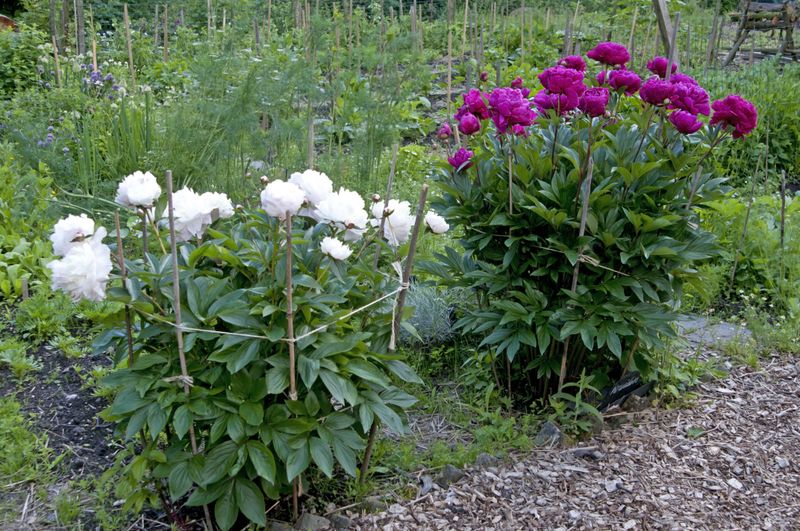
Ever seen a peony sprawled flat on the ground after a rainstorm? Those big, heavy flower heads can drag whole stems down, and floppy stems bruise easily and invite rot where they touch wet soil.
Support usually goes in before blooming, but do not ignore it once the flowers fade. If your hoops or grow-through rings shifted, straighten them so the foliage stays upright and airy.
Standing tall matters even without flowers. Upright leaves get better sun and air circulation, which keeps them drying out fast and photosynthesizing hard.
A well-propped plant simply looks neater and stays healthier through the rest of the season.
8. Mark the Spot and Plan for Fall
Once the flowers are gone, peonies blend right into the green background, and it is shockingly easy to forget exactly where they sit. That matters more than it sounds.
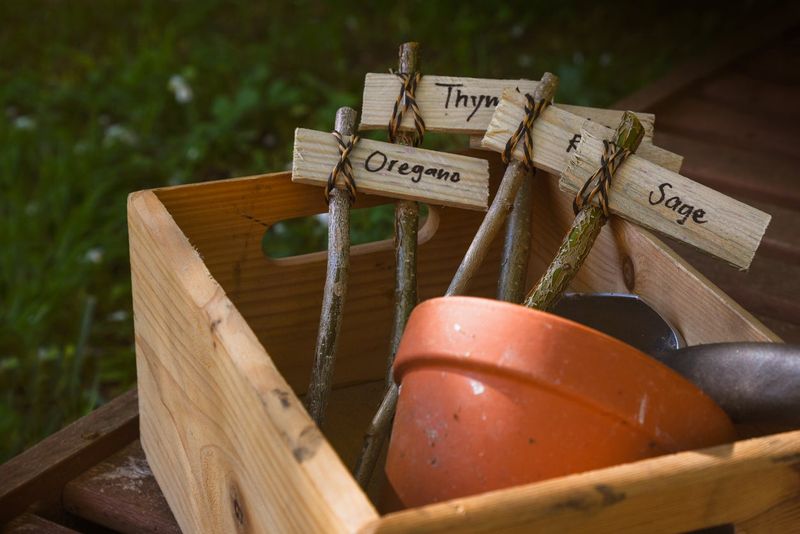
Pop in a small marker or label next to each plant now. Come fall cleanup time, or if you decide to divide or move a peony, you will know precisely where to dig without slicing through the crown by accident.
Jot a quick note too, like how well it bloomed this year or whether it flopped. These little observations help you decide if a plant needs dividing, more support, or a sunnier spot.
A minute of planning now saves guesswork later and sets you up for an even bigger show next spring.