
The Native North Carolina Perennials That Bloom Longer And Take The Heat Better Than Black-Eyed Susans
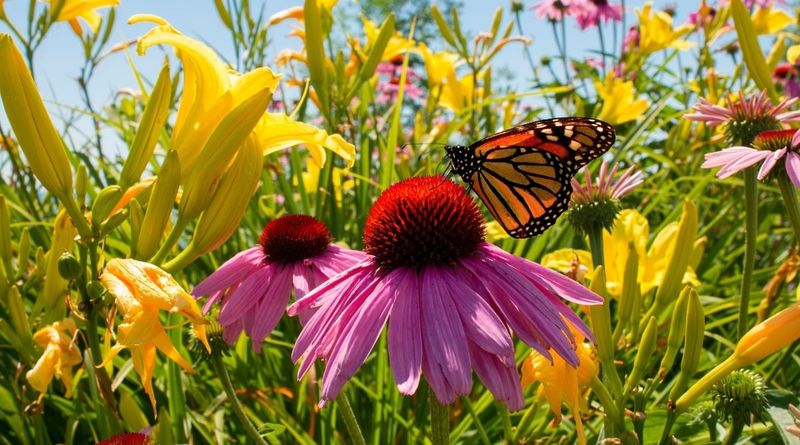
Black-eyed Susans are a favorite in North Carolina yards, but they often fizzle out fast and sometimes act more like short-lived guests than dependable perennials. The good news is that plenty of NC native plants bloom longer, shrug off our brutal summer heat, and feed the wildlife you love, from goldfinches to Monarchs.
Every plant on this list is native to our state, so it belongs here and helps the local ecosystem instead of muscling out other plants like invasives do. Here are seven tough, long-blooming natives worth adding to your patch of Carolina.
1. Purple Coneflower (Echinacea purpurea)
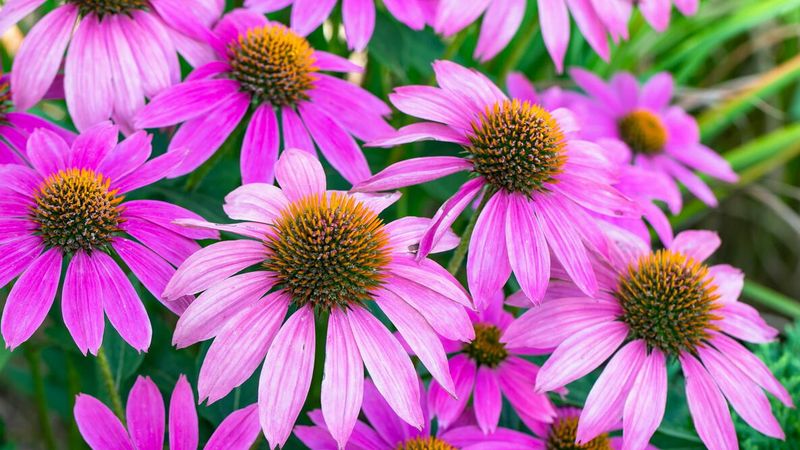
Ask any Piedmont gardener for a plant that just refuses to quit, and purple coneflower usually tops the list. It can start opening in late April and keep going until frost, which is a much longer show than a black-eyed Susan puts on.
Heat, humidity, and dry spells barely faze it once the roots settle in, and deer tend to leave it alone. It handles full sun or a little afternoon shade without complaint.
The wildlife payoff is where it really earns its spot. Butterflies, bees, and hummingbirds work the blooms all summer, and if you leave the spent flower heads standing through winter, goldfinches will perch and pluck the seeds.
Native bees may even nest in the hollow stems, so resist the urge to cut everything down in fall.
2. Orange Coneflower (Rudbeckia fulgida)
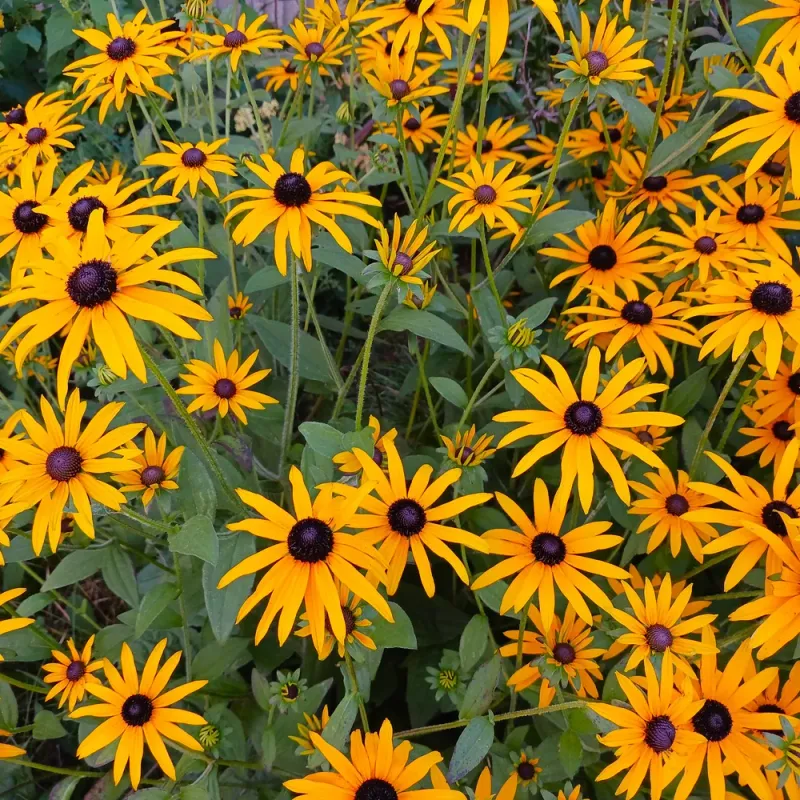
Here is the plant most folks think they already have when they plant a black-eyed Susan. Orange coneflower looks nearly identical, but it is the more reliable perennial cousin, spreading gently by rhizomes to build sturdy, dependable clumps year after year.
The flowers pour on from midsummer well into late autumn, stretching the color long past when true black-eyed Susans have called it quits. It laughs off hot, sticky NC summers, drought, poor soil, and even road salt once established.
Pollinators sip the nectar, certain butterflies use it as a host plant for their caterpillars, and American goldfinches feast on the seeds later in the season. If you want the classic golden daisy look without the disappointment of a plant that vanishes after a year, this is your swap.
3. Butterfly Weed (Asclepias tuberosa)
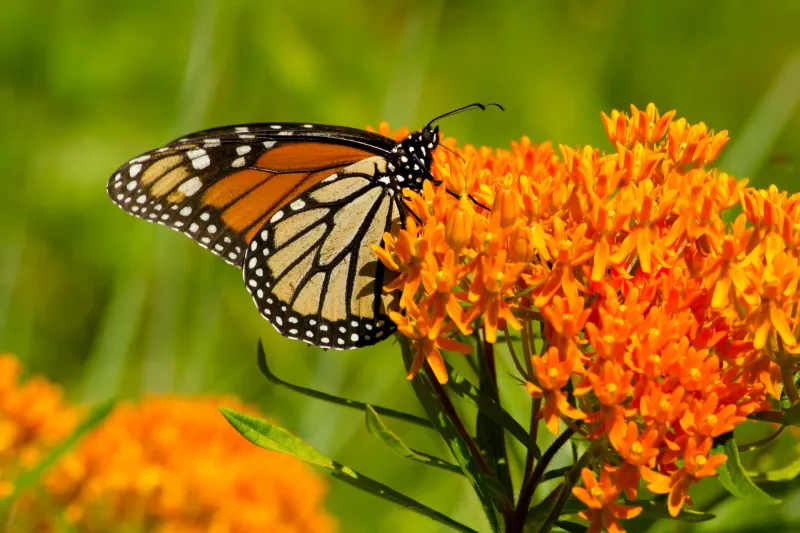
If you have ever wished a Monarch would visit your yard, this is the plant that makes it happen. Butterfly weed is a native milkweed and a critical host for Monarch caterpillars, so planting it is one of the most direct things you can do for these travelers.
Glowing orange clusters open in early June, peak through late June and August, and often keep going into September if you snip off spent blooms. Few plants tolerate heat and drought this well, thriving in the poor, dry, well-drained spots where fussier flowers sulk.
One important tip: butterfly weed grows a deep taproot and hates being moved, so pick its home carefully the first time and plant it small. Hummingbirds, bees, and other beneficial insects show up too, but the Monarchs are the real headliners.
4. Swamp Sunflower (Helianthus angustifolius)
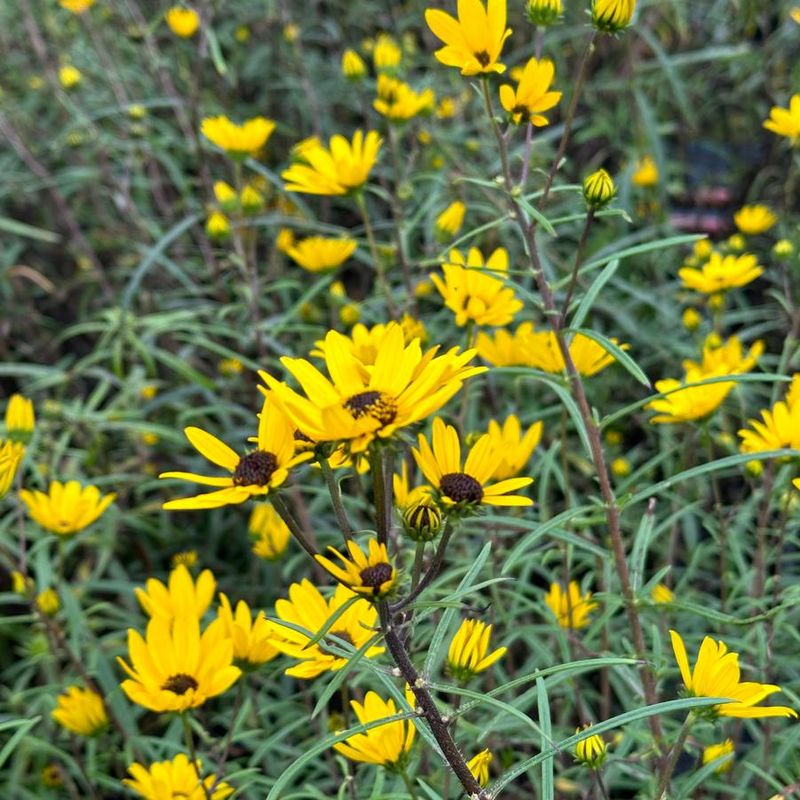
Want to end the growing season with a bang? Swamp sunflower saves its best for last, exploding into a wall of golden, daisy-like blooms with purplish-brown centers from late summer straight through the first frost, sometimes as late as November.
Despite the name, it does not need a swamp, though it does love moist ground. It handles our heat and humidity fine and copes with occasional dry stretches once established.
Fair warning: this one grows tall, often four to eight feet, and spreads eagerly by rhizomes and self-seeding. Give it room in a larger backyard or a spot where you can keep its wandering in check.
The reward is a late buffet for bees, butterflies, and seed-hungry songbirds right when other food is running low, plus it feeds bordered patch butterfly larvae.
5. Goldenrod (Solidago spp.)
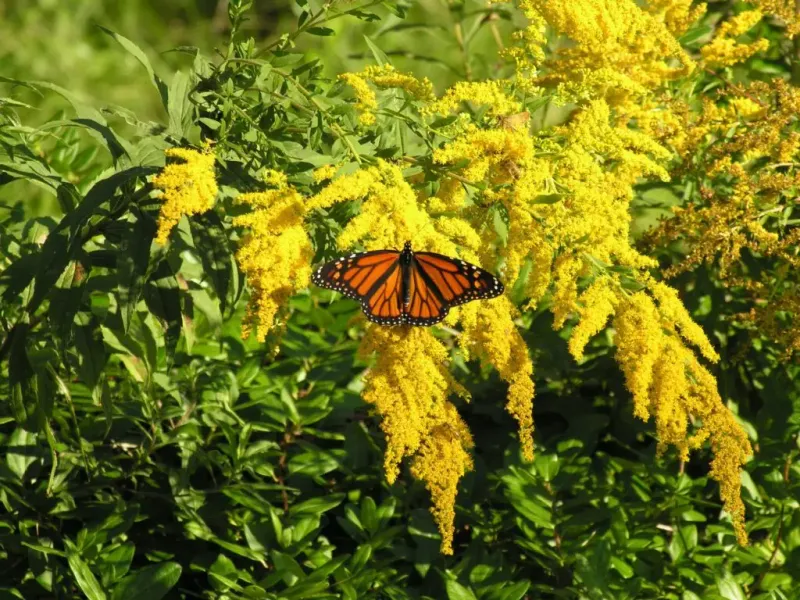
Poor goldenrod gets blamed for fall allergies it never caused, since the real culprit is ragweed blooming nearby. Clear that misunderstanding and you gain one of the best late-season pollinator magnets around.
Native goldenrods light up from mid-to-late summer through fall, hanging on until a hard frost. They grow easily in full sun and tough it out through poor, dry, clay-heavy soil and drought once rooted.
For pollinators heading into winter, goldenrod is a lifeline, drawing bees, wasps, butterflies, and especially migrating Monarchs, while birds pick at the seeds. Deer usually pass it by.
If you worry about it running wild, plant Sweet Goldenrod (Solidago odora), which stays better behaved and shrugs off drought. It even has fragrant, licorice-scented leaves as a bonus.
6. Blue Mistflower (Conoclinium coelestinum)
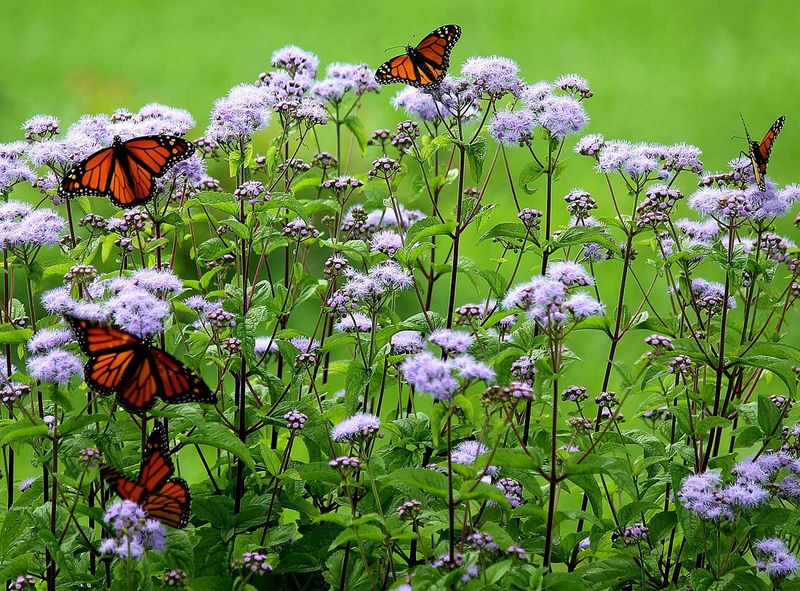
Almost everything on this list leans yellow and orange, so blue mistflower brings something rare: a haze of soft, powdery-blue flowers to cool down the late-season garden. The blooms open from late July or August and keep coming until frost.
Butterflies adore it, including Monarchs and swallowtails, along with skippers, a crowd of bees, and seed-eating songbirds. It likes moist, rich soil and can take a bit of afternoon shade, which is handy in our hottest spots.
Like a few of its neighbors here, it spreads with enthusiasm by rhizomes and seed, so it shines in naturalized corners or roomier beds rather than tidy little borders. Deer mostly leave it be.
If you want to add unexpected color and a pollinator crowd at once, mistflower delivers both.
7. Mountain Mint (Pycnanthemum muticum)
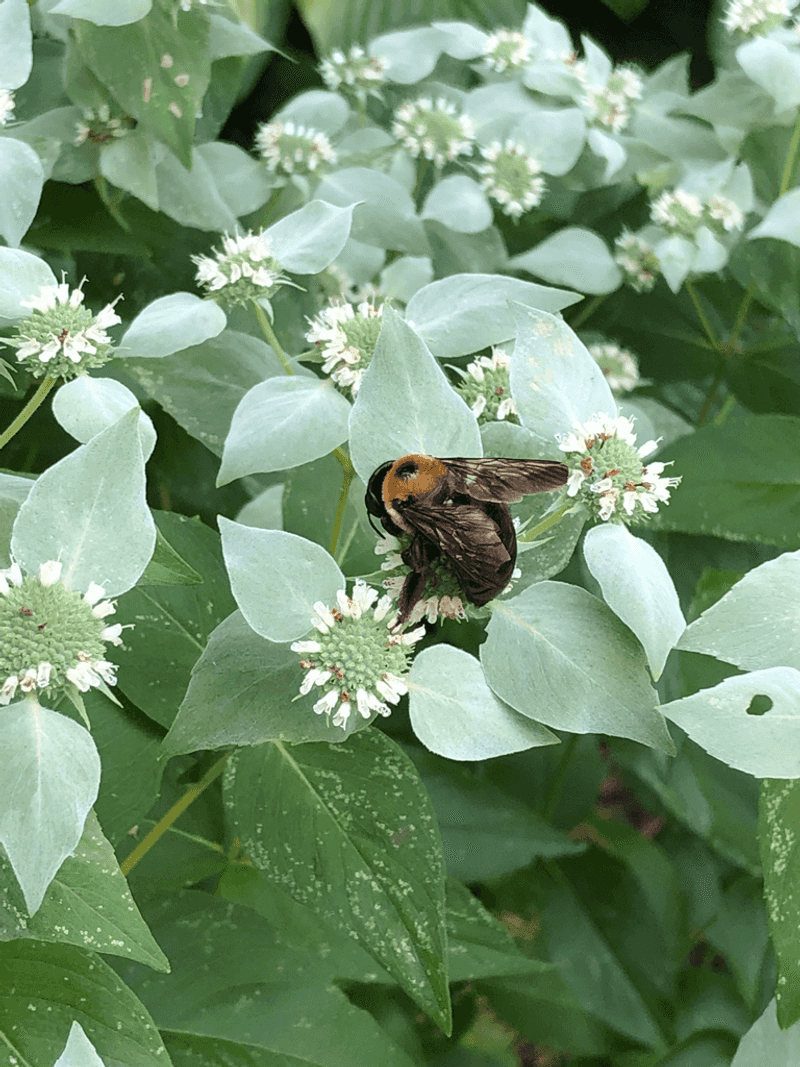
If you set up a chair beside a patch of mountain mint on a July afternoon, you will witness one of the busiest pollinator scenes your yard can offer. Study after study ranks it among the very top plants for attracting a wide variety of beneficial insects.
Frosty-looking flower clusters bloom densely from July through August, sometimes into September, buzzing with native bees, wasps, and butterflies the whole time.
Crush a leaf and you get a strong minty scent, which is exactly why deer keep their distance. It adapts to soils from moist to dry as long as drainage is decent, takes full sun or part shade, and handles drought once it is settled.
Leave the dead, hollow stems standing over winter and native bees will move in to nest, making this plant a gift to pollinators in every season.