
If Hummingbirds Keep Skipping Your Yard, Here Are 13 Things Quietly Scaring Them Off (And How To Win Them Back)
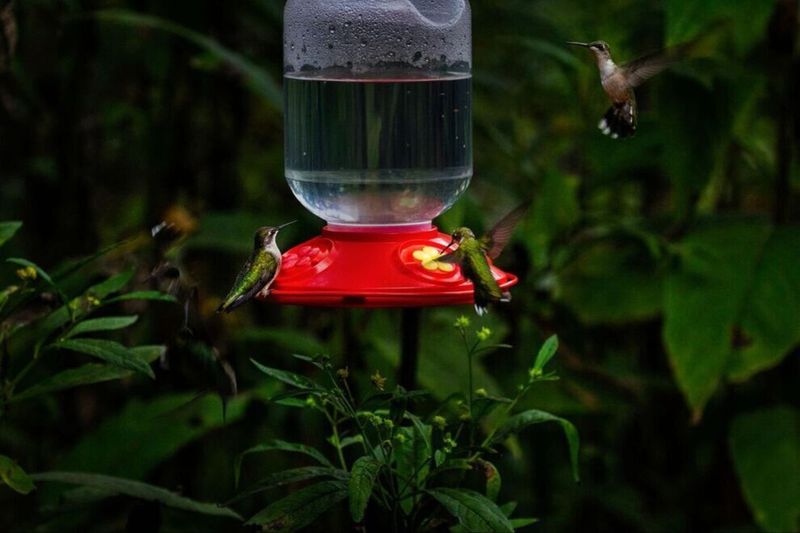
Hummingbirds are some of the most fun little visitors a backyard can have, zipping around like tiny helicopters and flashing their bright colors. But if they keep flying right past your yard, something is probably pushing them away without you even noticing.
The good news is that most of these problems have quick, cheap fixes you can start today. Here are 13 sneaky reasons hummingbirds may be avoiding your space, plus simple ways to bring them back.
1. Unclean Feeders and Spoiled Nectar
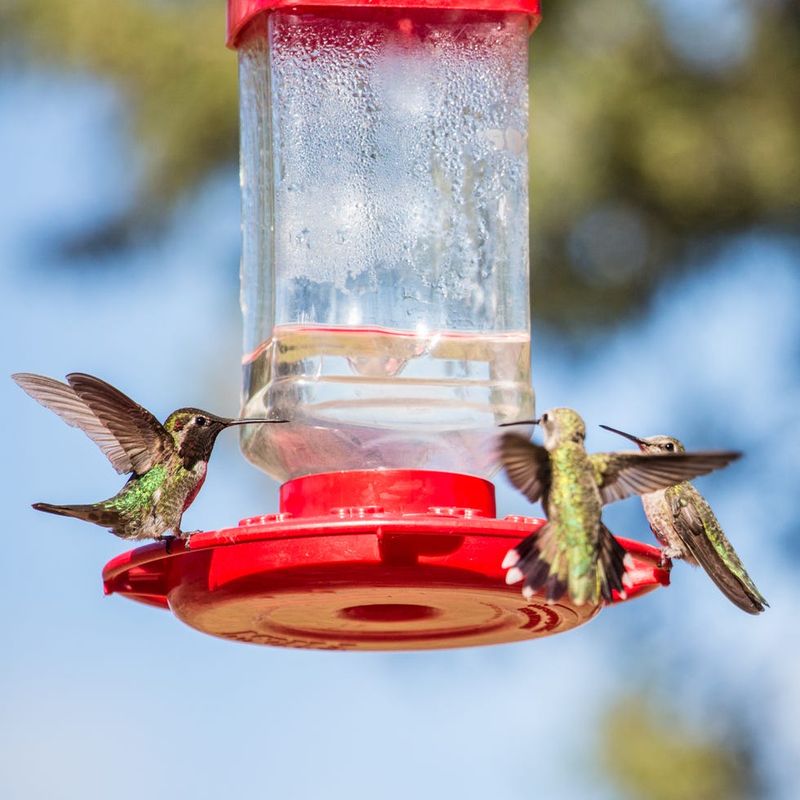
Picture your favorite drink left out in the sun for two days. That is basically what dirty nectar tastes like to a hummingbird, and they will refuse it every time.
In warm weather, nectar can spoil in as little as a single day, and grimy feeders grow mold and bacteria that can actually make these birds sick. A feeder that looks fine to you might smell sour and dangerous to them.
To win them back, clean your feeder often: every 2 to 3 days in mild weather, daily when it climbs above 90 degrees, and at least weekly when it cools down. Take the feeder apart, scrub every piece with hot water and a bottle brush, and tackle mold with diluted white vinegar or 3% hydrogen peroxide.
Skip the dish soap, since leftover residue can harm the birds.
2. Incorrect Nectar Mixture or Harmful Additives
It is tempting to think you are giving hummingbirds a treat by adding honey or a splash of red dye, but those extras can quietly do real damage.
Honey, brown sugar, and raw sugar encourage dangerous fungal growth and are hard for tiny birds to digest. Artificial sweeteners give them zero energy, and red food coloring is unnecessary and possibly harmful.
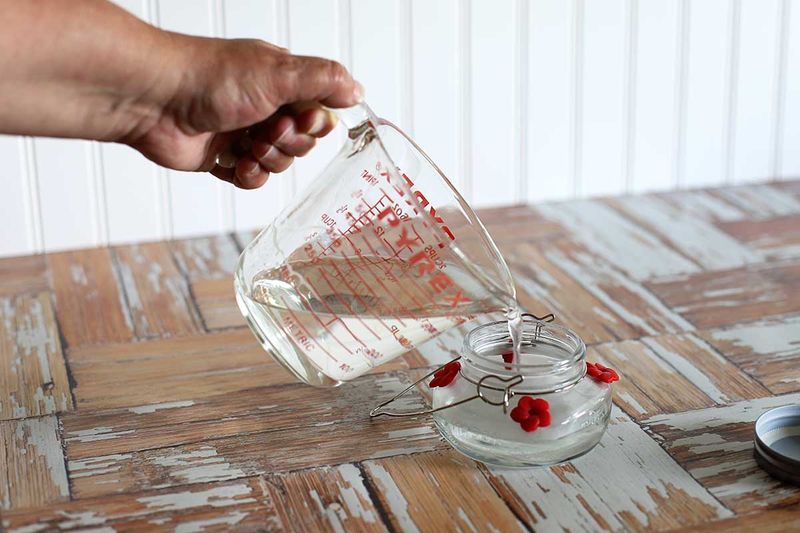
The winning recipe is refreshingly simple. Mix one part plain white sugar with four parts tap water, bring it to a boil to kill off anything nasty, then let it cool completely before filling the feeder.
No honey, no brown sugar, no fake sweeteners, and no dye. Just clean, simple fuel that keeps them coming back.
3. Presence of Predators, Especially Cats
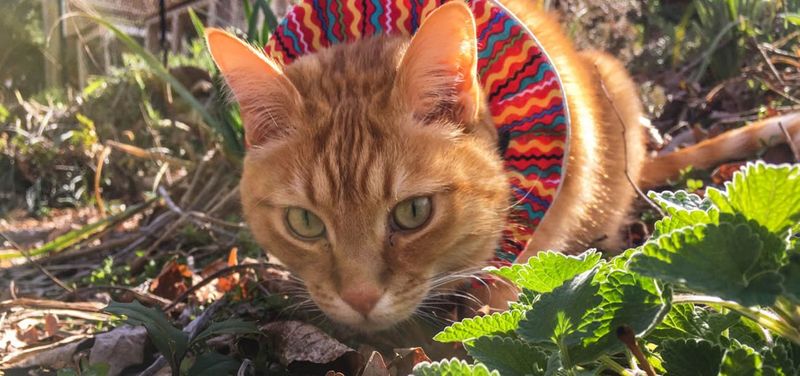
A single lurking cat can turn your welcoming yard into a no-fly zone. Domestic and feral cats are one of the biggest threats to hummingbirds, often pouncing while the birds feed or rest.
Cats are not the only danger, either. Hawks, snakes, lizards, and even praying mantises will happily ambush a distracted hummingbird.
Keeping your own cats indoors is the single most helpful move you can make. Beyond that, hang feeders at least 5 feet off the ground and away from thick shrubs or fences where predators like to hide, giving the birds a clear view of any danger.
For ground-level threats, plant fragrant herbs like lavender or rosemary, or tuck thorny bushes around your flower beds to make sneaking up harder.
4. Loud Noises and Excessive Activity
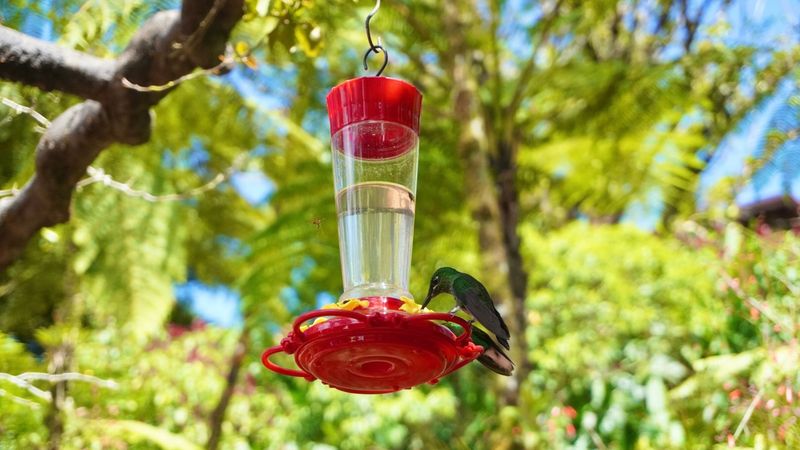
For a bird that weighs less than a nickel, the world can feel awfully loud. Hummingbirds are jumpy little creatures, and blasting music, barking dogs, shrieking kids, or even clanging wind chimes can send them packing.
Constant commotion makes them feel stressed and exposed, so they simply choose a calmer neighbor’s yard instead.
The fix costs nothing. Set up your feeders and nectar plants in the quieter corners of your yard, far from the noisiest spots.
Encourage everyone to watch calmly and keep sudden movements and loud fun away from the hummingbird zone. A peaceful patch invites them to linger.
5. Lack of Sufficient Shelter and Perching Spots
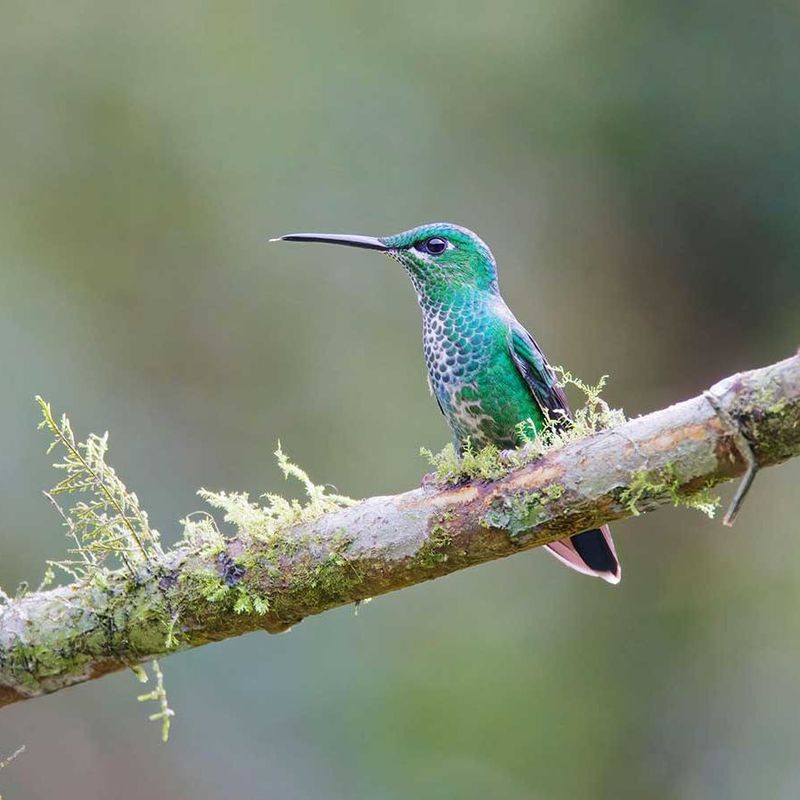
Believe it or not, hummingbirds spend a surprising amount of time just sitting still. They need safe spots to rest, digest, keep an eye on their turf, and hide from bad weather and predators.
Without cover and good perches, your yard feels like a rest stop with no benches, so they keep moving.
Plant a mix of mature trees, shrubs, and hedges to give them natural cover and places to nest. Then add slender perches like thin branches, a clothesline, a trellis, or even a dedicated hummingbird swing near your feeders and flowers.
A tired bird that finds a comfy perch is far more likely to stick around and settle in.
6. Reliance on Pesticides in the Garden
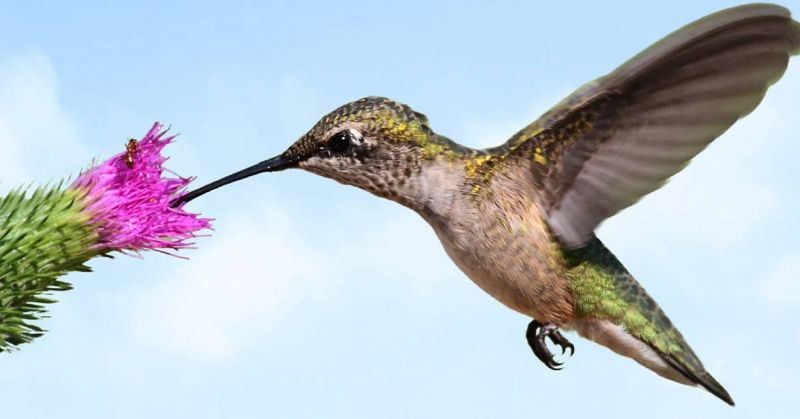
That bottle of bug spray under your sink might be quietly sabotaging your whole hummingbird plan. Pesticides, especially neonicotinoids, can poison the nectar and wipe out the insects hummingbirds depend on.
Here is something many people miss: tiny bugs like gnats and spiders are a critical protein source for hummingbirds, particularly when they are raising their young.
To make your yard safe again, cut out pesticides and herbicides as much as you possibly can. Lean into organic gardening habits and pick up plants that were not treated with chemicals at the nursery.
A slightly buggier garden is actually a hummingbird buffet, and they will thank you for it.
7. Absence of Moving Water Sources
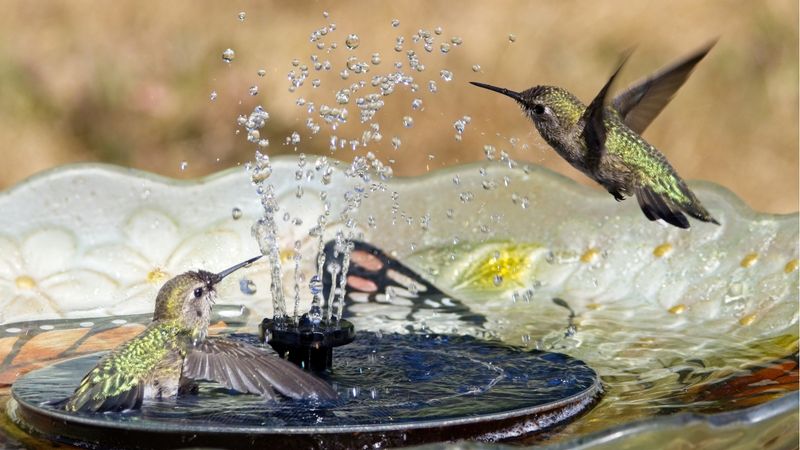
Hummingbirds have their own rules when it comes to water. A deep birdbath that other birds love is basically useless to them, because they prefer shallow, moving water for a quick splash and a drink.
The sparkle and motion of moving water is what actually catches their eye and draws them in.
Adding a mister, a dripper, or a small bubbler can transform an ignored corner into a favorite hangout. Keep the water very shallow, under an inch deep, in a shallow birdbath or tiny pond, and clean it regularly so it stays fresh.
Watching a hummingbird flit through a fine mist is one of the best backyard shows around.
8. Feeders Overrun by Pests (Ants, Bees, Wasps)
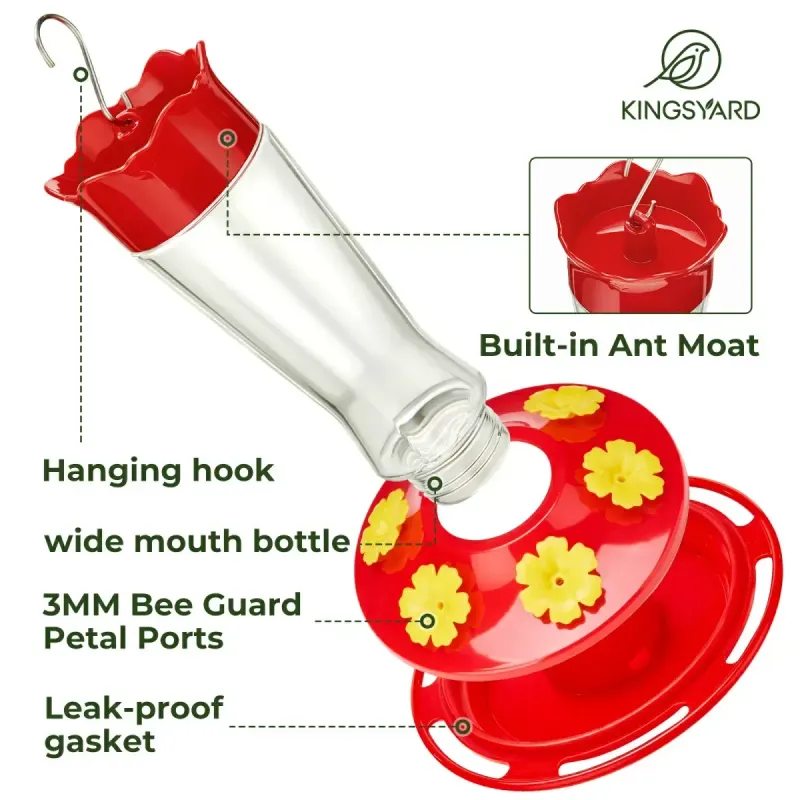
Nothing chases a hummingbird off faster than a feeder crawling with unwanted guests. Ants, bees, and wasps swarm the sweet nectar and quickly make the feeder off-limits for the birds it was meant for.
Once the bugs move in, hummingbirds often decide the fight is not worth it and leave for good.
Ant moats, which are little water-filled cups that hang above the feeder, stop crawling insects in their tracks. Bee guards, the small plastic caps over the feeding ports, keep flying pests out while still letting hummingbird tongues through.
Hanging feeders in the shade also makes them less appealing to insects, and if competition stays fierce, spread out several feeders to spread out the crowds.
9. Lack of Nectar-Rich, Appropriately Shaped Flowers
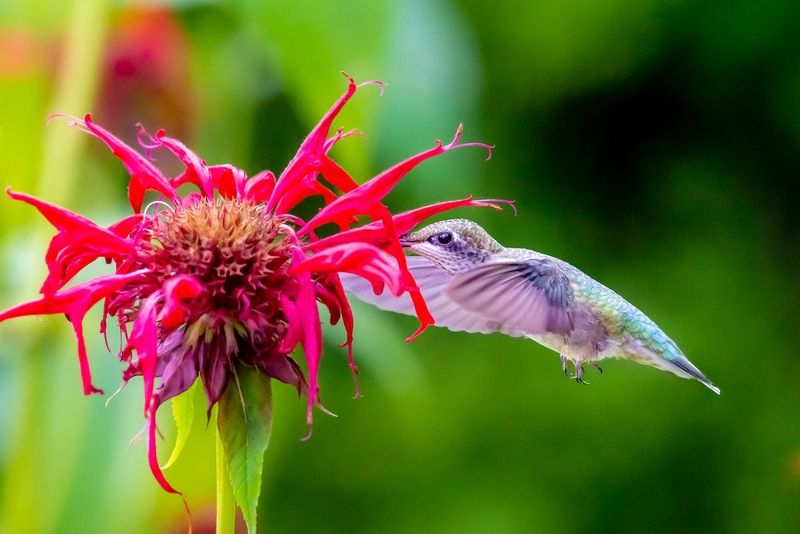
Your garden might be gorgeous and still leave hummingbirds unimpressed. They favor tubular flowers that fit their long beaks, so popular picks like roses and pansies do almost nothing for them.
Shape and nectar output matter far more to a hummingbird than how pretty a bloom looks to us.
Fill your beds with native, tube-shaped flowers in bright reds, oranges, pinks, lavenders, and blues. Bee balm (Monarda), cardinal flower (Lobelia cardinalis), columbine (Aquilegia canadensis), trumpet honeysuckle (Lonicera sempervirens), and salvias are all proven crowd-pleasers.
Plant a few of these and you have essentially rolled out the welcome mat.
10. Insufficient Native Plants
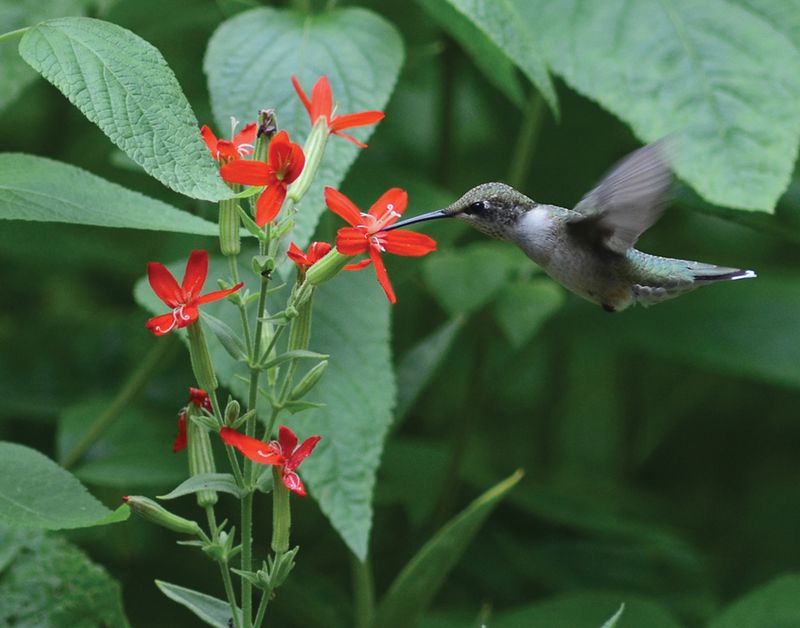
Fancy hybrid flowers from the garden center can be a bit of a letdown for hummingbirds. Native plants often produce far more nectar than showy hybrids and exotics, and they also feed the insects that hummingbirds rely on for protein.
In other words, native plants pull double duty, serving up both sugar and bugs.
Make native flowering plants, vines, shrubs, and trees the backbone of your yard, choosing varieties suited to your specific US region. Your local extension office or native plant society can point you to the best options.
The payoff is a garden that supports the whole food web, not just a single meal.
11. Monotony in Bloom Times
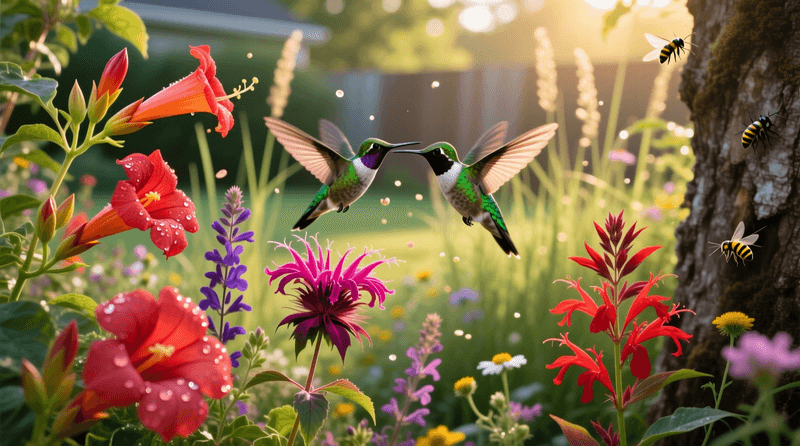
Imagine a restaurant that only opens one week a year. That is how a garden feels to a hummingbird when everything blooms at once and then goes quiet.
They may swing by during that short window, but once the flowers fade, so does their reason to return.
Solve it by choosing plants with staggered bloom times, so something is always flowering from spring through the fall migration. Early bloomers greet the first arrivals, midsummer flowers keep the party going, and late bloomers fuel them up before the long trip south.
A yard that never runs out of food becomes a yard they visit all season.
12. Feeders Placed Too Hidden or Too Exposed
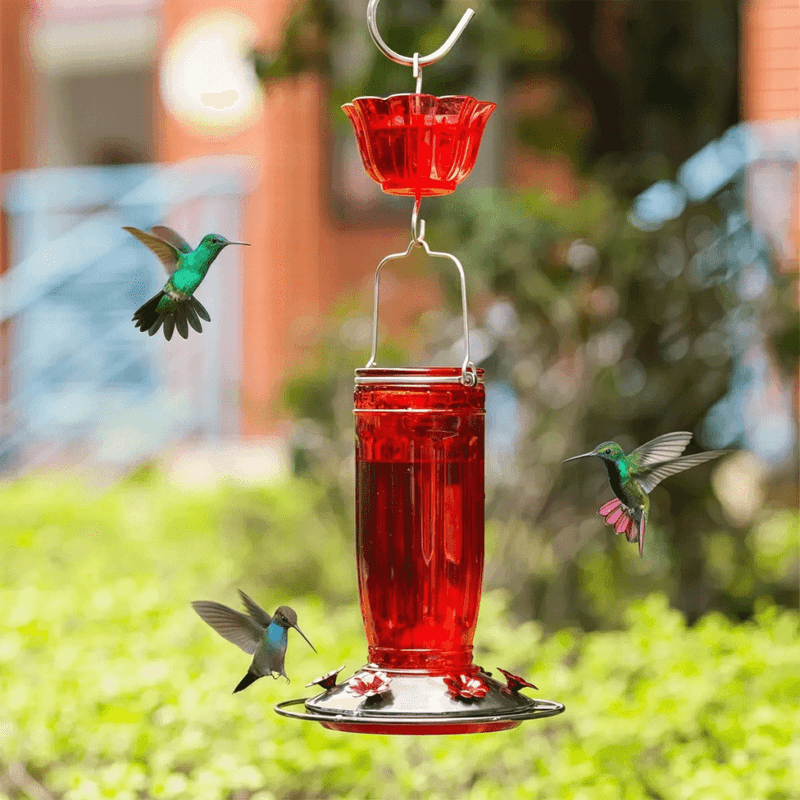
Feeder placement is a bit of a balancing act, and getting it wrong scares hummingbirds off in two opposite ways. Tuck a feeder deep inside thick foliage and you create a perfect hiding spot for ambush predators.
Hang it out in the wide open, though, and the birds feel exposed with nowhere to duck for safety.
The sweet spot is near partial cover, close to a tree or tall shrub but not swallowed up by it. That way hummingbirds keep a clear view of their surroundings and a fast escape route if trouble shows up.
A little thought about location can be the difference between an ignored feeder and a busy one.
13. Overcrowding and Territorial Disputes
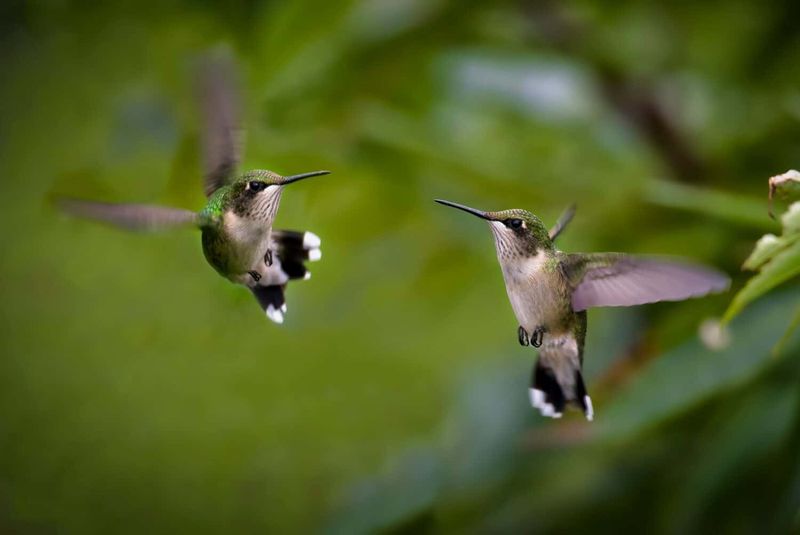
Hummingbirds may look sweet, but they can be fierce little bullies. Males in particular are wildly territorial and will chase every other bird away from a feeder or favorite flower patch.
When one bird hogs the buffet, the rest give up and search elsewhere, leaving your yard quieter than it should be.
The clever workaround is to hang several feeders around your yard, placed so they cannot be seen from one another. That way no single bird can guard them all, and the crowd naturally spreads out.
Fewer dogfights means more hummingbirds enjoying your yard at the same time, which is exactly what you were hoping for.