
Eastern Redcedar: A North Carolina Wildlife Tree With Limited Lab-Tested Tick Chemistry
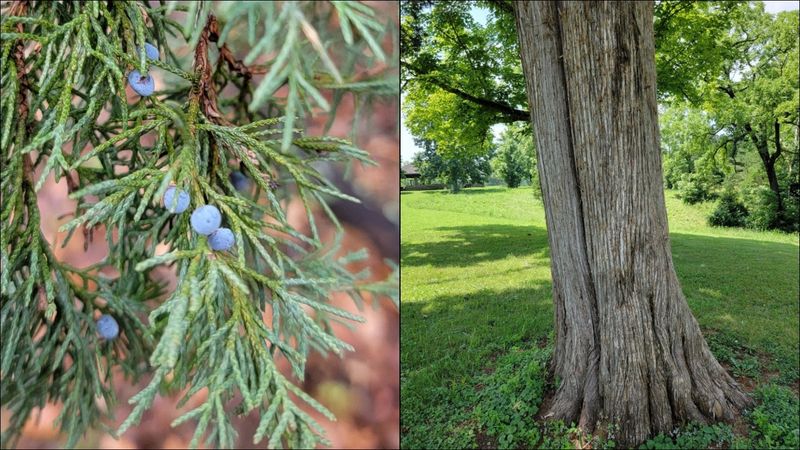
Plenty of North Carolina homeowners are searching for a plant that does double duty: feeding birds while keeping ticks away from the kids’ play set. Eastern redcedar is a real North Carolina native with genuine wildlife value, and compounds pulled from its wood have shown tick-killing activity in a laboratory.
But that lab result does not mean planting one beside the swing set will protect your children from ticks. This article sorts out what the tree can honestly deliver, where to put it, and what actually reduces tick exposure in a residential yard.
Eastern redcedar belongs in the wildlife plan—not the tick-control claim
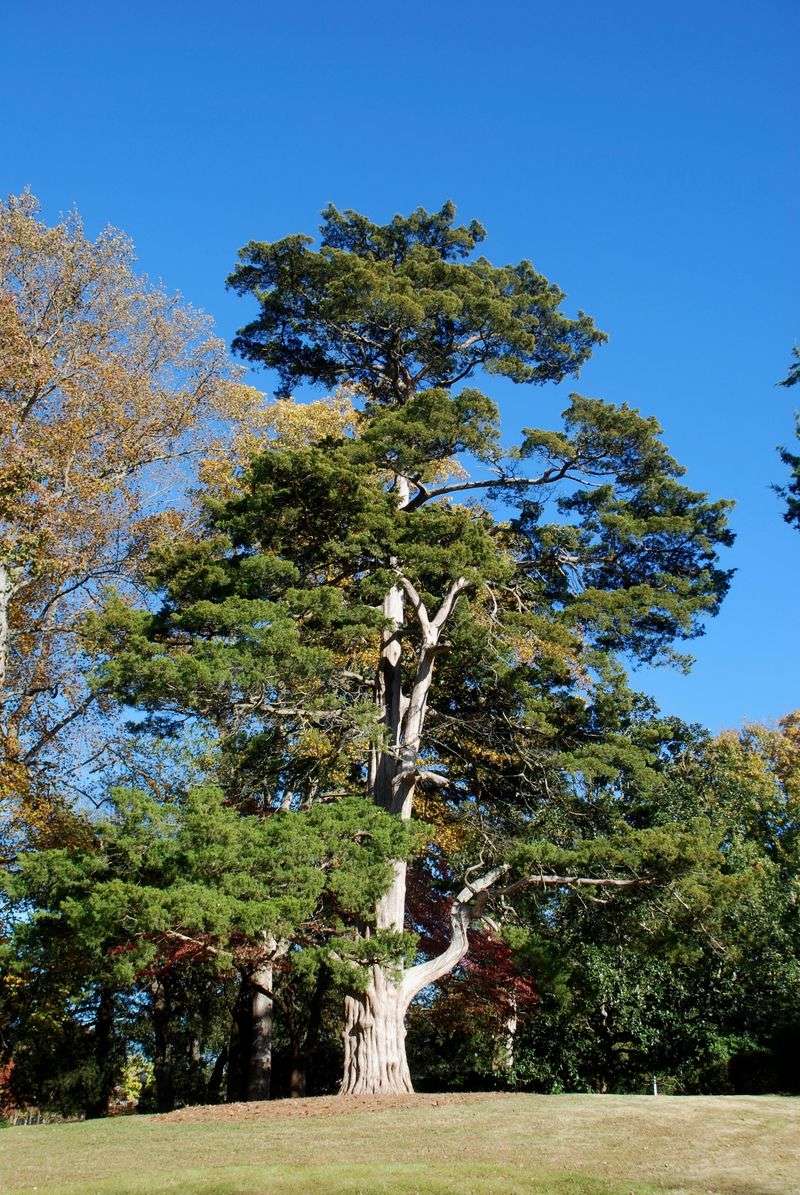
Eastern redcedar (Juniperus virginiana) is a legitimate North Carolina native, and it earns a place in a wildlife-friendly yard on its own merits. NC State Extension’s plant profile describes it as an evergreen species that tolerates a wide range of soil and light conditions, produces blue, berry-like cones on female trees, and provides cover and habitat for a variety of wildlife.
Those qualities are real, and they are worth knowing about.
The tree’s reputation as a tick fighter, though, comes from a much narrower source than most readers realize. Researchers have tested cedarwood oil and a compound called cedrol, both derived from eastern redcedar’s aromatic heartwood, and found that these substances can kill ticks under controlled laboratory conditions.
That USDA-backed study did not test a living tree planted in a yard. It did not measure tick movement around redcedars, and it did not evaluate whether children near the tree are bitten less often.
The jump from “cedar-derived compounds kill ticks in a lab dish” to “plant this tree and ticks will leave the play corner alone” is not supported by the evidence.
Correcting that premise is the starting point for everything that follows. Readers who want to add eastern redcedar to their landscape for birds and wildlife cover have solid reasons to do so.
Readers who are counting on it to protect a play area from ticks will need a different strategy, and CDC guidance actually recommends keeping playground equipment away from trees and yard edges rather than placing it beside them. Both points, the tree’s genuine value and its limits as a tick remedy, can guide a smarter yard plan.
Cedar-derived chemistry is not the same as planting a cedar
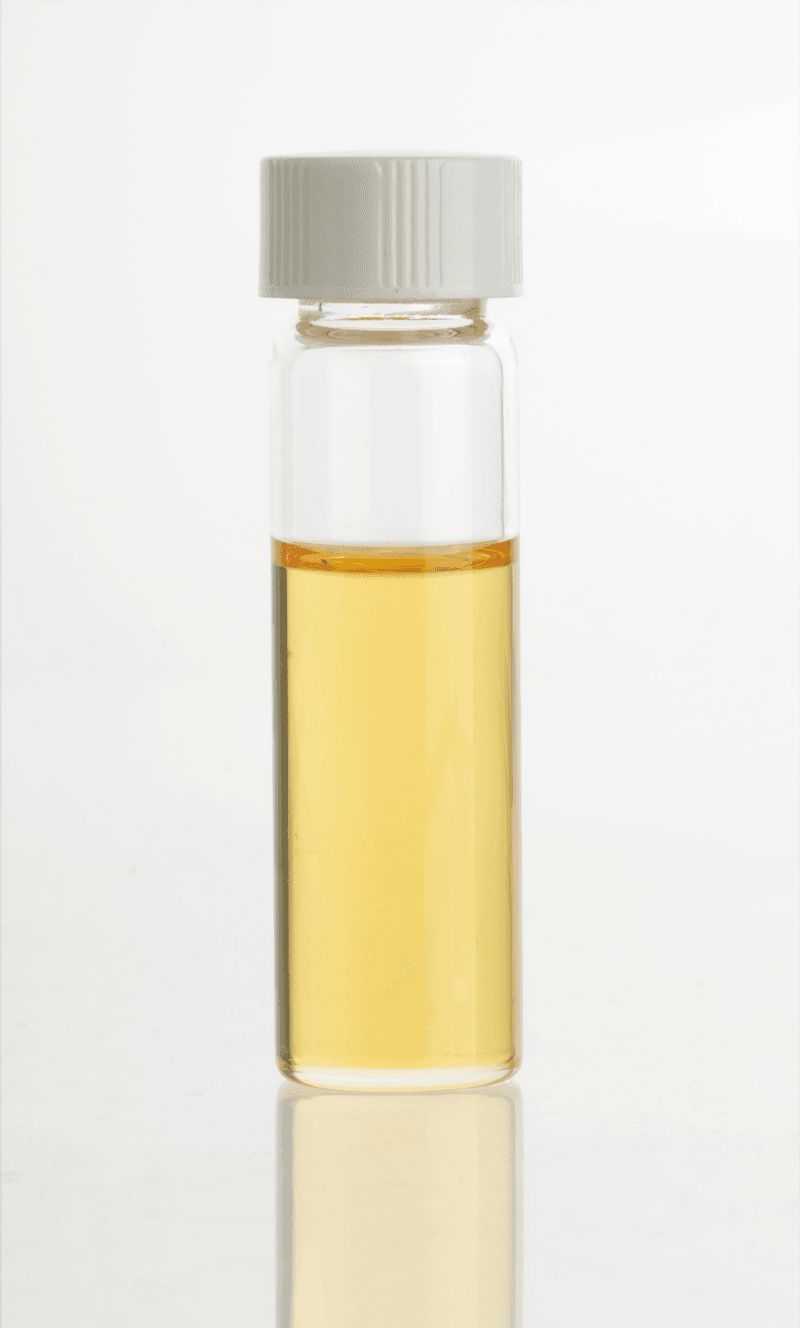
Understanding what the research actually measured helps clarify why the living-tree claim falls apart. The USDA study on cedarwood oil and cedrol exposed black-legged tick nymphs to measured doses of these extracted, concentrated compounds under controlled laboratory conditions.
The results showed dose-dependent mortality, meaning higher concentrations killed more ticks, with complete mortality recorded at the highest tested concentration. That is a meaningful finding within its own boundaries.
Those boundaries matter enormously. The researchers tested isolated chemical compounds, not the scent drifting off a living tree in a backyard.
Cedrol has to reach a tick at a biologically effective concentration to do anything at all. A growing eastern redcedar in a residential yard releases trace aromatic compounds into the open air, where they disperse quickly.
The study gave no indication that ambient exposure near a living tree produces concentrations anywhere close to what caused mortality in the laboratory setting.
The study also did not examine outdoor landscaping, tick behavior around trees, residential yards, or any measure of reduced bites or infections. It was a controlled toxicology experiment, which is a useful early step in evaluating a compound, not a field demonstration that a planted tree protects a play space.
Translating a lab result into a yard recommendation requires additional research, including outdoor trials, field studies, and evidence of practical exposure reduction. None of that exists yet for a living eastern redcedar.
Cedar-scented products, cedar mulch, and cedar oil sprays are separate questions with their own limited and mixed evidence. They are not the same as the study’s concentrated cedrol, and they are not the same as a growing tree.
The chemistry is interesting, but a laboratory result on extracted compounds cannot be stretched into landscaping advice about tick control.
The tree’s reliable benefits are food, cover, and habitat
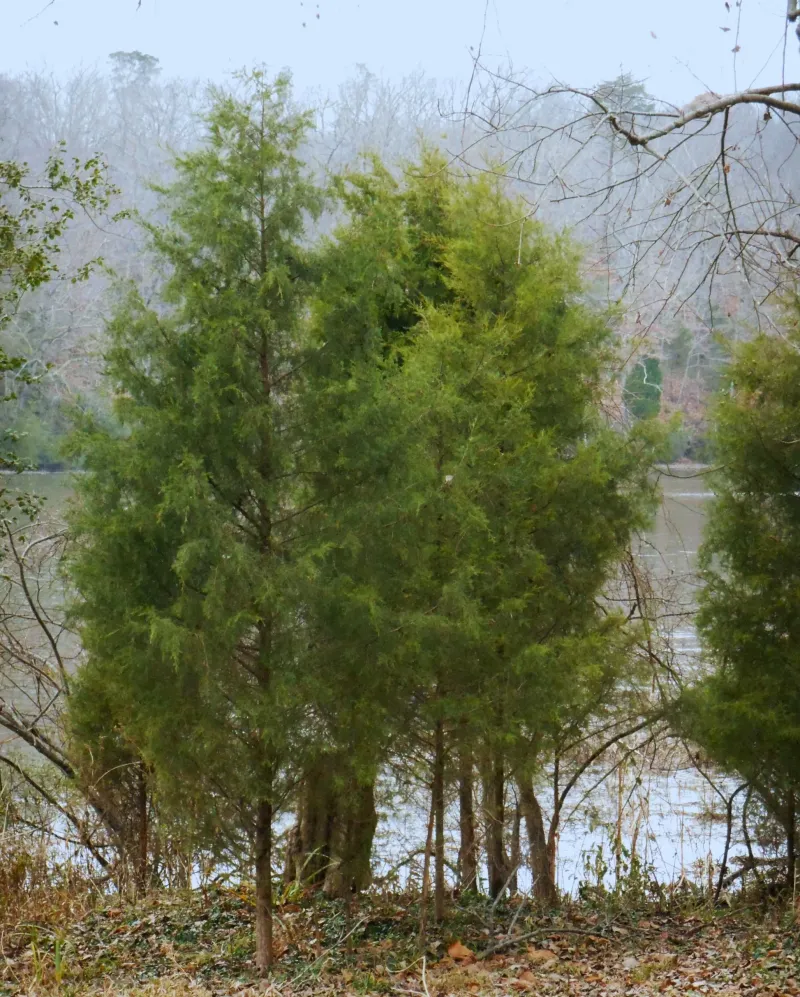
Once the tick-shield claim is set aside, eastern redcedar still has plenty to offer a North Carolina yard. According to NC State Extension, the tree is evergreen, grows in a variety of soils, and tolerates both full sun and partial shade.
That adaptability makes it practical for many residential properties across the Piedmont, Coastal Plain, and mountain regions of the state.
Female trees produce the blue, waxy, berry-like cones that give eastern redcedar much of its wildlife value. Cedar waxwings are the most closely associated beneficiary, and their name reflects the relationship.
Flocks of these crested, sleek birds descend on female redcedars during fall and winter, stripping cones efficiently. Other songbirds, small mammals, and overwintering wildlife also use the tree for cover and food, making it a multi-season resource rather than a single-season attraction.
The dense evergreen canopy provides nesting structure and year-round shelter, which matters in a yard where cover is otherwise limited. NC State Extension’s guide to landscaping for wildlife with native plants notes that diverse native vegetation layers, including trees that provide vertical structure, support a wider range of bird species than a single-layer planting.
What a living eastern redcedar cannot do is convert that wildlife activity into tick control. Birds attracted to the tree eat seeds and cones, not ticks in meaningful numbers.
Dense cover and animal activity near a tree can actually create conditions that favor tick survival. The tree’s value is real, but it belongs in the wildlife and habitat column, fully separate from any tick-management calculation.
Keep the play corner away from trees and yard edges
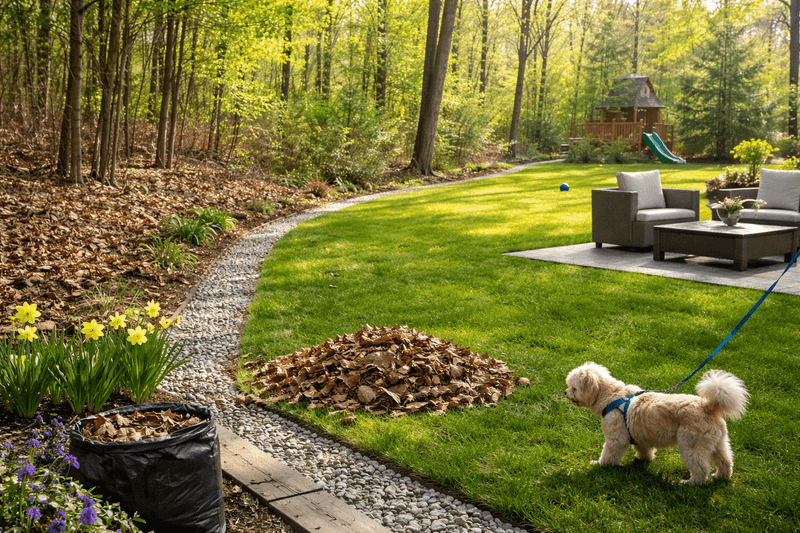
Where you place a play set matters more than what you plant near it. CDC guidance on preventing tick bites specifically recommends keeping playground equipment, decks, and patios away from yard edges and trees.
That recommendation exists because tick exposure is consistently higher at the margins between maintained lawn and wooded or brushy areas, not in the open, sunny center of a well-mowed yard.
The tradeoff is real, and homeowners should name it plainly. Wildlife habitat thrives on the features that increase tick exposure: leaf litter for ground cover, dense shrubs and trees for shelter, animal activity for food and movement corridors.
A yard corner that is ideal for birds and box turtles is, by many of the same measures, a corner where tick encounters are more likely. That does not mean you cannot have both wildlife plantings and a safe play area; it means they should occupy different parts of the yard.
Eastern redcedar planted for birds belongs at a deliberate distance from the swing set, the sandbox, and the area where children spend time on the ground. A buffer of open, regularly mowed lawn between the tree and the play equipment is more useful than any scent the tree might produce.
Shade from an overhanging tree canopy can also create the cooler, moister microclimate that ticks prefer, so placing equipment in full sun rather than under a tree provides an additional practical advantage.
Think of the yard in two functional zones. One zone, open and maintained, is where children play.
The other zone, with native trees, shrubs, and layers of cover, is where wildlife is welcomed. Eastern redcedar fits well in the second zone.
Keeping those zones separated is the site-layout principle that CDC guidance supports, and it is more protective than any planting choice made around the equipment itself.
Use maintenance to reduce exposure around the equipment

Yard maintenance is the most consistently supported tool for reducing tick exposure around a residential play area. CDC recommends mowing regularly, removing leaf litter, clearing tall grass and brush, and placing a three-foot-wide strip of wood chips or gravel between the maintained lawn and any wooded or brushy area.
Each of those steps addresses a physical condition that ticks rely on, rather than depending on a plant to do chemical work it has not been shown to perform.
The three-foot transition strip deserves an honest description. CDC presents it as a technique that may help restrict tick movement, not as an impermeable boundary.
Ticks can cross mulch or gravel, and wildlife carrying ticks can cross it easily. The strip reduces incidental contact for a child or pet moving between the lawn and the wooded edge, which is a practical benefit, but it should not be treated as a guaranteed exclusion zone.
Leaf-litter removal has stronger experimental backing than most single landscaping steps. One study examining wooded residential areas found that removing leaf litter reduced questing black-legged tick nymphs by approximately 72.7 percent to 100 percent during peak activity periods.
That is a substantial reduction, but it applies to wooded residential settings and black-legged ticks specifically. Lone star ticks and other North Carolina species may respond differently, and a heavily wooded yard differs from a managed suburban lawn.
A separate study that examined 143 residential yards found mixed results for common yard-management recommendations. That peer-reviewed research detected no significant effect from wood-chip or gravel barriers, bird feeders, wood piles, or outdoor cats in its dataset, though the study’s statistical power for barriers was limited.
The honest takeaway is that no single maintenance step works universally. Regular mowing, leaf-litter removal, and a tidy transition zone work together as a system rather than as individual silver bullets.
Protect children with checks, clothing, and labeled repellents
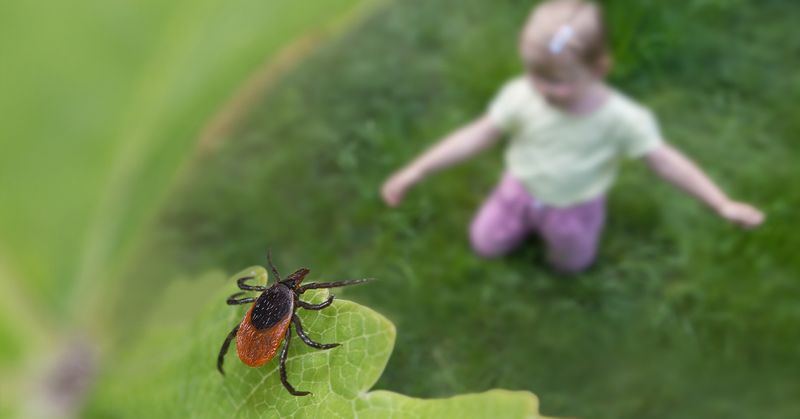
Yard management sets the stage, but personal protection is what directly addresses exposure for children who spend time outside. The most reliable habit costs nothing: check children thoroughly after outdoor play, including time spent in their own backyard.
CDC guidance identifies the hair, ears, waist, armpits, belly button, groin, and backs of the knees as areas that require careful attention during a tick check. Ticks are small, and nymphs in particular can be easy to miss without a deliberate, methodical look.
Showering soon after coming indoors serves two purposes. It can help wash off unattached ticks before they find a spot to bite, and it creates a natural moment to do a more thorough check.
This is especially practical for children, who are less likely to notice a tick on their own. Building the shower-and-check routine into the end of outdoor play time makes it a habit rather than an afterthought.
EPA-registered repellents recommended by CDC provide another layer of direct protection. Products containing DEET, picaridin, IR3535, OLE or PMD, or 2-undecanone are options for children, but label directions must be followed for each specific product.
OLE and PMD products should not be used on children under three years old. Permethrin is a separate category entirely: it belongs on clothing, shoes, and gear, not on skin.
Treating children’s play clothes with permethrin before outdoor activity provides protection that lasts through multiple washes.
These steps address the exposure that actually reaches a child, regardless of what is planted in the yard. No repellent or tick check replaces prompt tick removal when a tick is found attached, but together these habits address what a living tree cannot: the direct, personal layer of protection that matters most for children in a residential yard.
Consider other native plants for wildlife—not as tick remedies
A yard designed for North Carolina wildlife benefits from more than a single tree. NC State Extension’s native plant landscaping guide explains that layered native plantings, combining trees, shrubs, and ground-level plants, support a wider range of birds and beneficial insects than any single species can on its own.
Choosing plants from that layered approach gives birds more food sources, more nesting options, and better year-round cover.
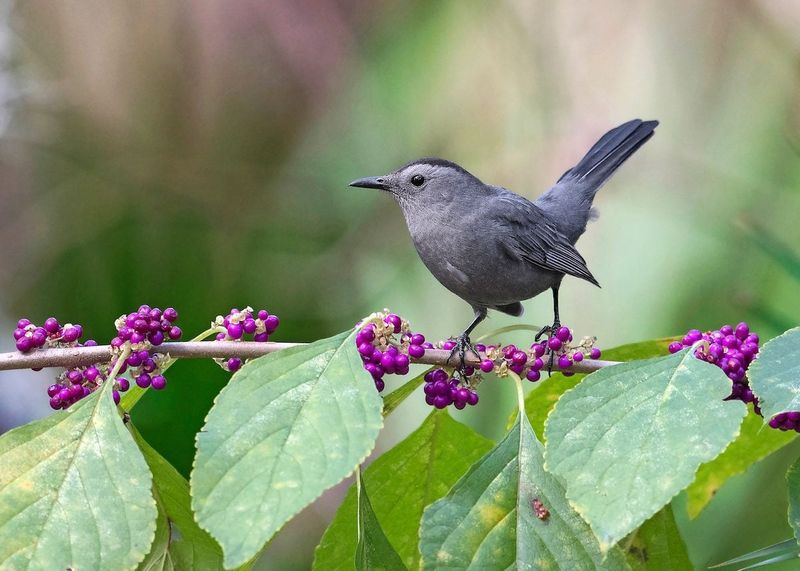
American beautyberry is one native shrub worth including in that plan, and it comes with a tick-related footnote that deserves careful reading. NC State Extension identifies American beautyberry as a shrub, not a tree, that produces clusters of vivid purple berries eaten by American robins, brown thrashers, purple finches, and eastern towhees.
Its wildlife value for birds is straightforward and well-documented.
The tick-related research adds a layer of nuance. USDA researchers found that crushed beautyberry leaves or isolated compounds repelled more than 95 percent of tested black-legged tick nymphs on treated cloth strips under controlled conditions.
The same research showed weaker or different results against lone star ticks, which are a significant concern across much of North Carolina. The USDA described the findings as preliminary, and the work did not demonstrate that an intact beautyberry plant growing in a yard prevents tick bites in any setting.
Applying crushed beautyberry leaves or homemade plant extracts to children or pets is not supported by this research and should be avoided. The study tested compounds under controlled conditions, not a topical preparation applied to skin.
EPA-registered repellents recommended by CDC remain the appropriate choice for personal protection, and beautyberry belongs in the yard as a bird-friendly shrub rather than as a tick-management tool.
Choose the tree for wildlife and the layout for safety
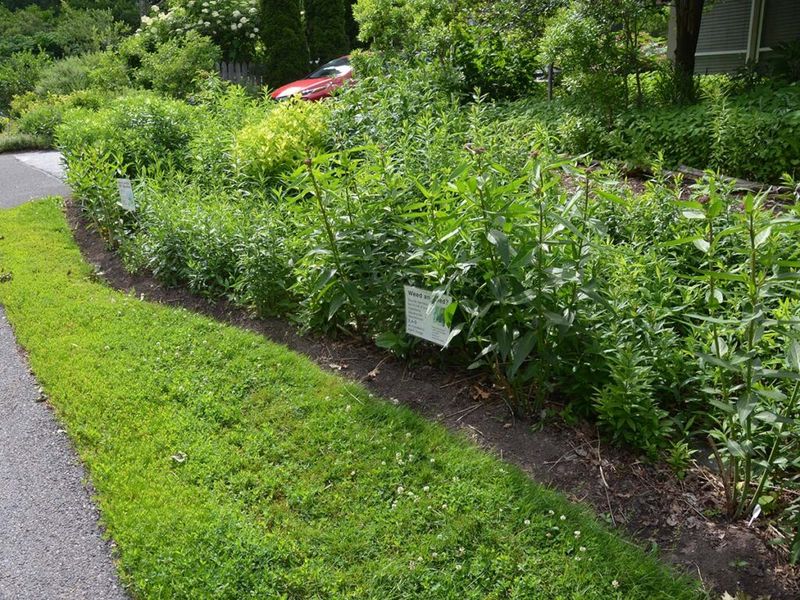
Eastern redcedar earns a place in a North Carolina wildlife yard because of what it genuinely provides: food for cedar waxwings and other birds through its blue cones, year-round cover, and the kind of vertical structure that supports layered native plantings. Those qualities are well-documented, and they give homeowners a solid reason to plant the tree without needing to attach a tick-control claim to it.
The practical sequence for a safer yard runs in a specific order. Keep play equipment in the open, mowed portion of the yard, away from trees, wooded edges, and dense plantings.
Maintain the surrounding area by mowing regularly, clearing leaf litter, and managing brush. Use EPA-registered repellents recommended by CDC guidance according to label directions, and check children carefully after every outdoor session.
Place wildlife plantings, including eastern redcedar, at a deliberate distance from the play zone rather than around it.
A yard that feeds birds and keeps children safer from ticks is achievable. The two goals just require different corners of the property, not a single plant that promises to handle both.