
The Low-Growing North Carolina Herb You Tuck Around Flower Beds That Can Help Reduce Bare Soil and Weed Pressure After Establishment

Bare soil between flower bed plants is basically an open invitation for weeds, and many North Carolina gardeners are looking for a low, spreading plant that closes off that space without constant attention. Creeping thyme is one option that turns up in this conversation often, prized for forming a dense, mat-like carpet just a few inches tall.
Before you head to the garden center, though, it helps to know what this plant can realistically do, what it cannot, and whether a North Carolina native might be a better fit for your yard.
Creeping thyme supplies the mat, not the native-plant label
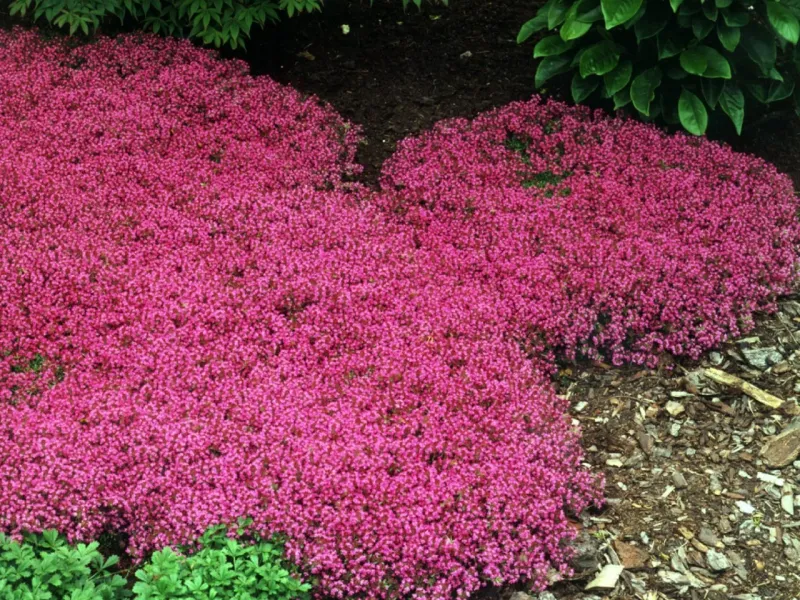
Gardeners searching for a mat-forming groundcover to tuck around flower bed edges often land on creeping thyme, sold under the scientific names Thymus praecoxThymus serpyllum or . NC State Extension describes creeping thyme as a perennial herb that grows only 3 to 6 inches tall, spreads horizontally, roots along its stems as it travels, and forms a dense mat over time.
That spreading habit is exactly what makes it appealing as a flower bed edging plant.
The word “herb” in the plant’s common name can be a little misleading. Creeping thyme belongs to the mint family, and while it looks and smells like something you might snip for cooking, NC State notes that this species is rarely used as a culinary herb.
Think of it primarily as an ornamental groundcover rather than a kitchen garden plant.
More importantly, the “North Carolina native” part of the popular pitch does not hold up. NC State’s plant database is clear that Thymus praecox is native to Greenland, Europe, and Turkey, not to North Carolina or anywhere else in the American Southeast.
That distinction matters for readers who want to support local wildlife and plant communities with species that actually evolved here.
None of this makes creeping thyme a bad choice for every yard. A nonnative plant can still be a useful, well-behaved ornamental when it fits the site and the gardener’s goals.
The point is to choose it for what it genuinely offers, which is a low, spreading mat that can reduce bare soil in the right conditions, rather than for a native-plant credential it does not have or a weed-elimination promise that overstates what any groundcover can reliably deliver.
An established mat can suppress some weeds
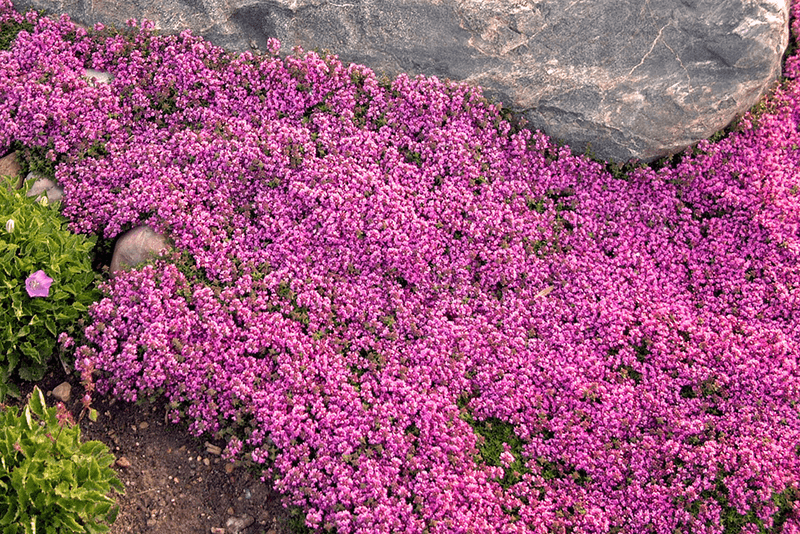
Groundcovers earn their reputation in flower beds by doing one practical thing: occupying ground that weeds would otherwise claim. When a mat-forming plant closes over the soil surface, it shades that soil, limits light reaching weed seeds, and physically takes up the space where new seedlings might sprout.
NC State Extension’s planning guidance acknowledges that groundcovers may ultimately exclude most weeds, but it also states clearly that weed encroachment is likely during establishment, before the canopy closes.
Research from a field screening project published in the 2004 Northeastern Weed Science Society proceedings found creeping thyme among several groundcovers capable of reducing weeds under particular site and management conditions. The project measured plant establishment, canopy cover, light transmission, and weed counts.
Those results are useful context, but the study did not demonstrate universal or season-long weed elimination in North Carolina flower beds, and the benefit applied to sites where the groundcover was already well established.
The practical takeaway is this: an established creeping thyme mat can reduce opportunities for some weed seeds to germinate and grow, particularly annual weeds that depend on open, sunlit soil. Perennial weeds, grasses, nutsedge, and weeds creeping in from bed edges are a different problem.
A dense thyme mat is unlikely to push out competitors that are already rooted and growing, which is why preparation before planting matters so much.
Expect the weed-suppression benefit to develop gradually over the first growing season or two as plants spread and the canopy fills in. Calling it a set-and-forget solution skips over the establishment window, and that window is when weeds have their best shot at getting ahead of the groundcover.
Test the bed for sun and sharp drainage
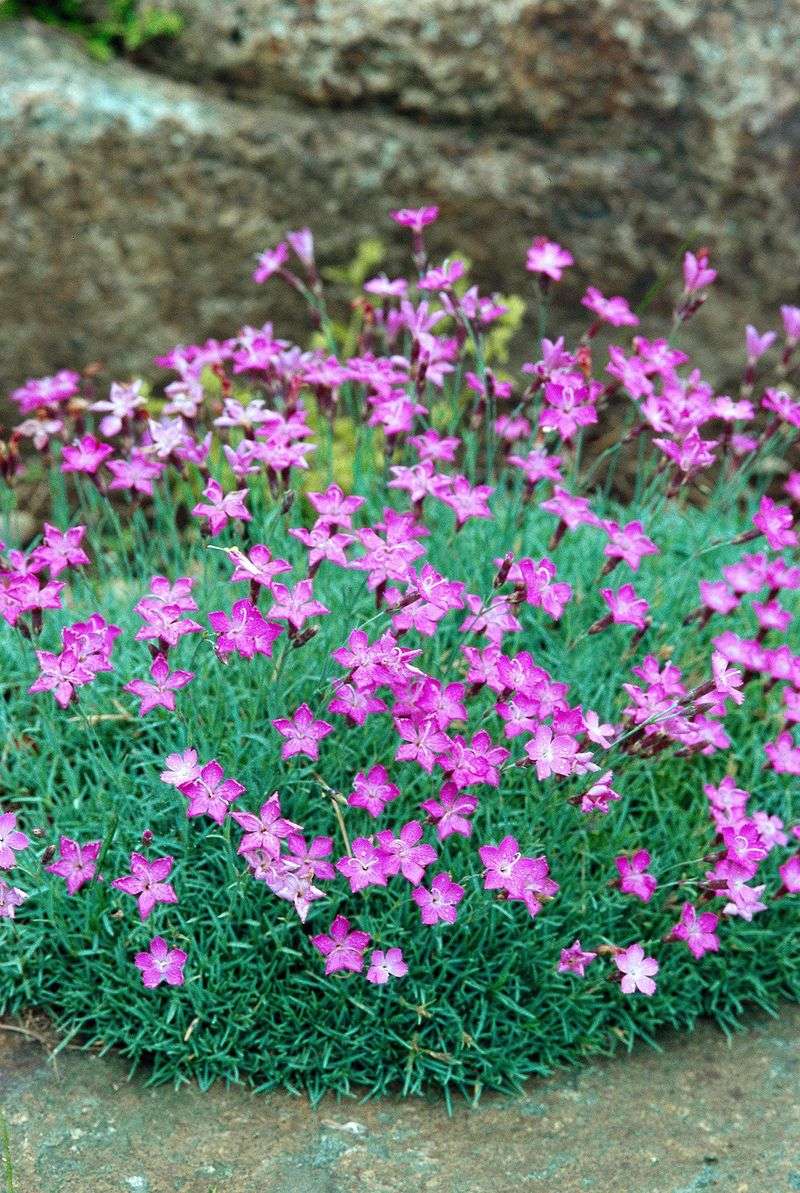
Creeping thyme is not a plant you can drop into any flower bed and expect to thrive. Before buying a single flat, walk your bed on a sunny afternoon and ask two questions: Does this spot get full sun for most of the day?
And does water drain away quickly after rain, or does it sit and pool?
Creeping thyme strongly prefers full sun and very well-drained soil. Sandy, rocky, or gravelly conditions that other plants find inhospitable are actually where this plant performs best.
Wet or poorly drained soil is a real problem: standing moisture around the roots can lead to rot, and a plant struggling with drainage is not going to form the vigorous mat that delivers any weed-suppression benefit.
North Carolina’s regional variation matters here. NC State Extension’s native plants handbook emphasizes that groundcover performance depends heavily on matching the plant to regional and site conditions, and that principle applies to nonnative groundcovers too.
A dry, south-facing Piedmont bed with fast-draining sandy loam is a reasonable candidate. A Coastal Plain bed with clay that stays wet after summer thunderstorms, or a mountain bed shaded by hardwoods, is not.
A quick drainage test: dig a hole about 12 inches deep, fill it with water, and check it an hour later. If water is still standing, drainage is too slow for creeping thyme.
If the hole empties quickly, you have the sharp drainage this plant needs. Do this test before you invest in plants, because no amount of care compensates for the wrong soil conditions.
Reject creeping thyme for damp, shaded, or heavy-clay beds and look at site-appropriate alternatives instead.
Control perennial weeds before planting
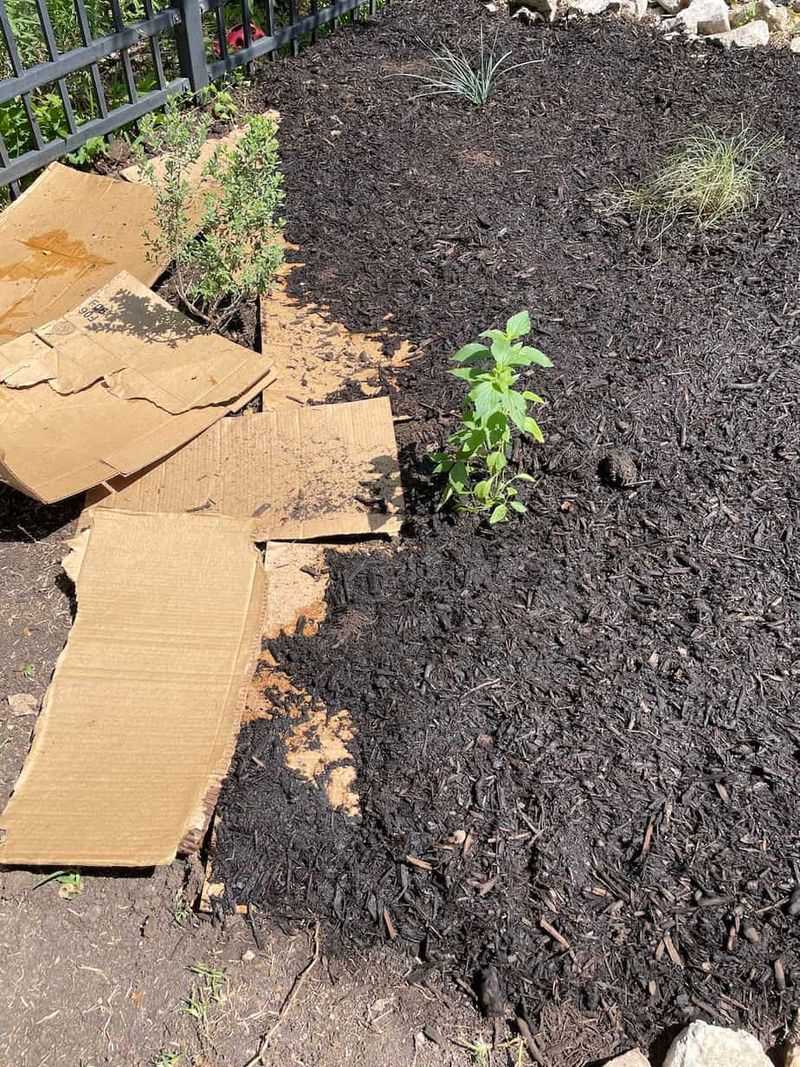
The single most important step in a groundcover installation happens before any plant goes in the ground. Perennial weeds, the ones with deep roots, rhizomes, or bulbs that come back season after season, need to be removed or controlled before you plant.
A young creeping thyme plant spreading across the soil surface is unlikely to suppress an already-established perennial weed reliably. The weed’s root system is simply too strong and too deep for a shallow-rooted mat to crowd it out.
Hand-pulling works well for isolated weeds when the soil is moist and the root comes out intact. For dense infestations of perennial grasses, nutsedge, or deep-rooted broadleaf weeds, repeated cultivation or targeted treatment may be necessary before the bed is ready for groundcover planting.
NC State Extension’s pre-planting guidance specifically advises eliminating perennial weeds before installing groundcovers, because post-planting herbicide options become very limited once desirable plants are in the bed.
That limitation is worth understanding in practical terms. Most herbicides that kill grassy or broadleaf weeds are nonselective, meaning they can injure or kill the creeping thyme alongside the target weed.
Spot treatments with a shield or careful hand application can reduce that risk, but there is no post-plant spray that reliably removes problem weeds without any risk to the groundcover. Any herbicide use around established plants must follow the product label precisely, including rates, timing, and precautions for nearby desirable vegetation.
Give yourself a full growing season of weed control in a heavily infested bed before you plant. That timeline sounds slow, but it dramatically improves the odds that the groundcover fills in ahead of the weeds rather than competing with them from day one.
A clean bed at planting is the foundation the mat needs to actually deliver on its weed-suppression potential.
Use mulch while the plants close the gaps
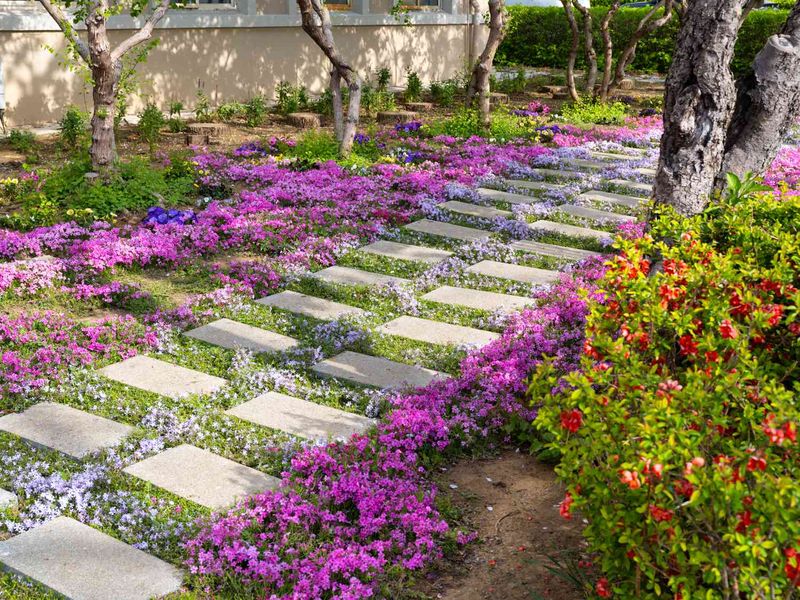
Planting a few creeping thyme starts and expecting quick, wall-to-wall coverage is a common mistake. How fast the mat closes in depends on how many plants you put in, how far apart they are spaced, and how well-suited the site is to the plant’s growth.
Wider spacing costs less at the start but leaves bare soil exposed longer, and bare soil is where weeds get their early foothold during the establishment window.
NC State Extension’s groundcover guidance recommends lightly mulching between plants while they establish, because spacing and growth rate together determine how long gaps remain open. A closer planting spacing, typically 6 to 12 inches for creeping thyme depending on plant size and desired fill time, speeds up canopy closure but increases the number of plants needed.
Temporary mulch fills the gaps while the thyme spreads. NC State’s native plants handbook recommends a 2-to-3-inch mulch layer around plants to conserve soil moisture and prevent weed seeds from finding open, sunlit ground.
Two details matter: keep mulch pulled back from plant crowns and stems to prevent rot, and plan to reduce or remove it gradually as the thyme spreads and the canopy closes.
Mulch is not a workaround that makes the groundcover unnecessary. NC State’s planning resources treat mulch and groundcovers as complementary tools, not alternatives to each other.
During establishment, mulch does the weed-suppression work while the plants grow into their role. Once the mat fills in, the plant canopy takes over much of that job, and the mulch can be phased out or reduced to a thin layer for appearance and moisture retention.
Plan for a full growing season before expecting meaningful canopy coverage from a new planting.
Low maintenance still requires seasonal attention
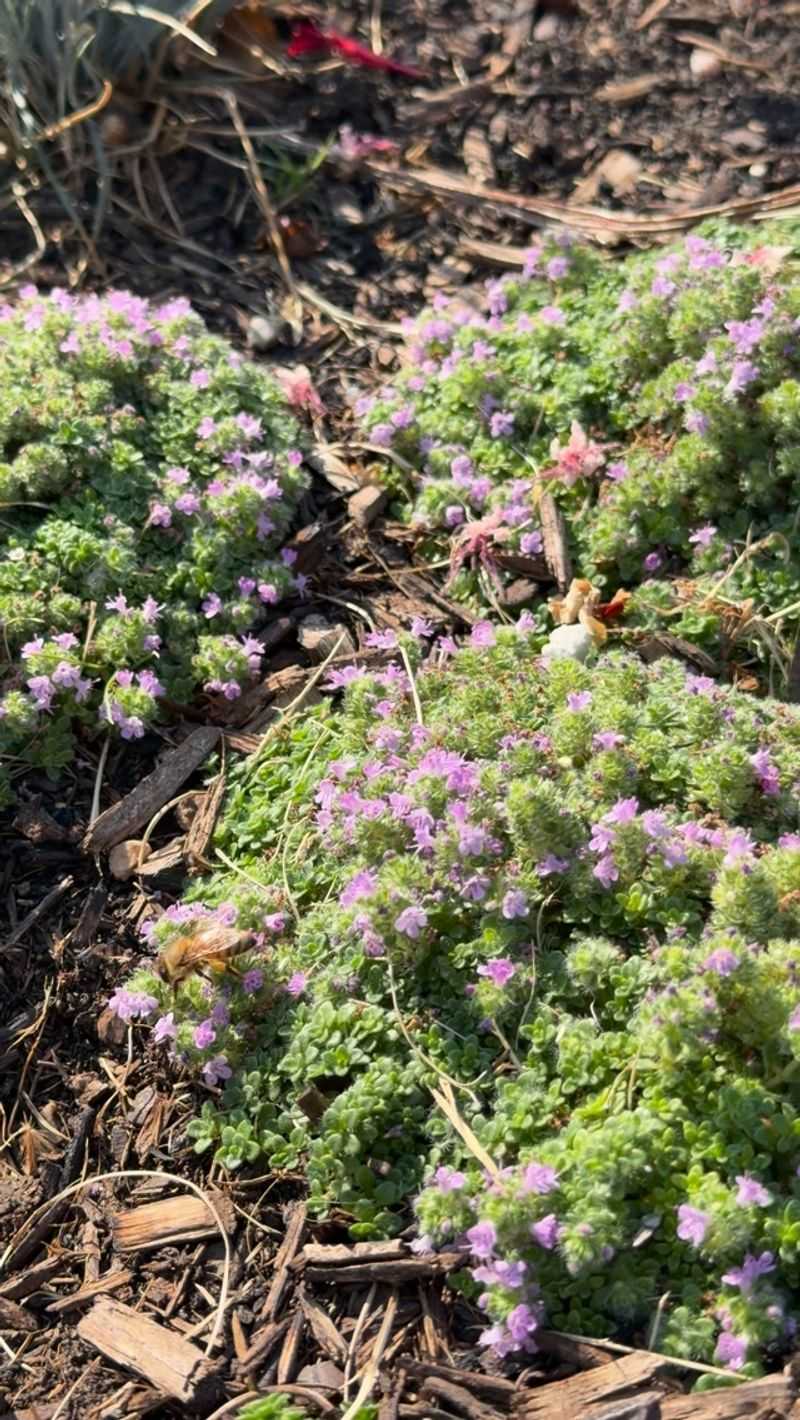
Creeping thyme earns its low-maintenance reputation honestly, but low maintenance is not the same as no maintenance. After planting, the first priority is consistent watering to help roots establish before the plant can fend for itself through dry stretches.
Sandy, fast-draining soil dries out quickly, especially during North Carolina’s summer heat, so check soil moisture regularly during the first growing season rather than assuming rain will cover it.
Weeds that germinate before the thyme canopy closes, or that sneak in from bed edges, still need to be pulled by hand. Edge encroachment from lawn grasses is a particular problem for low-growing groundcovers because the grass simply grows right over the mat.
A clean physical edge between lawn and bed, maintained with a spade or edging tool each season, does more to keep grass out than any amount of thyme density. NC State Extension notes that weed encroachment is an ongoing reality, especially at bed perimeters, regardless of how well-established the groundcover becomes.
Occasional pruning keeps the mat looking tidy. NC State’s plant profile for creeping thyme recommends trimming stems to maintain the plant’s appearance, and a light shearing after the bloom period can encourage fresh growth.
Creeping thyme blooms approximately from June through September, and those flowers provide nectar for bees and butterflies, a genuine if modest benefit for pollinators visiting your flower bed.
Winter appearance varies. Creeping thyme can remain evergreen during mild North Carolina winters, but it is not reliably evergreen across all regions or in colder years.
A hard freeze, especially in mountain locations or during unusually cold Piedmont winters, may leave the mat looking brown or ragged until spring growth resumes. That seasonal variability is worth knowing before you plant it as a year-round visual solution.
Choose native alternatives by region and site
Readers who want a groundcover with actual North Carolina native credentials have several solid options, but the right choice depends on where in the state you garden and what conditions your bed offers. No single native plant performs equally well statewide, and native status alone does not guarantee weed suppression.
Wild strawberry (Fragaria virginiana) is the native candidate that most closely mirrors the low, spreading habit described in the creeping thyme pitch. NC State describes it as a roughly 5-inch-tall herbaceous perennial that spreads by runners, forms colonies, and functions as a groundcover in full sun to part shade.
The small fruits are edible and attractive to wildlife. One honest limitation: wild strawberry may slow down or go dormant during North Carolina’s hot, humid summers, so it cannot be counted on as a continuous, dense, weed-blocking carpet through July and August in most of the state.
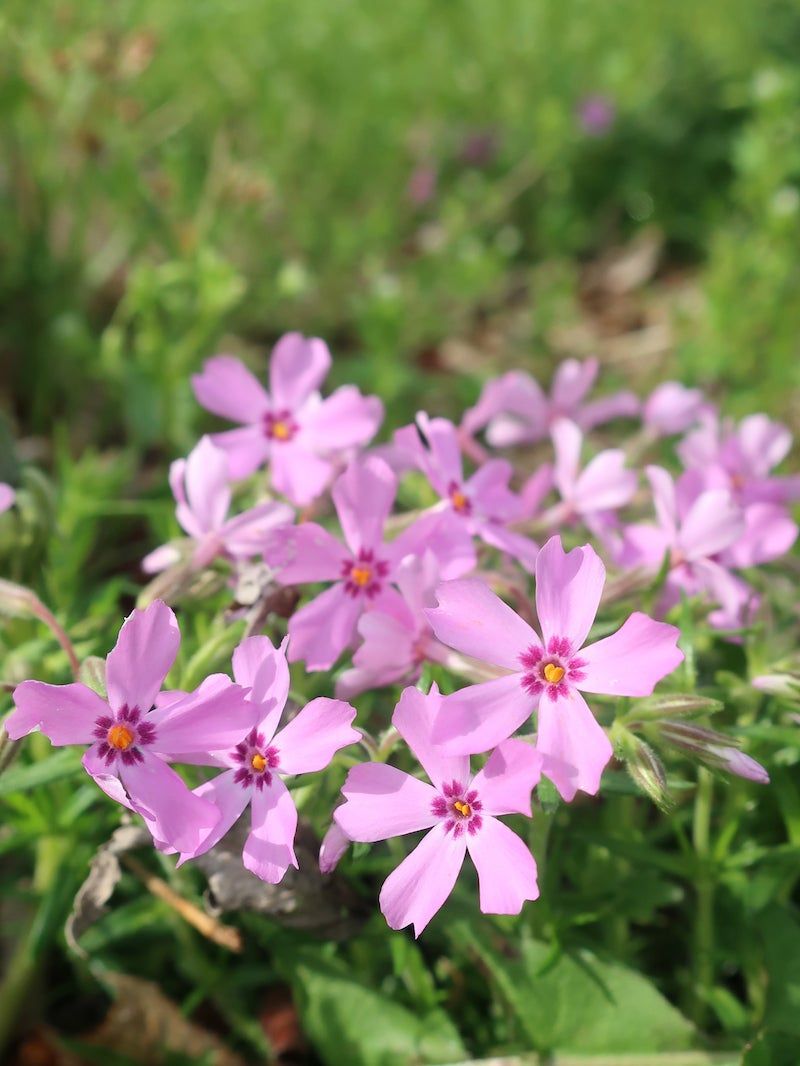
For Piedmont and mountain gardeners with shaded or dappled-shade beds, creeping phlox (Phlox stolonifera) is a well-supported native option. It spreads steadily, offers spring bloom color, and handles the lower light levels that creeping thyme cannot.
Moss phlox (Phlox subulata), a sun-loving native suited to very well-drained Piedmont and mountain sites, is a closer functional match for the sunny, dry conditions where creeping thyme performs best.
Golden ragwort (Packera aurea) fills a different niche entirely: mostly shaded, moist-to-average soil in the Piedmont and mountains, where it spreads vigorously and forms a reliable low canopy. The North Carolina Native Plant Society’s groundcover guide includes both moss phlox and golden ragwort among its regional recommendations, with site-specific notes that help gardeners match plant to place.
NC State Extension’s native plants chapter reinforces that regional fit matters more than a generic “plant a native” directive. A plant that thrives in a Piedmont woodland edge may struggle in a Coastal Plain bed with different soil chemistry, humidity patterns, and heat load.
Ask your county’s cooperative extension office which native groundcovers perform reliably in your specific region before you buy.
Choose less bare soil, not a no-weed guarantee
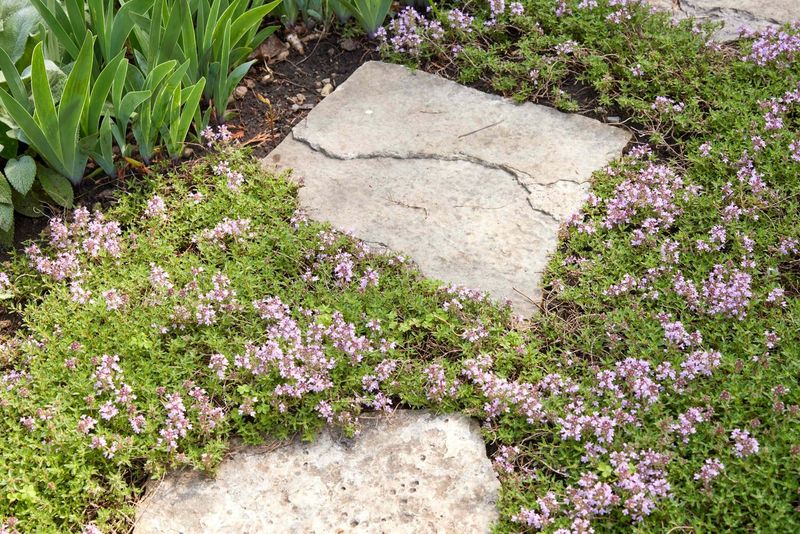
Creeping thyme earns a place in a sunny, dry, well-drained flower bed when a nonnative ornamental groundcover fits your goals. It forms a low mat that reduces bare soil, can limit opportunities for some weed seeds to establish after it fills in, and adds a modest pollinator benefit when it blooms.
NC State’s plant profile supports those benefits, and they are real, within the limits of what any groundcover can do.
If local plant origin matters to you, skip creeping thyme and choose a site-appropriate North Carolina native instead. NC State’s native plants guidance and the NC Native Plant Society both offer region-specific options matched to sun, shade, moisture, and soil type.
Either way, the preparation steps remain the same: control perennial weeds before planting, mulch the gaps while the plants establish, maintain a clean bed edge, and plan for a growing season or more before the canopy closes.
The honest payoff is reduced bare soil and potentially lower weed pressure over time, not a weed-free bed that runs itself. A groundcover that fits the site and gets a proper start is one of the more practical tools a flower bed gardener has.
That is a reasonable expectation to plant toward.