
If Your Delphiniums Just Finished Their First Show, Here Are 8 After-Bloom Moves That Bring A Second Wave
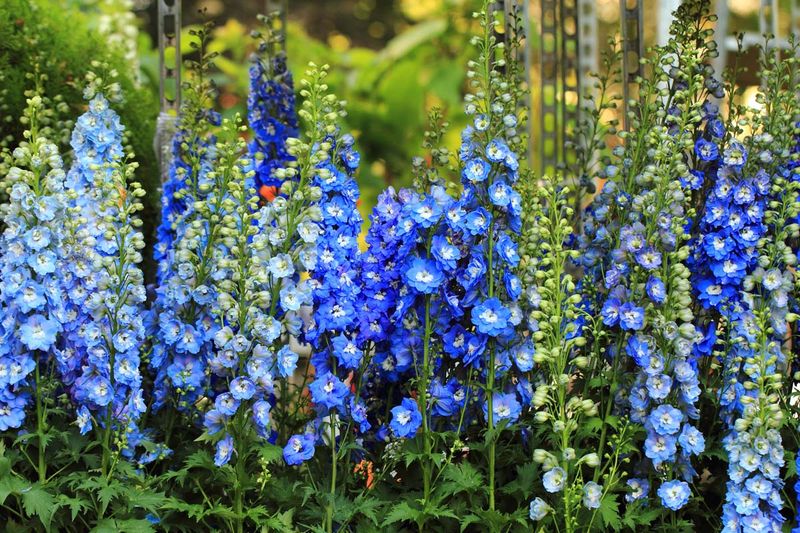
Your delphiniums put on a jaw-dropping tower of blue, purple, or white, and now the show is fading. Here is the good news: that first flush does not have to be the last one this year.
With a few simple moves right after the blooms drop, you can nudge your plants into sending up a whole new set of spikes. None of these steps cost much, and each one plays a different role in tricking your delphinium into flowering again instead of quitting for the season.
1. Promptly Deadhead Spent Flower Spikes
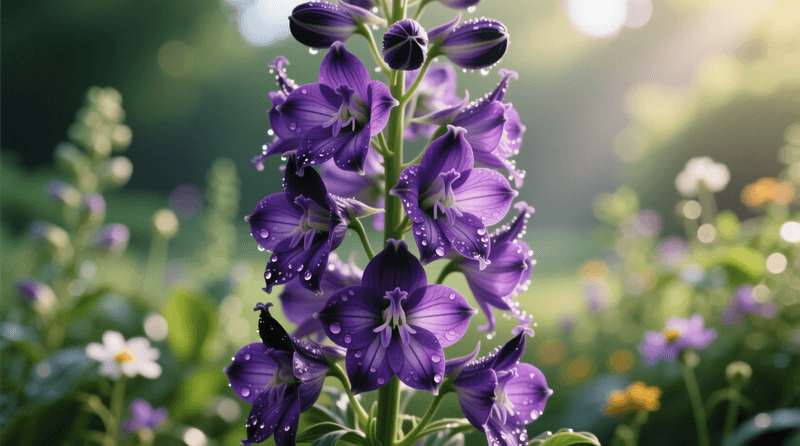
The moment those tall blue spires start looking tired and brown, grab your shears. Leaving faded flowers on the plant tells your delphinium its job is done for the year.
Cut the whole spent stalk back to a strong lateral shoot or a healthy leaf node. If you spot no new growth yet, you can take the spike down close to the base.
Clean, sharp blades matter here. A ragged cut heals slowly and can invite trouble, while a crisp snip lets the plant redirect its energy fast toward fresh growth and a possible second flush.
2. Fertilize To Support New Growth

Think of your delphinium as an athlete who just finished a race. After all that blooming, it is hungry and needs fuel to run again.
Once you have deadheaded, feed the plant a balanced liquid fertilizer such as a 20-20-20 mix, or reach for something higher in phosphorus and potassium. Those two nutrients push bud and bloom development rather than just leaves.
Skip the high-nitrogen stuff. Too much nitrogen can give you a jungle of green foliage with barely a flower in sight.
Water well after feeding so the nutrients travel straight down to the roots.
3. Water Deeply And Consistently

Delphiniums are thirsty by nature, and a dry, stressed plant simply will not bother reblooming. Consistently moist soil is what keeps the second-wave dream alive.
Water deeply at the base so moisture actually reaches the roots. A quick surface sprinkle mostly evaporates and leaves the deeper roots parched, especially during summer heat and dry spells.
Morning is the sweet spot for watering. Your plants soak up what they need before the sun climbs high, and the foliage dries out before evening, which keeps damp-loving diseases at bay.
4. Maintain Staking And Support
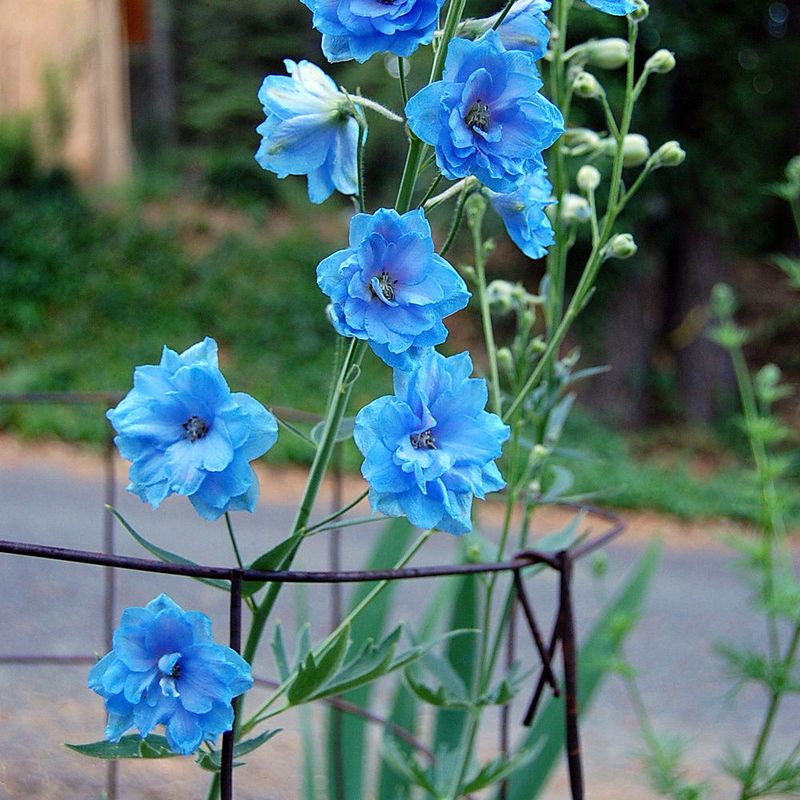
Those gorgeous spikes come with a catch: the stems are tall and hollow, which makes them easy targets for wind and heavy rain. New growth is just as fragile as the first round.
Walk your bed and check that existing stakes are still firm in the ground and ties are not cutting into the stems. Loosen anything too tight and re-secure whatever has come loose.
If fresh flower spikes are pushing up, add new supports now rather than after a storm snaps them. A little support wire or a bamboo cane can save a whole spike from bending or breaking at the worst moment.
5. Monitor For Pests And Diseases
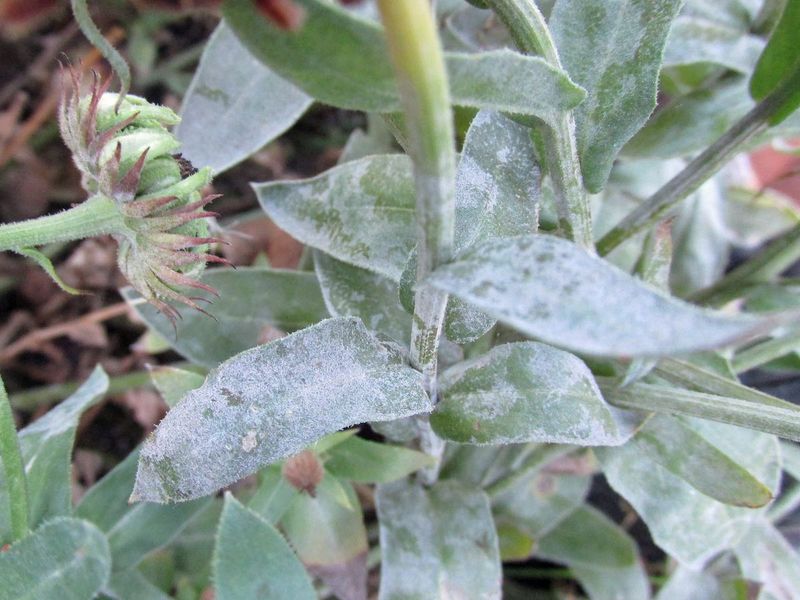
A weakened, freshly cut-back plant is like an open door for pests, so keep your eyes open. Delphiniums are especially prone to powdery mildew, slugs, snails, and aphids.
Check leaves top and bottom every few days. Pinch off any leaves that show fuzzy white mildew or heavy damage, since removing them early can slow the spread of trouble.
Good air circulation and watering at the base instead of over the leaves may help prevent fungal problems from taking hold. A tidy, breathable plant is far more likely to focus on flowers than on fighting off invaders.
6. Leave Healthy Basal Foliage
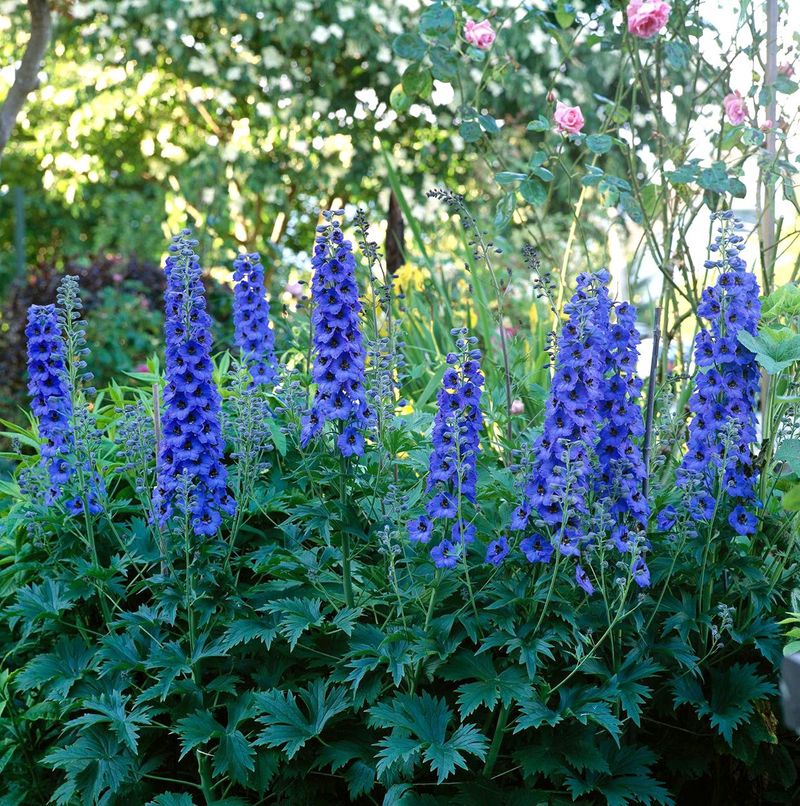
It can be tempting to hack the whole plant down to a stub after the flowers fade, but resist that urge. Those green leaves clustered at the bottom are working hard for you.
When you trim spent spikes, leave the healthy basal foliage in place. Every leaf keeps photosynthesizing, turning sunlight into stored energy the plant needs to build new blooms.
That stored energy does double duty. It powers this season’s second flush and also strengthens the crown so your delphinium comes back stronger next spring.
7. Clean Around The Plant’s Crown
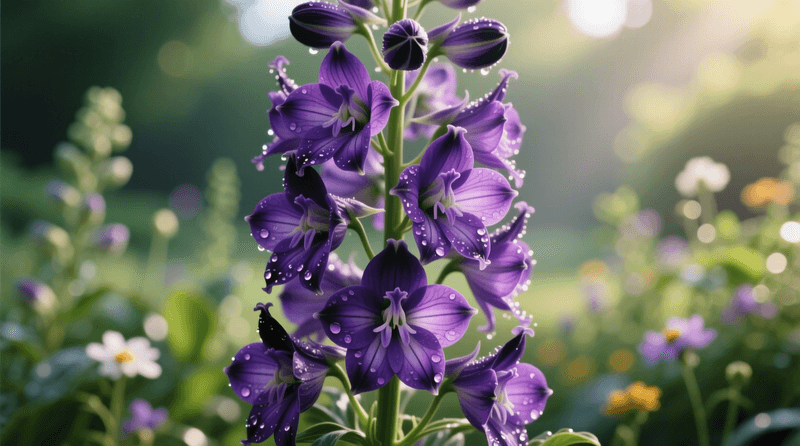
The crown, that busy hub at the base where new shoots emerge, does its best work when it can breathe. Fallen petals, dead leaves, and other debris pile up fast after a bloom cycle.
Clear that clutter away and give the base a clean, open space. New shoots then have room and light to develop quickly instead of struggling under a damp blanket of trash.
There is a bonus, too. A clean crown holds less moisture and fewer hiding spots for fungus, which means fewer disease headaches as those fresh spikes climb.
8. Understand The Why: Forgo Seed Production
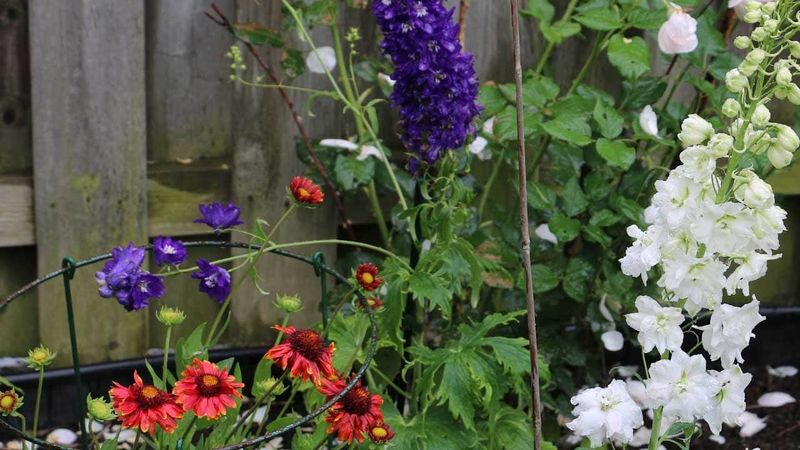
Here is the secret behind every step on this list: your delphinium’s real goal is not to dazzle you, it is to make seeds. Once its flowers fade and set seed, the plant figures its mission is complete.
Left alone, it pours all its remaining energy into swelling those seed pods. That single shift is exactly what shuts down any chance of a second flush.
By deadheading, feeding, and caring for the plant, you are gently fooling it. You cut off the seed-making path, so the delphinium redirects that energy into fresh growth and, with a little luck, another round of those unforgettable spires.