
How Deadheading Can Help North Carolina Lantana Bloom More Consistently All Summer
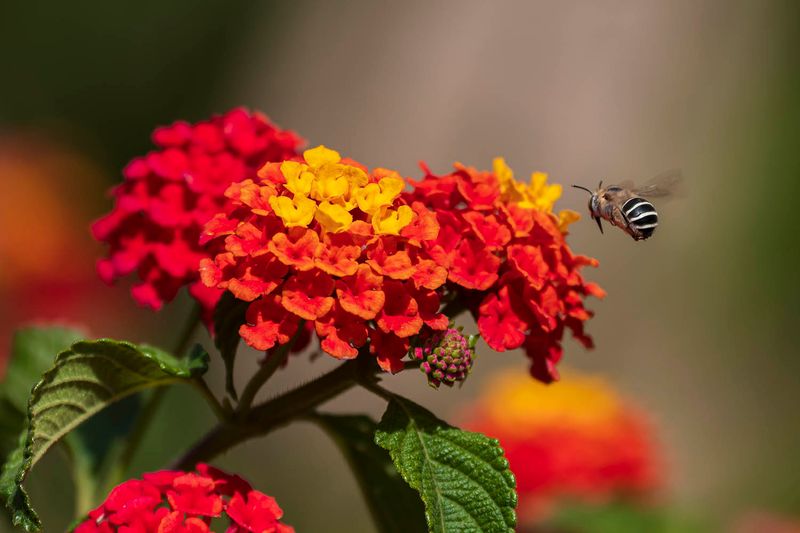
Lantana is one of the most reliable summer performers in North Carolina yards, but many gardeners get far fewer blooms than their plants could produce. The fix is simpler than most people expect: removing faded flower clusters before they develop into berries can help keep new blooms coming.
This habit works best when paired with the right sun, water, and attention to cultivar, so understanding the full picture makes all the difference.
Deadheading can help lantana keep producing flowers
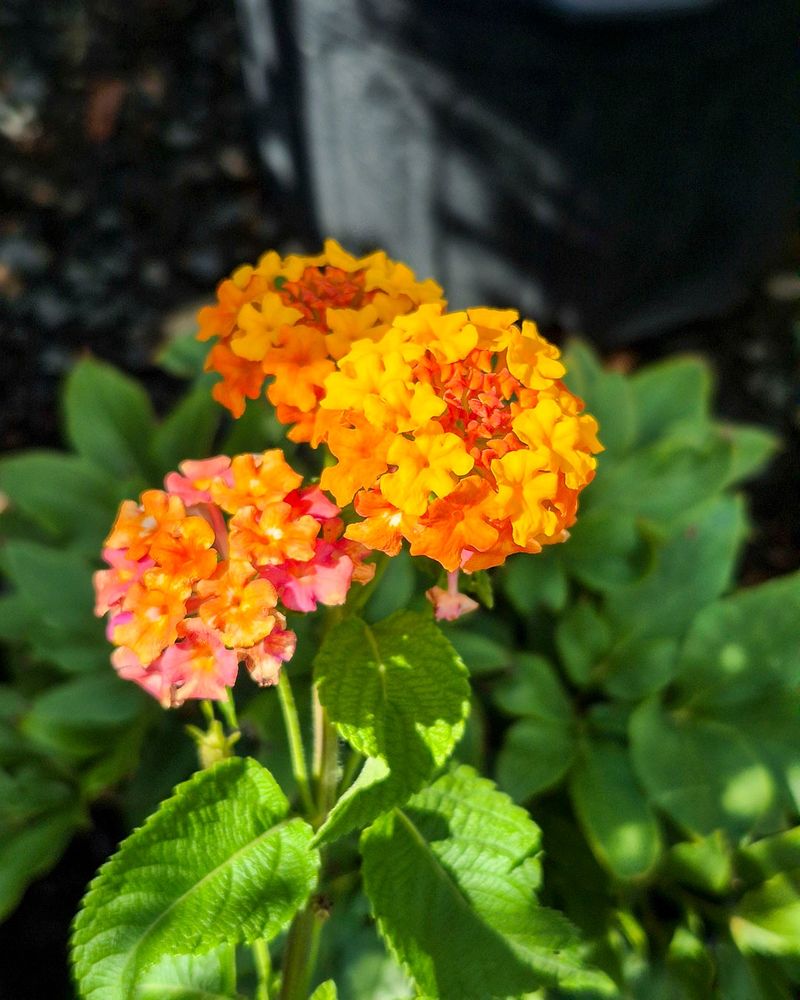
Removing faded lantana flower clusters is the single most overlooked habit for keeping plants colorful through summer. University of Minnesota Extension guidance on lantana identifies removing spent flowers as a way to encourage continued flowering, and University of Georgia Extension’s landscape basics guide supports the same approach for herbaceous ornamentals.
Iowa State University Extension’s deadheading guide recommends removing the spent flower head rather than individual florets, which keeps the process quick and avoids unnecessary damage to productive stems.
The benefit is real but qualified. Deadheading can encourage new or continued blooms and help maintain more continuous color, but it does not guarantee nonstop flowering or produce any specific percentage increase.
Removing faded clusters also reduces the seed and berry production that follows bloom, which has its own tradeoffs covered later in this article.
Flowering also depends heavily on conditions beyond any single habit. Full sun is the most important factor: plants in shade consistently produce fewer blooms regardless of how carefully they are deadheaded.
Moisture, soil drainage, temperature, the specific cultivar, and pest pressure all shape how much color a plant can sustain. Deadheading works alongside those conditions, not instead of them.
Remove the faded flower cluster at the next healthy growth point
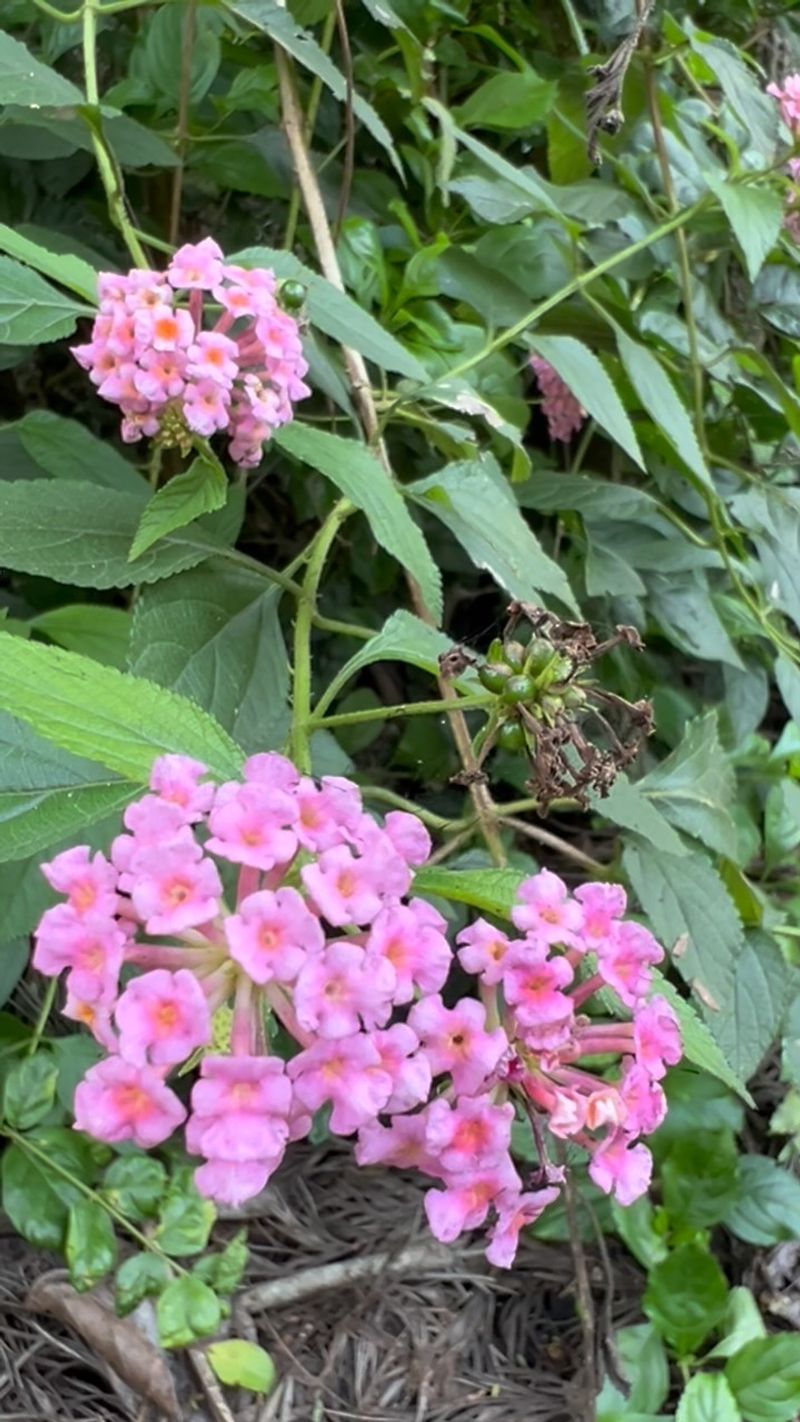
Good technique makes deadheading faster and safer for the plant. Start by looking closely at a spent cluster: the blooms will have faded from their original orange, yellow, or pink to a dull, papery brown, and the center may already be swelling slightly as berries begin to form.
Trace that spent head down its stem until you reach the first healthy set of leaves, a visible lateral shoot branching off to the side, or a bud that has not yet opened.
That junction is your cut point. Pinch or snip cleanly just above it, leaving the healthy growth intact.
Iowa State University Extension’s deadheading guide recommends removing the entire spent cluster rather than trying to pick off each tiny individual floret, because lantana flowers grow in tight, rounded heads where individual floret removal is impractical and unnecessary. One clean cut per cluster is enough.
Avoid cutting too deep. If you trace the stem past several healthy leaf sets before snipping, you are removing productive growth that could support the next round of buds.
NC State Extension’s landscape management calendar notes that cuts should be made to healthy tissue without stripping back more stem than necessary.
Clean, sharp tools matter more than most gardeners realize. Dull blades crush rather than cut, which can slow the plant’s response and create ragged entry points.
Wipe blades with a damp cloth between plants if you notice any unusual discoloration or spotting on leaves, which helps avoid spreading potential disease. For a typical home planting of two or three lantana, the whole task rarely takes more than five minutes per session.
Check lantana weekly while it grows actively
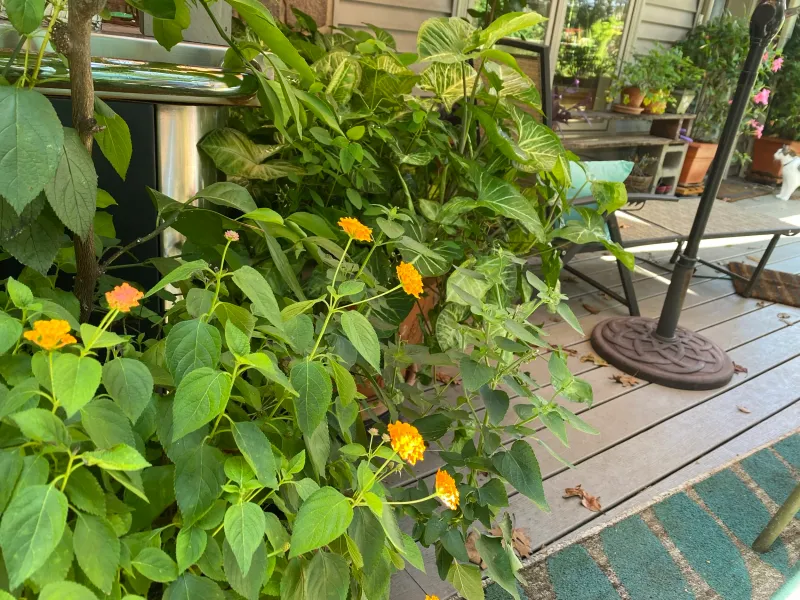
Building a consistent check into your existing garden routine is more practical than treating deadheading as a separate chore. Most gardeners find that folding it into a weekly watering walk or a weeding session keeps the habit from slipping during busy stretches of summer.
Weekly inspection is a reasonable target during active growth, though the exact interval is less important than catching clusters before they develop substantial berries. University of Florida botany research on lantana camara notes that berries develop from fertilized flowers and can mature relatively quickly under warm conditions, which is the same reason extension guidance consistently recommends removing spent flowers early.
Waiting two or three weeks between checks can mean clusters have already progressed well into berry development, reducing the practical benefit of the removal.
During the peak of a North Carolina summer, when heat and humidity push lantana into its most vigorous growth, plants can cycle through flower heads quickly. A plant that looked freshly deadheaded on Monday may have several faded clusters ready for removal by the following weekend.
That pace slows naturally as temperatures cool in September and October, so the weekly check can relax as the season winds down.
Connecting the check to something you already do outdoors makes it stick. Some gardeners carry a small pair of snips in a pocket during evening watering.
Others do a quick pass during morning coffee on the patio. The specific time of day matters less than the regularity.
Removing clusters before they set seed also means less cleanup of fallen berries near pathways, which is an added practical benefit for yards with children or pets nearby.
Give lantana the sun and moisture that support flowering
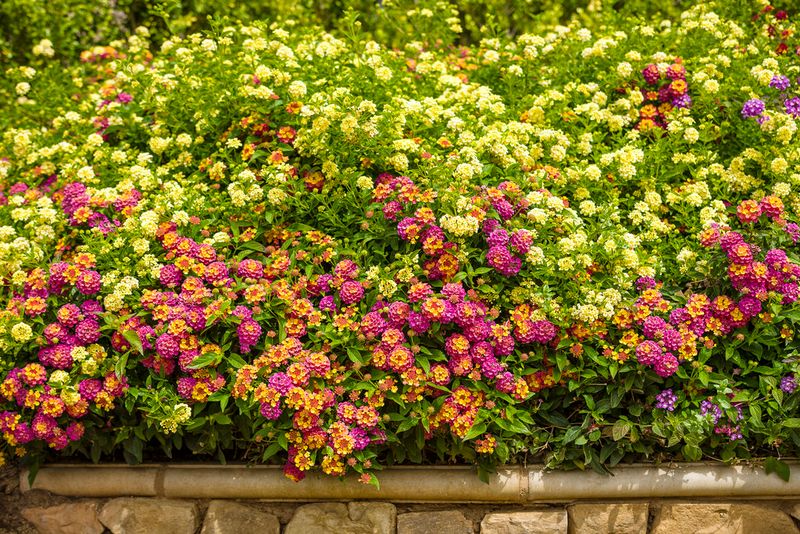
Deadheading supports flowering only when the plant’s basic growing conditions are met. Sun is the most critical factor.
NC State Extension’s Plant Toolbox profile for lantana camara lists full sun as the plant’s preferred exposure, and University of Florida IFAS guidance on lantana confirms that all lantanas enjoy full sun. A minimum of six hours of direct sun per day is a reasonable benchmark for residential plantings.
Plants receiving less than that will bloom less reliably regardless of how diligently you remove spent clusters.
Water management involves a balance. Established lantana tolerates drought better than many flowering annuals, but University of Florida IFAS notes that plants flower more consistently when watered on a regular basis.
The goal is deep, infrequent irrigation rather than frequent shallow wetting. Water slowly at the soil level to encourage roots to reach deeper into the ground, and allow the top inch or two of soil to dry between sessions.
Soggy, poorly drained soil can suppress flowering and invite root problems, so raised beds or amended native soil with good drainage serve lantana better than heavy clay that holds water.
Wetting foliage repeatedly, especially in the humid conditions common across North Carolina’s Piedmont and Coastal Plain, can promote fungal issues. Directing water to the root zone rather than overhead is a simple habit that reduces that risk.
Fertilizer requires restraint. NC State Extension’s herbaceous ornamentals handbook chapter warns that excessive fertilizer can push lush foliage growth without improving flower production.
NC State’s botany handbook chapter reinforces that plant nutrition should be calibrated to the specific site. A soil test from your county’s Cooperative Extension office gives you a starting point, and any fertilizer applied should follow label directions rather than being applied on a routine schedule.
Your region and cultivar set the limits of the routine
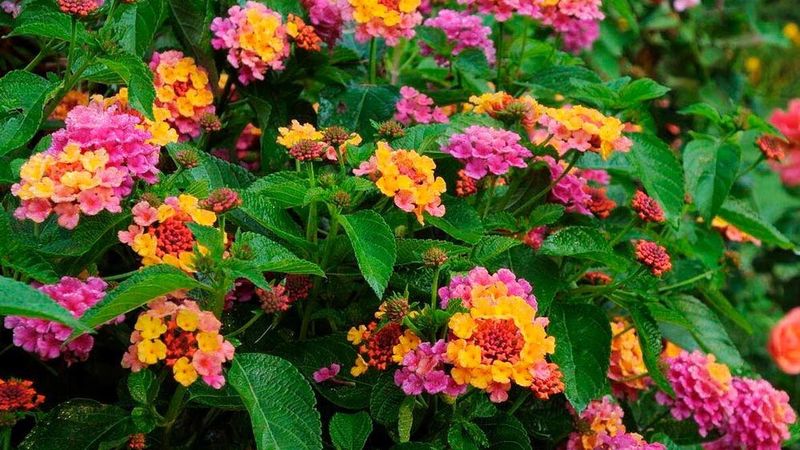
Where you garden in North Carolina shapes how useful deadheading will be and how you should plan for the season. NC State Extension’s lantana profile notes that common lantana can behave as an annual in colder parts of the state, overwinter in the Piedmont under favorable conditions, and persist as a perennial in warmer coastal areas.
That range of behavior means a gardener in Asheville and a gardener in Wilmington are working with substantially different expectations for the same species.
Mountain gardeners across the Blue Ridge and western North Carolina should plan for greater winter dieback and treat lantana as an annual unless they have observed reliable regrowth in their specific location. Mulching the root zone heavily in fall can improve the odds of perennial survival, but there is no guarantee.
Piedmont gardeners in the Charlotte or Raleigh area may see plants return from the roots after mild winters, though late-season cold snaps can still kill top growth. Along the Coastal Plain and near the coast, lantana is most likely to persist as a true perennial and can develop into a substantial shrub over multiple seasons.
Cultivar choice also determines whether deadheading is worth the effort. Many modern selections sold at North Carolina garden centers are sterile or marketed as self-cleaning, meaning they drop spent flowers on their own and set little or no seed.
University of Georgia Extension’s description of Luscious Marmalade lantana is one example of a cultivar described as not requiring deadheading. If you have a sterile or self-cleaning selection, you may find the plants cycle through blooms without much intervention.
That does not mean deadheading is wrong for those plants, but it does mean the payoff will be less noticeable than with a seed-producing type.
Trim leggy stems lightly instead of cutting the plant back hard
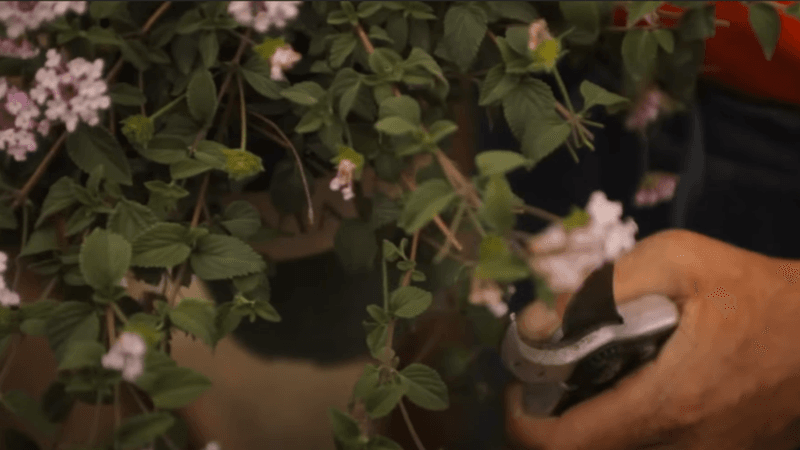
Deadheading and pruning are related but different tasks, and mixing them up can set a plant back during the hottest part of the season. Deadheading removes individual spent flower clusters at the next healthy growth point.
That is a targeted, frequent, low-impact practice. Pruning involves shortening or removing stems, which is a more significant intervention with a longer recovery period.
When lantana grows long, bare stems with sparse foliage and few flower clusters at the tips, the plant has become leggy. Deadheading alone will not fix that structure.
Mississippi State University Extension’s lantana publication reports that light pruning during summer can stimulate more flowering and encourage a fuller, bushier form. The key word is light: selectively shorten the overgrown stems by cutting back to a point where the plant has healthy leaves and lateral buds, rather than removing the entire shoot or cutting deep into bare wood.
Avoid the temptation to cut the whole plant back severely during hot, dry summer weather. Hard cutbacks during peak heat stress the plant at a time when it has limited resources to recover, and the result is often a long gap with no blooms while the plant regrows.
Reserve major structural pruning for late winter or early spring before new growth begins.
Summer trimming of leggy stems is not a substitute for the weekly deadheading routine. Think of them as complementary: deadheading keeps new flower clusters coming on a short cycle, while an occasional light trim corrects stem structure when needed.
Together they support a plant that stays bushy, well-branched, and continuously colorful rather than one that blooms in a burst and then goes bare at the base.
Investigate sudden bloom loss before adding fertilizer or sprays
A plant that stops blooming suddenly or loses most of its color mid-season is telling you something is wrong beyond the reach of deadheading. Before reaching for fertilizer or a spray bottle, work through the most common causes systematically.
Start with conditions. Has the planting area become shadier as nearby trees leafed out?
Is the soil staying wet for extended periods after rain? Has a hot, dry stretch gone without supplemental watering?
Each of those factors can suppress flowering independently. Correcting the underlying condition is always more effective than trying to compensate with products.
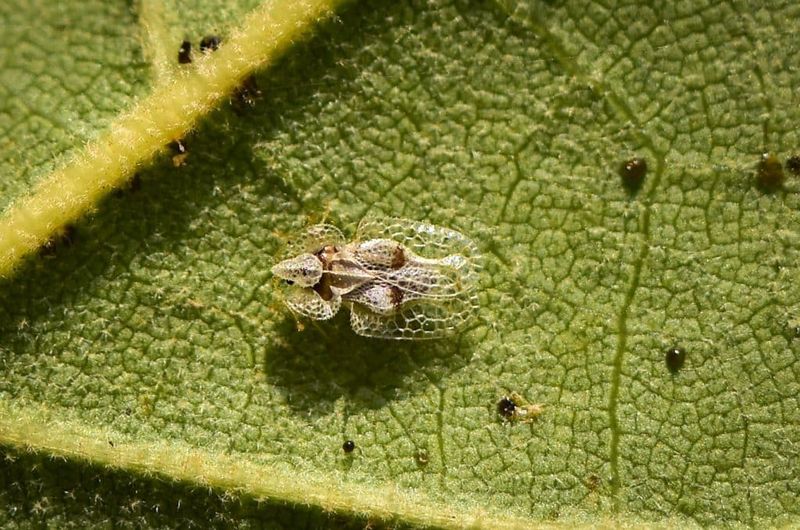
If conditions look fine, inspect the plants closely for pest injury. NC State Extension’s lantana lace bug resource explains that lace bugs feed on leaves, buds, and flowers, and that severe infestations can significantly reduce or halt blooming.
Flip leaves over and look at the undersides: stippling (tiny pale dots where cell contents have been removed), browning, wilting, and dark, shiny droppings are the characteristic signs. University of Georgia Extension’s lantana care guide also identifies lace bugs as a significant pest capable of damaging flower production.
Treatment decisions require care. Identifying the pest correctly comes first, because misidentified problems lead to ineffective or unnecessary treatments.
Any product applied should be used strictly according to its label. Pollinators visiting flowering lantana create a real concern: a 2025 peer-reviewed study on systemic insecticide exposure in lantana nectar found that timing and application rates affected pesticide concentrations in nectar, reinforcing why routine spraying of flowering plants is not appropriate.
Contact your county’s NC Cooperative Extension office for pest identification help and treatment guidance tailored to your situation. University of Florida IFAS’s lantana ornamental guidance also notes that excess fertilizer can contribute to pest pressure, another reason restraint with fertilization matters.
Weigh fewer berries against wildlife and household safety
Deadheading reduces berry production, and that tradeoff is worth thinking through before committing to the practice fully. Berries that never form cannot become food for birds, and lantana berries are eaten by some bird species that help disperse seed.
University of Florida botany research on lantana camara documents that birds consume and disperse lantana fruit, which is part of why the species can spread beyond planted areas in warmer climates. Removing spent clusters before berries develop reduces that dispersal, which is a benefit in settings where unwanted seedlings are a concern, but it also means fewer berries available to wildlife.
Pollinators are a separate consideration. Lantana flowers attract butterflies, hummingbirds, and a range of native bees and other insects, and the blooms are genuinely useful for visiting adults.
NC State Extension’s lantana profile notes this pollinator value while also identifying the plant as nonnative. Common lantana did not co-evolve with North Carolina’s native insect communities, and NC State Extension’s native plants handbook chapter explains that native plants generally provide stronger ecosystem services because of those long-standing relationships.
Lantana can share space in a yard with native nectar and host plants, but it should not be treated as a substitute for them.
The most urgent stewardship concern is toxicity. University of Florida IFAS’s lantana ornamental guide and NC State Extension both identify lantana as poisonous, with leaves and unripe berries implicated in toxicity for people, dogs, cats, horses, and livestock.
The fact that birds consume ripe berries does not make any part of the plant safe for mammals. Keep children and pets away from the plant material, prevent grazing animals from accessing the planting area, and wear gloves if handling causes skin irritation.
If ingestion is suspected, contact Poison Control or a veterinarian promptly.
Make a weekly deadheading check part of summer care
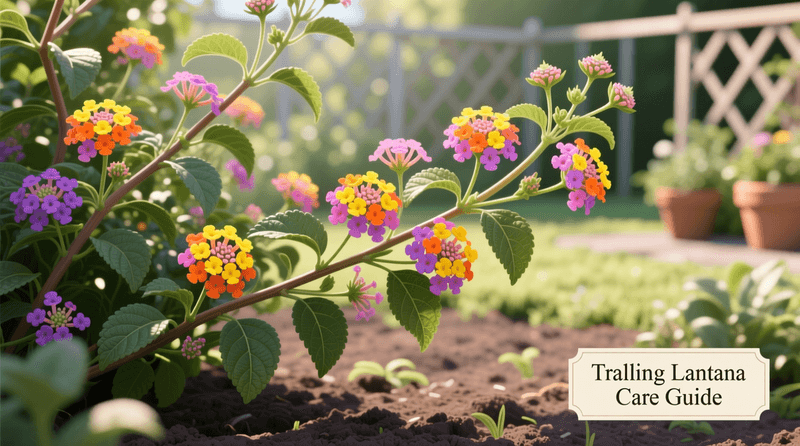
Putting the full routine together is straightforward. During active growth, walk through your lantana planting about once a week and remove faded clusters by snipping just above the next healthy leaf set, lateral shoot, or bud.
Keep full sun exposure intact, water deeply and infrequently with good drainage, and hold back on fertilizer unless a soil test shows a specific need. University of Minnesota Extension’s lantana guidance frames this kind of consistent attention as the foundation of a productive planting.
When blooming slows or stops unexpectedly, investigate before acting. Check sun, soil moisture, drainage, and leaf undersides for pest signs before adding any product.
Deadheading can help extend color across the season, but it cannot override the limits set by cultivar, climate, growing conditions, or pest pressure. NC State Extension’s lantana profile places the realistic flowering window from midsummer through first frost for most North Carolina conditions, so adjust expectations to your specific region and plant.
The routine works best when it fits the lantana you actually have, not an idealized version. A sterile cultivar in full coastal sun needs a different level of attention than a seed-producing type in a Piedmont bed that gets afternoon shade.
Match the habit to the plant, and the plant will reward you with as much color as its genetics and your growing conditions allow.