
If Hummingbirds Barely Notice Your Feeder, Here Are 15 Reasons A Saucer-Shaped One Wins Them Over
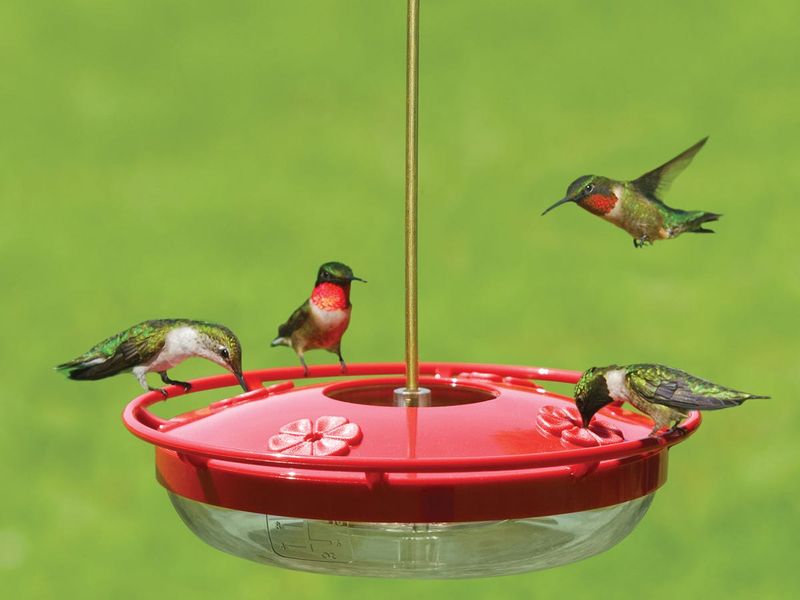
You hung a bright feeder, filled it with sugar water, and waited. But the hummingbirds keep zipping right past it like it isn’t even there.
Before you give up, the shape of your feeder might be the real problem, and a flat saucer-style design could fix it fast. Here are 15 reasons these low, shallow feeders pull hummingbirds in when tall bottle feeders leave them cold.
1. Superior Leak Resistance
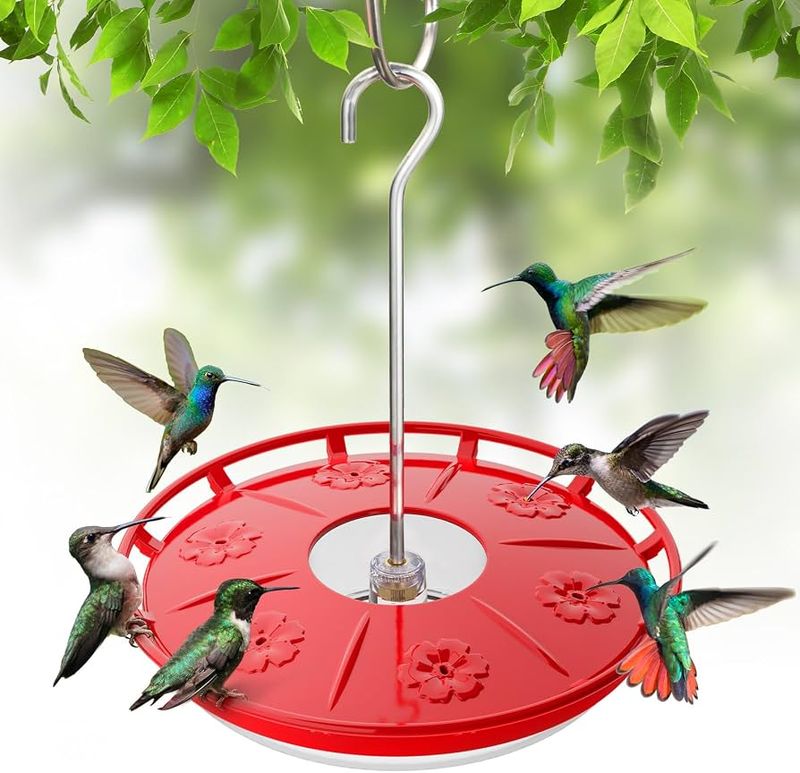
Ever notice that sticky puddle under your old bottle feeder? That mess usually comes from a vacuum seal that fails the moment the temperature climbs or the nectar runs low.
Saucer feeders skip the vacuum trick entirely. The nectar simply sits in a shallow open basin, so there is nothing to break and nothing to leak.
No sudden drips, no wasted sugar water, no wet spot on your patio.
Less leaking also means the nectar you make actually gets sipped by birds instead of soaking into the grass. That alone can turn a feeder the hummingbirds ignored into one they visit all day.
2. Enhanced Insect Control for Bees and Wasps
Bees and wasps can turn a busy feeder into a no-fly zone for hummingbirds, and nobody wants to referee that fight.
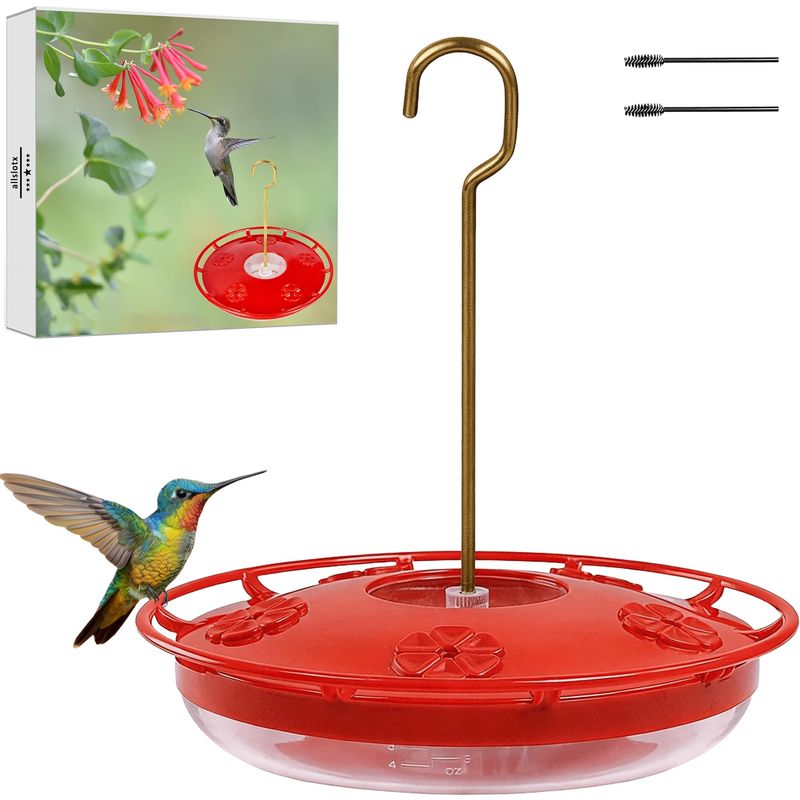
Here is the clever part of a saucer design. The nectar rests in a shallow pool that sits well below the feeding ports, so short-tongued insects simply cannot stretch far enough to reach it.
Hummingbirds, with their long bills and tongues, sip with no trouble at all.
Fewer stinging visitors means calmer, braver hummingbirds. They will linger instead of darting away every time a wasp shows up.
3. Built-in Ant Moats
Ants are relentless. They smell sugar from surprising distances and march straight up the hanger to your nectar.
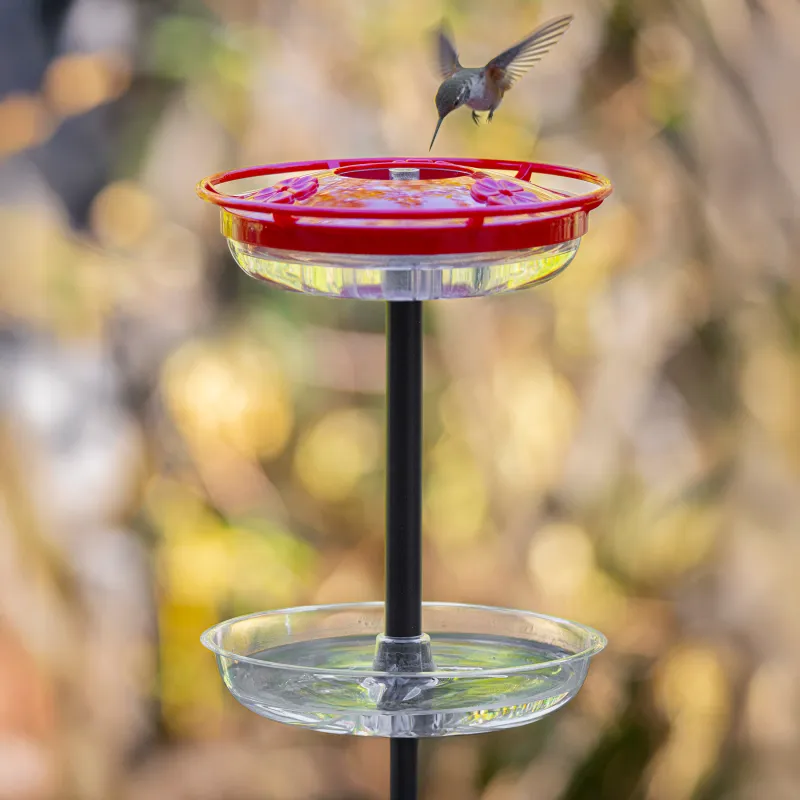
Many saucer feeders come with a built-in ant moat, a little cup of water at the top that ants simply cannot cross. No sugar bridge means no ant invasion below.
Why does this matter to the birds? Once ants get into nectar they contaminate it, and hummingbirds turn up their beaks at a fouled feeder.
Keeping ants out keeps the whole station appealing.
Bonus tip: just fill the moat with plain water, never oil, since oil can harm birds if they touch it.
4. Easier to Clean
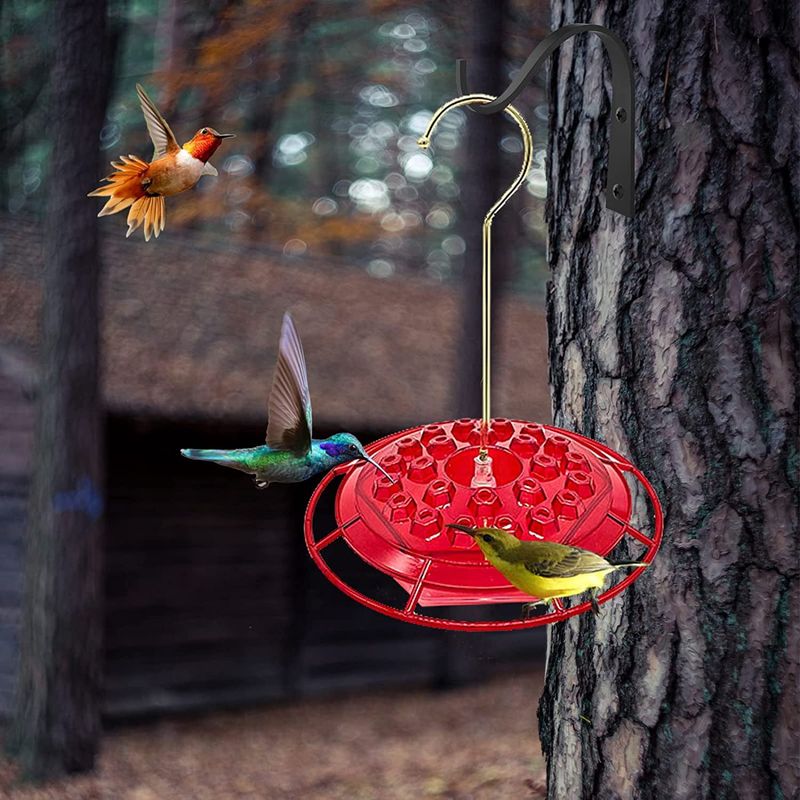
Anyone who has fought to scrub the inside of a skinny bottle neck knows the frustration. You poke a brush in, twist, and still miss the gunk hiding in the corners.
Saucer feeders open up into a wide, shallow dish with almost no hidden crannies. A quick wipe and rinse, and you are done in a minute or two.
That easy cleanup is not just about saving you time. Clean feeders stop mold and bacteria from building up, and those nasties are a top reason hummingbirds abandon a feeder for good.
5. Promotes Fresher Nectar
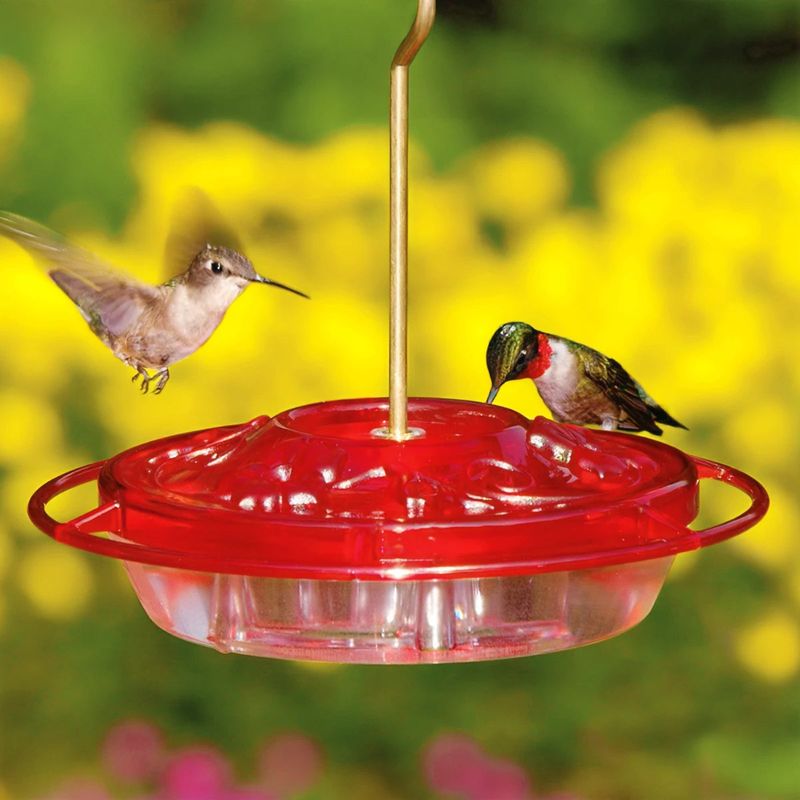
Nectar spoils faster than most people expect, especially in summer heat. Cloudy, sour, or fermenting sugar water is a hard no for hummingbirds.
Because saucer feeders are so simple to clean and usually hold a smaller amount, you naturally refill them more often. That rhythm keeps the nectar fresh and inviting.
Hummingbirds have picky palates and will flat-out refuse spoiled nectar. Serving small, frequent batches from a saucer is like offering a fresh drink every time instead of leftovers.
6. Mimics Natural Feeding
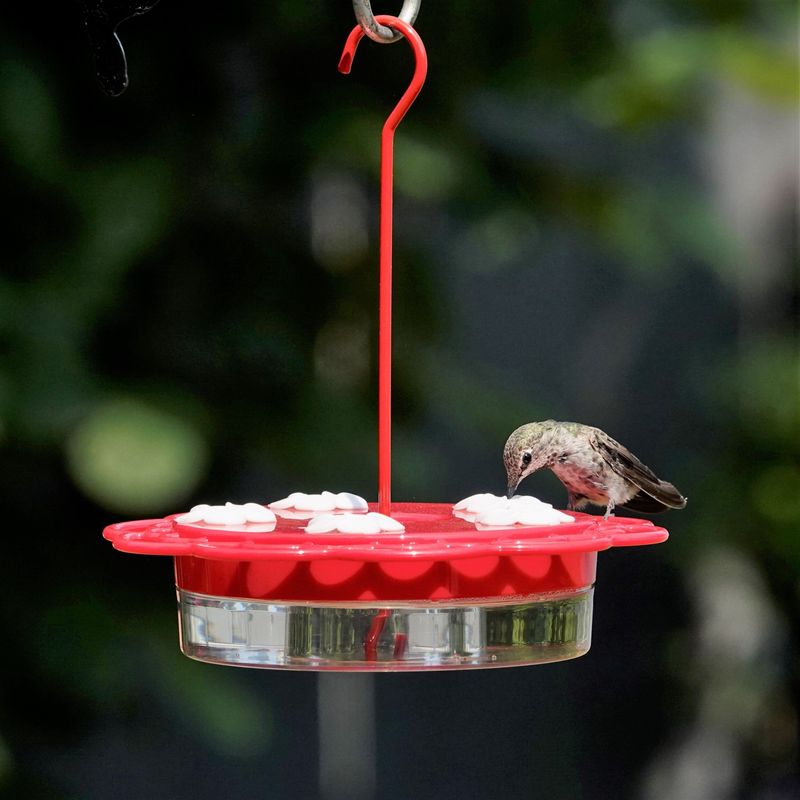
Think about how a hummingbird sips from a real blossom. It hovers or perches and dips down into an open flower face.
A saucer feeder copies that motion almost perfectly. The low profile and wide, upward-facing ports let birds feed in the same relaxed posture they already know from nature.
When something feels familiar, they trust it faster. That instinctive comfort can be the nudge a hesitant hummingbird needs to finally commit to your feeder.
7. Prevents Wet Feathers
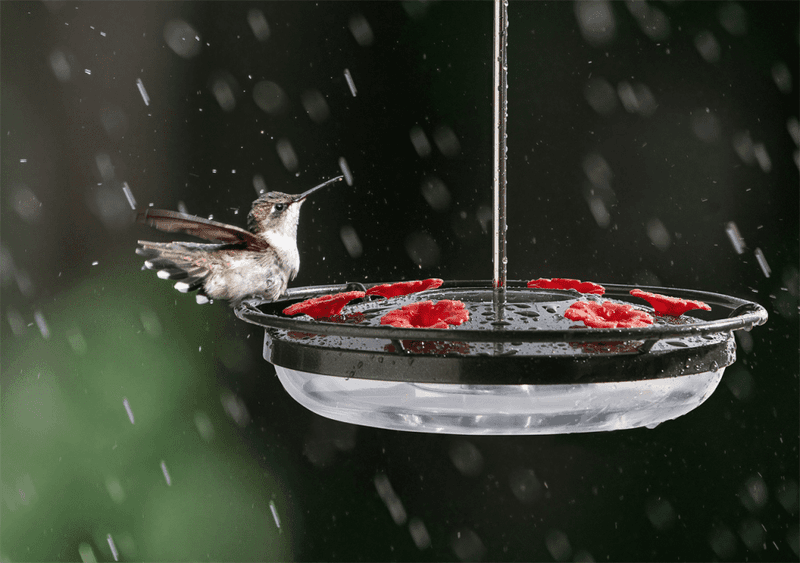
A hummingbird’s feathers are its life. Wet or sticky feathers make flying harder and can trap dirt and bacteria.
Drippy bottle feeders often coat the ports in sugary residue that birds brush against. Saucer feeders keep the nectar tucked safely in the basin, well away from the bird’s chest and wings.
Clean feeding means clean flying. A bird that never gets gummed up at your feeder is far more likely to return day after day.
8. Accommodates Perching
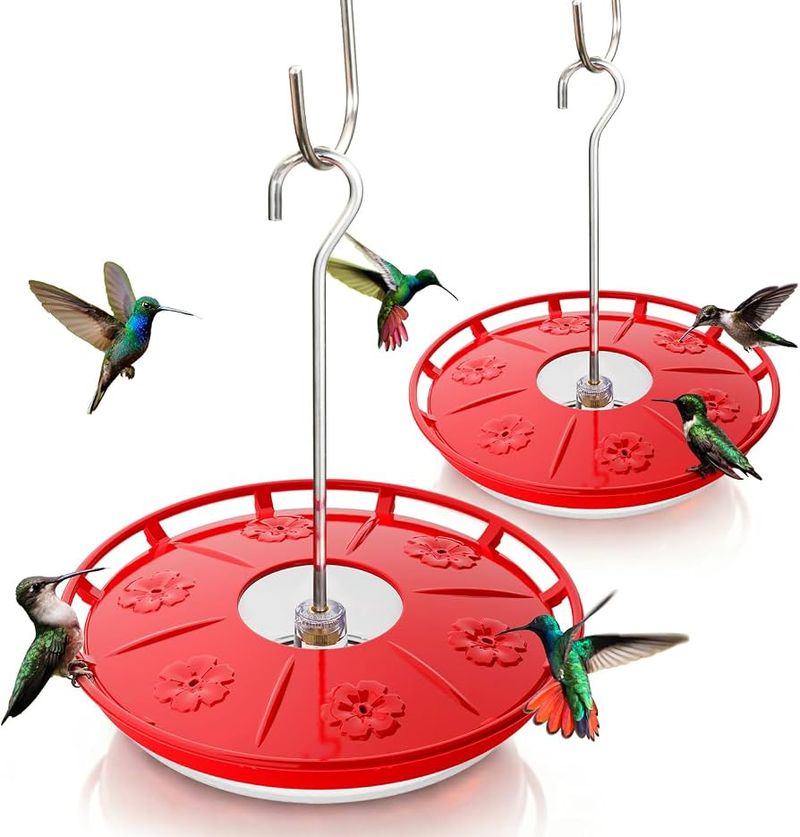
Hovering burns a lot of energy, and even tiny dynamos appreciate a chance to sit down for a meal.
Lots of saucer feeders include a perch or a full ring around the edge, giving birds a spot to rest while they drink. Some hummingbirds strongly prefer to perch, and they will pick a feeder that lets them.
There is a payoff for you too. A perched bird holds still longer, which means better photos and longer looks through the window.
9. Clear Visibility of Nectar Levels
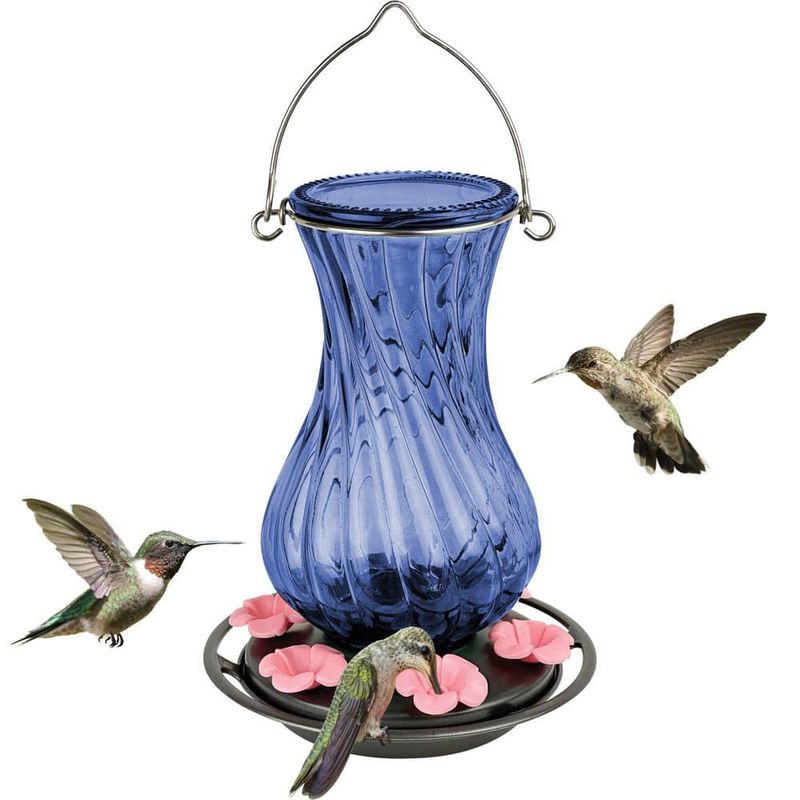
You cannot refill what you cannot see. Old opaque bottles hide low nectar until the birds have already given up.
Many saucer feeders feature a clear reservoir, so a single glance tells you exactly how much is left. No guessing, no unpleasant surprises.
That easy check makes timely refills part of your routine. And consistent, full feeders are the ones hummingbirds mark as reliable and keep coming back to.
10. Deterrence of Yellow-Attracted Pests
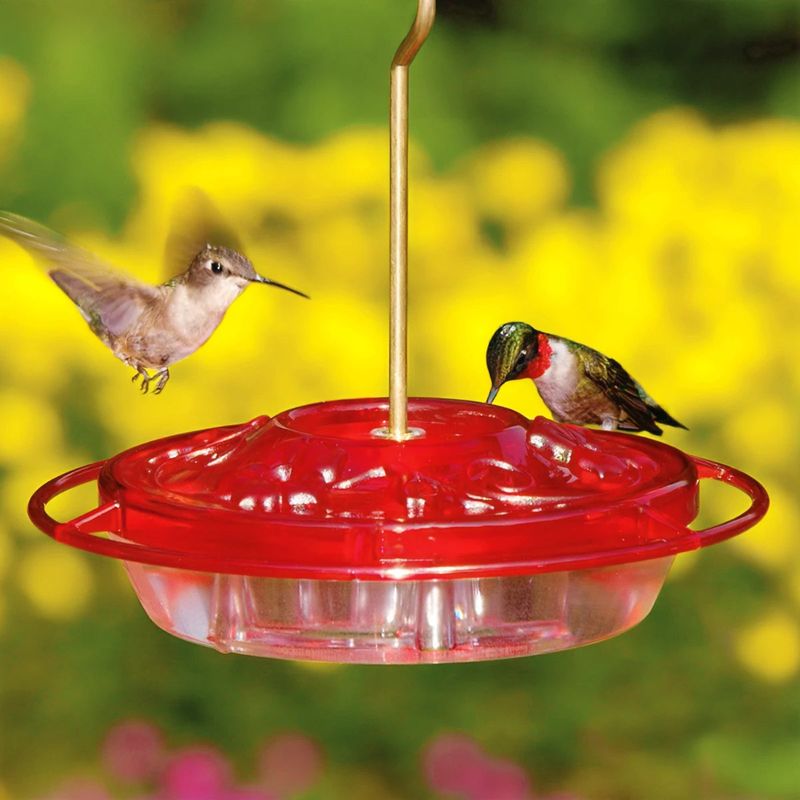
Color matters more than you might guess. Bees and wasps are drawn to yellow, so those cheerful yellow flower accents on some feeders act like an insect welcome sign.
Choosing a saucer feeder in solid red skips that problem. Red pulls in hummingbirds while giving stinging insects nothing to zero in on.
If your current feeder has yellow ports, that could be part of why the wasps arrived and the hummingbirds did not. An all-red saucer quietly fixes the mismatch.
11. Reduced Risk of Nectar Contamination from Leaks
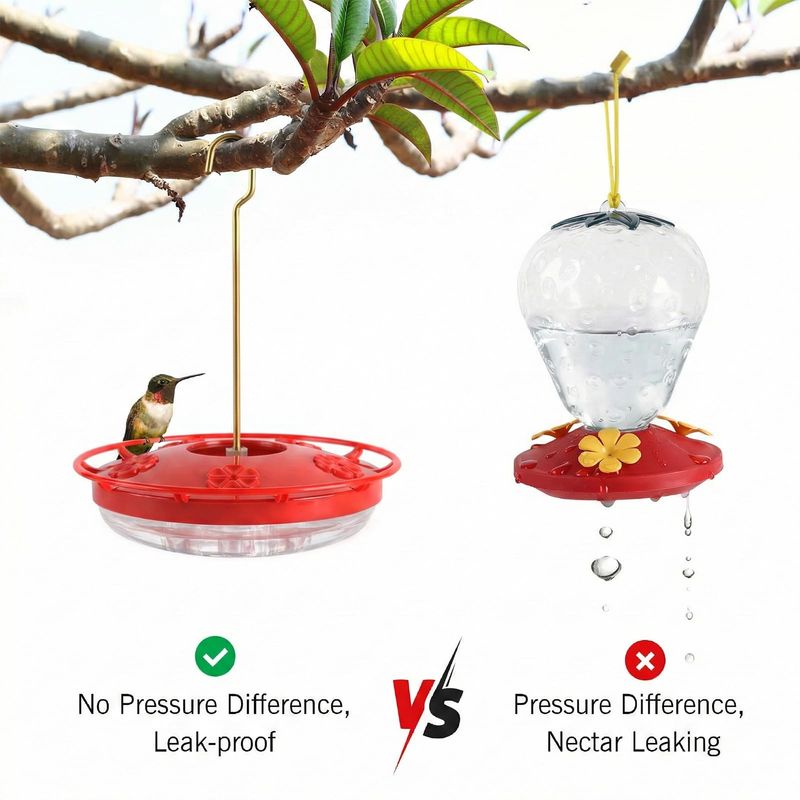
Leaks do more than waste nectar. Every spill on the ground or down the sides becomes a magnet for ants, wasps, and grime.
Since saucer feeders resist leaking so well, they head off that whole chain reaction. No puddles means fewer pests and less sticky mess clinging to the feeder itself.
Cleaner surroundings keep the nectar inside cleaner too. Hummingbirds notice the difference and reward a tidy station with regular visits.
12. Simple Nectar Preparation and Storage
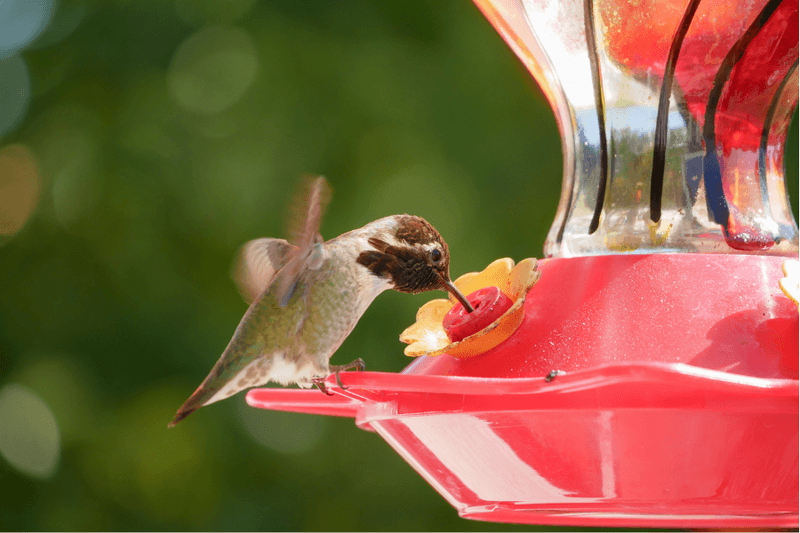
Good news for anyone who dreads complicated recipes. The best hummingbird nectar is just one part plain white sugar dissolved in four parts water, and that is it.
Saucer feeders work beautifully with this homemade mix. There is no need for the red dyes or additives found in some store-bought nectars, which are best avoided anyway.
Mix a small batch, fill the shallow dish, and stash the rest in the fridge for up to a week. Simple prep makes it easy to keep the feeder stocked with the safe, natural nectar hummingbirds love most.
13. Addresses Territoriality with Multiple Units
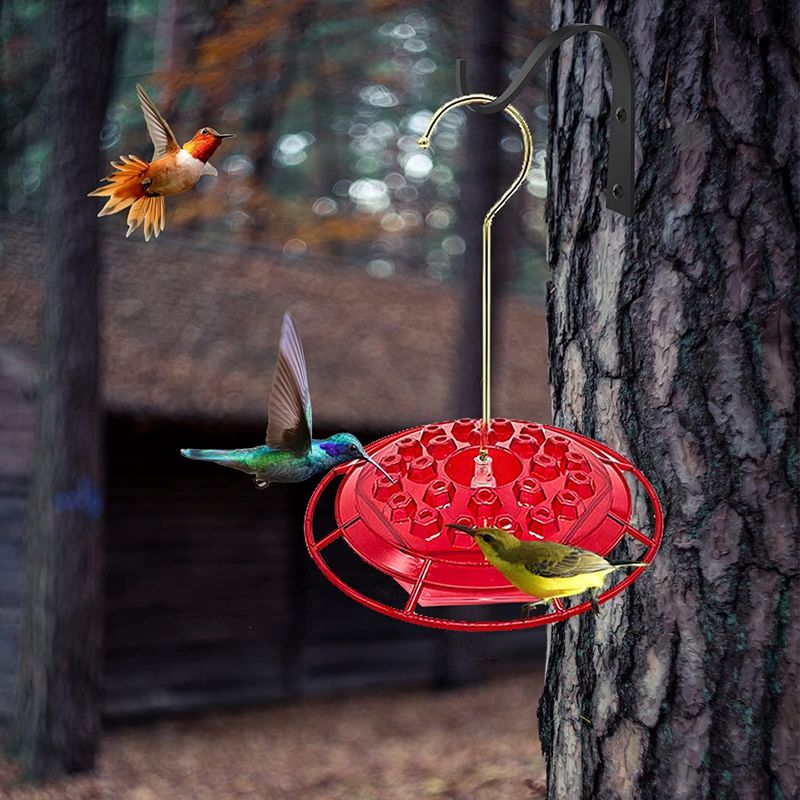
Male hummingbirds can be little bullies, chasing rivals away from a single feeder and hogging it all to themselves.
The practical perks of saucer feeders, from easy cleaning to low cost, make it realistic to hang several small ones around the yard instead of one big bottle. Spread them out where a guarding bird cannot watch them all at once.
The result is more birds getting a turn and far less mid-air drama. A yard with a few scattered saucers often stays busier than one with a lone crowded feeder.
14. Easier to Locate for Hummingbirds
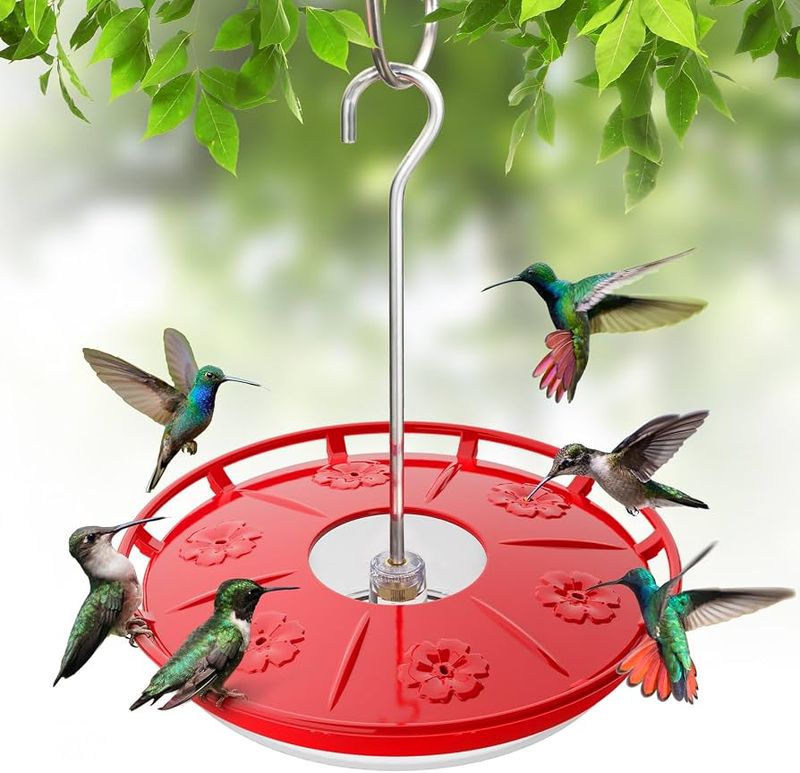
Even the best feeder only works if the birds can find it. Placement is half the battle.
Hang your saucer feeder in partial shade, which keeps the nectar fresher, and set it near red blooms like salvia or trumpet vine. The flowers act as a natural signpost that guides passing hummingbirds straight to your feeder.
Once a bird discovers the spot, it remembers. Pair a smart location with the saucer’s bird-friendly shape and you have a station that gets noticed instead of overlooked.
15. Durability and Stability
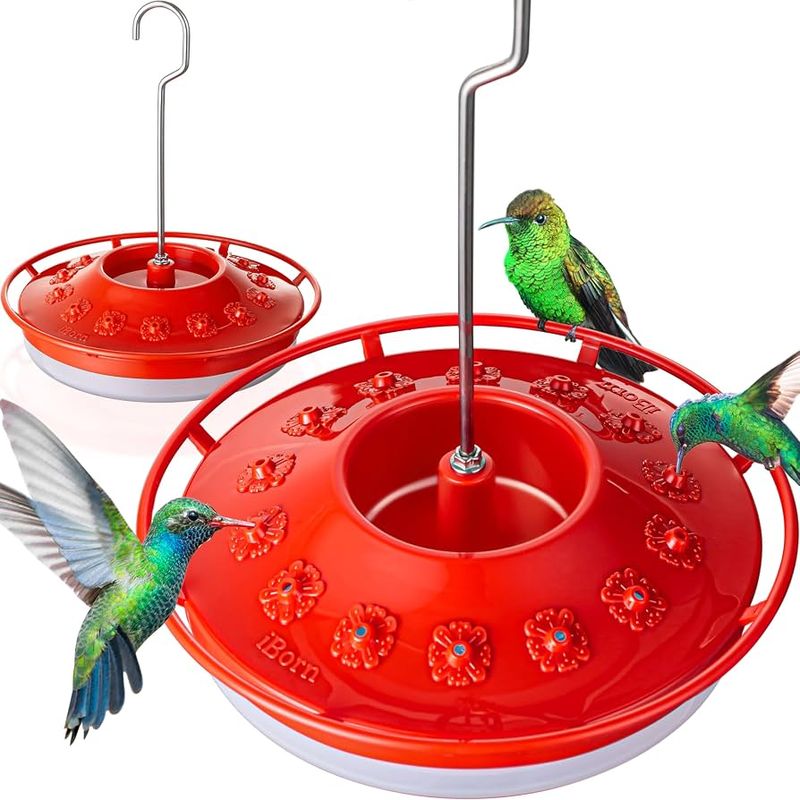
Fewer moving parts usually means fewer things that break. Saucer feeders keep it simple, and simple tends to last.
Their low, flat build sits and hangs more steadily than a top-heavy bottle, so they are less likely to tip, sway wildly, or crack in the wind. Less tipping also means fewer accidental spills.
A stable, dependable feeder becomes a fixture the birds can count on season after season. And a station that stays put and stays intact is exactly the kind hummingbirds happily make part of their daily route.